Australia Tech News - Page 44 of 231 - Techbest - Top Tech Reviews In Australia

Suncorp Ready to Implement AI Agents in Insurance Claims This Month


We independently review everything we recommend. When you buy through our links, we may earn a commission which is paid directly to our Australia-based writers, editors, and support staff. Thank you for your support!
Suncorp Set to Transform Insurance Claims Processing with AI Agents

Brief Overview

  • Suncorp is launching five AI agents to automate the insurance claims process.
  • The AI agents will oversee sub-processes within the claims workflow.
  • Voice-activated AI agents are utilized for the initial claim intake.
  • An observability platform is essential for tracking AI effectiveness and risk management.
  • Human oversight is still vital for intricate claims and assessments of rejected claims.
  • AI is anticipated to improve the efficiency and precision of claims processing.

AI Agents Reshaping Insurance Claims at Suncorp

Suncorp is set to roll out five AI agents this month to oversee various aspects of the insurance claims process, marking a major advancement in automating and boosting efficiency in claims management. This development highlights Suncorp’s dedication to incorporating cutting-edge data science and AI technologies into its operations.

Optimizing the Claims Workflow

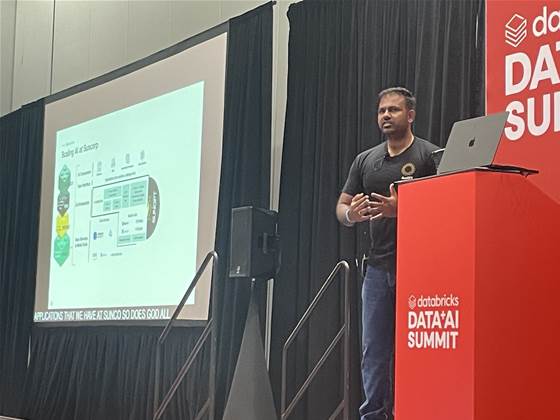
AI practice executive Kranthi Nekkalapu, in a speech at the Databricks Data+AI Summit, detailed Suncorp’s strategy for automating claims processes. The initiative aims to decompose intricate workflows into manageable sub-processes that AI agents can effectively manage. These agents are crafted to execute specific actions within the designated claims workflow, from initial intake to final settlement.
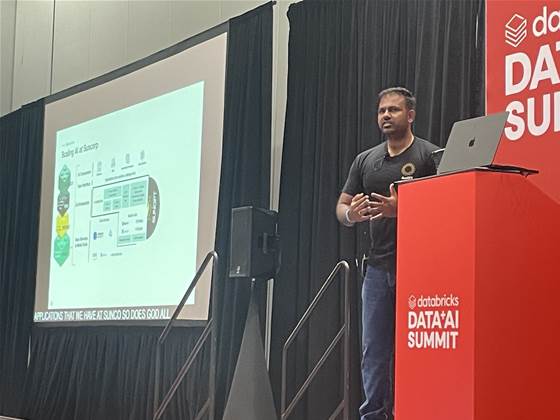
Suncorp introduces AI agents for insurance claims processing

Kranthi Nekkalapu.

Major Phases in Claims Automation

Two of the first AI agents concentrate on the first notice of loss (FNOL) phase, capturing and verifying claims submissions. Importantly, one of these agents is voice-activated, aiding in the initial intake procedure. A structured workflow is deployed for coverage assessments, vendor coordination, and settlement computations, guided by business process model and notation (BPMN) and UiPath.

Guaranteeing Strong Monitoring and Oversight

Suncorp has established a thorough observability platform on Databricks to oversee AI agent performance and mitigate risks. This platform employs OpenTelemetry-based data streams for real-time visibility. A suite of controls has been created to ensure adherence to operational and regulatory requirements.

Human Engagement in Complex Scenarios

Despite AI’s critical role in claims automation, human engagement remains essential, especially for complex claims that surpass AI’s capabilities and for the evaluation of rejected claims. This strategy guarantees precision and fairness in the decision-making process.

Improving Decision-Making Precision

Suncorp is also creating sophisticated agents capable of accurately determining claim coverage. These agents address situations where several factors, such as natural disasters, influence a claim, requiring meticulous analysis to confirm coverage.

Monitoring and Enhancing Performance

The observability platform offers varied insights tailored to different stakeholders within Suncorp. From executives tracking overall program effectiveness to engineers troubleshooting problems, the platform guarantees transparency and effectiveness. A chatbot feature provides real-time analytics and assistance for internal teams.

Conclusion

Suncorp’s implementation of AI agents in insurance claims processing signifies an innovative approach to enhancing efficiency, precision, and customer satisfaction. While AI-driven automation takes center stage, human oversight remains crucial, ensuring a well-rounded and effective claims process.


Q: What is the main objective of Suncorp’s AI agents in claims processing?

A: The primary aim is to automate various sub-processes within the claims workflow to boost efficiency and accuracy.

Q: In what way do AI agents manage the initial claims intake?

A: AI agents, including those that are voice-activated, oversee the initial intake by capturing and validating claims submissions before routing them internally.

Q: What actions has Suncorp taken to track AI performance?

A: Suncorp utilizes a Databricks-based observability platform featuring OpenTelemetry-based data streams to track AI agent performance and address risks in real-time.

Q: Is human oversight still a component of the claims process?

A: Yes, human oversight is vital, particularly for complex claims that exceed AI’s limitations and for assessing rejected claims.

Q: How precise are the AI agents in determining claim coverage?

A: Suncorp has established processes with agents capable of ascertaining claim coverage with 99% accuracy, even in intricate situations.

Q: What tools facilitate the orchestration of the claims processing workflow?

A: The workflow is orchestrated using business process model and notation (BPMN) and UiPath, allowing efficient management of tasks by AI agents.

Trump no longer views Anthropic as a threat to national security.


We independently review everything we recommend. When you buy through our links, we may earn a commission which is paid directly to our Australia-based writers, editors, and support staff. Thank you for your support!

Resolution of Anthropic’s National Security Issues

Brief Overview

  • The President of the United States, Trump, has changed his stance and no longer sees Anthropic as a threat to national security.
  • Anthropic’s advanced AI systems, Fable 5 and Mythos 5, were briefly made inaccessible to international users.
  • Discussions regarding AI issues took place between Trump, G7 heads of state, and tech executives, including Anthropic’s Dario Amodei.
  • Trump maintains the ability to invoke emergency powers, although he perceives no current necessity to do so.
  • Anthropic has shown appreciation for the administration’s collaborative efforts in addressing these challenges.

Trump’s Shift in Perspective on Anthropic

Donald Trump, the President of the United States, recently indicated that he no longer perceives the AI firm Anthropic as a national security risk. This announcement followed a period of ambiguity when Trump had instructed the organization to limit access to its sophisticated AI models, Fable 5 and Mythos 5, for users outside the country.

Trump no longer perceives Anthropic as a national security risk

Conversations with Administration Representatives

Technical leaders from Anthropic were set to meet with officials from the Trump administration to address the issues surrounding foreign access to the AI systems. The temporary suspension of the models underscored the tension between safeguarding national security and fostering technological progress.

Response from Anthropic

Dario Amodei, the CEO of Anthropic, quickly addressed the administration’s directive concerning export controls, which Trump acknowledged as timely and responsible. This swift action likely played a role in diminishing the national security fears previously entertained by the administration.

Discussions at the G7 Summit

At a meeting with G7 leaders in France, Trump interacted with tech executives, including Amodei, to explore AI and its ramifications for both national and global security. These exchanges are vital as nations navigate the intricacies of AI technology.

Potential Invocation of Emergency Authorities

Following the resolution, Trump did not entirely dismiss the possibility of activating emergency powers under the Defense Production Act regarding Anthropic. However, he conveyed uncertainty about the immediate necessity for such actions.

Commitment from Anthropic

Anthropic has conveyed its gratitude towards the administration for collaborating on problem-solving. The organization remains dedicated to safeguarding essential infrastructure and ensuring that the U.S. continues to lead in the AI domain.

Conclusion

The recent agreement between the Trump administration and Anthropic illustrates the fragile equilibrium between technological progress and national security. While the existing threat has been mitigated, sustained dialogue and cooperation will be crucial for managing future challenges.

Q: What triggered the initial national security worries about Anthropic?

A:

The worries stemmed from the accessibility of Anthropic’s AI models, Fable 5 and Mythos 5, to foreign users, raising concerns about possible exploitation.

Q: How did Anthropic react to the export control order?

A:

Dario Amodei, the CEO of Anthropic, reacted quickly and responsibly by restricting foreign user access to the AI models.

Q: What topics were covered at the G7 summit concerning AI?

A:

Trump and fellow G7 leaders addressed the implications of AI for national and global security in conversations with top technology executives, focusing on the balance between innovation and safety.

Q: What is the Defense Production Act, and how could it be applicable to Anthropic?

A:

The Defense Production Act grants the President the authority to direct private companies to prioritize production for national defense. Trump referenced its possible application but identified no pressing need for such measures against Anthropic.

Q: How has Anthropic demonstrated its commitment to the US administration?

A:

Anthropic has expressed thanks for the partnership with the administration and is committed to ensuring the protection of critical infrastructure and US leadership in AI.

Pokémon GO Commemorates 10th Anniversary with Grand Celebration Event This July


We independently review everything we recommend. When you buy through our links, we may earn a commission which is paid directly to our Australia-based writers, editors, and support staff. Thank you for your support!

Brief Overview

  • Pokémon GO’s 10th anniversary marked by a huge in-game celebration from 4-6 July 2026.
  • Launch of a unique Gimmighoul Pokémon to commemorate the 10th anniversary.
  • Quadrupled XP and Stardust bonuses for capturing Pokémon throughout the event.
  • Chance to encounter Shiny Pokémon, including a Shiny Gimmighoul.
  • Popular costumed Pokémon such as Pikachu and Eevee make a comeback.
  • Exclusive Timed Research available for purchase, providing special rewards.

A Grand Festivity for Pokémon GO’s 10th Anniversary

It seems unbelievable, but Pokémon GO is celebrating ten years since its debut in 2016. This augmented reality phenomenon, which captivated players globally, is honoring this milestone with an engaging in-game event from 4 July to 6 July 2026. Players from all corners can partake in the celebration, filled with nostalgia and plenty of rewards.

A Special Anniversary Gimmighoul is Here

A key attraction of this anniversary celebration is the introduction of a distinctive Gimmighoul carrying a 10th-anniversary coin. Players can discover this rare Pokémon through Golden Lure Modules or using a Coin Bag. Additionally, for those fortunate, there’s an opportunity to capture a Shiny variant of the anniversary Gimmighoul, available until 31 July 2026.

Pokémon GO 10th anniversary Gimmighoul with coin

Major Bonuses for Pokémon Captures

Scopely, the current proprietor of Pokémon GO, is offering generous bonuses throughout the event. Trainers can earn 4x XP and 4x Stardust for capturing Pokémon. Furthermore, the chances of encountering Shiny event-themed Pokémon have been enhanced, along with the chance to find a special background version of Gimmighoul.

Pokémon GO 10th anniversary stickers

Return of Beloved Costume Pokémon

No celebration in Pokémon GO is complete without its costumed Pokémon. Trainers might encounter Pikachu adorned with a cake hat, Eevee donning a party hat, and Wurmple also in a party hat. Shiny variations of these festive Pokémon could also make an appearance.

Exclusive Research and Rewards for the Event

For those looking for extra thrills, Pokémon GO offers Paid Timed Research during the anniversary. At a cost of US$1.99, the research ticket includes rewards such as a Super Incubator, Premium Battle Pass, and an encounter with the special Gimmighoul. Be mindful that all tasks and rewards need to be completed by 6 July 2026 at 8:00 pm local time.

Where to Buy Tickets

Tickets for the anniversary research can be acquired within the Pokémon GO app. Additionally, an anniversary bundle and Avatar items are accessible in the Pokémon GO Web Store, providing players with more chances to celebrate the occasion.

Pokémon GO 10th anniversary avatar gear

Marking a Decade of Adventures

The Pokémon GO 10th Anniversary Celebration showcases the game’s lasting popularity. Whether you’re a seasoned player or a newcomer, this event presents an opportunity to relive the thrill and friendship that Pokémon GO has cultivated over the years. It’s time to venture outside, explore, and enjoy the moment with fellow Trainers.

Recap

Pokémon GO celebrates its 10th anniversary with a grand event featuring a new Gimmighoul variant, substantial bonuses, and the return of costume Pokémon. The event-exclusive Timed Research provides additional rewards, making it an essential celebration for Trainers across the globe.

Q: When is the Pokémon GO 10th Anniversary celebration?

A: The celebration takes place from 4 July to 6 July 2026.

Q: What bonuses can I expect for capturing Pokémon during the event?

A: Trainers will earn 4x XP and 4x Stardust for capturing Pokémon during this event.

Q: Will I find Shiny Pokémon during the anniversary celebration?

A: Yes, there are enhanced chances of encountering Shiny Pokémon, including a Shiny Gimmighoul.

Q: How can I buy the Timed Research ticket?

A: The Timed Research ticket is available for purchase within the Pokémon GO app for US$1.99 or the equivalent in local currency.

Q: Are there any special items available during the celebration?

A: Yes, exclusive event stickers, Avatar items, and a special anniversary bundle are available.

ASX Fined $20.5 Million for Failing to Replace Blockchain System


We independently review everything we recommend. When you buy through our links, we may earn a commission which is paid directly to our Australia-based writers, editors, and support staff. Thank you for your support!

ASX Faces $20.5 Million Fine for Failure in Blockchain System Replacement

Brief Overview

  • ASX penalized with $20.5 million for misleading the market regarding CHESS replacement updates.
  • ASIC is additionally pursuing $3 million in legal fees.
  • The project encountered major unresolved challenges internally classified as “red”.
  • In November 2022, ASX discontinued the blockchain system after expenditures of $245-$255 million.
  • A new CHESS system utilizing TCS’ BaNCS platform was introduced in April.

The Costly Error: ASX’s Blockchain Aspirations Collide

The Australian Securities Exchange (ASX) is presently facing a significant fine of $20.5 million due to misleading statements to the market in 2022. This penalty is a result of inaccuracies regarding the development of its blockchain-oriented Clearing House Electronic Subregister System (CHESS) replacement.

ASX encounters $20.5m fine for unsuccessful blockchain-based system replacement

ASIC’s Legal Action

The Australian Securities and Investments Commission (ASIC) filed a lawsuit against ASX in 2024, seeking an extra $3 million in legal expenses. Both the fine and legal fees await the Federal Court’s decision.

Inside the Project: A Struggle for Sustainability

As per public statements, ASX asserted that progress was proceeding as planned, but the reality behind the scenes was a project on the verge of collapse. The initiative was rated “red” internally because of critical unresolved issues and risks, with realistic solutions not apparent before the anticipated go-live date. The testing environments in the industry were insufficient, failing to meet operational requirements.

Giving Up on the Blockchain Vision

After dedicating six years and spending between $245 million and $255 million, ASX ultimately decided to terminate the blockchain-driven system in November 2022. This choice highlighted the complications encountered in implementing such revolutionary technology within vital financial systems.

Rebuilding Confidence with a New System

This April, ASX rolled out a new CHESS system that operates on Tata Consultancy Services’ BaNCS platform. This strategy intends to restore trust and dependability in Australia’s financial marketplaces.

Conclusion

The ASX’s endeavor to launch a blockchain-based solution for its CHESS replacement resulted in a large monetary penalty and the project’s cancellation. The involvement of the Australian Securities and Investments Commission emphasizes the necessity for precise market communication, particularly when handling critical market frameworks.

Q: Why did ASIC take legal action against ASX?

A: ASIC initiated legal proceedings against ASX for providing misleading information to the market regarding the status of its blockchain-based CHESS replacement, which was not functioning as publicized.

Q: What was the internal evaluation of ASX’s blockchain project?

A: Internally, the project was marked as “red” because of unresolved challenges and risks, with resolution timelines consistently delayed.

Q: How much funding did ASX allocate to the blockchain system before halting it?

A: ASX invested between $245 million and $255 million over a six-year period prior to abandoning the blockchain-based system.

Q: What is the foundation of the new CHESS system?

A: The new CHESS system is based on Tata Consultancy Services’ BaNCS platform.

Q: When did the new CHESS system become operational?

A: The new CHESS system became operational in April of this year.

Q: What does this penalty signify for ASX?

A: The penalty underscores the imperative for transparency and precision in market communications, especially concerning essential financial infrastructures.

Tesla’s FSD Supervised v14 Arrives on Australian Roads: Significant AI4 Enhancement Revealed


We independently review everything we recommend. When you buy through our links, we may earn a commission which is paid directly to our Australia-based writers, editors, and support staff. Thank you for your support!

Quick Read

  • Tesla’s FSD Supervised v14 has been launched in Australia and New Zealand for AI4 vehicles.
  • Significant enhancements in lane decision-making and reduced driver monitoring interruptions.
  • Available solely for hardware 4 vehicles; hardware 3 users are pending upgrades.
  • Improved comprehension of road elements and intelligent arrival features.
  • Subscription offered at A$149 monthly, providing adaptability.

FSD Supervised v14 Arrives on Australian Roads

Tesla has commenced the deployment of Full Self-Driving Supervised v14 for Hardware 4 vehicles in Australia and New Zealand. This long-anticipated enhancement introduces major progress in autonomous driving functionalities, presenting Tesla owners in Australia with a glimpse into the future.

Enhanced Lane Decision Logic Eases Driver Pressure

A key improvement in v14 is the refined lane decision logic. Earlier iterations had difficulties with late lane changes, sometimes resulting in missed exits or sudden maneuvers. With v14, Tesla vehicles now foresee turns sooner, facilitating smoother navigation in crowded urban environments.

A Much-Needed Cut in Driver Monitoring Alerts

Monitoring driver attention has been a frequent concern among Tesla users. The latest update significantly lessens unnecessary notifications. The system now incorporates more intuitive contextual cues, permitting brief interactions with the center display without activating alarms, enhancing long journey enjoyment.

An AI4 Exclusive Advantage for Local Drivers

The rollout is presently restricted to Hardware 4 vehicles, leaving Hardware 3 users awaiting possible upgrades. AI4 vehicles benefit from enhanced camera clarity and processing capabilities, allowing swifter and more precise reactions to road situations.

Australian Road Characteristics & Future Features

The update improves the handling of distinctive Australian road characteristics. It adeptly navigates roundabouts and unmarked rural roads while accurately interpreting faded road signs, boosting safety and comfort.

Intelligent Arrival Options and a System That Rectifies Its Own Limitations

New Arrival Options give drivers the ability to set specific parking preferences upon arrival. The system also improves handling of temporary visual obstructions like glare or rain, minimizing unnecessary disengagements.

Monitoring Your Zero-Intervention Records and Custom Speed Profiles

The refreshed interface now showcases driving statistics, including zero-intervention records, and introduces Speed Profiles for personalized driving experiences. The change of Navigate on Autopilot to Navigate on Autosteer mirrors Tesla’s future vision.

Is the Monthly Subscription Worth the Investment?

Offered at A$149 per month, the subscription provides flexibility to Tesla owners. It’s especially advantageous for those with lengthy commutes, while occasional drivers may find the ongoing expense more difficult to rationalize. The subscription model allows for straightforward activation for specific trips, enhancing its overall value.

Conclusion

Tesla’s FSD Supervised v14 signifies a notable advancement in autonomous driving for Australia. The update, limited to Hardware 4 vehicles, brings improved driving logic, decreased monitoring notifications, and enhanced adaptability to local road realities. With its versatile subscription model, Tesla presents a preview of the future of driving.

Q: What is the primary enhancement in FSD Supervised v14?

A: The primary enhancement is the improved lane decision logic, which anticipates turns sooner and guarantees smoother traffic navigation.

Q: Is the update accessible for all Tesla models in Australia?

A: No, the update is currently restricted to Hardware 4 vehicles. Hardware 3 users may have to wait for upgrades.

Q: What is the function of the subscription model?

A: The FSD Supervised v14 is offered as a monthly subscription for A$149, facilitating flexibility without a hefty initial payment.

Q: Does the update enhance the management of Australian road conditions?

A: Yes, the update features enhancements for better navigation of roundabouts, undivided roads, and faded markings, making it suitable for Australian roads.

Review: Epomaker QK108 – An Ideal Full-Size Mechanical Keyboard for Australian Developers Who Enjoy Experimenting


We independently review everything we recommend. When you buy through our links, we may earn a commission which is paid directly to our Australia-based writers, editors, and support staff. Thank you for your support!

Brief Overview

  • The Epomaker QK108 represents a full-sized mechanical keyboard perfect for developers and hobbyists.
  • It boasts a detachable cable, RGB illumination, and a programmable knob.
  • Features hot-swappable switches and accommodates both wired and wireless connectivity.
  • Customization capabilities include VIA and QMK support for key remapping.
  • The keyboard is equipped with a custom LCD display for enhanced personalization.

Full-sized and unapologetic

The Epomaker QK108 showcases a complete 104-key layout, including a function row, navigation keys, arrow cluster, and numpad. This extensive setup is ideal for users who frequently switch between applications. The stepped design of the keyboard combined with adjustable feet provides ergonomic comfort tailored to user preferences.

Profile view of the keyboard showing the stepped design of the keys, adjustable feet in the upright position.
The stepped keyboard offers an ergonomic experience. (Photo: TechBest)

The necessity of detachable cables

The Epomaker QK108 is equipped with a detachable USB-A to USB-C cable, facilitating connectivity among various devices. While it can connect via Bluetooth and 2.4GHz wireless methods, the wired alternative provides superior responsiveness, addressing any latency issues.

Quiet, soft, and unexpectedly pleasant with hot-swappable switches

This keyboard is fitted with silent switches, ensuring a soft and cushioned typing experience. The hot-swappable functionality allows users to change switches easily, granting the freedom to try different switch types without soldering.

Unpacking visual featuring the keyboard, instructions, three extra keys labeled "Command" for Mac, two additional switches, a long cable with USB-A on one end and USB-C on the other, and a keycap puller.
The Epomaker QK108 includes all essentials, such as a cable, extra keycaps for OS swapping, a keycap puller, and spare switches. (Photo: TechBest)

The LCD display is a fun addition… and I enjoy it

This keyboard comprises a custom LCD display that can show the time and personalized GIFs, improving user engagement. The web-based image tool allows for straightforward setup without the need for software installation.

Close-up view of the LCD screen displaying a custom gif.
The keyboard looks significantly better with a custom gif. (Photo: TechBest)

A volume knob that genuinely adds value

The programmable knob offers practical physical volume control, a feature you’ll miss once you experience it. It effortlessly adjusts volume and mutes or unmutes sound as needed.

A keyboard built for developers

The Epomaker QK108 supports VIA and QMK, allowing for comprehensive key remapping and custom layer development. While setup requires some additional steps, the potential for customization is extensive, making it a favorable choice for developers.

Screenshot of the VIA software after adding the json file, showcasing numerous keys and options available for configuration.
You can adjust keys to your preference. (Screenshot: TechBest)

RGB without the software complexity

The RGB lighting of the keyboard can be adjusted using onboard shortcuts, negating the necessity for software installation. While VIA software provides more options, users can simply change brightness, colors, and effects directly through the keyboard.

  • Fn + |: cycle through backlight colors/effects
  • Fn + Up Arrow: Increase backlight brightness
  • Fn + Down Arrow: Decrease backlight brightness
  • Fn + -_: Reduce backlight effect speed
  • Fn + =+: Increase backlight effect speed

Conclusion

The Epomaker QK108 is a multifunctional mechanical keyboard tailored for individuals who value total customization and quality attributes. Priced at $89.99 USD ($128.24 AUD) directly from Epomaker, it provides an enjoyable typing experience, extensive customization options, and distinctive features like an LCD screen and programmable knob. Whether you are a developer or someone who enjoys tinkering with devices, this keyboard presents a strong option.

Q: What are the key specifications of the Epomaker QK108?

A: The Epomaker QK108 features a full-size layout, detachable cable, RGB lighting, hot-swappable switches, a custom LCD screen, and a programmable knob.

Q: Is the keyboard capable of wireless operation?

A: Yes, it supports Bluetooth and 2.4GHz wireless connectivity, although a wired connection is suggested for optimal performance.

Q: Is the keyboard suitable for developers?

A: Indeed. The QK108 is compatible with VIA and QMK, providing extensive key remapping and custom layer creation capabilities, making it perfect for developers.

Q: How does the LCD screen enhance the keyboard’s functionality?

A: The LCD screen can show the time and custom GIFs, offering further personalization options and elevating user interaction.

Q: Is software installation necessary for customization?

A: Basic customization does not require software installation. However, VIA software offers opportunities for more advanced configurations.

US cautions about possible danger: Anthropic models may be shifted to overseas military intelligence


We independently review everything we recommend. When you buy through our links, we may earn a commission which is paid directly to our Australia-based writers, editors, and support staff. Thank you for your support!

Anthropic’s AI Models Confront Export Limitations: Possible Military Hazards

Anthropic models vulnerable to military exploitation

Brief Overview

  • US Commerce Secretary warns of AI models’ possible redirection to foreign military intelligence.
  • Anthropic instructed to halt global export of its AI models.
  • Worries about the “jailbreaking” potential of the Fable 5 model.
  • Cybersecurity professionals back Anthropic against US limitations.
  • Tension between Anthropic and the US government regarding military applications of AI.

Involvement of US Commerce Secretary

US Commerce Secretary Howard Lutnick has expressed concern regarding Anthropic’s AI models, Mythos and Fable, highlighting the risks of them being redirected to military intelligence entities in countries such as China and Russia. In light of this, Lutnick has mandated that Anthropic cease the global distribution of these models.

Anthropic’s Reaction and Actions

In accordance with the directive from the Commerce Department, Anthropic declared that it would terminate access to its AI models on a global scale. The firm disclosed worries about the “jailbreaking” risks associated with its Fable 5 model, which might evade security protocols, despite only minor vulnerabilities being identified.

Backing from Cybersecurity Professionals

In a display of support, more than 80 executives and specialists in cybersecurity, including figures from Nvidia and Adobe, penned a letter urging the US government to reevaluate the limitations placed on Anthropic. They contend that removing these barriers would facilitate technological progress.

Tensions with the US Government

The association between Anthropic and the US administration has been strained, especially after Anthropic declined to permit the deployment of its AI models for military surveillance purposes. This decision allegedly resulted in the company being added to a national security blacklist.

Conclusion

Anthropic is navigating considerable obstacles due to restrictions enforced by the US on its AI models, driven by fears of potential military applications by adversarial nations. This scenario highlights the intricate relationship between technological innovation and national security.

Q: Why did the US impose restrictions on Anthropic’s AI models?

A: The US imposed restrictions due to fears that Anthropic’s AI models might be redirected to foreign military intelligence, representing a national security threat.

Q: What actions did Anthropic take in response to the US directive?

A: Anthropic disabled global access to its AI models and is engaged in ongoing dialogues with the US Department of Commerce.

Q: What has been the response from cybersecurity professionals regarding the US restrictions?

A: Numerous cybersecurity professionals have endorsed a letter supporting Anthropic, calling on the US government to remove the restrictions, emphasizing the significance of technological advancement.

Q: What caused the strained relations between Anthropic and the US government?

A: Relations soured after Anthropic denied permission for its AI models to be utilized in US military surveillance and autonomous weaponry.

Q: What does “jailbreaking” mean in the context of AI models?

A: “Jailbreaking” refers to circumventing security measures in AI models to exploit weaknesses, a concern associated with Anthropic’s Fable 5 model.

Chinese-affiliated Hackers Aim at US and Canadian Research Institutions


We independently review everything we recommend. When you buy through our links, we may earn a commission which is paid directly to our Australia-based writers, editors, and support staff. Thank you for your support!

Cyber Espionage: The UNC6508 Risk

Cyber Espionage: The UNC6508 Risk

Quick Read

  • Hackers linked to China have attacked research entities in the US and Canada.
  • Their focus included defense intelligence, artificial intelligence, and healthcare research.
  • The hacking group identified as UNC6508 was reported by Google.
  • REDCap servers were compromised to extract login details.
  • Google identified and informed the affected organizations.
Cyber espionage aimed at North American research entities

Background on the Cyberattacks

From September 2023 to November 2025, a hacking collective linked to China, known as UNC6508, breached several research installations in the US and Canada. These attackers aimed at institutions engaged in defense intelligence, military tactics, AI, unmanned systems, cyber warfare initiatives, and healthcare research. Google’s Threat Intelligence Group uncovered this operation, raising substantial alarms regarding the security of sensitive data in these domains.

Fields Targeted by Hackers

The report from Google emphasized the extensive range of areas affected by UNC6508, including pharmaceutical discovery, clinical trials, public health regulations, and military preparedness. These research centers employ thousands and have research budgets amounting to billions, highlighting the crucial nature of the information sought by these hackers.

Methods Utilized by UNC6508

UNC6508 took advantage of vulnerabilities within REDCap servers, a widely utilized web tool for managing online surveys and data. They used tailor-made malicious software to obtain legitimate access credentials. Additionally, they set up a system to automatically redirect emails containing almost 150 specific keywords to a monitored Gmail account. These keywords comprised contact information and terms pertinent to geo-strategic policy and cutting-edge technology.

Response and Detection

While the Chinese Embassy in Washington did not reply to inquiries, and Beijing often denies involvement in illegal hacking activities, Google’s proactive actions in identifying and notifying the compromised organizations were essential. The tech titan’s detection strategies highlight the ongoing difficulties in safeguarding sensitive research information from cyber threats.

Summary

The UNC6508 hacking operation is a clear reminder of the vulnerabilities present within vital research institutions. By targeting a wide array of strategic and medical fields, these cyberespionage actions present considerable risks to national security and advancements in global health. Continuous vigilance and improved cybersecurity protocols are crucial for protection against such threats.

Frequently Asked Questions

Q: What is UNC6508?

A: UNC6508 is a relatively nascent and lesser-known hacking group linked to China, engaged in cyberespionage targeting research organizations in the US and Canada.

Q: What types of data were targeted?

A: The attackers aimed for information relating to defense intelligence, military strategies, artificial intelligence, unmanned systems, cyber warfare initiatives, and healthcare research.

Q: How did UNC6508 gain network access?

A: They exploited weaknesses in REDCap servers, utilizing custom malware to steal login information and set up email forwarding using targeted keywords.

Q: How did Google respond to these attacks?

A: Google identified the compromised entities and alerted them, taking proactive steps to reduce further risks.

Q: Has there been any response from China?

A: The Chinese Embassy in Washington did not respond to comment requests, and Beijing regularly denies involvement in illegal hacking activities.

Tapo D235 Video Doorbell Evaluation: Enduring Battery Life with No Subscription Needed? (Comprehensive Unboxing and Installation Images)


We independently review everything we recommend. When you buy through our links, we may earn a commission which is paid directly to our Australia-based writers, editors, and support staff. Thank you for your support!

Tapo D235 Video Doorbell: An In-Depth Review for Australian Consumers

Quick Overview: Main Highlights

  • Durable 10,000mAh battery estimated to last up to 210 days.
  • 2K video clarity with a broad dynamic range.
  • AI detection for individuals, vehicles, pets, and packages without needing a subscription.
  • Compatible with both battery and wired usage.
  • Works with Amazon Alexa and Google Assistant.
  • Local storage without subscription via microSD card.
  • IP66 rated for weather resistance, ideal for Australian climates.

Unpacking the Tapo D235

Tapo D235 Video Doorbell Review: Unboxing Overview

The Tapo D235 is a video doorbell by TP-Link’s Tapo line, built with a strong emphasis on battery longevity. It boasts a significant 10,000mAh battery, guaranteeing usage for up to 210 days. Thanks to the large battery, it comes in a more prominent size, measuring 150mm x 50mm x 38mm.

Design and Dimensions

Tapo D235 Video Doorbell Design and Measurements

The doorbell’s larger size is a result of its powerful battery. It features a matte black front and a white back, along with a customizable LED ring. The package comes with both straight and angled mounts for versatile installation. The lens design provides an extensive field of view, although the angled bracket may be necessary to have a direct view of the ground.

Installation Procedure

Tapo D235 Video Doorbell Installation Guide

The installation process is handled through the Tapo app, which offers clear instructions. The D235 connects via 2.4GHz Wi-Fi and integrates easily with Amazon Alexa. During the setup, audible prompts guide users, which some might find to be a bit intrusive.

Main Features

Call Notification

The Tapo app can sound an alert on your phone like an incoming call when the doorbell is pressed, facilitating live interactions or the use of pre-recorded messages.

2K Video Quality and Wide Viewing Angle

The camera is equipped with a 5MP Starlight CMOS sensor, delivering crisp daytime images and acceptable night vision, though some artifacts may appear in low light conditions.

AI Detection Capability

Allows for the detection of people, vehicles, pets, and packages, complete with specific notifications, all without the necessity for a subscription.

Local and Cloud Storage Options

Includes a microSD slot for local storage up to 512GB. Optional cloud storage is accessible through Tapo Care.

Integrated Chime and Smart Home Compatibility

Comes with a wireless chime that can be adjusted via the app. Integrates with Amazon Alexa and Google Assistant, although Matter and IFTTT are not supported.

IP66 Weather Durability

With an IP66 rating, it is designed to withstand a variety of Australian weather patterns.

Battery Performance in Real Use

Despite being rated for 210 days, actual battery drain is quicker with regular usage. A USB charger is necessary but not provided.

Tapo Care Subscription

A free trial for Tapo Care is available, providing cloud storage and enhanced alerts. After the trial, essential features remain operational without needing a subscription.

Key Specs

Specification Detail
Price (Australia) $160 to $200
Retailers Amazon, Harvey Norman, JB Hi-Fi, Officeworks, Bunnings, Tapo Store
Warranty 1 year
Dimensions 150mm x 50mm x 38mm
Battery 10,000mAh, up to 210 days
Video Resolution 2560 x 1920 (2K)
Night Vision IR up to 10m, color up to 5m
AI Detection Person, vehicle, pet, package
Local Storage MicroSD up to 512GB
Wi-Fi 2.4GHz
Smart Home Amazon Alexa, Google Assistant
Weather Rating IP66

Conclusion

The Tapo D235 presents notable features without requiring continual subscriptions, positioning itself well against competitors like Google Nest and Reolink. Its extended battery life, AI detection, and local storage stand out, although its size and voice prompts may be worth noting.

Summary

The Tapo D235 is distinguished by its no-subscription-required AI features, strong battery performance, and smart home compatibility. While some design aspects may not suit all users, its overall functionality and pricing render it a strong option in the video doorbell segment.

Q&A

Q: How long can the Tapo D235 battery last?

A:

It’s rated for up to 210 days under light usage, but frequent activations can shorten this time.

Q: Is a subscription needed for the Tapo D235?

A:

No subscription is required for AI detection and local storage functions, though cloud storage is an option via Tapo Care.

Q: What is the camera’s resolution?

A:

The camera supports a 2K resolution (2560 x 1920), delivering clear and detailed visual output.

Q: Is the Tapo D235 resistant to weather?

A:

Yes, its IP66 rating makes it suitable for a range of outdoor conditions in Australia.

Q: Can the Tapo D235 work with smart home systems?

A:

Yes, it is compatible with Amazon Alexa and Google Assistant for smart home integration.

Q: What items are included in the package?

A:

The package includes the doorbell, a wireless chime, straight and angled mounting brackets, but does not come with a charger.

Telstra Aims for Automation to Address 5G Misconfiguration Challenge


We independently review everything we recommend. When you buy through our links, we may earn a commission which is paid directly to our Australia-based writers, editors, and support staff. Thank you for your support!

Telstra’s Automation Approach to Combat 5G Network Issues

Brief Overview

  • Telstra is streamlining the handling of 5G misconfigurations via automation to boost efficiency.
  • Misconfigured slice IDs may create 300-400 support requests each month.
  • Automation seeks to lessen manual involvement and improve network dependability.
  • This project is part of Telstra’s Connected Future 30 plan.
  • Telstra aims for level four autonomy in its network by 2030.

Tackling 5G Network Misconfigurations

Telstra directs automation at resolving a 5G misconfiguration

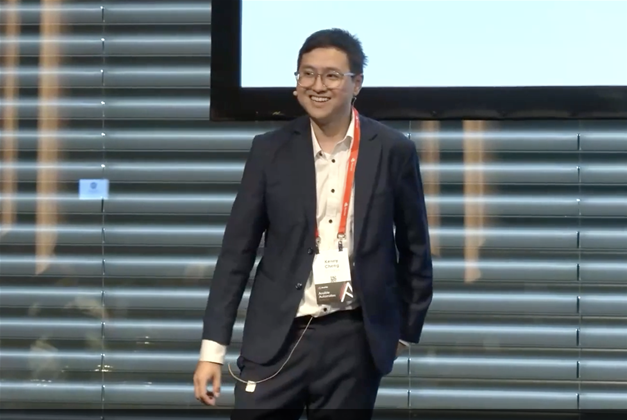
Kenny Cheng from Telstra.

Under the Connected Future 30 initiative, Telstra is refining its network automation solutions to deal with a frequent misconfiguration that disrupts 5G network slicing. During a recent Red Hat Ansible Automates event in Sydney, senior chapter leader Kenny Cheng emphasized that misconfigured slice IDs on 5G wireless base stations might result in 300-400 support requests per month.

The Slice ID plays a vital role by directing device traffic to a virtual segment of the mobile network designed for specific requirements. These misconfigurations can significantly disturb customer experiences as devices move between nodes within the same tracking area. To counter this, Telstra is automating the management of alerts related to misconfigured slice IDs and communicating the required adjustments to the radio access network (RAN) team.

Utilizing Automation with Ansible

Telstra is employing the Ansible Automation Platform (AAP) to automate tasks previously managed by the 5G core support group. The AAP activates an Ansible rulebook upon detecting a misconfiguration, mimicking the actions a support person would typically take to collect information and convey it to the RAN team.

The deployment of AAP has enabled zero-touch automation, facilitating issue resolution within a minute without relying on manual action. Although the on-call engineer receives an alert about the problem, they often find it resolved prior to needing to intervene.

Insights from Early Goals

Cheng remarked that early automation efforts were overly ambitious. The team recognized the importance of concentrating on actionable, everyday solutions before addressing more complicated challenges. This methodical approach has led to a more efficient allocation of resources and time, setting the stage for greater automation advancements.

Journey to Network Autonomy

Network automation is essential to Telstra’s Connected Future 30 strategy. The organization aims to attain level four autonomy by 2030, featuring self-managing capabilities such as self-configuration and self-healing, primarily powered by AI and machine learning. Achieving this level of autonomy will reduce the need for human intervention to strategic oversight.

Currently, Telstra is targeting level two autonomy by 2028, wherein systems will perform specific tasks based on pre-established rules. There are also aspirations for level three autonomy, enabling networks to make real-time decisions in particular scenarios.

Conclusion

Telstra’s initiatives to automate the management of 5G misconfigurations reflect the company’s dedication to enhancing network reliability and efficiency. By utilizing automation platforms like Ansible, Telstra minimizes the need for manual input in network operations, aligning with its overarching goal to achieve network autonomy by 2030.

Q & A

Q: What is the main objective of Telstra’s automation initiatives?

A:

The key objective is to improve Telstra’s network efficiency and reliability by decreasing manual involvement and addressing issues such as 5G misconfigurations through automation.

Q: How does automation enhance Telstra’s 5G operations?

A:

Automation permits faster resolution of misconfigurations, alleviating workload on support personnel and enhancing customer experience by swiftly addressing network challenges.

Q: What difficulties did Telstra encounter in its initial automation efforts?

A:

Telstra initially sought to automate too many intricate tasks simultaneously. They shifted to prioritize practical, everyday tasks first, which allowed them to establish a strong foundation for more sophisticated automation going forward.

Q: What are Telstra’s future aspirations for network automation?

A:

Telstra aims to achieve level four network autonomy by 2030 with advanced self-managing capabilities supported by AI and machine learning. They are also investigating applications for AI-driven self-healing and other essential network functions.