Australia Tech News - Page 43 of 231 - Techbest - Top Tech Reviews In Australia

ASD Aims to Phased Out Key Eight Cybersecurity Framework in the Next Two Years


We independently review everything we recommend. When you buy through our links, we may earn a commission which is paid directly to our Australia-based writers, editors, and support staff. Thank you for your support!

Australia’s Cybersecurity Framework: Shift from Essential Eight to an Updated Essentials Series

Brief Overview

  • The Australian Signals Directorate (ASD) intends to phase out the Essential Eight cybersecurity framework within the next two years.
  • A novel “Essentials” series will take its place, encompassing IT, cloud, operational technology, and agentic AI.
  • This change is designed to overcome structural constraints and offer more adaptable, outcome-oriented guidance.
  • Feedback on the initial chapter for enterprise IT is welcome until July 12, 2026.
ASD plans to phase out Essential Eight cybersecurity framework within the upcoming two years

Shift from Essential Eight to the Updated Essentials Series

The Australian Signals Directorate (ASD) has revealed its intention to phase out the Essential Eight guidance framework in the next two years. This transition is driven by the changing landscape of cybersecurity threats and the necessity for a more holistic approach that addresses contemporary technological scenarios.

The Rationale for Change

Chris Horlyck, who leads cybersecurity resilience at the Australian Cyber Security Centre (ACSC) within ASD, indicated that the Essential Eight was initially crafted for traditional IT environments and does not adequately extend to cloud-based and shared-responsibility models. As cloud usage has become commonplace, the framework’s deficiencies in these contexts required a move toward more versatile and outcome-focused guidelines.

Presenting the Essentials Series

The upcoming “Essentials” series will fill these voids by concentrating on specific security areas such as enterprise IT, operational technology, cloud, and potentially agentic artificial intelligence (AI). The innovative framework will offer organisations the agility to implement security strategies that correspond with their unique operational demands.

Emphasis on Contemporary Defensible Architecture

The new Essentials series is shaped by ASD’s Modern Defensible Architecture document, highlighting a layered defense method and the safeguarding of crucial assets over a simple perimeter-based strategy. This initiative is intended to help organisations sustain strong cybersecurity frameworks against evolving threats.

Tackling Previous Concerns

The transition to the Essentials series also aims to resolve ongoing issues regarding the maturity level demands of the Essential Eight, which have been regarded as variable. By separating threat-informed controls from a rigid maturity structure, the new framework seeks to offer more consistent and foreseeable guidance.

Next Steps and Stakeholder Engagement

ASD has initiated a consultation process for the Essentials series, beginning with the first chapter that concentrates on enterprise IT. Stakeholders are encouraged to share their perspectives via the ACSC Partner Portal by July 12, 2026, making sure that the new framework meets the diverse requirements of the cybersecurity sector.

Conclusion

The discontinuation of the Essential Eight framework signifies a major evolution in Australia’s cybersecurity strategy, introducing a more adaptive Essentials series. By addressing earlier limitations and emphasizing flexible security results, ASD aims to better prepare organisations to handle the complexities of modern cyber threats.

Q: What led to the shift from the Essential Eight to the Essentials series?

A: The transition was prompted by the necessity of addressing the structural shortcomings of the Essential Eight, specifically its limited applicability to cloud and shared-responsibility contexts.

Q: What areas will the new Essentials series encompass?

A: The Essentials series will focus on distinct security areas such as enterprise IT, operational technology, cloud, and potentially agentic AI.

Q: In what way will the new framework offer enhanced flexibility?

A: The Essentials series will prioritize outcomes and intent over rigid controls, enabling organisations to select tools that best suit their particular environments.

Q: Will existing investments in Essential Eight compliance be disregarded?

A: No, the current investments in Essential Eight compliance will still hold relevance under the new Essentials framework.

Q: What is the timeline for the phase-out of the Essential Eight?

A: The Essential Eight will stay in effect during a transition phase, with deprecation commencing in 12 months and complete cessation within 24 months.

Q: How can organisations give their input on the new Essentials series?

A: Organisations can submit feedback on the initial chapter of the Essentials series through the ACSC Partner Portal by July 12, 2026.

US Spectrum Sale to Finance Elimination of Huawei and ZTE Telecom Gear


We independently review everything we recommend. When you buy through our links, we may earn a commission which is paid directly to our Australia-based writers, editors, and support staff. Thank you for your support!

US Spectrum Auction to Finance Elimination of Huawei and ZTE Telecom Gear | TechBest

Quick Read

  • The FCC’s spectrum auction generated over US$3.5 billion.
  • Capital will facilitate the elimination of Huawei and ZTE gear.
  • US$3.3 billion will address borrowed funds for the “Rip and Replace” initiative.
  • 42% of recipients of federal funding have finished gear removal.
  • The auction is part of efforts to address increasing 5G spectrum needs.

Spectrum Auction Overview

The US Federal Communications Commission (FCC) has recently revealed that a spectrum auction has successfully collected more than US$3.5 billion (roughly A$5 billion). This auction mainly aims to finance the substitution of Chinese telecom equipment, specifically products from Huawei and ZTE.

Rip and Replace Program

The auction revenues, totaling up to US$3.3 billion, are set to be used to repay funds borrowed for the FCC’s “Rip and Replace” program. This initiative is focused on removing Huawei, ZTE, and additional Chinese equipment from US wireless networks to improve security and dependability.

Funding Challenges and Auction Details

Originally, the FCC projected that the removal of Chinese equipment would cost US$4.98 billion. Nevertheless, Congress only sanctioned US$1.9 billion prior to the decision to hold the auction. The success of the auction offers extra financial backing to mitigate the deficit.

Progress on Equipment Removal

As of last week, the FCC indicated that 42% of federal funding recipients have accomplished the replacement and disposal of the targeted Chinese equipment. Factors including permitting delays, supply chain challenges, worker shortages, and extreme weather have contributed to the slower pace of progress.

Global Implications

The US government has been proactive in encouraging its allies to remove Huawei and other Chinese equipment from their telecom networks. This aligns with wider security issues and geopolitical tensions regarding Chinese technology.

Summary

The recent spectrum auction held by the FCC has delivered essential funding to support the removal of Huawei and ZTE equipment from US telecom networks. Despite initial budgetary limitations, this auction signifies a major advancement toward strengthening national security and accommodating the increasing demand for 5G spectrum.

Question and Answer

Q: Why was the spectrum auction organized?

A: The auction was designed to raise capital to replace Huawei and ZTE equipment in US telecom networks as part of the “Rip and Replace” initiative.

Q: How much funding was generated from the auction?

A: The auction generated over US$3.5 billion, equating to about A$5 billion.

Q: What obstacles have influenced the removal process?

A: Issues with permitting delays, supply chain disruptions, labor shortages, and severe weather have affected the advancement of equipment removal.

Q: How does this auction influence global telecom policies?

A: The auction fortifies the US’s position on eliminating Chinese technology from telecom networks, impacting allied nations to undertake similar actions.

“Urgent Measures Required to Address AI-Powered Cyber Attacks, Signals ‘Five Eyes'”


We independently review everything we recommend. When you buy through our links, we may earn a commission which is paid directly to our Australia-based writers, editors, and support staff. Thank you for your support!

Five Eyes Alert on AI-Driven Cyber Threats

Brief Overview

  • Five Eyes intelligence agencies highlight the pressing need to tackle AI-related cyber threats.
  • AI boosts the velocity and intricacy of cyber assaults.
  • Cyber risk is now an essential business risk, rather than merely a technical matter.
  • ‘Secure by design’ and ‘secure by default’ are essential principles for organizations.
  • Organizations must gear up for possible breaches with solid response plans.
  • Export restrictions on AI models may put cyber defenders at a disadvantage.

AI and the Evolving Cyber Threat Environment

Cyber security agencies from the Five Eyes nations, which include Australia, Canada, New Zealand, the United Kingdom, and the United States, are amplifying efforts to inform about the risks of AI being exploited by malicious entities. With AI’s capacity to lower entry barriers for attackers and speed up cyber threats, the timeframe for responsive measures is alarmingly brief.

Immediate attention needed for AI cyber threats, say Five Eyes agencies

AI serves both attackers and defenders, providing tools to bolster defenses while simultaneously complicating attacks. The agencies caution that cyber risk is no longer simply a technical issue but a fundamental business risk requiring executive oversight.

Preventive Actions and Leadership Duty

The Australian Signals Directorate (ASD) has revised its Information Security Manual (ISM), vital for government agencies, to include principles such as ‘secure by design’ and ‘secure by default’. The ‘Five Eyes’ agencies encourage organizations to minimize their attack surfaces, speed up patching, and ensure that legacy systems are protected against threats.

Enhancing identity and access controls is essential, with organizations advised to implement strong authentication and routinely assess permissions. Being ready for potential breaches through tested response strategies and training is crucial, focusing on swift containment and recovery.

Issues with AI Export Regulations

Recent actions by the US government have introduced export regulations on AI models like Anthropic’s Fable 5, necessitating non-Americans to secure a license for access. This has ignited discussions, as some security professionals argue that it might disadvantage defenders while adversaries possessing similar technology continue to progress.

Conclusion

The ‘Five Eyes’ intelligence agencies emphasize the critical nature of addressing AI-driven cyber threats. Organizations must recognize cyber risk as an issue for leadership and implement proactive defense strategies, such as complying with updated security principles and preparing for potential breaches. The ramifications of AI export regulations further complicate matters, potentially obstructing defenders while adversaries advance technologically.

Q&A Section

Q: What are the main factors behind the urgency emphasized by the ‘Five Eyes’ agencies?

A: The agencies note that AI diminishes barriers for attackers, heightens the speed and complexity of attacks, and shortens the interval between discovering vulnerabilities and their exploitation.

Q: How should organizations alter their perspective on cyber risk?

A: Organizations ought to regard cyber risk as a fundamental business risk rather than merely a technical challenge, ensuring leadership is engaged in managing and mitigating these risks.

Q: What specific steps can organizations implement to safeguard against AI-driven cyber threats?

A: Organizations should minimize attack surfaces, expedite patching, reinforce identity and access controls, and be ready for breaches with comprehensive response plans.

Q: What concerns arise regarding AI export regulations?

A: These regulations may hinder defenders by restricting access to advanced AI models, while adversaries with comparable technologies continue to enhance their capacities.

One NZ Reduces Provisioning Time from Days to Minutes – Uncover Their Secret


We independently review everything we recommend. When you buy through our links, we may earn a commission which is paid directly to our Australia-based writers, editors, and support staff. Thank you for your support!

Fast Overview

  • One New Zealand has cut order provisioning time from 10 days to less than 10 minutes.
  • This initiative is a component of a broader AI transformation utilizing UiPath’s Maestro orchestration platform.
  • Gaining insight into the process proved to be a significant advantage, enhancing decision-making and operational efficiency.
  • Even with initial difficulties, the project has served as an exemplar for other organizations.
  • One New Zealand is committed to responsible AI practices and ensuring human involvement in decision-making processes.
  • The company intends to broaden automation across additional processes and strengthen internal teams.

Revamping Order Provisioning

As One New Zealand set out to enhance its order provisioning system, the outcomes were revolutionary. A procedure that took about 10 days is now completed in under 10 minutes. This achievement is part of an extensive AI transformation initiative undertaken within the telecom sector, leveraging UiPath’s Maestro orchestration platform.

One NZ significantly reduces provisioning time utilizing AI technology

Revealing Major Benefits

Cy Wright, General Manager at One New Zealand, pointed out that the key advantage of automation was not speed but visibility. “The automation is almost like the icing on the cake,” Wright mentioned, underlining the enhanced comprehension of processes that were once dependent on tribal knowledge.

Addressing Initial Hurdles

The automation initiative encountered early obstacles, with the team implementing 120 configuration adjustments during user acceptance testing. The lack of test environments that accurately replicated real-world process variations prolonged testing from one week to three.

Reevaluating Traditional Beliefs

Defying conventional wisdom that focuses on quick wins, Wright aimed to address the most intricate processes initially. “If we could make automation work here, we could implement it anywhere,” he clarified.

Shifting Mindsets

Feiran Hao from UiPath noted that the project represents a transformation in automation strategy, prioritizing larger challenges for sustainable scalability and enhanced efficiency.

The Human Factor in Automation

One New Zealand upholds a rigorous responsible AI policy, prioritizing human supervision. Every AI agent must undergo privacy and compliance evaluations, guaranteeing that decisions impacting customers are made by humans.

Responsibility and Oversight

Wright advocates for a governance framework, emphasizing that AI is a tool for which he and his team hold responsibility. UiPath’s philosophy aligns with this principle of human participation in crucial decisions.

Looking Ahead

With roughly 30 additional processes earmarked for automation, One New Zealand is concentrating on upskilling its teams to handle these workflows autonomously, minimizing dependency on outside resources.

Wider Reach

The victory of the automation project has enabled One New Zealand to guide other organizations confronting similar obstacles, establishing itself as a pioneer in agentic orchestration.

Conclusion

One New Zealand has effectively transformed its order provisioning procedure, diminishing the time from days to minutes through innovative AI solutions. By prioritizing visibility, this initiative has raised the bar for automation, underscoring the significance of human governance in AI application. Aiming for further expansion and internal capabilities enhancement, One New Zealand is setting the stage for comparable transformations across the sector.

Q: What was the main aim of One New Zealand’s automation initiative?

A: The main aim was to modernize the order provisioning process, dramatically decreasing the time required for completion from 10 days to less than 10 minutes.

Q: Which platform did One New Zealand utilize for this transformation?

A: The transformation made use of UiPath’s Maestro orchestration platform as part of their AI transformation initiative.

Q: What effect did automation have on the organization’s processes?

A: The automation facilitated improved visibility into processes, leading to enhanced decision-making and efficiency, alongside a richer understanding of the workflow that had been previously based on tribal knowledge.

Q: What difficulties did One New Zealand encounter during the project?

A: The project faced difficulties such as the necessity for considerable configuration changes and the lack of test environments that replicated real-world variations, which extended the testing phase.

Q: How does One New Zealand ensure ethical AI utilization?

A: The company enforces a responsible AI policy and mandates that all AI agents pass privacy and compliance assessments, ensuring that critical decisions remain human-driven.

Q: What future automation plans does One New Zealand have?

A: The organization plans to automate around 30 additional processes and seeks to empower its teams to manage these workflows independently, reducing reliance on external assistance.

Q: Has the success of the project influenced other organizations?

A: Yes, One New Zealand has begun providing advice to other organizations facing similar challenges, showcasing their automation victory as an example of effective agentic orchestration.

Melbourne Residences and Enterprises Empowered: Teaslec’s Innovations in Solar, Battery, and EV Charging


We independently review everything we recommend. When you buy through our links, we may earn a commission which is paid directly to our Australia-based writers, editors, and support staff. Thank you for your support!

Quick Read

  • Teaslec Energy Solutions provides exceptional solar installation services customised to the specific demands of your home.
  • Residential battery storage enables you to capture and utilize solar energy during peak evening times.
  • Specialised EV chargers deliver quicker charging capabilities for electric vehicles at your residence.
  • Business solar solutions convert operational costs into reliable assets.
  • Routine maintenance, encompassing panel cleaning and repairs, guarantees peak system efficiency.

Enhancing Energy Production with Professional Solar Installations

As energy costs rise throughout Australia, numerous homes and companies are opting for solar power to attain financial savings. Teaslec Energy Solutions delivers professional installations that take into account your roof’s configuration, orientation, and shading obstacles to enhance energy production.

Solar energy solutions for Melbourne homes and businesses

Home Battery Storage: Saving Solar Energy for Future Use

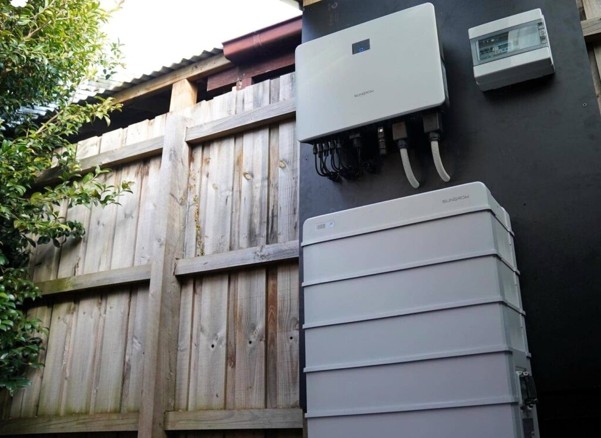
Teaslec’s solar battery storage options enable homeowners to accumulate surplus energy for use during peak demand, minimising dependency on the grid and providing protection during outages. Solutions like Sungrow and Tesla Powerwall offer scalable options customised to your requirements.

Battery storage solutions for Melbourne homes and businesses

Effective Charging with Dedicated EV Chargers

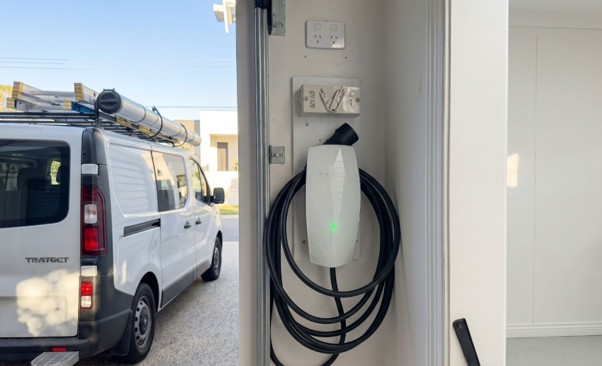
Teaslec’s EV charger installations provide a swift, convenient method to charge electric vehicles at home, with choices ranging from portable chargers to high-speed Level 2 AC units.

Commercial Solar Solutions: Scaling for Enterprises

Teaslec delivers commercial solar solutions that transform energy expenditures into assets, featuring tax benefits and depreciation advantages for businesses. This assists in safeguarding profit margins against utility price variations.

Significance of Solar Panel Upkeep and Repairs

Consistent cleaning and timely repairs ensure your solar system functions at optimal levels. Teaslec provides all-encompassing maintenance services to avert generation losses and minimize downtime.

Testimonials from Satisfied Customers

Teaslec’s portfolio highlights successful projects and contented clients who commend their professional services and problem-solving skills. From resolving shading challenges to flawless battery installations, Teaslec has established its proficiency in the industry.

Local Expertise Throughout Victoria

Based in Box Hill North, Teaslec offers local knowledge and assistance throughout Melbourne and its suburbs, ensuring a smooth experience from installation through to government rebate documentation.

Contact Us

Prepared to manage your energy expenses? Reach out to Teaslec at 1300 044 121 or visit their website to get a customised quote.

Conclusion

Teaslec Energy Solutions provides inclusive solar, battery, and EV charging services designed for Australian homes and businesses. Amid rising energy prices, their expertise in both installation and maintenance offers economic relief and energy self-sufficiency.

Q: What distinguishes Teaslec’s solar installations?

A: Teaslec personalizes each installation according to the distinct layout and requirements of your property, using high-efficiency photovoltaic panels to optimise energy production.

Q: What advantages do home battery systems provide for homeowners?

A: Home battery systems permit the storage of surplus solar power for use during peak hours, decreasing dependence on the grid and offering protection from blackouts.

Q: What are the benefits of upgrading to a specialised EV charger?

A: Specialized EV chargers provide quicker charging capabilities, simplifying the process of charging electric vehicles at home compared to standard outlets.

Q: What benefits do commercial solar solutions offer?

A: Commercial solar solutions convert energy cost into predictable assets, complete with tax advantages and depreciation benefits for businesses.

Q: Why is routine maintenance for solar panels necessary?

A: Maintenance, which includes cleaning and repairs, ensures solar systems function efficiently, mitigating generation losses and expensive downtime.

Q: How can I reach Teaslec for a quote?

A: You can connect with Teaslec at 1300 044 121 or visit their website to secure a tailored quote and discuss your energy needs.

Phony IT Employee Menace Broadens Beyond Technology Industry Throughout Australia


We independently review everything we recommend. When you buy through our links, we may earn a commission which is paid directly to our Australia-based writers, editors, and support staff. Thank you for your support!

Employment Fraud in Australia: An Escalating Danger Beyond Tech

Quick Overview

  • Employment fraud is extending beyond the tech industry in Australia.
  • Healthcare and civil engineering are becoming key targets.
  • Fraudsters employ advanced identity theft strategies, including counterfeit LinkedIn profiles.
  • Security professionals recommend close cooperation between HR and security divisions.
Employment fraud extends beyond Australian tech sector.

Introduction

Australia is confronted with a rising threat from employment fraud perpetrators inserting bogus workers in organizations across multiple sectors, such as healthcare, civil engineering, and customer service.

Beyond Tech

Alex Tilley, global threat research coordinator at Okta, has noted an increasing pattern of employment fraud emerging outside the tech sector. This transition has caught other industries off guard regarding such dangers.

Healthcare and Civil Engineering at Risk

Healthcare has been identified as a major victim, with deceitful individuals taking advantage of lax hiring practices to access sensitive information. Likewise, civil engineering firms are at risk, with technical blueprints being compromised by adversaries via remote contractors.

Fraud Methods and Strategies

Tilley highlighted a variety of identity fraud methods, including the employment of duplicated LinkedIn profiles and financially unstable individuals conducting interviews. The creation of synthetic identities associated with North Korean links is also a worrisome trend.

AI Tools and Teamwork

Fraudsters are utilizing AI tools to evade deepfake detection, presenting a challenge for HR and security teams. Tilley advocates for teamwork between these departments to spot fraud signs and safeguard against employment scams.

Conclusion

Employment fraud is proliferating in Australia, affecting sectors beyond technology. Organizations must evolve and implement stringent hiring and security protocols to counter these advanced threats.

Q&A

Q: Which sectors are increasingly vulnerable to employment fraud in Australia?

A: The healthcare, civil engineering, and customer service sectors are seeing heightened targeting.

Q: What techniques do fraudsters commonly use?

A: Methods include utilizing fake LinkedIn profiles, synthetic identities, and AI tools to navigate screening processes.

Q: How can organizations protect against employment fraud?

A: Organizations should strengthen hiring practices, ensure collaboration between HR and security divisions, and remain alert for fraud signs.

Q: Is technology the sole sector impacted by this threat?

A: No, the threat has broadened beyond technology to encompass sectors such as healthcare and civil engineering.

Westpac Unveils Automation and AIOps to Address CPU and Memory Notifications


We independently review everything we recommend. When you buy through our links, we may earn a commission which is paid directly to our Australia-based writers, editors, and support staff. Thank you for your support!

Westpac’s Implementation of Automation and AIOps for CPU and Memory Alerts

Westpac harnesses automation and AIOps, addressing CPU and memory alerts

Quick Overview

  • Westpac has improved its use of event-driven automation and AIOps within its IT systems.
  • Automation is positioned strategically between observability and incident management solutions.
  • Integration with ServiceNow boosts the management of CPU and memory alerts.
  • AI technologies offer supplementary analysis and insights.
  • Caution is recommended in leveraging AI for infrastructure automation.

Westpac’s Tactical Move Towards Automation and AIOps

Westpac is making remarkable progress in incorporating event-driven automation and AIOps into its IT systems, specifically to optimize the management of CPU and memory alerts. This effort builds on the established framework facilitated by the adoption of the Ansible Automation Platform (AAP).

Embedding Automation into Incident Management

The bank has effectively integrated automation within its observability tools and ServiceNow, a prominent IT service management system. This integration supports immediate responses to alerts, significantly shortening the previously required resolution time for such issues.

Streamlined Workflows Through AI Integration

Westpac employs AI models on its OpenShift AI platform to enhance the automation workflow. When a CPU or memory alert occurs, a thorough health assessment is performed, with the collected data analyzed by AI to yield actionable insights, which are then linked to ServiceNow tickets for additional processing.

Insight-Driven Data for Future Automation

The artifacts produced during the alert management process are not only immediate tools but are also utilized for retrospective analysis. This ongoing data collection enables Westpac to pinpoint recurring problems and identify potential automation opportunities, fostering continuous improvement in their IT operations.

Prudent Use of AI in IT Infrastructure

While AI is integral to Westpac’s automation strategy, the bank approaches its use with prudence. Sean Dudding, service owner of patterns automation, highlights the importance of understanding the distinct characteristics of each AI model to guarantee dependable results and avoid possible risks.

Assessing the Possibilities of Coding Assistants

Westpac is also considering the utilization of Lightspeed, a coding assistant within Ansible, to facilitate automation development. Nevertheless, the bank asserts that while these tools can boost developer productivity, they cannot replace the need for skilled coding proficiency.

Conclusion

Westpac’s adoption of automation and AIOps within its IT systems signifies a substantial advancement in operational efficiency. By integrating automation into their incident management protocols and utilizing AI insights, the bank has succeeded in improving its response to crucial alerts. Nonetheless, Westpac remains cautious and deliberate in its AI applications, stressing the necessity of comprehending the limitations and potential of the technology.

Q: What is the main objective of Westpac’s deployment of automation and AIOps?

A: The primary objective is to enhance the efficiency and responsiveness in managing CPU and memory alerts within their IT systems.

Q: How does Westpac incorporate automation into its IT operations?

A: Automation is situated between observability solutions and ServiceNow, facilitating immediate action on alerts and improving incident management.

Q: What function does AI serve in Westpac’s automation strategy?

A: AI models furnish additional analysis and insights on gathered data, enriching the automation process and assisting in decision-making.

Q: How does Westpac utilize the artifacts generated during alerts?

A: These artifacts deliver point-in-time data that is subsequently analyzed to uncover recurring issues and potential avenues for further automation.

Q: What caution does Westpac propose when using AI for infrastructure automation?

A: Westpac recommends comprehending the unique characteristics of each AI model to guarantee reliable outcomes and circumvent possible pitfalls.

Q: Does Westpac believe AI tools can lower the threshold for automation development?

A: While AI tools can aid less experienced users in developing minor automation tasks, Westpac maintains that proficient developers are still essential in creating comprehensive solutions.

ACT Police Searching for E-Bike Thrill-Seeking Vandals Performing Donuts in Mall


We independently review everything we recommend. When you buy through our links, we may earn a commission which is paid directly to our Australia-based writers, editors, and support staff. Thank you for your support!

E-Bike Delinquents Hit Canberra Shopping Centre | TechBest

E-Bike Delinquents Hit Canberra Shopping Centre

Quick Overview

  • Three young individuals rode e-bikes inside the South.Point shopping centre after hours.
  • Damage consisted of rubber marks and potential irreversible damage to flooring.
  • ACT Police are requesting public help in identifying the offenders.
  • This incident raises issues regarding the unregulated use of high-powered e-mobility devices.

Details of the Incident

On Monday night, three youths accessed the South.Point shopping centre in Greenway on two e-bikes. Their activities included performing burnouts close to the customer service desk, leaving extensive rubber marks on the tiles. The event took place around 8 PM, despite the centre’s closure at 5:30 PM.

E-bike incident at South.Point shopping centre

Descriptions of the Suspects

ACT Policing has provided descriptions based on security footage:

  • First rider: Male, white footwear, light-colored pants, blue vest, black hooded sweatshirt, grey helmet with pink/red graphics, dark e-bike.
  • Second rider: Male, black and white Nike footwear, dark trousers, black helmet, black hooded sweatshirt featuring a white pattern.
  • Third individual: Male, light hair, wearing shorts, light sweatshirt, dark vest, riding as a passenger.
Suspects involved in e-bike incident at shopping centre

The Challenge of Unregulated E-Mobility

This incident emphasizes the increasing problem of unregulated high-powered electric dirt bikes in Australia. These vehicles frequently blur the boundaries between bicycles and motorcycles, occasionally leading to public disturbances and damage to property.

Assisting ACT Policing

Any individual with information regarding the riders is encouraged to get in touch with Crime Stoppers at 1800 333 000 or via their website, mentioning reference number 8418310. Confidentiality is guaranteed for those who choose it.

ACT Police seeking public assistance for e-bike incident

Conclusion

The e-bike incident at the South.Point shopping centre underscores the difficulties of regulating electric mobility devices. ACT Police are still seeking public assistance to identify the suspects to avert future incidents and safeguard public spaces.

Questions & Answers

Q: What transpired at South.Point shopping centre?

A: Three youths rode e-bikes within the centre, inflicting damage through burnouts.

Q: How can the public aid the police?

A: By supplying information to Crime Stoppers about the identities of the suspects.

Q: What concerns are associated with high-powered e-bikes?

A: They can result in public disturbances and damage because of their speed and power.

Q: Are there any descriptions of the suspects available?

A: Yes, ACT Policing has supplied detailed descriptions derived from security footage.

In Images: Security Breakfast Roadshow 2026 Enchants Brisbane


We independently review everything we recommend. When you buy through our links, we may earn a commission which is paid directly to our Australia-based writers, editors, and support staff. Thank you for your support!

Brisbane Captivates with State of Security Breakfast Roadshow 2026

Brief Overview

  • State of Security Breakfast Roadshow 2026 commenced in Brisbane.
  • Conducted at the Sofitel, showcasing key industry leaders and sponsors.
  • Addressed vital themes and insights from the recent security report.
  • Prominent sponsors included Virtual IT Group, LevelBlue, ThreatLocker, and Huntress.
  • Technology leaders from CAUDIT, Cleanaway, and Australia Post took part.

Brisbane Hosts the State of Security Breakfast Roadshow 2026

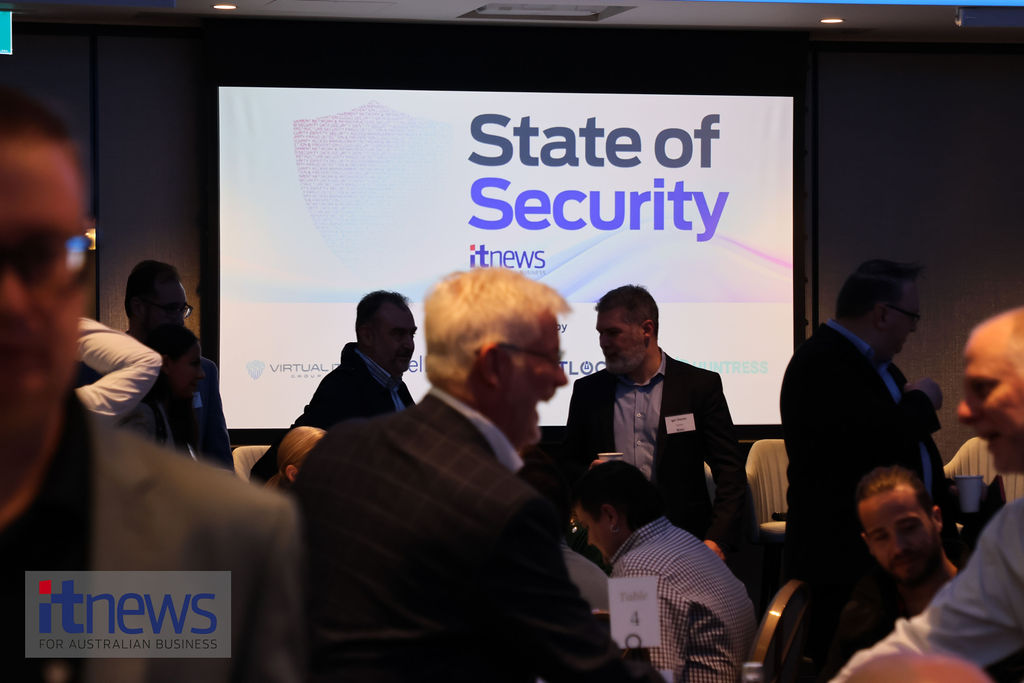
The State of Security Breakfast Roadshow 2026 made its first appearance at the Sofitel in Brisbane, signifying a major event within the technology community. Orchestrated by TechBest, this gathering united notable sponsors such as Virtual IT Group, LevelBlue, ThreatLocker, and Huntress, alongside technology figures from CAUDIT, Cleanaway, and Australia Post.

State of Security Breakfast Roadshow 2026 event in Brisbane

Core Themes and Insights

The gathering concentrated on the latest security hurdles and remedies, providing valuable insights into the existing landscape of cybersecurity. Conversations centered on the adoption of cutting-edge technologies to improve security practices and safeguard against new threats. Sponsors and tech authorities exchanged views on effective risk management and innovations in security.

Expert Insights from Industry Leaders

Representatives from the sponsoring firms and participating organizations provided significant insights. Virtual IT Group stressed the significance of cloud security, while LevelBlue presented advancements in network security. ThreatLocker and Huntress underscored the necessity for strong endpoint protection and threat intelligence.

Technology leaders from CAUDIT, Cleanaway, and Australia Post shared their experiences and approaches to overcoming cybersecurity challenges in their fields.

Conclusion

The State of Security Breakfast Roadshow 2026 in Brisbane proved to be highly successful, serving as a stage for tech leaders and sponsors to exchange their expertise and methodologies for confronting cybersecurity issues. The event highlighted the necessity of collaboration and innovation in strengthening security frameworks across diverse industries.

Q&A Segment

Q: What was the primary emphasis of the roadshow?

A: The roadshow primarily emphasized discussing the most recent cybersecurity challenges, solutions, and technological advancements to bolster security procedures.

Q: Who were the principal sponsors of the event?

A: The principal sponsors comprised Virtual IT Group, LevelBlue, ThreatLocker, and Huntress.

Q: Which organizations engaged in the discussions?

A: Technology leaders from CAUDIT, Cleanaway, and Australia Post engaged in the discussions.

Q: What were some of the major themes tackled during the event?

A: Major themes included cloud security, innovations in network security, endpoint protection, and threat intelligence.

Q: How did the roadshow benefit those involved?

A: Participants received valuable knowledge regarding effective cybersecurity strategies and the latest technological advancements to defend against emerging threats.

NAB Creates Integrated Operations Center for Threat Intelligence


We independently review everything we recommend. When you buy through our links, we may earn a commission which is paid directly to our Australia-based writers, editors, and support staff. Thank you for your support!

NAB Develops Integrated Operations Hub for Threat Intelligence

Overview

  • NAB unveils NAB Nexus, a centralized operations hub for threat intelligence.
  • The hub combines technology, cyber security, fraud, payments, and physical safety.
  • Key objectives include real-time threat detection and response.
  • NAB Nexus is designed to stay ahead of threats enabled by AI.
  • The hub operates 24/7 for ongoing surveillance and quicker reactions.

NAB Nexus: A Centralized Operations Hub for Threat Intelligence

NAB develops integrated ops hub for threat intelligence

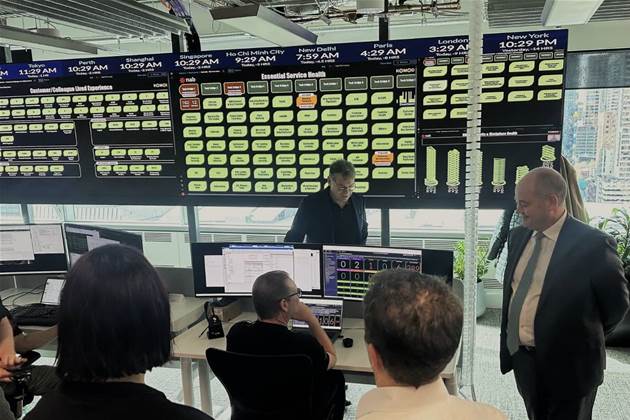
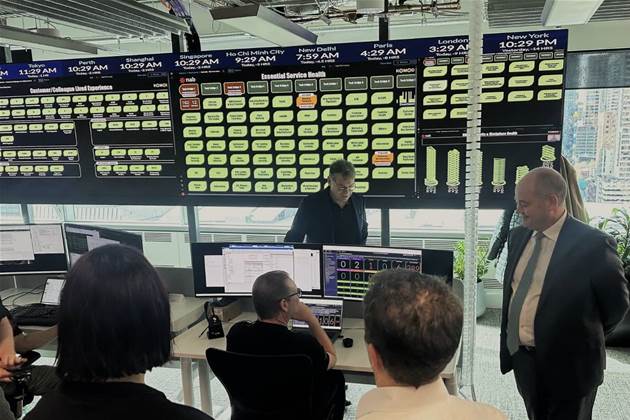
Andrew Irvine at the NAB Nexus hub (Image credit: Andrew Irvine/LinkedIn)

Real-Time Threat Detection

NAB has launched NAB Nexus, an innovative centralized operations hub focused on real-time identification of threats and threat actors. CEO Andrew Irvine remarks that this hub unifies the bank’s “frontline responders” across multiple critical areas such as technology, cyber security, fraud, payments, and physical safety.

Cross-Domain Integration

Chief Security Officer Sandro Bucchianeri underscored the importance of intelligence sharing across diverse domains. “Threats don’t fit neatly into one category,” Bucchianeri stated. The merging of various security functions is essential for the effective identification and mitigation of threats. A scam attempt could quickly intertwine with fraud incidents, cyber threats, or payment concerns.

Threats Enabled by AI

As criminals exploit AI technologies for large-scale operations, NAB Nexus is crafted to keep the bank ahead of swiftly changing AI-enabled threats. Irvine pointed out AI’s dual nature, highlighting that while it provides numerous advantages, it also heightens the capabilities of cybercriminals.

Continuous Operations for Improved Security

NAB Nexus will function continuously to guarantee constant oversight and a well-coordinated response to threats. Its around-the-clock operations are designed to enable swifter handovers and decision-making, ultimately boosting the bank’s capability to safeguard its clients and maintain security.

Conclusion

NAB has formed the NAB Nexus hub to streamline its security operations, emphasizing real-time threat identification and mitigation. By integrating numerous security domains and utilizing AI technologies, NAB Nexus seeks to deliver strong protection against advancing threats and enhance customer safety.

Questions & Answers

Q: What is the primary function of NAB Nexus?

A: The primary objective of NAB Nexus is to detect and address threats in real-time by integrating various security operations within technology, cyber security, fraud, payments, and physical safety.

Q: In what way does NAB Nexus tackle AI-enabled threats?

A: NAB Nexus aims to stay proactive against AI-enabled threats by utilizing AI technologies to bolster detection and response capabilities, while also acknowledging AI’s potential to assist cybercriminals.

Q: How is NAB Nexus different from earlier security approaches?

A: Unlike conventional security approaches, NAB Nexus offers a unified strategy that integrates various security domains, facilitating more effective intelligence sharing and a synchronized response to threats.

Q: What advantages does the 24×7 operation of NAB Nexus provide the bank?

A: The 24×7 operation guarantees uninterrupted monitoring and quick threat detection, promoting faster decision-making and coordination in response to security incidents, thus enhancing overall security for the bank and its clients.