David Leane, Author at Techbest - Top Tech Reviews In Australia - Page 9 of 50

Mobile Telcos Cautious About Expanding Emergency Communications Beyond Voice


We independently review everything we recommend. When you buy through our links, we may earn a commission which is paid directly to our Australia-based writers, editors, and support staff. Thank you for your support!

Australian Mobile Telcos Cautious on Expanding Emergency Communications

Quick Read

  • Australia’s mobile operators are considering the extension of emergency communications beyond voice calls.
  • TPG Telecom, Optus, and Telstra urge for significant regulatory reforms.
  • Current regulations focus mainly on voice, creating hurdles for the adoption of new technologies.
  • Carriers support the development of a modern, adaptable regulatory system.
  • Emerging communication methods under consideration include SMS, satellite, and data services.

Expanding Emergency Communications Beyond Voice

Australia’s prominent mobile service providers, TPG Telecom, Optus, and Telstra, have expressed tentative approval for broadening emergency communication options beyond conventional voice calls. These key players in the industry recognize the advantages of new technologies, such as SMS and satellite communications, to improve emergency services. Nevertheless, they underline the importance of considerable regulatory reforms to support these innovations.

Mobile telcos cautious on extending emergency communication methods

Regulatory Challenges and Industry Concerns

The current legislative framework is mainly tailored for fixed-line and mobile voice services, which creates obstacles for the inclusion of non-voice communication approaches. TPG Telecom emphasizes the necessity for a comprehensive shift in the regulatory stance, citing economic and network capacity limitations as crucial factors.

Optus and Telstra Perspectives

Optus has reiterated apprehensions, indicating that existing regulations are disproportionately directed towards conventional voice services. The telecom suggests a deliberate, systematic approach to updating the framework. Telstra advocates for a technology-agnostic, modular structure to ensure a seamless transition to different emergency communication approaches.

Recommendations for Regulatory Evolution

Both Optus and TPG Telecom call for a clear articulation of principles within the current legislation. They propose a multi-tiered regulatory approach, integrating core legislation, industry standards, and regulatory supervision to foster a multi-modal emergency communications landscape.

Summary

Australia’s major mobile carriers are considering broadening emergency communications beyond traditional voice calls, recognizing the advantages of new technological solutions. However, they stress the need for significant regulatory reforms to successfully implement these innovations. The industry is advocating for a contemporary, adaptive framework that supports new communication methods, ensuring public safety and accessibility.


Q&A Session

Q: Why are Australian mobile carriers cautious about expanding emergency communications beyond voice?

A: Carriers are cautious because the existing regulatory framework is mainly structured for voice services, complicating the integration of new technologies without substantial alterations.

Q: What new communication methods are being considered for emergency services?

A: Options such as SMS, satellite direct-to-device, and various data-driven services are under consideration.

Q: What are the main concerns of TPG Telecom regarding regulatory changes?

A: TPG Telecom is worried about costs and network capacity limitations and recommends a fundamental shift in the regulatory framework to accommodate new communication options.

Q: How does Telstra propose to address the regulatory challenges?

A: Telstra suggests adopting a technology-neutral, modular structure to facilitate smooth transition to alternative emergency communication options.

Q: What does Optus suggest for evolving the regulatory framework?

A: Optus advocates for a careful and systematic approach to update the framework, making sure that public safety functions are maintained and improved.

Government Workers Decline Tech Supplier “Gifts” en Masse


We independently review everything we recommend. When you buy through our links, we may earn a commission which is paid directly to our Australia-based writers, editors, and support staff. Thank you for your support!

Government Workers Refuse Gifts from Tech Suppliers

Brief Overview

  • Federal government workers turned down 85% of presents from IT suppliers.
  • ServiceNow accounted for 94% of the proposals, primarily for conference gatherings.
  • IBM issued 467 proposals, with 76% approved.
  • Other suppliers made very few offers, with some making none at all.
  • The DTA identified that most proposals were linked to professional development.
  • This evaluation shaped a more careful assessment of offers.

Context and Examination

The Digital Transformation Agency (DTA) disclosed that federal government personnel largely refused ‘gifts’ from nine significant IT suppliers in the year leading to March 2026. This evaluation followed a Salesforce procurement at the National Disability Insurance Agency (NDIA), which revealed 118 instances of gifts or hospitality extended to officials. These proposals arose around the granting of a CRM contract and during substantial contract adjustments.

Supplier Proposals and Acceptance Statistics

A total of 3662 proposals were documented, with merely 539 accepted. ServiceNow was responsible for 94% of the proposals, mainly extending widespread invitations to conference-type events. IBM issued 467 proposals, with 354 accepted. Other suppliers like Rimini Street and Salesforce made no proposals, while several submitted minimal offers in the single digits.

Characteristics of the Proposals

The DTA found that the majority of proposals were related to conference participation or professional development opportunities. Accepted proposals were primarily associated with conferences, industry gatherings, and training pertinent to legitimate business interactions. Offers regarded as generally inappropriate, like tickets to sports events, were turned down.

Continuous Oversight and Influence on Behaviour

The DTA intends to persist in gathering data from suppliers, believing that this analysis has affected the behaviour of both vendors and employees. The approach promotes a more thoughtful assessment of offers.

Government personnel largely reject vendor gifts

Conclusion

The DTA’s analysis indicates a clear trend of federal government personnel declining gifts from IT suppliers, notably from ServiceNow and IBM. Emphasizing transparency and ethical interaction, this initiative establishes a standard for continuous monitoring and responsible conduct in vendor-government relations.

Q: What prompted the DTA to conduct this analysis?

A: The evaluation was initiated following a Salesforce procurement at the NDIA that uncovered several instances of gifts or hospitality offered to officials.

Q: Which supplier made the highest number of proposals?

A: ServiceNow was responsible for 94% of the proposals, mainly inviting personnel to conference-style occasions.

Q: What portion of proposals were accepted?

A: Merely 15% of the overall proposals received approval from government employees.

Q: What types of offers were mainly declined?

A: Offers typically considered inappropriate, such as tickets to sporting events, were turned down.

Q: How has the analysis affected vendor and employee behaviour?

A: The analysis has prompted a more thoughtful evaluation of offers, encouraging both vendors and employees to behave more responsibly.

Q: What are the DTA’s future intentions regarding vendor gifts?

A: The DTA intends to keep collecting data from suppliers to guarantee ongoing transparency and ethical interactions.

Salvation Army Embraces Creative Community Battery Initiative


We independently review everything we recommend. When you buy through our links, we may earn a commission which is paid directly to our Australia-based writers, editors, and support staff. Thank you for your support!

The Salvation Army Welcomes Innovative Neighbourhood Battery Initiative

Quick Overview

  • The Salvation Army in Boronia initiates a new neighbourhood battery.
  • This is part of a larger program by the Victorian Government to deploy over 100 neighbourhood batteries.
  • The installations aim to offer 23,000 kWh of clean energy storage statewide.
  • The Boronia battery will save the Salvation Army around A$6,590 each year.
  • Neighbourhood batteries assist in managing local solar exports and alleviating grid pressure.
  • These batteries can create Virtual Power Plants to help stabilise the grid during high demand periods.

Innovative Energy Solutions in Boronia

The Salvation Army in Boronia, Victoria, has made a major advancement in modernising energy usage with the launch of a new neighbourhood battery. This project is part of the Victorian Government’s Neighbourhood Batteries Program, which seeks to enhance power grid efficiency and sustainability across the region.

Salvation Army adopts innovative neighbourhood battery solution

Statewide Influence

With over 100 neighbourhood batteries being installed, this program will yield a total storage capacity of 23,000 kWh. This initiative is anticipated to greatly influence the management of electricity demand during peak periods, providing a more stable and reliable energy supply.

Financial Benefits for the Salvation Army

The Boronia installation stands out for its financial advantages for the Salvation Army. By lowering energy expenses, the organisation can channel additional resources into community services. The projected annual savings of A$6,590 highlight the economic benefits of such sustainable efforts.

Neighbourhood battery initiative provides savings to Salvation Army

Connecting Homes and the Grid

Neighbourhood batteries act as a bridge between small residential batteries and large grid-scale initiatives. They tackle the challenge of overloaded local transformers by absorbing excess solar output. This scenario enables enhanced solar adoption without imposing restrictive export limits from energy providers, benefiting the wider community.

Neighbourhood battery connects home systems to the grid

The Emergence of Virtual Power Plants

The integrated network of 139 batteries can be overseen as a Virtual Power Plant. During times of grid pressure, these batteries can collectively discharge, offering an immediate surge of clean energy to avert blackouts and stabilise the system.

Neighbourhood battery enhances virtual power plant capabilities

Conclusion

The Salvation Army’s new neighbourhood battery in Boronia represents a significant leap forward in community support and energy sustainability. As part of a broader state initiative, this project not only yields substantial financial savings but also illustrates the potential for neighbourhood batteries to effectively connect individual solar setups with large-scale energy management systems.

Q&A: Understanding Neighbourhood Batteries

Q: What is a neighbourhood battery?

A: A neighbourhood battery is a mid-sized energy storage solution that collects and stores surplus energy from local solar panels, aiding in energy flow management and reducing grid pressure.

Q: How does the Boronia battery assist the Salvation Army?

A: The battery considerably lowers the organisation’s energy expenses, allowing more funds to be allocated to community services, with expected annual savings of A$6,590.

Q: In what ways do neighbourhood batteries facilitate renewable energy use?

A: They enable additional households to adopt solar panels without facing export constraints, as the batteries can absorb excess energy that may otherwise overwhelm the grid.

Q: What constitutes a Virtual Power Plant?

A: A Virtual Power Plant is a network of interconnected batteries that can be managed digitally to provide coordinated energy support, stabilising the grid during high demand or outages.

Q: How does this initiative align with Victoria’s broader energy objectives?

A: The Neighbourhood Batteries Program is part of Victoria’s plan to bolster grid stability, enhance renewable energy support, and achieve climate action goals by increasing local energy storage capacity.

Significant Disruption Affects Telstra Mobile Network


We independently review everything we recommend. When you buy through our links, we may earn a commission which is paid directly to our Australia-based writers, editors, and support staff. Thank you for your support!

Major Service Disruptions Due to Telstra Network Outage

Summary Overview

  • Telstra is facing a major outage in its mobile network impacting voice and data functionalities.
  • Disruptions are occurring in all Australian states and territories.
  • V/Line train operations in Victoria have been suspended because of reliance on the network.
  • Eftpos services are disrupted; businesses are suggested to switch to ethernet or Wi-Fi connections.
  • The outage affects Telstra users and MVNOs such as Everyday Mobile and Aldi Mobile.
  • This incident may test the new outage disclosure regulations set by ACMA.

Nationwide Service Disruption Triggered by Telstra Outage

Significant outage affecting Telstra mobile network

On Wednesday, Australians experienced a major interruption in Telstra’s mobile network services, with users nationwide reporting their devices displaying SOS mode. The telecommunications company confirmed the issue through its social media platforms, acknowledging disruptions in certain mobile calls and data services.

By 9:45 AM, Telstra announced that efforts to restore services were in progress, claiming that 90% of services had been resumed. Nevertheless, users are still encountering sporadic problems.

Significant Consequences for V/Line Services

Commuters in regional Victoria experienced considerable delays as V/Line train services were suspended due to dependency on Telstra’s 4G network for vital communications. With no estimated time for resolution, frustration is increasing among travelers.

Impact on Businesses and Eftpos Transactions

Tyro Payments, a provider of eftpos terminals, reported that some customers could not process transactions due to the outage. Merchants have been advised to switch to ethernet or Wi-Fi connections as a provisional fix until services are fully restored.

Effects on Telstra and MVNO Clients

The outage affected not just Telstra customers, but also MVNOs like Everyday Mobile and Aldi Mobile that depend on Telstra’s infrastructure. Network issues were reported as early as 4 AM on the East Coast, with a notable increase in complaints around 5 AM.

Focus on New ACMA Outage Disclosure Regulations

This extensive network failure arises just after the Australian Communications and Media Authority (ACMA) implemented new outage disclosure rules. These regulations require telecommunications companies to publicly report major and significant outages, thus promoting transparency and responsibility.

Conclusion

The significant outage of Telstra’s mobile network has led to widespread disruptions across Australia, affecting services crucial to everyday activities. With potential ramifications for ACMA’s new transparency mandates, this incident emphasizes the necessity for a resilient communication infrastructure and prompt public updates.

Q: What led to the Telstra outage?

A: The specific cause has not yet been disclosed by Telstra. Restoration operations are ongoing.

Q: Which locations are experiencing the outage?

A: The outage has been reported in every Australian state and territory.

Q: How are businesses managing the eftpos disruption?

A: They are encouraged to use ethernet or Wi-Fi connections for processing transactions until service is restored.

Q: Are there new regulations regarding outage transparency?

A: Yes, ACMA’s recent regulations require telcos to keep public records of major and significant outages.

Q: How long is the expected time for restoration?

A: Telstra has not given a definite timeline for complete restoration.

Q: Are MVNO customers impacted by the outage?

A: Yes, customers of MVNOs like Everyday Mobile and Aldi Mobile utilizing Telstra’s network are affected as well.

Telstra Performs Comprehensive Welfare Assessments After Mobile Network Disruption


We independently review everything we recommend. When you buy through our links, we may earn a commission which is paid directly to our Australia-based writers, editors, and support staff. Thank you for your support!

Telstra’s Action on Mobile Network Disruption and Emergency Call Challenges

Summary

  • Telstra carried out 395 welfare checks due to a network disruption.
  • 310 individuals did not need support, whereas 79 were directed for physical checks.
  • A subsequent issue arose that impacted triple zero calls.
  • The ‘camp-on’ mechanism assists in rerouting emergency calls during disruptions.
  • Telstra achieved a 90% reduction in triple zero calling errors by Thursday.

Welfare Checks Due to Disruptions

Following a severe mobile network disruption, Telstra executed 395 welfare checks as customers struggled to connect with emergency services. The company’s Chief Financial Officer, Michael Ackland, remarked that even though emergency calls were managed through different network settings designed for their protection, a surprisingly significant number of checks were carried out.

Telstra conducts numerous welfare checks after mobile network disruption

Examining the Causes

Telstra attributed the elevated number of welfare checks to several reasons. Some devices failed to connect on the initial call, leading to callbacks, while others connected successfully through TPG or Optus networks. Moreover, the checks were amplified by many individuals testing triple zero as a result of the primary issue.

Development of a New Problem

A secondary issue surfaced on Wednesday, leading to errors when attempting to reach triple zero. Telstra clarified that callers might encounter an error message, causing phones to resort to other networks. The ‘camp-on’ process, designed to avert emergency call drops during disruptions, may take up to 90 seconds to reroute calls.

Efforts to Address the Problem

By Thursday morning, Telstra noted considerable progress in minimizing the frequency of the triple zero calling error by around 90%. They are dedicated to fully rectifying the problem.

Conclusion

Telstra encountered a significant mobile network disruption that necessitated extensive welfare checks and revealed a secondary issue impacting emergency call operations. Through persistent efforts, Telstra has considerably mitigated the effects on emergency call services and continues striving for complete resolution.

Q: What caused the high volume of welfare checks?

A: Various factors, such as initial connection failures and successful connections via other networks, led to the high volume of initiated welfare checks.

Q: What is meant by the ‘camp-on’ process?

A: The ‘camp-on’ process is a protocol that redirects emergency calls to another network operator during disruptions to prevent call drops, which may take up to 90 seconds for redirection.

Q: Has Telstra addressed the secondary issue impacting triple zero calls?

A: Telstra has achieved a 90% reduction in the triple zero calling error and is actively working to completely resolve the issue.

Q: How were some calls successfully connected despite the disruption?

A: Some calls were connected through TPG or Optus networks, enabling successful connections even during the Telstra network disruption.

Q: What steps did Telstra take to mitigate the disruption?

A: Telstra conducted welfare checks, explored the causes of the disruption, and implemented strategies to diminish the impact on emergency call services.

CBA Poised to Cut 176 Technology and Engineering Roles


We independently review everything we recommend. When you buy through our links, we may earn a commission which is paid directly to our Australia-based writers, editors, and support staff. Thank you for your support!

CBA to Revamp Technology and Engineering Workforce

Quick Overview

  • CBA declares a reduction of 176 technology and engineering positions.
  • The Finance Sector Union (FSU) disputes the basis for the layoffs.
  • CBA refutes claims of offshoring jobs to India.
  • Another 100 positions will also be cut in different divisions of the bank.
  • CBA employs roughly 49,000 individuals across Australia.
  • The union is awaiting CBA’s annual profit report on August 12.

Layoffs Announced

The Commonwealth Bank of Australia (CBA) has revealed intentions to eliminate 176 roles in technology and engineering. This announcement has ignited debate, with the Finance Sector Union (FSU) claiming that parallel roles are being promoted for CBA’s operations in India. The union has formally challenged the reasoning behind these job reductions, seeking more information from the bank.

CBA to eliminate 176 technology and engineering positions

Union’s Reaction

The FSU has voiced concerns that the layoffs may be part of a strategic initiative to offload jobs to India, despite CBA’s denials. The union pointed out that the bank cited changes in workflow automation, reorganization, and functional consolidation as reasons for the job cuts. National Secretary Julia Angrisano remains doubtful of these explanations, planning to closely examine CBA’s upcoming financial reports.

CBA’s Standpoint

A representative for CBA has asserted that the positions in India are not related to the intended modifications in Australia. They noted that the bank’s substantial workforce of about 49,000 employees routinely experiences changes through recruitment and internal movement. The bank’s future workforce initiative is designed to assist impacted employees with career transition tools.

Conclusion

The announcement regarding the job reductions at CBA has incited discussion about the genuine reasons behind this decision. While the bank references internal restructuring and technological progress, the FSU remains skeptical, suspecting possible job offshoring. The scenario underscores the ongoing issues and trends in Australia’s banking industry, particularly regarding workforce management and international operations.

Q&A

Q: How many positions is CBA eliminating?

A: CBA plans to cut 176 technology and engineering positions, with an additional 100 positions in other sectors of the bank.

Q: What is the Finance Sector Union’s viewpoint on the job reductions?

A: The FSU is disputing CBA’s justification, claiming that similar positions are being offered in India, which has led to a formal disagreement.

Q: How has CBA reacted to the union’s claims?

A: CBA denies the claims of offshoring, explaining that the roles in India are distinct from the planned changes in Australia.

Q: What kind of support does CBA provide to affected workers?

A: CBA offers support through its future workforce program, which includes career transition resources and assistance with job placements.

Q: When will CBA publish its annual profit report?

A: CBA is anticipated to publish its annual profit results on August 12.

CBA Broadens AI Orchestration Agent Scope Beyond Retail Banking


We independently review everything we recommend. When you buy through our links, we may earn a commission which is paid directly to our Australia-based writers, editors, and support staff. Thank you for your support!

CBA’s AI Extension Beyond Retail Banking

Brief Overview

  • Commonwealth Bank is broadening its AI orchestration agent’s application beyond retail banking.
  • This AI agent improves customer support by smartly directing inquiries.
  • Created in partnership with Microsoft, it incorporates tools like Copilot Studio and Dynamics 365.
  • In May 2026, 84.6% of self-service inquiries were handled through the messaging platform.
  • Plans for the future involve incorporating voice bots and applications at the enterprise level.

Expansion of Commonwealth Bank’s AI Orchestration Agent

The Commonwealth Bank of Australia (CBA) is preparing to extend the application of its AI orchestration agent, originally designed for retail customer assistance, to other divisions within the bank. This strategic initiative aims to improve the efficiency and effectiveness of customer service across a range of banking sectors.

CBA broadens AI orchestration beyond retail banking

Cutting-Edge AI Technology in Banking

The orchestration agent, resulting from a two-year partnership between CBA and Microsoft, was introduced during the Microsoft AI Tour event held in Sydney. Built on innovative platforms such as Copilot Studio, Dynamics 365, and Microsoft Foundry, the agent acts as a refined tool for understanding customer inquiries and directing them to the appropriate responder, whether that be another AI function or a human expert, depending on the inquiry’s difficulty.

Boosting Customer Service Efficiency

By employing conversational AI for simple questions and human experts for complex matters, the AI orchestration agent ensures a smooth customer service experience. In May 2026, an impressive 84.6% of self-service messaging dealings were fully resolved within the messaging interface, indicating a significant enhancement in service delivery.

Future Opportunities and Wider Applications

The case study suggests that the AI orchestration agent is on the brink of broader expansion, with potential integration of voice bots and multi-agent workflows. This evolution paves the way for wider applications, such as enterprise-level conversational banking, positioning CBA at the leading edge of AI-enhanced customer service innovation.

Conclusion

The Commonwealth Bank’s initiative to expand its AI orchestration agent beyond retail banking reflects a dedication to improving customer service through technological advancements. Following a successful rollout in retail, the bank is now looking into more extensive applications, heralding a future of more efficient and smarter customer interactions.

Q: What purpose does the AI orchestration agent serve?

A: It is designed to interpret customer inquiries and route them to the most suitable responder, thereby enhancing service efficiency.

Q: How effective has the AI orchestration agent proven to be?

A: It has shown high effectiveness, with 84.6% of self-service interactions successfully resolved end-to-end within the messaging platform as of May 2026.

Q: What technologies underpin the AI orchestration agent?

A: The agent is constructed on platforms including Copilot Studio, Dynamics 365, and Microsoft Foundry.

Q: What are the upcoming plans for the AI orchestration agent?

A: Upcoming plans entail expanding its functionality to voice bots, multi-agent workflows, and enterprise-scale conversational banking.

Bendigo Bank Investigates More Than 3,000 AI Advancements


We independently review everything we recommend. When you buy through our links, we may earn a commission which is paid directly to our Australia-based writers, editors, and support staff. Thank you for your support!

Brief Overview

  • Bendigo Bank is investigating more than 3,000 ideas powered by AI.
  • These concepts were gathered from over 5,000 employees within nine months.
  • The bank utilizes Google Cloud’s Gemini for its AI initiatives.
  • AI proposals must undergo thorough evaluation stages prior to funding.
  • The focus is on organisational impact rather than solely on productivity.
  • Economic analysis is essential; AI solutions must be cost-effective.

Bendigo Bank’s Aspirations in AI

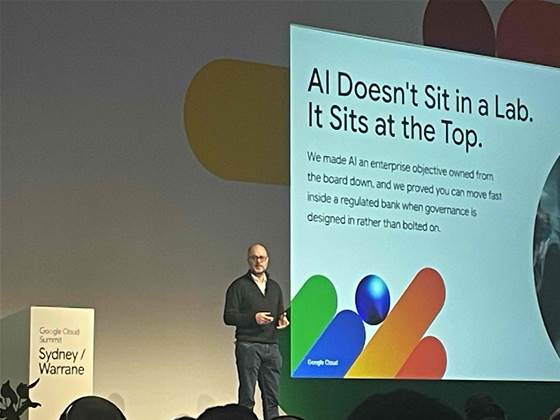
Bendigo Bank investigating AI advancements

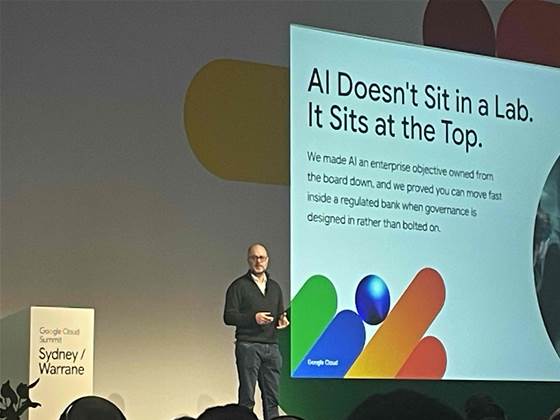
Bendigo’s CTO, Kieran O’Meara.

3,000 and Counting

Bendigo Bank is venturing into the realm of AI with an impressive array of over 3,000 creative ideas. These concepts, generated from a team of more than 5,000 personnel, demonstrate the bank’s dedication to employing AI for improved organisational performance.

Equipping Staff with AI Resources

Kieran O’Meara, the chief technology officer, disclosed at the Google Cloud Summit in Sydney that this surge of ideas was facilitated by arming employees with AI resources, particularly Google Cloud’s Gemini. This effort was supported by significant training and educational initiatives, ensuring that staff at every level, including senior management, are knowledgeable in AI applications.

From Concept to Action

The bank’s methodology for AI innovation is deliberate and systematic. Ideas face a sequence of evaluative hurdles to assess their practicality and potential influence. These assessments determine if a proposal truly necessitates advanced technology, its capacity for auditing, associated risks, and economic soundness. Only those ideas that satisfy these conditions are eligible for funding and advancement.

Cost Versus Innovation

A key factor in the evaluation process is the cost aspect. O’Meara noted examples where advanced workflows became more costly than conventional methods, highlighting the necessity for AI solutions to be both innovative and economically sustainable.

Organisational Preparedness

Another consideration is the readiness of the organisation to execute the concept. This includes having the right data, integrations, and diverse teams available to achieve the intended results. This holistic strategy ensures that only the most viable ideas are allocated the necessary resources for effective execution.

Conclusion

Bendigo Bank’s pursuit of over 3,000 AI innovations showcases its progressive strategy to bolster organisational capacities. By equipping its workforce with AI tools and engaging in rigorous evaluations, the bank is set to implement significant solutions that enhance productivity and growth.

Q: What is the primary objective of Bendigo Bank’s AI initiative?

A: The primary objective is to harness AI to enhance organisational efficiency and impact, rather than just concentrating on individual productivity.

Q: How did Bendigo Bank accumulate over 3,000 AI ideas?

A: The concepts were crowdsourced from the bank’s staff of over 5,000 individuals over a period of nine months.

Q: What tools and resources did Bendigo Bank utilize for its AI efforts?

A: The bank employed Google Cloud’s Gemini and focused on upskilling and training its personnel.

Q: What standards are applied to assess AI ideas at Bendigo Bank?

A: Ideas are assessed based on their need for advanced technology, auditability, risks, economic feasibility, and organisational readiness.

Q: Why is cost analysis significant in Bendigo Bank’s AI initiatives?

A: Cost analysis is crucial for ensuring AI solutions are economically feasible and do not surpass the costs of traditional methodologies.

Q: Is the emphasis on individual or organisational enhancement?

A: The emphasis is on organisational enhancement, although AI can also improve personal productivity.

Indara Appoints First Chief Technology Officer


We independently review everything we recommend. When you buy through our links, we may earn a commission which is paid directly to our Australia-based writers, editors, and support staff. Thank you for your support!

Indara Unveils Changes in Executive Leadership

Quick Overview

  • Indara names Milinda Wijesuriya as its inaugural Chief Technology Officer.
  • CTO position established to reinforce a new growth strategy for FY27 and beyond.
  • Wijesuriya’s appointment is part of an extensive leadership reorganization.
  • Indara was established through the merger of Australian Tower Network and Axicom.
  • Executive modifications are aimed at addressing shifting customer needs and technological advancements.

Indara’s Strategic Move: Milinda Wijesuriya Takes the CTO Role

Indara names its first technology officer

Indara, a prominent operator of mobile network infrastructure, has made a major announcement by appointing Milinda Wijesuriya as its first Chief Technology Officer (CTO). This decision represents a crucial step in the company’s executive leadership reorganization, focused on guiding Indara toward a future characterized by growth and technological advancement.

Emerging Growth Strategy: The Responsibilities of the CTO

The establishment of the CTO position is a strategic move that aligns with Indara’s new growth initiative for the fiscal year 2027 and beyond. Chief Executive Emilio Romeo, who assumed the position in February, has been a key advocate for this effort to create a detailed technology roadmap. This roadmap is intended to meet changing demands and establish Indara as a significant entity in the digital infrastructure arena.

Profile of Milinda Wijesuriya

Prior to taking on his new position, Wijesuriya was Indara’s Sales Director since the beginning of 2022. His wealth of experience includes nearly a decade at NBN Co, where he held the role of Program Director within the IT and transformation sector. Before that, he was employed at Nokia, progressing from systems engineering to a managerial position in the Asia-Pacific radio access networks division. His varied experience equips him well to spearhead Indara’s technological progress.

Indara’s Leadership Overhaul

In addition to Wijesuriya’s appointment, Indara has also appointed Michael Ferguson as Chief Operating Officer and Aleksandar Zlatkovic as Chief Financial Officer. This overhaul in leadership is intended to align with the swift technological developments and rising customer expectations. Romeo emphasizes that this structure will provide the essential leadership to navigate Indara through upcoming growth opportunities.

Conclusion

Indara’s strategic leadership transitions, highlighted by the appointment of its first CTO, underscore a strong commitment to embracing technological change and customer-driven growth. By creating a defined CTO role, Indara intends to leverage emerging digital infrastructure opportunities and reinforce its standing in the Australian market.

Q: Why was the CTO position created at Indara?

A: The CTO role was established to propel the company’s growth strategy for FY27 and beyond, emphasizing technological innovation and addressing shifting market demands.

Q: What qualifications does Milinda Wijesuriya bring to his role as CTO?

A: Wijesuriya has extensive expertise in digital infrastructure, having held leadership positions in technology and transformation at NBN Co and Nokia.

Q: What advantages does the new leadership structure provide for Indara?

A: The restructuring aligns leadership with the company’s growth objectives, ensuring specialized knowledge in technology, operations, and finance to address customer needs and industry developments.

Q: What was the importance of Indara’s merger with Australian Tower Network and Axicom?

A: The merger established Indara in 2022, creating a strong foundation for managing mobile network infrastructure and enhancing the company’s technological capabilities.

Telemetry from Microsoft devices essential in pinpointing the purported Scattered Spider hacker


We independently review everything we recommend. When you buy through our links, we may earn a commission which is paid directly to our Australia-based writers, editors, and support staff. Thank you for your support!

Brief Overview

  • Peter Stokes is facing extradition to the US on charges related to Scattered Spider hacking.
  • Microsoft’s global device identifier (GDID) was instrumental in the identification of Stokes.
  • Stokes is accused of soliciting an US$8 million ransom from a high-end retailer.
  • Operation Riptide aims at the Scattered Spider group linked to major cyber attacks.

Microsoft Device Telemetry’s Role in the Scattered Spider Case

Microsoft device telemetry crucial in identifying alleged hacker from Scattered Spider

The Microsoft global device identifier (GDID) has been integral in the extradition and indictment of 19-year-old Peter Stokes for his suspected involvement in the Scattered Spider hacking group. The affidavit from the FBI emphasizes the significance of Microsoft’s device telemetry in monitoring Stokes’ online activities and movements.

How Microsoft’s GDID Tracked Stokes

Stokes purportedly masked his actions by utilizing a VPN to set up an ngrok account, but Microsoft’s ability to trace his unique GDID of the Windows installation was crucial. This GDID, usually used for diagnostics and security, allowed investigators to connect Stokes to different IP addresses located in Tallinn, New York, and Thailand.

Social Media’s Contribution to Stokes’ Identification

Alongside Microsoft’s telemetry, social media platforms such as Snapchat, Apple, and Facebook supplied essential information. Snapchat records revealed Stokes uploading images of himself in extravagant environments, with IP addresses aligning with those traced via the GDID, reinforcing the evidence against him.

Operation Riptide and the Campaign Against Scattered Spider

The apprehension of Stokes forms part of the FBI’s extensive Operation Riptide, targeting the Scattered Spider group implicated in over 100 cyberattacks and extortion efforts amounting to more than US$100 million. This operation highlights the international initiative to combat cybercrime.

Conclusion

Peter Stokes’ extradition and charges underscore the importance of digital forensics in contemporary law enforcement. The role of Microsoft’s GDID and social media evidence was vital in exposing his alleged cybercriminal undertakings, showcasing the collaborative endeavors required to address worldwide cyber threats.

Q&A

Q: What does GDID stand for?

A: GDID is the Global Device Identifier, utilized by Microsoft for diagnostics, security, and monitoring device actions.

Q: How was Stokes monitored even when using a VPN?

A: The unique GDID associated with his Windows installation permitted investigators to follow his activities across several IP addresses.

Q: How did social media factor into the case?

A: Social media platforms offered login records and IP address correlations that supported the GDID information, bolstering the case against Stokes.

Q: What exactly is Operation Riptide?

A: Operation Riptide is an FBI initiative focusing on the Scattered Spider hacking group, which is responsible for major cyberattacks and extortion efforts.