Australia Tech News - Page 14 of 231 - Techbest - Top Tech Reviews In Australia

The Future of AI Depends on Strong Network Infrastructure


We independently review everything we recommend. When you buy through our links, we may earn a commission which is paid directly to our Australia-based writers, editors, and support staff. Thank you for your support!

The Future of AI Relies on Network Infrastructure

Quick Summary

  • The prosperity of AI is dependent on resilient network infrastructure.
  • Australian enterprises are quickly integrating AI technologies.
  • The emergence of self-managing networks is vital for tackling complexity.
  • Networks are crucial for the security of AI.
  • Readiness for AI goes beyond technology; it requires operational engagement.
  • The growth of AI in Australia relies on strong infrastructure.

The Prosperity of AI is Tied to Network Infrastructure

The prosperity of AI is contingent on network infrastructure

Although AI models receive significant focus, the key to their success is rooted in the network infrastructure. In Australia, the pace of AI adoption is quickening, with the Australian Bureau of Statistics documenting a four-fold rise in AI utilization by large firms from 2022 to 2025. This increase creates substantial demand for the network infrastructure necessary to sustain AI operations.

Complexity Has Exceeded Human Management

The intricacy of contemporary networks has outstripped human ability to manage them manually. Australian businesses are shifting toward self-operating networks that automatically address issues and suggest solutions, allowing IT personnel to concentrate on innovation. These networks are critical for managing the operational intricacies introduced by AI.

The Network as a Security Hub

AI has transformed the security framework. Networks now function as essential security hubs, providing oversight and enforcing measures to mitigate threats. For Australian businesses, integrating AI demands networks that offer ongoing visibility and cohesive security to facilitate AI on a large scale.

The Fallacy Regarding AI Preparedness

AI readiness is frequently viewed as a technological hurdle, but it is equally about operational capability. Successful AI deployment in Australia necessitates a holistic strategy that merges computing, storage, security, and networking.

Australia’s AI Prospects Relate to Infrastructure

The future of AI in Australia is closely associated with its foundational infrastructure. As investments in AI expand, networks must provide efficiency, durability, and safety. Those organizations that will prosper are those that adopt a systems-level perspective, coordinating all elements into a unified framework.

Conclusion

The swift adoption of AI in Australia highlights the fundamental importance of network infrastructure. As companies enhance their AI endeavors, they must ensure that their networks are prepared to meet the performance and security demands that AI entails. The future of AI is not solely about sophisticated models; it focuses on establishing sturdy, integrated systems that can support these technologies comprehensively.

Q&A

Q: Why is network infrastructure essential for AI?

A:

Network infrastructure is vital for securely linking all components of AI, making certain that data, applications, and devices can interact efficiently and seamlessly.

Q: What is the status of AI adoption in Australia?

A:

AI adoption in Australia is rapidly progressing, with substantial growth in large companies implementing AI technologies to improve operations.

Q: What constitutes a self-operating network?

A:

A self-operating network employs automation to oversee operations, predict problems, and resolve issues without human supervision, crucial for managing AI complexities.

Q: In what way does AI affect network security?

A:

AI influences network security by enabling quicker detection of vulnerabilities, leading networks to actively monitor and enforce security protocols to reduce risks.

Q: What is the most prevalent myth about AI readiness?

A:

The most common myth is that AI readiness is merely a technical issue, while it also necessitates operational changes and a unified strategy.

Q: What does the future of AI in Australia look like?

A:

The outlook for AI in Australia is optimistic, with potential stemming from investments in strong infrastructure that enables AI to operate securely and efficiently at scale.


Telstra Penalized by ACMA for SIM Swapping Issues


We independently review everything we recommend. When you buy through our links, we may earn a commission which is paid directly to our Australia-based writers, editors, and support staff. Thank you for your support!

Concise Overview

  • ACMA imposes a $277,000 fine on Telstra over its inability to stop SIM swapping fraud.
  • 15 clients reported losses totaling $39,500; an additional 13 fraudulent attempts detected.
  • Following a $1.551 million fine in July 2024, Telstra will enhance its fraud prevention strategies and employee training.

ACMA’s Assault on SIM Swapping Fraud

The Australian Communications and Media Authority (ACMA) has adopted a stringent approach to SIM swapping fraud, resulting in a $277,000 fine for Telstra. This sanction arises from Telstra’s failure to establish adequate identity verification measures to thwart fraudulent SIM swaps.

Effects of SIM Swapping

From January to October of last year, SIM swapping fraud caused losses of $39,500 to 15 clients of Telstra. Scammers use this method to transfer victims’ phone numbers to their own SIM cards, which allows them to intercept mobile communications and sensitive data such as multi-factor authentication codes.

Challenges in Telstra’s Compliance

Despite implementing procedures aimed at curbing such fraud, ACMA member Samantha Yorke pointed out that frontline employees did not follow these guidelines in the instances reported. Moreover, ACMA discovered 13 additional cases where Telstra’s representatives either neglected to offer enhanced fraud protection or missed signs indicating possible fraud threats.

Promise for Improved Fraud Prevention

In light of this occurrence, Telstra has made court-binding pledges to enhance its fraud prevention efforts and refine staff training. This decision follows a heftier penalty of $1.551 million levied in July 2024 due to similar lapses in customer identity verification.

ACMA’s Broader Initiatives

The recent fine forms part of ACMA’s wider crackdown on mobile number fraud, with telecommunications companies facing penalties exceeding $5 million thus far. Alongside Telstra, Medion Australia was fined nearly $260,000 in July 2024 for comparable violations.

ACMA fines Telstra due to SIM swap failures

Conclusion

ACMA’s recent measures against Telstra emphasize the vital role of strong identity authentication processes in combating SIM swapping fraud. The penalties and commitments highlight the necessity for telecommunications companies to elevate their fraud prevention structures and ensure compliance among staff with the established protocols.

Q: What is SIM swapping fraud?

A: SIM swapping fraud entails shifting a victim’s phone number to a scammer’s SIM card, which permits interception of communications.

Q: What financial impact did Telstra’s SIM swapping fraud have on customers?

A: The fraudulent activity led to a total loss of $39,500 for 15 customers over a ten-month span.

Q: What measures is Telstra implementing to avert future fraud?

A: Telstra has pledged to enhance its fraud prevention protocols and augment staff training as part of its court-enforceable commitments.

Q: What is the effect of ACMA’s crackdown on the telecom sector?

A: ACMA’s actions, which include fines surpassing $5 million, compel telecommunications firms to bolster security practices against mobile number fraud.

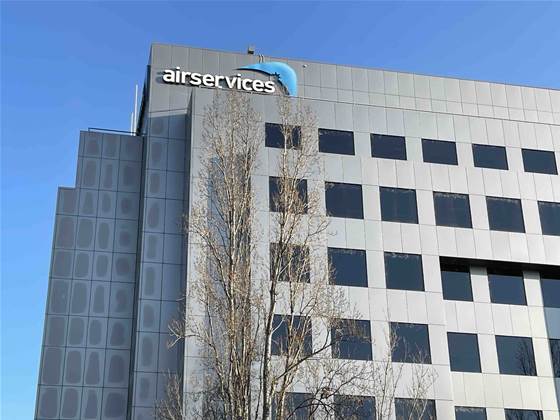
Airservices Australia intends to create an ‘AI Gateway’


We independently review everything we recommend. When you buy through our links, we may earn a commission which is paid directly to our Australia-based writers, editors, and support staff. Thank you for your support!

Fast Overview

  • Airservices Australia is creating a broker platform on AWS for overseeing AI interactions.
  • The preliminary test will include 100 users, expanding to more than 3000 users.
  • The platform will leverage Amazon Bedrock in AWS ap-southeast-2, with audit logs preserved for seven years.
Airservices Australia plans to establish an AI entry platform

AI Entry Point: A Centralized Gateway for Airservices Australia

Airservices Australia is set to transform its operations with the creation of a “broker platform” within its AWS framework. This groundbreaking initiative aims to establish a “single controlled entry point for all AI interactions” throughout the organization, thereby improving the management and scaling of AI solutions internally.

Testing and Growth Plans

At first, the AI broker will undergo testing with around 100 users. Expansion plans aim to grow this to over 3000 users, reflecting the organization’s dedication to incorporating AI on a large scale.

Digital Transformation Initiative

An aspect of Airservices Australia’s larger digital transformation initiative, the AI broker seeks to unify AI tools under a comprehensive, enterprise-quality platform. This change aims to replace disjointed and unmanaged AI tool use, providing a secure, traceable, and scalable capability for the workforce.

Technical Details and Goals

The broker platform will be established within AWS ap-southeast-2, utilizing Amazon Bedrock as the main model gateway for accessing AI foundation models. It will facilitate multi-model orchestration and integrate smoothly with corporate systems, ensuring complete visibility of usage, costs, behavior, and compliance.

Prioritizing Auditability

Auditability is a significant priority, with all AI interactions, tool calls, and administrative activities to be logged and kept as unchangeable audit trails for a minimum of seven years. This guarantees a strong compliance framework and transparency in AI performance.

Conclusion

Airservices Australia’s project to develop a centralized AI broker platform is a strategic decision aimed at optimizing AI interactions and governance. By utilizing AWS and Amazon Bedrock, the organization seeks to improve productivity and compliance across its operations.

Q: What is the aim of Airservices Australia’s broker platform?

A: The broker platform is intended to act as a unified entry point for all AI interactions, consolidating and managing AI tools within the organization.

Q: How many users will the AI broker initially test with?

A: The initial testing will involve approximately 100 users, with plans to extend to over 3000 users.

Q: What technology will the platform utilize?

A: The platform will be implemented within AWS ap-southeast-2 and will use Amazon Bedrock as the primary model gateway.

Q: How will auditability be ensured?

A: All AI interactions and administrative actions will be recorded with immutable audit trails maintained for at least seven years.

Q: What advantages does the broker platform offer?

A: It provides a secure, scalable, and verifiable capability that replaces disparate AI tool usage, boosting productivity and compliance.

Q: What is the digital transformation strategy of Airservices Australia?

A: The strategy aims to consolidate and manage AI usage across the workforce through a singular enterprise-grade platform.

Google Sidesteps Split of Its Ad Tech Sector


We independently review everything we recommend. When you buy through our links, we may earn a commission which is paid directly to our Australia-based writers, editors, and support staff. Thank you for your support!

Fast Overview

  • Google has successfully dodged a mandatory separation of its advertising technology sector.
  • U.S. courts have dismissed antitrust actions against Google for the third occasion.
  • Judge Leonie Brinkema chose not to order the divestment of Google’s AdX platform.
  • Google suggested modifications, including granting real-time bidding access to its competitors.
  • This ruling raises concerns about the judiciary’s capability to regulate large technology firms.
  • The DOJ and various states filed a lawsuit against Google concerning its supremacy in ad tech markets.
  • Google maintained that a forced divestiture would adversely affect clients.
  • This case illustrates the persistent difficulties in regulating prominent tech corporations in the U.S.

Google Avoids Ad Tech Separation

Google avoids ad tech separation

In a crucial ruling, U.S. Judge Leonie Brinkema has opted against requiring Google to sell its AdX platform, which allows publishers to pay fees for ad sales. This marks the third instance where U.S. antitrust enforcers have attempted and failed to dismantle a significant technology entity.

Behavioral Adjustments Instead of Structural Changes

The U.S. Department of Justice (DOJ) had advocated for Google to divest from AdX, emphasizing issues regarding monopolistic behavior. However, the judge favored behavioral adjustments, with Google offering to furnish real-time bid access to competitors. A comprehensive ruling is anticipated to be issued shortly.

Consequences for Big Tech Oversight

This ruling heightens the discussion surrounding the judiciary’s responsibility in limiting the power of big tech firms. In spite of recent initiatives, no significant split has transpired, and similar legal actions against corporations like Amazon and Apple remain unresolved.

Google’s Stance and Market Reaction

Google has reacted positively to the court’s verdict, with leaders expressing satisfaction in keeping their ad tech resources. Post-ruling, Google’s stock experienced minor fluctuations, mirroring market responses to the announcement.

DOJ’s Position and Upcoming Actions

While the DOJ is content with the mandated adjustments, it continues to regard the ruling as a move towards increased competition in online advertising. The department is assessing its next steps to maintain its regulatory initiatives.

Conclusion

The recent judicial ruling permitting Google to retain its AdX advertising technology platform highlights the challenges of supervising major tech companies in the U.S. Although Google has made some concessions, the wider ramifications for antitrust enforcement remain unclear. This case underscores ongoing obstacles in aligning technological progress with market equity.

Q: What was the outcome of the court’s decision on Google’s AdX platform?

A: The court ruled against compelling Google to sell its AdX platform, instead accepting Google’s suggested behavioral remedies.

Q: How did the DOJ respond to the court’s ruling?

A: The DOJ expressed contentment with the ordered modifications but is reviewing further actions to improve competition in online advertising.

Q: What effect has the ruling had on Google’s business operations?

A: Google’s operations have mostly remained stable, and the company welcomed the ruling as a favorable result for its ad tech operations.

Q: How does this ruling relate to the larger framework of tech regulation in the U.S.?

A: The ruling is part of the ongoing challenges that U.S. regulators face in imposing antitrust regulations on large tech firms like Google, Amazon, and Apple.

Q: What potential effects could this have on other tech giants?

A: The decision may impact ongoing and future antitrust actions against other tech companies, illustrating the difficulties of implementing regulatory measures.

Q: What changes has Google suggested in light of the ruling?

A: Google proposed to provide real-time bidding access to competitors as part of its behavioral changes in response to the court’s ruling.

Grok Voice Introduces New Desktop Screen Sharing Capability


We independently review everything we recommend. When you buy through our links, we may earn a commission which is paid directly to our Australia-based writers, editors, and support staff. Thank you for your support!

Grok Voice’s Latest Desktop Screen Sharing Functionality Transforms AI Interaction

Quick Summary

  • Grok Voice launches a new desktop screen sharing functionality.
  • This functionality improves interaction with AI by delivering context-relevant responses.
  • Use cases include programming help and website evaluations.
  • Distinct from other LLMs, it is aimed at desktop users.
  • Feature verified by Elon Musk, though it has not been officially listed yet.

Grok Voice’s Groundbreaking Screen Sharing Feature

The xAi team has rolled out an exciting functionality for Grok Voice, boosting the AI’s interaction skills by enabling desktop screen sharing. This feature is designed to revolutionize user interactions with large language models (LLMs), making exchanges more contextually relevant and efficient.

Grok Voice's latest desktop screen sharing functionality
Grok Voice’s latest desktop screen sharing functionality

The Importance of Contextual AI Engagement

LLMs are advancing at a rapid pace, transitioning from basic chat applications to more sophisticated, multi-modal systems. A prevalent issue has been the absence of context in interactions, particularly while users engage with AI on their desktops. Grok Voice’s new functionality tackles this challenge by enabling users to share their desktop displays, supplying the AI with the visual context necessary for delivering more precise and pertinent responses.

Wide-Ranging Applications

This screen sharing feature presents enormous possibilities across various sectors. For example, developers can display their Integrated Development Environment (IDE) interfaces to get immediate feedback on coding mistakes without the hassle of copying and pasting. Similarly, web developers can move through their sites, receiving on-the-spot insights and recommendations.

Beyond coding and web design, this feature applies to a multitude of uses, such as financial planning in Excel or product creation in Photoshop. Even gamers can utilize this functionality to acquire tips and support, highlighting its versatility.

Focus on Desktop Utility

While multiple LLMs offer voice and screen sharing capabilities, they are largely limited to mobile applications. Grok Voice’s desktop-centric strategy marks a notable shift, appealing to professionals who invest considerable time on their computers. This emphasis on desktop efficiency holds the potential for substantial advantages in work environments.

Confirmation of Launch and Future Potential

Although the precise launch date is not disclosed, the feature’s rollout has been confirmed by Elon Musk. Even though it hasn’t appeared on the official x.ai site, the new screen sharing functionality is set to reshape how users interact with AI, providing a seamless and integrated experience across desktop activities.

Conclusion

Grok Voice’s new desktop screen sharing functionality represents a crucial advancement in AI interaction. By offering context-specific replies and enabling a variety of uses from coding to gaming, it establishes a new benchmark for how users can harness AI on their desktops. This innovation is expected to boost productivity and revolutionize routine computing tasks.

Questions & Answers

Q: What is the key benefit of the new Grok Voice screen sharing functionality?

A: The main advantage is its capacity to deliver context-relevant responses during AI interactions, thereby enhancing productivity and efficiency.

Q: In what way does this feature differ from current LLM screen sharing functionalities?

A: Unlike other LLMs that concentrate on mobile applications, Grok Voice is geared towards desktop users, offering a more comprehensive solution for professionals.

Q: What are some possible applications for this feature?

A: It may assist with programming, website evaluations, budgeting in Excel, product design in Photoshop, and gaming, among other uses.

Q: Has the feature been officially released?

A: Though confirmed by Elon Musk, the feature has yet to be listed on the official x.ai website, indicating a gradual rollout is underway.

Q: Who stands to gain the most from this feature?

A: Professionals who dedicate substantial time to desktops, such as developers, designers, and gamers, will particularly benefit from this feature.

Tesla Records Second-Highest Sales Month in Australia with 7,685 EVs Sold in August, Signifying a 163% Increase Compared to Last Year


We independently review everything we recommend. When you buy through our links, we may earn a commission which is paid directly to our Australia-based writers, editors, and support staff. Thank you for your support!

Brief Overview

  • Tesla saw notable sales growth in August 2026, moving 7,685 vehicles in Australia.
  • Combined sales of Tesla and Polestar experienced a 148% year-over-year increase.
  • The Tesla Model Y emerged as the leading BEV, recording a 176% rise compared to the prior year.
  • South Australia exhibited the highest growth in Tesla and Polestar deliveries.
  • Forecasts indicate Tesla might deliver between 54,000 and 63,000 vehicles in Australia by the close of 2026.
  • Economic factors are prompting a structural transition towards EVs in Australia.

Tesla’s Remarkable Sales Growth in Australia

In August 2026, Tesla celebrated a significant milestone in the Australian market, with sales reaching 7,685 electric vehicles (EVs). This marks a 163% growth compared to the same month in the previous year. According to the Electric Vehicle Council (EVC), this escalation highlights Tesla’s robust market presence, with the Tesla Model Y dominating battery electric vehicle (BEV) sales.

Monthly Versus Annual Performance

The results from August reveal a strong market recovery following the usual July slowdown after the end-of-financial-year promotions. The Model Y alone achieved a 176% growth over August 2025, with sales of 6,414 units. Meanwhile, the Model 3 recorded 1,271 sold, marking its best monthly performance since January 2026.

Tesla's outstanding sales month in Australia with 7,685 EVs sold in August

Delivery Locations

South Australia stood out as a key market, boosting its deliveries from 28 in August 2025 to 347 in August 2026. New South Wales continues to be the largest market, boasting 2,574 deliveries in August—more than double last year’s numbers. Queensland and Victoria also showcased substantial growth in EV sales.

Tesla's remarkable growth in Australia with 7,685 EVs sold in August

Potential Full-Year 2026 Totals

Current trends suggest that Tesla and Polestar could achieve between 56,000 and 65,000 combined deliveries in Australia by the end of 2026. Tesla’s share may range from 54,000 to 63,000, with the Model Y possibly becoming one of the most popular vehicles in the nation.

Significance of the ABS Statement

The Australian Bureau of Statistics noted the economic effects of the increasing EV demand, which it links to households aiming for long-term cost savings amidst rising living costs. This pattern indicates a structural change in the Australian automotive market, as consumers turn to EVs for reduced expenses and emissions.

“The increase in electric vehicle purchases may have reflected households taking a longer-term perspective on cost of living pressures, with some opting for EVs to help lower ongoing expenses.”Grace Kim, Head of National Accounts, Australian Bureau of Statistics.

Julie Delvecchio, CEO of the Electric Vehicle Council, echoes this perspective, pointing to environmental and economic factors as key drivers behind evolving consumer choices.

“The continued rise in monthly and yearly EV sales indicates a structural transformation in Australia’s car market. Environmental and economic factors are converging, influencing what Australians purchase and how their spending patterns change. EVs are reaching price parity with petrol vehicles, and Australians are increasingly considering the long-term costs associated with ownership.”Julie Delvecchio, CEO, Electric Vehicle Council.

Conclusion

Tesla’s performance in August 2026 within the Australian market showcases a notable increase in EV sales, propelled by a mix of economic and environmental influences. With the Model Y at the forefront, Tesla’s progress signals a wider transition towards electric vehicles amongst Australian consumers.

Frequently Asked Questions

Q: How successful was Tesla’s sales in August 2026?

A: Tesla achieved sales of 7,685 vehicles in Australia in August 2026, reflecting a 163% year-over-year growth.

Q: How did other brands fare compared to Tesla?

A: Polestar contributed 136 vehicles in that timeframe, while additional EV sales data from other brands is pending.

Q: Which Tesla model topped sales in August 2026?

A: The Tesla Model Y led BEV sales, with 6,414 units sold, showing a 176% increase from August 2025.

Q: Which regions in Australia saw the highest growth in Tesla and Polestar deliveries?

A: South Australia experienced the most significant uptick, with deliveries jumping from 28 in August 2025 to 347 in August 2026.

Q: What are the expected total delivery figures for the 2026 year for Tesla and Polestar?

A: Estimates suggest combined deliveries may range from 56,000 to 65,000, with Tesla’s figures between 54,000 and 63,000.

Q: What economic factors are driving the EV transition in Australia?

A: The increasing demand for EVs corresponds to households aiming for long-term savings amid rising living costs, as noted by the Australian Bureau of Statistics.

Q: How does this trend impact the Australian automotive market?

A: The ongoing growth signifies a structural transformation, with consumers leaning towards EVs to cut costs and reduce emissions, as pointed out by the Electric Vehicle Council.

USDA Introduces Satellite and AI Program to Improve Crop Prediction


We independently review everything we recommend. When you buy through our links, we may earn a commission which is paid directly to our Australia-based writers, editors, and support staff. Thank you for your support!

USDA Satellite and AI Project to Improve Crop Forecasting

Quick Overview

  • USDA initiates a pilot program aimed at improving crop forecasting through satellite imagery and AI.
  • The project seeks to tackle criticisms related to the dependability of agricultural data.
  • Partnership with NASA and federal organizations to enhance reporting precision.
  • Initiatives include the use of geospatial tools, crop modeling, and farmer surveys.
  • USDA committed to increasing transparency regarding methodologies and data limitations.
  • Farmers voice concerns over the trustworthiness of data and recent policy shifts.
  • Political repercussions as the Iowa Senate race heats up.

USDA Initiates Satellite and AI Project

USDA to evaluate satellites and AI to enhance crop predictions

The United States Department of Agriculture (USDA) is launching a pilot program to refine its crop acreage and yield assessments by utilizing cutting-edge technology. The initiative, proposed by Secretary Brooke Rollins, aims to confront critiques regarding the dependability of government agricultural statistics.

Innovations in Agriculture

Announced at the Farm Progress Show in Boone, Iowa, the USDA’s data modernization initiative involves cooperation with NASA and other federal entities to leverage enhanced satellite imagery. This endeavor will use geospatial tools, crop models, and farmer surveys for more precise estimation of crop acreage and yield. Moreover, artificial intelligence and machine learning are set to significantly contribute to improving data collection methodologies.

Tackling Data Reliability Challenges

The USDA’s initiative emerges in response to feedback from farmers, grain traders, and economists regarding the trustworthiness of its data. These issues were magnified by major staff cuts and inconsistencies between the initial and final figures of planted and harvested corn acres in 2025. The USDA intends to minimize redundant information requests from farmers while enhancing the promptness and precision of its statistics.

Political and Economic Repercussions

The USDA’s initiatives are taking place in a politically charged context in Iowa, where the US Senate race has been designated as a “toss-up” by Cook Political Report. Iowa’s agriculture-centric economy has faced challenges from tariffs and increasing diesel and fertilizer prices, further complicated by geopolitical strife. The USDA’s listening sessions, initiated at Minnesota Farmfest, have made evident farmers’ frustrations regarding data reliability and policy implications for the agricultural economy.

Conclusion

The USDA’s latest initiative to improve crop forecasting via satellite and AI technology signifies a major progress towards updating agricultural data collection practices. By addressing reliability concerns and enhancing transparency, the USDA aims to restore farmers’ confidence and adapt to the changing agricultural landscape.

Q&A Section

Q: What is the main objective of the USDA’s new initiative?

A: The initiative aims to enhance the accuracy of crop forecasting through the use of satellite imagery and AI technology.

Q: How will the USDA improve its data gathering methods?

A: By partnering with NASA, utilizing geospatial tools, crop models, and integrating AI and machine learning.

Q: What criticisms has the USDA encountered regarding its data?

A: Farmers and traders have raised concerns about the reliability of USDA’s agricultural data.

Q: How does this initiative influence political dynamics in Iowa?

A: The initiative aligns with a competitive Senate race, emphasizing the significance of agricultural policies.

Q: Will farmers gain easier access to USDA methodologies?

A: Yes, the USDA intends to furnish farmers with more information regarding its methodologies and data limitations.

Q: What effect do listening sessions have on the USDA’s methodology?

A: Listening sessions have surfaced farmers’ grievances and shaped the USDA’s data modernization initiatives.

Telstra’s 2020 Choices Result in Significant Mobile Disruption Six Years On


We independently review everything we recommend. When you buy through our links, we may earn a commission which is paid directly to our Australia-based writers, editors, and support staff. Thank you for your support!

Quick Read

  • Decisions made by Telstra in 2020 resulted in a significant mobile outage in 2026.
  • A technical assessment disclosed deficiencies in the maintenance of network timing equipment.
  • Telstra could face fines in the range of tens of millions.
  • A complicated series of errors involved financial limitations and inadequate documentation.
  • Brady admitted to the shortcomings and committed to adding more resources and expert advice.

The Technical Audit Reveals Deficiencies

Telstra's 2020 decisions led to a 2026 mobile outage.

On July 8, 2026, Telstra’s mobile network suffered a nationwide failure that heavily impacted services, including the triple zero emergency contact line. An assessment conducted by Technology Audit Partners (TAP) revealed that the issues originated from decisions made back in 2020. While initially reliable and suitable, cuts to costs and neglected maintenance transformed the network timing apparatus into a potential disaster.

Tracing the Sequence of Events

In 2020, Telstra initiated essential alterations to its primary timing setup, aiming to renovate an outdated server chassis. However, this upgrade included limitations that prohibited stratum-2 and stratum-3 servers from being housed together in the same chassis. Consequently, this resulted in dependence on external servers, causing instability in time sources.

Ignored Indicators and Alerts

Signs of distress began to emerge shortly thereafter. The Melbourne time server operated by Telstra demonstrated looping behaviors upon failing to connect to the Sydney server. Although the issue was recognized, it was not thoroughly investigated, resulting in the installation of a GPS card as a temporary fix. Unfortunately, the card was not updated for an existing GPS defect, which ultimately led to the outage.

The Outage and Its Repercussions

On July 8, a malfunction in the power supply necessitated the replacement of the chassis in Melbourne. This triggered the reset issue with the GPS card, consequently making other servers adopt incorrect dates and resulting in widespread network failures. This incident underscored significant oversight and documentation shortcomings.

Dealing with the Aftermath

Vicki Brady, the CEO of Telstra, accepted accountability, recognizing the failures while dismissing accusations of a flawed design. The telco has since implemented more alarms, enhanced monitoring procedures, and invested in additional resources and external expertise for its engineering divisions.

Conclusion

The 2026 outage experienced by Telstra was a result of ignored risks, deficient documentation, and financial constraints dating back to 2020. This incident highlights the necessity for strong maintenance and documentation protocols, particularly within essential network infrastructures. Looking ahead, Telstra is focused on fortifying its systems through better monitoring and expert contributions.

Q: What caused the Telstra outage in 2026?

A: The outage was a result of a series of errors starting in 2020, including inadequate documentation, financial limitations, and failure to update crucial timing systems.

Q: How did Telstra’s decisions in 2020 affect the network?

A: The modifications made in 2020 imposed operational restrictions and uncertainties concerning time sources, which went unaddressed until resulting in a significant outage.

Q: What steps is Telstra taking to avert future outages?

A: Telstra is upgrading its monitoring systems, refining documentation practices, and bringing in additional resources and outside expertise to enhance its network setup.

Q: Were there any indicators prior to the outage?

A: Indeed, there were warning signs such as looping behaviors and alerts, but they were not adequately investigated or acted upon, leading to the eventual failure.

Q: What impact did budgetary limitations have on this situation?

A: Financial constraints were highlighted as a factor shaping decision-making processes, influencing the prioritization of essential network operations and upkeep.

Q: How is Telstra addressing the staffing and expertise challenges identified in the audit?

A: Telstra intends to evaluate staffing within its engineering division and allocate additional resources to ensure comprehensive control of network capabilities.

Jetstar Unveils Skywise Relative to Improve Fleet Efficiency


We independently review everything we recommend. When you buy through our links, we may earn a commission which is paid directly to our Australia-based writers, editors, and support staff. Thank you for your support!

Brief Overview

  • Jetstar’s latest AI-powered solution, Flow, seeks to minimize expenses and delays across 3000 weekly flights.
  • Flow executes 1.5 million decisions each week to optimize flight paths.
  • The system supports human planners, who validate the AI-driven suggestions.
  • Jetstar investigates the platform’s framework for predicting demand and detecting anomalies.
Jetstar's AI platform optimises fleet operations

Transforming Fleet Management

Jetstar has launched an advanced AI-based fleet optimisation system called “Flow” to boost operational effectiveness and decrease delays across its large network of 3000 weekly flights. This state-of-the-art platform works in conjunction with the airline’s current predictive maintenance system, Skywise, which is aimed at monitoring aircraft health.

Flow vs Skywise

In contrast to Skywise, which predicts maintenance requirements, Flow enhances the regular functioning of Jetstar’s fleet. It analyzes a comprehensive range of 500,000 operational factors, resulting in 1.5 million decisions every week to ascertain the ideal aircraft for each route. This system tackles issues such as engine variety, fuel usage, maintenance timelines, and crew management.

Collaboration of Human and AI

Joann Chow, the senior manager for operations strategy and insights at Jetstar, highlighted that Flow supplements rather than substitutes human decision-making. By delivering actionable recommendations, Flow allows planners to make better-informed choices more rapidly and consistently. This synergistic model guarantees that all decisions undergo thorough evaluation.

Technological Basis

Flow is established on Snowflake’s Snowpark Container Services, with Gurobi managing the logic aspect. This solid infrastructure enables Jetstar to integrate data smoothly, negating the necessity for cross-platform data transfers. The airline is also examining the platform’s potential for demand forecasting, anomaly detection, and autonomous AI uses.

Overview

Jetstar’s AI-enhanced Flow system represents a major leap forward in fleet optimisation, optimizing operations and refining decision-making capabilities. By utilizing leading-edge technology, the airline seeks to boost effectiveness, cut costs, and sustain its competitive advantage in the aviation sector.

Q: What is the purpose of Jetstar’s new system, Flow?

A: Flow is created to enhance fleet operations by handling 1.5 million decisions weekly, identifying the most suitable aircraft for each route based on various parameters.

Q: How does Flow differ from Skywise?

A: While Skywise is centered on predictive maintenance, Flow serves as an optimisation tool that oversees the daily activities of Jetstar’s fleet.

Q: Does Flow take the place of human planners?

A: No, Flow enhances the work of human planners by supplying AI-generated recommendations that require assessment and approval from the planners.

Q: What are the possible uses of Flow’s underlying framework?

A: Jetstar is looking into its application in demand forecasting, anomaly detection, and autonomous AI, which broadens its operational functionalities beyond fleet optimisation.

Q: In what way does Flow influence decision-making?

A: Flow accelerates decision-making by providing consistent and actionable recommendations, which enhance visibility and planning efficiency.

Unleash the Complete Power of AI with Inference Economics and Penguin Solutions


We independently review everything we recommend. When you buy through our links, we may earn a commission which is paid directly to our Australia-based writers, editors, and support staff. Thank you for your support!

  • Shifting AI workloads from solely cloud-based to hybrid setups can greatly decrease expenses.
  • Inference costs can rise unexpectedly, affecting financial projections for AI initiatives.
  • Penguin Solutions promotes using inference economics to enhance AI infrastructure.
  • Hybrid setups provide a better balance of cost, performance, and control compared to cloud-only options.
  • Crucial metrics such as TTFT, TPOT, and TPS are vital for monitoring AI effectiveness and expenditure.
  • Understanding of inference economics is increasing but varies across Australia.
  • Penguin Solutions has effectively established sophisticated AI infrastructures worldwide.

Surging and Unpredictable AI Costs

Inference costs accumulate with each user, prompt, and query, leading to swift spikes in pay-per-token charges under cloud pricing structures. Lin Hoe Foong, Vice President at Penguin Solutions, points out the challenges organizations encounter in estimating AI infrastructure expenses due to these unpredictable costs.

Utilizing Inference Economics to Address Issues

Penguin Solutions emphasizes the significance of inference economics in tackling AI cost issues. Recognizing that the actual cost per token is influenced by infrastructure layout rather than cloud vendors is crucial for minimizing expenses.

Monitoring the Three Levers of AI Performance

Monitoring Time to First Token (TTFT), Time Per Output Token (TPOT), and Token Throughput (TPS) is essential for AI productivity and economic viability. These metrics link technical decisions to user satisfaction and financial results, providing enhanced oversight over AI costs.

Awareness in Australia is Mixed but Encouraging

Understanding of inference economics is advancing in Australia, although it is not uniformly distributed. Numerous organizations have yet to associate increasing cloud bills with inference costs. Nevertheless, the data-oriented mindset of Australian executives suggests prompt adjustment once they recognize the advantages.

Creating Cutting-Edge AI Infrastructures for Businesses

Penguin Solutions is leading the charge in the development of AI infrastructures, shown through their partnership with Korea’s Ministry of Science and Technology and SK Telecom. They have crafted a scalable computing framework optimized for extensive AI training and inference.

Maximise AI potential with inference economics and Penguin Solutions

Conclusion

Transitioning AI workloads from cloud-exclusive to hybrid settings provides notable cost advantages. By utilizing inference economics, organizations can refine AI infrastructure and diminish unpredictable expenses. The recognition of these techniques is rising in Australia, with Penguin Solutions at the forefront of developing advanced AI systems worldwide.

Q: What does inference economics entail?

A: Inference economics involves optimizing AI infrastructure to decrease costs per token, focusing on efficient engineering of compute, memory, and networking.

Q: What makes AI inference costs variable?

A: Costs can rise rapidly due to fluctuating cloud pricing models, resulting in challenges with budget forecasting and justifying ongoing investments.

Q: How do hybrid environments factor into AI infrastructure?

A: Hybrid environments offer a superior balance of cost, performance, and control compared to cloud-only solutions, making them suitable for long-term AI workloads.

Q: What methods can organizations use to assess AI success?

A: By tracking metrics like TTFT, TPOT, and TPS, organizations can link technical achievements to financial results and manage AI expenditures effectively.

Q: What is the state of awareness regarding inference economics in Australia?

A: Awareness is increasing but inconsistent. Many organizations are yet to link rising cloud expenses to inference costs; however, the data-centric approach of Australian executives indicates quick adaptation.

Q: What role does Penguin Solutions play in AI infrastructure?

A: Penguin Solutions is a leader in designing, constructing, deploying, and managing sophisticated AI infrastructures, assisting organizations globally in realizing their AI aspirations.