Australia Tech News - Page 13 of 231 - Techbest - Top Tech Reviews In Australia

Vocus Encountering Disturbance from Australia-Singapore Cable Damage


We independently review everything we recommend. When you buy through our links, we may earn a commission which is paid directly to our Australia-based writers, editors, and support staff. Thank you for your support!

Quick Overview

  • Vocus is experiencing a disruption caused by a cable rupture on its Australia Singapore Cable (ASC) connecting Perth and Singapore.
  • The rupture is situated in Indonesian waters, with Vocus managing repair efforts and necessary approvals.
  • Internet traffic has been diverted through alternative routes via the Australian east coast, Japan, or the United States.

Vocus affected by Australia Singapore Cable rupture disruption

Vocus’ Australia-Singapore Cable Faces Disruption

Vocus is currently addressing a major disruption on its Australia Singapore Cable (ASC) network that links Perth to Singapore. This problem follows closely after a shunt fault on another significant cable along the corresponding route.

Break Location and Consequences

The rupture in the cable was detected in Indonesian waters between Anyer, near Jakarta, and Singapore. Vocus employed coherent optical time domain reflectometry (COTDR) testing from its Perth cable landing to determine the precise position of the break.

Repair Initiatives in Progress

Vocus is working diligently with its marine repair associates to ensure swift completion of the repairs. This process includes analyzing diagnostic data, verifying the availability of spare parts, and coordinating required permits and regulatory consents.

Redirecting Internet Traffic

To alleviate disruptions, internet traffic has been redirected through alternative channels. Network engineers have observed that traffic is being rerouted via cables on the Australian east coast and then through regions like Japan or the United States.

Conclusion

Vocus is confronting a significant disruption resulting from a cable rupture on its Australia Singapore Cable system. The situation’s location has been verified in Indonesian waters, and repair efforts are currently in progress. In the interim, internet traffic has been rerouted to reduce the impact.

Q: What led to the disruption on Vocus’ Australia Singapore Cable?

A: A cable rupture in Indonesian waters between Anyer and Singapore led to the disruption.

Q: What steps is Vocus taking regarding the cable rupture?

A: Vocus is collaborating with marine repair partners to carry out repairs and obtain essential regulatory approvals.

Q: How has internet traffic been influenced?

A: Internet traffic has been redirected through alternative routes, including the Australian east coast and through countries like Japan and the United States.

Q: What technology was utilized to locate the cable rupture?

A: Coherent optical time domain reflectometry (COTDR) testing was employed to accurately identify the location of the cable rupture.

Review: KiiBOOM Phantom 98 Lite – An Enchanting, Personalizable Fantasy for Your Workspace


We independently review everything we recommend. When you buy through our links, we may earn a commission which is paid directly to our Australia-based writers, editors, and support staff. Thank you for your support!

KiiBOOM Phantom 98 Lite: A Customizable Fantasy for Your Workspace

Quick Overview

  • KiiBOOM Phantom 98 Lite provides a fun, kawaii look.
  • Features bright RGB illumination and thoughtful design components.
  • Durable plastic construction with a clear casing for lighting effects.
  • Web-based VIA software for straightforward customization.
  • Hot-swappable switches for limitless personalization.
  • Offered in Clear, Pink, and Green variants starting at A$153.

Unboxing and First Thoughts

The KiiBOOM Phantom 98 Lite is packaged in a charming pink box adorned with kawaii character illustrations. Inside, you will receive not only the keyboard but also a branded cleaning cloth, a kawaii-themed instruction manual, and a sticker sheet featuring KiiBOOM characters.

Outer 'KiiBOOM' box showcasing kawaii illustrations
The outer packaging is adorably designed. (Photo: TechBest)

Plastic, Yet Premium

Even with its plastic construction, the KiiBOOM Phantom 98 Lite exhibits a solid feel, owing to its dense, premium-grade acrylic and polycarbonate framework. The clear enclosure allows RGB lighting to radiate beautifully throughout your setup.

Premium plastic design with jelly-like keycaps
Kitty keycaps that exude quality. (Photo: TechBest)

Daily Functionality and Kawaii Charm

Featuring an endearing pink edition with cute cat keycaps, the keyboard ensures smooth OS switching through easy shortcuts. Its 98% layout keeps essential keys while offering a compact design.

Keyboard illuminated in all pink
Turn it all pink! (Photo: TechBest)

Extensive Customization: VIA Support & Hot-Swapping

Web-Based VIA Tool

The KiiBOOM Phantom 98 Lite is compatible with web-based VIA software for straightforward customization without overloading your computer. Modify macros, media keys, and lighting directly via your browser.

VIA software dashboard for keyboard customization
Customize macros, media options, and specialty keys straight from the web app. (Screenshot: TechBest)

Hot-Swappable Switches

The keyboard features a fully hot-swappable PCB, enabling you to modify switches and keycaps at any time. This versatility guarantees that your typing experience can always be adjusted to your preference.

Pro Tip: Think about getting a dedicated 2-in-1 switch and keycap remover for frequent changes.

Buy and Availability

With a price tag of around A$153, the KiiBOOM Phantom 98 Lite can be purchased from the official KiiBOOM website in Clear, Pink, and Green colors. Optional accessories such as the Opal Kitty Keycap Set are also available to enhance your setup.

Opal Kitty Keycap Set for personalization

Conclusion

The KiiBOOM Phantom 98 Lite is an affordable, customizable mechanical keyboard that merges kawaii aesthetics with practicality. Its robust construction, vivid lighting, and hot-swappable functionality make it an outstanding choice for anyone looking to personalize their desk environment.

FAQs

Q: What sets the KiiBOOM Phantom 98 Lite apart?

A: Its kawaii design, bright RGB lighting, and extensive customization options distinguish it from other mechanical keyboards.

Q: Is this keyboard appropriate for touch typists?

A: Certainly, although the transparent keycaps may make legends less visible, it is perfect for touch typists who value aesthetics.

Q: What finishes and switch options are available?

A: The keyboard comes in Clear, Pink, and Green finishes and features silent or standard linear switches.

Q: How does the VIA software improve user experience?

A: VIA software enables simple customization of macros, keys, and lighting directly from the web, adapting the keyboard to fit user preferences.

Cook Transfers Apple Leadership to Ternus


We independently review everything we recommend. When you buy through our links, we may earn a commission which is paid directly to our Australia-based writers, editors, and support staff. Thank you for your support!

Tim Cook Shifts to Executive Chairman as John Ternus Takes the Reins

Quick Overview

  • Tim Cook ascends to executive chairman, concentrating on US-China dynamics.
  • John Ternus to guide Apple into the AI frontier.
  • Cook significantly boosted Apple’s revenues and profits throughout his leadership.
  • Challenges persist in AI development and decreasing dependence on China for production.

Leadership Transition

Tim Cook, who has led Apple since succeeding Steve Jobs, will step back as CEO and transition into the position of executive chairman effective September 1st. Cook will prioritize Apple’s strategic engagements, especially in light of ongoing challenges between the United States and China, which is crucial for Apple’s manufacturing.

Tim Cook hands leadership to John Ternus

John Ternus, previously Apple’s hardware leader, will take on the role of CEO, steering Apple into the rapidly evolving AI age. This change signifies the conclusion of one of the most influential CEO periods in corporate history.

Cook’s Impact: Growing Apple’s Domain

Under Tim Cook’s guidance, Apple evolved from a US$350 billion firm into an impressive US$4.5 trillion powerhouse. Cook’s distinct operations-first methodology transformed Apple’s supply chain into a global standard for manufacturers. This approach extended beyond initial product launches, converting Apple’s extensive iPhone user base into a reliable revenue source.

Apple’s yearly sales surged from US$108 billion to US$416 billion, with profits more than quadrupling to US$112 billion. The wearables market, including innovations like the Apple Watch and AirPods, yielded US$35 billion in revenue by the fiscal year 2025.

Cook also promoted a value-based culture within Apple, intensifying brand loyalty and creating a consumer dependency cycle that has spurred substantial revenue increases.

Innovation Hurdles and AI Emphasis

Despite Apple’s economic achievements during Cook’s tenure, critics contend that the company has lost its innovative spark. Major initiatives like the Apple Maps rollout and the Vision Pro AR headset fell short of expectations, and Apple’s AI offerings, such as Siri, trail behind rivals.

For Ternus, AI signifies the utmost challenge. Apple needs to showcase AI’s capabilities beyond merely functioning as an iPhone application or digital assistant. Furthermore, the company must undertake the challenge of diversifying its manufacturing away from China in light of geopolitical tensions.

Changing Manufacturing Approaches

Apple’s reliance on China has traditionally ensured manufacturing efficiency. However, escalating US-China tensions and disruptions in supply chains have revealed inherent risks. Apple is now broadening its production to India and Vietnam, with intentions for the majority of iPhones directed to the US to be manufactured in India by the close of 2026. This tactic aims to lessen tariff impacts affecting US enterprises.

Conclusion

Tim Cook’s move to executive chairman and John Ternus’s new position as CEO represent a crucial juncture for Apple. While Cook’s leadership yielded considerable financial advancements, Ternus is confronted with challenges in AI innovation and shifts in geopolitical manufacturing. The incoming leadership must adeptly manage these complexities to maintain Apple’s market supremacy.

Q: What will Tim Cook’s role be after he steps down as CEO?

A: Tim Cook will transition to Apple’s executive chairman, concentrating on strategic initiatives, particularly in relation to US-China interactions.

Q: Who is John Ternus, and what will be his new responsibilities?

A: John Ternus is the previous hardware chief at Apple and will step into the CEO position, guiding Apple into the AI era.

Q: What primary challenges will John Ternus face as the new CEO?

A: Ternus is tasked with tackling AI innovation, illustrating its broader possibilities beyond current uses, and overseeing the shift of manufacturing away from China.

Q: How did Tim Cook influence Apple’s financial trajectory?

A: Cook elevated Apple’s annual revenues from US$108 billion to US$416 billion and profits to US$112 billion, transforming the organization into a US$4.5 trillion giant.

Q: What approach does Apple take regarding its manufacturing processes?

A: Apple is diversifying its manufacturing operations by expanding production in India and Vietnam to lessen its dependence on China and mitigate geopolitical risks.

State of Security 2026: The Prospects of Cloud Safeguarding


We independently review everything we recommend. When you buy through our links, we may earn a commission which is paid directly to our Australia-based writers, editors, and support staff. Thank you for your support!

Brief Overview

  • Transformation in cloud computing is altering security requirements, with a focus on identity as the emerging frontier.
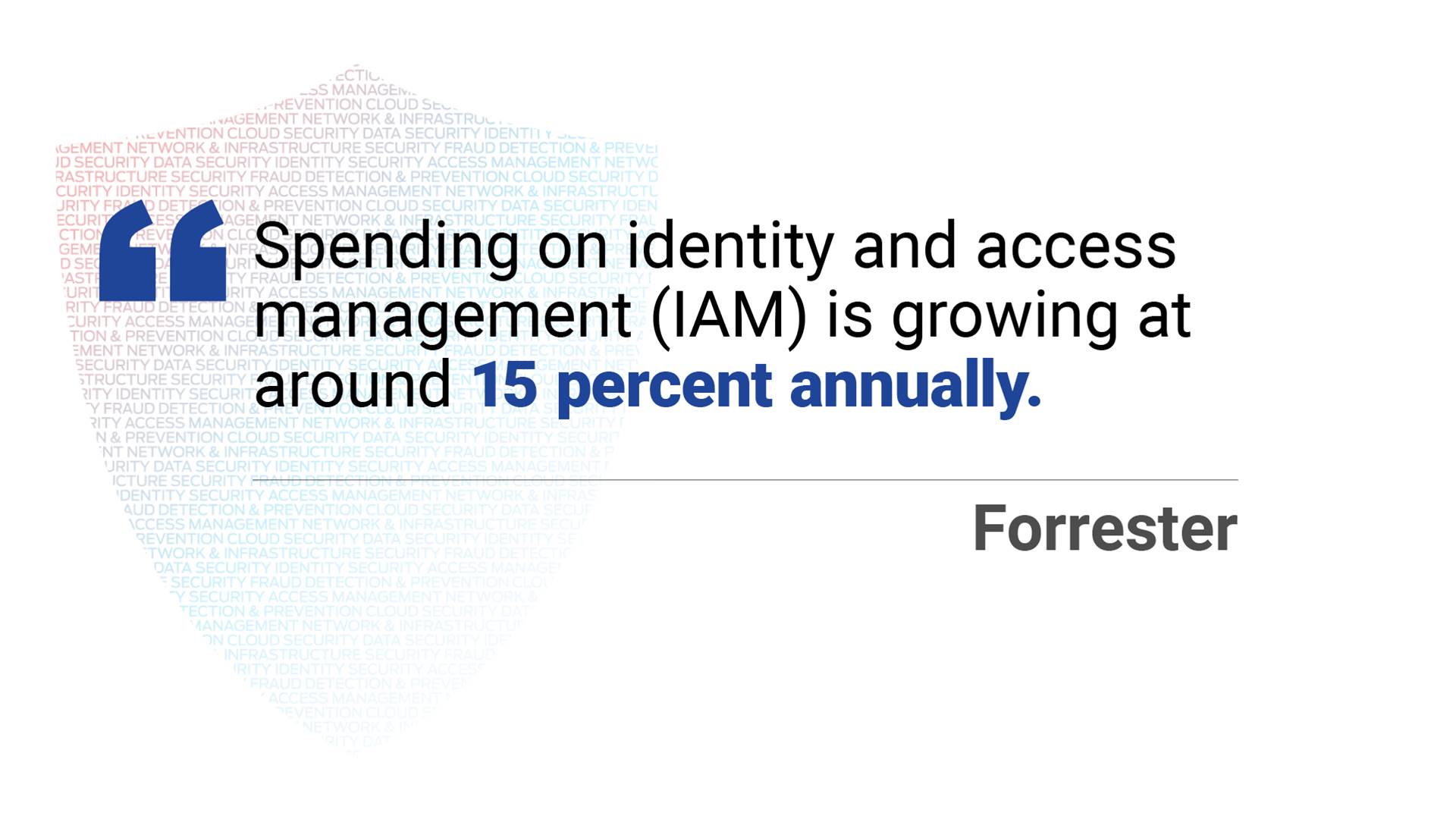
  • Expenditure on Identity and Access Management (IAM) is increasing at an annual rate of 15%, with forecasts indicating it will reach $39.5 billion by 2029.
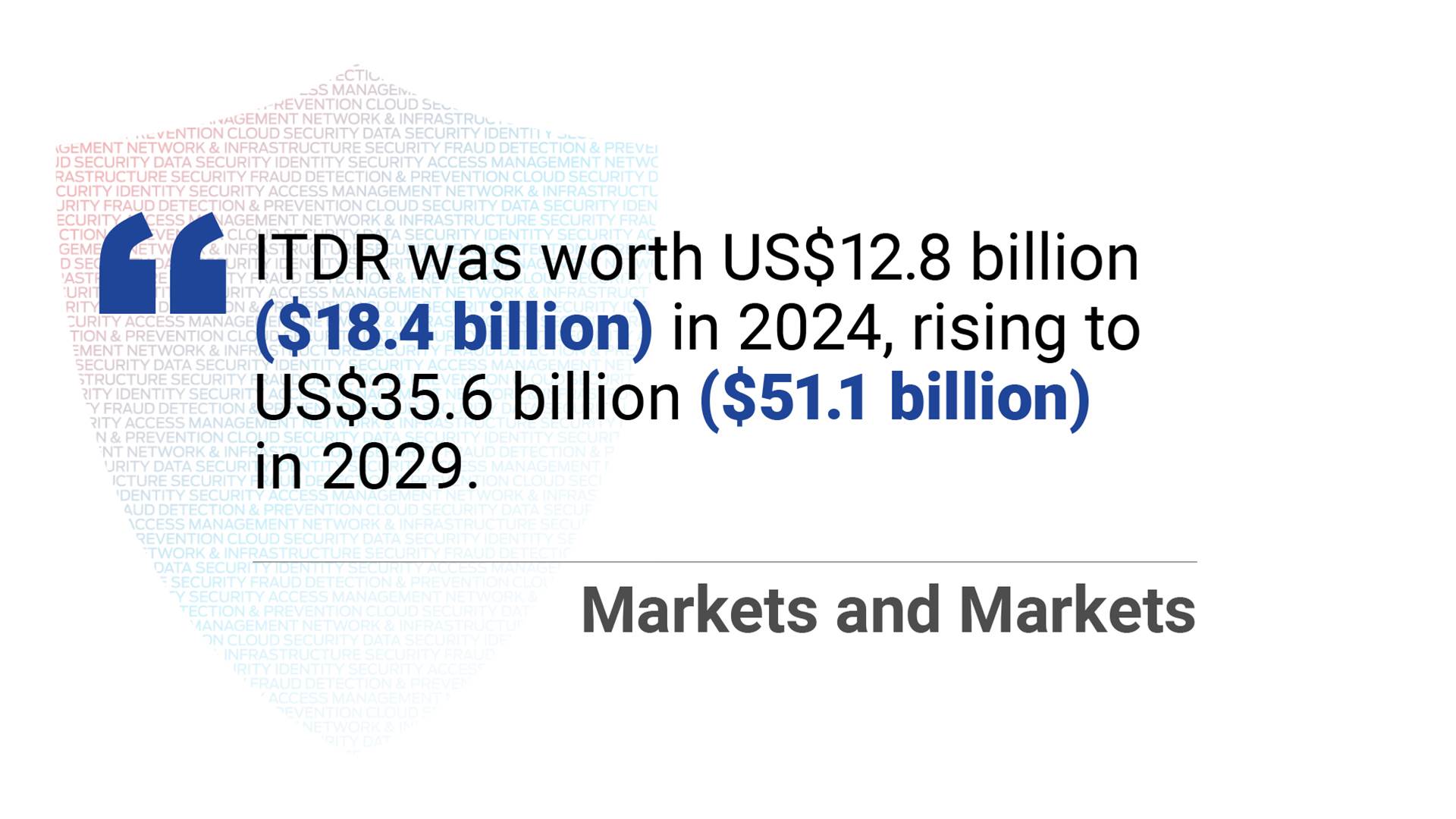
  • The Identity Threat Detection and Response (ITDR) market is anticipated to grow from $18.4 billion in 2024 to $51.1 billion by 2029.
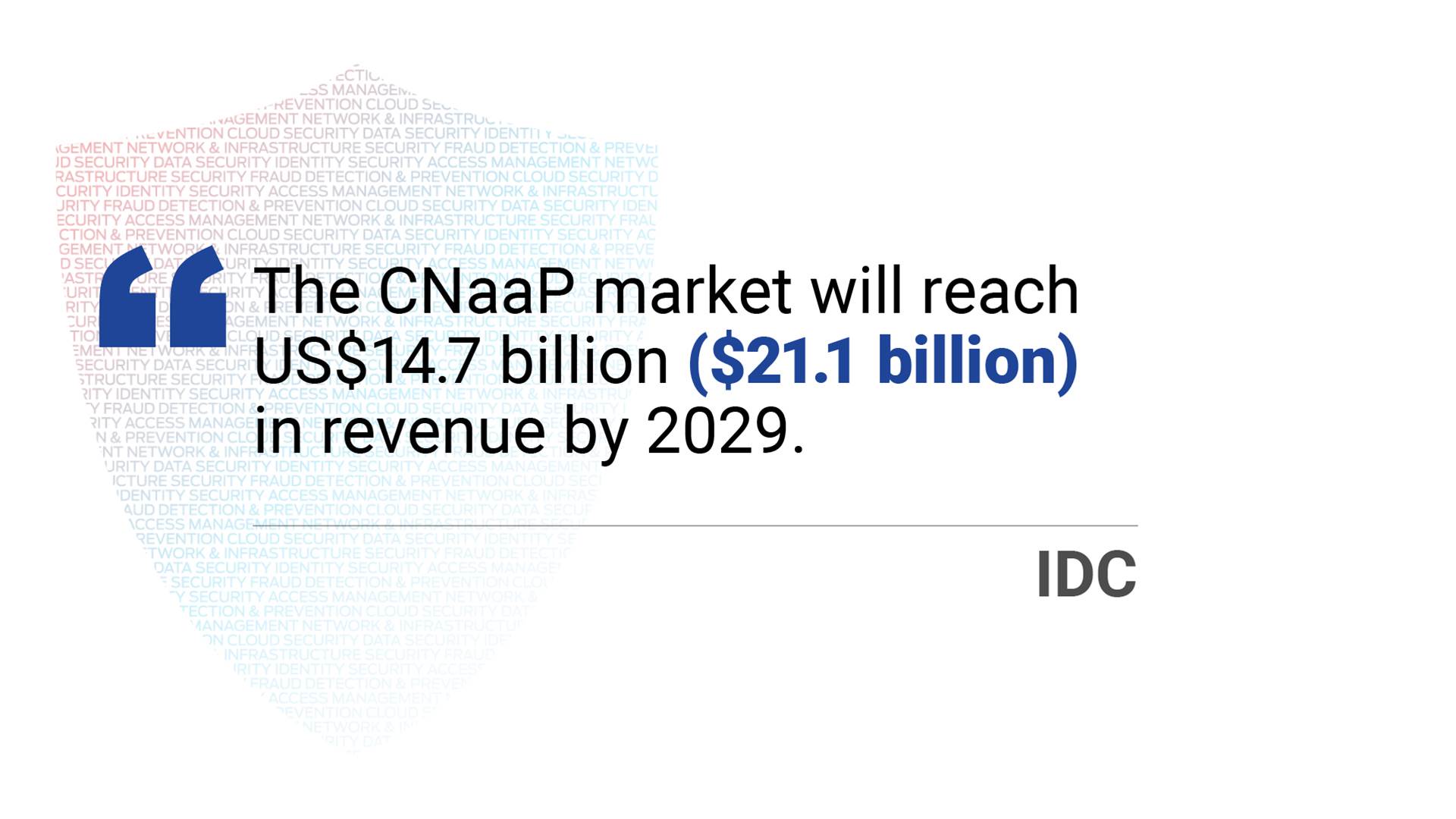
  • Cloud-Native Application Protection Platforms (CNAPP) are gaining popularity, expected to reach $21.1 billion by 2029.
  • Zero Trust Network Access (ZTNA) is supplanting conventional VPNs, improving security by prioritizing identity-based access.
  • The intricacy of cloud frameworks necessitates cohesive and automated security architectures.

The Cloud Challenge: Identity as the New Perimeter

As Australian enterprises proceed with their digital transition, the move to cloud computing has brought about not only advantages but also notable security obstacles. The conventional network security paradigm is being supplanted by identity-focused strategies, acknowledging identity as the key attack vector.

Cloud security challenges in 2026

IAM: The Pillar of Cloud Security

Identity and Access Management (IAM) is now central to cloud security strategies. With expenditures on IAM expected to reach $39.5 billion by 2029, organizations are focusing on secure identity management to safeguard their cloud settings. This emphasis on identity is altering how security is enacted, necessitating strong IAM solutions that cater to both human and machine identities.

Identity and Access Management in cloud security

ITDR: Identifying and Addressing Identity Threats

The emergence of Identity Threat Detection and Response (ITDR) tools highlights the growing sophistication of cyber threats aimed at identities. With significant growth anticipated, ITDR solutions are crafted to identify and address identity misuse, lateral movement, and privilege escalation, offering essential protection in cloud settings.

Identity threat detection and response tools

CNAPP: Consolidating Security for Cloud Workloads

Cloud-Native Application Protection Platforms (CNAPP) signify a crucial step towards unified security solutions for cloud-native settings. By amalgamating various security instruments, CNAPP delivers streamlined protection for cloud workloads, ensuring compliance and security across all areas.

Cloud-native application protection platforms

Zero Trust Network Access: The Emerging Standard

Zero Trust Network Access (ZTNA) is rapidly taking the place of traditional VPNs as the norm for cloud service access. By adhering to zero trust principles, ZTNA emphasizes identity-based control, diminishing the risk of lateral movement and bolstering overall security posture.

Conclusion

The advancement of cloud security is propelled by the increasing complexity of cloud frameworks and the urgent need to safeguard identities. As organizations invest in IAM, ITDR, CNAPP, and ZTNA technologies, they are preparing to face the challenges of a distributed and dynamic digital environment.

Q: What is the primary emphasis of contemporary cloud security strategies?

A: The main emphasis is on identity management, acknowledging identity as the key attack vector, moving away from traditional network security frameworks.

Q: How notable is the increase in IAM expenditure?

A: IAM expenditure is rising at a rate of 15% per year, with projections indicating it will reach $39.5 billion by 2029, underscoring its vital role in cloud security strategies.

Q: What function does ITDR serve in cloud security?

A: ITDR tools are crucial for detecting and addressing identity misuse and attacks, such as lateral movement, providing an essential layer of security.

Q: Why are CNAPPs critical for cloud settings?

A: CNAPPs provide integrated security for cloud-native applications, merging multiple security tools to ensure thorough protection and compliance.

Q: In what way does ZTNA improve cloud security?

A: ZTNA substitutes network-based access with identity-based control, aligning with zero trust principles to mitigate lateral movement risks and secure cloud access.

Firmus Invests US$300 Million in SUBCO’s APX East Initiative


We independently review everything we recommend. When you buy through our links, we may earn a commission which is paid directly to our Australia-based writers, editors, and support staff. Thank you for your support!

Brief Overview

  • Firmus Technologies allocates US$300 million ($416 million) towards SUBCO’s APX East subsea cable system.
  • APX East is anticipated to be operational by late 2028, establishing Australia’s inaugural direct connection to the US.
  • The initiative aims to become the longest uninterrupted undersea optical cable worldwide.
  • Firmus intends to construct AI data centres throughout Australia and the Asia Pacific.
  • This investment bolsters Firmus’ ongoing efforts to enhance Tasmania’s undersea cable capacity.
Firmus invests US$300 million in subsea cable project

Firmus Technologies’ Significant Investment in APX East

Firmus Technologies has taken a noteworthy step by investing US$300 million ($416 million) in SUBCO’s APX East subsea cable system. This arrangement allocates Firmus 150Tbps of capacity on this route for at least 25 years, with operations projected to commence in late 2028.

Innovating with APX East

The APX East subsea cable will provide Australia’s first direct link to the United States, signifying a notable advancement in telecommunications. Once completed, it will also be recognized as the world’s longest continuous undersea optical cable, stretching over vast distances.

Enhancing AI Infrastructure in Australia

Firmus aims to develop “AI factories” across Australia and the Asia Pacific, a vision supported by this investment in international transmission capacity. Their collaboration with SUBCO highlights the increasing requirement for strong data centre frameworks to accommodate AI workloads.

Growth Initiatives in Tasmania

Firmus’ dedication to improving Tasmania’s connectivity is clear as they enhance the region’s undersea cable capacity to the mainland Australia. This expansion forms part of their strategy to develop data centres within Tasmania, thereby fortifying the state’s digital framework.

Challenges and Public Attention

In spite of substantial investments, Firmus is facing challenges, including public pushback against data centre developments. The company is under media scrutiny, especially regarding its strategies in Tasmania.

Australian Government’s Position on Data Centres

The Australian Labor government has emphasized the significance of data centres and AI, unveiling a national AI plan that details expectations for the industry. The growth of these facilities must harmonize with Australian values, according to the government’s directives.

Conclusion

Firmus Technologies’ investment in the APX East subsea cable system marks a strategic effort to improve Australia’s AI infrastructure. With plans to establish AI data centres and increase undersea connectivity, Firmus is positioning itself as a frontrunner in the digital realm, despite experiencing public scrutiny and regulatory hurdles.

Q&A Session

Q: What does the APX East project represent for Australia?

A:

The APX East project is crucial as it will constitute Australia’s first direct undersea cable link to the United States, improving international connectivity and supporting the nation’s expanding digital infrastructure requirements.

Q: What impact does Firmus’ investment have on Tasmania?

A:

Firmus’ investment facilitates its plans to double Tasmania’s undersea cable capacity to the mainland, aiding in the development of data centres in the area and enhancing connectivity.

Q: What challenges might Firmus encounter with its data centre initiatives?

A:

Firmus is likely to face obstacles such as local opposition and media attention regarding its data centre projects, particularly in Tasmania, which could influence project schedules and public opinion.

Q: How does the Australian government engage with the data centre and AI field?

A:

The Australian government has set forth expectations for the data centre and AI domain through its national AI plan, ensuring that expansions correspond with Australian values and addressing the socio-political ramifications of these initiatives.

Tabcorp Appoints New Chief Information Security Officer


We independently review everything we recommend. When you buy through our links, we may earn a commission which is paid directly to our Australia-based writers, editors, and support staff. Thank you for your support!

Brief Overview

  • Maxine Harrison has been appointed as the new chief information security officer (CISO) for Tabcorp.
  • She brings considerable expertise, having previously held the CISO position at the Victorian Government’s Department of Energy, Environment and Climate Action.
  • Harrison succeeds Josh Kam, who moved from the CISO role to become the chief security officer at Tabcorp.
  • Tabcorp aims to enhance its cyber security strategy and strengthen business resilience.
Tabcorp appoints new CISO

Image credit: Tabcorp

Maxine Harrison Assumes CISO Position at Tabcorp

Tabcorp, a prominent gambling and entertainment organization in Australia, has named Maxine Harrison as its new chief information security officer (CISO). This appointment comes after the previous CISO’s departure earlier in the year, as announced via a LinkedIn post from Tabcorp’s official account.

Background and Qualifications

Maxine Harrison offers a vast amount of experience to Tabcorp, having worked as the CISO at the Victorian Government’s Department of Energy, Environment and Climate Action for almost three-and-a-half years. Her career includes leadership positions in cyber security and risk management at Service NSW and NBN Co, making her an expert in her field.

Emphasis on Cyber Security Strategy

The announcement from Tabcorp underscores the growing significance of technology in their business functions and customer service. Harrison’s responsibilities will revolve around fortifying Tabcorp’s cyber security strategy and improving the security and resilience of its operations. Her leadership is anticipated to enhance the company’s defenses against cyber threats.

Succession from Josh Kam

Harrison takes over from Josh Kam, who moved from the role of CISO to chief security officer at Tabcorp. Kam’s position encompassed both physical and IT security aspects. The return to a CISO title may point to an increased emphasis on information security within the organization.

Overview

The appointment of Maxine Harrison as Tabcorp’s CISO represents a strategic initiative to strengthen the company’s cyber security framework. With her extensive background, Harrison is ideally suited to lead Tabcorp’s initiatives in enhancing its information security while supporting technological evolution.

Q: Who is the newly appointed CISO of Tabcorp?

A:

Maxine Harrison has been appointed as the chief information security officer (CISO) of Tabcorp.

Q: What was Maxine Harrison’s previous position?

A:

She was the CISO at the Victorian Government’s Department of Energy, Environment and Climate Action.

Q: What prompted Tabcorp to return to the CISO title?

A:

Although the reason for renaming the position to CISO is not clear, it may reflect a renewed focus on information security.

Q: What roles did Josh Kam hold at Tabcorp?

A:

Josh Kam originally served as CISO before taking on the role of chief security officer, which included both physical and IT security responsibilities.

Q: What is expected of Harrison in her new role?

A:

Harrison is anticipated to spearhead Tabcorp’s cyber security strategy and reinforce the company’s security and resilience.

Q: What does Harrison’s appointment indicate for Tabcorp?

A:

The appointment signifies a heightened emphasis on cyber security and technological progression within Tabcorp.

IAG Incorporates AI to Transform HR Service Provision


We independently review everything we recommend. When you buy through our links, we may earn a commission which is paid directly to our Australia-based writers, editors, and support staff. Thank you for your support!

Brief Overview

  • IAG is moving from ServiceNow’s chatbot to the Now Assist AI suite, boosting HR self-service deflection rates.
  • Ongoing refinement of 730 HR knowledge base articles for AI enhancement is set to finish in September.
  • Now Assist virtual agents achieve a 67% deflection rate in the first month, significantly up from the previous 30%.
IAG improves HR service through AI integration

Transforming HR Service Delivery with AI

IAG, a prominent insurer, is leveraging artificial intelligence to augment self-service options for employees’ HR inquiries. By implementing ServiceNow’s proprietary AI suite, Now Assist, the firm targets enhancements in how personnel access and utilize HR resources.

Shifting from Chatbots to Superior AI

In the past, IAG employed ServiceNow’s employee service center platform, which included a conversational chatbot. This system supported five main HR discussions, covering areas such as benefits and leave. Although a 30% deflection rate was achieved, IAG recognized the need for further improvement and decided to adopt the more sophisticated Now Assist AI suite.

Enhancing Knowledge Base for AI

A vital measure involved restructuring around 730 HR knowledge base articles for AI compatibility. The initiative, spearheaded by a dedicated team utilizing tools like Copilot, aims to ensure that the AI can effectively interpret and address inquiries, especially in differentiating between Australian and New Zealand regulations.

Realising Elevated Deflection Rates

Following the implementation of Now Assist, IAG recorded an average deflection rate of 67% in the initial month, which more than doubled the performance of the previous chatbot. This notable advancement represents a significant step towards the aim of achieving an 80% deflection rate.

Looking Ahead to AI-Enhanced HR

In the future, IAG intends to investigate more agentic AI workflows in HR, capitalizing on the achievements with Now Assist. This direction illustrates a continual dedication to utilizing technology for improved employee service delivery.

Recap

IAG’s shift to the Now Assist AI suite from ServiceNow’s chatbot signifies a strategic effort to elevate HR self-service capabilities. With initiatives focused on refining knowledge base materials for AI functionality, the insurer has already observed a notable increase in deflection rates, setting the stage for prospective AI-driven advancements in HR service delivery.

Q: What is the overarching objective of IAG’s AI integration?

A: The primary goal is to enhance self-service functionalities for employees in search of HR-related information, ultimately boosting deflection rates and service efficiency.

Q: In what ways does Now Assist differ from the earlier chatbot?

A: Now Assist represents a more sophisticated AI suite that provides a higher deflection rate by expanding the variety of self-service queries it manages compared to the prior conversational chatbot.

Q: What challenges did IAG encounter while implementing AI?

A: A main obstacle was restructuring HR knowledge base articles for AI optimisation, ensuring precise AI replies, especially in differentiating content between Australia and New Zealand.

Q: What future advancements does IAG expect with AI?

A: IAG plans to further investigate agentic AI workflows in HR, targeting ongoing enhancement in self-service delivery and employee engagement.

Nvidia Purchases Hugging Face in Significant AU$20 Billion Agreement


We independently review everything we recommend. When you buy through our links, we may earn a commission which is paid directly to our Australia-based writers, editors, and support staff. Thank you for your support!

Quick Read

  • Nvidia to take over Hugging Face for AU$20 billion.
  • The acquisition aims to enhance Nvidia’s footprint in the AI and open-source model domain.
  • This deal could establish a customer pipeline for Nvidia’s AI processors.
  • Nvidia’s investment approaches raise alarms regarding market inflation.
  • Hugging Face will remain functional as an open platform.
  • Nvidia’s strategic acquisition signals broader ambitions beyond chip production.

Enhancing Nvidia’s Presence in AI

Nvidia is poised to acquire Hugging Face, a leading developer platform, in a transaction valued at AU$20 billion. This acquisition aligns with Nvidia’s strategy to utilize its extensive AI resources to solidify its position in the rapidly advancing open-source model market. These models provide economical alternatives to leading entities such as OpenAI and Anthropic.

Nvidia's AU$20 billion acquisition of Hugging Face

Strategic Growth of Customer Base

This acquisition, marking one of the most significant in Nvidia’s trajectory, brings the company closer to developers utilizing Hugging Face’s resources and models. Through this initiative, Nvidia intends to cultivate a new customer base that might potentially invest in its processors for AI services. This move occurs as major competitors like Meta, OpenAI, and Microsoft create their own AI chips, aiming to lessen reliance on Nvidia.

Apprehensions About Market Valuation

While Nvidia’s investment strategy has been assertive, it has also triggered concerns among investors regarding possible overvaluation within the sector. The company’s increasing investments, including in its own clientele, could be causing inflated market valuations, prompting fears of a tech bubble.

Commitment to Open-Source AI

In light of these concerns, Nvidia CEO Jensen Huang highlighted the significance of open models in distributing AI leadership across diverse sectors. Unlike closed systems, open models permit developers to freely download, operate, and modify AI systems. Nvidia guarantees that Hugging Face will persist as an open platform, allowing developers to select their desired models and infrastructure.

Effects on Developers and Market Dynamics

Despite reassurances, there are worries within the developer community regarding Nvidia’s potential to favour its own hardware. Analysts propose that Nvidia may adopt technical approaches to prefer its chips, although such claims have been rejected. The acquisition is perceived as a strategic action to amplify Nvidia’s influence while diversifying its focus beyond chip sales.

Hugging Face’s Contribution to the AI Ecosystem

Established in 2016, Hugging Face has gained recognition for hosting AI models, providing essential datasets, and offering software libraries. Its recent valuation reached US$4.5 billion, with significant support from notable investors. Despite facing recent security challenges, Hugging Face continues to be a critical player within the AI landscape.

Conclusion

Nvidia’s AU$20 billion acquisition of Hugging Face indicates a strategic move into the open-source AI model market. The transaction emphasizes Nvidia’s goal to broaden its customer base and enhance its standing in the AI field. Although the acquisition suggests potential growth and innovation, it also raises inquiries regarding market dynamics and developer independence.

Q: What is the significance of Nvidia acquiring Hugging Face?

A: The acquisition enables Nvidia to broaden its influence in the open-source AI model market, generating a fresh customer pipeline for its processors.

Q: Will Hugging Face remain an open platform?

A: Yes, Nvidia has confirmed that Hugging Face will keep functioning as an open platform, allowing developers to choose their preferred models and systems.

Q: What concerns exist regarding Nvidia’s acquisition strategy?

A: There are worries that Nvidia’s investment tactics may escalate market valuations and could potentially narrow hardware options for developers.

Q: How does this acquisition fit into Nvidia’s broader business strategy?

A: The acquisition embodies Nvidia’s aspiration to extend its influence beyond conventional chip sales by leveraging strategic partnerships and investments.

Q: Who are some of Hugging Face’s notable investors?

A: Hugging Face has attracted investments from firms such as Salesforce, AMD, and Amazon.

Q: How does this acquisition impact the AI and tech industry?

A: It underscores the increasing significance of open-source models in AI development and may affect market dynamics and developer tool preferences.

Coles to End Data Analytics Collaboration with Palantir


We independently review everything we recommend. When you buy through our links, we may earn a commission which is paid directly to our Australia-based writers, editors, and support staff. Thank you for your support!

Quick Read

  • Coles Group ends its three-year alliance with Palantir Technologies.
  • The collaboration focused on rostering, retail operations, and supply chain management.
  • Advocacy organization GetUp! celebrates success with 86,000 signatures on their petition.
  • Coles refutes claims that the software was employed for surveillance.
Coles to conclude data analytics collaboration with Palantir

Coles Group Terminates Data Collaboration with Palantir

Coles Group plans to end its data and analytics collaboration with Palantir Technologies, wrapping up three years of cooperation focused on rostering, retail operations, and supply chain planning across over 840 stores nationwide. The retailer entered into the agreement in February 2024, utilizing Palantir’s Foundry and AI systems to enhance operations.

Advocacy Campaigns and Ethical Dilemmas

The advocacy group GetUp! proclaimed success as the termination of the partnership follows a year-long campaign questioning the agreement on ethical bases. This campaign amassed 86,000 petition signatures, highlighting worries over possible erosion of worker rights and corporate surveillance.

Coles’ Stance on Surveillance Allegations

Coles has repeatedly rejected assertions that Palantir’s software functioned as a surveillance mechanism. A spokesperson for Coles indicated that the software was intended for data integration and analytical purposes, facilitating decision-making in bakery operations, trading outcomes, and staffing. The software was managed and operated within Coles’ infrastructure, ensuring the safety of data.

Plans for Transition and Prospective Futures

Coles is actively working on shifting away from Palantir, although specific plans have not yet been finalized. The arrangement is anticipated to conclude by 2027. Coles maintains a team of about 300 data and intelligence personnel, collaborating with partners such as Microsoft, Snowflake, and SAP.

Palantir’s Operations in Australia

Palantir is broadening its presence in Australia, working with clients including Rio Tinto and the Department of Defence. Nonetheless, Palantir contends with resistance from the Australian Greens Party, which is opposing its federal government contracts due to ethical issues.

Summary

Coles Group concludes its data partnership with Palantir after three years, responding to ethical concerns raised by advocacy group GetUp!. Coles refutes surveillance allegations, emphasizing data governance within its environment. Transition efforts are underway, with the collaboration expected to wrap up by 2027.

Q: What was the purpose of Coles’ partnership with Palantir?

A: The partnership sought to improve rostering, retail operations, and supply chain planning utilizing Palantir’s data analytics capabilities.

Q: Why did GetUp! campaign against the partnership?

A: GetUp! campaigned against the partnership due to ethical issues, including potential risks to worker rights and corporate surveillance.

Q: How did Coles respond to the surveillance allegations?

A: Coles asserted that the software was used for operational efficiencies and managed within its own infrastructure, denying any surveillance application.

Q: What are Coles’ future plans concerning data analytics?

A: Coles intends to transition away from Palantir by 2027 and continues collaborating with other vendors such as Microsoft and SAP.

Q: What is Palantir’s role in Australia beyond Coles?

A: Palantir supports clients such as Rio Tinto and the Australian Department of Defence, although it confronts challenges from the Australian Greens due to ethical concerns.

Visual Insights: Civica Roundtable Reshapes Growth Strategy


We independently review everything we recommend. When you buy through our links, we may earn a commission which is paid directly to our Australia-based writers, editors, and support staff. Thank you for your support!

Concise Overview

  • Organisations are evolving for the future of value generation.
  • Striking a balance between efficiency and new value generation is a primary objective.
  • Embracing cloud technology and AI is essential for evolution.
  • Improving customer engagement and loyalty is crucial for progress.
  • Innovative growth avenues are being discovered even amid market limitations.

Evolving for a New Value Generation Era

Amidst a rapidly changing technological environment, organisations are exploring ways to evolve and generate new value. A recent roundtable, organised by TechBest and backed by Civica, convened influential leaders to deliberate on strategies for progressing into this new era. The emphasis was on balancing efficiency with value generation, transcending simple cloud and AI adoption, and improving customer engagement and loyalty to drive progress.

Visual Insights: Civica Roundtable Reworks Growth Strategy

Striking a Balance Between Efficiency and Value Generation

Organisations face the challenge of achieving the dual objectives of ensuring efficiency while simultaneously creating novel value streams. This equilibrium is vital as firms operate in a progressively competitive environment. Leaders are concentrating on strategic investments and innovations that enhance operations without sacrificing growth prospects.

Moving Beyond Cloud and AI Adoption

Though cloud computing and artificial intelligence stay at the forefront of technological progress, the conversation underscored the need to extend beyond simple adoption. Organisations are weaving these technologies into their fundamental strategies to fuel innovation and sustain competitiveness. This requires not only deploying these technologies but also embedding them to revolutionise business frameworks and methodologies.

Improving Customer Engagement and Loyalty

Customer engagement and loyalty surfaced as pivotal themes during the discussion. Businesses are harnessing data analytics and tailored communications to gain deeper insights and better cater to their customer bases. This method not only boosts customer allegiance but also unveils new revenue and growth pathways.

Uncovering New Growth Avenues

In spite of market limitations, there is a dedicated effort to discover and seize new growth avenues. Innovation is essential, with organisations investigating new markets and customer demographics. The roundtable highlighted the significance of agility and foresight in navigating these avenues.

Conclusion

The Civica-sponsored roundtable reinforced the necessity of modernising organisational approaches for future advancement. By harmonising efficiency with value creation, embracing and integrating cloud and AI technologies, and bolstering customer engagement, businesses can position themselves for success in a constrained environment.

Q: Why is it essential to balance efficiency with value generation?

A: Balancing efficiency with value generation allows organisations to maintain streamlined operations while pursuing new growth avenues, which is vital for remaining competitive.

Q: How are cloud and AI technologies being integrated beyond initial adoption?

A: Organisations are embedding cloud and AI into their fundamental strategies to transform business models, enhance operational processes, and stimulate innovation.

Q: What methods are used to enhance customer engagement and loyalty?

A: Companies are leveraging data analytics and personalised messaging to better connect with and understand their customers, nurturing loyalty and revealing new revenue opportunities.

Q: How can firms uncover new growth avenues in a limited market?

A: By remaining agile and future-focused, firms can explore new markets and customer demographics, utilising innovation to maintain a competitive edge.