Australia Tech News - Page 15 of 231 - Techbest - Top Tech Reviews In Australia

Sonos MCP Server Incorporates ChatGPT, Gemini, Grok for Music Management; Launches Beam Ultra Soundbar and Ace Ultra Headphones


We independently review everything we recommend. When you buy through our links, we may earn a commission which is paid directly to our Australia-based writers, editors, and support staff. Thank you for your support!

Quick Overview

  • Sonos launches the Sonos 27 operating system featuring open AI integration.
  • The new Beam Ultra soundbar supports 7.1.2 Dolby Atmos and enhanced vocal clarity.
  • Ace Ultra headphones offer adaptive ANC and smooth integration with the Sonos system.
  • Software updates encompass Sonos Fabric and Positioning Technology.
  • Products are set for pre-order on September 2, 2026, with general release on September 29.

Acoustic Features of the Beam Ultra

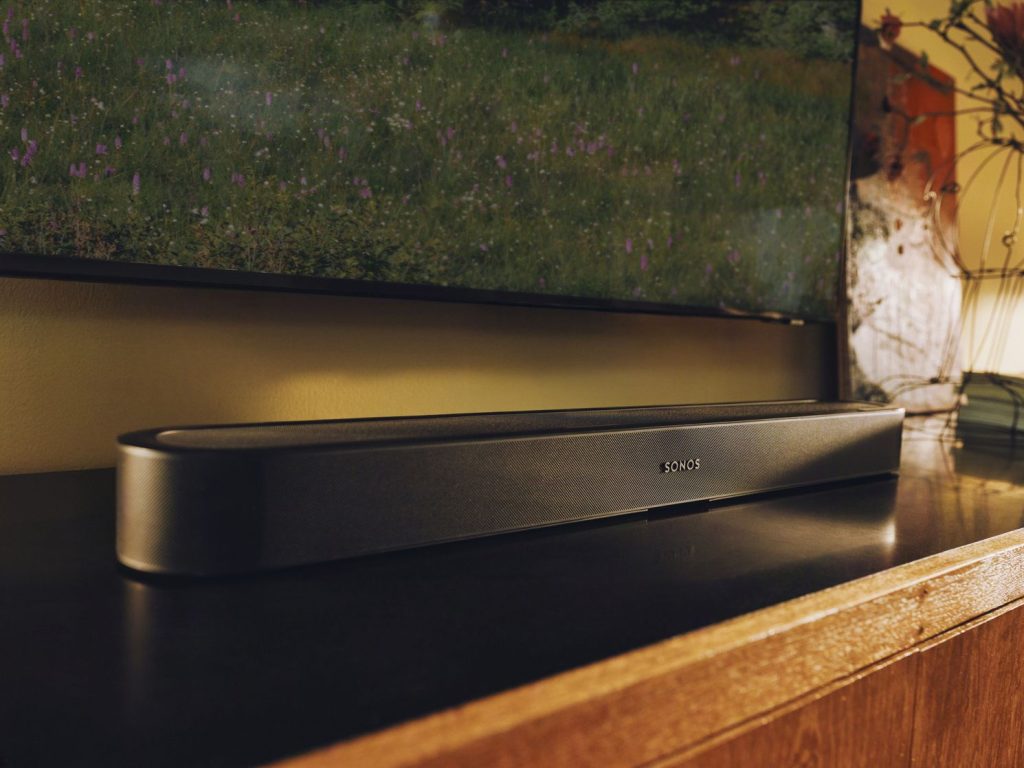
The Sonos Beam Ultra stands out in the latest platform update, delivering authentic 7.1.2 Dolby Atmos in a sleek design. It incorporates nine custom drivers, including two upward-firing ones for immersive audio and bass enhancement. The revamped centre channel enhances vocal clarity, tackling frequent issues of unclear dialogue in home theaters. Equipped with AI Speech Enhancement and Night Sound mode, the Beam Ultra promises an exceptional audio experience at A$1,099, supporting WiFi, Bluetooth, and HDMI eARC connections.

Sonos Beam Ultra Soundbar with advanced audio features

Mobilizing the Ecosystem with Ace Ultra

Priced at A$699, the Sonos Ace Ultra headphones are equipped with a custom 40mm driver and adaptive noise cancellation through a 10-microphone array. With a battery life of 35 hours, they are perfect for travel. This model uniquely features the Headphone Engine 2, allowing immediate integration with the Sonos system without the need for a smartphone. This function, debuting in Early Access, transforms personal audio connectivity.

Sonos Ace Ultra Headphones with Adaptive ANC

Sonos 27 and Transition to Open AI

The Sonos 27 OS presents an open platform for AI integration, accommodating external AI agents such as OpenAI’s ChatGPT via the Model Context Protocol (MCP). This feature lets users control audio settings through AI without the Sonos app, enhancing flexibility in smart home setups. Upcoming updates will permit users to create custom AI agents with distinct models and voices.
Sonos 27 OS with Open AI Integration

Dynamic Positioning Solves the Rear Surround Dilemma

Sonos Fabric and Positioning Technology empowers speakers to adapt their functionalities based on physical arrangement, facilitating temporary rear surround sound configurations. This capability is especially advantageous for renters or individuals seeking tidy audio solutions.

Sonos Dynamic Positioning Technology for Surround Sound

Australian Launch and Rollout Information

The Sonos 27 app, offering community-driven features, will begin rolling out on September 8. The Beam Ultra and Ace Ultra will be available for pre-order starting September 2, 2026, with general availability on September 29. For further information, visit Sonos.

Conclusion

The latest products from Sonos, including the Beam Ultra soundbar and Ace Ultra headphones, utilize the new Sonos 27 operating system to provide unparalleled audio management and integration with open AI platforms. With features such as dynamic speaker positioning and seamless system connectivity, Sonos is establishing a new benchmark in home audio technology.


Q: What key feature does the Sonos Beam Ultra offer?

A: The Sonos Beam Ultra features authentic 7.1.2 Dolby Atmos sound with improved vocal clarity through its redesigned centre channel and AI Speech Enhancement.

Q: In what way do the Ace Ultra headphones integrate with the Sonos system?

A: The Ace Ultra headphones come with Headphone Engine 2, enabling straightforward audio control from the Sonos system without utilizing a smartphone.

Q: What is the importance of the Sonos 27 operating system?

A: The Sonos 27 OS offers an open framework for the incorporation of third-party AI agents, allowing adaptable management of the audio space.

Q: How does Sonos Fabric and Positioning Technology assist users?

A: It enables speakers to dynamically adapt their roles based on their placement, allowing for temporary surround configurations without the need for permanent setups.

Q: When can Australians expect the new Sonos products to launch?

A: The Beam Ultra and Ace Ultra will be available for pre-order from September 2, 2026, with general availability occurring on September 29.

Privacy Act Overhaul to Strengthen 72-Hour Breach Notification Deadline


We independently review everything we recommend. When you buy through our links, we may earn a commission which is paid directly to our Australia-based writers, editors, and support staff. Thank you for your support!

Rapid Overview

  • Under new legislation, Australian organisations might soon be required to inform the Information Commissioner of data breaches within a 72-hour timeframe.
  • The limited erasure right will apply solely to major digital platforms that satisfy certain revenue or user criteria.
  • Smart glasses pose privacy risks but are not included in the proposed legislative alterations regarding personal use.
Privacy Act reform: 72-hour breach notification requirement

Proposed 72-Hour Breach Notification Obligation

Under draft legislation introduced by the Attorney-General’s department, Australian organisations are mandated to notify the Information Commissioner of an eligible data breach within 72 hours. The Privacy Amendment (Personal Data Protection) Bill 2026 intends to replace the existing “as soon as practicable” criterion with a definitive deadline. This corresponds with current cyber regulation timelines outlined in the Security of Critical Infrastructure Act 2018 and the Cyber Security Act 2024.

Retention of the Two-Stage Breach Evaluation

The proposed bill keeps the current 30-day period for evaluating suspected breaches. Once there are reasonable grounds for suspecting a breach, the 72-hour notification countdown starts. Organisations may file an incomplete report with a rationale if a complete statement cannot be presented within the specified timeframe. Not reporting may result in infringement or compliance notices.

Introduction of a Restricted Erasure Right

The proposed legislation brings forth a restricted erasure right that applies exclusively to large digital platforms as outlined by the Online Safety Act 2021. To qualify, platforms must achieve a gross revenue of $500m or have 2.5 million Australian users monthly. They are required to remove personal information upon request unless certain exceptions are applicable.

Smart Glasses and Privacy Issues

Although the proposed legislation recognizes the privacy risks linked with smart glasses, it does not intend to prohibit them for personal use. The Privacy Act does not apply to individuals using these devices for personal purposes. When regulated entities gather data via wearables, compliance with privacy laws is necessary, which includes acquiring consent for sensitive data collection.

Conclusion

The suggested amendments to the Privacy Act seek to bolster data breach reporting obligations, introduce a restricted erasure right for major digital platforms, and address privacy concerns associated with smart glasses without enforcing additional restrictions on personal use. These modifications reflect continual efforts to modernize Australia’s privacy framework in light of technological developments.

Q: What is the updated reporting time for data breaches?

A: The proposed legislation mandates organisations to report eligible data breaches to the Information Commissioner within 72 hours.

Q: Is the new erasure right applicable to all companies?

A: No, the erasure right is limited to large digital platforms that meet specific revenue or user criteria.

Q: Are smart glasses prohibited under the new rules?

A: No, the legislation does not recommend banning smart glasses for personal use, although it acknowledges related privacy issues.

Q: What is the process for the two-stage breach notification?

A: Organisations have a 30-day window to evaluate a suspected breach, followed by 72 hours to notify the Information Commissioner if a breach is verified.

Q: What consequences arise for failing to report a breach within 72 hours?

A: Not reporting within the 72-hour timeframe may lead to an infringement or compliance notice.

Q: What exceptions are in place for the erasure right?

A: Exceptions include law enforcement, legal retention obligations, technical impossibility, trivial requests, and ongoing service requirements.

ADHA Extends Collaboration with Accenture for My Health Record Assistance


We independently review everything we recommend. When you buy through our links, we may earn a commission which is paid directly to our Australia-based writers, editors, and support staff. Thank you for your support!

Brief Overview

  • The Australian Digital Health Agency (ADHA) has reaffirmed its partnership with Accenture regarding support for My Health Record.
  • The updated contract is estimated at $161.6 million over three years, with possibilities for extension.
  • Accenture has been the National Infrastructure Operator since 2012.
  • This agreement is designed to support more than 25 million active records and update the system.
  • Telstra Health has acquired a $33.2 million contract to create a FHIR-based data framework.

ADHA Renews Collaboration with Accenture

The Australian Digital Health Agency (ADHA) has opted to extend its partnership with Accenture, clinching a new contract valued at around $161.6 million. This arrangement ensures Accenture continues to oversee infrastructure services for My Health Record from August 2026 through August 2029, with an option to extend until August 2032.

ADHA collaboration with Accenture for My Health Record infrastructure

Overview of Accenture’s Involvement

Accenture has been acting as the National Infrastructure Operator for My Health Record since 2012. What began with a $47 million contract has broadened significantly over time, culminating in a total of $788 million before an audit recommended reassessing the market.

Innovative Operating Model

Chief Technical Officer John Borchi pointed out that the renewed contract with Accenture brings forth a new operating model. This strategy empowers the ADHA to oversee comprehensive service delivery, prioritize national digital health infrastructure, and uphold accountability for governance and decision-making.

Noteworthy Usage and Future Evolution

ADHA’s Chief Executive Amanda Cattermole stressed the contract’s significance in supporting the escalating use of My Health Record. With over 25 million active records and about 207 million clinician interactions each year, the system plays a vital role in healthcare administration. Additionally, the contract establishes a foundation for transitioning to a contemporary FHIR-based environment.

Role of Telstra Health

Alongside Accenture’s engagement, Telstra Health has been granted a $33.2 million contract to create a FHIR-based data framework. Working in collaboration with Leidos Australia and Canada’s Smile Digital Health, this architecture will function in conjunction with existing clinical document formats.

Conclusion

The ADHA’s sustained collaboration with Accenture represents a crucial advancement in enhancing Australia’s digital health infrastructure. With a thorough operating model and strategic partnership with Telstra Health, the My Health Record system is positioned to adapt and address the needs of contemporary healthcare.

Questions & Answers

Q: What is the timeline of the new contract with Accenture?

A: The new contract spans three years, from August 28, 2026, to August 27, 2029, with an extension option until August 31, 2032.

Q: How many active records are currently in My Health Record?

A: My Health Record currently maintains over 25 million active records.

Q: What role does Telstra Health play in the My Health Record system?

A: Telstra Health is responsible for implementing a FHIR-based data framework, collaborating with Leidos Australia and Smile Digital Health.

Q: What advantages does the new operating model provide to the ADHA?

A: The new operating model enables the ADHA to lead service delivery, establish priorities, and maintain accountability for governance and decision-making.

Q: Why is transitioning to a FHIR-based ecosystem important?

A: Transitioning to a FHIR-based ecosystem modernizes the My Health Record system, enhancing interoperability and supporting improved healthcare administration.

Q: What prompted the market to be retested for the My Health Record infrastructure contract?

A: An audit suggested retesting the market to guarantee competitive and efficient service delivery for the My Health Record infrastructure.

Expired Anti-Spam Domain Leads to Email Mayhem at NZ’s Eden Park Stadium


We independently review everything we recommend. When you buy through our links, we may earn a commission which is paid directly to our Australia-based writers, editors, and support staff. Thank you for your support!

Brief Overview

  • Eden Park’s email configuration included a lapsed domain, presenting possible email security threats.
  • Consultant Alex Shakhov collected DMARC reports for a year as a result of this configuration error.
  • Reports disclosed Eden Park’s interactions with 600 organizations, such as sponsors and representatives.
  • The stadium asserts that no data breach occurred and has revised its DNS settings.
  • Fujitsu verified that the expired domain was associated with a discontinued anti-spam service.
Eden Park Stadium in NZ experiences email security challenges due to lapsed domain

Email Issues at Eden Park

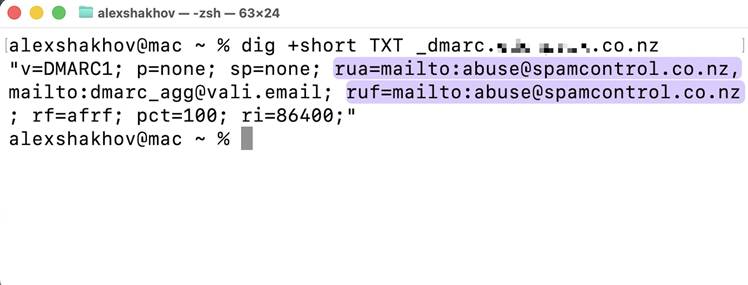
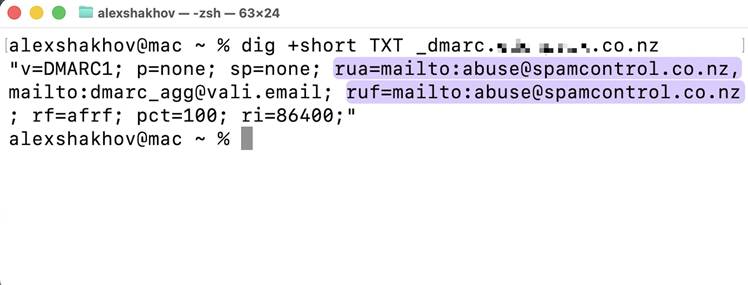
Eden Park, New Zealand’s principal stadium, neglected a vital email configuration flaw for several years. This error involved the inclusion of a lapsed anti-spam domain, enabling the potential interception of sensitive message authentication reports.

Email consultant Alex Shakhov, based in the US, uncovered that the DMARC record in Eden Park’s DNS pointed to spamcontrol.co.nz, a defunct domain. By acquiring this domain, Shakhov was able to receive DMARC reports, providing quick insight into Eden Park’s email system.

Findings from Collected Reports

In just one month, Shakhov analyzed Eden Park’s communication with 600 organizations, including sponsors and event management firms. This exposure had the potential to facilitate targeted phishing attempts if exploited by malicious entities.

Despite multiple efforts to inform Eden Park about the issue, Shakhov’s alerts went ignored for more than a year. His research underscored the considerable security vulnerabilities stemming from the lapsed domain reference.

Response and Reassurances from the Stadium

Eden Park acknowledged the problem and claimed that no data breaches occurred. The stadium has since revised its DNS configuration to remove the expired domain reference. Eden Park reassured that comprehensive cybersecurity measures are in place, actively monitored by their IT team.

However, the stadium did not explain the delay in responding to Shakhov’s warnings.

Understanding DMARC Configuration Errors

DMARC, which stands for domain-based message authentication, reporting, and conformance, aids in safeguarding domains against email spoofing. However, misconfigurations like those at Eden Park can inadvertently expose sensitive information.

DMARC records designate email addresses for receiving reports, but outdated or incorrect configurations may lead to data vulnerabilities. Shakhov’s findings serve as a cautionary example of the necessity for updated and accurate DMARC settings.

Fujitsu’s Involvement and Domain Background

The lapsed domain, spamcontrol.co.nz, was linked to Fujitsu’s operations in Australia and New Zealand. Fujitsu confirmed that it was part of an anti-spam service that was discontinued in June 2021.

Despite this setback, Fujitsu reported no evidence of negative impacts on existing customer systems due to the domain’s discontinuation.

Broader Implications and Research Insights

Shakhov’s evaluations found similar DMARC configuration errors across other organizations. A 2023 study revealed that 26% of domains with external DMARC reporting addresses failed verification checks, highlighting the common occurrence of such security failures.

Shakhov expressed his willingness to return the spamcontrol.co.nz domain to Fujitsu.

Conclusion

The failure to address an expired domain in Eden Park’s email configuration emphasizes the need for regular DNS audits. While there was no data breach, the risk for misuse was considerable, illustrating the necessity for vigilant cybersecurity practices.

Q: What led to the email security problem at Eden Park?

A: The email settings at Eden Park referenced an expired domain, enabling the capture of DMARC reports.

Q: Who identified the configuration error?

A: The error was identified by US-based email consultant Alex Shakhov.

Q: Was there any data breach at Eden Park?

A: Eden Park indicated that no data was compromised despite the oversight.

Q: What steps did Eden Park take post-discovery?

A: Eden Park updated its DNS configuration to remove the lapsed domain reference and assured strong cybersecurity measures are in place.

Q: How was Fujitsu connected to the expired domain?

A: The domain was part of a defunct anti-spam service formerly managed by Fujitsu in Australia and New Zealand.

Q: Are similar DMARC configuration issues prevalent?

A: A study indicated that 26% of domains with external DMARC reporting addresses failed verification, pointing to the commonality of such misconfigurations.

NT Government Begins Path to Digital Driver’s Licence


We independently review everything we recommend. When you buy through our links, we may earn a commission which is paid directly to our Australia-based writers, editors, and support staff. Thank you for your support!

Fast Overview

  • The Northern Territory government intends to provide digital driver’s licences by the year’s conclusion, in line with globally acknowledged standards.
  • The Motor Vehicles Amendment (Digital Licences) Bill 2026 establishes the legal basis for Territorians to possess a secure digital licence on their smartphones.
  • Minister Joshua Burgoyne emphasized that these digital licences will authenticate driving privileges, age, and identification in applicable scenarios.
NT government launches digital driver's licence initiative

Digital Licences: Advancing in the Northern Territory

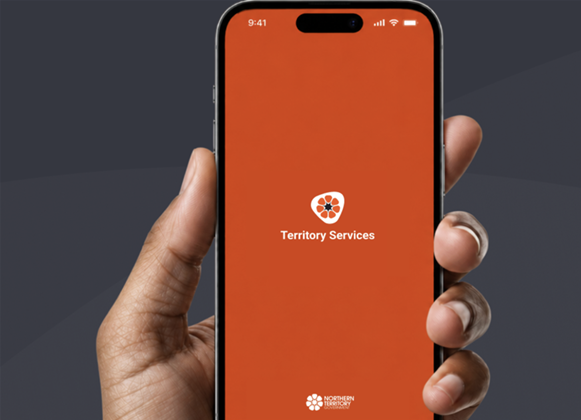
The Northern Territory is poised for a digital shift with the impending release of digital driver’s licences. Expected to be launched by the end of the year, these licences aim to meet internationally accepted standards, offering a contemporary substitute for the conventional physical format.

Legal Structure

The enactment of the Motor Vehicles Amendment (Digital Licences) Bill 2026 sets up the foundation for this initiative, enabling qualified Territorians to have a digital representation of their driver’s licence on their smartphones. This action reflects a wider movement towards digitisation in governmental services.

Advantages of Digital Licences

As stated by Minister for Corporate and Digital Development Joshua Burgoyne, the digital licence will fulfill various roles: confirming an individual’s right to drive, verifying their age as over 18, and establishing identity in specific contexts. This move contributes to a broader initiative for digital government services designed to enhance convenience and security for citizens.

Considerations for Interstate and International Travel

Although the digital licence provides many advantages, the government recommends that Territorians keep their physical driver’s licence on hand when traveling interstate or abroad. This advice stems from the ongoing development of national and global recognition standards for digital licences.

Conclusion

The Northern Territory’s initiative to launch digital driver’s licences represents a pivotal advancement in its digital transformation efforts. By establishing a legal framework that endorses the use of digital licences, the territory is positioning itself as a leader in innovative governmental services.

Q: What are the primary advantages of having a digital driver’s licence?

A: The digital driver’s licence provides convenience, security, and multifunctionality by confirming driving authority, age, and identity in relevant situations.

Q: Is it compulsory to convert to a digital driver’s licence in the Northern Territory?

A: No, choosing to adopt a digital driver’s licence is optional for residents of the territory.

Q: Can the digital licence function without mobile data coverage?

A: Yes, the digital licence will operate even without mobile data coverage.

Q: Should I still retain my physical driver’s licence while traveling?

A: Yes, carrying your physical driver’s licence is advisable when traveling interstate or internationally due to ongoing recognition developments.

Q: What legislation supports the implementation of digital driver’s licences?

A: The Motor Vehicles Amendment (Digital Licences) Bill 2026 provides the legal framework for digital driver’s licences.

REA Group Names First Chief AI Officer


We independently review everything we recommend. When you buy through our links, we may earn a commission which is paid directly to our Australia-based writers, editors, and support staff. Thank you for your support!

Quick Read

  • REA Group designates Thyago Liberalli as its inaugural Chief AI Officer.
  • He comes with more than 20 years of expertise in AI and technological transformation.
  • This position is aimed at improving AI functionalities and providing scalable solutions.
  • Liberalli formerly served in senior AI positions at Seek.
  • The role reports directly to REA’s Chief Technology Officer, Steve Maidment.

REA Group’s Bold Step into AI Leadership

REA Group has made a major advancement in its AI strategy by appointing Thyago Liberalli to the newly created Chief AI Officer role. This choice highlights the organization’s dedication to incorporating sophisticated AI capabilities into its processes, with the intention of enhancing experiences for customers and consumers alike.

Thyago Liberalli’s Outstanding Record

Thyago Liberalli joins REA Group with a robust background in AI after a 13-year stint at Seek, where he held key positions such as Asia Pacific Director of AI and Global Director of AI and Machine Learning. His experience spans regions including Australia, Latin America, and Asia-Pacific, rendering him an essential asset to REA’s international aspirations.

The Vision for AI at REA Group

The establishment of the Chief AI Officer role represents a strategic initiative to connect existing AI capabilities with future advancements. Liberalli’s mission is to expedite the transition from AI trials to the formulation of effective, scalable products. This ambition aligns with REA’s extensive AI plan, which emphasizes delivering tangible value for clients and improving operational effectiveness.

Reporting Structure and Strategic Alignment

In his new capacity, Liberalli will report to Steve Maidment, Chief Technology Officer at REA Group. This connection ensures that AI initiatives are closely linked with the company’s broader technological vision, promoting a unified approach to AI-driven evolution.

REA Group names its first Chief AI Officer

Image credit: REA Group/LinkedIn

Summary

Thyago Liberalli’s appointment as Chief AI Officer for REA Group represents a critical advancement in its technological growth. With his skills, the organization is set to utilize AI to generate significant value throughout its operations, aligning with its mission to innovate and excel in the proptech sector.

Q: Who is Thyago Liberalli?

A: Thyago Liberalli is the newly appointed Chief AI Officer at REA Group, boasting over 20 years of experience in AI and technology transformation, previously employed at Seek.

Q: What is the purpose of the Chief AI Officer role at REA Group?

A: The role aims to enhance AI functionalities and advance the development of scalable AI solutions, in line with REA’s overarching AI strategy.

Q: What experience does Thyago Liberalli bring to REA Group?

A: Liberalli has significant experience in AI, having worked as Asia Pacific Director of AI and Global Director of AI and Machine Learning at Seek.

Q: How does this appointment fit into REA Group’s overall strategy?

A: This appointment aligns with REA Group’s strategy to integrate advanced AI capabilities into its processes, aiming to improve customer experiences and operational efficiency.

Q: Who will Thyago Liberalli report to in his new role?

A: Thyago Liberalli will report to Steve Maidment, the Chief Technology Officer at REA Group.

Q: What regions does Thyago Liberalli have experience working in?

A: His expertise covers Australia, Latin America, and the Asia-Pacific region.

Q: What is REA Group’s broader AI agenda?

A: REA Group’s AI agenda concentrates on moving from AI trials to practical applications, providing measurable value to clients and enhancing the company’s proptech ventures.

ASX Designates New Deputy CISO to Enhance Cybersecurity Governance


We independently review everything we recommend. When you buy through our links, we may earn a commission which is paid directly to our Australia-based writers, editors, and support staff. Thank you for your support!

Quick Summary

  • The Australian Securities Exchange (ASX) has appointed Hanlie Botha as its inaugural Deputy Chief Information Security Officer (CISO).
  • Botha makes the shift from her previous position as CISO at Ticketek Entertainment Group.
  • The current CISO of ASX, Tristan Geering, has dedicated 26 years to the organization.
ASX introduces deputy CISO position

ASX Strengthens Cybersecurity Leadership with New Deputy CISO Position

The Australian Securities Exchange (ASX) is enhancing its cybersecurity framework by creating a new Deputy Chief Information Security Officer (CISO) role. Hanlie Botha has been appointed to this pioneering position, bringing extensive experience from her prior role as CISO at Ticketek Entertainment Group (TEG).

Background of Hanlie Botha

With a career that includes key roles at companies like Woolworths Group and Ausgrid, Botha has actively participated in cybersecurity efforts. Her skills will be crucial as ASX fortifies its defense strategies against the continually evolving threat environment.

Endorsement for ASX’s Cybersecurity Initiatives

ASX’s CIO, Tim Whiteley, highlighted the significance of this role in strengthening the organization’s cybersecurity defenses. He remarked that the addition of a Deputy CISO signifies ASX’s dedication to protecting Australia’s financial market framework.

Continued Leadership at ASX

Tristan Geering, ASX’s current CISO, remains in his long-standing role within the company, having been with ASX for 26 years. Geering’s substantial experience as CISO assures continuity and resilience in ASX’s cybersecurity governance.

Overview

The establishment of a Deputy CISO role at ASX highlights its commitment to improving cybersecurity protocols. With the appointment of Hanlie Botha, ASX is well-positioned to bolster its defenses against cyber threats, thereby ensuring the integrity of Australia’s financial markets.

Q: What does the new Deputy CISO role at ASX signify?

A: The role is essential for enhancing ASX’s cybersecurity leadership and tackling rising cyber threats.

Q: Who is Hanlie Botha?

A: Hanlie Botha is the newly designated Deputy CISO at ASX, previously serving as CISO at Ticketek Entertainment Group.

Q: How long has Tristan Geering been with ASX?

A: Tristan Geering has been with ASX for 26 years and has acted as CISO for the last ten years.

Q: What past roles has Hanlie Botha held?

A: Botha has previously held cybersecurity roles at Woolworths Group and Ausgrid before joining ASX.

Q: What prompted ASX to enhance its cybersecurity leadership now?

A: The increasing prevalence of cyber threats requires a more comprehensive cybersecurity strategy to safeguard the financial markets.

Q: How does this appointment impact ASX’s cybersecurity approach?

A: The selection of Botha as Deputy CISO bolsters ASX’s protections and complements ongoing cybersecurity efforts.

Telstra Launches Groundbreaking Tool for Enhanced AI Oversight


We independently review everything we recommend. When you buy through our links, we may earn a commission which is paid directly to our Australia-based writers, editors, and support staff. Thank you for your support!

Quick Insights

  • Telstra has launched a comprehensive, real-time AI cost and governance oversight tool referred to as the “AI control plane”.
  • Chris Ellis, Head of Corporate Software Engineering, stresses the importance of a structured method to oversee an organization-wide AI ecosystem.
  • Michael Ackland, Chief Financial Officer, points out the potential hazards of AI expenses affecting productivity gains across Telstra’s 380 AI applications.
Innovative tool for managing AI at Telstra

Telstra’s AI Control Plane Project

Telstra has introduced a cutting-edge AI management tool called the “AI control plane” aimed at real-time monitoring of costs and governance. This initiative aligns with Telstra’s strategy to prioritize AI, necessitating stricter oversight of AI implementations throughout the company.

Governance of AI Across the Enterprise

Chris Ellis, Telstra’s Head of Corporate Software Engineering, discusses the difficulty of governing an organization-wide AI ecosystem instead of just individual AI applications. The AI control plane aims to deliver real-time insights into AI effectiveness, risks, and expenditures, thereby bolstering Telstra’s current AI security and governance practices.

Financial Considerations and Productivity

Michael Ackland, Telstra’s Chief Financial Officer, has voiced worries that AI-related costs might surpass the advantages in productivity. With 380 recognized AI applications, Telstra is carefully evaluating its AI expenditures to ensure that costs do not compromise potential savings. Strategies include enhancing cloud usage efficiency and steering clear of reliance on a sole AI Large Language Model provider.

Revolutionizing Operational Practices

Ellis stresses the necessity for AI to be woven into business operations, instead of being an extra tool. Telstra intends to utilize AI for rethinking processes and improving decision-making, going beyond basic task automation. This change will require considerable workforce restructuring as an integral part of Telstra’s Connected Future 30 Plan.

Looking Ahead: Opportunities and Obstructions

During an SAP event, Ellis articulated the vision of transforming the future of work at Telstra, acknowledging the formidable challenges brought on by major transformation efforts essential for AI adoption. The initiative requires a reassessment of the strengths of business units, underscoring the exciting yet intimidating aspects of this technological journey.

Conclusion

Telstra’s implementation of the AI control plane marks its dedication to methodical AI management across all operations. By tackling cost-related risks and ensuring AI’s seamless incorporation into business functions, Telstra aspires to fully exploit AI’s potential while managing the trials of organizational change.

Q: What constitutes the AI control plane?

A: The AI control plane is a tool that Telstra has developed to monitor AI-related costs and governance in real-time throughout its expansive AI ecosystem.

Q: What makes a structured approach to AI management essential?

A: A structured approach is vital for effectively governing the enterprise-wide AI ecosystem, ensuring that AI investments yield productivity benefits without incurring excessive costs.

Q: In what manner is Telstra addressing concerns regarding AI costs?

A: Telstra is meticulously analyzing its AI investments, enhancing cloud efficiency, and avoiding reliance on a single AI provider to optimize costs and benefits.

Q: What significance does AI hold in Telstra’s Connected Future 30 Plan?

A: AI plays a crucial role in this plan, contributing to workforce restructuring and the redesign of processes, decision-making, and operational techniques.

Q: How is Telstra getting ready for the future of AI integration?

A: Telstra is re-evaluating the capabilities of its business units and engaging in transformational initiatives to achieve full integration of AI into its operations, viewing this as both an opportunity and a challenge.

Presenting the Finalists for the 2026 Benchmark Security Awards


We independently review everything we recommend. When you buy through our links, we may earn a commission which is paid directly to our Australia-based writers, editors, and support staff. Thank you for your support!

Quick Overview

  • The Benchmark Security Awards honour Australian pioneers in cybersecurity across a range of industries.
  • Finalists represent government, industrial, education, healthcare, finance, retail, and telecommunications fields.
  • This year’s awards are presented by TechBest and techpartner.news.
  • The awards ceremony is scheduled for 11 November at W Hotel Sydney.
  • Major sponsors include Saviynt, Airlock Digital, and Delinea.

Honouring Cybersecurity Excellence in Australia

The Benchmark Security Awards are back at the forefront, celebrating the successes of Australian cybersecurity leaders and collaborators. Acknowledging excellence in both public and private sectors, these awards shine a light on the individuals and organisations leading strong cybersecurity initiatives across Australia.

Introducing the Finalists

This year’s finalists comprise an extraordinary array from diverse sectors, demonstrating the extensive cybersecurity knowledge available nationwide.

Government Sector

Government Sector Finalists for the 2026 Benchmark Security Awards

  • Sandeep Taileng, State Trustees
  • Arthur van der Merwe, ASIC
  • Robert Munoz, Department of Education, Victoria
  • Prashant Singh, Department of Education, Western Australia
  • Adam Cartwright, Australia Post
  • Ada Aydin, Melbourne Park

Industrial & Energy Sector

  • Brahman Thiyagalingham, GME
  • Siddharth Rajanna, Bingo Industries
  • Andrew Webster, BlueScope

Education Sector

  • Lee Swift, Catholic Education, Western Australia
  • Andrew Nathan, University of Newcastle
  • Andrew Tolhurst, University of Sydney
  • Vlad Vyshnivetskyy, Catholic Schools Parramatta Diocese
  • Tara Dharnikota, Victoria University
  • Aathioli Sivaprakasam, Catholic Education Diocese of Bathurst
  • Luke Bampton, Monash University

Healthcare Sector

  • Nicole Neil, Fresh Clinics
  • Deb Holliday, Sydney North Primary Health Network
  • Mohammad Shahmalecki, Ramsay Health Care
  • Varun Acharya, Healthscope
  • Peter Param, Anglicare Sydney
  • Nyoman Wijesinghe, Bendigo Community Health Services

Finance Sector

  • Sue Perera, Commonwealth Bank
  • Amit Sharma, HCF
  • Graham Fairley, PEXA
  • Saleshni Sharma, W. R. Berkley
  • Annie Tran, DBS Bank
  • Sunil Rodhan, IPH
  • Jonathan Woods, QBE
  • Simon Dalli, McMillan Shakespeare

Retail Sector

  • Igor Chacon, Servo
  • Jason Hargenrader, Treasury Wine Estates
  • Edwin Kwan, Domain Group
  • Alexander Haroun, Central Equity

Not-for-Profit Sector

  • Johan Sulaiman, Heart Research Institute
  • Vishwanath Nair, Baptist Care
  • Doug Hammond, Uniting
  • Joanne Fisher, Diabetes Australia
  • Nikki Peever, CAUDIT
  • Leana El-Hourani, Mission Australia
  • Lou Runyard, UNICEF Australia

Telecommunications Sector

  • Natalie Lemieszek, Aussie Broadband
  • Clive Reeves, Telstra
  • Sudheera Edirisinghe, Optus

Details of the Awards Ceremony

The awards ceremony is set to occur at the renowned W Hotel Sydney on 11 November. This gala occasion promises to be an exhilarating evening of acknowledgement and festivity, uniting leaders and innovators from Australia’s cybersecurity realm.

Supporters and Partners

The Benchmark Security Awards are proudly backed by industry frontrunners Saviynt, Airlock Digital, and Delinea. Their contribution facilitates the recognition of excellence and innovation within cybersecurity.

Conclusion

The Benchmark Security Awards illuminate the individuals and organisations achieving remarkable advancements in Australian cybersecurity. With finalists across various industries, the awards underline the vital importance of cybersecurity in all sectors.

Q: What are the Benchmark Security Awards?

A: The Benchmark Security Awards honour Australian cybersecurity leaders and partners for their accomplishments in building effective cybersecurity initiatives.

Q: Which sectors are included among the finalists?

A: Finalists hail from government, industrial, education, healthcare, finance, retail, not-for-profit, and telecommunications sectors.

Q: When and where is the awards ceremony taking place?

A: The awards ceremony will be held on 11 November at W Hotel Sydney.

Q: Who are the sponsors of this year’s event?

A: The event is sponsored by Saviynt, Airlock Digital, and Delinea.

Q: Who are the organisers of the awards?

A: The awards are organised by TechBest in partnership with techpartner.news.

City of Casey Experiences Quadruple Increase in Open Data Participation


We independently review everything we recommend. When you buy through our links, we may earn a commission which is paid directly to our Australia-based writers, editors, and support staff. Thank you for your support!

Quick Read

  • Engagement with the City of Casey’s Open Data Exchange rose from 6,000 in 2023 to surpass 30,000 in the first part of 2026.
  • The redesign emphasized dashboards, mapping, and easy-to-understand insights, including features like the Councillor Transparency page and Community Food Resource Directory.
  • Building permit data is now accessed 9,000 times every month, enabling staff to concentrate on more intricate queries.
City of Casey quadruples open data engagement

Transformation of the City of Casey’s Open Data Initiative

The City of Casey has greatly enhanced engagement with its Open Data Exchange by revamping the platform to meet user requirements. Since its inception in 2023, the platform has aimed to boost transparency and promote data-driven decision-making. However, early feedback suggested users found the data difficult to interpret.

Highlighting User-Centered Design

Under the leadership of Marion Greig, the Manager for Strategy, Innovation, and Transformation, the City of Casey recognized the need for open data to be both clear and actionable. The redesign emphasized user-friendly visual presentations, straightforward storytelling, and mobile-optimized design. This strategy was crucial for community members who may lack technical data skills yet wish to understand council operations and public services.

Essential Features Fuelling Engagement

The refreshed platform prioritized dashboards and mapping instead of merely increasing data sets. Key features include the Councillor Transparency page, which clarifies council decisions, voting histories, and meeting participations. Furthermore, the Community Food Resource Directory helps residents find vital food assistance services, addressing a significant community issue.

Ease of Access and Autonomy

Initiatives like the Kindergarten Finder emerged from accessibility issues, offering families a simple, map-based means to find nearby kindergartens. These tools are particularly advantageous for newcomers or individuals from various cultural backgrounds.

Technological Framework and Staff Productivity

The Open Data Exchange employs the Opendatasoft platform, now called Huwise, which integrates data, mapping, and visualization tools. This technology supports the development of accessible maps and dashboards. The redesign has also optimized council functions, with building permit data being accessed 9,000 times per month, allowing staff to dedicate more time to complex inquiries.

Looking Ahead

The forthcoming developmental phase will strengthen governance, broaden data sets, and explore AI-powered discovery as part of the Smart Casey initiative.

Overview

The City of Casey has revamped its Open Data Exchange to be more user-focused, resulting in a fourfold rise in engagement. The platform now offers clear, accessible insights, empowering both residents and council personnel.

Q: What was the primary reason for overhauling Casey’s Open Data Exchange?

A: The overhaul aimed to make data clearer and more relevant for community members, especially those without technical data expertise.

Q: Which aspects were emphasized during the redesign?

A: Dashboards, mapping, and plain-language insights were emphasized over merely increasing datasets.

Q: How has the redesign impacted access to community services?

A: It has enhanced access to services such as food support and kindergarten locations, making them easier to discover through self-service tools.

Q: What has been the redesign’s effect on council staff workload?

A: It has transitioned many information requests to self-service, freeing staff to concentrate on more complex inquiries.

Q: What platform supports the Open Data Exchange?

A: The platform is based on Opendatasoft, currently rebranded as Huwise, which combines data, mapping, and visualization tools.

Q: What are the future objectives for the Open Data Exchange?

A: Future objectives include reinforcing governance, expanding datasets, enhancing spatial analytics, and investigating AI-enabled insights.