Australia Tech News - Page 59 of 136 - Techbest - Top Tech Reviews In Australia

ANZ Explores Pioneering Agentic AI to Enhance Innovation


We independently review everything we recommend. When you buy through our links, we may earn a commission which is paid directly to our Australia-based writers, editors, and support staff. Thank you for your support!

How ANZ Utilizes Agentic AI to Foster Banking Innovation

Quick Overview

  • ANZ is investigating agentic AI to enhance banker efficiency and operational productivity.
  • The bank has realized a fivefold boost in feature delivery speed via its ANZ Plus platform.
  • Cost for acquisition and service has diminished by more than 30% following the adoption of digital strategies.
  • ANZ initiated trials with generative AI in early 2023 to improve code testing among other applications.
  • The AI Immersion Centre initiative has trained upwards of 2000 employees in Australia, New Zealand, and India.
  • ANZ collaborates with Microsoft to promote AI adoption while overseeing related risks.
  • The bank is concentrating on comprehensive AI integration rather than standalone experiments.
ANZ investigates innovative agentic AI for growth

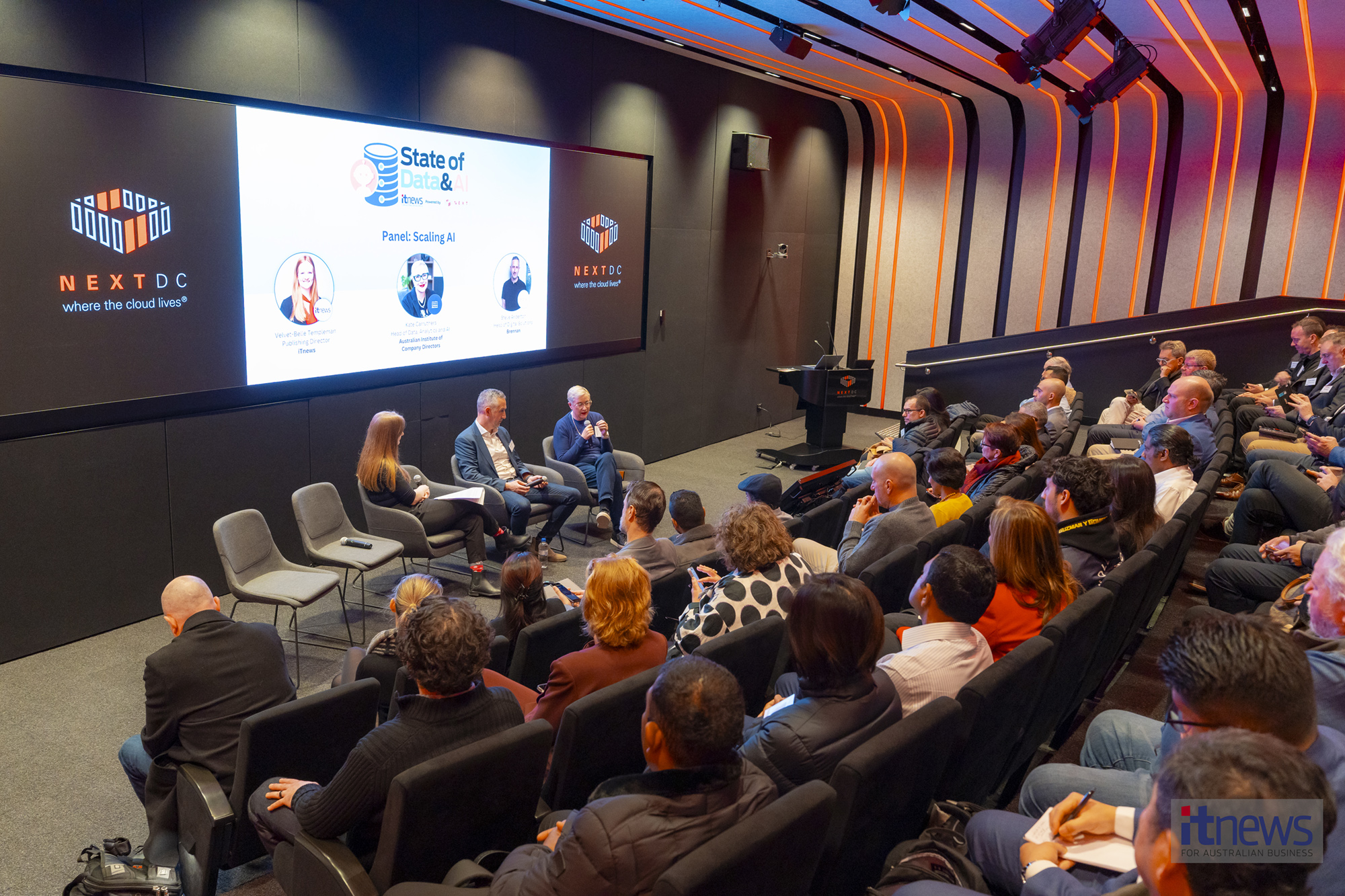
(L-R) Eran Agrios, Salesforce GM and SVP, Financial Services, and Gerard Florian, ANZ group executive for technology

Agentic AI: The Upcoming Advancement in Banker Efficiency

ANZ Banking Group is adopting a progressive stance towards artificial intelligence (AI) by exploring agentic AI—AI systems with the ability to make autonomous decisions and execute tasks—to reshape bankers’ workflows. At a recent Agentforce Financial Services Summit, Gerard Florian, Group Executive for Technology at ANZ, emphasized the objective of eradicating inefficiencies and freeing up time for both bankers and engineers.

“There’s an abundance of wasted time, whether it’s an engineer or a relationship manager. Everyone encounters these inefficiencies in their current roles,” Florian stated. Agentic AI has the potential to transform functions such as meeting preparations, follow-ups, and customer engagements—critical areas where human employees often experience productivity challenges.

ANZ Plus: A Platform-Centric Approach Catalyzing Progress

ANZ’s digital initiative, ANZ Plus, has yielded significant improvements. According to Florian, the platform has facilitated a quintuple increase in the speed of feature delivery to clients. Additionally, the costs related to customer acquisition and service have fallen by more than 30%—a clear reflection of the effectiveness of the platform-oriented methodology.

These advancements arise from the “platform mindset” of ANZ Plus, which allows for modular, scalable, and agile development methodologies. This framework is now being further developed with intelligent automation through agentic AI, aiming to streamline operations and elevate customer satisfaction.

Understanding the Comprehensive Strategy: ANZ’s AI Vision

ANZ’s venture into AI commenced in early 2023 with the sanctioned use of generative AI for software code testing. However, the bank swiftly acknowledged the broader capabilities of AI beyond mere automation.

“We aim to sidestep numerous small AI experiments that fail to scale,” Florian clarified. Instead, ANZ concentrates on grasping entirety of business processes—encompassing loan approvals, customer onboarding, and hiring. This comprehensive perspective aids in pinpointing where AI, whether traditional machine learning, generative AI, or agentic AI, can deliver optimal value.

AI Immersion Centre: Cultivating a Culture of Creativity

The rapid rise of ChatGPT in late 2022 spurred ANZ to intensify its AI adoption efforts. Rather than opposing the transition, ANZ welcomed it by establishing an AI Immersion Centre in partnership with Microsoft. The aim of this program is to enhance the AI skills of leaders and teams throughout the bank.

Now, over a year into this initiative, ANZ has equipped more than 2000 employees across its facilities in Melbourne, New Zealand, and India. These trained leaders are now disseminating their knowledge among their teams, generating a “flywheel effect” that is expediting AI integration throughout the organization.

“We’re fostering a balanced dialogue—recognizing the opportunities while remaining aware of the risks,” Florian remarked. This cultural transition is vital for what he envisions as “potentially the most significant transformation program we will all undergo in the coming years.”

Conclusion

ANZ is positioning itself as a leader in AI innovation within the Australian banking landscape by investigating agentic AI to boost productivity, lower costs, and provide quicker outcomes for customers. Through strategic efforts such as ANZ Plus, AI immersion training, and a comprehensive approach to process enhancement, the bank is setting the stage for a future driven by intelligent automation. By nurturing a culture of education and responsible innovation, ANZ is not only riding the AI wave—it’s actively contributing to its evolution.

Q: What is agentic AI and how is ANZ utilizing it?

A:

Agentic AI refers to AI systems capable of independently undertaking complex tasks and making decisions. ANZ is implementing this technology to enhance banker productivity by automating routine processes such as meeting preparation and follow-ups, enabling employees to concentrate on higher-value tasks.

Q: What advantages has ANZ Plus provided thus far?

A:

ANZ Plus has facilitated a fivefold rise in feature delivery speed and has decreased costs related to customer acquisition and service by over 30%. This has been accomplished through a modular, scalable digital platform strategy.

Q: How is ANZ ensuring its AI projects are scalable?

A:

Rather than pursuing standalone projects, ANZ concentrates on comprehensively understanding business processes to identify where AI can be most impactful. This strategy helps guarantee that AI solutions are scalable and aligned with overall business objectives.

Q: What is the AI Immersion Centre and who is involved?

A:

The AI Immersion Centre is an educational initiative created in collaboration with Microsoft to promote AI integration across ANZ. It has trained over 2000 individuals throughout Australia, New Zealand, and India, including leadership teams who are imparting their expertise to wider teams.

Q: How is ANZ addressing the risks associated with AI?

A:

ANZ is cultivating an informed discussion surrounding AI by training teams on both opportunities and risks. By incorporating responsible AI practices and emphasizing defined processes, the bank aims to mitigate unintended consequences.

Q: What is Microsoft’s role in ANZ’s AI approach?

A:

Microsoft plays an essential role in ANZ’s AI trajectory, having assisted in the establishment of the AI Immersion Centre. The partnership offers technological support and training resources to facilitate responsible AI scaling throughout the organization.

Q: What are the forthcoming plans for ANZ’s AI roadmap?

A:

ANZ intends to further broaden its application of agentic and generative AI across diverse banking functionalities. The focus will continue to be on strategic implementation, staff training, and using AI to enhance customer experience and operational effectiveness.

AEMC Proposes New Power Regulations for Data Centres in Light of AI Increase


We independently review everything we recommend. When you buy through our links, we may earn a commission which is paid directly to our Australia-based writers, editors, and support staff. Thank you for your support!

AEMC Introduces New Electricity Standards for Data Centres Amid Rising AI Demand

Brief Overview

  • The Australian Energy Market Commission (AEMC) is setting forth new electricity regulations for data centres due to the increasing demand stimulated by AI.
  • Concerns have arisen following a 2023 incident in the US when 60 data centres disconnected from the grid, causing instability in electricity supply.
  • Growth in AI is boosting the power requirements for data centres, with some demanding up to 600MW—similar to the needs of small cities.
  • The proposed standards are designed to avert large-scale disconnections during disturbances in Australia’s grid.
  • Data centres are required to enhance transparency regarding their protective measures to grid operators.
  • This initiative is part of a wider effort to modernize Australia’s energy infrastructure to bolster the digital economy.
Electricity regulation revisions for data centres amid Australia's AI growth

AI Surge Sparks Energy Challenges for Data Centres

The Australian Energy Market Commission (AEMC) is preparing new electricity regulations to tackle the rising power requirements of data centres that are expanding due to advancements in artificial intelligence (AI). Chair Anna Collyer of the AEMC notes that new facilities may consume power equivalent to that of a small city, leading to challenges for national grid stability.

Learning from the US: Australia’s Precautionary Measures

The AEMC’s regulatory initiative is in direct response to an incident in the United States where, during a grid disturbance in 2023, 60 data centres collectively using 1,500 megawatts disconnected from the grid at once. This disconnection heightened grid instability, requiring manual reconnections and revealing weaknesses in the integration of data centres with national energy systems.

Following investigations, a prevalent design flaw was identified: a protection system that caused automatic disconnections after a set number of faults occurred in a brief timeframe. Importantly, the system operator was unaware of this feature, highlighting the need for improved communication and transparency between data centres and grid operators.

Australia’s Future: Large Data Centres on the Horizon

Projections for late 2023 indicate Australia may witness the establishment of data centres with capacities between 100MW and 600MW. These centres are crucial for powering AI applications, cloud services, and digital operations, yet their size also constitutes a substantial risk during power system disruptions.

The AEMC cautions that even a single major data centre disconnecting unexpectedly during a frequency event could jeopardize the national grid, exacerbating outages and threatening widespread disturbances in the electricity network. Consequently, the commission is seeking input on proposed regulations that will ensure data centres are grid-compatible and resilient during such incidents.

Proposed Regulations: What Is Being Considered?

The draft regulations by the AEMC seek to mandate that data centres:

  • Reveal their operational practices and protection systems to electricity system operators.
  • Adopt standards that avert automatic disconnections during minor frequency fluctuations.
  • Collaborate with energy providers to align protective settings with national grid stability objectives.

These initiatives aim to ascertain that data centres facilitate, rather than obstruct, Australia’s transition toward a more digital and decentralized energy landscape.

Harmonizing Infrastructure Expansion with Energy Initiatives

Australia is experiencing a surge in digital infrastructure, fueled by AI, cloud services, and big data analytics, all necessitating robust computing facilities. However, absent proactive updates to energy policy, this expansion might exceed the resilience capacity of the national grid.

The AEMC’s efforts signify a broader dedication to harmonizing innovation with reliability. As AI continues to transform sectors from healthcare to finance, ensuring that the foundation of this digital transformation—our data centres—can operate alongside a stable power supply is imperative.

Conclusion

As Australia moves towards a future energized by artificial intelligence and digital services, the AEMC is taking measures to guarantee the country’s power grid is equipped to manage the surge in energy needs from extensive data centres. With insights gained from the US, new regulations are being formulated to avoid simultaneous disconnections in times of grid disturbances, encourage transparency, and sustain energy stability. These initiatives are essential for protecting both the digital economy and the electric system supporting it.

Q: Why is the AEMC proposing new regulations for data centres?

A:

The AEMC aims to ensure that the rising number of high-capacity data centres—spurred by AI demand—does not compromise the stability of the power grid during disturbances. The regulations seek to avert widespread automatic disconnections that could exacerbate outages.

Q: What incident in the US catalyzed this initiative?

A:

In 2023, 60 data centres in Virginia were disconnected from the grid during a disturbance, consuming 1,500MW and worsening grid instability. This incident highlighted a coordination gap between data centres and electricity system operators.

Q: What is the expected power consumption of future Australian data centres?

A:

Several Australian data centres in planning are expected to use between 100MW and 600MW, comparable to the power needs of a small city.

Q: What risks do these facilities present to the grid?

A:

Large data centres could destabilize the grid if they disconnect suddenly during high-frequency events, potentially leading to cascading outages and endangering the national electricity supply.

Q: What specific standards are being suggested?

A:

The AEMC is likely to mandate data centres to disclose their protective systems, eliminate auto-disconnect features that trigger on minor faults, and collaborate with energy operators to maintain grid-friendly conditions.

Q: What will be the impact on the tech industry?

A:

These regulations may raise compliance costs but could yield long-term benefits by guaranteeing reliable electricity for digital operations, thus fostering sustainable growth in the AI and data sectors.

Q: Will currently operational data centres be impacted?

A:

While the emphasis is on newly built facilities, existing data centres may need to assess and potentially revise their systems if their operations endanger grid stability under the updated framework.

Q: How can stakeholders give their feedback?

A:

Stakeholders are invited to take part in the AEMC consultation available on the official website or through industry associations. This feedback will be instrumental in shaping the final regulations.

Google Broadens Availability of Remarkable New Video Model Veo 3 to Over 70 Countries – Now Ready for Testing


We independently review everything we recommend. When you buy through our links, we may earn a commission which is paid directly to our Australia-based writers, editors, and support staff. Thank you for your support!

Quick Read: Essential Insights

  • Google’s Veo 3 AI video technology is now operational in over 70 nations, including Australia.
  • Veo 3 produces video content along with synchronised audio from a straightforward text input.
  • Features include cinematic camera movements, character consistency, and editing based on prompts.
  • Gemini Pro and Ultra subscribers can utilize Veo 3 through the Flow web interface.
  • Veo 3 facilitates lip-synced speech, background sounds, and music creation in English.
  • Pro users are allowed 10 generations per month; Ultra users have 125 generations available monthly.
  • Video export capabilities go up to 1080p, although higher resolutions may require longer rendering times.

Veo 3 Expands Globally: AI Video with Audio Now Accessible in Australia

Google’s latest advancement in creative AI, Veo 3, is now accessible in 71 countries — including Australia — empowering creators with state-of-the-art AI video production capabilities. The highlight? Veo 3 not only animates visuals but also creates high-quality, synchronised audio comprising voice, music, and environmental sounds, all generated from a single text input.

Google Veo 3 AI Video Model with Audio Now Available in Over 70 Countries

Text-to-Video with Authentic, Native Audio

The era of silent AI-generated videos has come to an end. Veo 3 marks a significant advancement by embedding audio directly into the video creation process. Creators can now weave captivating narratives with dialogue that is lip-synced, background sounds such as lively urban noises, or tailor-made music that complements the scene’s atmosphere and narrative tone.

This breakthrough is particularly advantageous for content creators, educators, and filmmakers who wish to prototype or brainstorm swiftly without the need for separate voice recordings or sound effects.

Cinematic Camera Movements for a Polished Professional Look

Veo 3 features sophisticated camera simulation capabilities, enabling users to incorporate dynamic zooms, pans, dolly moves, and more. These cinematic tools empower inexperienced users to produce videos that appear professional — no film school necessary.

This paves the way for fresh creative opportunities for YouTubers, TikTok creators, indie filmmakers, and marketers seeking high production values without steep costs.

Consistency of Objects and Characters Across Frames

A prevalent issue with previous AI video generators was visual inconsistency. Characters might alter their appearance, or objects could change between frames. Veo 3 resolves this challenge by ensuring visual consistency throughout entire clips, even when reference images are employed. This leads to a more fluid and cohesive storytelling experience.

Editing and Control Based on Prompts

Veo 3 accommodates iterative editing through adjustments to prompts. Users can alter tone, visual aesthetics, or even the positioning of objects by fine-tuning their input. It also enables personalisation — allowing users to use their own voice, face, and body as references for character animation or to eliminate unwanted components.

These functionalities provide a degree of customisation typically reserved for professional post-production software, now entirely powered by AI.

Accessing Veo 3 via Gemini and Flow Platforms

Veo 3 is available for Gemini Pro and Ultra subscribers. While mobile access is still in the works, both subscription levels can engage with the tool on desktop through Flow. Pro users receive 10 generations each month, whereas Ultra subscribers benefit from an increased allowance of 125 generations per month.

Each generation consumes 100 AI credits and produces two variants by default. Additional credits are presently available only to US-based Ultra users at a considerable cost — $10 for 1,000 credits.

Exploring Veo 3: Its Actual Capabilities

In a hands-on test, a prompt depicting a futuristic cityscape with a neon-haired character strolling through a holographic street yielded a visually breathtaking 10-second video clip. The video exhibited lifelike lighting, smooth camera movement, city background sounds, and a character that distinctly stated, “This city never sleeps.”

The generation process was rapid — occurring in seconds — and allowed for 720p downloads immediately. Upscaling to 1080p took a few minutes, indicating potential for those requiring high-resolution output for professional purposes.

View the Resulting Veo 3 Video


Insights from Industry Experts

Tom Hume, Director of Product Management at Google DeepMind, referred to Veo 3 as a “game-changer,” highlighting its ability to lower the barriers to professional-grade video creation by synchronising audio and visuals in a unified generation process.

Conclusion

Veo 3 is redefining standards in AI-driven creativity. By merging realistic visuals with authentic audio — all derived from a text prompt — it empowers Australian creators to generate cinematic content with ease. Whether you are a content creator, educator, or entrepreneur, this tool provides an accessible and potent means to realise your ideas. As the technology progresses, anticipate broader language inclusion and more intuitive controls. For the time being, Veo 3 offers a fascinating preview into the future of storytelling guided by artificial intelligence.

Q: What is Veo 3, and how is it different from previous AI video models?

A:

Veo 3 is Google’s newest AI video generator that incorporates synchronised audio — including dialogue, environmental sounds, and music — into videos created from text prompts. Unlike earlier versions, it provides lip-synced speech and cinematic camera motions, enhancing realism and immersion in the content.

Q: How can I access and utilise Veo 3 in Australia?

A:

Australian users can engage with Veo 3 via the Flow interface with a Gemini Pro or Ultra subscription. After signing in, users can input prompts and directly generate videos from the platform.

Q: What type of content can I create using Veo 3?

A:

You can produce short films, promotional videos, teaching materials, social media content, and more. Veo 3 accommodates a wide variety of genres and styles, featuring tools for lip-syncing, object consistency, and cinematic narrative techniques.

Q: What are the current limitations of Veo 3?

A:

At present, Veo 3 only generates audio in English. Furthermore, AI credit purchases are restricted to US Ultra subscribers. Some users might initially find the Flow interface challenging, and 1080p exports might require several minutes.

Q: How many video generations do I receive monthly?

A:

Gemini Pro users are entitled to 10 generations each month, while Gemini Ultra subscribers receive 125. Each generation utilizes 100 AI credits and produces two video variants.

Q: Am I able to use my own voice, face, or body in the generated videos?

A:

Yes. Veo 3 allows referencing your own voice, face, or body for character animation or to personalise video content. This is ideal for crafting avatars or branded material with a unique touch.

Q: Is Veo 3 appropriate for professional applications?

A:

Definitely. With capabilities for cinematic camera controls, uniform visuals, and synchronised audio, Veo 3 is appropriate for professional uses in advertising, media production, and education. However, longer render times for higher resolution outputs and credit limitations should be considered in production plans.

Q: Where should I go to start?

A:

Head to gemini.google or flow.google and log in with a Gemini Pro or Ultra account to begin utilizing Veo 3.

Amazon Tests AI-Created Audio Summaries to Assist Shoppers in Listening Before Making a Purchase


We independently review everything we recommend. When you buy through our links, we may earn a commission which is paid directly to our Australia-based writers, editors, and support staff. Thank you for your support!

Quick Overview

  • Amazon is piloting AI-generated audio summaries for various product pages.
  • This feature evaluates product information, customer feedback, and online resources.
  • Currently accessible to a select group of users in the US via the Amazon app.
  • Users can press “Hear the highlights” to listen to the audio summaries.
  • This is part of Amazon’s larger AI initiative, which includes Alexa+ and Rufus.
  • It aligns with a growing trend of AI adoption by technology leaders like Google and Meta.
Amazon launches AI-created audio summaries for online shoppers

Amazon Adopts AI Audio Summaries to Improve Shopping Experience

Amazon has commenced testing an innovative feature that utilizes artificial intelligence to create concise audio summaries for products listed on its platform. This advancement is designed to deliver a more engaging and accessible shopping experience, allowing customers to listen to important product highlights prior to making a purchasing choice.

Functionality of the AI Audio Summaries

The AI-driven audio summaries aim to provide succinct overviews of products by collating information from product descriptions, authentic customer reviews, and related online materials. These summaries can be accessed through a “Hear the highlights” button in the Amazon mobile application. Presently, this feature is in trial phase with a limited group of users in the United States, with an extensive rollout anticipated in the near future.

Enhancing Accessibility and Convenience

By allowing customers to listen rather than read, Amazon seeks to accommodate users who are visually impaired or who favor audio content. It additionally offers a hands-free option for busy shoppers who might be engaged in multiple tasks. This strategy corresponds with the increasing demand for more user-friendly and accessible digital experiences.

Part of Amazon’s Comprehensive AI Strategy

The audio summaries form a segment of Amazon’s extensive AI integration strategy, which encompasses recent improvements to Alexa+, its AI-powered voice assistant. The enterprise has also rolled out Rufus, an AI shopping assistant that addresses customer inquiries, as well as Shopping Guides, which assist users in locating relevant products according to their requirements and preferences.

Alexa+ and Generative AI

Alexa+ signifies Amazon’s transition towards a more conversational and contextually aware AI experience, employing large language models for enhanced and personalized interactions. With Alexa+ and the introduction of AI audio summaries, Amazon continues to reinforce its status as a frontrunner in retail technology augmented by AI.

Tech Giants Investing Heavily in AI

Amazon’s recent initiative is part of a broader pattern among technological giants capitalizing on generative AI. OpenAI has recently advanced ChatGPT with sophisticated web browsing and shopping features, including tailored product recommendations with visuals and purchase links. Concurrently, firms like Google and Meta are deploying AI functionalities that range from virtual shopping assistants to AI-generated social media content across their platforms.

Implications for Australian Consumers

Although the trial is presently limited to US users, successful innovations typically make their way to the Australian market shortly thereafter. If successful, AI-generated audio summaries could soon become a common feature on Amazon Australia, thereby enhancing the shopping experience for consumers in the region. With increasing enthusiasm for AI-driven solutions, Australian retailers may also implement similar features to remain competitive in the e-commerce landscape.

Overview

Amazon’s experiment with AI-generated audio summaries signifies another significant advancement in e-commerce innovation. By merging convenience, accessibility, and AI-driven personalization, the feature is set to transform how customers interact with online shopping services. As Amazon and other technology giants persist in investing in generative AI, the future of retail is becoming ever more intelligent—and audible.

Q: What are AI-generated audio summaries on Amazon?

A:

These are brief audio overviews of product pages produced using artificial intelligence. They condense product descriptions, customer feedback, and pertinent online data into an easy-to-listen format accessible via the Amazon app.

Q: How can users access the audio summaries?

A:

Users can click the “Hear the highlights” button on selected product pages within the Amazon shopping application. This prompts a quick audio playback that summarizes vital product information.

Q: Is this feature available in Australia?

A:

At present, the feature is being trialed with a limited number of users in the United States. While there’s no confirmed timeline for expansion to Australia, Amazon typically extends successful features to other markets, including Australia, shortly after US evaluations.

Q: Why is Amazon incorporating audio summaries into its product pages?

A:

The intention is to enhance accessibility, improve user convenience, and create a more engaging shopping experience. It also corresponds with a broader trend toward voice-first and AI-driven engagement in e-commerce.

Q: How does this align with Amazon’s broader AI strategy?

A:

The audio feature augments Amazon’s existing AI tools like Alexa+, Rufus, and Shopping Guides. It is part of a larger initiative to leverage generative AI to foster more intelligent and personalized customer experiences.

Q: What other companies are employing AI in similar fashions?

A:

OpenAI has upgraded ChatGPT with shopping functionalities. Google and Meta are also launching AI-enhanced features such as intelligent shopping assistants, AI-generated content, and tailored ad targeting using generative AI.

Q: Can this technology aid individuals with disabilities?

A:

Indeed, AI-generated audio summaries can greatly assist users with visual impairments or learning disabilities by offering an auditory alternative to reading product information.

Trump Issues Warning to Apple of 25% Tariff If iPhones Aren’t Manufactured in the US


We independently review everything we recommend. When you buy through our links, we may earn a commission which is paid directly to our Australia-based writers, editors, and support staff. Thank you for your support!

Brief Overview

  • Donald Trump warns Apple of a 25% tariff on iPhones not produced in the U.S.
  • It’s reported that Apple is looking to move iPhone assembly from China to India for U.S. markets.
  • Trump’s demand is part of a broader initiative to return manufacturing to American territories.
  • Apple is facing logistical and financial challenges in relocating production to the U.S., such as labor expenses and insufficient advanced manufacturing facilities.
  • If production shifts domestically, iPhone prices may increase considerably, potentially benefiting Android rivals.
  • The U.S. market sells about 60 million iPhones each year, which forms a substantial part of Apple’s global total of 220 million units sold.
  • Apple might engage in negotiations with Trump to prevent tariffs or look at alternative assembly options.

Trump’s Tariff Warning: iPhones Must Be Produced in the U.S.

Trump insists Apple produce iPhones in the U.S. or incur tariffs

Former President Donald Trump has once again captured headlines by issuing a direct ultimatum to Apple Inc., stating that all iPhones sold in the United States must be manufactured domestically or incur a hefty 25% import tariff. This declaration, made through social media on May 23, 2025, adds weight to Trump’s ongoing effort to bring manufacturing jobs back to American soil.

Apple’s Global Supply Chain Goals Conflict with Trump’s Objectives

Apple has been diversifying its manufacturing operations, especially amidst increasing tensions between the U.S. and China and supply chain interruptions due to the COVID-19 pandemic. The tech giant has begun shifting part of its iPhone production from China to India by collaborating with partners like Foxconn and Pegatron. However, this transition now contradicts Trump’s call for U.S.-based manufacturing.

India’s Emerging Role in Apple’s Production Strategy

India has rapidly emerged as a pivotal location for Apple’s manufacturing efforts outside of China. According to Bloomberg, Apple amplified its iPhone production in India in 2023, producing more than $7 billion worth of devices. This strategy has been perceived as both a safeguard against geopolitical risks and a means of cutting costs.

Nevertheless, Trump’s recent remarks pose a threat to these strategic developments. The former president expressed:

“I have long ago informed Tim Cook of Apple that I expect their iPhones that will be sold in the United States of America will be manufactured and built in the United States, not India, or anyplace else. If that is not the case, a Tariff of at least 25% must be paid by Apple to the U.S.”

Is U.S. Manufacturing of iPhones Feasible for Apple?

Adequate Manufacturing Infrastructure is Absent

Despite Apple’s substantial financial capabilities, producing iPhones within the U.S. presents a significant challenge. Essential components like semiconductors, sensors, and high-tech display panels are predominantly manufactured in Asia, especially in Taiwan, South Korea, and China. The U.S. lacks the specialized infrastructure necessary for efficient assembly of these components on a large scale.

Labor Expenses Could Soar iPhone Prices

Manufacturing iPhones in the United States would bring about considerably higher labor costs. A Brookings Institution report indicates that U.S. manufacturing wages far exceed those in India or China. Should Apple transfer all production to the U.S., the retail price of an iPhone might soar by several hundred dollars, potentially steering consumers towards more affordable Android options.

Consequences for Apple, Consumers, and the Smartphone Sector

Apple May Pursue Partial Assembly or Seek Negotiations

One possible solution for Apple could be to assemble final units in the U.S. while obtaining components from abroad. It remains uncertain, however, whether this approach would meet Trump’s tariff requirements. Apple CEO Tim Cook, recognized for his diplomatic skills and connections with political figures, may attempt to negotiate a reduced tariff or a gradual manufacturing plan.

Consumer Effects: Price Increases, Restricted Supply

If the 25% tariff is implemented, Apple might transfer the extra costs to U.S. consumers. Given current iPhone sales data, the U.S. constitutes roughly 27% of the global iPhone market. A drastic price increase could dampen demand and create opportunities for Android manufacturers such as Samsung, Google, and OnePlus to gain market share.

Global Trade Strains: A Persistent Issue in Tech Production

Trump’s latest warning is part of a wider trend of trade protectionism that has characterized his political agenda. From tariffs on steel to limitations on Chinese tech enterprises, Trump has consistently advocated for local production. However, critics argue that such policies often overlook the complexities and interdependencies inherent in global supply chains.

What Lies Ahead for Apple and U.S. Technology Policy?

At this time, Apple has not publicly addressed the tariff threat. Analysts predict that private discussions will occur among Apple executives and governmental representatives. The next few months will reveal whether Trump’s ultimatum gains momentum or dissipates under political and economic strains.

Conclusion

Trump’s recent ultimatum presents a challenging scenario for Apple, compelling the company to navigate between economic viability and political compliance. A 25% tariff on iPhones not manufactured in the U.S. could profoundly affect Apple’s pricing, supply chain logistics, and consumer behavior in the U.S. As this situation unfolds, it may create precedence for how multinational corporations manage the intersection of global operations and nationalist economic policies.

Q: Why is Trump targeting Apple with a tariff?

A:

Trump aims to boost domestic manufacturing by punishing businesses that produce abroad. Apple, with its extensive operations in Asia, is a prominent example of the offshoring trend Trump seeks to counter.

Q: Is it feasible for Apple to relocate iPhone production to the U.S.?

A:

Not without difficulty. The U.S. lacks the advanced manufacturing infrastructure essential for high-volume smartphone assembly. Establishing these capabilities would require years and substantial investment, making it an impractical short-term solution.

Q: How would iPhone prices be affected if production shifted to the U.S.?

A:

Prices would likely rise considerably due to soaring labor and operational costs. Analysts predict that moving production to the U.S. could increase the retail price of an iPhone by $100–$200.

Q: Is Apple currently shifting production away from China?

A:

Yes. Apple is transitioning assembly to countries like India and Vietnam to diversify its supply chain and lessen dependence on China amidst geopolitical tensions.

Q: How many iPhones does the U.S. sell each year?

A:

Approximately 60 million iPhones are sold annually in the U.S., representing over a quarter of Apple’s total global sales.

Q: Could Android smartphones gain an advantage in this situation?

A:

Yes. Should iPhones become pricier due to tariffs or U.S. production expenses, Android devices—many of which are more affordably priced—could increase their market presence in the U.S.

Q: Has Apple reacted to the tariff threat?

A:

As of this publication, Apple has yet to release an official comment regarding Trump’s statements. However, private conversations with U.S. decision-makers are likely ongoing.

Q: Could a future administration reverse this policy?

A:

Yes. Tariff regulations can be adjusted with changes in administration. Apple might be counting on a political shift that could lessen the pressure to domesticize manufacturing.

Photo Highlights: OPSWAT Collaborates with AUSCERT for Unique Cybersecurity Roundtable


We independently review everything we recommend. When you buy through our links, we may earn a commission which is paid directly to our Australia-based writers, editors, and support staff. Thank you for your support!

Cybersecurity Experts from OPSWAT and AUSCERT Collaborate at Exclusive Roundtable Event

Quick Overview

  • OPSWAT and AUSCERT collaborated to host a prominent cybersecurity roundtable in Australia.
  • The focus was on protecting critical infrastructure and implementing zero trust frameworks.
  • Cybersecurity leaders from government, academia, and the private sector were in attendance.
  • The discussions included topics such as cyber resilience, emerging threats, and safeguarding data flows.
  • This partnership emphasizes Australia’s growing commitment to national cyber defense.

OPSWAT and AUSCERT Organize Strategic Cybersecurity Roundtable in Australia

Cybersecurity experts convened for a high-level roundtable in Australia, facilitated through a collaboration between OPSWAT, a global leader in cybersecurity dedicated to critical infrastructure protection, and AUSCERT, one of the nation’s earliest CERTs (Computer Emergency Response Teams). This prestigious event underscored ongoing initiatives to bolster Australia’s cyber resilience amid increasing threats.

Enhancing Australia’s Cybersecurity Defenses

The roundtable assembled specialists from governmental bodies, academic institutions, critical infrastructure firms, and the private sector. Given the rapid digital transformation in Australia and the uptick in cyberattacks targeting essential services, the timing of this event was particularly significant. Dialogues were centered around fortifying national cyber defenses, adopting Zero Trust frameworks, and enhancing threat detection and response mechanisms.

Emphasis on Critical Infrastructure Safeguarding

A pivotal theme of the event was the protection of Australia’s critical infrastructure—such as utilities, transportation, healthcare, and financial systems—from advanced cyber threats. OPSWAT demonstrated its innovative threat prevention tools designed to secure operational technology (OT) environments, including its MetaDefender platform, which offers deep content disarm and reconstruction (CDR), vulnerability evaluations, and secure data transfer functionalities.

Zero Trust Framework in Focus

Zero Trust, a cybersecurity paradigm that presumes no user or system can be automatically trusted, was a major topic of discussion. Experts shared insights regarding the challenges and best practices for deploying Zero Trust in hybrid IT-OT environments. This approach is gaining increased relevance as remote work, cloud integrations, and connected devices expand the attack surface.

Integrating IT and OT Security

A significant point stressed by OPSWAT during the roundtable was the crucial necessity to integrate IT and OT security. While IT security measures tend to be more developed, many OT environments still lack fundamental protections. This gap represents a serious risk to national infrastructure as attackers increasingly exploit OT systems to disrupt services or extort organizations.

Collaboration Between Public and Private Sectors Is Essential

Attendees at the roundtable concurred that collaboration between public and private entities is vital for enhancing Australia’s cybersecurity stance. By exchanging intelligence, coordinating countermeasures, and aligning on cybersecurity protocols, stakeholders can better position themselves to prepare for and respond to cyber incidents. AUSCERT, with its extensive experience in incident response and community engagement, plays a key role in this framework.

Developing Cybersecurity Talent

The event drew attention to the escalating need for cybersecurity professionals in Australia. Given the ongoing skills gap that hampers security operations, OPSWAT and AUSCERT highlighted the importance of workforce development, skill enhancement, and educational collaborations to create a pipeline of qualified cyber talent.

Evolving Threats and Future Challenges

The cybersecurity landscape in Australia is swiftly changing, with ransomware, supply chain infiltrations, and data breaches among the most pressing concerns. The roundtable participants discussed proactive measures for threat detection, security automation, and maintaining cyber hygiene, which can help organizations remain ahead of potential attackers. As the threat landscape grows in complexity, initiatives like these are crucial for nurturing a resilient community.

Conclusion

OPSWAT and AUSCERT’s special cybersecurity roundtable in Australia has illuminated the essential actions required to safeguard the nation’s infrastructure from escalating cyber threats. The event highlighted the significance of Zero Trust security frameworks, IT-OT convergence, and cooperation between public and private sectors. As Australia advances its digital economy, such initiatives are vital in fortifying the country’s cyber resilience and gearing up for forthcoming challenges.

Q: What was the primary aim of the OPSWAT and AUSCERT cybersecurity roundtable?

A:

The roundtable intended to unite cybersecurity leaders from various fields to work collaboratively on strategies to safeguard Australia’s critical infrastructure and bolster national cyber resilience against evolving threats.

Q: Why is Zero Trust architecture crucial in cybersecurity?

A:

Zero Trust is crucial as it dispels the notion that internal networks are inherently secure. It necessitates verification for each access request, significantly mitigating the risk of internal threats and lateral movement by attackers.

Q: How does OPSWAT aid in protecting critical infrastructure?

A:

OPSWAT offers solutions like MetaDefender, which incorporates deep content disarm and reconstruction (CDR), secure file transfer, and vulnerability assessments to safeguard OT environments from malware, data breaches, and unauthorized access.

Q: What role does AUSCERT have in Australia’s cybersecurity framework?

A:

AUSCERT is a prominent Computer Emergency Response Team in Australia providing early warning services, incident response assistance, and security bulletins. It acts as a vital connector between the academic, corporate, and governmental sectors in cybersecurity efforts.

Q: What current cybersecurity challenges does Australia face?

A:

Australia is experiencing a rise in ransomware attacks, data breaches, and vulnerabilities within supply chains. The swift growth of interconnected devices and remote work settings has broadened the potential attack surface, making proactive defense strategies increasingly crucial.

Q: What was the importance of focusing on IT-OT convergence at the roundtable?

A:

Addressing the integration of IT and OT security is vital, as many OT systems are outdated and lack solid security measures. With attackers increasingly targeting these systems, securing OT environments has become a national security imperative.

Q: How can organizations tackle the cybersecurity skills gap?

A:

Organizations can invest in training initiatives, partner with universities, and promote programs that encourage careers in cybersecurity. Upskilling current employees and offering apprenticeships can also help close the talent gap.

Q: Where can readers obtain more information about OPSWAT’s cybersecurity solutions?

A:

Further details about OPSWAT’s offerings in critical infrastructure protection and cybersecurity solutions can be found by visiting their official website or exploring additional coverage on techbest.com.au.

Optus Recovers, Adding 238,000 Fresh Customers in the Last Year


We independently review everything we recommend. When you buy through our links, we may earn a commission which is paid directly to our Australia-based writers, editors, and support staff. Thank you for your support!

Quick Overview: Optus Bounces Back with Robust Mobile-Led Growth

  • Optus gains 238,000 additional mobile subscribers in the fiscal year ending March 2025
  • EBITDA grows by 5.7% and EBIT soars 55% year-on-year
  • Prepaid brand amaysim significantly contributes to expansion
  • Mobile service revenue rises by 4.1%, with ARPU increasing by 2.4%
  • Collaborative efforts with TPG Telecom and Aussie Broadband enhance network and customer outreach
  • Taking over Circles.Life Australia broadens Optus’s service range
  • Home internet revenue sees a 3.9% increase, propelled by NBN and Fixed Wireless Access

Mobile Sector Growth Fuels Optus’s Comeback

For the full year concluded on 31 March 2025, Optus has demonstrated a notable financial recovery, driven by strong customer acquisition in the mobile sector. The company welcomed 238,000 new mobile users, comprising 52,000 new postpaid clients alongside significant contributions from its prepaid brand, amaysim, allowing the telecom operator to thrive in a fiercely competitive landscape.

EBITDA increased by 5.7%, while EBIT experienced a remarkable year-on-year leap of 55%, indicating solid profitability and greater operational efficiency. Optus’s renewed focus on value, dependability, and customer satisfaction seems to be producing positive outcomes.

Optus witnesses robust mobile growth by adding 238,000 new clients in FY2025

CEO Stephen Rue Discusses Restoring Trust and Providing Options

Stephen Rue, CEO of Optus, recognized the company’s journey of transformation and its commitment to restoring customer trust. “While there’s still progress to be made, these results indicate we are heading in the correct direction. Our mobile achievements, spearheaded by amaysim, showcase our dedication to offering Australians genuine choices in telecommunications,” Rue stated.

Rue emphasized that Optus’s focus on enhancing customer experience, ensuring network reliability, and presenting competitive solutions are fundamental aspects of its growth plan.

Mobile Revenue Increases Due to ARPU and Device Sales

The mobile division of Optus has emerged as the leading performer, with a 4.4% overall increase in mobile revenue. This includes a 4.1% rise in mobile service revenue and a 5.2% growth in mobile device sales, attributed to heightened demand for high-end smartphones. The blended Average Revenue Per User (ARPU) improved by 2.4%, signaling greater customer involvement and a move towards higher-value plans.

Performance in the Second Half

During the latter half of FY2025, mobile revenue increased by 4.2%, while EBITDA and EBIT rose by 4% and 52%, respectively. These enhancements were propelled by cost management, lower amortization, and sustained interest in mobile offerings.

Home Internet Segment Achieves Modest Progress

Optus’s home segment recorded a 3.9% revenue increase, bolstered by growth across both NBN and Fixed Wireless Access (FWA) services. NBN revenue grew by 3.5%, while FWA expanded by 9.1%, driven by higher ARPU and escalating demand for swift, adaptable home connectivity—especially in rural locales.

Strategic Alliances Stimulate Growth

Strategic partnerships and acquisitions have enabled Optus to widen its reach and service portfolio. The Multi-Operator Core Network (MOCN) agreement with TPG Telecom is expediting 5G rollout, particularly in less populated areas of Australia. This collaboration permits both companies to share mobile infrastructure, enhancing service quality and coverage.

Additionally, a renewed five-year wholesale mobile contract with Aussie Broadband extends Optus’s access to new customer demographics. Amaysim, which continues to drive growth for Optus, not only introduced NBN services over the past year but also acquired Circles.Life Australia’s customer base in February 2025—widening its share in the economical mobile sector.

Conclusion

Optus is evidently on a positive trajectory. With significant growth in mobile subscriptions, strengthened financial performance, and a strategic focus on partnerships and product differentiation, the telecom provider is confidently making a comeback. Although challenges persist—especially in rebuilding trust following previous troubles—Optus’s outlook appears promising, well-positioning it against competitors like Telstra and Vodafone within the Australian telecommunications market.

Q: What were the key factors behind Optus’s strong financial performance in FY2025?

A:

Optus’s financial outcomes were primarily influenced by advancements in its mobile sector, including a 4.1% rise in service revenue and higher ARPU. Effective cost management, enhanced customer retention, and the sale of premium devices also led to a 55% increase in EBIT.

Q: How many new clients did Optus acquire?

A:

Optus achieved an addition of 238,000 new mobile customers during the fiscal year ending 31 March 2025, including 52,000 new postpaid clients along with substantial growth from its prepaid brand, amaysim.

Q: What contribution did amaysim have in Optus’s resurgence?

A:

Amaysim played a crucial role in Optus’s customer expansion by providing cost-effective prepaid mobile services. It also launched NBN solutions and acquired Circles.Life Australia, thus further increasing its market footprint.

Q: What strategic partnerships has Optus formed recently?

A:

Optus has established a partnership with TPG Telecom via the MOCN agreement to fast-track 5G implementation in regional areas. A new five-year wholesale mobile alliance with Aussie Broadband has also been secured.

Q: How is Optus performing in the home internet sector?

A:

Home internet revenue increased by 3.9% compared to the previous year, driven by heightened adoption of NBN and Fixed Wireless Access (FWA) services. Increased ARPU in these areas contributed to the revenue boosts.

Q: What does MOCN mean, and how does it serve customers?

A:

MOCN, or Multi-Operator Core Network, enables Optus and TPG Telecom to share mobile network infrastructure. This arrangement enhances coverage and service dependability, particularly in underserved or rural regions.

Q: What measures is Optus implementing to rebuild customer trust?

A:

Optus is concentrating on enhancing customer experience, boosting service reliability, and providing increased value through competitive pricing and adaptable plans. CEO Stephen Rue has stressed the necessity of transparency and a focus on customer-centric transformation.

Q: Where can I find more information about Optus’s latest offerings?

A:

You can visit their official website at optus.com.au for the most recent updates regarding mobile, broadband, and business solutions.

Macquarie BFS Prepares Employees to Integrate AI Agents into Everyday Activities


We independently review everything we recommend. When you buy through our links, we may earn a commission which is paid directly to our Australia-based writers, editors, and support staff. Thank you for your support!

Macquarie BFS Gears Up Workforce for AI Agent Implementation

Quick Overview

  • Macquarie BFS is equipping its employees for the widespread integration of AI agents throughout the company.
  • Five to six AI agent proof-of-concept projects are currently in progress to enhance productivity.
  • Training in prompt engineering has been initiated to facilitate AI integration among staff.
  • Slack acts as the “digital headquarters” for communication and automation within BFS.
  • Collaborations with Jira, Atlassian, Microsoft, and Salesforce are reshaping workflows.
  • BFS is prioritizing high-value AI applications and strategic technology alliances.
  • Company-wide AI initiatives, such as AI-enhanced search, are actively being explored.
Macquarie BFS equips its teams to engage with AI agents

(L-R) Stephanie Hoople, head of customer success ANZ/ASEAN at Slack and Shaun Kamler, head of control tower, banking and financial services group at Macquarie Group

Adopting Agentic AI: Macquarie BFS’s Upcoming Productivity Challenge

Macquarie Banking and Financial Services (BFS) is embracing a proactive strategy for AI transformation, effectively preparing its workforce to engage with AI agents. These self-sufficient digital assistants are being tested across BFS operations with the aim of minimizing administrative duties while unlocking greater productivity.

As stated by Shaun Kamler, head of the control tower at BFS, the organization already has five to six AI agent proof-of-concept (POC) initiatives underway. These agents aim to automate repetitive tasks, allowing employees to dedicate their efforts to more strategic and valuable activities.

“We believe this will unlock the next level of productivity,” Kamler remarked at a recent financial services summit organized by Agentforce. “Teams will need to modify how they operate and communicate to maximize AI effectiveness.”

Training for the AI Age: Prompt Engineering on a Larger Scale

To prepare its workforce for this new age, BFS has introduced prompt engineering training—an essential capability for interacting with generative AI systems. This training aids staff in effectively structuring queries and inputs so that AI agents can understand and execute them properly.

Kamler highlighted the significance of rendering AI outputs “agent-ready,” cautioning that inadequately structured content dispersed across platforms like Confluence could result in AI misinterpretations or errors. “We’re aiming to democratize this capability throughout the organization,” he added.

Slack: The Central Hub Revolutionizing Workflows

Slack has become a crucial component of BFS’s digital strategy, functioning as a central hub for communication, incident management, and automated workflows. Kamler characterized Slack as the “digital headquarters” where employees can retrieve vital information and smoothly transition to action across integrated platforms.

For instance, BFS has established a public Slack channel for incident management, permitting anyone in the organization to track and respond to system issues in real time. Integrations with Atlassian’s Jira and Microsoft tools further empower teams to operate more effectively across various platforms.

However, not all integrations have been successful—an initiative to manage leave approvals via Slack did not resonate, leading BFS to concentrate exclusively on high-impact automations. Nonetheless, the platform continues to serve as a key testing ground for AI agents, including one that checks code compliance with cybersecurity protocols.

Organization-Wide AI Integration and Strategic Collaborations

In addition to internal applications, BFS is investigating enterprise-wide AI functionalities, such as intelligent search systems that utilize both structured and unstructured data. This endeavor aims to dismantle data silos and expedite decision-making across the organization.

Kamler pointed out that BFS prefers to collaborate with a limited number of strategic technology partners who are amenable to collaboration and co-development. These include Salesforce (Service Cloud, Sales Cloud) and Slack, among others.

By focusing its partner relationships, BFS ensures deeper integration and improved alignment between technological solutions and business objectives—a strategy that fosters scalable AI deployment with tangible results.

Conclusion

Macquarie BFS is establishing a foundation for a revolutionary transition towards AI-driven operations. Through staff training, AI agent experimentation, leveraging Slack for workflow automation, and cultivating strategic technology partnerships, BFS is positioning itself at the cutting edge of financial services innovation in Australia. This forward-looking strategy is set to enhance both employee productivity and organizational flexibility as AI becomes an integral aspect of daily operations.

Q: What is agentic AI, and how is Macquarie BFS utilizing it?

A:

Agentic AI pertains to AI systems that can operate independently to accomplish tasks or make decisions. Macquarie BFS is currently executing several proofs-of-concept to investigate how these agents can automate administrative responsibilities and boost productivity across the organization.

Q: How is BFS preparing its employees for AI incorporation?

A:

BFS has rolled out prompt engineering training to enable staff to communicate effectively with AI agents. Teams are also encouraged to create structured, AI-friendly content to minimize confusion and enhance the quality of AI outcomes.

Q: What role does Slack play in BFS’s AI approach?

A:

Slack functions as a primary collaboration center or “digital headquarters” at BFS. It integrates with other tools such as Jira and Microsoft systems, facilitates incident responses, and acts as a platform for deploying AI agents that assist with cybersecurity and workflow management tasks.

Q: Has BFS encountered any difficulties with AI or technology integrations?

A:

Indeed, not every integration has been successful. For instance, a Slack-based leave approval system did not resonate well with employees, prompting BFS to concentrate only on features that add substantial value to workflows.

Q: What enterprise AI projects is BFS investigating?

A:

BFS is exploring enterprise search tools powered by AI to utilize both structured and unstructured data more effectively, enhancing internal knowledge discovery and response times.

Q: Who are BFS’s principal technology collaborators in this transformation?

A:

BFS works with a select group of partners, including Slack, Salesforce (Service Cloud, Sales Cloud), Atlassian, and Microsoft. These collaborations focus on co-developing AI solutions that meet BFS’s unique needs.

Q: How does BFS evaluate the success of its AI projects?

A:

Success is assessed through enhancements in productivity, reduction of manual tasks, employee engagement, and the influence of AI integrations on business agility and operational efficiency.

BHP Undertakes Bold AI Transformation Across Whole Organization


We independently review everything we recommend. When you buy through our links, we may earn a commission which is paid directly to our Australia-based writers, editors, and support staff. Thank you for your support!

BHP Unveils Enterprise-Wide AI and Data Mastery Strategy | TechBest

Quick Overview

  • BHP is initiating an ambitious AI innovation strategy across its global frontiers.
  • New leadership roles—AI Mastery and Data Mastery Practice Leads—have been established to drive the project.
  • The objective is to enhance AI capabilities throughout exploration, production, and operational performance.
  • CEO Mike Henry asserts that AI’s full potential in mining remains unexplored and revolutionary.
  • Applications for these positions are accepted until May 25, with flexible locations including Brisbane, Adelaide, Perth, and Santiago.
BHP embarks on large-scale artificial intelligence initiative

AI and Data Mastery: BHP’s New Digital Frontier

Mining leader BHP is launching a transformative digital strategy, revealing the establishment of two senior positions concentrated on embedding artificial intelligence (AI) and data sophistication across its global operations. These new roles—Practice Lead for AI Mastery and Practice Lead for Data Mastery—are crucial for fulfilling BHP’s ambition for inclusive AI implementation across the enterprise.

The positions will take charge of the assimilation, management, and ethical expansion of AI technologies within BHP’s framework. These practice leads will set the standard for technical excellence in their domains, ensuring AI models are efficient, scalable, and compliant with governance practices and ethical considerations.

Strategic Emphasis: Transitioning from Pilot Programs to Comprehensive AI Embedding

Historically, BHP has leveraged AI and machine learning in limited ways, notably in mineral exploration and ore recovery. In partnership with Microsoft Azure, BHP has previously utilized AI to enhance copper extraction at their Escondida mine in Chile. These initial strides have paved the way for a broader strategy aimed at integrating AI into every aspect of the operation—from supply chain enhancement to predictive maintenance for equipment.

As per BHP’s job postings, the AI Mastery Lead will play a key role in “establishing technical excellence for the advancement of BHP’s AI capabilities,” which encompass model optimization and extensive deployment. Conversely, the Data Mastery Lead will ensure the integrity, scalability, and security of BHP’s global data frameworks, focusing on AI utility and cost-effectiveness.

Leadership and Global Scope: A Worldwide Presence

The practice leads will report to Johan van Jaarsveld, Chief Technical Officer, and Thomas Leen, Group Technology Officer—both stationed in Melbourne. The positions are open to applicants from major mining centers such as Brisbane, Adelaide, Perth, and Santiago, with possible flexibility for various locations. This international outlook showcases BHP’s global operations and dedication to large-scale digital transformation.

CEO’s Perspective: AI as a Driver for Unanticipated Outcomes

BHP CEO Mike Henry has conveyed significant excitement about AI’s possibilities, indicating that the technology can reveal solutions and efficiencies that are yet to be envisioned. At a recent industry conference in the United States, Henry commented, “In the case of AI, we can recognize what’s directly ahead of us… but five years from now, we’ll be uncovering opportunities we can’t even foresee today.”

He highlighted instances where AI has already surpassed human analysts in discovering mineral deposits and enhancing infrastructure efficiency. According to Henry, these milestones are merely the start of a much broader digital transformation within the mining industry.

Industry Landscape: Mining’s Digital Transition

BHP’s AI endeavor arrives at a juncture where the mining sector increasingly embraces digital solutions to enhance safety, sustainability, and profitability. Deloitte’s 2024 Mining and Metals Report notes that companies integrating AI and data analytics into their operations have recorded substantial advancements in productivity and cost management.

From autonomous hauling systems and AI-driven exploration to real-time environmental monitoring, digital innovation is quickly becoming a key differentiator. BHP’s recent initiative emphasizes its aim to lead in this transformation.

Application Schedule: May 25 Cutoff

BHP is currently welcoming applications for both practice lead roles through its careers platform until May 25. Ideal applicants will have extensive experience in AI engineering, data science, systems integration, and digital governance, along with a solid record of strategic leadership.

Conclusion

BHP is reinforcing its commitment to artificial intelligence with a top-down strategy that introduces new leadership roles to navigate the miner’s AI and data transformation. With aspirations to broaden AI capabilities across its operations and a belief in the unexplored transformative power of the technology, BHP is establishing a new benchmark for digital advancement in the resource industry. As the company invests in talent and infrastructure, the future of mining may become remarkably more intelligent, efficient, and sustainable.

Q: What is the aim of BHP’s AI transformation strategy?

A:

BHP’s AI strategy is intended to embed artificial intelligence into all areas of its operations, from exploration and production to logistics and maintenance. The objective is to enhance efficiency, minimize costs, and reveal new opportunities through data-informed decision-making.

Q: What positions has BHP introduced to support this strategy?

A:

BHP has established two new senior roles: Practice Lead for AI Mastery and Practice Lead for Data Mastery. These positions will set and implement best practices in AI model development, data governance, system integration, and ethical AI application.

Q: Where are these new positions located?

A:

The roles are intended to be situated in Brisbane, Adelaide, Perth, or Santiago, though BHP offers flexibility in location based on the qualifications of the candidate.

Q: How has BHP previously utilized AI?

A:

In the past, BHP has employed AI to assist with mineral exploration and enhance ore recovery. For instance, it collaborated with Microsoft to improve copper extraction efficiency via AI applications.

Q: What qualifications are needed for the new positions?

A:

A strong background in AI engineering, data science, or systems architecture is required for candidates, along with demonstrated leadership skills in scaling enterprise-level technological solutions.

Q: What is the application deadline?

A:

Applications for both roles will be accepted until May 25 and can be submitted through BHP’s career site.

Q: How does this strategy position BHP in the mining sector?

A:

This initiative positions BHP at the leading edge of digital innovation in mining. By integrating AI and data mastery into its core operations, the company is setting a standard for technological leadership and future-ready mining practices.

Tesla’s Optimus Robot Abandons Dance Moves, Displays Remarkable New Abilities in Recent Video


We independently review everything we recommend. When you buy through our links, we may earn a commission which is paid directly to our Australia-based writers, editors, and support staff. Thank you for your support!

Tesla Optimus Robot Demonstrates Household Skills in New Video

Brief Overview

  • Tesla’s Optimus humanoid robot is now demonstrating practical uses beyond just performing dance routines.
  • A recently released video shows Optimus engaging in tasks such as vacuuming, disposing of trash, and washing dishes.
  • The robot acquires new skills through natural language instructions, highlighting its AI integration and flexibility.
  • Improvements in dexterity suggest it could be used in both factory and home environments.
  • Current speed enhancements are in progress, with the video footage accelerated by 1.5x to 2x.
  • Upcoming updates are anticipated to enable better contextual understanding and more autonomous task capabilities.

Optimus Enters Practical Application

Previously, Tesla’s videos of Optimus focused on its expressive movements through choreographed dances, but the latest exhibit showcases a new direction. In a fresh video release, Tesla’s humanoid robot executes various practical functions, providing insights into its potential uses in industrial and domestic settings.

Optimus is now shown disposing of waste, vacuuming floors, and even taking part in manufacturing-line tasks. These presentations mark a significant milestone in Tesla’s robotics initiative, moving from entertainment toward real-life functionality.

Acquiring Skills via Natural Language

A key highlight from the video is Tesla’s utilization of natural language commands. A caption accompanying the footage states: “Optimus is acquiring several new tasks, guided by natural language.” This indicates that the robot can learn new functions without complex programming or coding expertise.

For example, when instructed to “grab the trash bag, lift the lid, and place the bag in the bin”, Optimus competently completes the task sequentially. Although the current instructions are somewhat literal, future versions of the robot are expected to automatically understand basic contextual actions, such as lifting a bin lid when discarding waste.

Robotics in Everyday Life

Alongside industrial functionalities, Tesla also showcased Optimus managing everyday household responsibilities. Commands like “pick up the spoon and stir the pot” demonstrate the robot’s precise motor skills and awareness of its surroundings. As the AI evolves, commands are likely to become simpler; for instance, just saying “stir the pot” may suffice, with the robot intuitively selecting the right utensil.

Showcased tasks include ironing garments, tearing off paper towels, washing dishes, and adjusting blinds. These capabilities suggest a future where humanoid robots could assist in daily activities, particularly for individuals facing mobility difficulties or in elder care settings.

Ongoing Development of Hardware and Speed

While the robot’s dexterity is remarkable, Tesla emphasizes that the hardware is still a work in progress. The video fluctuates between 1.5x and 2x speed, hinting that real-time performance is still getting fine-tuned. Nevertheless, the smoothness of movement and variety of actions already displayed indicate that Optimus is on a promising path for practical use.

The current limitations in speed appear to stem more from training and optimization rather than hardware issues. As Tesla continues to refine the system, we can expect future iterations of Optimus to carry out tasks more quickly and fluidly.

The Core of Optimus: AI Integration

Optimus’ capacity to comprehend and perform tasks based on spoken or written directions is driven by Tesla’s proprietary AI systems. It is probable that the same neural networks that underpin Tesla’s Full Self-Driving (FSD) technology are being modified for robotic applications.

This cross-domain AI development strategy enables Tesla to innovate rapidly and transfer enhancements across various sectors. The focus on natural language understanding positions Optimus as an especially user-friendly robot, facilitating broader adoption in both office environments and households.

Conclusion

Tesla’s Optimus robot has made a remarkable advancement, evolving from entertaining dance displays to executing functional duties with clear real-world relevance. With its capability to learn through natural language commands and exhibit notable dexterity, Optimus may soon become a vital element in both homes and workplaces. While hardware and speed are still under refinement, the foundation established in this latest video hints at a bright future for versatile humanoid robotics.

Q: What new abilities can Tesla’s Optimus robot perform?

A:

Optimus is now capable of handling tasks such as trash disposal, floor vacuuming, stirring pots, managing blinds, ironing, tearing paper towels, and washing dishes. These abilities illustrate its expanding usefulness in both workplace and home environments.

Q: How does Optimus acquire new skills?

A:

Optimus learns through natural language commands, allowing users to teach it new tasks with simple verbal or written instructions, thus significantly reducing the barriers to training, making it accessible to those without technical expertise.

Q: Is Optimus ready for commercial use?

A:

Not yet. Although the demonstrations are impressive, the robot remains in development. Tesla is enhancing both the hardware and software to boost speed, autonomy, and contextual comprehension. Commercial availability may still be a couple of years away.

Q: What distinguishes Optimus from other humanoid robots?

A:

Optimus is distinguished by its strong integration with Tesla’s AI technologies, ease of learning through natural language, and its capability to perform a diverse array of tasks. Its progress is underpinned by Tesla’s experience in autonomy and neural network technology.

Q: Will Optimus be beneficial in Australian homes and workplaces?

A:

Definitely. In Australia, where workforce shortages and demands for elder care are increasing, a versatile robot like Optimus could provide essential assistance. Its potential applications span across manufacturing, healthcare, and home environments.

Q: When is Optimus expected to be available to consumers?

A:

Tesla has not specified a release date yet. Based on its current development stage and previous timelines for Tesla products, it’s reasonable to anticipate limited pilot programs within a few years, with broader availability possibly by the decade’s end.

Q: How quickly can Optimus execute tasks?

A:

In the most recent video, the footage was sped up by 1.5x to 2x, suggesting that the current task execution speeds are being optimized. Tesla aims to enhance performance over time through ongoing training and hardware improvements.

Q: What is the long-term vision for Optimus?

A:

Elon Musk envisions Optimus as a multipurpose robot capable of performing any task humans can handle but prefer not to. This includes high-risk, repetitive, and mundane tasks in domestic settings, factories, and even in the realm of space exploration.