Australia Tech News - Page 203 of 231 - Techbest - Top Tech Reviews In Australia

EU delays implementation of new biometric travel screening system


We independently review everything we recommend. When you buy through our links, we may earn a commission which is paid directly to our Australia-based writers, editors, and support staff. Thank you for your support!

EU Postpones New Biometric Travel Screening System Due to Technical Challenges

EU delays biometric travel system

Quick Overview:

  • The EU has postponed the launch of its new biometric Entry/Exit System (EES) for travellers from outside the EU.
  • Major nations such as Germany, France, and the Netherlands reported technical difficulties with their border systems.
  • While a new implementation date has not been announced, a gradual introduction of the system is under consideration.
  • The EES will necessitate that non-EU individuals register biometric data like fingerprints and facial scans, along with travel information.
  • The initiative aims to eliminate manual passport stamping at the external borders of the EU.

What Caused the Delay in the EES Rollout?

The launch of the EU’s new biometric Entry/Exit System (EES), originally planned for November 10, has been deferred. This action follows concerns raised by Germany, France, and the Netherlands about the lack of readiness of their border IT systems to accommodate the new protocols. These three countries are responsible for about 40% of the passenger volume affected by the system, making their preparedness essential for an effective rollout.

Technical Challenges Impeding Key Nations

Germany’s interior ministry has indicated that the required stability and operational capacity of the EES central system—overseen by EU-Lisa, the EU agency that manages large-scale IT systems—are not yet established. Without these critical technical capabilities, these nations cannot advance with the full-scale deployment of the system at their borders.

France shared similar concerns, emphasizing the importance of ensuring full system readiness before moving forward with the EES. Meanwhile, the Dutch government has yet to issue an official statement regarding the matter.

What Is the EES and Its Significance?

The Entry/Exit System (EES) aims to modernize the processing of non-EU citizens at the external borders of the Schengen Area. This system will establish a digital record that connects each traveller’s biometric information—such as fingerprints and facial scans—with their travel credentials. Eventually, this will replace the current method of manually stamping passports at border control.

Operational Mechanism of the EES

The EES will require non-EU citizens entering or exiting the Schengen free-travel zone to register their biometric data. This system is anticipated to streamline border checks, minimize waiting times, and enhance security through accurate digital tracking of each traveller’s movements. The objective is to facilitate travel while also improving the management of external borders.

Present Status and Future Steps

Currently, no new implementation date for the EES has been established. EU Home Affairs Commissioner Ylva Johansson remarked that “November 10 is no longer an option,” and a phased rollout is under consideration.

Despite the significant technical issues flagged by Germany, France, and the Netherlands, the EU remains dedicated to launching the EES in the foreseeable future. Johansson highlighted that the delays are due to procedural and technical factors, rather than any substantial opposition to the system.

Consequences for Travellers

What Travellers Can Anticipate

Until further notice, non-EU travellers entering the Schengen Area will continue with the traditional passport-stamping process. However, once the EES is operational, visitors will be required to provide biometric data such as fingerprints and facial scans, which will be digitally stored for future use. This information will be associated with their travel documents, decreasing the need for repeated verifications on subsequent visits.

Conclusion

The rollout of the EU’s biometric Entry/Exit System (EES) has been delayed due to technical challenges in several key member states. This system, designed to modernize border control by replacing manual passport stamping with digital biometric records, was initially scheduled to commence on November 10. Nevertheless, Germany, France, and the Netherlands—which contribute to 40% of the passenger flow affected—have indicated that their border systems are not fully ready. While a new date has yet to be determined, discussions for a phased rollout are in progress.

Q: What is the Entry/Exit System (EES)?

A:

The Entry/Exit System (EES) is an innovative biometric-based border control initiative aimed at recording and tracking non-EU travelers entering and leaving the Schengen Area. It will succeed the current manual passport-stamping by utilizing digital records created from biometric data such as fingerprints and facial scans.

Q: Why was the EES launch postponed?

A:

The launch was deferred because Germany, France, and the Netherlands—critical countries handling significant volumes of non-EU travellers—identified that their border IT systems were not sufficiently prepared to implement the EES. The required technical stability and functionality that the EU agency EU-Lisa oversees were not ready.

Q: When can we expect the EES to be launched?

A:

Currently, there is no verified new date for the EES launch. However, the EU is exploring the possibility of a phased implementation. EU officials have not specified a timeline, but discussions are actively taking place to resolve the technical challenges.

Q: How will the EES impact non-EU travelers?

A:

Once the system is in place, non-EU travelers will be required to submit biometric details such as fingerprints and facial scans upon entering the Schengen Area. This information will be connected to their travel papers, which will lessen the necessity for manual passport checks during future trips. Until then, the traditional passport-stamping process will remain in effect.

Q: What advantages does the EES offer?

A:

The EES provides numerous advantages, including the modernization of border control, heightened security, and diminished waiting times at border crossings. By generating a digital record of each traveller’s entries and exits, the system facilitates better monitoring of overstays and enhances the operational efficiency of the Schengen Area’s external borders.

Q: Will Australian visitors be subject to the EES?

A:

Yes, Australian visitors to the Schengen Area will be required to register their biometric information when the EES is fully operational. However, since the implementation has been postponed, they will continue to adhere to the existing manual passport-stamping protocol until further notice.

How Artificial Intelligence is Transforming Customer Interactions and Enhancing Efficiency within the Insurance Industry


We independently review everything we recommend. When you buy through our links, we may earn a commission which is paid directly to our Australia-based writers, editors, and support staff. Thank you for your support!

How AI is Revolutionising the Australian Insurance Sector

Quick Overview

  • AI is reshaping customer service in the insurance realm by facilitating customised experiences and enhancing retention.
  • The insurance sector confronts issues such as customer turnover, increasing costs, and the adoption of innovative technologies.
  • AI can boost agent efficiency through the automation of manual tasks and the provision of data-driven insights.
  • Insurtech challengers are elevating the competition, making digital evolution essential for conventional insurers.
  • AI solutions like FPT Software’s AI Agent Digital Platform assist in streamlining workflows, cutting costs, and enhancing customer interaction.
  • Australian insurers could benefit from a $35 billion embedded insurance sector by 2033.

AI’s Contribution to Tackling Insurance Sector Issues

Australia’s insurance organisations are facing major obstacles, including low agent efficiency, customer turnover, and inefficiencies in traditional sales procedures. To address these issues, insurers are leveraging Artificial Intelligence (AI) and data analytics to enhance decision-making throughout the complete sales journey—from awareness to transaction.

Main Issues in the Insurance Sector

Insurance firms are grappling with various concerns, categorised into three main areas:

Customer loyalty: Increasing consumer expectations for customised digital interactions are straining the industry. McKinsey & Company reports that 71% of consumers demand personalised services, with 76% expressing frustration when these expectations are not met. Insurers are compelled to invest in digital improvements to retain customers in a fiercely competitive environment.

Cost challenges and profitability: The insurance domain is struggling with narrowing profit margins due to low interest rates, escalating reinsurance expenses, and intense competition from insurtech companies. Automation and AI are becoming pivotal tools for cutting costs while keeping premiums competitive.

Technological upheaval: The emergence of insurtech disruptors employing AI, blockchain, and big data is reshaping the competitive landscape, leaving traditional insurers struggling to keep pace. Many are hindered by outdated systems and the steep costs of technology upgrades, alongside regulatory constraints and the necessity to retrain their workforce.

The Potential of Embedded Insurance in Australia

While these challenges are closely linked, they also offer considerable opportunities. Management consultancy firm PwC predicts that embedded insurance—a concept where insurance is included with another product or service, such as mobile phone coverage alongside a phone plan—could see significant growth in Australia. PwC estimates this market could reach as much as $35 billion by 2033.

AI-Driven Solutions for Insurance Providers

FPT Software’s AI Agent Digital Platform (AIDP) is crafted to tackle these challenges by enhancing sales effectiveness through AI-guided customer insights. The platform consolidates numerous functions like lead management, policy applications, optical character recognition, and electronic Know Your Customer (eKYC) systems.

Customised Customer Interactions with AI

The AI Agent Digital Platform allows insurers to provide premium, tailored experiences, aiding in improved customer retention. By bringing together customer data, the platform provides a holistic view of every client, enabling agents to customise their interactions based on in-depth insights. This not only boosts customer satisfaction but also creates opportunities for upselling.

AI-powered suggestions: The platform equips agents with timely, AI-generated recommendations for follow-ups and tailored engagements, thus strengthening customer loyalty.

Cross-channel support: AIDP integrates with social media and various customer service outlets, facilitating seamless communication and enhancing the overall customer journey.

Enhancing Efficiency and Minimising Costs with Automation

The AI Agent Digital Platform assists insurers in refining their operations by automating routine tasks, minimising human errors, and boosting lead conversion rates. This directly addresses cost issues, as automation cuts overheads and enhances operational effectiveness.

Data Analysis and Digital Advancement

Alongside automation, the platform utilises data analytics to centralise customer information, monitor agent activities, and produce real-time reports. By automating several sales processes, insurers can lessen their dependence on antiquated legacy systems, which often entail high maintenance expenses.

Improved Cybersecurity and Compliance

The platform guarantees adherence to strict data privacy regulations, a growing concern in today’s digital landscape. Moreover, it offers recruitment and training resources to enhance employee skills, while gamification elements contribute to increased agent engagement.

Case Study: Achievements with AI Agent Digital Platform

A prominent regional insurer has already realised substantial advantages from adopting the AI Agent Digital Platform, such as:

  • Centralising data from hundreds of thousands of customers and agents to facilitate easy extraction of actionable insights.
  • Enabling data-driven decision-making with near real-time access to information, available 24/7.
  • Enhancing business outcomes via an AI-powered chatbot that aids agents in managing their workloads and improving productivity.
  • Simplifying processes through Optical Character Recognition (OCR) and eKYC, removing the need for manual data entry.
  • Improving customer experiences by providing personalised consultations, appointment management, and support services.

After one year of using AIDP, the insurer observed a 25% rise in the number of MDRT (Million Dollar Round Table) members, a 10% enhancement in agent productivity, and a 33% increase in new business value.

Conclusion

AI is swiftly reshaping the insurance landscape by tackling critical issues such as customer retention, cost challenges, and the incorporation of new technologies. Solutions like FPT Software’s AI Agent Digital Platform empower insurers with data-driven insights and automated processes that bolster both customer satisfaction and operational effectiveness. As digital transformation progresses, Australian insurers have a distinct chance to remain competitive in a changing market, especially as embedded insurance matures into a $35 billion opportunity by 2033.

Q: How is AI aiding in customer retention within the insurance sector?

A:

AI technologies such as FPT Software’s AI Agent Digital Platform enable insurers to customise customer interactions by consolidating client data. This empowers agents to tailor their engagements, making customers feel appreciated and understood, thereby enhancing retention rates.

Q: What are the financial advantages of implementing AI in insurance?

A:

AI aids in cost reduction through automation, eliminating manual duties, lowering human errors, and elevating lead conversion rates. This directly decreases operational expenses and boosts profit margins.

Q: What effect does AI have on agent productivity?

A:

AI-enhanced platforms supply agents with pertinent insights, automate repetitive tasks, and generate next-step recommendations. This enables agents to concentrate on high-impact activities like customer engagement, significantly enhancing productivity.

Q: What is embedded insurance, and why is it significant?

A:

Embedded insurance pertains to insurance products that are packaged with another primary item or service. For instance, mobile phone protection may be integrated into a phone contract. This model is gaining traction, and PwC forecasts that the embedded insurance sector in Australia could reach $35 billion by 2033.

Q: How does AI guarantee compliance with data privacy legislation?

A:

AI platforms like AIDP incorporate advanced cybersecurity measures that ensure compliance with data privacy regulations, such as the Australian Privacy Principles (APPs). These measures comprise data encryption, secure access controls, and continuous monitoring for potential breaches.

Q: What future trends are anticipated for AI in the insurance sector?

A:

Anticipated trends include greater integration of AI with blockchain for secure, transparent transactions, the application of AI in predictive analytics for more accurate risk assessment, and the growth of AI-powered chatbots for customer support. Additionally, the trend toward embedded insurance is likely to expand as consumer demand rises.

Q: How can smaller insurance firms compete against insurtech disruptors?

A:

Smaller insurers can utilise AI and automation to compete more effectively by enhancing operational efficiency, providing personalised offerings, and controlling costs. By adopting agile technologies such as the AI Agent Digital Platform, they can maintain competitiveness against larger, established firms and digital-first insurtech challengers.

Tesla’s Revolutionary Robotaxi Showcase Set for Tomorrow: The Transportation Revolution Has Arrived!


We independently review everything we recommend. When you buy through our links, we may earn a commission which is paid directly to our Australia-based writers, editors, and support staff. Thank you for your support!

Concise Overview

  • Tesla plans to disclose its inaugural vehicle designed without a steering wheel or pedals, representing a major advancement toward complete autonomy in vehicles.
  • The specialized robotaxi, named “CyberCab,” is anticipated to shake up the taxi and ride-sharing industries through its low-cost, driverless functionality.
  • Tesla’s Full Self-Driving (FSD) technology has been actively developed for almost ten years, with notable progress in recent times.
  • Primary hurdles for Tesla include the development of software, production of hardware, obtaining regulatory clearance, and maintaining cost-effectiveness.
  • Tesla’s fleet of robotaxis could establish a novel revenue-sharing model, enabling car owners to register their vehicles for the service.
  • The forthcoming “We, Robot” event may also highlight Optimus, Tesla’s humanoid robot, which has potential uses in both commercial and residential environments.

Tesla’s Transformative Robotaxi Launch: A Preview of Future Transportation

Tesla's Robotaxi Unveiling Tomorrow: The Future of Transport Is Here

Tesla is ready to once again transform the transportation sector. Tomorrow, at 1 PM AEDT, the unveiling of Tesla’s first fully autonomous vehicle—designed without steering wheels or pedals—will take place. This event comes after nearly ten years of focused development on autonomous technology, serving as a landmark in Tesla’s pursuit of a driverless future.

Tesla’s Path to Autonomy: From Autopilot to Robotaxis

Tesla debuted its Autopilot system in 2013, originally conceived as a driver’s aid. However, the company’s aspirations quickly expanded. By 2016, Tesla redirected its attention to attaining full autonomy, a goal recognized as one of the most formidable technological challenges of our time.

The aim of fully autonomous vehicles transcends mere convenience; it encompasses safety and efficiency. Tesla and similar companies pursuing this innovation regard autonomous vehicles (AVs) as a potential means to significantly decrease road accidents stemming from human mistakes, which could save countless lives each year.

The Economic Implications of Robotaxis

Tesla’s robotaxi fleet, known as “CyberCab,” is set to revolutionize the taxi and ride-share landscapes. By removing the necessity for a human driver and increasing passenger capacity, Tesla intends to considerably cut operational expenses, rendering conventional ride-sharing services like Uber and traditional taxis somewhat obsolete. The expenses associated with Tesla’s AV technology—essentially incorporating a computer and cameras—are minor compared to the ongoing costs tied to human drivers.

Full Self-Driving (FSD): The Path to Autonomous Operation

While Tesla’s Full Self-Driving (FSD) technology has encountered various delays, the company has maintained its dedication. FSD Beta launched to a select group of users in 2020, and since that time, it has experienced considerable enhancements. Although the current FSD operates under supervision, Tesla is progressing towards achieving completely unsupervised driving capabilities.

With the reveal of CyberCab, Tesla appears optimistic that its software is nearing a level that could surpass human driving skills. Internally, Tesla’s software is likely several iterations ahead of what is currently accessible to the public, indicating rapid advancements.

Principal Challenges: Software, Hardware, Regulation, and Costs

As Tesla gears up to present its robotaxi, multiple essential challenges must be addressed to turn this vision into reality.

Software Development

The triumph of the robotaxi depends on Tesla’s capacity to finalize its autonomous driving software. Although many users are already utilizing the supervised iteration of Full Self-Driving, the unsupervised variant needed for a robotaxi must be flawless. Any setbacks in software development could lead to thousands of vehicles without the ability to drive pending a software update.

Hardware Production

While Tesla aims to unveil the CyberCab’s design at the 10.10 event, it will likely take an additional 18 months before the first robotaxis become operational. Tesla’s efficient, high-volume manufacturing approach will be imperative for mass-producing these vehicles. The company is expected to invest substantially to aggressively scale production to meet the massive demand for robotaxis.

Regulatory Approval

Even if Tesla successfully finalizes the software and hardware, securing regulatory approval represents a significant challenge. The company will need to persuade regulators that its robotaxi is safer than human-operated vehicles, necessitating extensive data gathering and reporting. Additionally, resistance from conventional transport industries and labor unions may impede the deployment of autonomous vehicles.

Cost Effectiveness

Tesla’s robotaxi service must remain both economical and accessible to draw in customers. There are still uncertainties regarding Tesla’s strategy for vehicle maintenance and charging. The company may need to construct dedicated Supercharging and Maintenance Centers in each city to support the fleet. Moreover, Tesla’s suggested revenue-sharing scheme might allow vehicle owners to sign up for the fleet, generating income from the rides offered.

How to Stream the 10.10 Robotaxi Launch Event

Tesla will broadcast the event live on X (formerly Twitter). The event will occur at various times across time zones:

  • Mountain Daylight Time (MDT): 8:00 PM
  • Central Daylight Time (CDT): 9:00 PM
  • Eastern Daylight Time (EDT): 10:00 PM
  • Brasília Time (BRT): 11:00 PM
  • Coordinated Universal Time (UTC): 2:00 AM on October 11
  • British Summer Time (BST): 3:00 AM on October 11
  • Central European Summer Time (CEST): 4:00 AM on October 11
  • Moscow Time (MSK): 5:00 AM on October 11
  • India Standard Time (IST): 7:30 AM on October 11
  • China Standard Time (CST): 10:00 AM on October 11
  • Japan Standard Time (JST): 11:00 AM on October 11

What About Optimus?

The event is named “We, Robot” for a reason. Tesla considers both its vehicles and its humanoid robot “Optimus” to be vital components of its robotic future.

Initially introduced in 2021, Optimus has undergone substantial revisions. At the upcoming event, we might witness the third iteration of Optimus, boasting advanced features such as 22 degrees of articulation in its hands. This upgrade will enhance Optimus’s ability to undertake a wider variety of tasks, making it more applicable for both commercial and private use.

Optimus could also contribute to Tesla’s robotaxi initiative. Picture a future where Optimus is responsible for charging Tesla’s robotaxis or managing last-mile deliveries. The potential for Optimus to collaborate with the robotaxi fleet is significant, and we may get an early look at this integration during the event.

Conclusion

Tesla is on the brink of launching its first fully autonomous vehicle, the CyberCab robotaxi, which could transform the transportation sector. The eagerly awaited “We, Robot” event is expected to highlight Tesla’s advancements in Full Self-Driving technology and provide insight into the future of autonomous transport. With obstacles to navigate such as software development, hardware manufacturing, regulatory approval, and economic viability, Tesla’s success in the robotaxi market is not guaranteed. Nevertheless, if successful, the benefits could be substantial for both the company and its customers. Moreover, the event might unveil updates on Optimus, Tesla’s humanoid robot, which could also redefine the landscape.

Q&A

Q: What will Tesla reveal at the “We, Robot” event?

A:

Tesla is predicted to unveil its first fully autonomous robotaxi, the CyberCab, which operates without a steering wheel or pedals. In addition, Tesla may provide updates regarding Optimus, its humanoid robot.

Q: How close is Tesla to attaining fully autonomous driving?

A:

Tesla has achieved substantial milestones in Full Self-Driving (FSD) technology, although it remains in the supervised stage. The launch of the robotaxi implies that Tesla believes it is nearing the finalization of unsupervised, fully autonomous driving capabilities.

Q: What are the primary challenges Tesla encounters in deploying the robotaxi?

A:

Major challenges include completing the autonomous driving software, increasing hardware production, securing regulatory approval, and ensuring the cost of the service is attractive to customers.

Q: Will Tesla’s robotaxis be accessible to the public immediately after the event?

A:

No, the robotaxi is not anticipated to

How Barbeques Galore Revolutionized Its In-Store and Online Shopping Experience


We independently review everything we recommend. When you buy through our links, we may earn a commission which is paid directly to our Australia-based writers, editors, and support staff. Thank you for your support!

Barbeques Galore: A Significant Digital Overhaul to Improve Customer Experience

The Transformation of In-Store and Online Shopping at Barbeques Galore

Barbeques Galore, a prominent Australian retailer known for barbeques and outdoor living, has embarked on a major transformation journey. With 90 locations throughout Australia, the company has heavily invested in developing an omnichannel capability to elevate both in-store and online shopping experiences. This overhaul involved enhancements to its enterprise resource planning (ERP) systems, ecommerce platform, and marketing approaches. These developments have been crucial for launching the BBQ Legends Club loyalty initiative and boosting overall customer engagement.

Quick Overview

  • Barbeques Galore has completed a five-year transformation emphasizing the improvement of customer experience.
  • The retailer has upgraded its ecommerce platform, ERP, and marketing framework to facilitate omnichannel operations.
  • The BBQ Legends Club loyalty initiative was introduced as part of this transformation.
  • Efforts have been made to ease the transition between in-store and online shopping experiences.
  • Barbeques Galore is also looking into AI applications, including generative AI, for knowledge management and product recommendations.
  • The retailer is pursuing store renovations to deliver a more cohesive customer experience.

Creating an Omnichannel Experience

As part of its five-year transformation, Barbeques Galore has concentrated on providing a smooth omnichannel experience. According to CEO Angus McDonald, the goal was to cultivate a more engaging customer journey across various digital touchpoints. Whether customers are shopping online or in person, they should be able to switch between channels seamlessly.

McDonald noted that the company has been integrating its back-end systems, such as order management and B2B interfaces, to maintain consistency in customer interactions. “We’re leveraging technology to dismantle the barriers between different areas and functions within our organisation in pursuit of a genuinely omnichannel experience,” he stated.

Outcomes Achieved So Far

McDonald indicated that the outcomes of these initiatives have been encouraging. The company measures customer satisfaction through net promoter scores (NPS), which have seen a significant rise, especially among online shoppers. While in-store shoppers have consistently rated high, a previous gap in the online experience is being effectively closed.

“We’ve noticed a real enhancement in the consistency of experience, particularly for our online clientele,” McDonald remarked. Improved communication about inventory availability and delivery notifications has been key in bridging this gap, with additional improvements anticipated.

Minimizing Customer Friction

A pivotal aspect of the transformation has been the reduction of friction throughout the customer journey. McDonald highlighted that most customers conduct research online before visiting a physical store, checking product reviews, availability, and pricing. The focus has been on ensuring that messages received during this research phase are uniform across all touchpoints, whether digital or physical.

“All of this effort over recent years has aimed at smoothing out those friction points to provide a consistent experience, regardless of how customers engage with our brand,” McDonald stated.

Favorable Customer Feedback

The enhancements have received positive recognition. Customers have shared favorable feedback, and team members in stores have observed that many customers enter the shop ready to purchase after conducting online research. The uniform messaging across digital and physical platforms has played a crucial role in this achievement.

Adopting Artificial Intelligence

Looking ahead, Barbeques Galore intends to explore the application of artificial intelligence (AI) to further improve customer experience. McDonald stated that machine learning is already being employed for product recommendations and inventory forecasting, and the company is actively identifying potential generative AI applications.

One area of focus is knowledge management. McDonald explained that customers frequently have specific technical inquiries regarding their barbeques, and the company has amassed a substantial amount of information over its 45 years of operation. AI could facilitate easier access to this knowledge for staff, enhancing customer service.

AI and Knowledge Management

McDonald believes that AI can enhance the efficiency of the shopping experience, particularly for intricate products that necessitate detailed information. “When dealing with a technical product, locating the right solution to match a customer’s home can be quite complex,” he noted. The introduction of AI tools could streamline this process, enabling customers to receive more customized recommendations quickly.

New Store Formats and Renovations

Beyond its digital advancements, Barbeques Galore is also prioritizing the refurbishment of its stores to improve the customer experience. McDonald emphasized that the transformation has empowered the team to operate more efficiently, allowing for a broader range of products to be offered throughout the entire store network.

“We offer a complex product with an extensive inventory, and this transformation has made it easier for us to provide that product across all locations,” McDonald stated. The outcome is a more enriching experience for customers, who now have access to a wider array of choices, both online and in-store.

Conclusion

Barbeques Galore has undergone a remarkable transformation, aiming to foster an omnichannel experience that seamlessly synchronizes online and in-store shopping. The company has invested in enhancing its ecommerce platform, ERP, and marketing frameworks to better cater to its customers. By striving to reduce friction, enhance communication, and embrace AI for knowledge management, Barbeques Galore aspires to deliver an exceptional and consistent customer experience. As they continue refining their processes and exploring innovative technologies, the future appears promising for this Australian retail leader.

Q: What were the main components of Barbeques Galore’s transformation?

A:

The main components included the upgrade of the enterprise resource planning (ERP) system, ecommerce platform, and marketing framework. These enhancements facilitated the launch of the BBQ Legends Club loyalty program and improved the omnichannel customer experience.

Q: In what ways has the transformation enhanced customer experience?

A:

The transformation has led to a more uniform customer experience across all touchpoints, both online and in person. Barbeques Galore has registered higher net promoter scores, notably among online shoppers, due to improved communication regarding inventory availability and delivery.

Q: What role does artificial intelligence play in Barbeques Galore’s approach?

A:

Barbeques Galore is investigating the implementation of AI for product recommendations, inventory forecasting, and knowledge management. AI has the potential to assist staff in accessing information more efficiently, thereby enhancing customer service, particularly for intricate technical products.

Q: What are the upcoming steps for Barbeques Galore?

A:

The company intends to continue optimizing its operations, especially in the realms of delivery and customer service. Furthermore, they are engaged in store renovations and exploring additional AI-driven solutions to elevate customer experience even further.

Q: How does Barbeques Galore maintain consistency across digital and physical channels?

A:

By integrating back-end systems such as order management and inventory tracking, Barbeques Galore ensures that customers receive uniform messaging across all channels, whether they shop online or in-store.

Q: What effect has the BBQ Legends Club had on customer engagement?

A:

The BBQ Legends Club, introduced during the transformation, has significantly fostered customer loyalty and engagement. This loyalty program offers customers exclusive promotions and rewards, further enriching their shopping experience.

Q: What challenges still exist for Barbeques Galore post-transformation?

A:

While substantial progress has been accomplished, the company recognizes that there is additional work required, particularly regarding enhancing delivery communications and optimizing inventory availability.

Laing O’Rourke Overhauls Training Portal with SAP’s Low-Code Solution


We independently review everything we recommend. When you buy through our links, we may earn a commission which is paid directly to our Australia-based writers, editors, and support staff. Thank you for your support!

Laing O’Rourke Revamps Training Using SAP’s Low-Code Platform

The prominent construction company Laing O’Rourke has restructured its internal training systems, bringing together dispersed resources into a centralized platform for its 700 staff members. By leveraging SAP’s low-code application, Build Work Zone, the firm has revolutionized its approach to training delivery, ensuring enhanced access to educational opportunities throughout the organization.

Laing O'Rourke revamps training portal using SAP's low-code platform

Quick Overview

  • Laing O’Rourke reorganizes its training infrastructure with SAP’s low-code solution, Build Work Zone.
  • The LOR Learn platform presents tailored, role-focused learning paths for 700 employees.
  • Previously, merely 80 individuals benefitted from the training budget; now, 10% of that budget serves 700 employees.
  • The LOR Learn platform boasts 55 customized learning pathways and 350 personalized assets, echoing styles found on Instagram and TikTok.
  • The platform offers tracking and reporting features to evaluate engagement and effectiveness.

Restructuring for Enhanced Learning Accessibility

As a global construction entity, Laing O’Rourke encountered major difficulties with its former training framework. Helen Fraser, the company’s Director of People in Australia, likened the old system to a house cluttered with random furnishings. Some “designer pieces” were kept for elite talent, while the rest of the workforce was limited to basic, standardized content. The absence of a unified structure resulted in inefficiencies, and many resources went unutilized or were hard to locate.

Fraser characterized the prior training arrangement as chaotic and disorganized, with employees often oblivious to the resources at their disposal or how to access them. Recognizing the need for a significant update, they adopted SAP’s low-code platform to create a central training portal called LOR Learn.

LOR Learn: A Centralized, Role-Focused Learning Hub

The freshly launched LOR Learn platform integrates all training materials into a singular, user-friendly hub. Employees now enjoy personalized, role-specific learning modules designed to meet their unique career needs. This development is particularly significant for a company like Laing O’Rourke, which operates under high-pressure conditions with stringent project deadlines and a strong emphasis on safety.

Fraser pointed out that the construction industry often grapples with the challenge of balancing training and development against project demands. “Time is perpetually limited,” she noted, highlighting the necessity of making educational resources more accessible and efficient for employees.

From 80 to 700 Employees: Broadening Training Access

Prior to the launch of LOR Learn, a considerable portion of Laing O’Rourke’s training budget was allocated to just 80 senior executives and project leaders. With the new platform in place, 10 percent of the budget now benefits 700 employees, significantly enlarging access to educational resources.

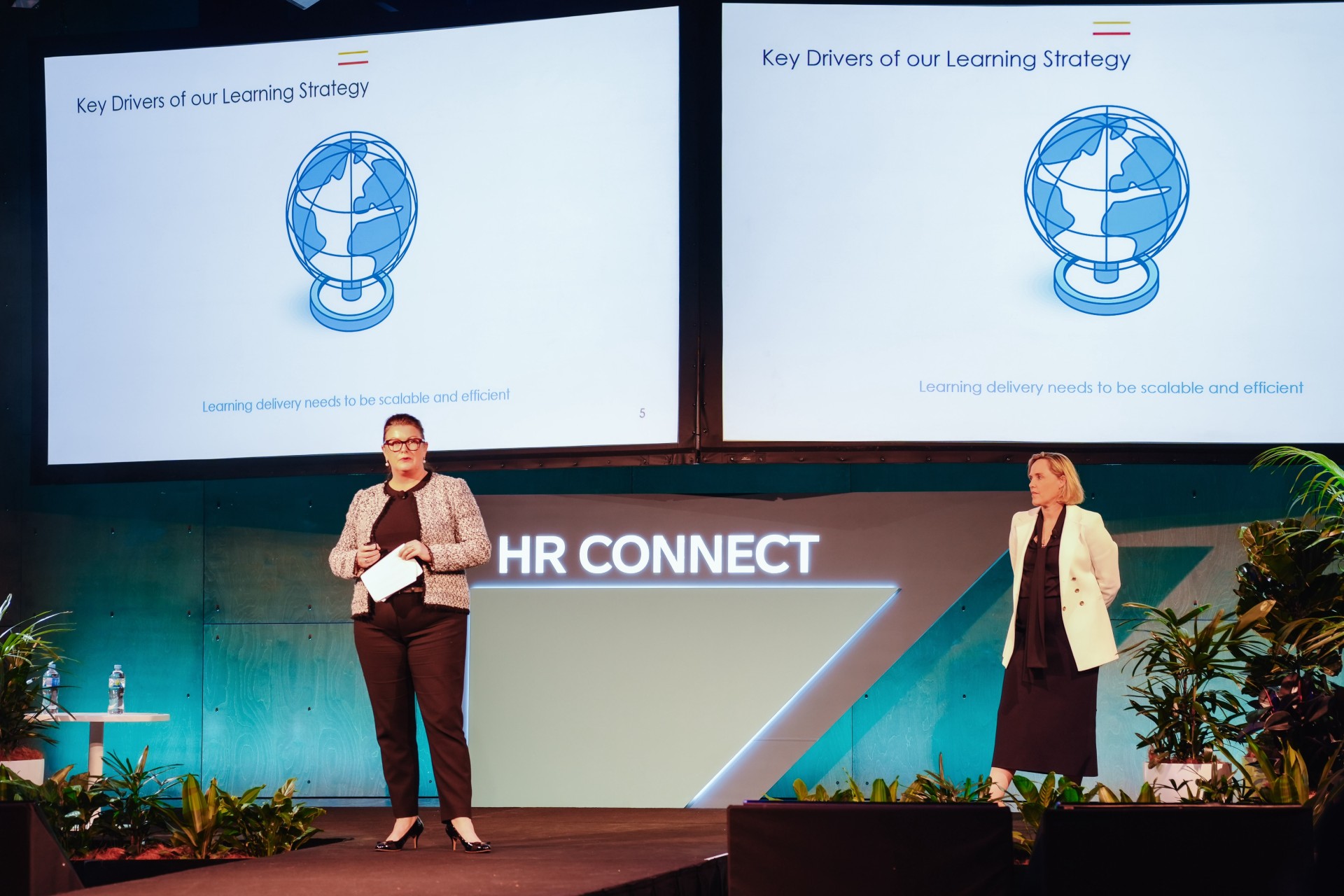
“What [LOR Learn] accomplished for us was establish a singular, comprehensive entry point for all our learning, inviting everyone into the house,” Fraser elaborated during her presentation at SAP HR Connect in Sydney.

Engaging, Social Learning Experiences

LOR Learn provides a contemporary user experience, featuring 55 customized learning pathways and 350 unique assets aimed at captivating users. The content is visually and interactively similar to platforms like Instagram and TikTok, fostering a more relatable and engaging educational setting for younger, tech-savvy staff.

The platform also encourages peer-to-peer learning and social networking, promoting collaboration and knowledge exchange among employees. This peer interaction reinforces a culture of continuous development and professional growth.

Monitoring and Reporting for Ongoing Enhancement

A standout aspect of LOR Learn is its comprehensive tracking and reporting functionalities. Laing O’Rourke’s HR teams can now assess employee engagement with training materials and relay progress updates to the board. These valuable insights enable the firm to implement data-driven enhancements to its educational programs over time.

This information proves essential for keeping the training system pertinent and effective, allowing the company to swiftly adapt to the evolving needs of its workforce and the wider construction sector.

Conclusion

Laing O’Rourke has effectively revamped its training framework with the launch of LOR Learn, a centralized, role-focused learning platform developed using SAP’s low-code tool. By streamlining training resources and broadening access to a wider pool of employees, the company is nurturing a more inclusive and efficient educational atmosphere. LOR Learn’s appealing content, social learning functionalities, and robust tracking capabilities are anticipated to assist Laing O’Rourke in meeting the increasing demands of the construction sector while promoting the professional development of its workforce.

Q: What issues were present in Laing O’Rourke’s earlier training system?

A:

Laing O’Rourke’s earlier training system was chaotic, with resources spread across multiple platforms. Only top talent had access to premium training, while other employees were limited to standard content. Employees often faced challenges in locating relevant resources, resulting in underutilization of the available training.

Q: What is LOR Learn?

A:

LOR Learn is the new centralized training platform from Laing O’Rourke, built using SAP’s low-code solution, Build Work Zone. It offers employees personalized, role-based learning pathways critical for their career advancement.

Q: In what ways has LOR Learn improved access to training?

A:

In the past, Laing O’Rourke’s training budget was primarily allocated to just 80 employees. With LOR Learn, 10 percent of the budget now supports 700 employees, ensuring fairer access to learning resources and opportunities.

Q: What kind of content can be found on LOR Learn?

A:

LOR Learn contains 55 tailored learning pathways and 350 custom assets designed to engage users. These materials mirror the style of popular social media sites like Instagram and TikTok, providing a more interactive and captivating learning experience.

Q: How does LOR Learn facilitate social learning?

A:

LOR Learn fosters peer-to-peer resources and social learning networks, enabling employees to collaborate, share knowledge, and learn from one another. This cultivates a more vibrant and interconnected learning environment.

Q: What tracking and reporting features does LOR Learn provide?

A:

The platform includes extensive tracking and reporting features that allow HR teams to analyze employee engagement with the training materials. These metrics are reported back to the company’s board, facilitating ongoing enhancements of the learning initiatives.

Leapmotor Announces Striking Entrance at Paris Motor Show


We independently review everything we recommend. When you buy through our links, we may earn a commission which is paid directly to our Australia-based writers, editors, and support staff. Thank you for your support!

Leapmotor’s Daring Entrance at the Paris Motor Show: A Revolutionary Shift for Electric Vehicles

Leapmotor's daring entrance at Paris Motor Show

Leapmotor, an emerging player in the electric vehicle (EV) sector, stirred excitement in the European arena by introducing a lineup of cutting-edge EV models at the Paris Motor Show. The Chinese automotive company, collaborating with Stellantis, presented their vision for the future of electric transportation through a range of vehicles tailored to various market categories, from nimble city cars to roomy family SUVs. This debut signifies the launch of a global expansion initiative, designed to render electric mobility more attainable and thrilling across several continents.

Quick Highlights:

  • Leapmotor launched its presence at the Paris Motor Show with a selection of EVs, among them the T03, C10, B10, and C16.
  • The B10 C-SUV, constructed on the advanced LEAP 3.5 framework, is prepared to enter the European marketplace.
  • The C16 features an 800V silicon carbide infrastructure, facilitating ultra-rapid charging from 30% to 80% within a mere 15 minutes.
  • Leapmotor is targeting global growth, eyeing regions such as the Middle East, Africa, Asia Pacific, and South America.
  • By 2026, Leapmotor plans to set up 350 sales points internationally.
  • With Stellantis’s backing, Leapmotor is ready for swift development and market engagement.

Leapmotor’s European Introduction: A New Chapter in Electric Mobility

Leapmotor’s launch in Europe is undeniably audacious. At the Paris Motor Show, the Chinese EV producer presented a variety of electric vehicles (EVs) crafted to resonate with a broad demographic, from city commuters to environmentally conscious families. The establishment of a partnership under the Leapmotor International name, supported by Stellantis, highlights Leapmotor’s aspirations to thrive in the competitive European electric vehicle landscape.

The B10 C-SUV: Leapmotor’s Premier Model

The centerpiece of Leapmotor’s exhibition was the global debut of the B10 C-SUV. Constructed on the company’s cutting-edge LEAP 3.5 framework, the B10 is tailored for optimal connectivity and eco-friendliness. This model incorporates intelligent technologies that meet the demands of contemporary drivers seeking both connectivity and environmental responsibility. Anticipation surrounds additional B-series variants expected to join the array by 2026, with the B10 serving as the foundation of Leapmotor’s strategy in Europe.

The C16: Rapid Charging and Spacious Luxury

Another impressive model on display was the C16, making its inaugural European showing. This six-passenger SUV uses an 800V silicon carbide platform to achieve ultra-quick charging. Leapmotor asserts that the C16 can move from 30% to 80% charge in just 15 minutes, making it a family-friendly option that doesn’t compromise on charging efficiency. Additionally, the C16 is fitted with a premium sound system, ensuring every journey feels like a live concert.

T03: The Ideal Urban Companion

For those residing in cities, Leapmotor introduced the T03, a compact A-segment EV that also offers generous interior space. Perfect for navigating bustling urban landscapes, the T03 blends aesthetics with functionality. Its notable range assures drivers they won’t constantly be on the hunt for charging stations, solidifying its place in the city car sector.

C10: The Eco-Friendly Family SUV

Leapmotor’s C10 SUV is crafted for families wishing to make eco-conscious decisions while upholding comfort and safety. Enhanced with state-of-the-art technology features, the C10 guarantees that longer trips are both pleasurable and environmentally friendly. It transcends the typical SUV experience; it embodies the notion that family outings can be both chic and sustainable.

Global Expansion Initiatives with Stellantis

Leapmotor’s ambitions extend beyond European borders. Fueled by its collaboration with Stellantis, the automaker is poised for worldwide growth. Plans are in progress to extend Leapmotor’s EV offerings to various regions, including the Middle East, Africa, Asia Pacific, and South America. By the conclusion of 2026, Leapmotor aims to establish 350 sales points around the globe, reinforcing its foothold in the international EV market.

The alliance with Stellantis, a key entity in the worldwide automotive sphere, equips Leapmotor with the essential support to expand swiftly and effectively. This partnership is expected to expedite Leapmotor’s entry into new territories, allowing the company to position itself against more entrenched EV manufacturers.

Leapmotor’s Outlook for the Future

Leapmotor’s presentation at the Paris Motor Show transcends mere vehicle unveilings; it serves as a testament to the company’s aspirations for the future of electric mobility. Leapmotor seeks to enhance the accessibility, excitement, and ubiquity of EVs. With a diverse model lineup intended to satisfy varying consumer demands, the company is aiming to solidify its status as a significant contributor to the worldwide shift toward electric automobiles.

As Leapmotor forges ahead with Stellantis as a partner, the company is set to leave a noteworthy mark on the electric vehicle sector. The future is assuredly electrifying, and Leapmotor’s ambitious introduction indicates their readiness to take on a significant role in its evolution.

Overview

Leapmotor has made a remarkable introduction at the Paris Motor Show, revealing an array of electric vehicles poised to create a stir in both European and global markets. With models including the B10 C-SUV, C16, and T03, Leapmotor targets a variety of market segments, appealing to everyone from urban commuters to environmentally aware families. With Stellantis’s support, Leapmotor is preparing for widespread growth, planning to establish 350 sales points by the end of 2026 across various regions. With its strong emphasis on cutting-edge technology, swift charging, and sustainable driving practices, Leapmotor enters the EV arena with a combination of resolve and ambition.

Q: Which models did Leapmotor reveal at the Paris Motor Show?

A: Leapmotor presented multiple models at the Paris Motor Show, including the B10 C-SUV, C16 family SUV, T03 city vehicle, and C10 SUV, each tailored to meet specific market requirements.

Q: What is the importance of the B10 C-SUV?

A: The B10 C-SUV stands as Leapmotor’s flagship offering, constructed on the LEAP 3.5 framework. It merges intelligent technology with eco-consciousness, positioning itself as a cornerstone in Leapmotor’s entry to the European market.

Q: How quickly can the C16 charge?

A: The C16 incorporates an 800V silicon carbide system that enables ultra-fast charging, achieving 30% to 80% capacity in just 15 minutes.

Q: What are Leapmotor’s plans for global expansion?

A: Leapmotor is broadening its horizons beyond Europe and aims to enter markets in the Middle East, Africa, Asia Pacific, and South America. By the end of 2026, the firm aspires to have 350 sales outlets worldwide.

Q: How will Leapmotor contend in the competitive EV market?

A: Leapmotor is utilizing its partnership with Stellantis to enhance its operations and penetrate new markets. By delivering a varied range of EVs and emphasizing advanced technology, rapid charging, and sustainability, Leapmotor seeks to distinguish itself in the crowded EV landscape.

Q: What qualities make the T03 suitable for urban driving?

A: The T03 is a compact A-segment electric vehicle that offers ample space inside, making it perfect for maneuvering through city settings. Its sleek design and impressive range allow city drivers to travel with confidence, minimizing the need to search for charging options.

Government’s NBN Sale Obstruction Sparks Concerns over Affordability and Executive Compensation


We independently review everything we recommend. When you buy through our links, we may earn a commission which is paid directly to our Australia-based writers, editors, and support staff. Thank you for your support!

Government’s NBN Sale Prevention Bill Raises Concerns Regarding Affordability and Executive Compensation

Government's NBN sale prevention bill raises concerns regarding affordability and executive remuneration

Quick Overview

  • The Australian government has put forward legislation to avert the sale of NBN Co, reversing earlier provisions tied to its sale.
  • The Greens are advocating for a Senate investigation into the affordability, accessibility, and executive salaries at NBN Co.
  • Issues surrounding executive bonuses and the escalating costs of NBN services are central to the discourse.
  • Labor contends that privatizing NBN Co could drive up consumer prices as private interests prioritize profitability.
  • The Coalition has dismissed the initiative as a “stunt” and is not eager to expedite the bill’s passage.

Government Acts to Prevent NBN Sale

The Australian government has introduced a bill aimed at effectively blocking the sale of NBN Co, which could have far-reaching consequences for the nation’s broadband infrastructure. This bill, announced on Wednesday, seeks to eliminate conditions previously established by the NBN Companies Act that permitted the sale of NBN Co to private parties.

The Greens, represented by communications spokesperson Senator Sarah Hanson-Young, have been outspoken in their demand for a Senate inquiry to examine not only the bill but also crucial issues such as the affordability and accessibility of NBN services and the compensation of NBN executives.

The Greens Advocate for Comprehensive Inquiry

Senator Hanson-Young emphasized that the bill represents a chance to probe the wider implications of NBN Co’s operations. “The parliament has an opportunity through this bill to assess accessibility of the NBN, the quality of the service, and affordability,” she stated. The Greens have also expressed criticism of the “excessive” bonuses awarded to NBN Co executives, advocating for increased accountability and transparency in the company’s compensation policies.

The timing of the bill’s introduction has raised questions, as it followed closely on the heels of its announcement, leaving numerous stakeholders racing to understand its implications.

Executive Compensation Under Examination

Compensation for executives at NBN Co has consistently been a contentious issue. Recent years have seen a shift in the remuneration framework at the company, particularly with respect to bonuses or “at-risk” payments. These payments have drawn ire from various political factions, with critiques suggesting that bonuses do not correlate adequately with NBN’s performance.

The Greens have indicated their intention to further investigate these compensation structures, with Hanson-Young asserting, “We must ensure that the digital divide does not widen and that everyone can engage in our digital economy.” The discourse surrounding executive pay extends beyond NBN Co, reflecting broader apprehensions in corporate Australia about the connection between executive remuneration and organizational performance.

Affordability Issues and Prospects for NBN Pricing

The affordability of NBN services has been a persistent concern. Under the current Special Access Undertaking (SAU), NBN Co is permitted to modify its prices annually, fostering worries that these increments could make broadband services progressively unreachable for ordinary Australians.

Labor figures have pointed to affordability as a major argument for retaining NBN Co under public management. They assert that privatization could exacerbate pricing issues, as a privately-owned entity would likely prioritize financial returns.

Nevertheless, even under government ownership, NBN Co has been criticized for escalating costs. There are indications that not all of NBN Co’s expenditures are “efficient,” which may complicate future pricing strategies. Such inefficiencies could trigger additional cost recovery measures by NBN Co, potentially increasing pressure on consumer rates.

Political Responses: Labor vs. Coalition

The political reaction to the bill has been varied. The Coalition, represented by shadow communications minister David Coleman, has characterized the government’s action as a “stunt” and a diversion from more pressing policy matters. Coleman indicated that the opposition would not hastily push the bill through, stating that the Coalition intends to evaluate the legislation via standard procedures.

While the Coalition has expressed doubt, Labor remains steadfast in its belief that selling NBN Co would result in increased costs for consumers, and that maintaining public ownership is key to ensuring affordable and accessible broadband services.

Summary

The Australian government’s initiative to hinder the sale of NBN Co has ignited a broader discussion on the affordability and accessibility of broadband services in the nation. The Greens are advocating for a Senate inquiry that would examine not just the sale but also issues like executive compensation and the digital disparity. With scrutiny on NBN Co’s pricing and concerns over rising service costs, the outcome of this political conflict could shape Australia’s digital landscape for years to come.

Q & A

Q: What is the intent behind the government’s new bill concerning NBN Co?

A:

The bill seeks to revoke provisions that enable the sale of NBN Co, effectively preventing its transfer to private entities. The government contends that maintaining NBN Co under public control is crucial for upholding affordable and accessible broadband services.

Q: Why are The Greens advocating for a Senate inquiry?

A:

The Greens aim to leverage the opportunity provided by the bill to investigate the affordability, accessibility, and quality of NBN services. They are also raising alarms over the substantial salaries and bonuses given to NBN executives, which they believe require scrutiny.

Q: What concerns exist around NBN Co’s executive compensation?

A:

Executive compensation at NBN Co has been a repetitive subject of discussion, especially regarding bonuses or “at-risk” payments. Critics assert that these bonuses are excessively high and do not consistently reflect the company’s performance, prompting calls for enhanced transparency and accountability.

Q: How does the Special Access Undertaking (SAU) influence NBN pricing?

A:

The SAU grants NBN Co the capability to increase its prices yearly, which has raised alarm about the affordability of broadband services. There are ongoing questions about whether NBN Co’s expenditures are genuinely “efficient,” potentially complicating future pricing and affordability.

Q: What is Labor’s perspective on the consequences of selling NBN Co?

A:

Labor posits that privatizing NBN Co would lead to inflated prices for consumers, as a private owner would be inclined to prioritize profits. They maintain that retaining NBN Co as a public entity is vital for ensuring affordable broadband access.

Q: How has the Coalition reacted to the bill?

A:

The Coalition, led by shadow communications minister David Coleman, has condemned the bill, labeling it a political “stunt” and a diversion from more significant policy discussions. They have stated that they will assess the legislation but are not in a hurry to pass it.

Q: What are the possible long-term effects of this bill on Australian broadband services?

A:

If enacted, the bill may result in NBN Co remaining under public ownership for the foreseeable future, which could aid in regulating pricing and ensuring fair access to broadband services across Australia. However, persistent scrutiny of NBN Co’s operational costs and executive compensation practices may incite further reforms in the future.

Federal Government Unveils Historic Cyber Security Legislation to Parliament


We independently review everything we recommend. When you buy through our links, we may earn a commission which is paid directly to our Australia-based writers, editors, and support staff. Thank you for your support!

Australia Proposes Groundbreaking Cybersecurity Legislation in Parliament

Cybersecurity Bill in Australia introduced to Parliament

Brief Summary

  • The Australian Government has unveiled a new Cybersecurity Bill requiring the reporting of ransomware payments.
  • Firms that fulfill ransomware demands may be obligated to report these payments to authorities.
  • The legislation seeks to enhance the government’s insight into ransomware challenges and strengthen national cyber protections.
  • New security protocols for smart devices will be put in place to guarantee safer consumer technology.
  • An independent Cyber Incident Review Board will be established to probe significant cyber occurrences.
  • The legislation also proposes updates to the Intelligence Services Act and the Security of Critical Infrastructure Act (SoCI).
  • Australia aspires to emerge as a global frontrunner in cybersecurity by 2030.

Insight into the Cyber Security Bill 2026

The **Cyber Security Bill 2026**, presented by Cyber Security Minister Tony Burke, signifies an important advancement in Australia’s developing cybersecurity framework. A key element of the bill is the clause mandating businesses that have settled with ransomware attackers to inform the government of these payments. This initiative reflects the intensifying threat of ransomware, which has had a profound impact on Australian companies, leading to an average ransom payout of $9.27 million in 2023 alone.

Burke articulated that the bill is intended to “enhance [the government’s] comprehension of the ransomware menace” and disrupt the ransomware financial model by providing the government with timely data. This data will be utilized to create improved resources and tools to aid businesses in recovering from such challenges.

Context: The Surge of Ransomware Incidents

Ransomware incidents have soared in recent times. Reports indicate a global rise in such attacks, with Australian businesses increasingly becoming victims. Burke noted that ransomware incidents inflict “substantial damage to the Australian economy” and present serious national security challenges.

In light of these threats, the Australian government has been formulating this legislative initiative since 2021, engaging in consultations with industry stakeholders. This engagement resulted in a draft of the bill that received “broadly favorable” feedback from the business community, facilitating the finalization and presentation of the bill to Parliament.

Essential Features of the Cyber Security Bill

Obligatory Reporting of Ransomware Payments

According to the new legislation, businesses that make payments to ransomware attackers will be mandated to notify the government of these transactions. This reporting requirement aims to furnish the Australian authorities with detailed insights regarding the financial extortion of businesses, including the amounts involved, the recipients of these payments, and the methods of transaction. By acquiring this information, the government intends to formulate more effective measures to tackle ransomware attacks and support impacted enterprises.

Amendments to Current Cybersecurity Regulations

In conjunction with the mandatory ransomware reporting provision, the Cyber Security Bill 2026 features changes to the **Intelligence Services Act** and the **Security of Critical Infrastructure Act (SoCI)**. These modifications are designed to enhance the government’s capacity to collect and utilize data concerning cyber incidents while ensuring the protection of sensitive corporate information.

To bolster businesses’ confidence in reporting ransomware events, the bill imposes strict restrictions on how the National Cyber Security Coordinator and the Australian Signals Directorate can utilize or disseminate the information provided. This measure aims to promote voluntary reporting by alleviating concerns surrounding data misuse.

Essential Security Protocols for Smart Devices

The legislation also tackles the rising concerns regarding the security of smart devices. With Australians increasingly using internet-connected gadgets at home, the danger of cyberattacks targeting these devices has escalated. The **Cyber Security Bill 2026** will enforce mandatory security standards for smart devices, ensuring that manufacturers incorporate foundational cybersecurity safeguards into their products. Burke stated that Australians “appreciate the convenience of smart devices,” but stressed the importance of ensuring that these are “safe devices.”

Creation of an Independent Cyber Incident Review Board

To further bolster Australia’s cybersecurity framework, the bill will establish an **independent Cyber Incident Review Board**. This board, inspired by the Cyber Safety Review Board in the United States, will perform thorough assessments of significant cybersecurity events. The objective is to extract insights from major breaches, such as the **Optus** and **Medibank** incidents, along with more recent cases like the **MediSecure** data breach. These evaluations will inform both government and industry on better preparation and responsiveness to forthcoming attacks, thereby enhancing the resilience of Australian organizations.

Australia’s Aspiration for Cybersecurity Excellence

Australia has articulated an ambitious vision of becoming a global leader in cybersecurity by 2030. Minister Burke emphasized that the Cyber Security Bill 2026 is a vital component in realizing this vision. The bill establishes a robust legislative foundation that addresses the pervasive threat of cyberattacks across the economy and positions the nation to tackle emerging challenges.

“Together, the bill will fortify our national cyber defenses and enhance cyber resilience throughout the Australian economy,” asserted Burke.

Conclusion

The **Cyber Security Bill 2026** seeks to confront the escalating ransomware threat by mandating that businesses report payments made to ransomware attackers to the authorities. Additionally, the bill encompasses reforms to pre-existing cybersecurity regulations, introduces essential security protocols for smart devices, and creates an independent Cyber Incident Review Board. These initiatives are aimed at strengthening Australia’s cyber defenses and supporting the nation’s aspiration to lead globally in cybersecurity by 2030.

Q: What is the primary objective of the Cyber Security Bill 2026?

A:

The primary objective of the Cyber Security Bill 2026 is to enhance Australia’s cybersecurity defenses by requiring the reporting of ransomware payments, establishing essential security standards for smart devices, and instituting an independent Cyber Incident Review Board. The bill also proposes amendments to existing cybersecurity laws, ensuring the country is better equipped to face cyber threats.

Q: What are the obligations for businesses under the new cybersecurity legislation?

A:

Under the new legislation, businesses that make payments to ransomware attackers are required to report these payments to the Australian government. This obligatory reporting will help the authorities gather insights into ransomware incidents and devise plans to confront them.

Q: How will the bill enhance the security of smart devices?

A:

The Cyber Security Bill 2026 introduces mandatory security standards for smart devices, ensuring that manufacturers incorporate fundamental cybersecurity protections in their products. This aims to minimize the susceptibility of consumer devices to cyberattacks.

Q: What functions will the Cyber Incident Review Board perform?

A:

The Cyber Incident Review Board will analyze major cyber incidents, such as the Optus and Medibank breaches, to draw lessons that will enhance cybersecurity measures, policies, and procedures within Australian organizations.

Q: What significant reforms to existing legislation does the bill entail?

A:

The bill includes changes to the Intelligence Services Act and the Security of Critical Infrastructure Act (SoCI). These reforms aim to ensure that valuable data on cyber incidents is shared with relevant government entities while also safeguarding sensitive business data from inappropriate use.

Q: What is Australia’s goal with this cybersecurity legislation?

A:

Australia aims to solidify its position as a global leader in cybersecurity by 2030. The Cyber Security Bill 2026 serves as a pivotal step towards this aim by establishing a clear legislative framework to address expanding cyber threats across the economy and fostering resilience against potential future attacks.

New Whitepaper Reveals the Essential Importance of Managed File Transfer in Achieving Successful Data Migration


We independently review everything we recommend. When you buy through our links, we may earn a commission which is paid directly to our Australia-based writers, editors, and support staff. Thank you for your support!

The Essential Significance of Managed File Transfer in Achieving Data Migration Success

Quick Overview

  • 87% of IT leaders anticipate their data environments will become increasingly distributed in the next two years.
  • Conventional FTP no longer meets the requirements for secure and automated file transfers in the contemporary cloud-focused business environment.
  • Managed File Transfer (MFT) delivers improved security, compliance, and automation for the movement of data across various locations.
  • MFT solutions such as Progress® MOVEit® uphold compliance with regulations like PCI-DSS, HIPAA, GDPR, and SOC 2.
  • Significant advantages of MFT include scalability, accelerated transfer speeds, tamper-evident logging, and enhanced user control.
  • Businesses should utilize MFT to lower expenses, preserve data integrity, and streamline their operational processes.

The Importance of Managed File Transfer for Future Success

As entities progressively transition towards a distributed data framework, the demand for swift, secure, and automated file transfers has reached an unprecedented level. Recent studies by TechTarget’s Enterprise Strategy Group indicate that 87% of IT decision-makers predict their data and application environments will become more distributed within the next two years. This evolution introduces new data management challenges, necessitating technical solutions that can address escalating complexities.

Traditional FTP Is Insufficient

The emergence of cloud-centric environments has made traditional File Transfer Protocol (FTP) inadequate for many organizations. FTP lacks the essential security measures, automation, and scalability required for modern data needs. Especially for companies with limited IT resources or those handling sensitive information, the vulnerabilities associated with FTP are becoming increasingly risky. In today’s regulatory landscape, where adherence to standards like GDPR, PCI-DSS, and HIPAA is paramount, depending on FTP can expose businesses to potential security breaches and legal repercussions.

Managed File Transfer (MFT): A Robust Solution

Managed File Transfer (MFT) solutions, such as Progress® MOVEit®, offer the security, automation, and scalability that contemporary organizations need to effectively manage their distributed data setups. Unlike FTP, MFT is equipped with features such as audit trails, user-permission management, and encryption, rendering it a more secure and reliable file transfer option. The whitepaper notes that MFT substantially mitigates risks related to data movement by providing greater visibility and enhanced security measures, including tamper-evident logging and integrity verification.

The Advantages of MFT for Regulatory Compliance and Scalability

One of the most remarkable features of MFT solutions like MOVEit is their capacity to assist organizations in fulfilling rigorous compliance demands. Whether concerning PCI-DSS, HIPAA, or GDPR, MFT solutions are structured to ensure that your data transfers align with crucial legal and regulatory standards. This becomes particularly significant as data ecosystems grow more intricate and span multiple locations, making a secure and compliant data transfer strategy essential.

Streamlined Automation and User-Friendly Management

The whitepaper emphasizes how MFT software optimizes file transfer management. With integrated automation functions, MFT alleviates administrative responsibilities, enabling even organizations with limited IT personnel to handle complex data workflows effectively. Progress® MOVEit® simplifies deployment, allowing businesses to easily establish and manage secure file transfer systems without necessitating extensive technical expertise.

Increased Speed and Enhanced Reliability

As data quantities surge, the demand for swift and dependable file transfers becomes critical. MFT solutions are designed with scalability at their core, providing reduced transfer times and the ability to manage large data volumes across various locations. This is particularly vital for organizations that must synchronize data among different cloud platforms, data centers, and remote locations.

Why Every Business Should Explore MFT

The conclusions drawn from the whitepaper underscore a vital point: Managed File Transfer is not merely a desirable feature; it is crucial for businesses aiming to expand their operations while ensuring security and regulatory adherence. By implementing MFT technology, organizations can minimize the risks and costs tied to data transfers, securing data integrity and refining business operations.

For those interested in delving deeper into MFT, solutions like Progress® MOVEit® provide a comprehensive array of tools designed to simplify data movement, fortify security, and uphold compliance.

Managed File Transfer Essential for Data Migration Success

Conclusion

In conclusion, as data environments grow increasingly distributed and intricate, the necessity for secure, scalable, and automated file transfers is paramount. Managed File Transfer solutions such as Progress® MOVEit® afford organizations a means to navigate this complexity while ensuring compliance and minimizing risks. With features like audit trails, user management, and encrypted transfers, MFT is an indispensable asset for any organization aiming to optimize its file transfer strategies.

Q&A Overview

Q: What is the primary benefit of Managed File Transfer compared to traditional FTP?

A:

Managed File Transfer (MFT) provides heightened security, automation, and scalability, whereas traditional FTP fails to include encryption, audit trails, and user-permission management, making it less secure and reliable for modern data environments.

Q: Why is MFT becoming increasingly important for businesses?

A:

As data environments spread across multiple locations and cloud infrastructures, MFT offers essential tools for managing, automating, and securing file transfers in response to the rising complexity of data movement.

Q: How does MFT contribute to meeting regulatory standards?

A:

MFT solutions like Progress® MOVEit® guarantee that file transfers comply with regulations such as PCI-DSS, HIPAA, GDPR, and SOC 2 by incorporating features such as encryption, tamper-evident logging, and audit trails.

Q: Can MFT enhance operational efficiency?

A:

Absolutely, MFT automates file transfers, reducing the necessity for manual involvement, thus conserving both time and resources. It also provides quicker transfer rates and accommodates large data volumes, enhancing overall operational efficiency.

Q: What types of businesses should consider implementing MFT?

A:

Any entity that manages sensitive information, must adhere to regulatory compliance, or operates in a distributed framework should explore MFT. This includes sectors such as healthcare, finance, and retail, where secure and compliant data transfers are essential.

Q: Is implementing MFT challenging?

A:

No, MFT solutions such as Progress® MOVEit® are crafted to be user-friendly and include automation features that ease the process of deployment and management, even for organizations with limited IT capabilities.

Q: How can I initiate the process of using MFT?

A:

You can investigate MFT solutions like Progress® MOVEit® by visiting their website and requesting a free trial. This will enable you to evaluate the platform’s features and determine how it can address your organization’s file transfer requirements.

Aussie Court Confirms $610,500 Penalty Imposed on X


We independently review everything we recommend. When you buy through our links, we may earn a commission which is paid directly to our Australia-based writers, editors, and support staff. Thank you for your support!

Australian Court Affirms Fine Against Elon Musk’s X for Noncompliance with Regulations

Australian court confirms fine for X for eSafety regulation violations

Quick Summary:

  • The Federal Court of Australia has upheld a fine of $610,500 imposed on X (previously Twitter) for not complying with the eSafety Commissioner’s information request regarding anti-child-abuse measures.
  • X, under the ownership of Elon Musk, contended that it was not required to respond due to its transformation into a new corporate entity.
  • The court’s decision mandated X to fulfill its regulatory responsibilities in Australia, regardless of its restructuring.
  • This incident marks yet another confrontation between X and the Australian eSafety Commissioner, following earlier issues related to the removal of harmful content.
  • eSafety has initiated additional civil actions against X for ongoing noncompliance.

The Legal Dispute: X Versus eSafety Commissioner of Australia

Elon Musk’s X, formerly Twitter, has once again found itself in conflict with Australian authorities. The Federal Court of Australia has upheld a substantial fine of $610,500 against the social media platform for not assisting the eSafety Commissioner in a critical inquiry into its policies against child sexual abuse materials.

The conflict began when the eSafety Commissioner formally requested that X disclose how it was tackling the dissemination of child sexual abuse material (CSAM) on its platform. X, under Musk’s leadership, contested the request in court, arguing that it was no longer obligated to comply due to a corporate overhaul after Musk privatized the company in 2022.

X’s Legal Defense: Corporate Restructuring as Justification

Musk’s legal representatives asserted that X, having been reconstituted as a new corporate entity under Musk’s command, had no obligation to respond to the eSafety Commissioner’s inquiry. Essentially, X aimed to claim that its evolution into a new corporate entity exempted it from previous regulatory duties.

However, the Federal Court dismissed this claim, asserting that the platform remained accountable to Australian laws, irrespective of its corporate transitions. In her remarks, eSafety Commissioner Julie Inman Grant noted that if X Corp’s argument had prevailed, it could have set a troubling precedent for other foreign companies seeking to evade Australian regulations through mergers or corporate changes.

The Wider Consequences of the Court’s Decision

The court’s ruling carries significant implications. It strengthens the notion that foreign corporations operating in Australia cannot elude local regulations via corporate restructuring. A ruling favoring X could have encouraged other international tech companies to employ similar strategies to escape their responsibilities as dictated by Australian law.

This is particularly crucial given the ongoing efforts of the eSafety Commissioner to tackle harmful online content, especially regarding child sexual abuse materials. The fine conveys a clear message that Australia will not condone noncompliance—regardless of corporate restructuring.

Further Actions Taken by the eSafety Commissioner

Alongside upholding the fine, the eSafety Commissioner has initiated civil proceedings against X for its persistent failure to comply with Australian digital safety laws. This signifies an escalation in the regulatory body’s attempts to hold X accountable for its treatment of hazardous content.

The eSafety Commissioner has become increasingly vigorous in ensuring that social media platforms comply with strict safety regulations, particularly concerning the protection of vulnerable users such as children. This case represents one of several prominent confrontations between X and the Australian regulatory body.

Prior Conflicts Between X and Regulatory Authorities

This is not the first instance of conflict between Musk’s X and the eSafety Commissioner. Earlier in 2023, the agency instructed X to remove content depicting an attacking bishop during a sermon in Australia. X declined, contending that a national regulator should not dictate globally accessible content.

The eSafety Commissioner ultimately retracted the case, but the event underscored a growing divide between Musk’s platform and Australian authorities. Musk labeled the regulator’s removal directive as “censorship” and claimed it represented an effort by the World Economic Forum to impose global internet regulations.

Musk’s Position on Censorship

Musk has consistently been a vocal opponent of what he perceives as censorship on social media platforms. Since taking control of Twitter (now X), Musk has expressed his commitment to promoting “free speech” on the platform, leading to conflicts with regulators worldwide.

In the context of the Australian eSafety Commissioner, Musk’s refusal to remove specific content has raised alarms regarding the platform’s readiness to cooperate with governmental organizations tasked with protecting the public from harmful materials. This latest scenario further accentuates the conflict between Musk’s free speech ideology and Australia’s stringent internet safety regulations.

Conclusion

The Federal Court of Australia’s ruling to uphold the $610,500 fine against X signifies a pivotal moment in the ongoing confrontation between international social media platforms and national regulatory bodies. Elon Musk’s endeavor to utilize corporate restructuring as a barrier against regulatory adherence was decisively dismissed, reaffirming the notion that global entities must comply with Australian statutes. With additional civil actions forthcoming, the conflict between X and the eSafety Commissioner of Australia is far from resolved.

Q: What led to X’s fine from the Australian courthouse?

A: X was fined $610,500 for not adhering to a request from the eSafety Commissioner regarding its initiatives to address child sexual abuse materials on its platform.

Q: What was X’s defense strategy in the courtroom?

A: X contended that due to its corporate restructuring after Musk took the company private in 2022, it was no longer required to comply with the regulatory notification. The court rejected this defense.

Q: What is the significance of the court’s judgment?

A: The ruling reaffirms that foreign corporations operating in Australia cannot sidestep regulatory responsibilities through corporate restructuring. Had the court ruled in favor of X, it could have created a disturbing precedent for other international companies.

Q: What additional steps has the eSafety Commissioner taken?

A: In addition to the imposed fine, the eSafety Commissioner has commenced civil proceedings against X for noncompliance, signifying that the clash between X and the Australian regulator is set to persist.

Q: How has Musk reacted to previous conflicts with the eSafety Commissioner?

A: Musk has contested prior directives from the eSafety Commissioner, including requests to eliminate hazardous content. He has described such actions as censorship and criticized regulatory initiatives as attempts to oversee global internet content.

Q: Could this ruling have consequences for other international tech firms operating in Australia?

A: Yes, the ruling establishes a precedent that multinational companies cannot use corporate restructuring as an excuse to circumvent Australian regulations. It sends a robust message that Australia intends to enforce accountability among international tech giants in adhering to local laws.

Q: What are the wider implications for online safety within Australia?

A: The case underlines Australia’s dedication to enforcing digital safety regulations, especially concerning safeguarding vulnerable users from harmful content. It demonstrates that the nation is prepared to take decisive measures against global platforms that fail to cooperate with local authorities.