Australia Tech News - Page 202 of 231 - Techbest - Top Tech Reviews In Australia

“EU AI Act Examination Reveals Compliance Difficulties for Major Tech”


We independently review everything we recommend. When you buy through our links, we may earn a commission which is paid directly to our Australia-based writers, editors, and support staff. Thank you for your support!

EU AI Act: Major Tech Companies Confront Compliance Obstacles

The recent EU AI Act is exerting pressure on some of the leading artificial intelligence frameworks globally, exposing significant vulnerabilities in areas like cybersecurity and biased outputs. As the regulations of the Act begin to take effect, a novel instrument created by LatticeFlow AI is highlighting where firms like Meta, OpenAI, and others may be lacking.

Quick Read

  • The EU AI Act enforces rigorous compliance requirements for AI systems, with emphasis on cybersecurity and bias.
  • LatticeFlow AI’s LLM Checker evaluates AI systems from entities such as OpenAI, Meta, and Alibaba.
  • Non-compliance could lead to fines reaching €35 million or 7% of global revenue.
  • AI from OpenAI, Meta, and Alibaba display shortcomings in critical domains like biased output and cybersecurity.
  • Anthropic’s Claude 3 Opus rates highest on compliance, whereas other models perform less favorably.
  • Complete compliance enforcement measures are scheduled to be in place by 2026.

Overview of the EU AI Act

With artificial intelligence (AI) progressively becoming part of daily life, the European Union has proactively introduced the EU AI Act. This legislation aims to impose strict regulations on artificial intelligence systems, particularly those identified as “general-purpose” AIs (GPAI), which encompasses tools like OpenAI’s ChatGPT.

The AI Act is slated to be fully operational over the next two years, with requirements to ensure that AI systems are competent, secure, and devoid of bias. Companies that do not meet these regulations could face substantial fines of up to €35 million (A$56.6 million) or 7% of their global annual revenue.

Evaluating AI Models for Compliance

A new instrument crafted by Swiss startup LatticeFlow AI, in partnership with ETH Zurich and Bulgaria’s INSAIT, seeks to assist major tech firms in assessing their AI models’ adherence to the AI Act. The instrument, referred to as the “Large Language Model (LLM) Checker,” analyzes AI models across various criteria, including technical robustness, safety, cybersecurity resilience, and bias detection.

The LLM Checker awards a score between 0 and 1 in each category, providing insights into potential deficiencies. Scores over 0.75 signify a solid level of compliance; however, numerous leading models have garnered lower ratings in critical areas.

AI Act reveals compliance issues for technology firms

Shortcomings Among Major Tech Firms

While the LLM Checker indicates a generally optimistic performance for certain models, notable weaknesses have been pinpointed in essential areas. For example, OpenAI’s GPT-3.5 Turbo received a score of only 0.46 for discriminatory output, raising ongoing concerns about AI model bias. Alibaba Cloud’s “Qwen1.5 72B Chat” didn’t perform better, with a score of 0.37 in the same category.

Concerns regarding cybersecurity resilience are also present. Meta’s “Llama 2 13B Chat” scored a mere 0.42 for “prompt hijacking,” a cyber threat capable of coercing AI systems into revealing sensitive data. Similarly, French startup Mistral’s “8x7B Instruct” model scored low at 0.38.

Top Performers and Improvement Areas

Among the evaluated models, Anthropic’s “Claude 3 Opus” distinguished itself as the highest achiever, securing an impressive score of 0.89 overall. This serves as a strong indication that models can attain high compliance rates with appropriate attention and resources.

Nonetheless, the varied results underscore the difficulties that major tech players confront in aligning their models with the demanding standards of the AI Act. Companies that do not rectify these issues could face severe repercussions as the EU prepares for thorough enforcement of the Act by 2026.

Strategies for Full Compliance

As the timeline toward complete enforcement of the AI Act approaches, firms are encouraged to utilize tools like the LLM Checker to pinpoint and rectify gaps in their AI models. LatticeFlow CEO Petar Tsankov conveyed optimism for the future, noting that the findings offer firms a clear path to ensure compliance.

“The EU is still finalizing all compliance benchmarks, but we can already detect gaps in the models,” remarked Tsankov. “With enhanced focus on compliance optimization, we trust that model providers can be adequately equipped to satisfy regulatory demands.”

Conclusion

The EU AI Act is poised to reshape the compliance landscape for artificial intelligence, particularly concerning generative models such as ChatGPT. Initial assessments by LatticeFlow’s LLM Checker indicate that while certain AI models are performing commendably, others struggle significantly in critical areas like bias and cybersecurity. With the looming threat of substantial financial penalties, major tech firms must prioritize compliance to avoid contravening the newly implemented regulations.

Q: What is the EU AI Act?

A:

The EU AI Act is an extensive series of regulations designed to guarantee the safety, equity, and transparency of artificial intelligence systems. It places particular emphasis on general-purpose AI models, including those utilized for natural language processing (e.g., ChatGPT). The Act requires that AI systems fulfill specific standards related to cybersecurity, bias prevention, and technical robustness.

Q: What is the LLM Checker tool?

A:

The LLM Checker is a tool created by LatticeFlow AI in partnership with research institutions ETH Zurich and INSAIT. It assesses AI models across a variety of categories, such as safety, cybersecurity, and bias detection. The tool provides a score ranging from 0 to 1, assisting firms in identifying areas where their AI systems may not adhere to the EU AI Act.

Q: What consequences do companies face for non-compliance?

A:

Companies that neglect compliance with the EU AI Act may incur fines of up to €35 million (A$56.6 million) or 7% of their global annual turnover. Given the significant stakes, ensuring compliance is critical for any organization developing or employing AI models within Europe.

Q: What primary compliance challenges have been identified thus far?

A:

The LLM Checker has pinpointed numerous significant compliance challenges, including bias in AI models and susceptibility to cyber threats like “prompt hijacking.” For instance, OpenAI’s GPT-3.5 Turbo received a poor rating for discriminatory output, while Meta’s Llama 2 showed weaknesses in cybersecurity resilience.

Q: How can companies prepare for the AI Act?

A:

Organizations can leverage tools like the LLM Checker to evaluate their AI models and identify weaknesses in aspects such as bias and cybersecurity. By proactively addressing these concerns, businesses can ensure they comply with the standards outlined in the AI Act and avert notable fines.

Q: When will the EU AI Act be fully enforced?

A:

The EU AI Act will be implemented in phases, with full enforcement anticipated by 2026. Meanwhile, the EU is developing a code of practice for generative AI models, which will serve as a compliance benchmark.


CSIRO’s Chief Information Officer Declares Retirement


We independently review everything we recommend. When you buy through our links, we may earn a commission which is paid directly to our Australia-based writers, editors, and support staff. Thank you for your support!

Brendan Dalton, CSIRO’s Chief Information Officer, Announces His Retirement

Brendan Dalton Announces Retirement from CSIRO

Brendan Dalton, who holds the position of Chief Information Officer at CSIRO, has declared his retirement after almost ten years of dedicated service. Dalton has played a pivotal role in formulating the IT strategy of the organization and is set to depart from CSIRO by year-end. The renowned Australian research institution is currently on the hunt for a new CIO to steer its forthcoming digital transformation initiatives.

Quick Insights

  • Brendan Dalton, taking his leave as CSIRO’s CIO, will retire by year-end after a nine-year tenure.
  • Dalton also managed the Chief Information Security Officer (CISO) position from March 2022 until the appointment of Jamie Rossato in September 2023.
  • CSIRO is in search of a new CIO to propel its IT aspirations and strategic direction, with an emphasis on innovation and digital advancement.
  • The new CIO will be tasked with overseeing the Virga high-performance computer (HPC) developed by Dell and managing the upgrade of CSIRO’s essential enterprise platforms by 2027.
  • Focus on upcoming technologies and adherence to cybersecurity protocols will be crucial for the succeeding CIO.

Leadership Change at CSIRO: Brendan Dalton’s Departure

After nearly nine years as the Chief Information Officer (CIO) at CSIRO (Commonwealth Scientific and Industrial Research Organisation), Brendan Dalton has officially announced his retirement. Dalton has been integral to CSIRO’s IT initiatives, guiding the organization through substantial digital advancements and managing essential projects that have kept CSIRO at the forefront of technology.

Throughout his time, Dalton led the strategic vision for CSIRO’s IT framework. His tenure was marked by the implementation of new technologies, the promotion of innovation, and the assurance of secure and adaptive IT solutions.

Dalton’s Contributions as CIO and CISO

Beside his responsibilities as CIO, Dalton also fulfilled the role of Chief Information Security Officer (CISO) from March 2022 until September 2023. This dual role underscored the growing significance of cybersecurity in the contemporary IT landscape, particularly for a prominent organization like CSIRO. His oversight in both areas helped guarantee the security of CSIRO’s IT systems while facilitating technological progress.

Dalton concluded his time as CISO when Jamie Rossato was appointed the new CISO in September 2023, allowing Dalton to concentrate on his CIO duties leading up to his retirement.

Main Duties of the Incoming CIO

CSIRO is currently searching for a new CIO who can not only carry on Dalton’s legacy but also guide the organization into its next digital transformation phase. The upcoming Chief Information Officer will need to create and implement an IT vision and strategic framework that aligns with CSIRO’s objectives of advancing scientific and technological frontiers.

According to CSIRO’s job listing, the new CIO is expected to be both a “pragmatic and inspirational leader.” They will oversee the implementation of innovative and effective information governance and cybersecurity measures, ensuring the proper management of CSIRO’s information systems and IT infrastructure.

Emphasis on Innovation and Cybersecurity Compliance

The new CIO will be required to evaluate innovative, emerging technologies and guide a digital transformation in accordance with regulatory standards. Cybersecurity remains a pressing issue for organizations worldwide, and CSIRO is no different. The CIO must effectively manage IT and security-related risks while ensuring the seamless operation of all IT systems.

Management of Virga: CSIRO’s High-Performance Computer

A key responsibility of the incoming CIO will involve overseeing CSIRO’s Dell-designed high-performance computer (HPC), Virga. This advanced computing system plays a vital role in CSIRO’s research and innovation activities, facilitating intricate simulations and data evaluations across various scientific fields.

Enterprise Resource Planning and Research Management Revamp by 2027

Another major undertaking for the incoming CIO will be the ongoing replacement of two key enterprise platforms at CSIRO. These systems, which include an SAP-based enterprise resource planning (ERP) system and a proprietary research management platform, are slated for replacement by 2027, with the new CIO spearheading a smooth transition.

This initiative forms part of CSIRO’s broader strategy to modernize its IT infrastructure and enhance its expanding research activities. The updated systems will be essential in enabling improved resource management, research oversight, and operational efficiency.

Conclusion

The retirement of Brendan Dalton signifies the conclusion of a significant chapter in CSIRO’s IT leadership. With nearly ten years in office, Dalton has made substantial contributions to the digital transformation efforts of the organization. As CSIRO gazes toward the future, the next CIO will carry the vital responsibility of advancing the institution’s IT vision, concentrating on innovation, cybersecurity, and the overhaul of core enterprise systems by 2027.

Q: What are the reasons for Brendan Dalton’s retirement?

A:

Brendan Dalton is retiring after nearly nine years of service in the role of CSIRO’s Chief Information Officer. While no explicit reasons have been provided for his departure, it’s common for individuals in senior positions to conclude their roles after lengthy tenures.

Q: What will the main responsibilities of the new CIO entail?

A:

The new CIO will be responsible for shaping and executing CSIRO’s IT vision and strategic initiatives. This includes managing the organization’s IT systems, directing the operation of the Dell-built Virga high-performance computer, and overseeing the replacement of core enterprise platforms by 2027.

Q: What was Brendan Dalton’s function as CISO?

A:

Besides his CIO responsibilities, Brendan Dalton also acted as CSIRO’s Chief Information Security Officer (CISO) from March 2022 until September 2023. During this time, he was charged with ensuring the cybersecurity of CSIRO’s IT infrastructure, working to minimize potential risks and protect sensitive data.

Q: What is the Virga high-performance computer?

A:

Virga is CSIRO’s Dell-built high-performance computer (HPC). It is essential for facilitating advanced scientific research by managing large-scale simulations and data processing. The management of Virga will be a crucial task for the incoming CIO.

Q: Which enterprise systems are set to be replaced by 2027?

A:

CSIRO is in the process of replacing two primary enterprise systems: an SAP-based enterprise resource planning (ERP) system and a custom-built research management system. These platforms are scheduled for replacement by 2027, and the incoming CIO will supervise this transition.

CSIRO’s Chief Information Officer Poised to Step Down


We independently review everything we recommend. When you buy through our links, we may earn a commission which is paid directly to our Australia-based writers, editors, and support staff. Thank you for your support!

“`HTML

Brendan Dalton, CSIRO’s Chief Information Officer, to Retire After Nine Years

Announcement of retirement by CSIRO's CIO Brendan Dalton

Brendan Dalton, the Chief Information Officer (CIO) of the Commonwealth Scientific and Industrial Research Organisation (CSIRO), plans to retire by the conclusion of 2023 after nearly ten years in the role. Dalton has been instrumental in influencing the IT framework of Australia’s leading research institute, and his exit signifies the culmination of a significant era for CSIRO’s technological infrastructure.

Summary Overview

  • Brendan Dalton, CIO of CSIRO, is slated to retire following nine years of dedication.
  • From March 2022 to September 2023, Dalton oversaw both the CIO and Chief Information Security Officer (CISO) positions.
  • CSIRO is currently in the process of securing a successor to direct its IT vision and strategic initiatives.
  • The new CIO will be responsible for managing CSIRO’s IT infrastructure, which includes its high-performance computer (HPC), Virga, and will supervise ongoing digital transformation efforts.
  • The position will also involve overseeing the replacement of two major enterprise platforms by 2027.

Brendan Dalton’s Leadership Contributions

Dalton has been a key contributor to CSIRO’s IT progress since he assumed the role of CIO. His influence extended beyond routine IT responsibilities as he briefly acted as CISO from March 2022 to September 2023. During this time, Dalton was responsible for protecting CSIRO’s cybersecurity framework against the growing threats posed by cyberattacks on essential research organizations.

During Dalton’s tenure, CSIRO has adopted numerous pioneering technologies with an emphasis on security, flexibility, and innovation. His efforts ensured the efficiency of the organisation’s IT systems while also adapting them to keep pace with rapid technological advancements.

The Future for CSIRO: The Search for a Successor to the CIO

As Dalton approaches his retirement, CSIRO is actively looking for a new CIO to take over. This role carries significant responsibilities, including steering the organisation’s IT vision and implementing its strategic objectives.

The job description states that the new CIO must be a “practical and motivating leader” capable of delivering “innovative and comprehensive information governance and cybersecurity services.” The CIO will need to manage CSIRO’s intricate IT infrastructure, including its high-performance computing system, Virga, which supports numerous research projects.

Furthermore, the incoming CIO will need to ensure that CSIRO’s IT frameworks remain at the forefront of technological innovation. This encompasses the adoption of new technologies and ensuring that all systems adhere to regulatory standards to minimize IT and security risks.

Ongoing Digital Transformation Initiatives

A major undertaking that the new CIO will inherit is the transition of CSIRO’s two primary enterprise platforms. These consist of an SAP-based enterprise resource planning (ERP) system and a proprietary business pipeline and research management system. The target is to finalize these upgrades by 2027, an initiative that will greatly enhance the efficiency and research capabilities of the organisation.

This multifaceted and essential project will require the new CIO to possess not only a comprehensive understanding of enterprise systems but also the skill to lead large-scale digital transformation endeavors.

CSIRO’s High-Performance Computing System: Virga

Another vital aspect that the new CIO will oversee is CSIRO’s high-performance computing (HPC) system, Virga. Developed by Dell, Virga serves as an essential resource that allows CSIRO’s researchers to analyze vast datasets swiftly and effectively. The system is integral to a diverse array of scientific research, from climate modelling to genomics, forming a key component of CSIRO’s technological framework.

The new CIO must ensure that Virga continues to fulfill the high-performance computing demands of the organisation while also looking for future upgrade opportunities and enhancements.

Conclusion

The retirement of Brendan Dalton signifies the conclusion of a transformative phase for CSIRO’s IT operations. Over the last nine years, Dalton has been pivotal in promoting innovation, safeguarding cybersecurity measures, and overseeing the roll-out of advanced technologies. As CSIRO begins its search for a new CIO, the future appointee will be tasked with the challenge of upholding Dalton’s legacy while guiding the organisation through its next phase of digital evolution.

Q: What has been Brendan Dalton’s role at CSIRO?

A:

Brendan Dalton has been the Chief Information Officer (CIO) of CSIRO for the past nine years. His roles included overseeing the organisation’s IT infrastructure, adopting innovative technologies, and maintaining strong cybersecurity protocols. He also served as the Chief Information Security Officer (CISO) from March 2022 to September 2023.

Q: Who will take over from Brendan Dalton as CIO of CSIRO?

A:

CSIRO is currently working to appoint a new CIO. The position requires a leader who can steer the organisation’s IT vision, implement strategic initiatives, and manage vital infrastructures such as the Dell-based Virga high-performance computing system.

Q: What are the crucial responsibilities of the new CIO?

A:

The new CIO will oversee CSIRO’s IT systems, lead digital transformation efforts, and ensure compliance with cybersecurity regulations. They will also manage the transition of two core enterprise platforms and the ongoing operation of the high-performance computing system, Virga.

Q: What is Virga and its significance?

A:

Virga is CSIRO’s high-performance computing (HPC) system, created by Dell. It is an essential asset for researchers, enabling rapid processing of extensive datasets. Virga supports various research domains, including climate science, genomics, and materials science.

Q: What is the timeline for the replacement of CSIRO’s core enterprise platforms?

A:

CSIRO plans to replace its two core enterprise platforms by 2027. These include an SAP-based enterprise resource planning (ERP) system and an in-house developed business pipeline and research management system. The new CIO will oversee this transition.

“`

Optus Launches New AI Project to Enhance Customer Spending


We independently review everything we recommend. When you buy through our links, we may earn a commission which is paid directly to our Australia-based writers, editors, and support staff. Thank you for your support!

Optus Utilises AI to Enhance Customer Spending with Tailored Experiences

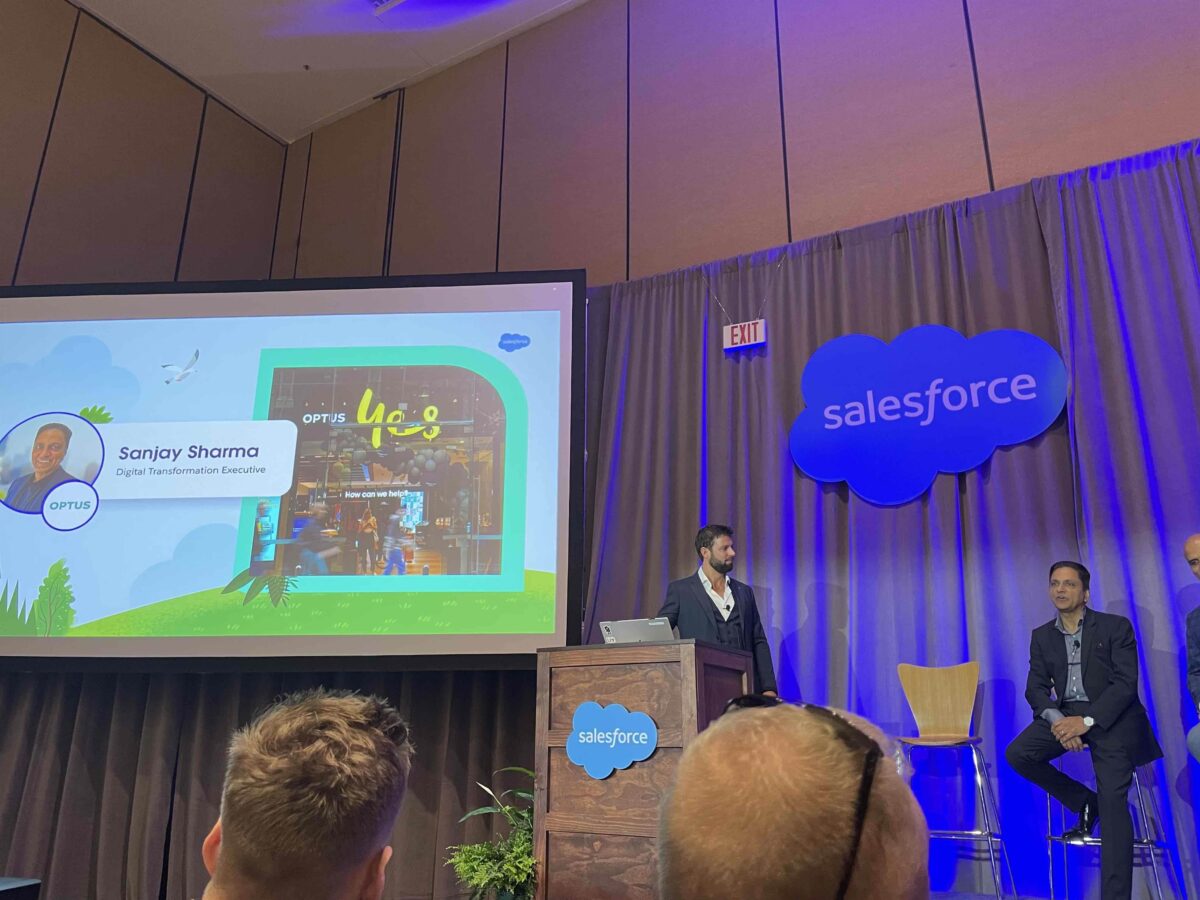
Optus is immersing itself in the world of generative AI, with the goal of boosting customer engagement through customised content. By leveraging artificial intelligence, the telecommunications provider aims to refine every customer interaction on its digital platforms, thereby increasing customer lifetime value and maximising transaction amounts.

This initiative was unveiled at the Dreamforce 2026 conference, where Optus’ digital transformation executive, Sanjay Sharma, provided insights into the company’s strategy to dynamically tailor content for each customer visit. Through this innovative method, Optus aspires to make every click significant and nurture deeper connections with its clients.

Quick Overview: Key Insights

  • Optus is exploring generative AI to dynamically personalise customer engagements on its website.
  • The initiative seeks to boost transaction amounts and enhance customer lifetime value.
  • Optus is prioritising personalisation to elevate conversion rates and decrease cart abandonment.
  • These efforts have led to a 62% increase in cart-to-checkout conversion rates.
  • The AI-driven strategy is especially vital in a regulated industry where customer consent restricts outreach efforts.

Dynamic Personalisation: The Next Era of Customer Engagement

Optus is making significant progress by employing generative AI to dynamically personalise content during customer interactions on its website. According to Sanjay Sharma, digital transformation executive at Optus, the company is dedicated to delivering the right information to customers at the optimal moment, ensuring relevance and increasing the likelihood of converting interactions into sales.

At Dreamforce 2026, Sharma remarked, “We are beginning to experiment with aspects like dynamic content generation during incoming customer interactions, allowing us to present relatable content.”

This AI-driven personalisation could potentially show a customer intrigued by extreme sports a content graphic that resonates with their interests, thereby fostering a stronger connection and enhancing the likelihood of a sale.

Tackling Timing Issues with Real-Time Data Analysis

Conventional marketing and customer engagement tactics often fall short due to the sluggish processing of collected data, overlooking the crucial moment when a customer is most engaged. Optus is addressing this challenge by analysing extensive amounts of data in real-time to provide personalised recommendations during incoming interactions.

“We’re diligently working to process a substantial amount of data ‘on-the-fly’ so that we can genuinely deliver a highly personalised experience during customer interactions,” Sharma explained.

This timely provision of pertinent information is vital in a tightly regulated sector like telecommunications, where customer consent and privacy standards limit outreach frequency.

Revitalising the Digital Storefront: A Smooth eCommerce Experience

Optus embarked on its digital transformation journey in 2013 with the goal of establishing a unified storefront for customers to purchase fixed, mobile, and entertainment offerings. While this vision was achieved by 2019, the platform initially served primarily contact centre agents and retail personnel.

However, with the growth of self-service and eCommerce, Optus had to rework its platform to cater to customer expectations for a smooth, guided, and personalised shopping experience. The outcome is the “universal cart,” which enables customers to combine products in any configuration and quantity.

Personalisation Coupled with Automation

The universal cart serves as the cornerstone of Optus’ fresh digital strategy, allowing customers to construct personalised orders from a cohesive storefront. After an order is placed, the system automatically disassembles it into several components for fulfilment across various platforms.

This platform is powered by Salesforce technologies, including Commerce Cloud and Marketing Cloud, which underpin Optus’ personalisation initiatives. By layering personalisation over the storefront, Optus can cross-sell, upsell, and provide tailored nudges that assure customers of making informed purchase choices. This tactic has already resulted in a remarkable 62% boost in cart-to-checkout conversion rates.

Enhancing Customer Lifetime Value

Optus’ objective extends beyond simply increasing individual transaction amounts; the company is also keen on amplifying customer lifetime value. On average, an Optus consumer remains with the telco for around six years, but with AI-driven personalisation, the company aspires to extend that duration.

Sharma noted that initial personalisation efforts have already produced a “noticeable uplift” in checkout and conversion rates. Optus is now intensifying these initiatives through abandoned cart assistance, transactional emails, and customised attachment options to further enhance value and boost customer retention.

A standout outcome is the 19.5% increase in prospect conversion rates thanks to abandoned cart support, where customers receive prompt follow-ups to motivate them to complete their purchases.

Conclusion

Optus is making impressive advancements in its customer engagement strategy by integrating generative AI to personalise interactions in real time. This initiative aims to amplify both transaction amounts and customer lifetime value. By processing data instantaneously and delivering dynamic content, Optus is ensuring that every customer interaction is customised and relevant. The company has already witnessed marked improvements in cart-to-checkout conversion rates and is continuously seeking ways to further personalise customer experiences, particularly with tools to reduce cart abandonment.

Q: What objectives is Optus’ new AI initiative pursuing?

A:

Optus’ new AI initiative aims to dynamically customise customer interactions on its website, enhancing transaction amounts and increasing customer lifetime value. By utilising generative AI, the telco can adapt content in real time, ensuring its relevance and improving conversion rates.

Q: In what ways does real-time data processing benefit Optus?

A:

Real-time data processing enables Optus to deliver personalised recommendations promptly during customer interactions. This ensures that the content provided is timely and pertinent, boosting the likelihood of converting an interaction into a sale. It also addresses issues related to delayed data processing that may lead to missed opportunities.

Q: What is the “universal cart” and how does it support customers?

A:

The universal cart is a digital platform that allows Optus customers to combine products from different categories, such as mobile, fixed-line, and entertainment services. After an order is made, the system automatically disaggregates it for fulfilment across various platforms. This provides customers with a seamless, personalised, and guided shopping experience.

Q: How has Optus enhanced conversion rates through personalisation?

A:

By applying personalisation to its commerce platform, Optus has experienced a 62% rise in cart-to-checkout conversion rates. Personalised prompts, cross-selling, and upselling capabilities assist customers during the purchasing process, ensuring they feel confident in their decisions, which leads to higher conversions.

Q: What measures is Optus taking to handle cart abandonment?

A:

Optus addresses cart abandonment by sending prompt follow-up notifications to customers who leave items in their carts unfinished. This strategy has produced a 19.5% increase in prospect conversions, encouraging customers to complete their purchases.

Q: What role does Salesforce have in Optus’ digital transformation?

A:

Salesforce supplies the technological infrastructure for Optus’ digital storefront via its Commerce Cloud and Marketing Cloud. These platforms enable Optus to personalise customer engagements, automate order fulfilment, and enhance customer interaction through targeted marketing.

Department of Health and Aged Care Seeks Chief Digital Information Officer


We independently review everything we recommend. When you buy through our links, we may earn a commission which is paid directly to our Australia-based writers, editors, and support staff. Thank you for your support!

Australian Health and Aged Care Department is Hiring a Chief Digital Information Officer

The Department of Health and Aged Care is experiencing major transformations in its digital and IT framework, with the merger of its IT and digital transformation teams under a newly appointed Chief Digital and Information Officer (CDIO). This leadership position is anticipated to propel the modernization of the department’s digital landscape, ensuring alignment with business goals and enhanced service delivery to the Australian populace.

Department of Health and Aged Care seeks CDIO

Key Points

  • The Department of Health and Aged Care is merging its IT and digital transformation sectors under a new Chief Digital and Information Officer (CDIO).
  • The CDIO will oversee a significant initiative in ICT funding and digital reforms.
  • This position has been established to respond to the increasing necessity for government services to be more accessible via digital channels.
  • The department has been allocated millions from the federal budget for ICT infrastructure between 2022 and 2026.
  • Contracts with Accenture and Capgemini, worth $289 million and $83.3 million respectively, are set to aid the department’s digital transformation.

Transforming Digital Governance in Health and Aged Care

The Australian Department of Health and Aged Care has declared a significant restructuring of its technology delivery framework by unifying its distinct IT and digital transformation units under one executive leader. The department is actively seeking a full-time Chief Digital and Information Officer (CDIO) to lead this change. The CDIO will be tasked with modernizing the digital environment of the department, ensuring that its digital resources and strategies are effective and in line with the department’s operational goals.

Fay Flevaras, who currently holds the position of Assistant Secretary of Digital Transformation and Delivery, will act as the interim CDIO until the posting is filled. The new CDIO will closely collaborate with David Lang, who was recently designated as the department’s Chief Information Security Officer (CISO). Lang’s responsibilities will report directly to the CDIO, emphasizing the critical nature of digital security in the department’s transformation strategy.

CDIO Role: Leading Digital Change

The CDIO role is a strategic initiative addressing the rising expectations for digital government services, which seek to enhance accessibility for Australians. According to the department, the CDIO is expected to play a vital role in making sure the department’s digital resources are synchronized with its policy aims and operational strategies. This position is poised to lead a major initiative in ICT funding and reforms, ensuring that services are provided efficiently and effectively to the public.

The introduction of this role coincides with heightened scrutiny over aged care services in Australia, following the 2021 Royal Commission into Aged Care Quality and Safety. The Commission urged a comprehensive revamp of the sector’s IT systems to bolster care quality and resident wellbeing, which will constitute a core responsibility of the new CDIO.

Federal Budget Backing for ICT Infrastructure

The Department of Health and Aged Care has significantly benefited from federal budget funding for ICT infrastructure in recent years. In the 2022 federal budget, the department secured $312 million for ICT initiatives, followed by allocations of $214.5 million in 2023 and $174.5 million in 2026. These resources are anticipated to greatly assist the ongoing digital transformation efforts of the department.

A significant portion of this funding is dedicated to upgrading IT infrastructure in the aged care sector, addressing the Royal Commission’s recommendations. The department has also formed major contracts with Accenture and Capgemini to enhance these efforts. Accenture’s contract totals $289 million, while Capgemini’s engagement has expanded to $83.3 million.

Data Management Framework: A Core Component

A major initiative under the leadership of the CDIO will involve establishing a comprehensive data management framework. A spokesperson for the Department of Health and Aged Care characterized this framework as a “core component” essential for ensuring compliance and uniformity throughout the department’s data and analytics operations.

This framework will be crucial in the department’s data-matching endeavors, aiming to uncover erroneous or fraudulent Medicare claims. The department also aims to manage its data resources effectively and utilize them appropriately to support broader policy and service delivery objectives.

Collaborations with Accenture and Capgemini

To facilitate its digital transformation, the department has teamed up with prominent technology firms Accenture and Capgemini. Accenture has secured contracts amounting to $289 million to aid in revamping the department’s digital infrastructure. Capgemini’s initial role has expanded to involve contracts worth $83.3 million, indicating its strengthening participation in the department’s digital overhaul.

Both organizations are expected to be pivotal in modernizing the department’s IT systems, particularly those concerning aged care services. These partnerships are essential to the department’s strategy for enhancing service delivery and care through innovative technology.

Conclusion

As Australia’s Department of Health and Aged Care advances in its digital transformation journey, the establishment of the Chief Digital and Information Officer (CDIO) role represents a significant milestone in this initiative. The CDIO will manage major ICT investments, aiming to modernize the department’s digital framework and improve service delivery to Australians. The department has also secured extensive federal funding and collaborated with technology giants like Accenture and Capgemini to bolster this transformation. With the introduction of a new data management framework focused on compliance, the department is poised to enhance its capacity to detect fraud and elevate care quality, particularly in the aged care sector.

Q: What is the core responsibility of the new Chief Digital and Information Officer?

A:

The Chief Digital and Information Officer (CDIO) will guide the modernization of the Department of Health and Aged Care’s digital ecosystem, including overseeing ICT investments and reforms to ensure digital tools are in sync with the department’s business aims and policy objectives.

Q: What prompted the creation of this role?

A:

The CDIO position has been instituted in response to the increasing demand for more accessible and efficient government services through digital methods. The department seeks to enhance service delivery, especially in the aged care domain, by updating its IT infrastructure.

Q: What federal funding has the department received for ICT initiatives?

A:

Between 2022 and 2026, the Department of Health and Aged Care was awarded substantial federal budget allocations for ICT infrastructure, including $312 million in 2022, $214.5 million in 2023, and $174.5 million in 2026. This funding is crucial for supporting the department’s digital transformation endeavors.

Q: What is the aim of the data management framework being established?

A:

The data management framework will act as a fundamental layer to guarantee compliance and consistency within the department’s enterprise data and analytics structures. It will also aid in data matching efforts to uncover fraudulent Medicare claims and ensure that data resources are employed effectively.

Q: What is the contribution of Accenture and Capgemini to the department’s digital transformation?

A:

Accenture and Capgemini have been awarded contracts worth $289 million and $83.3 million, respectively, to facilitate the department’s digital transformation. These firms are assisting in the modernization of the department’s IT systems, especially within the aged care sector.

The Reusability Vision: SpaceX’s Starship Launch 5 Confronts the Mechazilla Test


We independently review everything we recommend. When you buy through our links, we may earn a commission which is paid directly to our Australia-based writers, editors, and support staff. Thank you for your support!

Brief Overview

  • SpaceX is gearing up for the fifth test flight of its Starship, a pivotal milestone in the realm of space exploration.
  • The launch is set to showcase SpaceX’s dedication to rapid rocket reusability, enhancing sustainability in space travel.
  • The Mechazilla apparatus, a colossal structure with mechanical arms, will endeavor to catch the returning Super Heavy booster in mid-flight.
  • Successfully achieving this could transform rocket recovery by minimizing time and refurbishment expenses, enabling more frequent and budget-friendly launches.
  • An independent web-based game mimics this intricate operation, captivating the public with the technical obstacles SpaceX encounters.
  • If it succeeds, Starship Launch 5 could establish a new benchmark for reusable space vehicles, bringing humanity closer to habitual space travel.

The Mechazilla Apparatus: A Revolutionary Leap in Reusability

SpaceX Starship Launch 5: The Mechazilla Challenge

SpaceX’s groundbreaking Starship Launch 5 is more than simply another test flight; it represents a crucial advancement towards transforming space travel. At the heart of this mission lies the groundbreaking “Mechazilla” apparatus—a gigantic launch tower outfitted with mechanical arms that will strive to catch the descending Super Heavy booster mid-flight. This strategy seeks to redefine rocket reusability by eliminating the necessity for traditional landing techniques like droneships or landing gear.

So, how does Mechazilla function, and what makes it so revolutionary? Fundamentally, Mechazilla’s arms are engineered to capture the booster before impact, significantly reducing the wear and tear that traditional landings usually incur. If successful, this approach could substantially decrease the time and resources needed for rocket refurbishment, facilitating faster turnaround for subsequent launches.

This innovation plays a vital role in SpaceX’s long-term ambitions—making space travel as commonplace as air travel. The triumph of Mechazilla could open doors for more frequent, cost-efficient missions, rendering space even more accessible to governmental and commercial sectors alike.

Launch 5: A Daring New Chapter in space Exploration

The forthcoming Starship Launch 5 is not solely focused on sending a spacecraft into orbit; it also involves perfecting a landing technique never before attempted on such a scale. Upon separation from the Super Heavy booster, the booster is set to return to Earth, where Mechazilla’s arms will aim to catch it mid-flight.

This signifies a watershed moment in aerospace engineering. Should SpaceX successfully execute this maneuver, it will mark the first instance of a rocket being caught in this fashion, potentially enhancing the efficiency and cost-effectiveness of launches and landings. The long-term effects of this achievement could further SpaceX’s ambition of making space travel as routine as commercial flights.

The Indie Game Perspective: Enhancing Accessibility to Space Exploration

In an intriguing development, the excitement surrounding SpaceX’s Starship Launch 5 has made its way into the sphere of indie gaming. A solo developer has crafted a web-based simulation game that invites players to take on the roles of SpaceX engineers. This game allows users to manage the complete process—from launching the Starship to the thrilling challenge of catching the Super Heavy booster with Mechazilla.

This isn’t merely a form of entertainment; it serves as an educational resource that simplifies the complexities of space exploration and rocket engineering. It aids users in comprehending the challenges SpaceX must surmount to achieve expedited reusability. The game has garnered attention, even being promoted by SpaceX’s official account, engaging the public with the nuances of spaceflight.

You can experience the game for yourself at [Mechazilla.io](https://mechazilla.io).

Looking Ahead: The Implications for SpaceX and the Future of Space Travel

The stakes for Starship Launch 5 are exceedingly high. If Mechazilla successfully captures the booster, it could transform the rocket launch process. This could result in a notable decrease in launch expenses, making space travel more open to a broader range of industries and enabling more frequent missions.

Additionally, this success could lay the groundwork for multi-planet exploration, an overarching goal for both SpaceX and humanity. By lowering costs and ramping up the frequency of space ventures, SpaceX is bringing us closer to a potentially habitable future on other planets.

Whether you’re a space aficionado, a gamer, or simply curious about the future of space exploration, the imminent Starship Launch 5 represents a pivotal juncture. If SpaceX achieves this feat, it could signal the start of a new epoch in space travel—one where the aspiration of inhabiting other planets moves nearer to actuality.

Conclusion

SpaceX’s Starship Launch 5 is set to be a landmark occasion in the narrative of space exploration. This launch represents not just an effort to reach orbit but also a trial to enhance the sustainability of rocket launches through the pioneering Mechazilla apparatus. Should it succeed, this could considerably diminish the costs and time linked to rocket recovery, establishing a fresh paradigm for reusability. Furthermore, an indie game inspired by this engineering odyssey helps the public engage with the technical challenges SpaceX confronts, providing both an educational and entertaining experience.

Q: What is Mechazilla?

A:

Mechazilla refers to a launch tower furnished with immense mechanical arms aimed at catching the returning Super Heavy booster mid-flight. This innovative method intends to cut down the time and expenses associated with rocket recovery, avoiding traditional landing procedures like droneships or landing legs.

Q: Why does Starship Launch 5 matter?

A:

Starship Launch 5 is significant as it intends to showcase rapid reusability on an unparalleled scale. If the Super Heavy booster is successfully captured by Mechazilla, it could fundamentally alter rocket recovery methods, leading to more regular and affordable space travel.

Q: What is the indie game about?

A:

An indie developer has designed a web-based game that captures the experience of launching a Starship and attempting to catch the Super Heavy booster with Mechazilla. This game provides players with insight into the complexities of space operations and has been promoted by SpaceX to encourage public engagement.

Q: How could Mechazilla influence future space missions?

A:

If successful, Mechazilla could significantly lessen the costs and time tied to rocket recovery, making space travel more accessible and frequent. This progress could lead to regular missions that advance humanity’s quest for space exploration and potentially enable life on other planets.

Q: What are SpaceX’s broader goals regarding reusability?

A:

SpaceX strives to normalize space travel to the same extent as air travel. By refining rapid reusability through innovations like Mechazilla, the company aims to drive down expenses and boost mission frequency, ultimately facilitating human habitation on other celestial bodies.

Q: How does the public interact with SpaceX’s reusability innovations?

A:

Aside from following live launch streams, the public can participate through interactive experiences like the indie game “Mechazilla,” which simulates the intricate tasks faced by SpaceX engineers. This fosters a broader awareness and understanding of the hurdles involved in space exploration.

NSW Government Prolongs IBM Collaboration for an Additional Three Years


We independently review everything we recommend. When you buy through our links, we may earn a commission which is paid directly to our Australia-based writers, editors, and support staff. Thank you for your support!

NSW Government Renewed IBM Collaboration for an Additional Three Years

NSW Government extends IBM partnership by three years

Overview

  • The NSW Government has prolonged its all-encompassing deal with IBM for an additional three years.
  • The contract incorporates upgraded cybersecurity and privacy safeguards.
  • The agreement encompasses software licenses, maintenance support, hardware provisions, professional services, and cloud solutions.
  • AI and hybrid cloud innovations from IBM are poised to be integral to the collaboration.
  • Major beneficiaries of this arrangement include NSW Police, the Department of Transport, and eHealth NSW.
  • This contract facilitates service provision from regional Australia, featuring IBM’s innovation centre in Bathurst.
  • The renewal of this contract exceeds $101 million, with NSW Police obtaining a $43 million deal for its ‘Topaz 4’ system.

IBM and NSW Government Expand Collaboration for Another Three Years

The NSW Government has reaffirmed its all-government pact with IBM for an additional three years, boosting cooperation on cybersecurity, privacy, and the delivery of cutting-edge technological solutions. This extension focuses on simplifying access to IBM’s offerings, which feature artificial intelligence (AI), hybrid cloud services, and other professional solutions.

Nicholas Flood, Managing Director of IBM Australia and New Zealand, mentioned that the renewal will “simplify access” for NSW governmental bodies to IBM’s AI and hybrid cloud offerings, essential for improving the effectiveness of public services.

History and Development of the Agreement

The NSW Government and IBM initially formed a volume sourcing contract in July 2019. This was created to support the government’s increasing need for cloud services, including public cloud and Software-as-a-Service (SaaS) options. Although initially set for five years, the contract was revised in 2021 to cover a wider array of cloud and professional services.

The extension of this agreement highlights the NSW Government’s dedication to utilizing emerging technologies to enhance public service provision. IBM’s hybrid cloud, artificial intelligence, and security offerings are pivotal to these initiatives.

Cybersecurity and Privacy Improvements

A significant focus of the renewed contract is on enhanced cybersecurity and privacy stipulations. In the face of rising global cyber threats, the NSW Government is taking proactive measures to protect its digital framework. Strengthened security protocols are anticipated to reduce the chances of data breaches and cyber threats, safeguarding sensitive governmental information.

Main Beneficiaries: NSW Police and Other Agencies

As part of the agreement, NSW government agencies have finalized 13 contracts with IBM, totaling more than $101 million. The largest contract is a $43 million agreement with NSW Police for the ‘Topaz 4’ system, established in February 2026, continuing a long-standing tech collaboration between IBM and the NSW Police Force.

NSW Police has extensively utilized IBM’s solutions. Previously, the ‘Topaz 3’ initiative targeted the replacement of the police force’s outdated 26-year-old core operational policing system (COPS) with a more effective platform. The Topaz 4 system will further enhance this structure, modernizing law enforcement technologies in NSW.

Other notable beneficiaries include the NSW Department of Transport, which entered a $26 million software license and support deal with IBM, and eHealth NSW, securing $9.4 million in software licenses and assurance offerings. Insurance and Care NSW (icare) also engaged in an $8.4 million contract within this framework.

Emphasis on Regional Australia

A significant addition to the renewed contract is a framework designed to facilitate service provision from regional Australia. IBM will collaborate with the NSW Government to deliver services from its client innovation centre in Bathurst. This effort corresponds with the government’s overarching strategy to decentralize services and promote regional growth.

Enhancing Customer Service

Enhancements in customer service are another crucial aspect of the renewed partnership. By utilizing IBM’s AI and hybrid cloud technologies, the NSW Government aims to simplify citizen interactions with public services. Nicholas Flood articulated that the renewal holds “exciting potential to expedite efforts … to improve the way citizens engage with the government and enhance customer service.”

IBM’s technology will be essential in modernizing and streamlining how citizens connect with government services, spanning healthcare to transportation. This is in line with the NSW Government’s digital transformation plans, globally acknowledged for their innovation.

Conclusion

The NSW Government’s choice to extend its partnership with IBM for three more years signifies a strong commitment to technological advancement, improved cybersecurity, and enhanced public services. The deal, worth over $101 million, will support various government departments, including NSW Police and the Department of Transport. With an emphasis on utilizing AI and hybrid cloud technologies, the NSW Government seeks to optimize services and bolster digital security, while also fostering regional development through IBM’s innovation centre in Bathurst.

Q: What is the importance of the renewed IBM-NSW Government partnership?

A: The renewal prolongs the all-government agreement for another three years, improving cybersecurity and privacy measures while simplifying access to IBM’s artificial intelligence and hybrid cloud technologies. This will aid in modernizing public services and ensuring digital security within NSW government agencies.

Q: Which NSW government bodies are benefitting from this contract?

A: Several agencies are primary beneficiaries, particularly NSW Police, the Department of Transport, eHealth NSW, and Insurance and Care NSW (icare). NSW Police has signed a $43 million contract for the ‘Topaz 4’ system, while the Department of Transport has secured a $26 million software license and support agreement.

Q: What role does IBM play in enhancing customer service for NSW residents?

A: IBM’s AI and hybrid cloud technologies are expected to significantly enhance how residents engage with public services. The technology will streamline processes, making it more convenient for citizens to access services such as healthcare and transportation.

Q: What cybersecurity enhancements are included in the new agreement?

A: Improved cybersecurity and privacy provisions are a central focus of the renewed contract. These updates are designed to shield the NSW Government’s digital infrastructure from escalating cyber threats, ensuring the confidentiality of sensitive public data.

Q: How will the agreement impact regional regions like Bathurst?

A: The renewed contract comprises a framework to facilitate service delivery from regional Australia, leveraging IBM’s client innovation centre in Bathurst. This forms part of the NSW Government’s strategy to decentralize services and promote regional advancement.

Q: What technologies will IBM contribute under the extended partnership?

A: IBM will provide a variety of technologies, including software licenses, maintenance support, hardware, professional services, cloud solutions, artificial intelligence, and hybrid cloud offerings. These technologies are aimed at modernizing and enhancing public services across NSW government agencies.

“Adopting AI: Effective Techniques to Sidestep Mistakes and Reduce Expenses”


We independently review everything we recommend. When you buy through our links, we may earn a commission which is paid directly to our Australia-based writers, editors, and support staff. Thank you for your support!

Integrating AI into Australian Enterprises: Strategies to Sidestep Setbacks and Reduce Expenses

AI in Australian enterprises: Key strategies to bypass pitfalls and lower costs

Quick Overview: Main Insights

  • AI has emerged as a predominant resource within Australian enterprises, with 56% of firms incorporating AI into pre-existing applications.
  • Sales and marketing are at the forefront of AI usage, followed by strategy, customer operations, and compliance/risk areas.
  • 34% of companies aim to create their own AI solutions to optimize workflows.
  • Successful AI implementation necessitates a strategic long-term approach, alongside defined metrics and quantifiable goals.
  • Selecting the appropriate AI partner is vital; they should prioritize people, training, compliance, and management of change.

The Growth of AI in Australian Enterprises

Artificial Intelligence (AI) has transcended the status of a mere trend in Australia; it is an established phenomenon that businesses nationwide are swiftly embracing. Whether employing ChatGPT for email composition or integrating Microsoft Copilot for scheduling, AI instruments are increasingly becoming vital to everyday operations. A recent survey executed by Tecala in their report *Start Smart: Navigating Your AI Journey* reveals that Australian businesses harbor optimism about AI’s potential, scoring the notion “The sooner we implement AI solutions and tools, the better our business performance will be” an average of 7.7 out of 10.

Nonetheless, in spite of the widespread excitement, a persistent question lingers: in which areas will AI yield the greatest benefits? And how can Australian enterprises steer clear of the challenges tied to its implementation?

Where AI Generates the Greatest Influence

As detailed in the *Start Smart* report, AI is instigating notable transformations, especially in sales and marketing, which are witnessing the highest levels of investment and innovation. Closely following are strategy, customer operations, and compliance/risk management. Other sectors, including HR, supply chain, finance, R&D, IT, and legal, are also beginning to experience advantages, though the extent of AI integration fluctuates across industries and workloads.

Crucially, while numerous companies are incorporating AI within existing systems and platforms, 34% of surveyed enterprises are opting for a bolder strategy, aspiring to devise their own AI applications to streamline and bolster business processes.

Challenges Associated with AI Adoption

Implementing AI is not merely a matter of activating a feature. The AI landscape is congested, and businesses encounter a barrage of contradictory messages from providers. It’s imperative to take a systematic, pipeline-driven approach, generally comprising three phases: strategy, ideation, and deployment.

The *Start Smart* report emphasizes that AI initiatives may not always be guided by technology leaders, highlighting the critical need to align AI ventures with broader organizational objectives, instead of pursuing AI for its own sake. A primary takeaway is that organizations should resist the urge to hasten the process. Strategic long-term deployment of AI significantly enhances the probability of success compared to rapid, uncoordinated implementations.

Expanding AI for Sustained Success

One of the most considerable hazards of launching AI without a well-defined strategy is scalability. If an AI solution is implemented without thorough planning, businesses may find themselves in a scramble to procure additional tools to sustain similar functionality. This can trigger governance complications, escalated risk exposure, and inflated expenses.

According to the report, leaders in business units and digital transformation teams often serve as the main internal sources for AI concepts. However, organizations should steer clear of overwhelming themselves with an exhaustive list of potential projects. Instead, they should adopt a metric-based framework to prioritize efforts, guaranteeing each has discernible success criteria. The fact is that 90% of AI proof-of-concept initiatives falter due to inadequate comprehension of the ongoing commercial model after deployment.

Preparing for Implementation

Prior to launching any AI solution, businesses should execute a thorough assessment of their technology framework. This ensures that their current infrastructure, encompassing network and storage systems, is equipped to meet the increased demands resulting from AI integration. Adhering to relevant Australian regulations and data protection laws is equally vital.

Furthermore, AI adoption presents not only a technological obstacle but also a human one. Organizations must implement training programs to ensure that personnel are sufficiently prepared to utilize new AI tools. If collaborating with external partners, it’s essential to clearly outline each party’s roles to eliminate confusion during the implementation stage.

Selecting the Right AI Partner

With 56% of businesses indicating a desire to engage a technology collaborator for their AI endeavors, identifying the right partner is a pivotal element of the AI journey. The ideal partner should not only bring technological prowess but also prioritize change management, training, and conformity. They must recognize that AI is fundamentally about empowering individuals to perform their roles more efficiently and profitably, rather than merely focusing on the software itself.

Moreover, AI is a relatively nascent and swiftly evolving area. Many firms might experience the “we don’t know what we don’t know” dilemma, meaning they can be oblivious to potential issues until it’s too late. This underscores the importance of experience, creativity, and foresight as essential attributes in an AI partner.

Conclusion

As AI transitions into a mainstream resource for Australian enterprises, organizations need to navigate its complexities with caution. From pinpointing where AI can deliver the most value to ensuring scalability, compliance, and appropriate training, the path to effective AI adoption presents a mix of opportunities and challenges. Long-term strategies, metric-based project prioritization, and finding the right technology partner are crucial for ensuring that AI solutions generate tangible business benefits while steering clear of expensive missteps.

Q: In what ways can AI benefit my business aside from automation?

A:

AI can enhance decision-making processes, elevate customer experiences, and streamline operations throughout various departments. It transcends mere automation; AI can reveal insights based on data that were previously hard to reach, aiding businesses in making quicker, smarter decisions in real-time.

Q: Should I develop my own AI applications, or is it possible to utilize existing tools?

A:

This hinges on your particular business requirements. While 56% of Australian companies are integrating AI into existing applications, 34% are choosing to build their own AI solutions. Employing existing tools might be faster and more economical, yet custom applications can provide a competitive advantage by tackling specific business challenges.

Q: What is the greatest risk when deploying AI?

A:

The most significant risk lies in scaling AI without a clear, long-term strategy. Impromptu implementations may yield temporary results but can lead to governance challenges, higher costs, and difficulties in sustaining functionality. A methodical, metric-focused approach greatly enhances the chances of success.

Q: How essential is it to have a technology partner for AI implementation?

A:

A technology partner can be indispensable, especially for organizations lacking in-house AI know-how. The right partner will assist with change management, training, and compliance, ensuring that AI solutions are effectively adopted and provide lasting value.

This article has been structured and formatted with SEO best practices in mind, including relevant headings and subheadings, alt image tags, and a coherent, engaging flow that will benefit readers interested in AI adoption in Australian enterprises.

“Government Bodies Mandated to Provide Investigators Entry to IT Systems Following New Robodebt Legislation”


We independently review everything we recommend. When you buy through our links, we may earn a commission which is paid directly to our Australia-based writers, editors, and support staff. Thank you for your support!

New Robodebt Law Could Require Agencies to Allow IT Access for Investigators

Government Agencies Obliged to Provide Investigators Access to IT Systems

Summary

  • The fresh legislation authorizes the Commonwealth Ombudsman to remotely access IT systems of agencies.
  • Remote access could involve using user accounts, passwords, or agency-issued laptops.
  • Government entities must comply unless there is a security concern regarding sensitive information.
  • The proposal is backed by $2.3 million across four years to bolster the Ombudsman’s complaints division.
  • This law is a response to recommendations from the Robodebt Royal Commission aimed at averting future misconduct.
  • Robodebt was a contentious welfare debt collection program that mistakenly claimed $1.7 billion in debts.

New Law to Avert Another Robodebt Controversy

The Australian government has put forth a new bill designed to stop another debacle akin to the notorious Robodebt Scheme. The **Oversight Legislation Amendment** enables the Commonwealth Ombudsman to obtain remote access to the IT systems of government agencies as part of their investigative work. This additional authority will allow investigators to examine agency records without needing to visit the agency’s location in person.

The law characterizes remote access as any approach that does not necessitate the investigator being on-site, which includes accessing through user accounts, passwords, or even devices such as laptops supplied by the agency. The intent is to modernize the Ombudsman’s capacity to acquire information in accordance with contemporary technological standards.

Rationale Behind the Change

The Robodebt Scheme, which was operational from 2015 to 2019, automated the recovery of debts for Centrelink and resulted in numerous erroneous debt notifications being dispatched to welfare claimants. The initiative generated over $1.7 billion in debts, most of which was later classified as incorrect.

In 2023, the **Robodebt Royal Commission** highlighted considerable deficiencies in the Ombudsman’s investigative powers, including shortcomings in how public servants collaborated with inquiries. The commission discovered instances where some government officials purposefully attempted to mislead or delay the Ombudsman’s investigation into Robodebt.

To remedy these gaps, the Royal Commission proposed granting the Ombudsman the enhanced authority to directly access government IT systems, akin to the powers already provided to the Auditor-General.

Remote Access: A Progressive Strategy

The legislation signifies a pivotal transformation in the manner investigations can be executed. Historically, investigators had to be physically present at the agency or rely on submitted information. Under the revised regulations, agencies can be mandated to grant investigators remote access, potentially via user accounts or by supplying authorized individuals with devices like laptops.

Remote access can be conferred “by any means that does not require being physically present,” enabling more effective auditing and oversight. This is particularly pertinent in circumstances where physical presence could delay or obstruct access to critical information.

Compliance of Public Services

The new law imposes a legal obligation on public service agencies to assist the Ombudsman. Inadequate provision of reasonable help or resources may lead to penalties, unless an “unacceptable risk to the security” of sensitive documents or information is identified.

This legislative modification is intended to prevent the types of delays and impediments faced during the Robodebt investigation. By fostering transparency and collaboration, these steps seek to restore public confidence in the supervision of governmental programs.

Financial Support for Improved Oversight

To ensure that the Ombudsman’s office can effectively utilize its new powers, the Australian government has earmarked $2.3 million in funding over four years from 2023-2026, with an extra $700,000 each year. This funding will serve to enhance the capabilities of the Ombudsman’s complaints team, improving its ability to investigate and resolve matters expeditiously.

Learning from the Errors of Robodebt

The Robodebt scheme has become a warning of how automation within government systems can misfire. Intended to automate the recovery of debts for welfare recipients, Robodebt instead resulted in incorrect debts being generated, inflicting significant distress on thousands of Australians.

The 2023 report from the Robodebt Royal Commission underscored various failures, such as inadequate oversight and the absence of human intervention in automated systems. The commission also condemned certain public servants for misleading the Commonwealth Ombudsman during investigations, complicating efforts to address the issue.

The new legislation intends to ensure such oversights do not occur again, holding agencies accountable and guaranteeing their sincere cooperation with oversight entities.

Conclusion

The roll-out of the Oversight Legislation Amendment signifies a major advancement in preventing future scandals comparable to Robodebt. By granting the Commonwealth Ombudsman the authority to remotely access agency IT systems, the government seeks to ensure investigations are comprehensive and timely. This law will compel government agencies to collaborate, barring any potential security concerns, and provide the Ombudsman with essential tools to uphold transparency and responsibility.

Q&A

Q: What is the intent behind the new Robodebt legislation?

A:

The fresh legislation seeks to confer upon the Commonwealth Ombudsman the authority to remotely access government agency IT systems during inquiries. This aims to prevent future malfeasance and guarantee transparency, especially considering the flaws exposed by the Robodebt crisis.

Q: What will remote access entail under the newly established law?

A:

Remote access can be permitted “by any means that does not require being physically present at the premises.” This may involve providing user accounts, passwords, or even a laptop to authorized investigators for remote system access.

Q: What measures are in place to safeguard sensitive government information?

A:

The legislation includes protections whereby agencies may deny access if it presents an “unacceptable risk to the security of any documents or other records maintained in electronic form.” This ensures that sensitive information is preserved while enabling oversight.

Q: What amount of funding has been designated to reinforce the Ombudsman’s new powers?

A:

The government has allocated $2.3 million over four years, starting from 2023-2026, along with an additional annual funding of $700,000. This budget will be utilized to enhance the Ombudsman’s complaints division and its investigative efficiency.

Q: Why was the Robodebt Scheme seen as problematic?

A:

Robodebt was an automated debt collection program employed by Centrelink that disseminated incorrect debt notifications to welfare recipients, often lacking sufficient human oversight. It wrongly accumulated over $1.7 billion in debts, resulting in considerable financial and emotional strain on many Australians. The program was ultimately terminated, and the government reached a $1.8 billion settlement.

Q: What were the major conclusions of the Robodebt Royal Commission?

A:

The Robodebt Royal Commission identified numerous flaws within the scheme, including automation mistakes and insufficient human oversight. It also criticized public servants for misleading the Ombudsman throughout the inquiry and recommended enhancing the Ombudsman’s powers to directly access IT systems.

Q: How will this legislation guard against another Robodebt scandal?

A:

By empowering the Ombudsman with remote access to IT systems and imposing a legal obligation on agencies to cooperate, the legislation aims to avert the delays and impediments that plagued the Robodebt investigation. This will facilitate greater transparency and accountability in forthcoming government initiatives.

Kia EV5 Debuts in Australia, Presenting More Affordable Option to Tesla Model Y


We independently review everything we recommend. When you buy through our links, we may earn a commission which is paid directly to our Australia-based writers, editors, and support staff. Thank you for your support!

Quick Overview

  • Kia has launched the EV5, a mid-sized electric SUV, in Australia, providing a viable alternative to the Tesla Model Y.
  • The starting price is a competitive A$56,770 Driveaway for the Air trim, significantly lower than the Tesla Model Y, which begins at A$61,200 Driveaway.
  • The EV5 can achieve up to 555km of range (WLTP) with its long-range variants, offering various configurations including both FWD and AWD options.
  • All models come equipped with extensive safety features, such as Highway Driving Assist 2, Blind Spot Collision Warning, and Driver Attention Warning System.
  • The premium GT-Line trim boasts high-end features like a fingerprint module, augmented reality head-up display, and Remote Smart Park Assist 2.
  • The design of the EV5 incorporates Kia’s Opposites United style, fusing advanced aesthetics with practical SUV functionality.
  • Available trims include Air, Earth, and GT-Line, with the GT-Line set to hit the market in December 2026.

Kia EV5: A New, Budget-Friendly Electric SUV for Australia

Kia has proudly unveiled the EV5 in Australia, aiming to seize a considerable share of the electric vehicle (EV) market by providing an affordable option against rivals like Tesla. As the newest member of Kia’s expanding electric SUV portfolio, which already features the EV6, EV9, and Niro EV, the EV5 marks a significant advancement in the brand’s electric vehicle strategy.

Competitive Pricing That Underbids Tesla

Kia has thoughtfully priced the EV5 to draw a diverse audience, including those eyeing Tesla’s popular Model Y. The baseline EV5 Air trim is priced at A$56,770 Driveaway, making it considerably more economical than the Tesla Model Y Standard Range, listed at A$61,200 Driveaway in Victoria.

Even with its lower cost, the EV5 maintains competitive range and performance. The entry-level Air model includes a 64.2kWh battery, capable of delivering up to 400km (WLTP) on a full charge. While Tesla’s Model Y can provide a slightly longer range of 455km, Kia is presenting the EV5 as a strong alternative, thanks to its extensive feature offerings and compelling pricing.

Range and Powertrain Variants

The Kia EV5 will come in three trims: Air, Earth, and GT-Line, designed to accommodate varied driving preferences and financial plans. The entry Air trim is available as a front-wheel-drive (FWD) model, featuring either a standard or long-range battery option. The long-range version enhances the battery capacity to 88.1kWh, enabling the vehicle’s range to reach an impressive 555km (WLTP).

For those in search of greater power and all-wheel-drive (AWD), the Earth and GT-Line trims include a dual-motor AWD configuration that produces 230 kW of power and 480 Nm of torque. The range for these AWD models varies from 470km to 500km, depending on the trim and wheel dimensions.

Comprehensive Safety and Assistance Features

Kia’s EV5 is equipped with advanced safety and driver-assist technology, strengthening its position in the electric SUV segment. Each trim includes key safety features as standard, such as:

  • Autonomous Emergency Braking (detects vehicles, pedestrians, cyclists, and junctions)
  • Lane Keeping Assist and Lane Following Assist 2 (lane centering)
  • Highway Driving Assist 2 with Lane Change Assist
  • Blind Spot Collision Warning along with Rear Cross Traffic Collision Warning
  • Driver Attention Warning System and Intelligent Speed Limit Assist
  • Rear View Camera equipped with Dynamic Parking Guidelines
  • Rear Occupant Alert and High Beam Assist

Additionally, Kia provides parking sensors, a smart key with remote engine start, and electrochromic rearview mirrors (auto-dimming) for enhanced convenience.

Interior and Comfort Features

Inside, the Kia EV5 is influenced by its larger counterpart, the EV9, offering an intricately designed cabin that prioritizes comfort and enjoyment for the driver. Each trim features dual 12.3-inch displays linked by a 5-inch central segment, ensuring a seamless digital experience powered by Kia’s latest ccNC software.

Convenience features include over-the-air (OTA) updates, Kia Connect, and a smart power tailgate (available in higher trims). The premium GT-Line trim adds extra luxuries such as heated and cooled storage compartments, a fingerprint recognition system, an augmented reality head-up display (AR-HUD), and Remote Smart Park Assist 2.

Exterior Design and Appearance

The EV5 adheres to Kia’s Opposites United design ethos, blending robust SUV elements with futuristic aesthetics. The vehicle’s front showcases a broad front end, solid bonnet, and constellation-themed ‘Star Map’ signature lighting, imparting a striking and distinctive look. The side profile features flush door handles, roof rails, and chic alloy wheels, while the rear is adorned with LED tail lights and an aerodynamic spoiler.

Pricing and Variants

The Kia EV5 is offered in four distinct configurations, each tailored to meet varying requirements:

EV5 Air 2WD Standard Range

  • Battery: 64.2 kWh
  • Powertrain: 2WD Single Motor
  • Power/Torque: 160 kW / 310 Nm
  • Wheels: 18” Alloys
  • WLTP Range: 400 km
  • Driveaway Price: A$56,770

EV5 Air 2WD Long Range

  • Battery: 88.1 kWh
  • Powertrain: 2WD Single Motor
  • Power/Torque: 160 kW / 310 Nm
  • Wheels: 18” Alloys
  • WLTP Range: 555 km
  • Driveaway Price: A$63,990

EV5 Earth AWD Long Range

  • Battery: 88.1 kWh
  • Powertrain: AWD Dual Motor
  • Power/Torque: 230 kW / 480 Nm
  • Wheels: 19” Alloys
  • WLTP Range: 500 km
  • Driveaway Price: A$68,990

EV5 GT-Line AWD Long Range

  • Battery: 88.1 kWh
  • Powertrain: AWD Dual Motor
  • Power/Torque: 230 kW / 480 Nm
  • Wheels: 20” Alloys
  • WLTP Range: 470 km
  • Driveaway Price: A$75,990

Conclusion

The Kia EV5 presents a novel and budget-conscious alternative in the electric SUV realm in Australia, featuring an array of functionalities and performance capabilities that rival pricier options like the Tesla Model Y. With prices starting at A$56,770 Driveaway, the EV5 strives to offer an enticing selection for value-conscious customers, ensuring quality, safety, and innovation are not compromised. Whether you need a city commuter or a long-range travel companion, Kia’s EV5 lineup has something suited for all.

Common Questions

Q: How does the Kia EV5 stack up against the Tesla Model Y regarding pricing?

A:

The Kia EV5 starts at A$56,770 Driveaway for the entry-level Air trim, making it noticeably more economical than the Tesla Model Y, which is priced at A$61,200 Driveaway (VIC). Kia’s competitive pricing strategy aims to attract customers searching for a more affordable electric SUV.

Q: What is the driving range of the Kia EV5?

A:

The driving range of the Kia EV5 differs by trim level. The standard-range Air model can go up to 400km (WLTP), while the Air Long Range trim can reach up to 555km. The AWD models,