Matthew Miller, Author at Techbest - Top Tech Reviews In Australia - Page 79 of 187

Victorian School Network Security Incident Reveals Education Database


We independently review everything we recommend. When you buy through our links, we may earn a commission which is paid directly to our Australia-based writers, editors, and support staff. Thank you for your support!

Overview of the Victoria Education Database Breach

Brief Summary

  • There was a major data breach at Victorian government schools.
  • The affected database contained student names, emails, and encrypted passwords.
  • A comprehensive password reset was executed to protect student accounts.
  • No indications have been found that the data was shared publicly.
  • Officials are collaborating with cybersecurity professionals to avert future breaches.

Details of the Breach

A troubling incident has led to a breach of the Department of Education’s database, impacting all Victorian government schools and their students. This breach required an extensive password reset just as the new academic year was about to commence. The breached database included critical information such as student names, school-issued email IDs, encrypted passwords, school names, and year levels.

Compromised Victoria Education database through school's network

Details of the Incident

Although the Department of Education has verified the breach, the particulars of how the hacker gained access to the database remain unknown. The department has since undertaken containment actions and forensic evaluations. Alerts from at least one school have indicated that immediate measures were enacted to reset all student passwords, ensuring the provision of new access credentials upon their return.

Response and Security Measures

The Victorian Department of Education has pinpointed the breach’s entry route and has put protective measures in place, such as temporarily suspending certain systems to avert further breaches. There are ongoing efforts in partnership with cybersecurity specialists and government bodies to minimize any disruption to students as they start the 2026 academic year.

Conclusion

The breach of the Victorian Department of Education’s database is a significant concern that impacts many students and schools. While there has been no public data release, the prompt response, including a mass password reset and consultations with experts, seeks to enhance security and prevent future breaches.

Q: What information was compromised in the breach?

A: The database held student names, school-issued email addresses, encrypted passwords, school names, and year levels.

Q: What protections are being put in place for affected students?

A: A mass password reset has occurred, and new credentials will be issued to students when they return to school. Additional security protocols are being enforced.

Q: Is there any sign that the data has been released to the public?

A: Currently, there is no evidence that the accessed data has been shared or disseminated publicly.

Q: What actions is the Department of Education taking to avert future breaches?

A: The department is working with cybersecurity professionals and other governmental bodies, enforcing protective measures, and temporarily shutting down systems to enhance security.

Q: When will students obtain their new login credentials?

A: Students will receive new credentials on their first day upon returning to school.

Q: Has this breach impacted the start of the 2026 academic year?

A: Steps are being taken to ensure that there is minimal disruption for students as they begin the 2026 school year.

Microsoft addresses single-click security flaw in Copilot that had the potential to compromise data.


We independently review everything we recommend. When you buy through our links, we may earn a commission which is paid directly to our Australia-based writers, editors, and support staff. Thank you for your support!

Quick Overview

  • Microsoft has addressed a significant vulnerability in Copilot AI referred to as Reprompt.
  • This defect enabled attackers to extract user data through a single-click prompt injection.
  • The vulnerability was uncovered by Varonis and subsequently reported to Microsoft.
  • The exploit had the potential to access data including file access history and conversation memory.
  • Users are advised to be vigilant with links that direct to AI tools and prefilled prompts.

Comprehending the Copilot Vulnerability

Recently, Microsoft’s Copilot, an AI-based assistant, was discovered to possess a critical security weakness dubbed Reprompt. This flaw was detected by the data security company Varonis and has since been corrected by Microsoft. The defect permitted potential attackers to extract sensitive user information via a specifically designed single-click prompt injection.

Microsoft secures against single-click Copilot data theft attack

Mechanism of the Reprompt Exploit

Reprompt enabled attackers to deceive users into clicking a link that seemed authentic but redirected to Microsoft’s Copilot through a web browser. This link contained a specially formatted ?q= parameter with a pre-filled AI prompt, referred to as Parameter 2 Prompt (P2P) injection. After the user’s authenticated Copilot session loaded, the AI would start communicating with a server controlled by the attacker, allowing data extraction such as conversation history, location details, file access history, and more.

Implications of the Attack

Once initiated, the attack could remain effective even if the user closed the Copilot chat window, as the session-level context was leveraged. The attack could bypass detection by client-side tools, since the payload was sent through later AI responses. Varonis noted that no additional user actions or plugins were necessary after the initial click, and there was no restriction on the types of data that could be extracted.

Prevention and User Advice

Although no Common Vulnerabilities and Exposures (CVE) index number has been assigned to Reprompt, and there haven’t been any exploit reports, Varonis recommends that users stay cautious. This includes examining links, particularly those that open AI tools or prefilled prompts, and being cautious about AI requests for personal details. Users should terminate sessions and report any unusual activities promptly.

Data security company addresses Copilot vulnerability

Recap

Microsoft has promptly addressed a critical security vulnerability in its Copilot AI, which could have enabled attackers to access sensitive user information via a single-click exploit. The flaw, identified by Varonis and termed Reprompt, underscores the importance of being alert when engaging with AI tools. Users are advised to be mindful of links and prefilled prompts to safeguard their online security.

Q: What is the Reprompt vulnerability?

A: The Reprompt vulnerability exists within Microsoft’s Copilot AI, allowing attackers to extract user data through a single-click prompt injection.

Q: How does the Reprompt exploit function?

A: The exploit works by deceiving users into clicking a link with a specially designed parameter that establishes communication between Copilot and a server controlled by an attacker.

Q: What type of data could this vulnerability compromise?

A: Information potentially at risk includes file access history, location, conversation memory, the user’s name, and events recorded in the Copilot chat history.

Q: What measures can users take to safeguard themselves?

A: Users should be cautious with links, particularly those directing to AI tools, and verify that prefilled prompts look trustworthy. They should also be cautious of AI requests for personal information.

Q: Has the Reprompt vulnerability been exploited publicly?

A: Currently, there are no indications of the Reprompt vulnerability being exploited, and it has not been assigned a CVE index number.

Raycon Fitness True Wireless Bluetooth Earphones with Built-in Microphone Review


We independently review everything we recommend. When you buy through our links, we may earn a commission which is paid directly to our Australia-based writers, editors, and support staff. Thank you for your support!

Raycon Fitness True Wireless Bluetooth Earphones with Built-in Microphone 54 Hours Battery IPX 7 Waterproof and Charging Box Talk, Text Play 5.2 Portable Sports (Black) (RBE745-21E)

ACMA Pursues Answers for Irreparable Samsung Mobile Devices


We independently review everything we recommend. When you buy through our links, we may earn a commission which is paid directly to our Australia-based writers, editors, and support staff. Thank you for your support!

ACMA’s Endeavor: Tackling Irreparable Samsung Devices

The Australian Communications and Media Authority (ACMA) is vigorously exploring remedies for obsolete Samsung gadgets that are being barred from networks due to issues with triple zero calls. This initiative is part of a wider regulatory campaign to guarantee that all mobile devices can consistently make emergency calls.

Brief Overview

  • ACMA is identifying outdated Samsung devices responsible for triple zero call failures.
  • Telstra has flagged 12 Samsung Galaxy models that are unable to make emergency calls on TPG’s 4G network.
  • These devices are being restricted by all primary Australian carriers following ACMA’s recent guidelines.
  • ACMA’s BuyICT listing is intended to evaluate devices but currently lacks a definitive strategy.
  • A total of 60 Samsung handset issues have been addressed through software updates; 12 remain problematic.
  • Oppo A53 models are encountering comparable emergency call challenges.
  • Samsung devices locked to Vodafone’s defunct 3G network impair call dependability.

Examining ACMA’s Market Strategy

ACMA’s intention to acquire some of these older Samsung devices was disclosed through a BuyICT listing. The goal is to ensure independent confirmation of telecom companies’ device testing outcomes, although an ACMA representative confirmed that there is no roadmap beyond looking into the acquisition of these devices.

ACMA attempts to source unfixable Samsung handsets

The Issue with Samsung Devices

Out of the Samsung devices identified, 72 are known to experience issues with emergency call placement. While software updates can fix issues for 60 of these phones, 12 models are irreparable and must be prohibited from service. Significantly, these models are tied to Vodafone’s outdated 3G network, which complicates their ability to change networks in critical situations.

Wider Repercussions for Other Devices

Similar problems have been reported with Oppo A53 devices, which also necessitate software updates for proper emergency call functionality. This signals a broader issue among numerous handset manufacturers regarding firmware and emergency call dependability.

Network Restrictions and Emergency Call Interruptions

The failure of certain handsets to effectively switch networks in emergencies poses a serious issue. This difficulty is worsened by an inefficient call rerouting system, which could delay emergency help by as much as a minute.

Conclusion

ACMA’s efforts to acquire and assess outdated Samsung devices highlight the crucial need for dependable emergency call capabilities in mobile technology. While some fixes, such as software upgrades, are available, some handsets remain unfixable and are being phased out by Australian carriers to meet new regulatory requirements.

Q: Why is ACMA focusing on older Samsung devices?

A: ACMA intends to ensure that all mobile devices can consistently make emergency calls. They are looking for older Samsung devices to independently verify telecommunications testing results.

Q: Which Samsung models are impacted?

A: Twelve Samsung Galaxy models are being restricted because they cannot make emergency calls on TPG’s 4G network.

Q: Can the problems with these devices be remedied?

A: While software updates are able to fix 60 Samsung devices, 12 models are beyond repair and need to be blocked from use.

Q: Are other devices facing similar challenges?

A: Yes, Oppo A53 devices are also experiencing emergency call issues and need software updates to work correctly.

Q: What is the issue with network switching on these devices?

A: The devices are locked to Vodafone’s outdated 3G network, which restricts their ability to switch networks during emergencies, potentially causing delays.

Q: How have Australian carriers responded?

A: All major Australian carriers are blocking these problematic devices in order to comply with ACMA’s new regulations.

Edifier NeoBuds Plus-48dB Active Noise Cancelling Earbuds Review


We independently review everything we recommend. When you buy through our links, we may earn a commission which is paid directly to our Australia-based writers, editors, and support staff. Thank you for your support!

Edifier NeoBuds Plus-48dB Active Noise Cancelling Earbuds, Balanced Armature and 10mm Dynamic Driver, Hi-Res Sound, LHDC, LDAC, AI Clear Calls with 6 Mics, Wireless Charging, Bluetooth 5.4 – Starlight

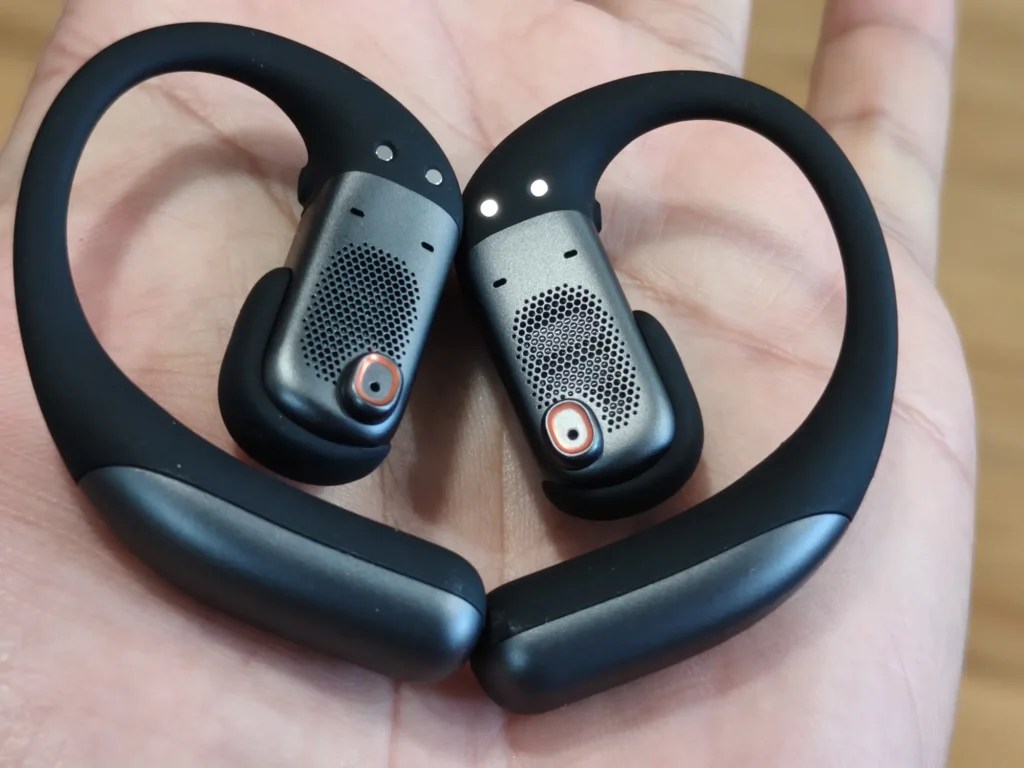
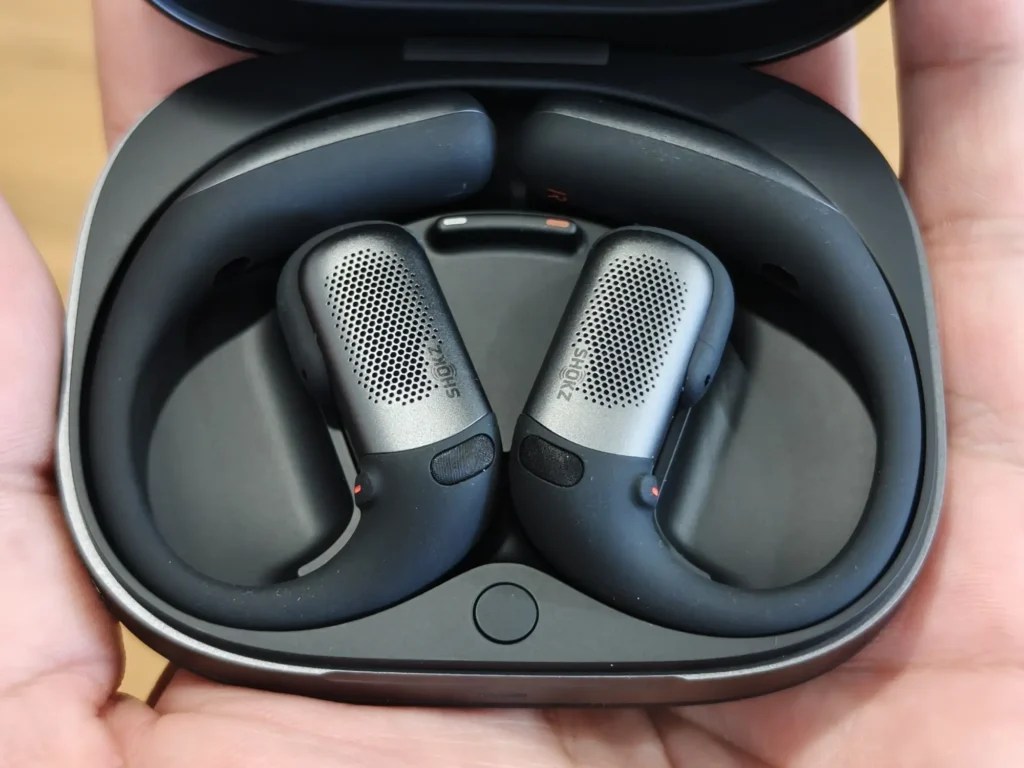
Review: Shokz OpenFit Pro – Open-Ear Technology Confronts Practical Obstacles


We independently review everything we recommend. When you buy through our links, we may earn a commission which is paid directly to our Australia-based writers, editors, and support staff. Thank you for your support!

Quick Read

  • Shokz OpenFit Pro features open-ear noise minimization.
  • Designed for comfort using high-quality materials.
  • Physical buttons have replaced hybrid control methods.
  • Battery life reaches up to 12 hours per charge.
  • Available at $399, launching in January 2026.

Unboxing, Design and Build

The Shokz OpenFit Pro earbuds possess a luxurious feel, underscored by titanium incorporated into the frame. The earbuds feel heftier than earlier versions, and the case has enhanced durability. The Ultra-Soft Silicone 2.0 material guarantees comfort during prolonged usage, while the IP55 rating provides defense against sweat and mild rain.

Specifications

Feature Details
Driver 11 × 20 mm dynamic driver with dual diaphragms
Noise Reduction Open-ear noise minimization utilizing triple microphones and an adaptive algorithm
EQ Five presets alongside two customizable modes
Battery Life Up to 12 hours per charge, 50 hours with the case (halved when noise reduction is on)
Fast Charging 10 minutes for 4 hours of listening
Water Resistance IP55
Colours Black, White
Price $399
Availability Pre-sale starts on 6 January 2026, officially available from 22 January 2026

Noise Reduction

The OpenFit Pro incorporates open-ear noise minimization, a difficult achievement since traditional ANC isn’t feasible. The technology efficiently dampens mid-frequency sounds, making surroundings easier to handle without obstructing awareness. It’s suitable for workplace conversations and gym noise, yet not optimal for public transport or excessively noisy locations.

Sound Quality

Although it’s not tailored for bass-heavy genres, the OpenFit Pro delivers the clearest mid-range sounds among Shokz’s open-ear range. Sound quality is optimal in quieter surroundings, with outside noise impacting performance in more bustling environments.

Controls and Usability

Shokz has shifted to physical buttons, which respond well and offer customization options. Wear sensors provide dependable auto-pause functionality, improving usability during conversations.

Battery Life

The battery can last up to 12 hours per charge, reducing when noise reduction is enabled. Quick charging allows for four hours of playback after just 10 minutes, convenient for quick recharges during breaks.

Who Are These For?

The OpenFit Pro caters to users who require situational awareness, prioritize comfort, and prefer to avoid in-ear pressure. However, it doesn’t meet the needs of those who favor ANC or complete sound isolation.

Verdict

The Shokz OpenFit Pro represents advancement in open-ear audio with effective noise reduction and enhanced controls. While aesthetically premium, the $399 price may not be justified compared to traditional ANC options like the Sony WH-1000XM4.

Summary

The Shokz OpenFit Pro differentiates itself in the open-ear audio landscape with its innovative noise reduction and user-friendly design. Despite its shortcomings in noisy settings and a hefty price tag, it attracts those valuing comfort and situational awareness over full noise cancellation.

Q: What is the main innovation in the Shokz OpenFit Pro?

A: The primary innovation is the open-ear noise reduction that minimizes mid-frequency sounds while maintaining situational awareness.

Q: How does the Shokz OpenFit Pro compare to traditional ANC headphones?

A: While it provides noise reduction, it does not offer complete isolation like conventional ANC headphones, making it less effective in high-noise areas.

Q: Who is the Shokz OpenFit Pro best suited for?

A: It’s ideal for users who need situational awareness, seek comfort, and dislike in-ear pressure, rather than those who want full noise cancellation.

Q: What are the battery capabilities of the OpenFit Pro?

A: The OpenFit Pro provides up to 12 hours of battery life per charge, with rapid charging offering four hours of playback in 10 minutes.

Q: What is the price and availability of the Shokz OpenFit Pro?

A: Costing $399, the OpenFit Pro is available for pre-sale starting 6 January 2026 and will be on sale beginning 22 January 2026.

HUAWEI FreeBuds Pro – Noise Cancelling Wireless Earbuds Review


We independently review everything we recommend. When you buy through our links, we may earn a commission which is paid directly to our Australia-based writers, editors, and support staff. Thank you for your support!

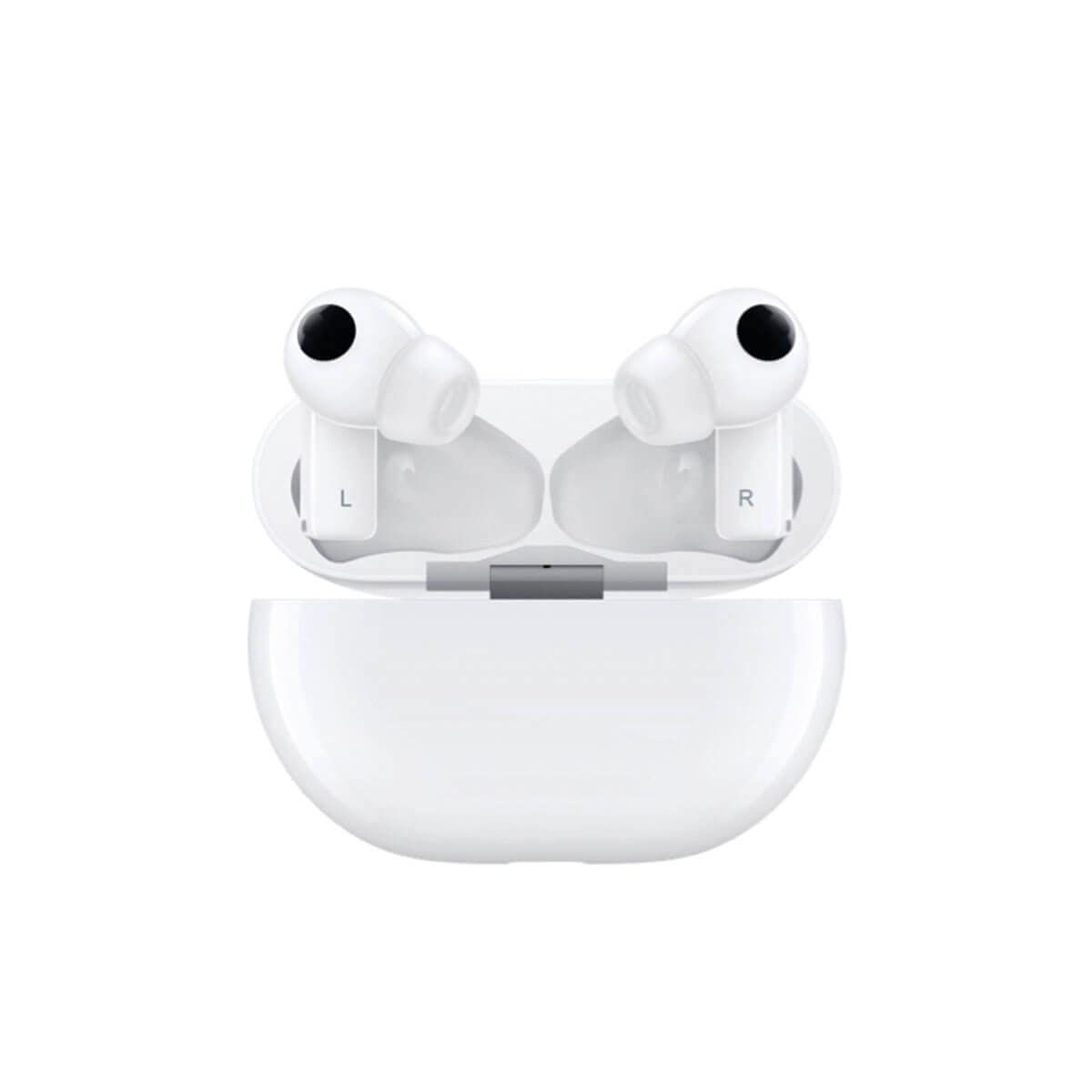
HUAWEI FreeBuds Pro – Noise Cancelling Wireless Earbuds, True Wireless Stereo Bluetooth Earphone with Intelligent ANC, 3-mic System & Quick Wireless Charging, FreeBuds Pro, Ceramic White (AU Version)

Specialists baffled by enigmatic VoidLink Linux malware with ambiguous motives


We independently review everything we recommend. When you buy through our links, we may earn a commission which is paid directly to our Australia-based writers, editors, and support staff. Thank you for your support!

VoidLink: Disentangling the Enigma of Sophisticated Linux Malware

Brief Overview

  • VoidLink is a recently identified Linux malware with a focus on cloud technology.
  • The malware is exceptionally modular, incorporating more than 30 plugins.
  • It is believed to have originated from a development ecosystem linked to China.
  • The intent behind VoidLink is still ambiguous, as no actual implementations have been detected.
  • Cybersecurity specialists advocate for proactive measures against potential risks like VoidLink.

Revealing VoidLink: A New Era in Linux Malware

Experts uncertain about the purpose of the new VoidLink Linux malware

Background and Discovery

Last December, Check Point Software analysts discovered a previously overlooked Linux malware, dubbed VoidLink. This malware appears to stem from a development environment tied to China, raising concerns within the cybersecurity field.

Framework and Features

VoidLink features a highly adaptable and modular architecture. It provides comprehensive command and control functionalities and includes a suite of over 30 plugins. Additionally, the malware incorporates operational security features and can identify primary cloud ecosystems, positioning it as a significant threat.

The Enigma of VoidLink’s Intent

Although it possesses advanced capabilities, the true aim of VoidLink is still enigmatic. No actual deployments have been recorded, indicating that it may still be in development. The detection of debug symbols and other development elements within the binaries supports this hypothesis.

Possible Consequences

Considering its cloud-centric design and sophisticated capabilities, VoidLink could serve multiple functions, ranging from legitimate security testing to potential malicious activities in the underground realm. Organizations are urged to enhance their defenses against such advanced threats.

Conclusion

VoidLink signifies a new phase in the domain of Linux malware, distinguished by its cloud-native strategy and complex architecture. Although its motivations remain uncertain, the discovery highlights the necessity for improved security protocols in both Linux and cloud infrastructures.

FAQ

Q: In what ways does VoidLink differ from conventional Linux malware?

A:

VoidLink is unique due to its cloud-first framework, modular design, and extensive plugin collection, making it more sophisticated than standard malware.

Q: Has VoidLink been utilized in any real-world applications?

A:

No, there have been no confirmed real-world applications of VoidLink to date.

Q: What measures should organizations take to safeguard against threats like VoidLink?

A:

Organizations ought to take preventative steps to secure their Linux, cloud, and container environments and remain alert against advanced threats.

Q: Is VoidLink regarded as a legitimate tool or a threat?

A:

The motives of VoidLink remain ambiguous; it might be utilized for legitimate security testing or for harmful activities.

Q: In what programming language is VoidLink developed?

A:

VoidLink is programmed in Zig, a new language noted for its performance and safety attributes.

JVC Gumy Mini Wireless Earbuds Review


We independently review everything we recommend. When you buy through our links, we may earn a commission which is paid directly to our Australia-based writers, editors, and support staff. Thank you for your support!

JVC HA-Z66T-A Gumy Mini Wireless Earbuds, Small, Ultralight, 3 Sound Modes (Bass/Clear/Normal), Waterproof (IPX4), 23 Hours Battery Life, Bluetooth 5.1, (Blue) HA-Z66T-A-E, in-Ear

Samsung Galaxy Buds3 Pro Bluetooth Headphones White Review


We independently review everything we recommend. When you buy through our links, we may earn a commission which is paid directly to our Australia-based writers, editors, and support staff. Thank you for your support!

Samsung Galaxy Buds3 Pro Bluetooth Headphones White (White) SM-R630