Matthew Miller, Author at Techbest - Top Tech Reviews In Australia - Page 80 of 187

Google’s Mandiant Introduces Complimentary Tool for Salesforce Access Control Auditing


We independently review everything we recommend. When you buy through our links, we may earn a commission which is paid directly to our Australia-based writers, editors, and support staff. Thank you for your support!

Brief Overview

  • Mandiant, a Google-backed security company, has introduced AuraInspector, a tool designed to evaluate Salesforce access control.
  • This tool detects possible misconfigurations in Salesforce settings that might expose confidential information.
  • AuraInspector can be accessed as an open-source command line utility on GitHub.
  • It employs unique methods to circumvent Salesforce’s data access limitations.
  • Salesforce admins are recommended to review user permissions and turn off self-registration.

Presenting AuraInspector: A Novel Salesforce Security Instrument

To enhance the security of Salesforce environments, Mandiant, a security vendor owned by Google, has launched AuraInspector, an open-source command line utility. This new tool is intended to assist organizations in identifying potentially serious access control misconfigurations that could lead to the exposure of sensitive customer information.

Mandiant unveils free Salesforce access control assessment tool

Recognizing the Significance of AuraInspector

AuraInspector automates the identification of configuration mistakes within the Salesforce Aura framework. Such mistakes have previously been exploited, resulting in the exposure of sensitive data in several notable organizations. The tool examines Salesforce deployments from an outside viewpoint, highlighting misconfigurations that might permit unauthorized access to secured records.

Operation of AuraInspector

By leveraging the Salesforce GraphQL API, AuraInspector circumvents the standard 2000 record retrieval limitation, a method that has not been publicly disclosed before. The tool impersonates unauthenticated user access, automatically identifying Aura endpoints and evaluating guest user permissions on sensitive information. It detects Record List components susceptible to unauthorized access and reveals administration interfaces for third-party modules.

Salesforce’s Security Guidelines

Salesforce recommends that administrators assess guest user permissions, ensuring profiles possess only the essential privileges. It is crucial to review sharing rules and organization-wide defaults to protect records. Moreover, disabling self-registration to stop unauthorized account creation is advisable, a function that AuraInspector can help validate.

Open Source Availability and Constraints

AuraInspector can be found on GitHub, but it is not an officially supported product from Google. The public version of the tool intentionally excludes data extraction features to avert misuse, concentrating exclusively on read-only detection without altering target systems.

Conclusion

Mandiant’s AuraInspector represents a significant advancement in enhancing Salesforce environments’ defense against access control misconfigurations. By automating the identification of potential vulnerabilities, it aids organizations in safeguarding sensitive information from unauthorized access.

Q: What is AuraInspector?

A: AuraInspector is an open-source utility developed by Mandiant to assess Salesforce access control configurations.

Q: How does AuraInspector improve Salesforce security?

A: It detects and highlights misconfigurations within the Salesforce Aura framework that may expose sensitive data to unauthorized users.

Q: Is AuraInspector capable of extracting data from Salesforce?

A: No, the tool purposely lacks data extraction functionalities to prevent misuse, concentrating on read-only detection.

Q: Where can I find AuraInspector?

A: AuraInspector is available as an open-source tool on GitHub.

Q: What recommendations does Salesforce provide for securing user permissions?

A: Salesforce suggests auditing guest user permissions, reviewing sharing policies, and disabling self-registration to bolster security.

Apple acknowledges defeat in the AI competition as Google Gemini prepares to improve Siri.


We independently review everything we recommend. When you buy through our links, we may earn a commission which is paid directly to our Australia-based writers, editors, and support staff. Thank you for your support!

Quick Read

  • Apple teams up with Google to upgrade Siri with Google’s Gemini AI.
  • This represents a notable change for Apple, recognized for its vertical integration.
  • Apple’s dependency on Google indicates a setback in its own AI advancements.
  • The updated Siri is anticipated in 2026, necessitating the newest iOS devices.
  • Google’s Gemini AI now operates on over two billion Apple gadgets.
  • Apple stresses the importance of privacy through its Private Cloud Compute.
  • Apple’s alliance with Google may cost up to A$1.5 billion each year.

Apple and Google Join Forces to Upgrade Siri

In an unexpected development, Apple and Google have revealed a partnership to incorporate Google’s Gemini AI into Siri. This collaboration indicates a significant transition for Apple, which has typically maintained dominance over its product ecosystem.

Apple and Google collaboration to enhance Siri

A Clear Sign of Shortcomings

Apple’s choice to collaborate with Google is perceived as a recognition of its limitations in AI advancements. Despite substantial investments, Apple has faced difficulties in enhancing Siri’s functions, leading CEO Tim Cook to pursue external assistance. The partnership underscores Apple’s obstacles in rivaling Google and OpenAI.

A History of Missed Chances

This AI collaboration is among several disappointments for Apple, coming after the termination of the Apple car initiative and lackluster sales of the Apple Vision Pro. The Vision Pro’s premium pricing has constrained its appeal in the market, impacting its success in Australia.

Tim Cook’s Leadership Under Scrutiny

Under Tim Cook’s direction, Apple has thrived in supply chain operations but has fallen behind in AI breakthroughs. The company’s reliance on Google for AI solutions prompts concerns regarding Cook’s capability to guide Apple through technological transitions.

Implications for the iPhone

iPhone users in Australia can anticipate a more intelligent Siri by 2026, leveraging Google’s AI technology. The upgrade will likely necessitate the latest iOS hardware to fully harness its functionalities. The paradox of depending on Google’s intelligence for fundamental features will not escape tech aficionados.

Google Gains the Platform Advantage

While Apple supplies the hardware, Google’s AI now supports the ecosystem, marking a notable achievement for Alphabet. Google’s stock has responded favorably, indicating its bolstered standing in the AI landscape.

Privacy and Cloud Computing

Apple insists that its collaboration with Google will uphold its privacy principles, utilizing Private Cloud Compute. However, this partnership reflects Apple’s transition from being an innovator to a follower in the AI sector.

The Price of Delay

Reports suggest that Apple’s adoption of Google’s Gemini technology could incur costs of A$1.5 billion each year, in addition to its current agreements with Google. This dependence poses a challenge to Apple’s established brand identity.

Summary

Apple’s partnership with Google to enhance Siri using Gemini AI marks a crucial juncture in technology. While it promises enhanced functionality for users, it highlights Apple’s difficulties in AI development and reliance on its primary competitor.

Q: Why is Apple collaborating with Google for AI technology?

A: Apple is joining forces with Google due to its challenges in progressing AI capabilities internally. Teaming up with Google allows Apple to utilize Gemini AI to improve Siri.

Q: When will the updated Siri be accessible to users?

A: The enhanced Siri, powered by Google’s Gemini AI, is anticipated to be available in 2026 as part of a future iOS update.

Q: How does this partnership influence Apple’s privacy protocols?

A: Apple asserts that its privacy measures will remain robust, using its Private Cloud Compute to safeguard user data while integrating Gemini AI.

Q: What are the financial repercussions of this collaboration for Apple?

A: Apple may be obligated to pay up to A$1.5 billion yearly to Google for utilizing Gemini AI, alongside existing financial commitments with Google.

Harry Potter TWS Wireless Earpods Review


We independently review everything we recommend. When you buy through our links, we may earn a commission which is paid directly to our Australia-based writers, editors, and support staff. Thank you for your support!

OTL Harry Potter TWS Wireless Earpods

Defence’s VMware Agreement Rises to $178 Million


We independently review everything we recommend. When you buy through our links, we may earn a commission which is paid directly to our Australia-based writers, editors, and support staff. Thank you for your support!

Defence’s VMware Agreement Reaches $178 Million

Quick Overview

  • Defence extends VMware agreement for $178 million over a three-year period.
  • This deal merges earlier agreements into one comprehensive contract.
  • It encompasses subscription licenses and broader product access.
  • Coincides with Broadcom’s purchase of VMware, affecting licensing expenses.
Defence's VMware agreement reaches $178 million

Detailed Look at the $178 Million Agreement

The Australian Defence Force has notably augmented its investment in VMware technology by entering into a $178 million contract over a three-year duration. This agreement signifies a considerable increase in expenditure relative to prior contracts with the virtualisation provider.

Integration of Previous Contracts

The latest agreement integrates several earlier contracts into one cohesive arrangement, guaranteeing Defence access to a wider assortment of VMware products and services, which includes subscription licenses and enhanced technical support. This tactical decision seeks to refine Defence’s software needs and offer greater value.

Consequences of Broadcom’s Acquisition

Following Broadcom’s acquisition of VMware in 2023, there has been heightened examination of VMware’s licensing expenses. Clients, comprising substantial entities like Defence, are deliberating their choices between remaining with VMware or transitioning to alternative hypervisor solutions.

Conclusion

The Australian Defence Force has finalized a $178 million agreement with VMware to boost its virtualisation capabilities. This contract integrates previous arrangements, providing extended access to VMware’s offerings. This initiative corresponds with efforts to streamline software needs amid changing licensing frameworks post-Broadcom’s acquisition of VMware.

Queries and Responses

Q: What are the key benefits of the new VMware agreement for Defence?

A: The agreement consolidates several contracts into one, allowing for streamlined access to VMware’s entire product and service range, which could enhance efficiency and cost-effectiveness.

Q: Why have VMware’s licensing costs increased?

A: The rise is linked to Broadcom’s acquisition of VMware, which has introduced modifications to the licensing model, influencing pricing structures for clients.

Q: What alternatives exist for organizations thinking about leaving VMware?

A: Organizations might consider other hypervisor technologies like Microsoft Hyper-V, KVM, or Citrix XenServer as viable alternatives.

Q: What is the duration of the new VMware contract?

A: The contract is valid for three years, concluding in December 2028.

Cloudflare DNS Modification Leads to Disruption in Cisco SME Switches


We independently review everything we recommend. When you buy through our links, we may earn a commission which is paid directly to our Australia-based writers, editors, and support staff. Thank you for your support!

Quick Read

  • Cloudflare DNS modification triggered reboot cycles in Cisco SME switches.
  • Worldwide repercussions with devices restarting every 10 to 30 minutes.
  • Disabling DNS resolution or SNTP synchronization halted the issue.
  • Cloudflare rolled back the update to resolve the concern.
  • Models impacted: CBS, C1200, and SG series of switches.
  • Cisco has not yet provided a firmware update to address the issue.

Cisco Switches Affected by Cloudflare DNS Update

A recent worldwide outage impacted users of Cisco small-to-medium business (SME) switches, forcing devices to reboot every 10 to 30 minutes. The problem was linked to a modification in the response behavior of Cloudflare’s DNS server.

Cisco switches impacted by Cloudflare DNS alteration

Troubleshooting Steps

Administrators facing the issue found that turning off DNS resolution or SNTP synchronization on the affected switches stopped the rebooting problem. This issue was mainly seen in devices using Cloudflare’s DNS at 1.1.1.1, identified as the source of the problem.

Cloudflare Responds to the Situation

Cloudflare handled the situation by releasing an incident report on January 9, confirming that they rolled back the software update to restore the conventional record ordering. The update had changed the order of CNAME and non-CNAME records, leading to conflicts with specific DNS client implementations.

Models Affected

The issue affected models within the CBS, C1200, and SG series of Cisco switches. While acknowledging the situation, Cisco has yet to release updated firmware for the devices impacted.

Summary

The unforeseen reboot loops in Cisco SME switches were associated with a Cloudflare DNS update. The shift in DNS response resulted in global disturbances, prompting Cloudflare to reverse the update. Administrators successfully mitigated the issue by disabling DNS resolution or SNTP synchronization, awaiting a firmware update from Cisco.

Frequently Asked Questions

Q: What led to the reboots of the Cisco switches?

A: The reboots were triggered by a Cloudflare DNS update that modified the sequencing of DNS records, affecting certain DNS client implementations present in Cisco switches.

Q: What actions can administrators take to stop the reboots?

A: Administrators can prevent the reboots by disabling DNS resolution or SNTP synchronization on the affected devices.

Q: Has the issue been fixed by Cloudflare?

A: Yes, Cloudflare rolled back the DNS update to restore the standard record ordering, resolving the issue.

Q: Are there particular models that are affected by this problem?

A: Yes, the CBS, C1200, and SG series of Cisco switches were impacted.

Q: Has Cisco issued a firmware update?

A: Currently, Cisco has acknowledged the issue but has not issued a firmware update for the affected models.

Samsung Galaxy Buds3 FE – Black Review


We independently review everything we recommend. When you buy through our links, we may earn a commission which is paid directly to our Australia-based writers, editors, and support staff. Thank you for your support!

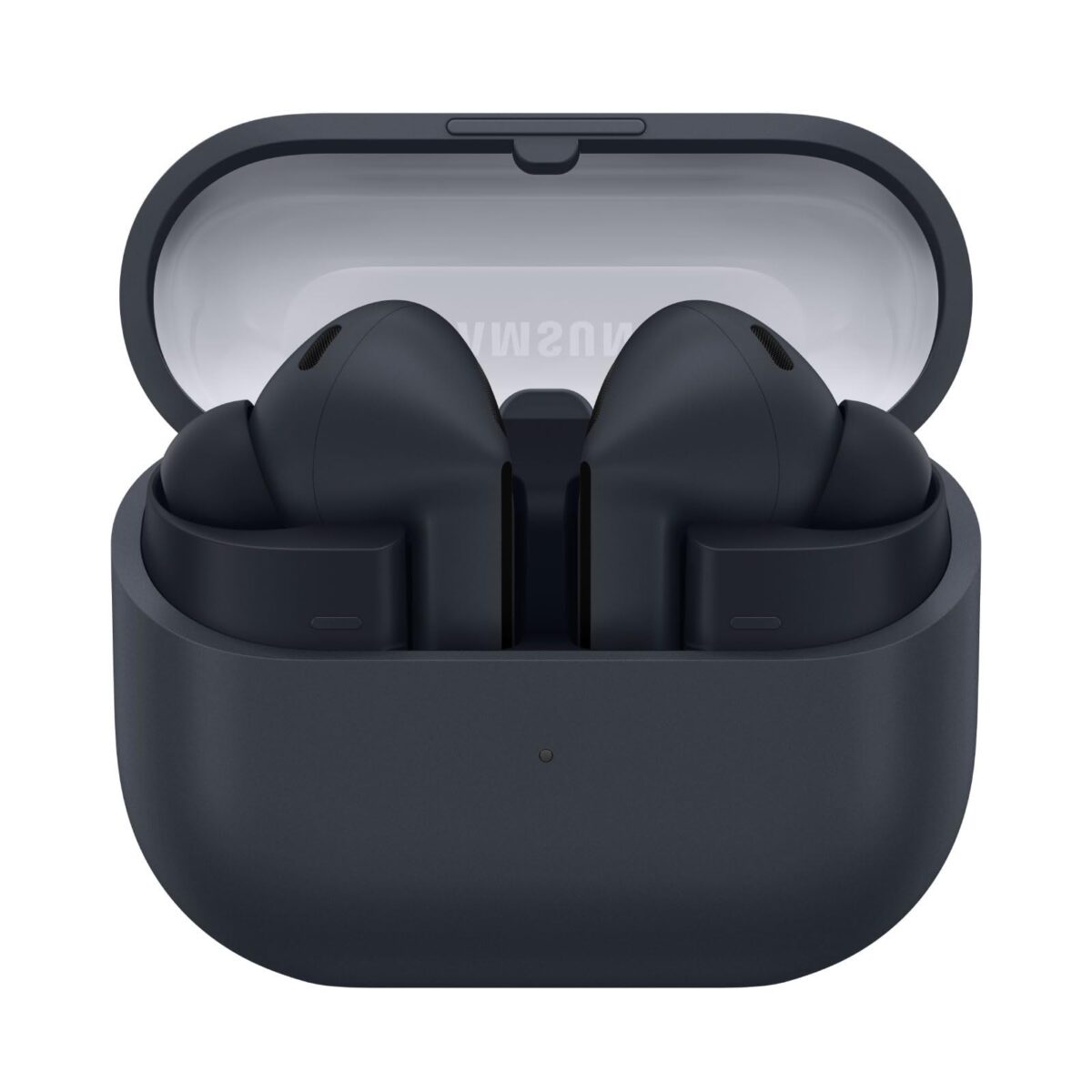
Samsung Galaxy Buds3 FE – Black

China Closing the Distance on US Tech Supremacy Despite Obstacles


We independently review everything we recommend. When you buy through our links, we may earn a commission which is paid directly to our Australia-based writers, editors, and support staff. Thank you for your support!

Advancements and Hurdles in China’s Tech Realm

Brief Overview

  • China is set on bridging the technological divide with the US via innovation and bold strategies.
  • AI startups within China exhibit rising assurance and capital influx, marked by impressive market entrances.
  • The complex field of chip production poses a crucial obstacle for China’s tech sector.
  • Chinese AI companies are creating breakthroughs with limited assets, concentrating on algorithm-hardware integration.
  • Emerging Chinese business leaders are pursuing high-risk opportunities, a movement bolstered by governmental backing.

Momentum in China’s AI Industry

The AI sector in China is experiencing a notable increase in activity and funding, with companies like MiniMax and Zhipu AI achieving significant launches on the Hong Kong Stock Exchange. This signifies a rising trust in China’s capability to innovate and rival American technology.

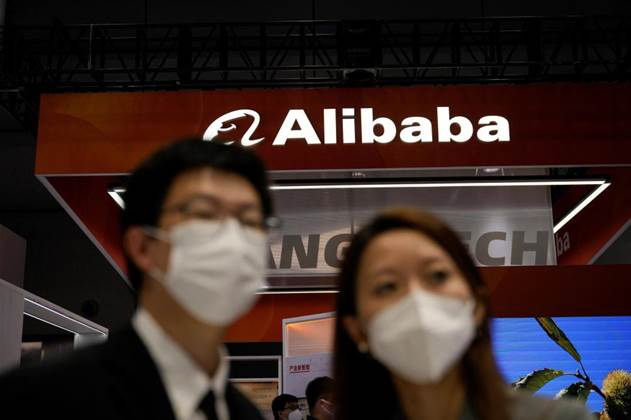
China's tech progress is narrowing the gap with US supremacy

Obstacles in Chip Production

In spite of progress, China’s technological sector confronts challenges, especially in the area of chip manufacturing. The shortage of cutting-edge equipment, like lithography machines, is a major impediment. Although a prototype for an extreme-ultraviolet lithography machine has been crafted, its actual deployment remains doubtful.

Investment Inequalities

Chinese technology leaders recognize that the US maintains a considerable advantage in computing infrastructure, attributed to substantial investments. This disparity poses obstacles for Chinese firms, who must strive for innovation using limited resources, frequently through inventive alternatives like algorithm-hardware integration.

Entrepreneurial Drive and Creativity

The eagerness of Chinese businesspeople to undertake high-risk projects is a promising development, cultivating an atmosphere conducive to innovation. This entrepreneurial drive, historically characterized in Silicon Valley, is increasingly surfacing in China, aided by government measures aimed at fostering technological advancement.

Conclusion

China is making significant progress in reducing its technological distance from the US, propelled by bold initiatives and innovation within the AI landscape. Nonetheless, challenges such as insufficient chip manufacturing capabilities and investment imbalances persist. The entrepreneurial zeal of Chinese innovators, with government support, is essential for tackling these challenges.

Q: What are the key factors fueling China’s technology progress?

A: The main influences driving China’s recent technological progress include innovation, risk-taking, and government assistance.

Q: What obstacles does China face within its technology landscape?

A: The significant challenges consist of a lack of advanced chip manufacturing equipment and considerable gaps in investment compared to the US.

Q: In what ways is China dealing with its chip production hurdles?

A: China is working on prototypes for advanced manufacturing technologies, like extreme-ultraviolet lithography machines, but faces setbacks in implementing them operationally.

Q: What importance do Chinese entrepreneurs hold in the sphere of technological innovation?

A: Chinese entrepreneurs are increasingly turning to high-risk endeavors, which is nurturing a creative environment akin to that of Silicon Valley.

Q: How does the technological infrastructure in the US measure up against that of China?

A: The US possesses a significant advantage in technological infrastructure due to substantial investments, giving it a considerable edge over China.

Q: What innovative techniques are Chinese AI companies implementing?

A: Chinese AI firms are concentrating on algorithm-hardware integration to manage extensive models on smaller, cost-efficient devices.

Q: In what manner is the Chinese government endorsing technological innovation?

A: The government is expediting AI and chip listings while establishing a supportive framework for entrepreneurs to engage in innovative projects.

DTA Warns Against Implementing Lifelong Bans on IT Services Firms


We independently review everything we recommend. When you buy through our links, we may earn a commission which is paid directly to our Australia-based writers, editors, and support staff. Thank you for your support!

Brief Overview

  • The Digital Transformation Agency (DTA) cautions against implementing permanent bans on IT vendors for unethical behavior.
  • Such permanent bans might restrict access to innovative technologies and vital skills.
  • A federal exclusion framework is being contemplated, prompted by the PwC scandal.
  • DTA promotes responses to unethical actions that are sensible and founded on evidence.
  • Due to the fast-paced nature of the tech industry, bans can unintentionally obstruct access to innovations.
  • The DTA underscores the importance of having clear conditions and regular evaluations in exclusion frameworks.
  • The 12-year prohibition on IBM by the Queensland government is noted as a case of unintended repercussions.

DTA Cautions Against Permanent Exclusions of IT Vendors

DTA warns against permanent bans on IT service providers

The Dangers of Permanent Exclusions

The Digital Transformation Agency (DTA) has voiced apprehensions regarding the enforcement of permanent exclusions on IT vendors and service providers due to unethical practices. Such measures could unintentionally inhibit government agencies from gaining access to important emerging technologies or capabilities in the future.

Federal Environment and Scandals

This cautious position arises as the Australian Parliament considers a federal exclusion regime designed to prevent suppliers involved in unethical conduct from competing for government contracts. This initiative is partially a reaction to the PwC scandal, where the consultancy faced exclusion from government engagements due to the improper use of confidential Treasury data.

Proportionate Reactions and Evolving Sector

The DTA advocates for responses to unethical behavior that are reasonable and based on substantiated evidence. It warns that widespread bans could impede access to technological progress or skilled personnel. With a market often relying on a limited number of firms for unique or specialized services, permanent exclusions can disrupt essential operations and increase both costs and risks.

Importance of Effective Exclusion Frameworks

The DTA stresses the necessity of having clear definitions, strong oversight, and specified criteria for the reinstatement of vendors within any exclusion framework. Permanent or indefinite bans, absent periodic assessments, could restrict the government’s access to new solutions, especially in fast-changing tech industries. Clear guidelines regarding the duration and extent of exclusions, accompanied by frequent reviews, are crucial for sustaining both integrity and diversity in the market.

Case Example: IBM Exclusion in Queensland

The DTA points to the recently lifted 12-year exclusion of IBM by the Queensland government as an instance where a singular debarment created challenges for departments and agencies. While the ban aimed to address accountability issues, it stifled competition in the large-scale IT services sector and led to a reduction in the local workforce. Even after the resolution, the ongoing effects of the ban revealed the long-term implications for government procurement and the wider tech industry.

Conclusion

The DTA warns against the implementation of permanent bans for IT vendors due to possible risks and unforeseen effects. It supports proportionate, evidence-driven methods to address unethical conduct and highlights the importance of transparent terms and periodic evaluations in exclusion frameworks. The IBM case in Queensland exemplifies the potential adverse effects of such bans.

Q: Why does the DTA oppose permanent bans on IT vendors?

A: Permanent exclusions might limit access to new technologies and essential skills, while also posing operational risks and unintended outcomes.

Q: What prompted the consideration of a federal exclusion framework?

A: The PwC scandal, involving the misuse of confidential Treasury data, initiated discussions regarding preventing unethical vendors from procuring government contracts.

Q: In what ways can blanket bans impact the technology sector?

A: Blanket bans can obstruct access to technological innovations, disrupt service continuity, raise costs, and limit availability to advanced capabilities.

Q: What does the DTA suggest for an exclusion framework?

A: The DTA urges for clear definitions, strong oversight, stated criteria for reinstatement, and regular evaluations to preserve market diversity and integrity.

Q: What example does the DTA refer to regarding the consequences of bans?

A: The DTA references the 12-year exclusion on IBM by the Queensland government, which diminished competition and impacted the local labor market.

Soundcore AeroFit 2 AI Assistant Open-Ear Headphones Review


We independently review everything we recommend. When you buy through our links, we may earn a commission which is paid directly to our Australia-based writers, editors, and support staff. Thank you for your support!

Soundcore AeroFit 2 AI Assistant Open-Ear Headphones by Anker, Pressure-Free Fit, 2X Richer Bass, Real-Time Translation Earbuds, Hi-Res, 35H Playtime, IP55