
Cleanaway Revamps Network to Link 350 Locations Throughout Australia

We independently review everything we recommend. When you buy through our links, we may earn a commission which is paid directly to our Australia-based writers, editors, and support staff. Thank you for your support!
Brief Overview
- Cleanaway Waste Management is launching an SD-WAN powered by Netskope technology, overseen by Macquarie Technology Group, with completion anticipated by April next year.
- The network is set to facilitate over 350 locations across Australia, with a successful pilot phase finished and 25 locations now operational.
- This enhancement aims to improve video surveillance and incident monitoring for safety, while paving the way for future projects under Cleanaway’s Blueprint 2030 2.0 plan, which includes fleet analytics and AI-driven operations.
Network Upgrade for Improved Connectivity
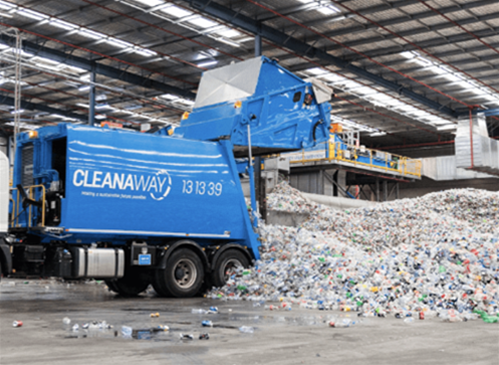
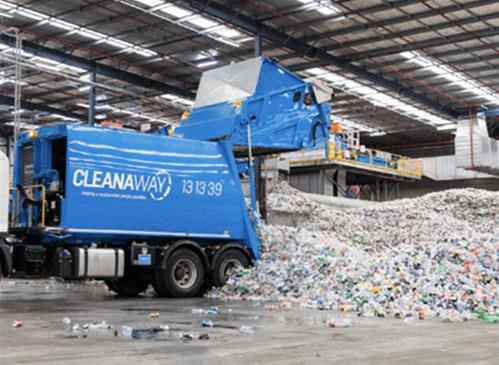
Cleanaway Waste Management is executing a major network upgrade initiative, scheduled for completion by April next year. The ASX-listed waste management firm is implementing a software-defined wide area network (SD-WAN) utilizing Netskope technology, with the rollout overseen by Macquarie Technology Group. This network transformation will serve over 350 sites across the nation, reinforcing Cleanaway’s dedication to dependable connectivity and informed operational decisions.
Successful Pilot and Operational Sites
Having completed the pilot phase, 25 sites are actively utilizing the redesigned network infrastructure. Matt Gurrie, Cleanaway’s IT infrastructure leader, emphasizes how the transformation prioritizes dependable connectivity in their operations. This capability supports quicker and better-informed decisions, critical for the safety of drivers and the community.
Boosted Safety and Monitoring Features
The upgraded network is structured to enhance video capture and monitoring functions across various sites. This improvement assists drivers, waste management experts, and frontline workers in addressing safety incidents such as vehicle fires and waste problems. Information gathered from onboard sensors and cameras is aggregated into a central control room, enabling real-time decision-making to protect drivers and the community.
Future-Ready Network for Blueprint 2030 2.0
In addition to immediate advantages, the network is set to facilitate upcoming projects as part of Cleanaway’s Blueprint 2030 2.0 strategy. This includes innovations in fleet analytics and AI-driven operations, positioning Cleanaway as a leader in technological and operational advancement within the waste management sector.
Overview
The network upgrade by Cleanaway Waste Management is a crucial advancement toward improved safety and operational effectiveness. By implementing an SD-WAN with Netskope technology, Cleanaway aims to connect over 350 sites throughout Australia, reinforcing its commitment to modernized waste management and community safety.
Q: What technology is employed in Cleanaway’s network enhancement?
A: Cleanaway is implementing a software-defined wide area network (SD-WAN) powered by Netskope technology.
Q: How many locations will the updated network accommodate?
A: The network will support more than 350 locations throughout Australia.
Q: When is the network upgrade anticipated to be finalized?
A: The upgrade program is expected to be completed by April next year.
Q: What advantages does the network upgrade offer?
A: The upgrade enhances video capture and monitoring for safety, supports instantaneous decision-making, and facilitates future projects like fleet analytics and AI operations.
Q: In what ways does the network improve safety and monitoring?
A: It enhances video capture and monitoring features, assisting in the management of safety incidents such as vehicle fires and waste challenges.
Q: What does Cleanaway’s Blueprint 2030 2.0 strategy entail?
A: It is a strategic framework for future projects, focusing on advancements in fleet analytics and AI-supported operations.
For additional technology news and updates, visit TechBest.