
Australia considers prohibiting smart glasses in government facilities

We independently review everything we recommend. When you buy through our links, we may earn a commission which is paid directly to our Australia-based writers, editors, and support staff. Thank you for your support!
Quick Overview
- Australia is contemplating a prohibition on smart glasses with cameras in government workplaces.
- Concerns regarding privacy and security are prompting the potential ban.
- International examples include restrictions in schools in Norway and in judicial settings in the UK.
- Discussions with leading Australian corporations on AI regulations are in progress.
- Legal actions against sellers of smart glasses are surfacing in Europe.
Australia Evaluates Privacy and Security in Government Environments
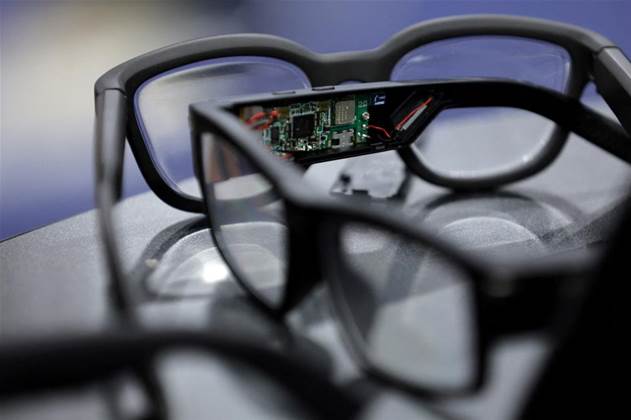
Australia is on the verge of possibly leading the way in regulating smart glasses within government facilities. This effort addresses escalating privacy and security worries linked to these gadgets, which can inconspicuously record video and take photographs.

International Context and Domestic Measures
Although smart glasses can aid the visually impaired, they have been prohibited in educational and judicial contexts in Norway and the UK, respectively. This worldwide trend highlights the devices’ risk of misuse. Australia’s Prime Minister, Anthony Albanese, underscores the significance of upholding digital safety as the nation consults industry leaders like Microsoft and Telstra regarding AI workplace frameworks.
The Government’s and Industry’s Involvement
Katy Gallagher, the Minister for Public Service, has requested guidance on the practicality of imposing restrictions on smart glasses within government contexts. This initiative is part of a larger dialogue about protecting personal information and establishing clear operational standards for public servants.
Legal Challenges and Consequences
In Germany, actions against Meta and other smart glasses producers reflect the increasing scrutiny surrounding these devices. The legal environment is shifting as privacy advocates challenge potential infringements.
Conclusion
Australia’s consideration of a smart glasses prohibition in government buildings demonstrates a forward-thinking approach to digital privacy and security. By collaborating with major enterprises and reflecting on international examples, the country aims to tackle the intricacies of contemporary technology while safeguarding its citizens.














.jpg&h=420&w=748&c=0&s=0)