
US FCC Enhances Rules on Submarine Communication Cables

We independently review everything we recommend. When you buy through our links, we may earn a commission which is paid directly to our Australia-based writers, editors, and support staff. Thank you for your support!
Brief Overview
- The US FCC has imposed greater oversight on undersea communication cables.
- Emerging regulations hinder Chinese firms from providing equipment.
- US businesses such as Meta and Google may gain from accelerated approval procedures.
- The regulations are intended to improve national security and safeguard data.
- China contests these actions, calling on the US to rethink its stance.
Enhanced Oversight on Submarine Cables
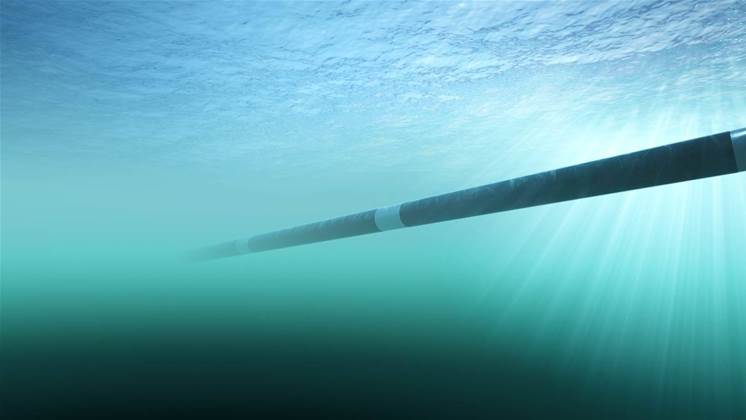
The US Federal Communications Commission (FCC) has made notable strides to strengthen its governance over submarine communication cables, which manage 99% of global international internet traffic. The recent regulations pose challenges for Chinese firms in supplying equipment, while permitting a rapid approval process for reputable US tech companies.
Licensing and Approval Consequences
For the first time, licenses will be necessary for operators of submarine terminal equipment, which is essential for linking these cables to US land facilities. This regulation is set to favor major US corporations such as Meta and Google, as they will benefit from faster approvals for launching new undersea cable systems to accommodate the growing demand for internet traffic.
Security Requirements and Compliance
The FCC has established strict security measures to thwart espionage and various security risks. Businesses must follow these protocols to be eligible for accelerated application approvals. Furthermore, they are required to refrain from using foreign equipment regarded as a security threat, especially from nations identified as adversaries.
Influence on International Relations
The latest regulations could further exacerbate tensions in US-China relations. Companies in China like Huawei and ZTE have already been excluded from providing equipment for US submarine cable systems, and this restriction is likely to expand. The Chinese government has voiced strong dissent against these regulations, calling on the US to take a more constructive stance regarding their bilateral ties.
Conclusion
The FCC’s recent regulations concerning undersea communication cables aim to reinforce national security by mitigating potential threats from foreign adversaries, particularly China. Although this initiative offers advantages to US companies by facilitating approval processes, it could escalate friction with China, which perceives these measures negatively.
Reader questions
Frequently asked questions
Fast answers to the questions readers ask most about US FCC Enhances Rules on Submarine Communication Cables.
What led the FCC to implement these new regulations?
The FCC’s goal is to boost national security and safeguard against espionage and data security risks, particularly from nations such as China and Russia.
How do these regulations benefit US firms?
Entities like Meta and Google may obtain quicker approvals for operating new undersea cables, aiding them in addressing rising internet traffic needs.
Why does China oppose these regulations?
China considers the regulations discriminatory towards its firms and perceives them as part of broader US attempts to curb Chinese influence in the global tech landscape.
What potential repercussions may arise for Chinese companies?
They could encounter heightened challenges in supplying equipment for US submarine cable systems, adversely impacting their business activities and international partnerships.
What might this mean for global internet infrastructure?
The regulations could hinder the rollout of new cables, potentially affecting global internet capacity and connectivity over the long term.
