
Two Australians Charged as Principal Members of TeamPCP Hacking Collective

We independently review everything we recommend. When you buy through our links, we may earn a commission which is paid directly to our Australia-based writers, editors, and support staff. Thank you for your support!
Fast Overview
- Two men from Western Australia, aged 21 and 23, have been charged as alleged primary members of the hacking collective TeamPCP.
- The collaborative effort by AFP, WA Police, and the FBI uncovered TeamPCP’s role in embedding harmful code into open-source software.
- More than 1000 organizations globally may have been affected, resulting in the theft of over 500,000 credentials.
- Cost of remediation could amount to hundreds of millions of dollars.
TeamPCP Hacking Collective Under Scrutiny
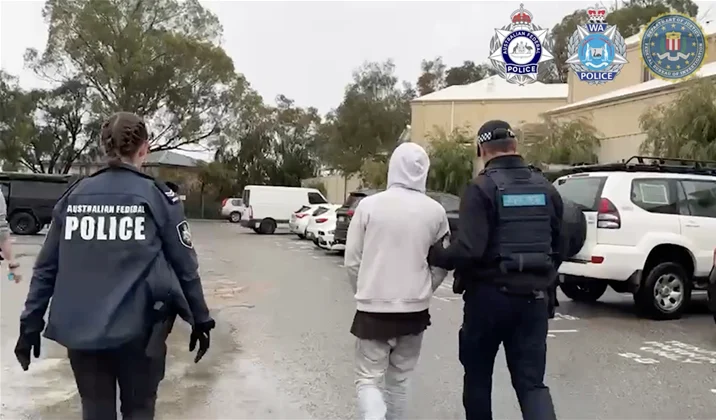
In a remarkable joint initiative, the Australian Federal Police (AFP), WA Police, and the FBI have apprehended two Western Australian men, aged 21 and 23, for their alleged involvement as major players in the hacking group TeamPCP. The operation included searches in Cottesloe, Hamilton Hill, and Mandurah, culminating in charges against Ruben Thomson and Louis Gaebler.
The Extent of TeamPCP’s Cyber Attacks
Officials claim that TeamPCP embedded malicious code into open-source software, jeopardizing over 1000 organizations worldwide. This software was unwittingly incorporated into systems across numerous sectors, including governmental, educational, and private entities. The breach enabled the theft of more than 500,000 credentials and the unauthorized transfer of at least 300 gigabytes of data, with estimated remediation costs reaching into the hundreds of millions.
Targeted Technologies
TeamPCP is recognized for exploiting an open-source vulnerability scanner, LiteLLM’s AI proxy library, and Checkmarx’s GitHub Actions workflows and OpenVSX plugins. These malicious operations underscore the escalating threat of software supply chain attacks that can reverberate across various levels of global technology infrastructures.
Global Collaboration and Industry Engagement
Commander Graeme Marshall from AFP highlighted the significance of global collaboration in combating cybercrime. The partnership with international law enforcement and cyber threat assessment firms was essential in collecting intelligence and initiating a successful investigation. This case emphasizes the necessity for prompt reporting and ongoing collaboration between organizations and law enforcement to lessen the wide-ranging effects of cybercrime.
National Impact and Resilience
On the domestic front, the National Disability Insurance Agency (NDIA) was recognized as a victim of TeamPCP. However, thanks to its solid defense-in-depth strategy, the agency reported negligible impact. This incident serves as a stark reminder of the necessity for layered cybersecurity protocols to fend off advanced cyber threats.
Conclusion
The arrest of two Western Australians associated with TeamPCP represents a pivotal advancement in the fight against global software supply chain attacks. With international collaboration and industry backing, authorities are better equipped to confront the rising threats posed by cybercriminal organizations. The case highlights the crucial role of proactive cybersecurity measures and transnational cooperation in safeguarding organizations and individuals from cyber risks.
Reader questions
Frequently asked questions
Fast answers to the questions readers ask most about Two Australians Charged as Principal Members of TeamPCP Hacking Collective.
What resulted in the apprehension of the two Australians?
The apprehensions came after a joint initiative by the AFP, WA Police, and the FBI, focusing on the hacking group TeamPCP for their involvement in software supply chain attacks.
How did TeamPCP breach organizations?
TeamPCP incorporated malicious code into open-source software, which was subsequently unknowingly utilized by various organizations, resulting in extensive data theft and breaches.
What are the projected repercussions of these cyber attacks?
The attacks likely compromised more than 1000 organizations, leading to the theft of over 500,000 credentials and at least 300 gigabytes of data, with remediation costs estimated in the hundreds of millions.
What role did global cooperation play in this effort?
Global cooperation was vital, with law enforcement agencies exchanging intelligence and resources to efficiently investigate and disrupt TeamPCP’s activities.
How can organizations shield themselves from similar assaults?
Organizations can bolster their cybersecurity by implementing a defense-in-depth strategy, consistently updating software, and promoting collaboration with cybersecurity authorities.
