
Tour Hub Italy Review: A Smarter Way to Plan Rome, Florence, Venice and Milan

We independently review everything we recommend. When you buy through our links, we may earn a commission which is paid directly to our Australia-based writers, editors, and support staff. Thank you for your support!
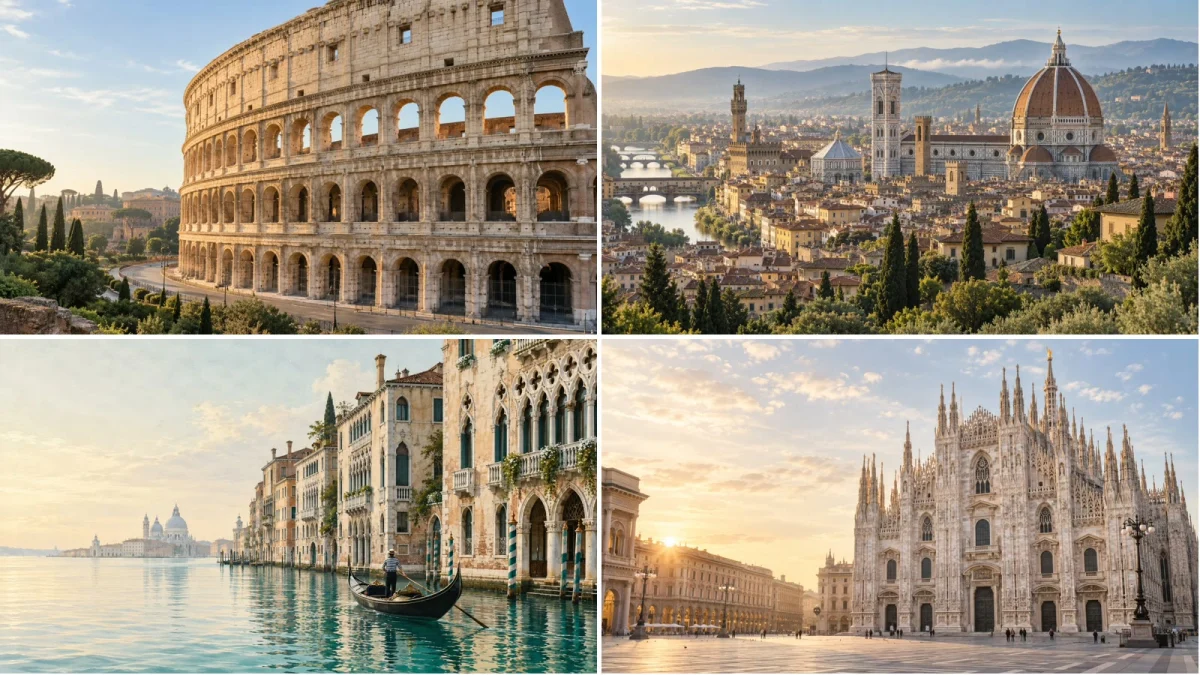
A useful city guide should reduce decision time, not replace one sprawling search with another. Tour Hub gets that balance largely right. Its four Italy-focused sites organise highly rated tours, practical itineraries and local planning advice around the questions travellers actually ask before a trip.
Techbest reviewed the network’s discovery tools, city coverage, editorial guides and booking journey across Rome, Florence, Venice and Milan. The result is a polished starting point for planning an Italian city break, with enough structure to make a crowded market feel manageable.
What is Tour Hub?
Tour Hub is a network of independent travel-publishing sites built around individual destinations. It is not an official attraction website or a tour operator. Instead, each property combines curated experience listings with trip-planning content, then sends travellers to Viator to confirm live availability, final pricing and booking terms.
That distinction is handled more clearly than on many affiliate travel sites. Tour Hub explains that reservations and payments are completed with Viator, while changes, cancellations and operator support are managed through the booking platform. Travellers still need to check the final supplier details, but the handover is not hidden.
Four city guides, each with a useful focus
Colosseum Tour Hub: Rome’s ancient centre
The Rome property starts with the Colosseum, Roman Forum and Palatine Hill, then expands into food experiences, neighbourhood walks and fuller day plans. At the time of review, its discovery page presented 48 experience cards. The supporting journal addresses practical first-visit questions, including what can realistically be seen around the Colosseum in two hours and whether a guided visit is worth the premium.
This is the strongest fit for travellers whose itinerary is anchored by ancient Rome but who do not want to research every surrounding activity separately.
Florence Tour Hub: Renaissance highlights without the clutter
Florence Tour Hub uses the Duomo as its organising landmark, with 42 experience cards available when we checked. It covers cathedral and dome visits, Renaissance art, walking tours, food and practical one-day planning. The editorial material is particularly helpful for separating cathedral access from dome, museum and complex tickets, a distinction that can otherwise be confusing for first-time visitors.
The page hierarchy feels calm and appropriate for Florence: major attractions come first, while dining and shorter experiences remain easy to reach without competing for attention.
Venice Tour Hub: better context for a complicated city
Venice is the destination where a structured guide can save the most time. Venice Tour Hub groups 48 experience cards around St Mark’s Square, the Doge’s Palace, gondola rides, walking tours and lagoon-island excursions. It also tackles useful planning decisions such as shared versus private gondolas and whether Murano and Burano can sensibly fit into one day.
The result is more practical than a generic list of the city’s most booked tours. It helps travellers understand which experiences compete for the same limited time and which ones naturally fit together.
Milan Tour Hub: culture, design and limited-access landmarks
Milan Tour Hub balances the Duomo and rooftop terraces with the Last Supper, Brera, La Scala and broader city experiences. Its 42 experience cards are supported by planning articles about making the most of one day, choosing Duomo access and securing difficult Last Supper time slots.
This property does a good job of showing that Milan is more than a short stop between other Italian cities. The mix of landmark, art and neighbourhood content makes it useful for both first visits and compact weekend itineraries.
The discovery model is simple and effective
All four sites share the same core interface. Travellers can enter a date and number of adults, browse by trip style, search directly, or save experiences for later. Categories such as Plan Your Day, Short Visits, Dining, Walking Tours and Budget provide a faster route than scrolling through an undifferentiated marketplace.
Tour Hub says its featured experiences meet a 4.5-star traveller-rating threshold and have at least 100 reviews. Those criteria do not replace reading recent feedback, but they create a sensible first filter and reduce the likelihood that an untested listing dominates simply because it is new or heavily promoted.
The date filter is also more important than it looks. Availability around the Colosseum, Duomo rooftops, St Mark’s Basilica and the Last Supper can change quickly, so beginning with a realistic travel date is more useful than building a shortlist of experiences that cannot actually be booked.
Editorial planning is the real differentiator
The experience cards are only half of the product. Each site includes a journal, practical FAQs and day-planning material tailored to its city. That editorial layer answers the questions that sit between inspiration and checkout: how long to allow, what requires advance booking, which ticket types include the most important areas, and what can be combined in a single day.
This gives Tour Hub a clearer role than a conventional affiliate list. The network is most useful before a traveller has decided exactly what to book. It creates a workable mental model of the city first, then offers relevant tours once the itinerary has taken shape.
What Tour Hub gets right
- Consistent navigation: learning one Tour Hub site makes the other three immediately familiar.
- City-specific editorial detail: the same design system is adapted to genuine local planning questions rather than filled with interchangeable copy.
- Useful quality thresholds: prominent rating and review-count criteria provide a clear starting filter.
- Transparent booking handoff: the sites explain that final transactions and support sit with Viator and the individual operator.
- Focused scope: each property concentrates on one city, which keeps the experience easier to scan than a country-wide booking marketplace.
Where it could improve
The biggest limitation is reliance on a single booking partner. Tour Hub is effective at narrowing choices within the Viator catalogue, but it is not a broad price-comparison service. Travellers should still compare official attraction tickets and direct operator prices, particularly when cancellation flexibility or a specific access tier matters.
The experience pages could also surface more side-by-side detail before the booking handoff. Clearer comparisons of meeting points, accessibility, group size and exact inclusions would make it easier to distinguish similar tours without opening several listings. A visible “last checked” date on curated collections would add another useful freshness signal.
Finally, no third-party guide should replace official venue information. Opening hours, access rules, identity requirements and restricted areas can change, so important details should always be confirmed with the attraction and booking provider before travel.
Tour Hub review verdict
Tour Hub is a well-organised planning layer for travellers who know the Italian city they want to visit but have not yet worked out the right itinerary. Its strongest idea is not the tour inventory itself; it is the way city-specific guidance, practical FAQs and curated discovery are brought together without making the page feel overloaded.
For Rome, start with Colosseum Tour Hub. Use Florence Tour Hub for the Duomo and Renaissance centre, Venice Tour Hub for lagoon and historic-core planning, and Milan Tour Hub for the Duomo, Last Supper and the city’s wider cultural programme.
The sites work best as a confident first pass: build the shape of the day, compare the details, then confirm the final operator, inclusions, price and cancellation terms before booking.
