
Reasons Why Simply Backing Up Your Microsoft 365 Data Is Insufficient

We independently review everything we recommend. When you buy through our links, we may earn a commission which is paid directly to our Australia-based writers, editors, and support staff. Thank you for your support!
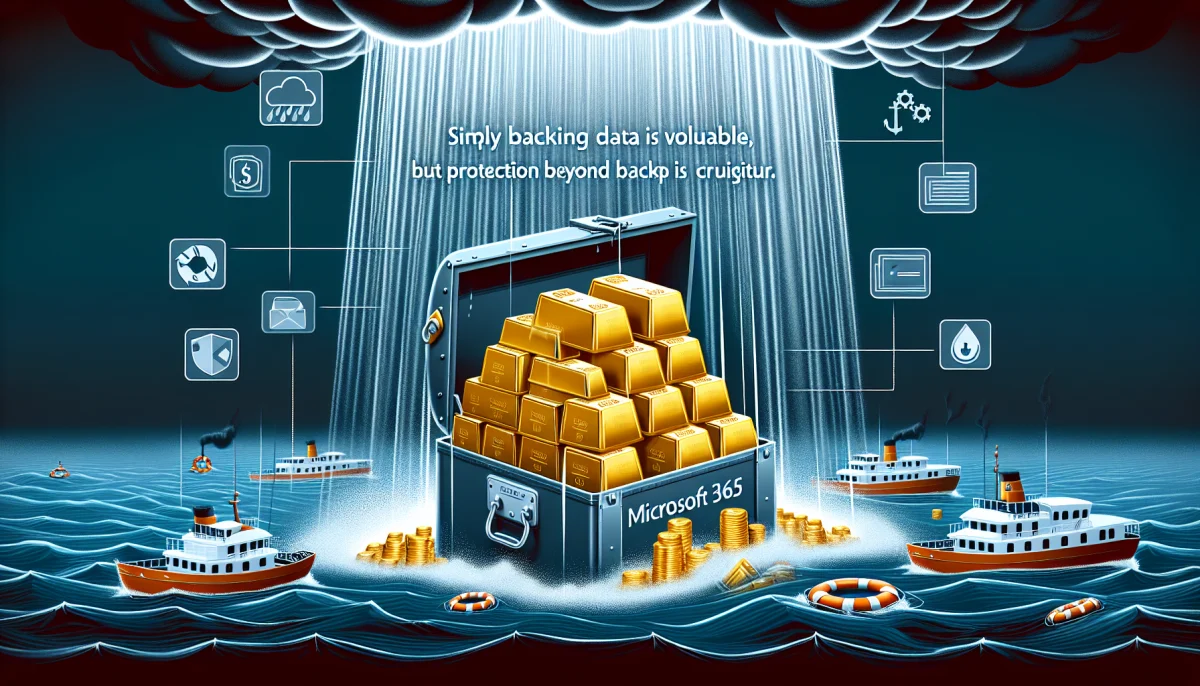
Quick Overview
- Microsoft 365 has transformed into a vital component of business operations, going beyond its earlier role as a suite of web applications.
- The focus of security responsibilities has transitioned from perimeter defense to emphasis on identity and configuration.
- A lack of understanding regarding security duties can result in expensive incidents, even in the absence of data loss.
- Setting a baseline and observing configuration alterations are essential for preserving security.
- Managing privileges is critical to avoid unnecessary access and reduce potential risks.
The Transformation of Microsoft 365
Microsoft 365 has developed from a basic collection of online applications into an essential business resource that merges identity, collaboration, security policy, and workflow. This change has created difficulties for security teams, who must prioritize identity and configuration rather than relying on traditional perimeter-based security frameworks.
Modern Security Responsibilities
As stated by Andrew McAllister, Vice President of APAC Sales at CoreView, numerous organizations have yet to fully comprehend the evolution of security responsibilities. While Microsoft protects the platform, it is the customers who must take charge of their environment’s configuration, access delegation, and governance. Having premium licenses does not exempt them from this obligation.
Implications of Misunderstanding
The dangers of not understanding security responsibilities often surface during emergencies. For example, a financial organization encountered a security breach that necessitated months of reconstructing audit logs, even though no data was lost. This incident underscores the necessity of keeping a clear record of configuration setups.
Creating a Secure Baseline
CoreView recommends establishing a documented baseline, tracking configuration drift, and facilitating change reversion. This practice, similar to server hardening, should be implemented for Microsoft 365 tenants to ensure organizations can swiftly revert to known good states.
The Significance of Privilege Management
The native admin profiles in Microsoft, intended for a wide range of users, frequently grant too much access. This excessive accessibility heightens risk. McAllister stresses the importance of task-specific privilege delegation, permitting administrators access only as necessary, thus improving both security and operational effectiveness.
Conclusion
As Microsoft 365 becomes fundamental to business operations, organizations need to adapt their security strategies. This entails prioritizing configuration management and precise privilege delegation, moving past conventional data backup techniques.
Reader questions
Frequently asked questions
Fast answers to the questions readers ask most about Reasons Why Simply Backing Up Your Microsoft 365 Data Is Insufficient.
Why is merely backing up Microsoft 365 data not sufficient?
Although data backup safeguards against data loss, it fails to address issues related to configuration changes, privilege management, or security breaches.
What are the essential responsibilities of customers using Microsoft 365?
Customers are tasked with managing configuration settings, access delegation, and governance, as Microsoft solely secures the platform.
How can organizations safeguard against configuration drift in Microsoft 365?
It is crucial to establish a documented baseline and continuously monitor for changes to uphold a secure environment.
What does privilege management entail, and why is it significant?
Privilege management consists of granting the minimum necessary access to administrators, curtailing risk and bolstering security.
Does premium licensing exempt customers from security responsibilities in Microsoft 365?
No, even with premium licensing, customers remain responsible for configuration, access, and governance.
How does task-level privilege delegation enhance security?
It restricts administrators to accessing only what is required for their specific role, lowering the risk of excessive access.
