Blog - Page 8 of 256 - Techbest - Top Tech Reviews In Australia

GCAP 2026 Scheduled for October: Marking 20 Years of Australia’s Leading Game Development Conference


We independently review everything we recommend. When you buy through our links, we may earn a commission which is paid directly to our Australia-based writers, editors, and support staff. Thank you for your support!

  • GCAP 2026 set for October 5–7 in Melbourne.
  • Marks two decades of aiding the Australian gaming industry.
  • Core themes consist of future preparedness, industry stature, indie prospects, and data analysis.
  • Networking events will return, following favorable responses from 2025.
  • Speaker proposals are currently accepted for industry experts.
  • The Australian Game Developer Awards will wrap up the event on October 7.
  • Pricing information for tickets still pending; early-bird options anticipated.

What’s occurring at GCAP 2026

Melbourne is poised to take center stage in the gaming arena once more as Games Connect Asia Pacific 2026 (GCAP) makes its return from October 5–7. Coinciding with the Melbourne International Games Week, this year signifies a notable achievement—20 years of GCAP’s impact and development in the Australian gaming arena.

Distinct from standard consumer expos, GCAP serves as a nexus for professionals: developers, producers, and seasoned industry insiders, particularly those at mid-to-senior levels. The themes for 2026 echo the rapidly changing character of the industry:

  • Future Ready – Projecting the next 1–5 years in gaming.
  • I’m Here! – Techniques for standing out in a saturated market.
  • Indie Indie Indie! – Delving into opportunities and best practices for indie creators.
  • Numbers Game – Grasping and utilizing analytics and data.

Participants can look forward to comprehensive discussions, insightful keynotes, and interactive roundtables that go beyond mere fundamentals. Networking continues to be a key element, with organized sessions highly regarded in today’s global market climate.

Speaker submissions are now available

GCAP 2026 is seeking speakers who can resonate with the event’s themes or introduce innovative insights vital for the sector’s advancement. With an emphasis on experienced professionals, expect rigorous criteria for submissions.

AGDAs return to conclude the event

The Australian Game Developer Awards 2026 will conclude the conference on October 7, honoring exceptional accomplishments in Australian game creation. The previous year’s winner, The Drifter by Powerhoof Games, showcases the potential for global recognition, having succeeded at the D.I.C.E Awards.

Ticket pricing and purchasing information

Information regarding ticket prices for GCAP 2026 is still forthcoming. Traditionally, varying tiers such as early bird and standard options have been offered. Tickets will be available through the official GCAP website, with early bird tickets generally providing the best savings.

Celebrating 20 Years of GCAP's Influence in the Australian Gaming Industry

The broader context

Commemorating two decades is a significant accomplishment, particularly in the volatile gaming sector. Amid industry shifts, including job cuts, studio shutdowns, and technological advances (AI innovations, live service models, funding challenges), GCAP 2026 arrives at an important turning point. With the Australian gaming industry reporting $608.5 million in revenue for FY 2025, it’s an optimistic period for gaming in Australia.

More than simply a platform for success stories, GCAP 2026 is set to chart the course ahead, in line with its progressive themes.

Summary

Games Connect Asia Pacific 2026 (GCAP) is poised to be a landmark event, commemorating 20 years of significant influence in the Australian gaming scene. Scheduled for October 5–7 in Melbourne, this year’s conference will concentrate on future readiness, industry positioning, indie opportunities, and data analytics. With speaker submissions open and the Australian Game Developer Awards concluding the event, GCAP 2026 promises to be both a reflective and forward-thinking assembly for industry participants.

Q: What are the dates for GCAP 2026?

A: GCAP 2026 is set for October 5 to October 7, 2026.

Q: What are the primary themes for GCAP 2026?

A: The primary themes are Future Ready, I’m Here!, Indie Indie Indie!, and Numbers Game.

Q: Who is the intended audience for GCAP?

A: GCAP targets developers, producers, and industry specialists, especially those at mid-to-senior levels.

Q: How can someone submit a presentation for GCAP 2026?

A: Speaker submissions are open, and organizers encourage proposals that align with event themes or new industry perspectives.

Q: What event wraps up GCAP 2026?

A: The Australian Game Developer Awards 2026 will conclude the conference on October 7.

Q: When will tickets for GCAP 2026 go on sale?

A: Ticket information is yet to be revealed, but they will be available via the official GCAP website.

Belkin SoundForm ClearFit Open-Ear Wireless Earbuds Review


We independently review everything we recommend. When you buy through our links, we may earn a commission which is paid directly to our Australia-based writers, editors, and support staff. Thank you for your support!

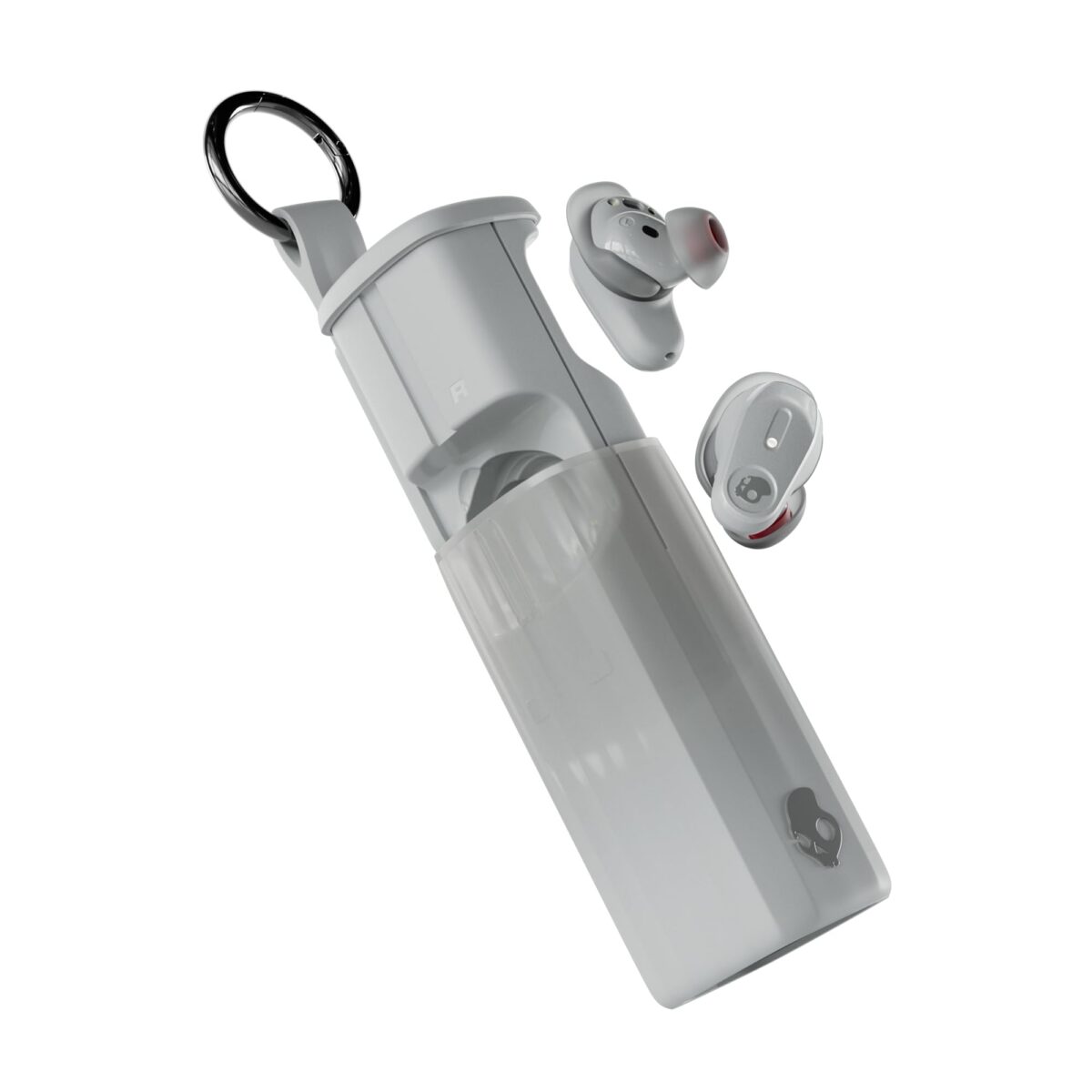
Belkin SoundForm ClearFit Open-Ear Wireless Earbuds, Lightweight Sport Earphones, Bluetooth Earbuds w/Long-Lasting Comfort, IPX5 Waterproof Earbuds for iPhone, Hiking, Biking, Running, & More [Sand]

Syenta Secures AU$40 Million to Address AI Chip Shortage in Australia


We independently review everything we recommend. When you buy through our links, we may earn a commission which is paid directly to our Australia-based writers, editors, and support staff. Thank you for your support!

Syenta’s Groundbreaking Solutions for AI Chip Shortages

Brief Overview

  • Syenta secures AU$40 million to address AI chip shortages both in Australia and worldwide.
  • Establishment of a new office in Arizona, U.S., with former Intel CEO Pat Gelsinger joining as a board member.
  • Breakthrough ‘stamp’ technology cuts manufacturing processes by 40%.
  • Aims for mass production by the year 2028.
  • Funding spearheaded by Playground Global and Australia’s National Reconstruction Fund.

Syenta’s Transformative Manufacturing Technique

Syenta, an Australian semiconductor startup, has garnered attention with its recent AU$40 million funding initiative designed to alleviate the persistent AI chip shortage. The company’s unique manufacturing process is set to greatly simplify the production of cutting-edge AI chips.

Strategic U.S. Expansion

Alongside their successful funding efforts, Syenta intends to open an office in Arizona, strategically positioned close to major manufacturing leaders like Intel and Taiwan Semiconductor Manufacturing Co (TSMC). The inclusion of former Intel CEO Pat Gelsinger on their board highlights their ambitious goals within the semiconductor industry.

The Complexities of AI Chip Packaging

AI chips, typically consisting of several interconnected chips, depend heavily on advanced packaging technology. This has become a significant challenge for developers such as Nvidia and Google, primarily due to the intricate and expensive nature of current manufacturing practices.

Syenta’s Pioneering Approach

CEO Jekaterina Viktorova describes Syenta’s technique as similar to a ‘stamp’, which electrochemically transfers essential copper wiring onto a foundational layer. This methodology reduces production steps by 40% and shortens the process from hours to just minutes, thereby enhancing daily production capacity.

Aspirations for the Future and Industry Influence

Syenta is targeting high-volume manufacturing by 2028, collaborating with various chip designers to enhance and implement their technology. The funding round saw contributions from well-known investors, including Australia’s National Reconstruction Fund and venture capital firms such as Investible and Jelix Ventures.

Conclusion

With its groundbreaking manufacturing process and strategic expansion into the U.S., Syenta positions itself as a pivotal player in addressing the AI chip shortage. Backed by substantial investments and industry expertise, the startup is set to transform semiconductor manufacturing, delivering faster and more efficient solutions.

Q&A

Q: What is Syenta’s innovative manufacturing method?

A: Syenta employs a ‘stamp’ method to electrochemically transfer copper wiring onto a basic layer, reducing production steps by 40%.

Q: Why is Syenta expanding into the U.S.?

A: The move to Arizona places Syenta in proximity to significant manufacturers like Intel and TSMC, promoting strategic partnerships and market development.

Q: Who are the key backers of Syenta’s funding initiative?

A: The funding initiative was primarily led by Playground Global and Australia’s National Reconstruction Fund, among several others.

Q: What potential influence could Syenta exert on the AI chip market?

A: Syenta’s technology has the potential to considerably alleviate manufacturing constraints, boost production output, and enhance supply chain effectiveness.

Q: When does Syenta aim to achieve high-volume manufacturing?

A: Syenta is aiming for high-volume production by 2028.

Q: In what ways does Syenta’s technique differ from conventional methods?

A: Unlike traditional techniques, Syenta’s method involves fewer manufacturing steps and employs a distinctive electrochemical process for transferring copper wiring.

NextDC obtains $1.5 billion to enhance Sydney data centre growth


We independently review everything we recommend. When you buy through our links, we may earn a commission which is paid directly to our Australia-based writers, editors, and support staff. Thank you for your support!

  • NextDC secures A$1.5 billion to enhance data centres in Sydney.
  • Emphasis on catering to AI and cloud service demands.
  • A$15.40 price per new share in a pro-rata entitlement offer.
  • Expansion bolsters Australia’s digital infrastructure.
  • Increased employment and local data hosting for Australian businesses.

NextDC’s Strategic Initiative in the Infrastructure Sector

NextDC, a prominent Australian data centre operator, is making notable advancements in the infrastructure domain. The organization has unveiled a major A$1.5 billion funding initiative aimed at enhancing its growth, with a primary focus on expanding its data centre capabilities in Sydney.

With the surge in demand for digital services, NextDC seeks to fulfill the increasing need for high-caliber local hosting options. This financial strategy positions the company as a key player in Australia’s digital landscape, particularly in response to the escalating requirements of AI and cloud computing.

Propelling the AI Movement in Australia

The tech ecosystem is experiencing a shift, with AI transitioning from basic chatbots to intricate systems that demand significant processing power and cooling solutions. NextDC’s S3 and S4 facilities in Sydney are pivotal to this expansion.

With the newly acquired funds, NextDC can fast-track the development of these locations to serve global technology leaders. This investment emphasizes confidence in Australia’s capacity to support extensive digital infrastructure, granting local companies access to premium latency and dependability.

NextDC's Sydney Data Centre Expansion

Analyzing the A$1.5 Billion Capital Increase

The capital is sourced through a 1-for-6 pro-rata accelerated non-renounceable entitlement offer, prioritizing existing shareholders for new shares priced at A$15.40 each. This favorable pricing renders it an appealing opportunity for current investors.

With this financing, NextDC preserves a robust balance sheet, allowing for assertive infrastructure enhancement. Sydney, being the primary entry point for international subsea cables, is crucial for data centres in Australia. By expanding in Sydney, NextDC reinforces its competitive edge against global rivals.

A Statement from Management

“While the Company continues to experience robust demand for its current data centre inventory, it is also witnessing a notable rise in demand from North American cloud service providers and enterprise clients to address their AI-related needs.” Craig Scroggie, Chief Executive Officer, NextDC.

The transition from conventional web hosting to offering computational power for AI training unveils a new revenue avenue. This expansion is set to create more jobs in NSW and enable Australian startups to keep data onshore, which is essential for compliance and security.

NextDC's Data Centre Infrastructure

Effects on Consumers and Enterprises

Although NextDC primarily serves enterprise clients, enhanced infrastructure benefits consumers by providing more dependable streaming and quicker app response times. Companies considering colocation will discover various service levels tailored to power and rack requirements, with customized pricing through NextDC’s sales networks.

With existing facilities in Sydney, Melbourne, and Brisbane, along with new capabilities rolling out in phases, now is the perfect time for businesses to reassess long-term hosting strategies.

The A$1.5 billion capital increase marks a milestone for a non-mining enterprise in Australia, signifying the increasing significance of data. This ambition reflects a strong future for Australia’s tech landscape, with Sydney positioned as a development center.

For more details, visit https://www.nextdc.com

Overview

NextDC’s A$1.5 billion capital increase highlights its aim to grow Sydney’s data centre capacity, addressing the rising demands of AI and cloud computing. This investment not only fortifies Australia’s digital infrastructure but also ensures local enterprises can maintain data onshore, creating more employment and business prospects in the tech industry.

Q: What is the main objective of NextDC’s capital increase?

A: The main objective is to expand Sydney’s data centre capacity to meet the heightened demands of AI and cloud computing.

Q: How will this expansion affect Australian businesses?

A: It will provide local businesses with premier digital infrastructure, enabling them to host data domestically with enhanced latency and reliability.

Q: Why is Sydney a focal point for NextDC’s growth?

A: Sydney is the primary hub for international subsea cables in Australia, making it a strategic site for data centres.

Q: What does the pro-rata entitlement offer entail for current shareholders?

A: Current shareholders have the primary chance to acquire new shares at a reduced price of A$15.40, making it an attractive investment opportunity.

Q: Will this expansion generate job opportunities?

A: Yes, the expansion is anticipated to create additional jobs in the construction and operation of advanced facilities in NSW.

2Apply Condemned for Employing ‘Dark Patterns’ to Acquire Renters’ Information


We independently review everything we recommend. When you buy through our links, we may earn a commission which is paid directly to our Australia-based writers, editors, and support staff. Thank you for your support!

Brief Overview

  • 2Apply, an Australian rental technology platform, has faced backlash for implementing “dark patterns” to gather excessive personal information from tenants.
  • The Office of the Australian Information Commissioner (OAIC) deemed 2Apply’s methods manipulative and unjust.
  • Employed dark patterns included confirmshaming and biased framing, which coerced tenants into sharing unnecessary details.
  • 2Apply, a subsidiary of InspectRealEstate (IRE), commands a notable segment of the RentTech industry.
  • IRE has consented to limit the data it collects from applicants.
  • The OAIC’s decision marks a pioneering application of “online choice architecture” within the Australian Privacy Principles (APPs).
  • Tenants encounter a power disparity and potential threats to data privacy throughout the rental application process.

2Apply’s Implementation of ‘Dark Patterns’ for Data Gathering

The Australian rental technology platform 2Apply, operated by InspectRealEstate (IRE) based in Brisbane, has come under examination for its data-gathering methods. The Office of the Australian Information Commissioner (OAIC) has found that 2Apply employed manipulative design tactics referred to as “dark patterns” to amass excessive personal information from potential renters.

Definition of Dark Patterns

Dark patterns refer to design tactics designed to sway user actions in a manner that benefits the organization collecting data, often detrimentally affecting the user. In 2Apply’s situation, strategies such as “confirmshaming” and biased framing were utilized. Applicants were misled into thinking that providing additional information would speed up their application, whereas withholding details could jeopardize their chances.

Privacy Issues and Online Choice Architecture

This instance is the first time the OAIC has employed the concept of “online choice architecture” to evaluate whether personal data was gathered in a just manner under the Australian Privacy Principles (APPs). Commissioner Carly Kind underscored the power disparity renters confront, particularly during a housing crisis, which renders them susceptible to such manipulative techniques.

Broader Industry Effects

2Apply, with its substantial presence in the market, is not isolated in the RentTech sector. There are additional platforms, and the OAIC has encouraged all to scrutinize their data collection practices to ensure equity and necessity. This decision establishes a benchmark for how digital forms should arrange choices to influence user actions without unethical manipulation.

Response of 2Apply and Future Steps

In light of the OAIC’s conclusions, IRE has committed to modifying its data collection practices. While not admitting any wrongdoing, IRE will discontinue collecting certain personal attributes like gender, student status, and smoking habits, among others. Nevertheless, they have not consented to stop gathering other types of information viewed as unnecessary by the privacy commissioner.

IRE’s Future Actions

IRE can appeal the OAIC’s decision at the Administrative Review Tribunal within 28 days. This situation might lead to wider changes regarding how rental platforms manage personal information and the transparency required in their data gathering procedures.

Conclusion

The OAIC’s ruling against 2Apply emphasizes the dangers and ramifications of employing dark patterns in data collection. It highlights the necessity for transparent and equitable practices within the RentTech sector, especially against the backdrop of current housing market difficulties. Renters should be informed about their rights and the data they are obligated to provide during application processes.

Q: What are ‘dark patterns’?

A: Dark patterns are deceptive design strategies used to steer user behaviour, typically benefiting the data collector while disadvantaging the user.

Q: Why is the OAIC’s ruling important?

A: It represents the inaugural application of “online choice architecture” by the OAIC to evaluate data collection methods under the Australian Privacy Principles, establishing a precedent for designing digital forms.

Q: What adjustments has IRE agreed to implement?

A: IRE has agreed to limit the types of personal data gathered, including stopping the collection of information regarding gender, student status, and smoking habits.

Q: Is an appeal to the OAIC’s ruling possible for IRE?

A: Yes, IRE has the ability to appeal the decision at the Administrative Review Tribunal within 28 days.

Q: What implications does this have for other RentTech providers?

A: The ruling encourages all RentTech entities to reevaluate and potentially alter their data collection strategies to guarantee that they are both necessary and equitable.

Q: How can renters safeguard their data?

A: Renters should be cautious about the information they share, understand their rights, and challenge the necessity of data requested during application processes.

ASIC and APRA are closely monitoring Anthropic’s Mythos.


We independently review everything we recommend. When you buy through our links, we may earn a commission which is paid directly to our Australia-based writers, editors, and support staff. Thank you for your support!

Regulators Observe Anthropic’s Mythos AI Model

Regulators Observe Anthropic’s Mythos AI Model

Brief Overview

  • Australian financial authorities are attentively observing the AI model Mythos for cybersecurity threats.
  • ASIC and APRA are analyzing the market implications of Mythos.
  • Hong Kong, South Korea, and Singapore are also assessing the model’s influence on financial systems.
  • Regulators seek to guarantee the safety and resilience of financial systems against AI-related risks.

ASIC and APRA’s Oversight

The Australian Securities and Investments Commission (ASIC) and the Australian Prudential Regulation Authority (APRA) are diligently overseeing Anthropic’s AI model, Mythos. Owing to its sophisticated coding capabilities, Mythos is able to detect cybersecurity weaknesses, leading regulators to evaluate its market consequences. ASIC anticipates that financial service providers will take initiative in protecting clients, while APRA concentrates on the maintenance of the financial system’s security and resilience.

Proactive Steps from Hong Kong

The Hong Kong Monetary Authority (HKMA) is also alert to AI-driven cybersecurity threats like Mythos. It intends to implement a cyber resilience testing framework to improve banks’ responsiveness. Furthermore, a new public-private taskforce will be formed to tackle AI-related cyber hazards.

South Korea’s Actions

South Korea’s Financial Supervisory Service (FSS) recently gathered with financial institutions to deliberate on risks associated with Mythos. The Financial Services Commission (FSC) conducted an emergency session, underscoring the urgency in addressing the potential dangers presented by the AI model.

Singapore’s Tactical Approach

The Monetary Authority of Singapore (MAS) acknowledges that advancements in AI could accelerate the identification of software vulnerabilities. MAS is collaborating with the Cyber Security Agency of Singapore to enhance protections for critical infrastructure operators against potential AI-driven threats.

Conclusion

As AI technologies like Anthropic’s Mythos evolve, financial regulators throughout Australia and Asia are taking decisive actions to safeguard cybersecurity. With the challenges presented by Mythos’s capabilities, these regulatory organizations are establishing frameworks and taskforces to shield financial systems from AI-related dangers.

Q&A

Q: What is Anthropic’s Mythos AI model?

A: Mythos is an advanced AI model created by Anthropic, equipped with high-level coding abilities that can potentially pinpoint cybersecurity vulnerabilities.

Q: What are the concerns of regulators regarding Mythos?

A: Regulators are worried about Mythos’s capability to exploit cybersecurity vulnerabilities, which could threaten financial systems.

Q: What steps are ASIC and APRA taking?

A: ASIC and APRA are observing Mythos and its market effects while urging financial institutions to strengthen cybersecurity actions.

Q: How is Hong Kong managing AI-driven cybersecurity threats?

A: Hong Kong is developing a cyber resilience framework and establishing a taskforce to manage and mitigate AI-induced cyber risks.

Q: What strategies has Singapore put in place?

A: Singapore’s MAS is working with the Cyber Security Agency to assist infrastructure operators in enhancing their cybersecurity measures against AI threats.

NSW Treasury Staff Member Alleged to Have Illegally Obtained 5,600 Confidential Documents


We independently review everything we recommend. When you buy through our links, we may earn a commission which is paid directly to our Australia-based writers, editors, and support staff. Thank you for your support!

NSW Treasury Data Breach: What Occurred?

Brief Overview

  • NSW Treasury staff member alleged to have taken over 5,600 confidential documents.
  • The documents hold private commercial and financial details.
  • Incident identified via internal security surveillance.
  • NSW Police cybercrime unit apprehended a 45-year-old male regarding the breach.
  • No outside compromise of the agency’s systems has been reported.
  • NSW’s chief cyber security officer is overseeing a statewide reaction.

Data Breach Detected via Internal Surveillance

NSW Treasury employee purportedly exfiltrated 5600 confidential documents

The NSW Treasury faced serious allegations of a significant data breach involving the extraction of over 5,600 confidential documents. Detected through internal security monitoring, the breach was reported to NSW Police, who have subsequently arrested a 45-year-old man linked to the incident.

The Magnitude of the Breach

NSW Treasurer Daniel Mookhey disclosed that the breach involved a considerable trove of documents spanning several state departments and initiatives. These documents contained vital commercial and financial data, rendering the breach especially alarming.

Prompt Response from Authorities

After the breach was reported, the NSW Police cybercrime unit acted swiftly, resulting in the arrest of the suspect in Sydney’s central business district. Electronic equipment, including a hard drive, was confiscated during a raid at a residence in Homebush West. The suspect, a member of the NSW Treasury’s commercial team, has been charged and is scheduled to appear in the Downing Centre Local Court.

Security Protocols in Place

This incident has triggered a comprehensive agency response directed by the NSW chief cyber security officer as part of the state’s cyber security strategy. Officials have assured the public that there is no present effect on NSW government services and that all allegedly stolen data has been secured.

Conclusion

The NSW Treasury data breach underscores the persistent difficulties regarding cyber security in government entities. With rapid action from internal monitoring systems and law enforcement, the breach was managed without affecting external networks. The occurrence highlights the necessity for strong cyber security measures and preparedness to tackle potential threats.

Q: What initiated the investigation into the data breach?

A: The inquiry was initiated by internal security monitoring identifying a suspected transmission of confidential documents to an outside server.

Q: How did the authorities react to the breach?

A: The NSW Police cybercrime unit apprehended a suspect and confiscated electronic devices. The agency’s chief cyber security officer coordinated a comprehensive response.

Q: What type of information was compromised?

A: The documents breached included confidential commercial and financial information from various NSW government departments.

Q: Is there any effect on public services?

A: Officials have confirmed that there is no ongoing impact on NSW government services due to the breach.

Q: What actions are being taken to avert future breaches?

A: The state’s cyber security plan is being implemented, which includes improved monitoring and a coordinated reaction to potential threats.

Wodonga Scores Big with Indigo Power’s Community Battery at the Cricket Ground


We independently review everything we recommend. When you buy through our links, we may earn a commission which is paid directly to our Australia-based writers, editors, and support staff. Thank you for your support!

Quick Read

  • Wodonga unveils a significant solar and battery project at Cricket Albury Wodonga Indoor Stadium.
  • Indigo Power’s initiative integrates 482 kWh battery storage with solar power generation of 98 kW.
  • Collaboration with Patagonia enhances regional energy self-sufficiency and sustainability objectives.
  • The Victorian Government’s 100 Neighbourhood Batteries Program supports this effort.
  • A community energy model enables local residents and lowers energy expenses.
  • Indigo Power broadens its regional network through new community battery initiatives.

Wodonga’s Advancements in Renewable Energy

Wodonga is advancing in renewable energy through Indigo Power’s notable solar and battery installation at the Cricket Albury Wodonga Indoor Stadium. This venture is more than merely reducing costs; it signifies a groundbreaking strategy for local energy management.

The Technology Behind the Success

The technical details of the project are impressive for a community-driven effort. The stadium features a 482 kWh battery storage system and a 100 kW inverter, along with 98 kW of solar power generation, ensuring energy sustainability during peak demand.

Wodonga's community battery and solar panels at cricket stadium

Boosting Local Cricket and Global Initiatives

The financial feasibility of the project is ensured through a distinctive partnership with Patagonia, which endorses its Australian activities and renewable aspirations. Savings from enhanced energy efficiency are redirected into local cricket programs.

Support from the Victorian Government

The 100 Neighbourhood Batteries Program of the Victorian Government endorses this project, advocating for energy storage solutions across the state to improve reliability and cut costs, positioning Wodonga at the forefront of decentralised energy networks.

Strengthening Resilience and Community Benefits

This facility provides crucial backup power, bolstering local resilience against grid fluctuations. Indigo Power prioritises community impact by keeping economic benefits local rather than sending profits elsewhere.

“This project unites community, business, and government to create tangible outcomes.”

The Importance of Community Energy

Community energy projects like this tackle challenges to solar adoption, providing shared resources that empower local citizens and transform facilities into community energy centers.

Growing a Successful Regional Network

Indigo Power’s network is expanding, with new community batteries in Beechworth, Myrtleford, Yackandandah, and Yarra Junction, enhancing grid stability and regional energy security.

For additional details, visit indigopower.com.au.

Summary

The new solar and battery project at the Cricket Albury Wodonga Indoor Stadium signifies a major progress in regional renewable energy. Backed by Indigo Power and the Victorian Government, this initiative showcases a successful community energy model, offering advantages to local residents and businesses. As Indigo Power continues to grow its regional network, it establishes a standard for sustainable energy solutions throughout Australia.

Q: What is the primary objective of the Wodonga project?

A: To improve regional energy independence and sustainability through solar and battery technology.

Q: How does the collaboration with Patagonia benefit the project?

A: It offers financial assistance and aids Patagonia in reaching its renewable energy objectives.

Q: What role does the Victorian Government’s initiative play?

A: It supports the project through the 100 Neighbourhood Batteries Program, advocating for energy storage strategies.

Q: What effect does this project have on local cricket in Wodonga?

A: Savings from energy costs are reinvested in local cricket activities, improving community sports.

Q: Why is community energy crucial?

A: It enables residents to overcome obstacles to solar adoption and take control of local energy production.

Q: What other regional initiatives has Indigo Power launched?

A: Indigo Power has initiated community battery projects in Beechworth, Myrtleford, Yackandandah, and Yarra Junction.

Google Launches Gemini AI and Nano Banana 2 on Chrome for Australians


We independently review everything we recommend. When you buy through our links, we may earn a commission which is paid directly to our Australia-based writers, editors, and support staff. Thank you for your support!

Google’s AI Breakthrough in Australia

Quick Overview

  • Google has introduced innovative AI features for Chrome users in Australia.
  • Gemini AI seamlessly integrates with Chrome to boost productivity.
  • Nano Banana 2 provides rapid image editing capabilities right in the browser.
  • These features are accessible at no cost, with premium options available for advanced users.
  • This deployment highlights the significance of Australia in Google’s global initiatives.

Gemini: Your Integrated Assistant

The comprehensive integration of Gemini in Chrome’s side panel delivers a personalized assistant that comprehends the context of your browsing session. Whether it’s summarizing lengthy documents or comparing data across tabs, Gemini is set to become an essential tool for users in Australia.

Seamless Google Workspace Integration

Gemini optimizes workflow through its seamless connection with Google Workspace. From arranging events in Google Calendar to replying to emails in Gmail, this feature allows you to handle routine tasks without leaving your current webpage.

“Across the nation, users will now benefit from more intelligent and supportive AI-powered assistance built directly into Chrome.”Google Australia Representative, Google Australia.

Nano Banana 2 Introduces Rapid Image Editing in the Browser

For creative individuals, Nano Banana 2 transforms web-based image editing. This tool allows users to modify images in real-time with simple text commands, streamlining what used to be a complex process.

Cost and Availability in Australia

These features are being rolled out across Australia for free, with options to upgrade to AI Plus at A$12.49 per month or AI Ultra at A$409.99 per month for enhanced features and enterprise use.

Impact on the Australian Tech Scene

Google’s early introduction of these features in Australia underscores the importance of the local market. By incorporating AI tools directly into the browser, Google is converting AI from a specialized tool into a common utility.

Getting Started with AI in Chrome

To utilize these features, make sure your Chrome browser is up-to-date. Look for the Gemini icon in the side panel to start engaging with the assistant, or try out image editing using Nano Banana 2 prompts.

Conclusion

Google’s launch of Gemini AI and Nano Banana 2 in Chrome represents a major advancement for users in Australia, combining convenience and state-of-the-art technology. Whether managing everyday tasks or delving into creative projects, these features are set to enhance digital experiences universally.

Q&A

Q: What new AI features are available in Chrome for Australians?

A: The new features include Gemini AI for increased productivity and Nano Banana 2 for rapid image editing directly within the browser.

Q: How do these AI tools work with Google Workspace?

A: Gemini AI can coordinate event scheduling in Google Calendar, look up locations on Google Maps, and compose emails in Gmail without leaving the current webpage.

Q: Are there any fees for these new features?

A: The basic features are free, but Google provides AI Plus and AI Ultra subscriptions for advanced functionalities at A$12.49 and A$409.99 per month, respectively.

Q: Why is this rollout important for the Australian tech market?

A: This rollout illustrates Google’s dedication to Australian users and strives to make AI more accessible and integrated into everyday activities.

NEXTDC reveals a $1.5 billion increase to accelerate the expansion of the Sydney data centre


We independently review everything we recommend. When you buy through our links, we may earn a commission which is paid directly to our Australia-based writers, editors, and support staff. Thank you for your support!

Quick Read

  • NEXTDC is set to secure $1.5 billion to speed up the growth of its S4 Sydney data centre.
  • Current shareholders can buy new shares at a price of $12.70 each.
  • Canada’s La Caisse has boosted its initial $1 billion investment by adding $700 million.
  • The projected capacity of the S4 facility is expected to hit 350 megawatts.
  • Capital expenditure for the fiscal year 2026 is now forecasted to be between $2.7 billion and $3 billion.
  • As of March 31, pro forma contracted utilisation surged by 60% to 667 MW.
  • Citi analysts view the capital raise as a favorable sign of robust demand.

Accelerating the Deployment of the S4 Sydney Data Centre

NEXTDC has revealed its intention to raise $1.5 billion in order to hasten the rollout of its S4 Sydney data centre, situated in Horsley Park. The company seeks to synchronize this growth with its original delivery schedules, indicating a major advancement in its operational abilities.

NEXTDC to raise $1.5 billion to accelerate Sydney data centre rollout

File photo.

Entitlement Offering and Investment

The fundraising initiative includes an entitlement offer that enables existing shareholders to obtain new shares at $12.70 each, reflecting a ratio of about one new share for every 5.4 shares held. This effort is supported by an extra $700 million investment from Canada’s La Caisse, which adds to its prior commitment of $1 billion.

Strategic Expansion and Capacity Growth

CEO Craig Scroggie emphasized the chance to greatly increase NEXTDC’s contracted capacity, mitigating risks tied to the company’s developments in Western Sydney. As of March 31, pro forma contracted utilisation, which calculates the total power capacity officially committed by clients, has risen by approximately 60% to 667 megawatts, compared to forecasts for December 2025.

Future Investments and Infrastructure Development

In line with its growth aspirations, NEXTDC has revised its fiscal 2026 capital expenditure forecast upward by $300 million, now set between $2.7 billion and $3 billion. These resources will be allocated for accelerating the build-out of inventory and securing equipment for the S4 facility, which will feature a capacity of 350 megawatts.

Capital Partnerships and Market Outlook

NEXTDC is actively seeking capital partnership opportunities for its Western Sydney projects involving third-party investors. Citi analysts have commended the equity raise and enlarged hybrid issuance, seeing them as signs of a healthy demand environment and NEXTDC’s capability to acquire substantial hyperscale contracts.

Summary

The $1.5 billion capital raise by NEXTDC is a calculated maneuver to expedite the establishment of its S4 Sydney data centre. By bolstering its financial and operational strength, the company is well-equipped to address the increasing demand and solidify its standing in the competitive data centre industry. The backing of prominent investors like Canada’s La Caisse highlights the confidence in NEXTDC’s growth path and long-term outlook.

Q: What is the intent behind NEXTDC’s $1.5 billion capital raise?

A: The capital raise is designed to accelerate the rollout of the S4 Sydney data centre and synchronize it with initial delivery timelines.

Q: How can current shareholders engage in the capital raise?

A: Current shareholders are able to secure new shares at $12.70 each, at a ratio of about one new share for every 5.4 shares they own.

Q: What effect will the S4 facility have on NEXTDC’s capacity?

A: The S4 facility will possess a capacity of 350 megawatts, significantly enhancing NEXTDC’s contracted utilisation.

Q: In what way has Canada’s La Caisse contributed to NEXTDC’s growth plans?

A: Canada’s La Caisse has pledged an additional $700 million, following its initial $1 billion commitment, to aid NEXTDC’s expansion.

Q: What are Citi analysts’ views on NEXTDC’s equity raise?

A: Citi analysts have reacted positively to the equity raise, indicating it reflects a strong demand climate and underscores NEXTDC’s ability to secure major hyperscale contracts.