Blog - Page 261 of 269 - Techbest - Top Tech Reviews In Australia

Nothing Ear (a) Earbuds White Review


We independently review everything we recommend. When you buy through our links, we may earn a commission which is paid directly to our Australia-based writers, editors, and support staff. Thank you for your support!

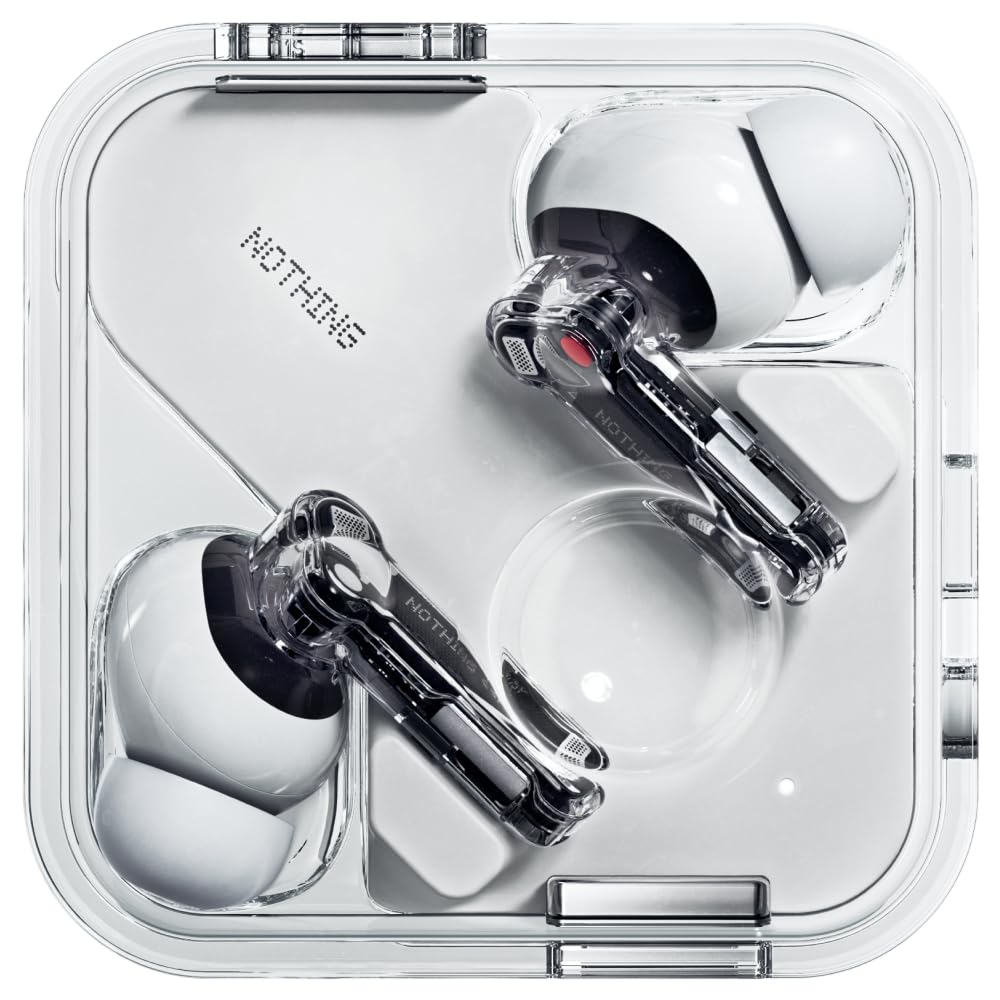
Nothing Ear (a) Earbuds White, with ChatGPT integration, 45 db ANC, Bass Enhance Algorithm, Up to 42.5 Hours Listening Time

Discover New Strategic Value: The Influence of the Essential Eight on Businesses


We independently review everything we recommend. When you buy through our links, we may earn a commission which is paid directly to our Australia-based writers, editors, and support staff. Thank you for your support!

Discover New Strategic Value: The Influence of the Essential Eight on Businesses

Quick Read

  • The ACSC’s Essential Eight framework has the potential to establish Australia as a leader in cyber security.
  • 38% of information technology leaders anticipate a rise in cybersecurity budgets for 2026.
  • Businesses ought to steer clear of merely ticking boxes and instead embrace a strategic approach to compliance.
  • Privileged Access Management (PAM) can improve security and productivity.
  • Using a platform strategy could help avoid expensive vendor consolidations in the future.
  • Taking a comprehensive approach to the Essential Eight will enhance value and maintain continuous compliance.
The Essential Eight Is An Opportunity To Drive New Strategic Value Into The Enterprise

The Expense and Intricacy of Cybersecurity

One of the main challenges related to the ACSC’s Essential Eight framework is the increased cost. Research conducted by Andrew Milroy at Focus Network revealed that 38% of IT leaders anticipate a rise in their cyber security budgets for 2026. The Security Leader’s Peer Report by Panaseer indicates that enterprise security teams typically utilize an average of 76 security tools. In Australia, most companies are positioned between stage one (“focus on prevention alone”) and stage two (“limited access management and visibility across the network”) on the four-stage path to achieving cyber security maturity.

This could result in an increase in tools aimed at enhancing cyber security maturity, which could introduce complexity and inefficiencies amid Australia’s unprecedented shortage of cyber security professionals. Businesses need to implement a strategic plan to comply with the Essential Eight framework and advance their cyber security maturity rapidly.

Tactical Adherence and Absolute Trustworthiness

Meeting the requirements of the Essential Eight should extend past merely fulfilling checklists or using compliance as a strategy. For instance, numerous elements of the Essential Eight encourage organizations to adopt a zero-trust mentality concerning identity, emphasizing the principle of least privilege. Instead of taking a minimalistic approach, implementing Privileged Access Management (PAM) can offer enhanced visibility, enable secure remote access, satisfy compliance criteria, and streamline user management as the organization grows.

Adopting a zero trust approach not only satisfies compliance requirements but also increases the IT environment’s value to the business, enabling organizations to be prepared for future compliance needs.

Preventing the Necessity of Merging Vendors

PwC research indicates that Australian organizations are more confident than the global average about possessing the “appropriate quantity of cyber security technology solutions.” Nevertheless, they still rank low on the maturity scale. A deficiency in strategic planning could result in a quickly expanding and expensive environment that becomes challenging to manage efficiently.

Taking a platform-based strategy for cyber security, where one provider handles various elements of the Essential Eight, can avert future projects aimed at consolidating vendors. This method centralizes critical security management tasks, thereby requiring fewer resources and minimizing possible coverage gaps. It provides a more transparent view of the overall cyber security expenses and aids in enhancing cost efficiency.

Having fewer vendors and platforms can accelerate incident responses, which is a critical goal of the Essential Eight and sound business practice. Consolidated identity security data enables faster incident correlation, evaluation, and reaction, thereby reducing potential harm from breaches.

Platforms also enhance agility by seamlessly integrating with existing tools such as Microsoft controls. With regular updates from a reliable platform provider, organizations can stay ahead of new threats, consistently maintaining a strong security stance.

Strategic Importance Beyond Meeting Requirements

The Essential Eight framework has motivated numerous enterprises to rapidly enhance their cyber security maturity for compliance purposes. Nonetheless, simply fulfilling the minimum standards may turn the cyber security setup into a sunk cost.

On the other hand, organizations that approach the Essential Eight as an opportunity for a comprehensive and strategic framework will not only stay compliant but also acquire a valuable asset that continuously benefits the entire organization.

Summary

The ACSC’s Essential Eight framework provides Australian businesses with the chance to excel in global cyber security. By focusing on strategic implementation instead of merely fulfilling requirements, using technologies such as PAM, and adopting a platform approach to prevent future integration challenges, organizations can substantially improve their cyber security maturity. This comprehensive perspective not only ensures compliance but also offers lasting benefits, turning cyber security from an expense into a strategic advantage.

Q: Could you explain what the Essential Eight framework is?

The Essential Eight is a series of fundamental strategies created by the Australian Cyber Security Centre (ACSC) to aid organizations in enhancing their cyber security stance.

Q: What causes the potential for extra expenses with the Essential Eight?

As organizations work to comply with the Essential Eight guidelines, they might implement additional tools, thereby escalating complexity and expenses. This is particularly difficult due to Australia’s limited availability of cyber security professionals.

Q: In what ways can Privileged Access Management (PAM) assist in meeting the requirements of the Essential Eight framework?

PAM offers improved visibility and secure remote access, ensuring compliance standards are met. It facilitates scalable user management and adheres to zero-trust principles, thereby increasing the overall value of the IT environment.

Q: What advantages come with implementing a platform strategy for cyber security?

A platform strategy centralizes critical security elements, lowers resource demands, minimizes coverage gaps, accelerates incident response, and effortlessly integrates with current tools, providing continuous updates and threat intelligence integration.

How does having fewer vendors affect the time it takes to respond to incidents?

Fewer vendors lead to integrated identity security data, allowing for faster incident correlation, assessment, and coordinated responses. This reduces potential damage from breaches.

Q: What does a holistic approach to the Essential Eight entail?

A comprehensive approach entails considering the Essential Eight as a chance for strategic advancement rather than mere adherence to regulations. This guarantees continuous value enhancement and turns cybersecurity into a strategic asset.

Skullcandy Push Active True Wireless Earbuds Review


We independently review everything we recommend. When you buy through our links, we may earn a commission which is paid directly to our Australia-based writers, editors, and support staff. Thank you for your support!

Skullcandy Push Active True Wireless Bluetooth Earbuds for iPhone and Android with Charging Box and Microphone, Ideal for Gym, Sports and Gaming, IP55 Waterproof – Orange/Black

Indian representatives visit Foxconn’s iPhone production plant.


We independently review everything we recommend. When you buy through our links, we may earn a commission which is paid directly to our Australia-based writers, editors, and support staff. Thank you for your support!

“`html

Indian authorities examine Foxconn’s employment methods at iPhone production plant.

Indian officials visit Foxconn iPhone plant

Quick Read

  • Labour officials from India visited the Foxconn iPhone manufacturing plant close to Chennai.
  • Investigations ensued after accusations of discriminatory hiring practices against married women.
  • Foxconn asserts that they do not practice discrimination, pointing out that 8% of their female employees are married.
  • Apple and Foxconn admit to shortcomings in their hiring practices in 2022.
  • Discussion ignited in Indian media and political spheres.

Investigation Background

Labour officials from India inspected a Foxconn facility in Southern India this week to probe accusations of discriminatory recruitment practices. This investigation was prompted by a Reuters report alleging that Foxconn deliberately excluded married women from iPhone assembly positions because of family obligations.

Visit Details

A five-member delegation from the regional labour department of the federal government visited the plant located near Chennai, Tamil Nadu, on July 1. They engaged with the directors and human resources officials of the company to gather information and documents, encompassing company policies, recruitment practices, and adherence to labour laws.

“We are gathering data and have requested the company to provide documents such as company policies and recruitment guidelines,” stated A. Narasaiah, the regional labour commissioner. Narasaiah mentioned that Foxconn has 41,281 employees, with 33,360 of them being women, and approximately 8% of these women are married.

Allegations of Discrimination

The Reuters investigation revealed that Foxconn excluded married women from assembly positions due to perceived increased family responsibilities, pregnancy, and higher rates of absenteeism. Nevertheless, during interviews with labor inspectors, married women at the plant did not report any discrimination.

Company Responses

Foxconn and Apple admitted to shortcomings in their hiring procedures in 2022 and stated that they had resolved these problems. Nonetheless, the discriminatory practices reported by Reuters took place in 2023 and 2026, and neither company has publicly responded to them yet.

Foxconn asserted that it “strongly denies accusations of employment discrimination based on marital status, gender, religion, or any other criteria.” Concurrently, Apple highlighted that it performs monthly audits to confirm that all its suppliers maintain high standards.

Legal and Regulatory Framework

Notably, Indian law does not prevent companies from discriminating on the basis of marital status. Nonetheless, Apple and Foxconn have internal regulations that strictly forbid such practices in their supply chains.

Summary

The recent visit by Indian labor officials to Foxconn’s iPhone production plant highlights continuous worries about discriminatory hiring practices. Although both Foxconn and Apple have admitted to past shortcomings and asserted that they have made improvements, recent reports suggest these problems remain. This scrutiny signifies an increasing awareness and call for fairness in workplace practices throughout India.

Q&A Section

What initiated the probe into Foxconn’s recruitment methods?

A:

The inquiry was initiated following a Reuters report alleging that Foxconn was methodically preventing married women from obtaining assembly positions at its iPhone production plant in Tamil Nadu.

What did the labor officials discover during their inspection?

A:

The authorities gathered data and paperwork concerning company policies and adherence to labor regulations. Additionally, they spoke with married women at the facility, none of whom reported experiencing discrimination.

How have Apple and Foxconn addressed these claims?

A:

Both corporations admitted to shortcomings in their hiring processes in 2022 and asserted that they had made enhancements. Nevertheless, they have yet to tackle the discriminatory practices reported in 2023 and 2026.

Q: Does Indian legislation forbid discrimination on the grounds of marital status?

A:

No, Indian law does not prevent companies from discriminating based on marital status. Nonetheless, both Apple and Foxconn have implemented internal policies that forbid such practices within their supply chains.

“`

Outlier Pro True Wireless Sweatproof In-Ear Headphones Review


We independently review everything we recommend. When you buy through our links, we may earn a commission which is paid directly to our Australia-based writers, editors, and support staff. Thank you for your support!

Creative Labs Outlier Pro True Wireless Sweatproof in-Ear Headphones with Hybrid ANC, Black

Microsoft Concludes Agreement in California Employee Leave Probe


We independently review everything we recommend. When you buy through our links, we may earn a commission which is paid directly to our Australia-based writers, editors, and support staff. Thank you for your support!

Microsoft Resolves $20.9 Million Investigation into California Worker Leave

Microsoft Resolves $20.9 Million Investigation Regarding California Worker Leave

Microsoft settles California probe over worker leave

Quick Read

  • Microsoft agrees to a $14 million ($20.9 million) settlement regarding worker leave claims.
  • Allegations comprised retaliatory actions against employees who took parental, disability, pregnancy, and family-care leave starting from 2017.
  • The settlement requires approval from a state judge.
  • Microsoft refutes any allegations of misconduct but agrees to implement policy revisions and provide training.
  • The California Civil Rights Department has a track record of securing substantial settlements in comparable cases.

Historical Context of the Settlement

The California Civil Rights Department (CRD) has alleged that Microsoft has been penalizing its employees in California who have taken various types of leave, such as parental, disability, pregnancy, and family-care leave, since 2017. These employees, many of whom are women and individuals with disabilities, reportedly received lower performance-review scores, adversely affecting their salaries, promotions, and career progression.

Specifics of the Accusations

Based on the CRD filings in state court, Microsoft retaliated against employees by withholding raises, promotions, and stock awards. This practice had a disproportionate impact on women and disabled workers. The department’s investigation, which spanned several years, determined that these actions infringed upon worker rights.

Microsoft’s Response

Upon agreeing to the settlement, Microsoft denied any misconduct. A company representative asserted that Microsoft is dedicated to fostering an environment that encourages employees to take leave when necessary and provides flexibility and support for their professional and personal development.

Other Major Settlements

The CRD has obtained numerous notable settlements in recent years. These consist of:

  • A $100 million agreement with the video game developer Riot Games in 2021.
  • A settlement worth $54 million with Activision Blizzard that occurred last year.
  • A $15 million settlement with Snap, the parent company of Snapchat, last month.

Impact on Workers

The number of workers who will benefit from the settlement is still uncertain. Microsoft has about 6,700 employees in California. The settlement is intended to offer direct assistance to affected workers and to prevent future instances of discrimination.

Commitments from Microsoft

Alongside the monetary settlement, Microsoft has committed to implementing a series of actions to guarantee adherence to non-discriminatory practices.

  • Engaging an external consultant to assess corporate policies.
  • Enabling employees to voice their grievances without apprehension of retribution.
  • Offering training programs to managers and human resources staff.

Summary

Microsoft has agreed to pay a $20.9 million settlement to address accusations by the California Civil Rights Department that it discriminated against employees taking medical or family-care leave. While the tech company has denied any misconduct, it has pledged to implement policy changes and training to avoid future discrimination.

Q&A

What led to the inquiry into Microsoft’s actions?

A:

The California Civil Rights Department initiated an investigation into Microsoft’s practices after receiving reports that employees who took different types of leave were being unjustly penalized regarding raises, promotions, and performance evaluations.

Q: What was the number of employees impacted by these practices?

A:

The precise number of employees impacted is uncertain; however, Microsoft has approximately 6,700 employees in California. The settlement seeks to offer assistance to all affected workers.

Q: What measures is Microsoft implementing to ensure adherence in the future?

A:

Microsoft has committed to bringing in an independent consultant to assess its policies, enabling employees to voice complaints without concern of retaliation, and offering training to managers and HR staff.

Q: Has Microsoft acknowledged any misconduct?

A:

Microsoft has denied any misconduct in this issue. The company asserted that it disagrees with the accusations but is dedicated to supporting its employees.

Q: Have other companies encountered similar accusations?

A:

Certainly! Here’s the reworded text:

Indeed, organizations such as Riot Games, Activision Blizzard, and Snap Inc., the parent company of Snapchat, have encountered comparable accusations and have negotiated substantial settlements with the California Civil Rights Department in the past few years.

What responsibilities does the independent consultant have?

A:

The freelance consultant will verify that Microsoft’s guidelines are fair to employees taking leave and will assist in making required adjustments to foster an inclusive workplace.

Q: How will this settlement influence Microsoft’s general policies for employees?

A:

This agreement is expected to result in stricter supervision and modifications to Microsoft’s employment policies, with the goal of fostering a fairer workplace where taking leave does not lead to unjust punishments.

Nothing Ear 2026 Review


We independently review everything we recommend. When you buy through our links, we may earn a commission which is paid directly to our Australia-based writers, editors, and support staff. Thank you for your support!

Nothing Ear 2026 White, 45 dB Smart ANC, 24-bit Hi-Res Audio, Up to 40.5 Hours Playtime,11 mm Dynamic Bass Boost, ‎Microphone Included, ChatGPT Integration, Support 2.5W Wireless Charging

Queensland Implements Obligatory Risk Assessments for AI and Automated Decision-Making


We independently review everything we recommend. When you buy through our links, we may earn a commission which is paid directly to our Australia-based writers, editors, and support staff. Thank you for your support!

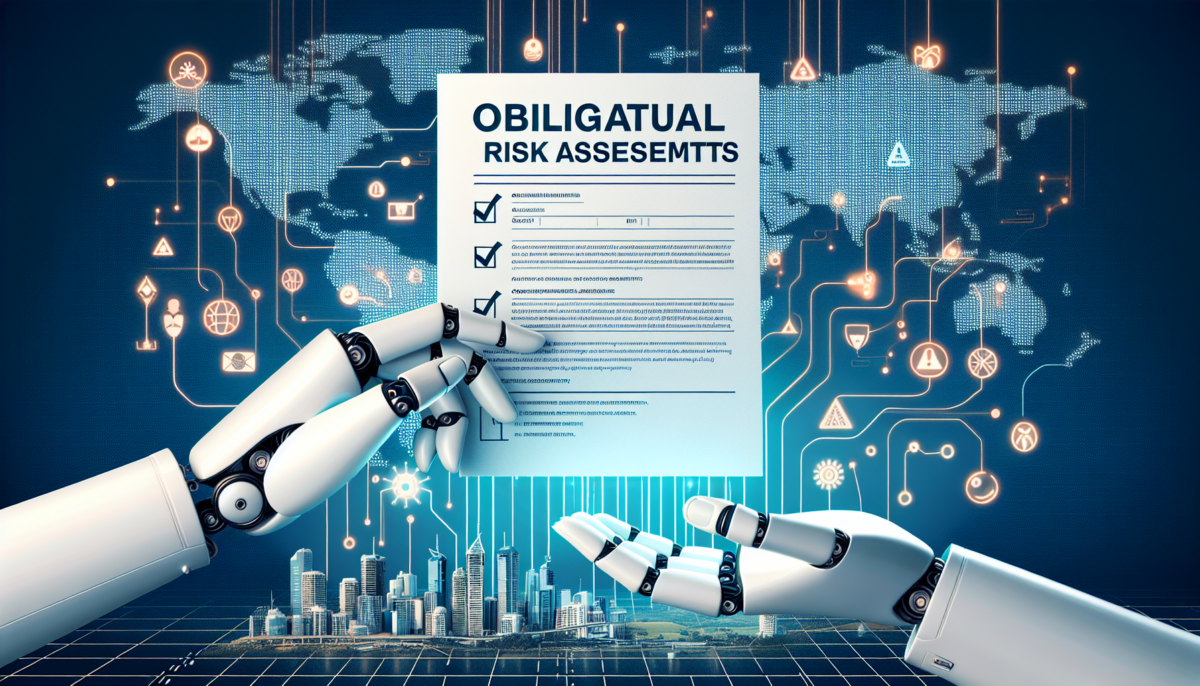
Queensland Requires Risk Assessments for AI and Automated Decision-Making Systems

Queensland Requires Risk Assessments for AI and Automated Decision-Making Systems

Mandatory AI and automated decision risk reviews to land in Queensland

Quick Read

  • Queensland will require risk assessments for AI and automated decision-making (ADM) in public sector initiatives.
  • Evaluations conducted internally and examinations by external parties will be necessary.
  • The AI governance policy and its accompanying AI risk assessment framework are in the final stages of development.
  • Possible implementation of the ISO42001 AI Management System Standard.
  • Current frameworks, such as the ICT Investment Review, will be incorporated into the new policy.
  • QGCDG currently assists departments with the planning and implementation of AI projects.
  • Examples of AI initiatives include employing drones in farming and the QChat conversational agent.

Implementation of Compulsory Risk Assessments

The Queensland government plans to implement compulsory internal assessments and external evaluations for public sector projects that utilize artificial intelligence (AI) and automated decision-making (ADM). The objective of this initiative is to identify and manage the unique risks linked to these technologies.

Formation of AI Regulation Strategy

As stated by Chris McLaren, who holds the position of Queensland’s Chief Customer and Digital Officer, the Queensland Government Customer and Digital Group (QGCDG) is nearing completion of an AI governance policy. This policy is accompanied by an AI risk assessment framework that aims to direct the implementation of AI within multiple government sectors.

Adopting Industry Standards

The QGCDG is also considering the implementation of the ISO42001 AI Management System Standard along with other relevant industry standards. This would facilitate the identification and management of AI risks throughout their lifecycle within the Queensland government.

National Framework Agreement

All the ministers responsible for data and digital matters from the federal and state territories recently concurred on a national framework that advises, but does not require, assurance scoring and controls for government projects. This framework highlights the importance of internal evaluations and external reviews, dependent on financial and risk criteria.

Existing Implementations in Additional States

New South Wales (NSW) and Western Australia (WA) are presently the sole states that have implemented these types of systems. NSW’s system pertains exclusively to projects incorporating AI, while WA’s encompasses both AI and ADM projects.

Range of the New Framework

Although QGCDG’s framework is currently in its finalization stage, it is set to encompass both AI and ADM in extensive projects. This new policy will be incorporated into existing mandatory systems like the ICT Investment Review and the portfolio, program, and project assurance framework.

Continuous Assistance for AI Initiatives

Even though new frameworks have been introduced, QGCDG has been assisting departments in the planning and implementation of AI projects. The existing assurance process considers risk factors associated with AI and ADM. When needed, risks are addressed with the Digital Economy Leaders Sub-Group, responsible for overseeing digital investments.

Examples of Ongoing AI Initiatives

One significant initiative features the Department of Agriculture and Fisheries utilizing drones with classification algorithms to detect weeds in sugarcane fields. Another instance is QChat, a supportive chatbot implemented in multiple departments to enhance customer facilitation, regulatory technology, productivity, and cybersecurity.

Future Assurance Measures

All artificial intelligence initiatives under the Queensland government are presently documented with the QGCDG. They use an assurance profiling instrument to decide if just an internal evaluation is sufficient or if an extra external review is needed. The upcoming policy will establish the assurance check requirements for forthcoming projects.

Summary

The Queensland government is on the verge of introducing compulsory risk assessments for AI and ADM in public sector initiatives. The goal of this measure is to guarantee that risks are properly assessed and managed. Supported continuously by QGCDG, various departments have started incorporating AI into diverse applications, such as agriculture and customer service. The upcoming policy will offer an organized framework for future technology implementations, aligning with national standards and improving oversight.

What is the primary goal of Queensland’s newly implemented policy regarding AI and ADM?

The primary goal is to assess and reduce risks linked to AI and ADM in public sector initiatives by requiring both internal evaluations and external audits.

What criteria could Queensland establish for governing AI-related risks?

Queensland is considering implementing the ISO42001 AI Management System Standard in addition to other pertinent industry standards.

Which states have already adopted comparable systems?

New South Wales (NSW) and Western Australia (WA) have implemented comparable systems. NSW concentrates exclusively on AI initiatives, whereas WA encompasses both AI and ADM initiatives.

How will the new policy be incorporated into the current frameworks?

The new AI risk assessment framework is set to be integrated into current mandatory systems such as the ICT Investment Review and the portfolio, program, and project assurance framework.

Could you give some examples of ongoing AI projects in Queensland?

Illustrations encompass the Department of Agriculture and Fisheries utilizing drones to identify weeds in sugarcane plantations and the QChat chatbot employed across multiple customer service scenarios.

What current support does QGCDG offer for AI projects?

QGCDG assists departments by providing expert consultants in data and artificial intelligence to assess and minimize risks during the planning and implementation of AI projects.

What will the upcoming policy outline concerning assurance checks moving forward?

The upcoming policy will detail the degree of assurance checks required for governmental AI and ADM initiatives moving forward.

Australian Government Signs $2 Billion Agreement with AWS for Highly Classified Cloud Services


We independently review everything we recommend. When you buy through our links, we may earn a commission which is paid directly to our Australia-based writers, editors, and support staff. Thank you for your support!

“`html

Australia collaborates with AWS for $2 billion classified cloud services.

Quick Read

  • The government of Australia has entered into a $2 billion agreement with AWS for highly classified cloud services.
  • The ‘TS Cloud’ will boost Australia’s cybersecurity capabilities and strengthen the resilience of Defence communications networks.
  • AWS will collaborate with Australian enterprises to design and construct the TS Cloud.
  • The TS Cloud is an element of the larger REDSPICE program designed to enhance Australia’s cyber security.
  • The project’s goal is to enhance interoperability and cooperation with international intelligence allies, particularly the United States.
Australian government signs AWS to deliver $2bn top-secret cloud

The Importance of the TS Cloud

The Australian government is making a significant investment in the ‘TS Cloud’ to enhance its cyber capabilities. This cloud infrastructure, which will cost a minimum of $2 billion over the next ten years, is vital for the defence and intelligence agencies of the country. Prime Minister Anthony Albanese and Deputy Prime Minister and Defence Minister Richard Marles have emphasized that this project will enable the swift and scalable hosting, sharing, and analysis of Australia’s highly classified data.

Advanced Technologies Integration

The TS Cloud will utilize top-tier technologies such as artificial intelligence (AI) and machine learning (ML) to improve the analytical capabilities of Australia’s defence and intelligence sectors. By integrating these advanced technologies, the government seeks to maintain a competitive edge in cybersecurity and intelligence operations.

Enhancing Defence Communications

One of the primary advantages of the TS Cloud is its capacity to bolster the resilience of Defence’s communication networks. This improvement will guarantee more robust and secure communication channels within Australia’s defence system, ultimately enhancing national security.

Strengthening International Collaborations

The TS Cloud is anticipated to enhance interoperability and foster deeper collaboration with international allies, particularly the United States. This supports Australia’s strategic goals of fortifying alliances and improving collective security measures in an ever more intricate global landscape.

The Function of AWS in Developing the TS Cloud

AWS was selected for this project because of its substantial expertise in classified cloud services and its well-established presence in Australia. The company plans to partner with Australian businesses to design and construct the TS Cloud; however, specific details regarding this collaboration have not yet been revealed.

Assistance from the Australian Signals Directorate and ONI

Rachel Noble, the Director-General of the Australian Signals Directorate, has highlighted the importance of the TS Cloud as a critical element of the REDSPICE program. This program is a $10 billion effort designed to bolster Australia’s cyber security in the coming decade. Andrew Shearer, the Director-General of the Office of National Intelligence (ONI), also endorses the TS Cloud, acknowledging its ability to enhance integration and cooperation among intelligence agencies.

AWS’s Commitment

Dave Levy, the Vice President of AWS’s Worldwide Public Sector, conveyed his excitement regarding the collaboration with the Australian government. He emphasized AWS’s objective to deliver innovative, efficient, and impactful cloud services to strengthen Australia’s national defense capabilities.

Comparison with Initiatives in the US

In the United States, several providers, such as AWS, are developing a comparable top-secret cloud infrastructure. This initiative came after an initial project, which was exclusively granted to Microsoft, was reconsidered. This scenario highlights the worldwide shift towards utilizing cloud technology to bolster national security.

Summary

The Australian government has entered into a $2 billion agreement with AWS to provide top-secret cloud services, aiming to significantly boost national security capabilities. This initiative, known as the TS Cloud, will incorporate advanced technologies such as AI and ML, enhance the resilience of Defence communications, and promote increased collaboration with international allies. Backed by major Australian intelligence agencies, this effort is part of a broader strategy to strengthen cyber security through the REDSPICE program.

Frequently Asked Questions

What is the objective of the TS Cloud?

A:

The TS Cloud is designed to host, share, and analyze Australia’s most sensitive data quickly and at scale, utilizing advanced technologies like AI and ML to improve national defense capabilities.

Q: What will the price of the TS Cloud be?

A:

The TS Cloud is projected to cost a minimum of $2 billion over the next ten years.

What part will Australian companies have in this project?

A:

AWS intends to collaborate with Australian businesses in the design and construction of the TS Cloud; however, the specific details of their participation have not been clarified yet.

What role does the TS Cloud play in Australia’s comprehensive cyber security plan?

A:

The TS Cloud is an element of the REDSPICE program, a $10 billion initiative designed to enhance Australia’s cybersecurity capabilities over the upcoming ten years.

Q: In what ways will the TS Cloud improve global partnerships?

A:

The TS Cloud will enhance interoperability and foster stronger collaboration with international intelligence allies, especially the United States.

Q: What were the reasons for selecting AWS for this project?

A:

AWS was chosen because of its significant expertise in handling classified cloud services and its strong presence in Australia.

“`