Matthew Miller, Author at Techbest - Top Tech Reviews In Australia - Page 76 of 187

Victoria Shatters 17-Year Electricity Demand Record During Scorching Heatwave Affecting the Grid


We independently review everything we recommend. When you buy through our links, we may earn a commission which is paid directly to our Australia-based writers, editors, and support staff. Thank you for your support!

“`

  • Victoria sets a new record for electricity demand, eclipsing a 17-year-old record during a severe heatwave.
  • Minister Lily D’Ambrosio announces the new high through social media.
  • More than 35,000 Victorians face power interruptions due to strain on infrastructure.
  • Renewable energy is vital, but difficulties persist during peak demand times.
  • Officials urge careful energy consumption as temperatures remain elevated.
Victoria electricity demand record broken during heatwave

Victoria’s Power Demand Reaches Record Levels

In a scenario highlighting the effects of extreme climate on contemporary infrastructure, Victoria has established a new peak for electricity demand, surpassing a 17-year-old record. An unyielding heatwave has escalated energy use to extraordinary heights as residents depend increasingly on air conditioning to manage rising temperatures.

An Unprecedented Evening for the Power Grid

The previous maximum energy demand was noted during the heatwave of January 2009. With a growing population and heightened dependence on electric cooling systems, this record has now been exceeded. The surge in demand is due to residents returning home in the afternoon and activating air conditioning units, straining the grid to its maximum capacity.

Power Interruptions Affect Thousands of Homes in Victoria

Despite the grid managing to hold up under tremendous pressure, the extreme heat has triggered considerable unplanned power outages. More than 35,000 customers are currently experiencing power cuts, especially in the eastern and western suburbs and regional Victoria. Key areas like Werribee and Geelong are particularly impacted.

Infrastructure Under Severe Strain

The extreme heat combined with electrical demand has resulted in physical stress on the infrastructure, leading to overheating transformers and poles. Recovery crews are working around the clock to restore power, but some residents might remain without electricity until the early hours.

The Significance of Renewable Energy and the SEC

As Victoria moves forward with its energy strategy, the State Electricity Commission (SEC) is concentrating on improving grid resilience. Renewable sources such as solar and wind are fundamental during daylight hours, but challenges continue in managing peak demand in the evening. A higher uptake of household batteries and virtual power plants is expected to ease some of the load on the grid.

What to Do If You Experience a Power Outage

For those facing outages, it is recommended to consult official outage maps for the latest updates. Keeping fridge and freezer doors shut helps maintain food freshness. It’s also wise to check on neighbours who may be vulnerable without air conditioning.

Looking Forward to the Week Ahead

Even though the peak demand has passed, elevated temperatures are projected to continue, sustaining strain on the grid. Authorities encourage residents to utilize energy judiciously without jeopardizing their health, such as by keeping blinds closed during the day to minimize heat entry.

Conclusion

Victoria has set a new record for electricity demand, breaking a 17-year milestone amid a severe heatwave, leading to widespread outages and stressing energy infrastructure. While renewable energy plays an essential role, the state still faces hurdles in managing peak demand. Residents are advised to consume energy thoughtfully as high temperatures persist.

Questions & Answers

Q: What led to the record-breaking electricity demand in Victoria?

A: The unprecedented demand was mainly driven by a significant heatwave, which heightened air conditioning usage throughout the state.

Q: How is the Victorian energy grid handling the increased demand?

A: While the grid has generally maintained stability, physical stress on the infrastructure has resulted in outages. Restoration efforts are in progress.

Q: What role does renewable energy have during high demand scenarios?

A: Renewable energy sources, especially solar and wind, assist in meeting demand during the day, yet the evening peak remains a challenge.

Q: How can residents manage energy consumption during peak times?

A: Residents can contribute by using energy efficiently, such as keeping blinds shut during the day to lessen heat, and employing air conditioning sparingly.

Q: What actions should residents take if they face a power outage?

A: Residents should check official outage maps for information, keep their refrigerator and freezer closed to maintain food quality, and look out for vulnerable neighbours.

“`
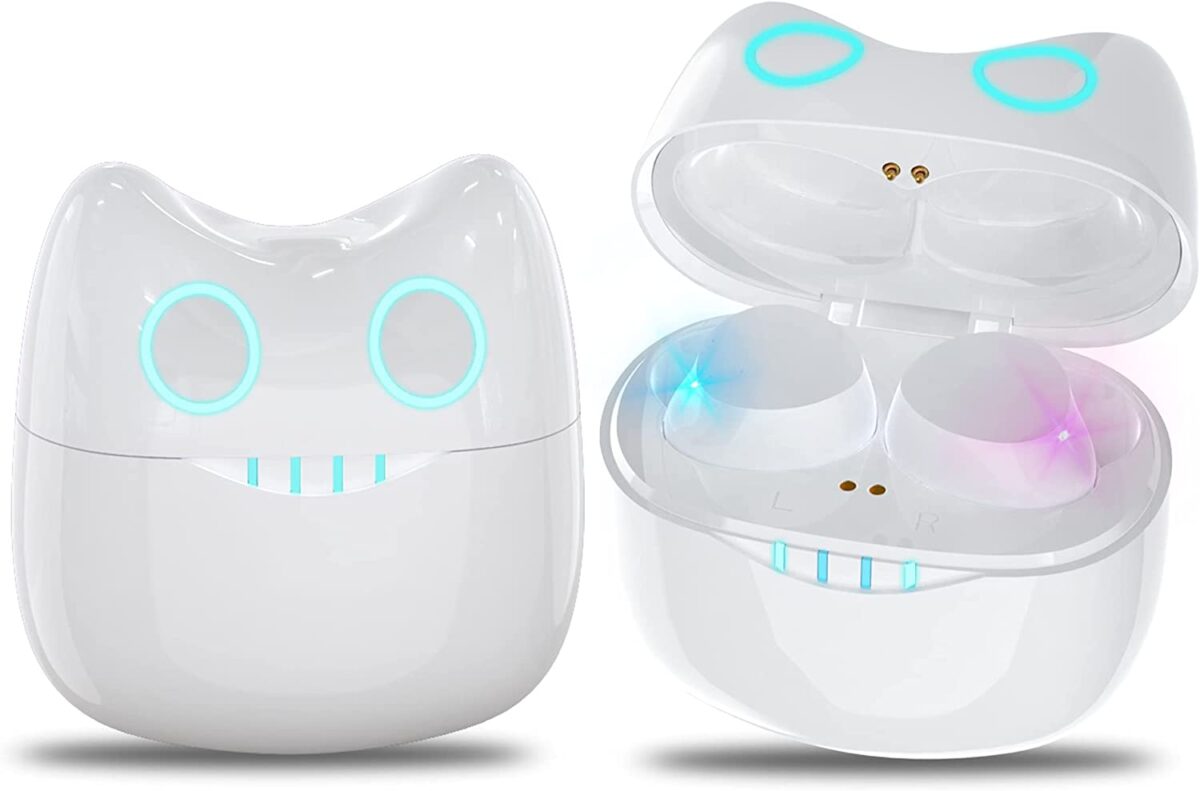
“Kids Wireless Earbuds with Cute Panda Charging Case Review”


We independently review everything we recommend. When you buy through our links, we may earn a commission which is paid directly to our Australia-based writers, editors, and support staff. Thank you for your support!

Wireless Earbuds for Kids, Bluetooth Headset with Cute Panda Charging Case, Bluetooth 5.0 Noise Cancellation, Type C Charging, 3D Stereo Deep Bass, Wireless Earbuds for Sports and Outwork

Addressing the Growing Cyber Risk Encountered by Australian Healthcare Providers


We independently review everything we recommend. When you buy through our links, we may earn a commission which is paid directly to our Australia-based writers, editors, and support staff. Thank you for your support!

Addressing the Rising Cyber Threats Encountered by Australian Healthcare Providers

Quick Overview

  • Cyber threats to the healthcare industry have seen a twofold increase in recent years.
  • Ransomware attacks within the healthcare field have a 95% success rate.
  • Orro provides extensive solutions for managing cyber risks in the healthcare sector.
  • Healthcare entities are concentrating on clinical continuity and safeguarding patient safety.
  • Cutting-edge technologies facilitate proactive risk management and regulatory compliance.

Growing Cyber Threats to Healthcare

Confronting the rising cyber threat to Australian healthcare providers

The global healthcare sector is increasingly threatened by cyber attackers. In its Annual Cyber Threat Report 2026-2026, the Australian Signals Directorate reported that the frequency of ransomware events in the healthcare sector had doubled since 2023-2026, with malicious parties achieving success in 95% of all incidents reported to the organisation last year, in contrast to an overall sector average of 52%.

Effects on Patient Safety

As the ASD highlighted, interruptions to healthcare networks pose risks to patient safety, rendering the sector a prime target for extortion attempts by cybercriminals. Healthcare data is also accessible in dark web marketplaces, facilitating activities like fraud and identity theft.

For healthcare leaders, the issue has evolved beyond mere prevention of cyber incidents. It involves ensuring clinical continuity, safeguarding patient safety, and upholding trust, while navigating increasingly complicated environments that incorporate legacy systems, connected medical devices, and the convergence of IT and OT networks.

Mitigating Cybersecurity Risks with Orro

The Australian technology services provider Orro aids healthcare entities in minimizing cyber risks through solutions tailored to securely connect, protect, and sustain clinical operations. These solutions encompass operational technology (OT) such as building management systems that operate elevators, air conditioning, and other essential hospital infrastructure, alongside IT assets and the integrations between IT and OT.

Orro offers a Clinical Security Network Operations Centre platform that extends protection throughout intricate healthcare environments. Flexible to cater to various organizational maturity levels, the platform can be adapted to meet compliance needs and risk management strategies, broadening the scope beyond individual hospitals to encompass IT and OT across wider healthcare networks.

A Holistic Security Solution for a Major Hospital Group

Orro’s solutions are empowering healthcare organizations to enhance their security framework. One significant private hospital group gained full insight into its digital landscape through the identification and cataloguing of all IT and OT devices, along with immediate visibility of device vulnerabilities and operational threats.

This enabled the organization to implement virtual patching to alleviate vulnerabilities linked to medical devices and the Internet of Medical Things (IoMT), while ensuring clinical operations remained uninterrupted.

The group also established a comprehensive security framework aligned with regulatory and industry standards, guaranteeing ongoing compliance as requirements evolve. Continuous monitoring and advanced analytics facilitated proactive risk management and accelerated, targeted responses to incidents, minimizing operational disruptions and reinforcing clinical trust in vital systems.

A Diverse Range of Use Cases

Applications for Orro’s solutions include clinical device discovery and asset management; real-time monitoring of clinical assets; clinical Secure Network Operations Centre capabilities; incident response integration; and ongoing maturity enhancement of clinical security operations.

These functionalities are delivered through the synthesis of leading-edge technologies within clinical and operational settings. For example, Orro utilizes Medigate’s deep packet inspection (DPI) technology to provide thorough visibility into connected medical and IoMT devices, while the Claroty xDome platform facilitates discovery, classification, and risk identification across cyber-physical systems.

Within the clinical Secure Network Operations Centre framework, Fortinet solutions back secure policy enforcement and contextual protection for OT assets, while analytics platforms like Splunk enhance detection, correlation, and response across healthcare IT and OT ecosystems.

Together, these integrated systems offer a cohesive strategy for visibility, protection, and response, bolstering resilience across clinical environments.

A Maturity Blueprint for Gradual Security Enhancements

Orro has also devised a clinical security maturity blueprint to assist healthcare organizations in continuously improving their cybersecurity stance. Described through its Secure Network Operations Centre integration methodology, the model addresses six core components: people, process, technology, tools, data, and security.

With this structure, healthcare organizations can implement modular, scalable solutions tailored to their current level of maturity, fostering progressive improvements as clinical settings, threat landscapes, and regulatory demands evolve.

“Healthcare cybersecurity has transcended being a mere technical concern – it has become a clinical and operational necessity,” said Orro CTO, Stuart Long. “Our mission is to assist healthcare leaders in creating environments where digital systems bolster care rather than jeopardize it, instilling confidence in patient safety, service continuity, and resilience.”

Conclusion

As cyber threats continue to escalate, Australian healthcare providers are taking bold actions to safeguard their systems and information. Orro’s integrated cybersecurity solutions empower organizations to securely maintain clinical operations, ensuring patient safety and adherence to regulations. By merging advanced technologies and embracing scalable frameworks, healthcare leaders are better prepared to confront the constantly changing cyber threat landscape.

Q: What makes the healthcare sector a target for cyber attacks?

A:

The healthcare sector possesses sensitive personal and financial information, making it appealing to cybercriminals aiming for ransom, fraud, and identity theft. Interruptions to healthcare services can also jeopardize patient safety, providing further leverage for attackers.

Q: In what ways does Orro aid in mitigating these risks?

A:

Orro delivers solutions to securely connect, safeguard, and sustain clinical operations, addressing both IT and OT requirements. Their platform expands protection across intricate healthcare settings and aligns with compliance and risk management strategies.

Q: What technologies are incorporated into Orro’s offerings?

A:

Orro employs technologies such as Medigate’s DPI for device visibility, the Claroty xDome platform for risk identification, and Fortinet for policy enforcement. Analytics tools like Splunk enhance detection and response capabilities.

Q: Why is the clinical security maturity blueprint significant?

A:

The blueprint offers a structured methodology for enhancing cybersecurity posture over time, concentrating on six pillars: people, process, technology, tools, data, and security. It assists healthcare organizations in implementing scalable solutions that match their level of maturity.

Q: How do these solutions affect patient safety and clinical operations?

A:

By providing continuous monitoring and proactive risk management, Orro’s solutions ensure uninterrupted clinical operations, reducing operational disruptions and enhancing confidence in critical healthcare systems.

Smallest Invisible Sleep Earphones Review


We independently review everything we recommend. When you buy through our links, we may earn a commission which is paid directly to our Australia-based writers, editors, and support staff. Thank you for your support!

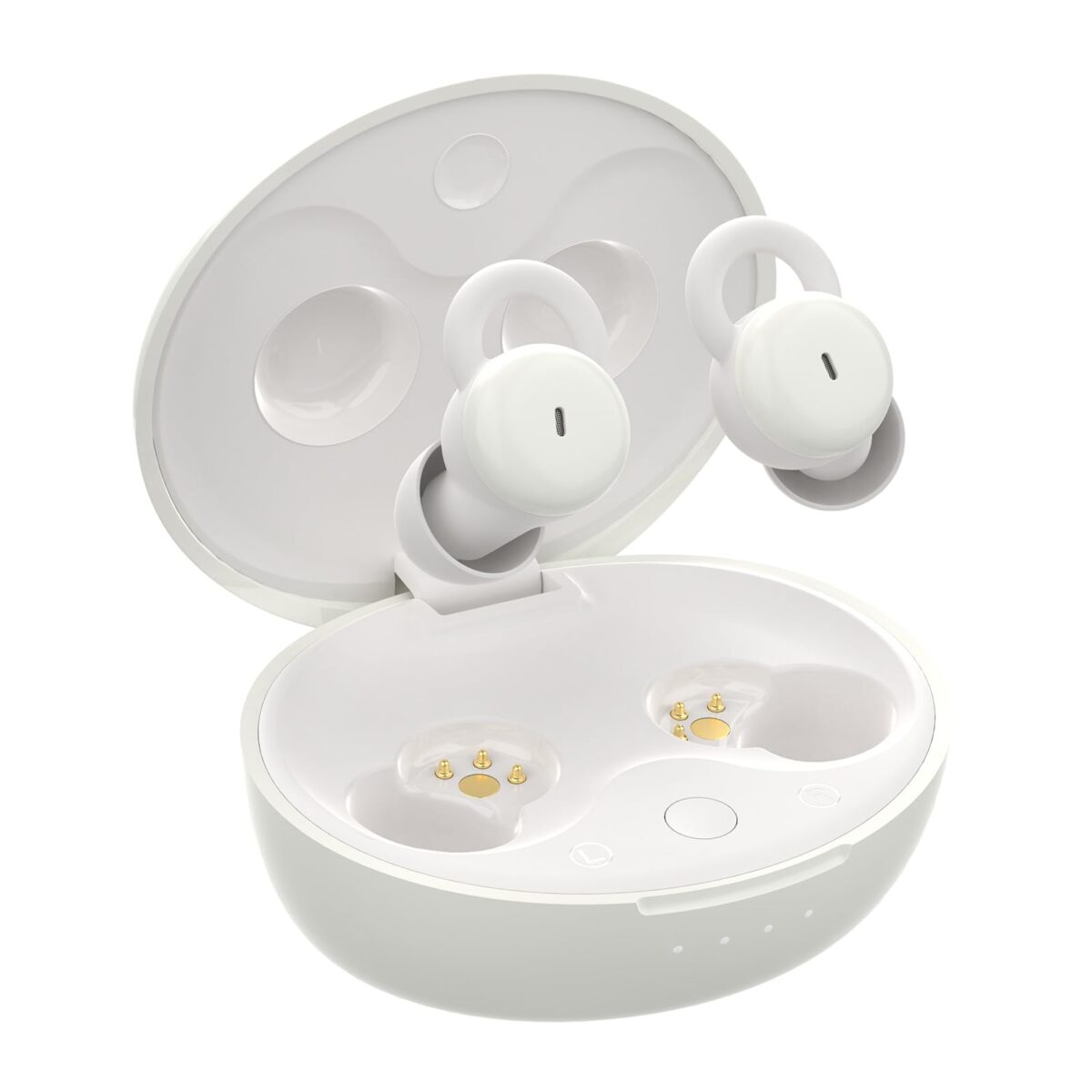
Smallest Invisible Sleep Earphones, Comfortable Noise Blocking Headphones, Wireless Bluetooth for Sleeping, Earbuds for Side Sleepers, Tiny Hidden Sleep Headphones for Work Sports

SteelSeries Arctis GameBuds Gaming Headphones for Xbox Review


We independently review everything we recommend. When you buy through our links, we may earn a commission which is paid directly to our Australia-based writers, editors, and support staff. Thank you for your support!

SteelSeries Arctis GameBuds Gaming Headphones for Xbox Wireless 2.4Ghz + BT 5.3 Active Noise Cancellation/Transparency 40H Battery Wireless Charging Xbox PS5 PC Switch Mobile

EU to Eliminate High-Risk Technology, Aims at Huawei


We independently review everything we recommend. When you buy through our links, we may earn a commission which is paid directly to our Australia-based writers, editors, and support staff. Thank you for your support!

EU’s Initiative to Strengthen Cybersecurity and Its Consequences for Huawei

  • The EU is eliminating suppliers of high-risk technology, affecting Huawei.
  • Amendments to the Cybersecurity Act come after a rise in cyber threats.
  • 18 essential sectors such as telecommunications, medical devices, and energy are included.
  • EU nations are given 36 months to remove Huawei parts.
  • New limitations will rely on risk evaluations and impact assessments.
EU phase-out of high-risk technology affects Huawei

Amendments to the Cybersecurity Act

The European Union plans to revise its Cybersecurity Act, with the objective of eliminating components from high-risk providers in vital sectors. This action, anticipated to greatly impact Huawei and various Chinese technology companies, follows an increase in cyberattacks and espionage fears.

Targeted Industries and Providers

The EU’s initiative outlines 18 crucial sectors, including telecommunications, cloud services, surveillance, and medical instruments. Mobile telecom providers will have a period of 36 months to phase out components from high-risk suppliers, with fixed and satellite networks to follow in a timely manner.

Global Reaction and Consequences

China has described these actions as protectionist, calling on the EU to uphold equitable business norms. In contrast, the United States had already prohibited approvals for Huawei and ZTE equipment in 2022, prompting Europe to consider similar steps.

Execution and Future Steps

The proposal awaits consensus from EU member states and the European Parliament. The measures will be triggered following risk evaluations set forth by the Commission or a minimum of three member nations, with directives based on market and impact evaluations.

Overview

The EU’s forthcoming adjustments to the Cybersecurity Act seek to sever affiliations with high-risk technology suppliers in pivotal sectors, placing Huawei in a leading position. This strategic initiative aims to enhance Europe’s technological sovereignty and address cybersecurity risks.

Q: Why is the EU focusing on Huawei and similar firms?

A: The EU intends to improve cybersecurity by decreasing dependence on high-risk suppliers, which pose potential espionage and interference threats.

Q: Which sectors are impacted by the EU’s new regulations?

A: The regulations affect 18 sectors, inclusive of telecommunications, energy, medical devices, and cloud computing.

Q: What is the timeline for operators to meet the phase-out requirements?

A: Mobile operators have 36 months to eliminate components from high-risk suppliers. Deadlines for other networks will be provided in due course.

Q: What are the subsequent actions for the EU’s proposal to be enacted?

A: The proposal requires endorsement from EU countries and the European Parliament. It will take effect following risk evaluations and analyses.

Q: How has China reacted to the EU’s proposal?

A: China has condemned the measures as protectionist and urged the EU to guarantee a clear business landscape.

Q: What precedent has the United States established in this scenario?

A: The US prohibited new equipment approvals from Huawei and ZTE in 2022, encouraging Europe to implement analogous restrictions.

Defunc True Go Slim Wireless Earbuds, Black Review


We independently review everything we recommend. When you buy through our links, we may earn a commission which is paid directly to our Australia-based writers, editors, and support staff. Thank you for your support!

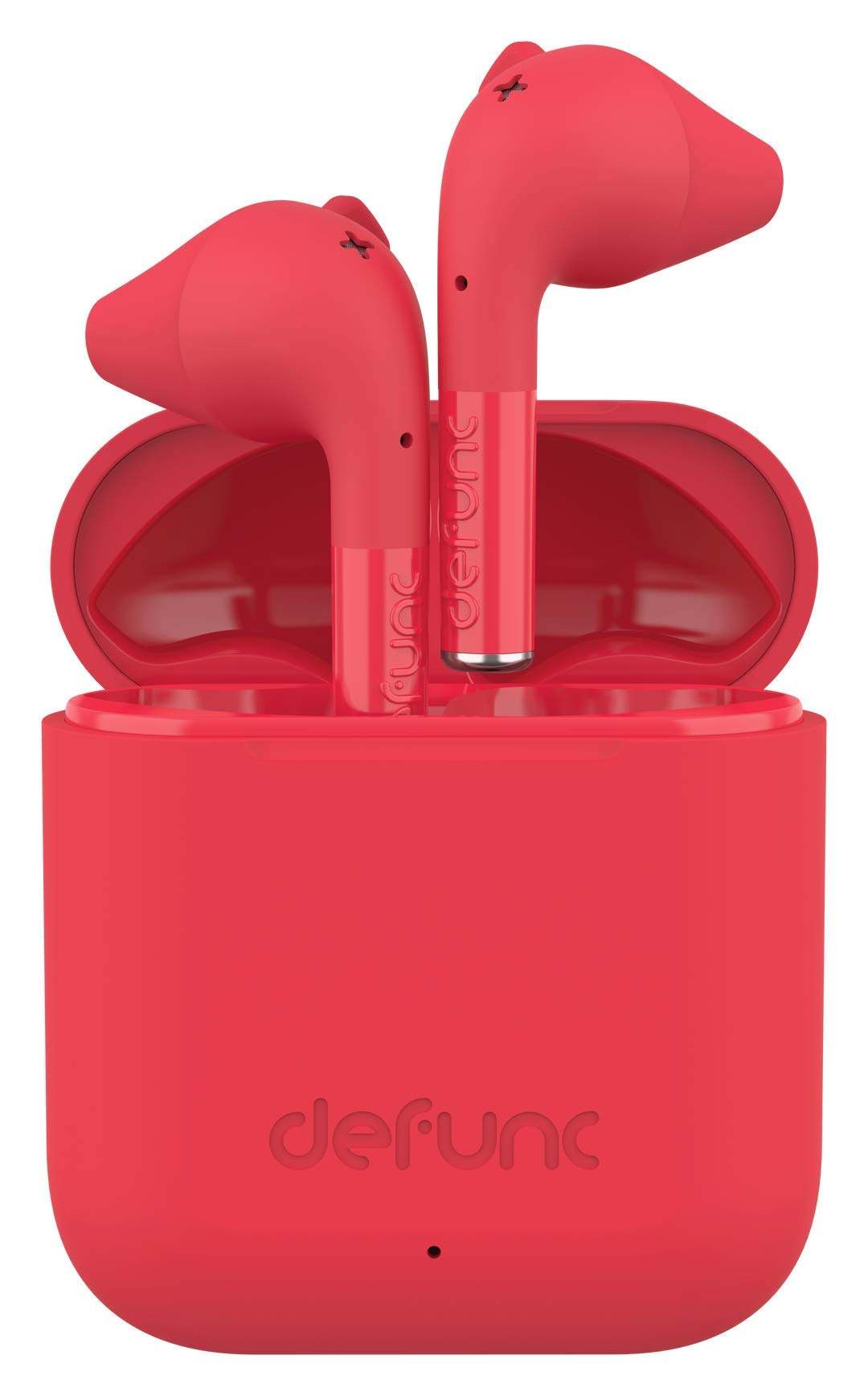
Defunc True Go Slim Wireless Earbuds, Black

OAIC Calls on Federal Agencies to Be Open Regarding the Use of Automated Decision-Making


We independently review everything we recommend. When you buy through our links, we may earn a commission which is paid directly to our Australia-based writers, editors, and support staff. Thank you for your support!

Brief Overview

  • Clarity in automated decision-making (ADM) is essential for public confidence.
  • Only a limited number of federal agencies reveal their application of ADM technology.
  • The Robodebt controversy shows the dangers of insufficient ADM transparency.
  • Australia’s Information Commissioner urges increased public disclosures.
  • ADM systems can boost productivity but come with possible risks.
  • Steps are being taken to enhance transparency regarding ADM use.

Concerns Over Transparency in Automated Decision-Making

OAIC urges federal bodies to be open about ADM utilization

The Australian Office of the Information Commissioner (OAIC) has brought to light a major concern within governmental bodies: the absence of transparency in the deployment of automated decision-making (ADM) systems. This lack of clarity threatens to undermine public confidence in both technological advancements and governmental processes.

ADM Implementation in Federal Agencies

A desktop review conducted by the OAIC indicated that merely a fraction of federal agencies licensed to utilize ADM systems openly share their methods. This deficiency in transparency could harm community trust, as demonstrated by previous incidents like the Robodebt program.

Australia’s Information Commissioner, Elizabeth Tydd, has emphasized the necessity of public disclosures to preserve faith in governmental integrity. ADM technologies encompass a range of applications, from simple calculators to sophisticated machine learning systems, and play a critical role in determining rights and responsibilities.

The Robodebt Incident: A Lesson Learned

The now-notorious Robodebt situation illustrates the urgent requirement for transparency. This automated debt recovery initiative from Centrelink faced significant political backlash due to its defective algorithm, revealing the inherent risks tied to ADM systems.

Current Transparency Initiatives and Obstacles

The Freedom of Information Act requires transparency regarding ADM implementation, yet the OAIC discovered that just four agencies made their operations known through the Information Publication Scheme (IPS). While certain agencies mentioned ADM usage, they lacked clarity and comprehensiveness.

No reviewed organization had made detailed protocols or policies available, raising alarms about the wider utilization of ADM technology without sufficient transparency.

Initiatives to Improve Transparency

There is a political movement aimed at tackling these transparency problems. Following the Robodebt Royal Commission, the Attorney-General’s Department is developing a government-wide framework focused on enhancing transparency and preventing ADM misuse.

Queensland’s ICT regulatory authority intends to implement internal evaluations and external reviews for public sector projects utilizing ADM and AI technologies by 2026, with the goal of reducing associated risks.

Conclusion

The OAIC’s appeal for transparency in ADM application by federal agencies is a vital measure for fostering public trust. Previous missteps like Robodebt illustrate the potential ramifications of inadequate transparency. Nevertheless, current efforts to create a comprehensive framework and perform thorough evaluations indicate encouraging advancements in resolving these issues.

Q: What does automated decision-making (ADM) entail?

A: ADM refers to the application of computer systems to make decisions generally made by people, utilizing algorithms, machine learning, and other technologies.

Q: Why is transparency in ADM vital?

A: Transparency is fundamental for cultivating public trust, ensuring accountability, and alleviating risks linked to possible errors or biases in automated systems.

Q: What risks are associated with ADM systems?

A: Risks may include potential biases, errors, lack of accountability, and public distrust, particularly if the ADM processes are not open or adequately communicated.

Q: How is Australia addressing ADM transparency concerns?

A: Initiatives include formulating a whole-of-government transparency framework and performing assessments to ensure ADM systems are employed responsibly and transparently.

Belkin SoundForm Pulse Noise Cancelling in-Ear Earphones Review


We independently review everything we recommend. When you buy through our links, we may earn a commission which is paid directly to our Australia-based writers, editors, and support staff. Thank you for your support!

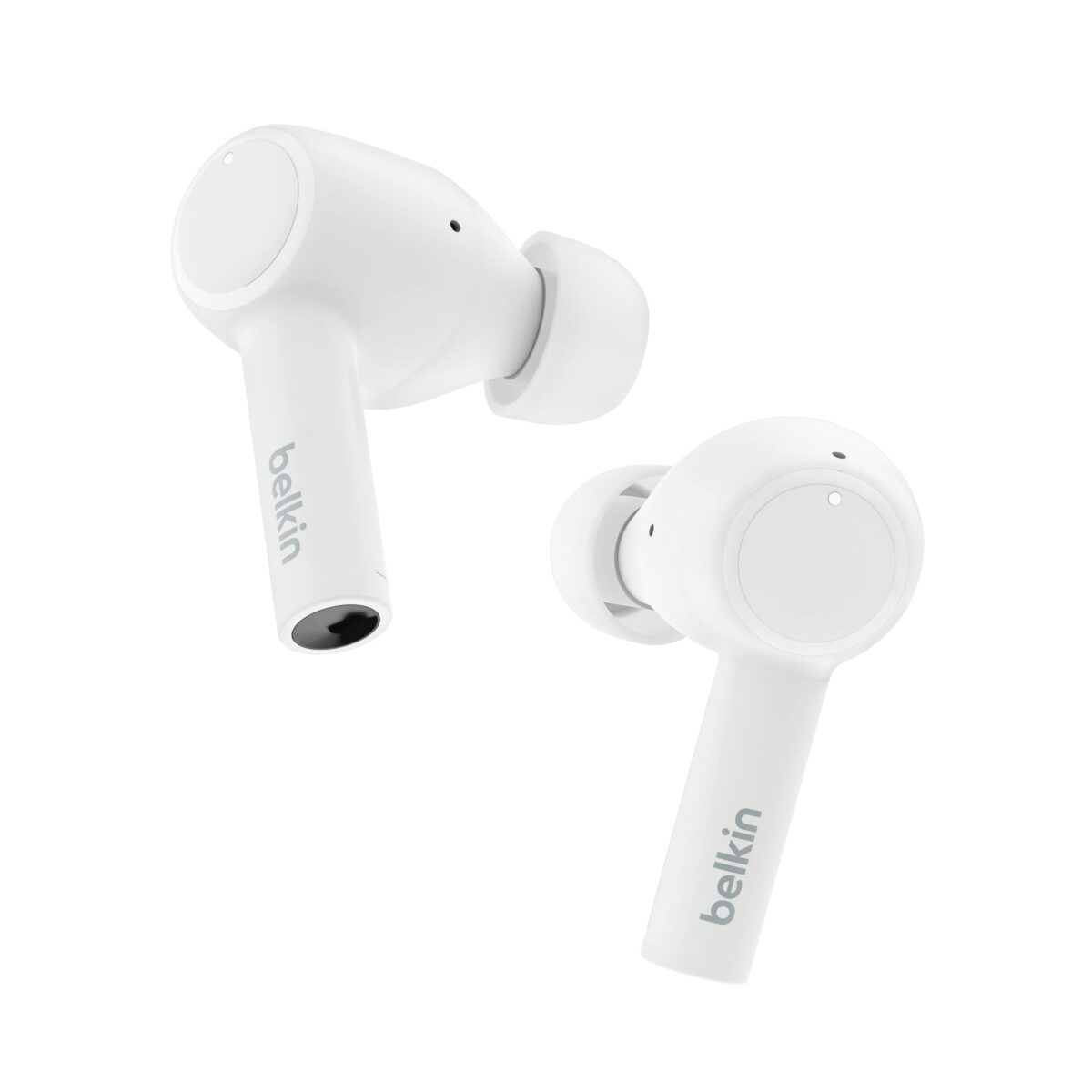
Belkin SoundForm™ Pulse Noise Cancelling in-Ear Earphones, Wireless Charging Case, 3 Microphones Per Earbud, Splash Proof IPX5 Bluetooth Headphones for iPhone, Samsung – Black

Libratone AIR+ 3 True Wireless in-Ear Headphones Review


We independently review everything we recommend. When you buy through our links, we may earn a commission which is paid directly to our Australia-based writers, editors, and support staff. Thank you for your support!

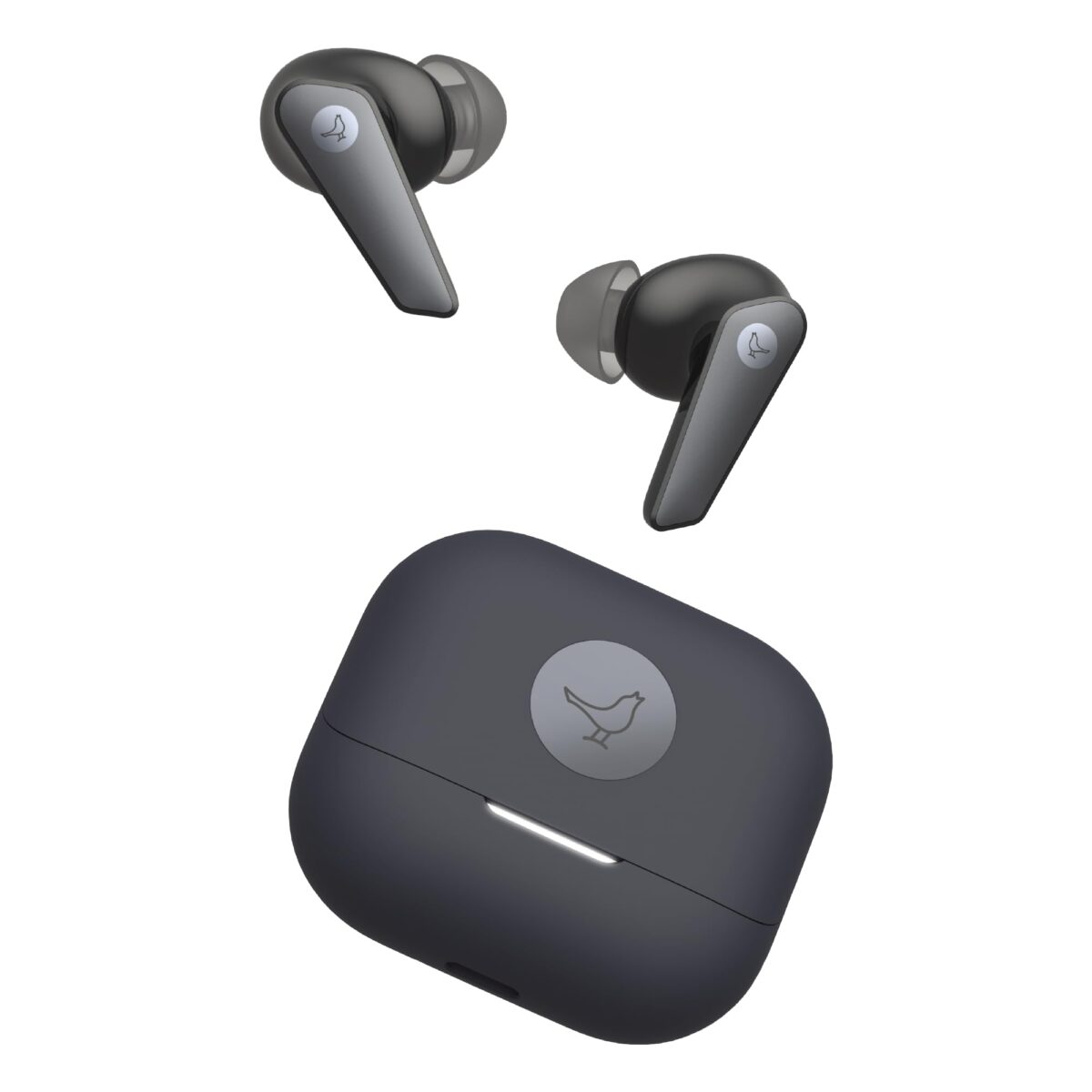
Libratone AIR+ 3 True Wireless in-Ear Headphones with Active Noise Cancelling (Hi-Fi Sound, 24h Battery, ANC, Noise Cancelling, IP54, Bluetooth 5.2) (Black)