Matthew Miller, Author at Techbest - Top Tech Reviews In Australia - Page 44 of 187

“Achieving the Security Standard: The Hidden Success”


We independently review everything we recommend. When you buy through our links, we may earn a commission which is paid directly to our Australia-based writers, editors, and support staff. Thank you for your support!

Quick Read

  • Regulatory standards for connected devices in Australia are now enforced.
  • The Security Labelling Scheme for Smart Devices in Australia is set to launch in 2027.
  • This scheme will enhance the visibility and comparability of security features.
  • The Security Labelling Scheme offers a certification advantage.
  • Engaging early in the pilot of the scheme may yield reputational rewards.
  • The pilot will commence at the Connecting Technology Summit 2026 in Sydney.

The Obscurity of Security Compliance

Achieving Security Standards: A Hidden Success

In the current digital economy, essential minimum security standards are vital for connected consumer devices sold in Australia. Nonetheless, despite efforts by vendors to adhere to these standards, the transparency of security compliance remains limited. Security features that companies put in place often go unnoticed by consumers and retailers.

Presenting Australia’s Security Labelling Scheme

Scheduled for introduction in 2027, the Security Labelling Scheme for Smart Devices intends to transform the existing environment. This initiative, co-developed with the Australian Government, will make security features visible, comparable, and pertinent to consumers’ buying choices.

Certification: Beyond Just a Statement

Presently, security attributes are hidden within product specifications, making verification challenging. The forthcoming scheme will provide a certified label that indicates compliance with established security standards. This will present a distinctive perceived benefit, allowing manufacturers to showcase their commitment to secure design and development.

Conforming to Global Standards

Australia’s initiative will harmonize with international benchmarks via the Global Cybersecurity Labelling Initiative (GCLI), enabling seamless operations in global markets. This alignment guarantees that Australian products adhere to world-class security standards.

Empowering Consumers to Make Informed Decisions

As smart devices become ingrained in everyday life, security has emerged as a crucial factor. The labelling scheme will facilitate consumers’ understanding and comparison of security features across various products, promoting better-informed purchasing choices.

Participate: Pilot Launch in 2026

Manufacturers are encouraged not to postpone their preparations until 2027. A pilot program, starting in October 2026, will provide a live showcase of the scheme. Early participants can acquire a competitive advantage and be recognized as Foundation Scheme Partners.

Connecting Technology Summit 2026

The pilot will be officially unveiled at the Connecting Technology Summit in Sydney from 14 to 16 September 2026. This gathering will bring together key players in Australia’s connected technology space, providing avenues for networking and highlighting innovative advancements.

Conclusion

Australia’s forthcoming Security Labelling Scheme for Smart Devices signifies a notable progression in the visibility and comparability of security features for connected products. As the pilot phase nears, manufacturers have the chance to set a precedent, reaping both compliance and reputational benefits.

Frequently Asked Questions

Q: What is the Security Labelling Scheme for Smart Devices?

A: It is a certification initiative designed to enhance the visibility and comparability of security features for smart devices, launching in 2027.

Q: Why is the scheme significant for manufacturers?

A: It provides a certified means to showcase security compliance, offering a competitive edge and boosting consumer trust.

Q: How does the scheme align with global standards?

A: It aligns with international standards via the Global Cybersecurity Labelling Initiative, ensuring consistency across various markets.

Q: When and where is the pilot program launching?

A: The pilot is set to launch in October 2026 at the Connecting Technology Summit in Sydney.

Q: How can manufacturers engage in the pilot program?

A: Interested companies should reach out to the Program Director to register for the pilot and gain insights regarding the certification process.

ÆRTHLINGS Sweeps the Globe: Blockbuster Kickstarter Achieves Full Funding in Just 30 Minutes


We independently review everything we recommend. When you buy through our links, we may earn a commission which is paid directly to our Australia-based writers, editors, and support staff. Thank you for your support!

Quick Read

  • ÆRTHLINGS Kickstarter achieved full funding in only 30 minutes.
  • The campaign exceeded its goals, accumulating over $52,000 USD.
  • ÆRTHLINGS fuses physical toy collecting with mobile gaming.
  • The new Ascension Series debuts 24 distinct species.
  • Funding will enhance ÆRTHLINGS for PC, providing a deeper experience.
  • Supporters can enjoy exclusive collectibles and figures.

ÆRTHLINGS Sensation at PAX Aus

The groundbreaking gaming experience known as ÆRTHLINGS made an impressive entrance at PAX Aus, enthralling attendees with its distinctive combination of physical toys and digital play. These colorful voxel cubes have captivated gamers in both Australia and New Zealand, paving the way for their worldwide Kickstarter launch.

Kickstarter Triumph: Funded in 30 Minutes

On May 19, ÆRTHLINGS initiated its Kickstarter with a target of $10,000 USD (approximately $13,967 AUD). In an incredible 30 minutes, the campaign reached its funding goal. The project has since garnered over $52,000 USD, reflecting the enthusiasm and backing from supporters. This remarkable achievement has already activated multiple stretch goals, including the popular Banana Biome.

Exploring the ÆRTHLINGS Universe

ÆRTHLINGS combines the excitement of toy collecting with the engaging realm of mobile gaming. Each physical figure, referred to as a “FIG,” is equipped with a serialized NFC tag. By scanning it using the ÆRTHLINGS app on iOS or Android, users can reveal a playable in-game character with unique skills and upgrades. The game unfolds in a fractured universe where players are tasked with rebuilding and exploring various biomes while combating MOONLINGS.

ÆRTHLINGS Kickstarter Success

The Ascension Series and PC Expansion

The fresh Ascension Series presents 24 one-of-a-kind species in a realm of ice and fire. This expansion challenges players with new gameplay experiences and introduces the Spire of Ascension mode. Funds from the Kickstarter will also enable ÆRTHLINGS to launch on PC, offering an enriched world-building experience complete with broader biomes and quests.

ÆRTHLINGS Ascension Series

Special Opportunities for Backers

Running until June 12, the Kickstarter initiative features exclusive rewards for supporters. Contributors can secure rare collectibles, such as six exclusive figures and legendary characters. Reward tiers vary from digital bundles to premium physical options, complete with mystery FIGs and limited-edition items.

ÆRTHLINGS Exclusive Collectibles

Become part of the ÆRTHLINGS community by visiting their Kickstarter Campaign Page or downloading the free app from the App Store or Google Play. Connect with fellow enthusiasts on Discord to influence the future of this pioneering digital-physical universe.

Summary

ÆRTHLINGS has established itself as a groundbreaking gaming adventure, artfully combining physical toys with a vibrant digital platform. Its Kickstarter triumph illustrates the increasing passion for interactive gameplay that connects the digital and physical realms.

Q&A

Q: What is ÆRTHLINGS?

A: ÆRTHLINGS is a “toys-to-life” gaming experience merging physical toys and mobile gaming, enabling players to unlock in-game characters by scanning real-world figures.

Q: How quickly was the Kickstarter funded?

A: The Kickstarter campaign reached complete funding within 30 minutes of launching.

Q: What is the Ascension Series?

A: The Ascension Series expands ÆRTHLINGS by introducing 24 new species along with new gameplay challenges.

Q: How can I support the ÆRTHLINGS Kickstarter?

A: You can support the Kickstarter campaign by visiting the campaign page and selecting a support tier.

Q: Are there exclusive rewards for backers?

A: Indeed, backers can access exclusive collectibles and figures, including shiny Legendary characters.

UK Banks Face Challenges in Utilizing Mythos AI Model


We independently review everything we recommend. When you buy through our links, we may earn a commission which is paid directly to our Australia-based writers, editors, and support staff. Thank you for your support!

UK Banks and Anthropic’s Mythos AI Model: Access Delays

Brief Overview

  • UK banks face hurdles in obtaining Anthropic’s Mythos AI model for cybersecurity assessments.
  • Political delays between the US government and Anthropic hinder access.
  • A worldwide strategy is essential for mitigating cybersecurity threats due to global connectivity.
  • The discourse regarding the risks and advantages of advanced AI models persists.
UK banks still lack access to Mythos AI model

Access Challenges

UK banks are encountering major obstacles in securing access to Anthropic’s Mythos AI model, which is aimed at enhancing cybersecurity protocols, as pointed out by Bank of England governor Andrew Bailey. Although Anthropic is open to testing the models, political entanglements seem to be impeding advancement, mainly due to complications between the US government and Anthropic.

Impacts of Politics and Security

The hold-up in access is reportedly linked to negotiations between Anthropic and the US administration regarding possible military uses of the AI technologies. UK banks are eager to use these models for cybersecurity, yet the political environment is emerging as a considerable obstacle.

International Cybersecurity Issues

Bailey, who also chairs the Financial Stability Board, underscores the need for a global perspective on cybersecurity. The interconnected nature of global banking infrastructures indicates that localized national strategies are inadequate. The Mythos AI model could be pivotal in tackling these global cybersecurity dilemmas.

The AI Risk Debate

There is ongoing discourse among cybersecurity professionals about the potential hazards of AI models like Mythos. While some argue that fears of widespread cyberattacks are overstated, others highlight the necessity for robust regulations and international collaboration to reduce risks.

Conclusion

The difficulty faced by UK banks in accessing Anthropic’s Mythos AI model underscores the intricacies at the junction of technology, politics, and international security. As discussions progress, the critical nature of a unified global strategy to confront cyber threats becomes increasingly clear.

Q: What prevents UK banks from accessing the Mythos AI model?

A: Political challenges between Anthropic and the US administration are causing access delays.

Q: What purpose does the Mythos AI model serve?

A: It aims to improve cybersecurity practices for financial institutions.

Q: Why is a worldwide strategy for cybersecurity being promoted?

A: Because the interconnected nature of global banking systems renders a national strategy inadequate.

Q: Are there worries concerning the risks associated with AI models like Mythos?

A: Yes, there is discussion regarding potential risks, although some experts feel those fears are exaggerated.

Q: What role does the Financial Stability Board play in this context?

A: The board, under Bailey’s leadership, advocates for international cybersecurity strategies to reduce risks.

Team Global Express Ready to Leverage AI with Strong Logistics Framework


We independently review everything we recommend. When you buy through our links, we may earn a commission which is paid directly to our Australia-based writers, editors, and support staff. Thank you for your support!

Quick Overview

  • Team Global Express has recognized 73 AI use cases, with 12 AI agents currently deployed.
  • The organization has centralized its data framework utilizing AWS solutions.
  • AI initiatives encompass image processing and operational analytics.
  • 15 AI advocates assist in the integration of AI across different business sectors.
  • Future strategies include broadening AI usage and harnessing non-coder development platforms.

Centralized Data Framework

Team Global Express, formed from the Toll Group in 2021, has been establishing strong data foundations to adopt artificial intelligence. Over the last three years, the firm has centralized its data infrastructure, mainly leveraging AWS cloud solutions. Michael Farrar, the Director of Data, AI, and Integration, disclosed that in the past, each business sector managed its own databases, resulting in inconsistent data quality and a lack of uniformity.

Consolidated Data Perspective

With data centralization on platforms like AWS Redshift and DynamoDB, Team Global Express now offers a “single pane of glass” for parcel tracking and other functions. This change promotes a consolidated viewpoint across systems, enabling more effective data management and AI implementation.

AI Deployment and Use Cases

Team Global Express has pinpointed 73 potential AI applications, of which 12 are already functioning. These AI agents are optimizing processes and increasing efficiency across multiple operations. The firm is also investigating five additional proof-of-concept initiatives.

AI Use Cases in Operation

Among the AI applications in action, Amazon Rekognition handles proof-of-delivery images, ensuring the removal of personal data. Amazon Bedrock AgentCore provides operational insights for staff, negating the need for extensive BI dashboard creation. Simultaneously, Amazon Connect evaluates caller intent, with intentions to automate responses to frequent inquiries.

AI Advocates and Future Initiatives

Fifteen AI advocates within the organization hold a vital position in spotting potential AI prospects and upholding data quality benchmarks. These specialists work closely with various teams to comprehend operational needs and obstacles.

Future Outlook

The firm is embracing a hybrid model, merging commercial and custom AI solutions. There’s also a focus on citizen development, allowing non-coders to create AI models within set boundaries. Future initiatives include examining AWS’s Kiro service for non-coder software creation.

Conclusion

Team Global Express is strategically utilizing AI to improve its logistics capabilities, supported by a solid centralized data framework. With several AI applications already active and plans for growth, the company is poised to further embed AI into its operations, promoting expansion and efficiency.

Q&A Session

Q: What is the primary objective of Team Global Express in adopting AI?

A: The primary objective is to facilitate growth without proportional increases in costs and to boost operational efficiency.

Q: In what manner has Team Global Express centralized its data framework?

A: By consolidating data onto AWS platforms such as Redshift and DynamoDB, achieving a cohesive data perspective.

Q: What are some AI applications currently operational?

A: Applications feature Amazon Rekognition for image processing, Amazon Bedrock for operational insights, and Amazon Connect for analyzing call intent.

Q: Who are the AI advocates, and what function do they serve?

A: AI advocates are subject matter experts who pinpoint AI opportunities and uphold data quality standards across business sectors.

Q: What does citizen development entail in the context of AI at Team Global Express?

A: It involves empowering non-coders to construct AI models within predetermined guidelines to ensure safe and production-ready development.

Q: What upcoming AI advancements is Team Global Express considering?

A: The organization is contemplating the use of AWS’s Kiro service to facilitate non-coder software development as part of its future plans.

In Images: Protect Your Endpoint – Airlock Digital & AUSCERT Roundtable


We independently review everything we recommend. When you buy through our links, we may earn a commission which is paid directly to our Australia-based writers, editors, and support staff. Thank you for your support!

Protect Your Endpoint in the AI Age

Brief Overview

  • Roundtable aimed at securing endpoints in the AI-driven era.
  • Transformation in threat landscape and approaches to enhance security.
  • Participants discussed a practical framework for endpoint safeguarding.
  • Stresses the importance of adapting cybersecurity strategies.

Protecting Your Endpoint in the AI Age

Roundtable discussion on endpoint protection in the AI age

During the recent executive roundtable breakfast, hosted by Airlock Digital and coordinated by AUSCERT, the complexities of safeguarding endpoints in light of rapid artificial intelligence advancements were explored. With the digital realm constantly changing, the dialogue highlighted the urgent necessity for companies to revise their cybersecurity approaches.

The Changing Threat Landscape

As AI technology grows more advanced, so do the tactics used by cybercriminals. The roundtable pointed out that conventional endpoint security measures frequently fall short against new, AI-enhanced threats. Attendees stressed the need to stay proactive against possible security breaches by embracing more sophisticated security frameworks.

Frameworks for Improved Security

Participants at the roundtable exchanged insights on establishing a practical framework to strengthen endpoint security. This entails a multi-faceted approach, integrating both technological solutions and human oversight. Highlighting the need for ongoing monitoring and adjustment, the framework seeks to provide businesses with the tools required to defend against emerging threats.

Conclusion

In summary, the roundtable hosted by Airlock Digital and AUSCERT illuminated the vital necessity of revising endpoint security strategies in response to advancements in AI. By recognizing the evolving threat landscape and applying robust frameworks, businesses can enhance the protection of their digital assets.

Q&A

Q: Why is endpoint security important in the AI age?

A: Endpoint security is essential because of the growing sophistication of AI-driven cyber threats, necessitating that businesses fortify their defenses to secure sensitive information.

Q: What are some obstacles in the present threat landscape?

A: The primary obstacles include the quick evolution of attack strategies and the escalating complexity of threats that render traditional security measures less effective.

Q: What defines a practical framework for endpoint security?

A: A practical framework entails a multi-layered approach, merging advanced technological solutions with nurturing a culture of security awareness within organizations.

Q: How can companies remain ahead of emerging threats?

A: Companies can stay ahead by consistently monitoring security trends, investing in AI-driven security measures, and educating staff to identify and respond to potential threats.

Q: What significance does human vigilance hold in endpoint security?

A: Human vigilance is vital as it complements technological defenses, ensuring that potential threats are promptly recognized and addressed.

Telstra Revamp Brings Together IT and Networks in Key Initiative


We independently review everything we recommend. When you buy through our links, we may earn a commission which is paid directly to our Australia-based writers, editors, and support staff. Thank you for your support!

Telstra’s Strategic Reorganization: IT and Networks Together

Quick Overview

  • Telstra combines IT and networks into one unified function.
  • Kim Krogh Andersen appointed as the leader of this new function.
  • Shailin Sehgal exits Telstra post-reorganization.
  • New ‘Network, Product and Technology’ function established.
  • ‘Telstra Digital Infrastructure’ unit to be formed.
  • Expected net reduction of 111 roles.

Telstra’s Integrated Strategy for IT and Networks

Telstra reorganization aligns IT and networks

Telstra has revealed a strategic transformation by merging its IT and network divisions under a single leader. Kim Krogh Andersen has been designated to manage the newly created ‘Network, Product and Technology’ sector. This initiative brings together the ‘Product & Technology’ and ‘Global Networks & Technology’ segments, formerly led by Shailin Sehgal, who is departing the organization.

Connected Future 30 Initiative

This organizational change corresponds with Telstra’s Connected Future 30 initiative, designed to enhance the customization and adaptability of network services. The initiative highlights Telstra’s dedication to reforming its network offerings to more effectively fulfill customer requirements through innovative configurations and sales strategies.

Changes in Leadership and Roles

Kim Krogh Andersen, who joined Telstra in 2020, will now oversee software engineering, IT, data, AI, along with Telstra’s wireless and fixed networks, cybersecurity, and cloud infrastructure. CEO Vicki Brady commended Sehgal for his contributions to Telstra’s innovation and leadership in network connectivity and security.

Launch of Telstra Digital Infrastructure

Concurrent with the reorganization, Telstra is forming a new unit called ‘Telstra Digital Infrastructure’, which will merge Telstra InfraCo, Telstra International, and Field Services. Steve Worrall, the current CEO of InfraCo, is set to lead this new unit. The establishment aims to ensure Telstra’s scalable, secure, and dependable infrastructure to satisfy the rising demands for global connectivity.

Effects on Employment

The formation of Telstra Digital Infrastructure is anticipated to lead to a net decrease of 111 positions. Telstra is devoted to engaging with impacted employees and offering assistance for those transitioning away from the company.

Conclusion

Telstra’s recent organizational overhaul represents a strategic decision to merge its IT and network functions under unified leadership. This aims to bolster the customization and flexibility of its network services, in alignment with its Connected Future 30 initiative. With new leadership and the creation of Telstra Digital Infrastructure, Telstra seeks to adapt to evolving global connectivity demands.

Q&A

Q: What is the primary aim of Telstra’s reorganization?

A: The primary aim is to integrate IT and networks into a single function to improve network service customization and flexibility.

Q: Who will head the new ‘Network, Product and Technology’ function?

A: Kim Krogh Andersen will oversee the new function.

Q: What does the Connected Future 30 initiative entail?

A: It is an initiative focused on enhancing the customizability and flexibility of Telstra’s network services.

Q: How will the reorganization impact Telstra’s team?

A: It is expected to lead to a net reduction of approximately 111 positions, with support and consultations offered to affected staff.

Q: What is the aim of the new ‘Telstra Digital Infrastructure’ unit?

A: It is designed to support the delivery of Telstra’s digital infrastructure layer and address global connectivity requirements.

Q: Who will manage ‘Telstra Digital Infrastructure’?

A: Steve Worrall, the present CEO of InfraCo, will manage the new unit.

BlueAnt Pump Air Epic True Wireless Earbuds Review


We independently review everything we recommend. When you buy through our links, we may earn a commission which is paid directly to our Australia-based writers, editors, and support staff. Thank you for your support!

BlueAnt Pump Air Epic True Wireless Earbuds, Active Noise Cancelling with Transparency, 40Hr Battery with Charging Case, IP54 Sweatproof, 6 Mic Clear Calls, Rapid Charging, Black

Nvidia and Microsoft Hint at ARM-Driven PC Transformation with Enigmatic Coordinates at GTC Taipei 2026


We independently review everything we recommend. When you buy through our links, we may earn a commission which is paid directly to our Australia-based writers, editors, and support staff. Thank you for your support!

Quick Read

  • Nvidia and Microsoft suggest a new era for PCs with devices powered by ARM.
  • Coordinates point to Taipei, Taiwan, the venue for GTC Taipei 2026.
  • Nvidia might unveil its own consumer chip solution.
  • This transition challenges the supremacy of Intel and AMD in the chip market.
  • Microsoft’s enhanced Windows on ARM enhances compatibility prospects.
  • Gamers could encounter issues with anti-cheat software compatibility.
  • Localized AI operations promise better performance and privacy enhancements.
  • Intel and AMD are anticipated to react with competitive advancements.

Nvidia and Microsoft Suggest a Revolutionary Shift for PCs

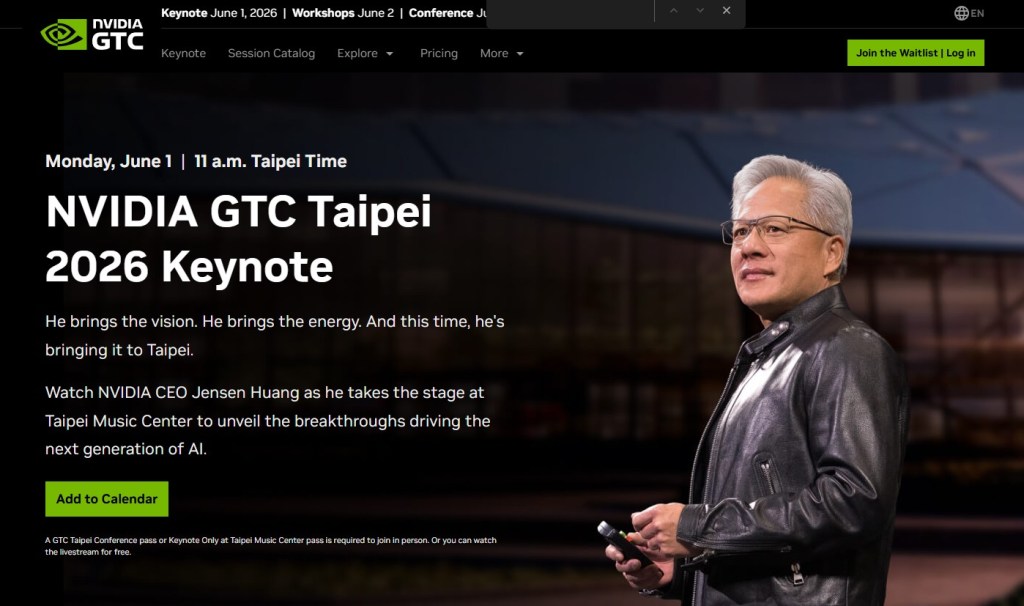
This week, Nvidia and Microsoft generated excitement in the tech sphere through identical posts on social media indicating a transformative shift in the PC realm. The enigmatic messages, combined with coordinates pointing to Taipei, imply an announcement of ARM-based PCs at the GTC Taipei 2026 event.

A New Era of PC Technology

The teaser phrase “A new era of PC” alludes to a transition towards ARM architecture, with Nvidia potentially launching its own consumer chip solution. This strategy may lead Nvidia to contest the x86 dominance of Intel and AMD, providing improved performance and efficiency.

Bringing Excitement to Taipei

The GTC Taipei 2026 keynote is expected to be a momentous occasion in consumer hardware. With Nvidia’s CEO Jensen Huang leading the event, high hopes are set for a display of innovative AI and computing technologies.

Microsoft’s Journey to ARM Consistency

Microsoft’s path with ARM has had its ups and downs, with earlier versions like Windows RT not meeting expectations. Nevertheless, enhancements in Windows 11 and the broader software ecosystem have laid the groundwork for a stronger ARM support framework.

Challenging the x86 Duopoly

Nvidia’s venture into the processor sector presents a notable threat to Intel and AMD. Nvidia’s proficiency in GPUs and AI might yield exceptional performance per watt, exerting pressure on established chip manufacturers to innovate.

Understanding the Application Ecosystem

The success of the new ARM-powered PCs depends on software compatibility. Windows on ARM now features enhanced emulation technology that allows most applications to operate smoothly, though native ARM applications deliver the best capabilities.

Software Compatibility Challenges

Despite improved emulation, certain software that depends on kernel-level drivers, such as antivirus programs and virtualization tools, may encounter difficulties. Compatibility with specialized peripheral software remains a key concern.

The Gaming Challenge and Anti-Cheat Issues

Gaming on ARM-powered systems could face hurdles, especially with anti-cheat software that needs deep system access. Native ARM game versions are vital for optimal performance and security.

Local AI Processing

Nvidia’s ARM processors could change the landscape of local AI processing, enhancing privacy and reducing latency by allowing tasks like image creation and live translation to be completed directly on devices.

Anticipated Competitive Reactions

Intel and AMD are likely to respond vigorously to Nvidia’s entrance into the processor space. Both firms will focus on embedding advanced neural processing units and boosting power efficiency to remain competitive.

Concluding Thoughts Ahead of the Keynote

The partnership between Nvidia and Microsoft could transform personal computing, integrating cutting-edge visual computing technology with a widely adopted operating system. The tech community eagerly anticipates more insights during the GTC Taipei 2026 keynote.

Summary

The collaboration between Nvidia and Microsoft indicates a potential game-changing shift in the PC landscape with the introduction of ARM-powered devices. This evolution challenges the long-standing x86 dominance of Intel and AMD, promising improved performance, efficiency, and fresh opportunities for AI integration.

Questions and Answers

Q: What is the key focus of Nvidia and Microsoft’s teaser?

A: The teaser alludes to the launch of ARM-powered PCs, marking a transition from conventional x86 architecture.

Q: What is the significance of the coordinates?

A: The coordinates direct to Taipei, Taiwan, the site of GTC Taipei 2026, suggesting an announcement at the event.

Q: How does this impact the processor industry?

A: Nvidia’s introduction of ARM-based chips challenges the dominance of Intel and AMD, driving innovation in performance and efficiency.

Q: What challenges may arise for gaming on ARM?

A: Gaming on ARM could experience compatibility challenges with anti-cheat software and necessitate native ARM versions for best results.

Q: How will local AI processing be enhanced with ARM chips?

A: Local AI processing will improve performance and privacy by executing tasks like image generation right on devices.

Q: What competitive actions can be anticipated from Intel and AMD?

A: Both companies are expected to accelerate their innovation initiatives, concentrating on neural processing and energy efficiency to compete with Nvidia’s ARM offerings.

Microsoft Evaluates Automatic Device Isolation in Defender for Endpoint


We independently review everything we recommend. When you buy through our links, we may earn a commission which is paid directly to our Australia-based writers, editors, and support staff. Thank you for your support!

Microsoft’s New Feature for Automatic Device Isolation in Defender for Endpoint

Overview

  • Microsoft showcases automatic device isolation in Defender for Endpoint.
  • This feature is intended to improve response capabilities to ransomware and other threats.
  • Automatic isolation is temporary and is lifted after the incident is resolved.
  • Manual isolation has been part of the Windows 10 Creators Update since its release.
  • New features are also previewed for Defender on Linux.
  • Google and Microsoft incorporate similar containment features into cloud storage solutions.

A New Security Approach: Automatic Device Isolation

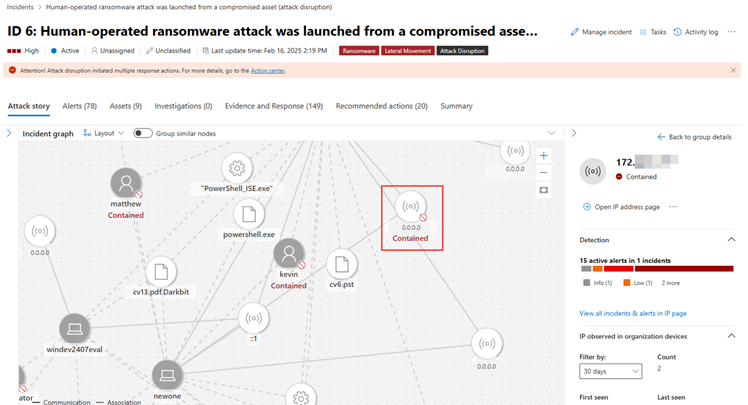
Microsoft has made a notable advancement in cybersecurity with the introduction of a preview for automatic device isolation within its Defender for Endpoint platform. This enhancement is part of a larger strategy focused on improving enterprise security by automatically disrupting attacks like ransomware, reducing the need for immediate human intervention.

Microsoft tests device isolation in Defender for Endpoint

Functionality

The automatic isolation feature activates during a security event, disconnecting affected devices from the network. This isolation is provisional and is lifted after a predetermined duration unless security teams opt to conclude it sooner following a thorough investigation and remediation. Even while isolated, devices continue to communicate with Defender for Endpoint, ensuring ongoing monitoring and data gathering.

Comparison of Manual and Automatic Isolation

Manual device isolation has been an essential part of Defender for Endpoint since the Windows 10 Creators Update, while the automatic option allows for quicker responses to burgeoning threats. This new functionality supports both managed and unmanaged devices, with recent advancements to encompass macOS and Linux platforms as of October 2023.

User Notifications

Windows users receive alerts when their devices undergo isolation, a capability that has yet to be implemented for macOS and Linux users. This difference underscores the continuous effort to develop cross-platform functionality for Defender for Endpoint.

Expanded Security Features

In addition to device isolation, Microsoft is trialing scheduled scanning features for Linux, which complement similar functionalities on macOS. These updates exemplify Microsoft’s commitment to delivering thorough security solutions across diverse operating systems.

Containment in Cloud Storage

In addition to device isolation, both Microsoft and Google are fortifying their cloud storage security through containment strategies for OneDrive and Google Drive. OneDrive emphasizes ransomware detection and recovery, while Google Drive enhances security by pausing sync processes upon detecting ransomware.

Current Availability and Target Audience

The automatic device isolation functionality is presently available for preview on Defender for Endpoint Plan 2, aimed at enterprise clients looking for advanced security options to safeguard their networks.

Conclusion

Microsoft’s recent update to Defender for Endpoint demonstrates their commitment to proactive security measures. The introduction of automatic device isolation promises expedited incident response, improved network security, and enhanced control for enterprises navigating the intricate landscape of cybersecurity threats.

Q: What is the primary goal of automatic device isolation?

A: The primary goal is to swiftly contain threats like ransomware, halting their spread across networks while allowing time for human responders to investigate and remediate.

Q: In what ways does automatic device isolation differ from manual isolation?

A: Automatic isolation is initiated automatically during incidents and is lifted after a designated period, while manual isolation necessitates direct action from security personnel.

Q: Is automatic device isolation applicable to all devices?

A: Currently, it is applicable to devices managed by Defender for Endpoint, with previews available for unmanaged devices and expanded support for operating systems like macOS and Linux.

Q: Will users be aware when their device is isolated?

A: Windows users receive notifications when their device is isolated; however, this feature is not yet available for macOS and Linux users.

Q: What other features are being evaluated on Defender for Endpoint?

A: Microsoft is evaluating scheduled scans for Linux, which are already available on macOS, as part of the ongoing improvement of their security platform.

Q: How does cloud storage containment function for OneDrive and Google Drive?

A: OneDrive focuses on identifying ransomware and assisting recovery, while Google Drive also suspends sync operations to prevent the proliferation of encrypted files.

“Unveiling Wi-Fi 8: TP-Link’s Archer 8 Transforms Connectivity Beyond Maximum Speeds”


We independently review everything we recommend. When you buy through our links, we may earn a commission which is paid directly to our Australia-based writers, editors, and support staff. Thank you for your support!

Quick Overview

  • TP-Link unveils the Archer 8, adhering to the Wi-Fi 8 format.
  • Shift in emphasis from maximum speeds to dependability and consistency.
  • Wi-Fi 8 guarantees improved functionality in multi-level and multiple device settings.
  • IEEE 802.11bn standard seeks to enhance real-world connectivity.
  • Anticipate availability and pricing information in Australia as the 2026 launch approaches.

Reimagining Wi-Fi Standards: TP-Link’s Archer 8

The Dependability Evolution: Beyond Theoretical Maximums

The typical Australian household presents a complex network needing more than just speed. With smart items such as televisions, cameras, and gaming consoles, network reliability becomes vital. TP-Link recognizes these hurdles, directing its Archer 8 towards dependability instead of just theoretical maximum speeds.

Rooted in the Principles of IEEE 802.11bn

The Archer 8 brings forth the Wi-Fi 8 specification, formally recognized as IEEE 802.11bn. This updated standard emphasizes stability to ensure uninterrupted video calls and consistent streaming quality, even in demanding situations.

The Concrete Metrics: Performance Enhancements Over Wi-Fi 7

TP-Link’s internal evaluations indicate notable advancements with Wi-Fi 8, featuring up to 33% increased throughput and improved modulation techniques. These innovations promise quicker, more reliable connections, even over longer distances.

Mastering Multi-Level and Multi-Device Scenarios

In Australian residences, which are frequently multi-tiered, Wi-Fi 8 provides up to 30% improved signal strength across different levels. Cutting-edge antenna design and AI-driven optimization navigate physical connectivity challenges, ensuring steady data flow for all devices.

Elegant Design Meets Precision Crafting

The Archer 8 redefines design principles, merging stylish aesthetics with engineering proficiency. Its sleek design and advanced heat management guarantee efficient router performance during heavy usage.

A Holistic Wi-Fi 8 Ecosystem

In addition to the Archer 8, TP-Link is gearing up a complete Wi-Fi 8 ecosystem that includes the Deco 8 Mesh System and Roam 8 Travel Router. This integrated plan aims to provide next-gen connectivity across a variety of networking applications.

Australian Pricing and Availability Expectations

While the international launch is on schedule for 2026, particulars regarding Australian pricing and availability are yet to be announced. It is expected to fall within the higher-end range of TP-Link’s products, with local pricing confirmed as the launch date approaches.

Envisioning a Future of Home Connectivity with Stability

TP-Link’s Archer 8 symbolizes a transformation in home networking, emphasizing sustained speeds over potential speed peaks. Enhanced modulation, superior coverage, and AI optimization underscore Wi-Fi 8’s commitment to delivering reliable, low-latency performance throughout the entire home.

For further details, visit TP-Link Wi-Fi 8.

Conclusion

TP-Link’s Archer 8 signifies a pivotal change in home networking, spotlighting reliability and stability instead of peak speeds. Constructed on the Wi-Fi 8 framework, it guarantees reliable performance in multi-device, multi-floor contexts, setting a new standard for connectivity.

Inquiries & Responses

Q: What is the central focus of TP-Link’s Archer 8?

A: The Archer 8 emphasizes dependability and stability, moving away from just reaching high theoretical peak speeds.

Q: In what ways does Wi-Fi 8 enhance performance compared to Wi-Fi 7?

A: Wi-Fi 8 provides up to 33% increased throughput and better modulation methods, leading to faster and more stable connectivity.

Q: When can Australians expect the release of the Archer 8?

A: The global release is scheduled for 2026, with specifics regarding Australian availability and pricing anticipated closer to the launch date.

Q: What other products are included in TP-Link’s Wi-Fi 8 ecosystem?

A: The ecosystem comprises the Deco 8 Mesh System, Roam 8 Travel Router, alongside various range extenders and adapters to support Wi-Fi 8.