
Matthew Miller, Author at Techbest - Top Tech Reviews In Australia - Page 32 of 186

South Australia’s Skills Initiative Embraces Reusable Multi-Agent Workflow Framework


We independently review everything we recommend. When you buy through our links, we may earn a commission which is paid directly to our Australia-based writers, editors, and support staff. Thank you for your support!
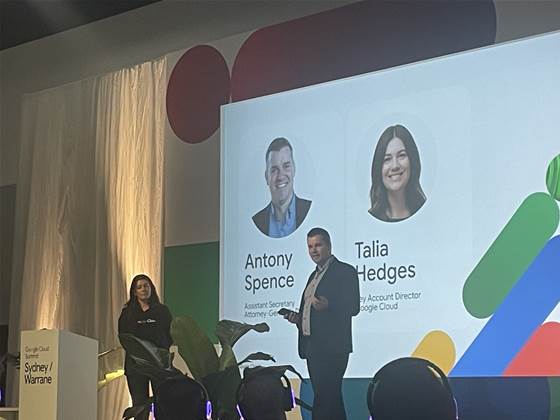
South Australia’s Skills Initiative Implements Reusable Multi-Agent Workflow Model

Brief Overview

  • Skills SA unveils an AI-powered workflow designed to optimize vocational education evaluations.
  • The new system seeks to improve uniformity and lessen manual work in compliance form reviews.
  • This AI workflow features a supervising agent and three dedicated agents to assist with assessment functions.
  • The reusable model has potential applications in various government enterprise processes.

Optimizing Vocational Education Evaluations

Skills SA, with support from the Department of State Development, has introduced a multi-agent AI workflow to refine the review system for vocational education and training providers. This initiative is aimed at ensuring providers effectively fulfill student support requirements annually.

Skills SA's multi-agent AI workflow diagram

The Multi-Agent AI System

The AI workflow, primarily functioning on a Databricks framework, analyzes replies to the Organisational Self Assessment (OSA). This yearly compliance questionnaire, which consists of 40 to 50 inquiries, necessitates that training providers showcase their compliance with six student support standards established by Skills SA.

Obstacles and Resolutions

In the past, the evaluation of these forms was done manually, which was labor-intensive and often inconsistent. The new AI system aids assessors by enhancing the reliability of evaluations and lessening the associated workload. The development of this process, which began 18 months ago, involves a supervising agent along with three other specialized agents to manage various aspects of assessment.

Advantages of AI Incorporation

Jarrad Taylor, the lead for AI, data, and integration, emphasizes three layers of advantages derived from AI enhancement: minimizing routine task duration for assessors, delivering real-time workflow insight for operational teams, and ensuring uniform standards enforcement with a thorough audit trail for Skills SA.

Potential for Wider Use

The AI workflow framework established for OSA is considered a reusable template for other governmental enterprise functions. The traits that made OSA an ideal candidate for AI—large data volume, specific standards, and regulatory requirements—are prevalent across several government sectors, suggesting a wider potential for application.

Conclusion

The launch of a multi-agent AI workflow by Skills SA signifies a major step forward in optimizing the evaluation of vocational education providers. By boosting consistency and decreasing manual efforts, this initiative establishes a new benchmark for government enterprise functions, with possibilities for integration in multiple fields.

Q: In what ways does the multi-agent AI workflow assist assessors?

A: It curtails the time allocated to routine tasks, enabling assessors to concentrate on submissions that require human evaluation and follow-up.

Q: What issues does the AI workflow resolve?

A: It addresses the challenges of consistency and workload in the evaluation of extensive structured and unstructured data during the compliance check.

Q: Is this AI framework applicable to other sectors?

A: Absolutely, the model is adaptable and can be utilized in any government process characterized by substantial information volume, established standards, and governance requirements.

Q: What does the Organisational Self Assessment (OSA) entail?

A: OSA is an annual compliance questionnaire containing 40 to 50 questions that training providers complete to demonstrate adherence to Skills SA’s standards for student support.

Electric Vehicles Soar: 23% of New Automobile Sales in Australia Recorded in June 2026


We independently review everything we recommend. When you buy through our links, we may earn a commission which is paid directly to our Australia-based writers, editors, and support staff. Thank you for your support!

Quick Read

  • June 2026 stands as Australia’s record month for new vehicle sales.
  • Electric vehicles (EVs) held 23% of the entire new car sales.
  • This growth is occurring despite economic challenges.
  • China has emerged as the main supplier of new vehicles in Australia.
  • Tesla and BYD are at the forefront of the EV market expansion.

The Surge of Electric Vehicles in Australia

The month of June 2026 will be noted as a pivotal chapter for the Australian auto sector, achieving the highest recorded new vehicle sales. In a notable transition, electric vehicles made up a remarkable 23% of all new car sales, with total vehicle sales reaching 140,058 units. This shift occurs against the backdrop of increasing interest rates and living costs, as Australians embrace the long-term advantages of EVs.

The Initial Forecasts of Electric Leadership

TechBest forecasted this evolution six years ago, honing in on electric vehicles. Although skepticism surrounded the future of EVs in Australia, the current data confirms this insight. Regional consumers are progressively adopting EVs, as brands like BYD establish service centers beyond the main cities.

Technology Adoption Timeline

Australia’s automotive market has transitioned from early adopters to the early majority phase, marking a significant advancement in the technology adoption timeline. The latest statistics indicate that EVs are now mainstream, attracting suburban families and commercial fleet buyers.

Electric Vehicles in Quantitative Terms

In merely six months, the market share of electric vehicles surged nearly threefold, escalating from 8.4% in January to 23.4% in June. This rapid escalation underscores a pivotal change in consumer choices, with more Australians preferring EVs over gasoline-powered cars.

Performance of Brands in the EV Sector

Tesla topped the sales with 8,670 vehicles sold in June, marking a significant rise from the preceding year. The Model Y gained notable popularity, while the Model 3 saw a downturn. BYD also made a considerable impact, nearly surpassing Toyota in monthly sales.

Market Influences and Dynamics

Factors such as global uncertainty and variable fuel costs have sped up the transition towards electric vehicles. Industry figures like Tony Weber recognize this as a permanent alteration in the automotive landscape.

China’s Influence on the Australian Auto Market

China has ascended to become Australia’s top source for new vehicles, overtaking traditional frontrunners like Japan and Thailand. Brands such as BYD, GWM, and Chery are propelling this shift, providing competitive electric and hybrid solutions.

Leading Brands and Popular Models

While Toyota remains the leading brand, BYD is rapidly narrowing the disparity. The Ford Ranger and Toyota HiLux continue to excel in individual model sales, with the BYD Sealion 7 making a prominent entrance into the top three.

Sales Performance by State and Territory

Every Australian state and territory witnessed significant growth in vehicle sales relative to the previous year. New South Wales topped in volume, whereas Tasmania recorded the highest growth percentage.

Conclusion

The Australian automotive scene is experiencing a substantial transformation, with electric vehicles taking the spotlight. The combination of competitive pricing, improved manufacturing, and rising consumer demand for sustainable choices suggests a lasting change in market dynamics.

Q: What percentage of new car sales did EVs account for in June 2026?

A: Electric vehicles represented 23% of new car sales in June 2026.

Q: Which brand led EV sales in Australia in June?

A: Tesla led EV sales, greatly aided by the Model Y.

Q: How has China’s position evolved in the Australian car market?

A: China is now the primary source of new vehicles in Australia, outpacing Japan and Thailand.

Q: What factors are propelling the move towards electric vehicles?

A: Influences include economic challenges, global instability, and increasing awareness of EV advantages.

Q: Which state recorded the highest growth in vehicle sales?

A: Tasmania achieved the largest growth percentage at 14.3%.

Q: How did overall vehicle sales in June 2026 fare against the prior year?

A: Total vehicle sales in June 2026 reached the highest level ever documented in Australia, significantly exceeding the previous year.

OAIC Ordered to Publish Full Amex Privacy Decision


We independently review everything we recommend. When you buy through our links, we may earn a commission which is paid directly to our Australia-based writers, editors, and support staff. Thank you for your support!

Privacy Authority to Publish Complete Amex Ruling

Quick Summary

  • OAIC instructed to disclose complete investigation details on Amex.
  • Senate resolution passed with a tally of 33-21.
  • Documents to be submitted by July 28, excluding personal data.
  • Investigation disclosed flaws in Amex’s security and access controls.

Privacy Authority to Publish Complete Amex Ruling

OAIC instructed to publish full details on Amex privacy ruling

Investigation Background

The Office of the Australian Information Commissioner (OAIC) was recently directed by the Australian Senate to publish complete details of an inquiry into American Express Australia Limited (Amex). This inquiry revealed critical security and access control shortcomings within Amex’s systems.

Senate Participation and Decision

Greens senator David Shoebridge introduced a motion in the Senate, which passed successfully with a vote of 33-21. The motion calls for all documents related to the OAIC’s inquiry into Amex to be produced by July 28. This entails the full text of the determination as well as all communications between the OAIC and Amex.

OAIC’s Initial Stance

The OAIC initially released only a summarized report of its findings. The choice to keep the full report confidential was based on concerns regarding potential harm to individuals, risks to Amex’s cybersecurity, and the safeguarding of investigative processes.

Consequences for American Express

As a result of the investigation, the OAIC mandated Amex to enhance its system access controls within six months. This order was a response to two insider privacy violations, emphasizing the necessity for strengthened security protocols.

Conclusion

The Australian Senate has ordered the OAIC to disclose thorough details of its investigation into Amex, emphasizing notable security challenges. This decision highlights the significance of transparency and accountability in managing privacy concerns, pushing Amex to bolster its security measures.

Q&A

Q: Why was the complete report initially kept from the public by the OAIC?

A: The OAIC indicated potential harm to individuals, cybersecurity vulnerabilities, and the need to protect investigative proceedings as reasons for concealing the complete report.

Q: What are the repercussions for Amex following the inquiry?

A: Amex has been directed to enhance its system access controls within six months to avert future privacy violations.

Q: When is the OAIC anticipated to reveal the full details?

A: The OAIC has been instructed to present the comprehensive information by July 28.

Q: What does the Senate’s resolution indicate for privacy transparency?

A: The resolution emphasizes a commitment to transparency and accountability in privacy issues, ensuring that organizations are held accountable for security breaches.

Amazon Set to Debut Initial Leo Internet Service in Australia This Year


We independently review everything we recommend. When you buy through our links, we may earn a commission which is paid directly to our Australia-based writers, editors, and support staff. Thank you for your support!

Amazon’s Leo Internet Service Prepares for Launch in Australia

Quick Overview

  • Amazon’s Leo satellite network is set to initiate its service later this year.
  • A total of 394 satellites are already in orbit, with plans to expand to over 3,200 for worldwide coverage.
  • The new service is aimed at individual consumers, government entities, and businesses like airlines.
  • Amazon’s launch strategy involves collaborations with several rocket companies.
  • It faces competition from SpaceX’s Starlink, which has around 10,000 satellites in operation.

Expansion of Amazon’s Satellite Network

Amazon’s bold initiative for a worldwide satellite-based internet service is on the verge of fruition as the company gears up to introduce its first Leo internet service in Australia within this year. With 394 satellites currently in orbit, Amazon intends to enhance this array to over 3,200, delivering internet coverage that can compete with SpaceX’s Starlink.

Successful Launch Recently

Amazon's Leo internet service to launch in Australia

The recent deployment of 29 satellites using an Atlas V rocket from Florida marked Amazon’s 14th launch, elevating its satellite total to over 390. The Leo network is projected to start service near the poles of the Earth, gradually broadening coverage as additional satellites are launched.

Rivalry with Starlink

Amazon contends with significant rivalry from SpaceX’s Starlink, which has a considerable advantage with roughly 10,000 satellites in action. Nonetheless, Amazon’s Leo service is set to deliver comparable internet offerings to individuals, governmental agencies, and business sectors, including airlines.

Challenges in Launch and Collaborations

Amazon’s advancement is greatly dependent on its collaborations with launch providers such as United Launch Alliance (ULA), which has played a crucial role with its Atlas V rocket. Other partnerships consist of agreements with Arianespace and SpaceX for the Ariane 6 and Falcon 9 rockets, respectively. Despite challenges posed by Blue Origin’s New Glenn rocket and ULA’s Vulcan, Amazon remains dedicated to its launch timetable.

Conclusion

Amazon’s Leo network is poised to transform internet accessibility with its satellite-driven service. As the company launches its initial offerings in Australia, it aspires to deliver extensive coverage, competing directly with SpaceX’s Starlink. With strategic alliances and a commitment to extensive satellite deployment, Amazon is ready to make significant strides in the global internet service arena.

Q: What is Amazon’s Leo network?

A: Amazon’s Leo network is a satellite-driven internet service aimed at providing global coverage through the deployment of a constellation exceeding 3,200 satellites.

Q: When will the Leo service be available in Australia?

A: The first Leo internet service is anticipated to be launched in Australia later this year, with a wider rollout scheduled for mid-2026.

Q: How does the Leo network match up against SpaceX’s Starlink?

A: While both networks pursue the goal of delivering global satellite internet services, SpaceX’s Starlink currently has a larger satellite fleet. However, Amazon aims to quickly expand to provide similar services.

Q: What obstacles has Amazon faced concerning the Leo network launch?

A: Amazon has dealt with issues related to rocket launches, such as a New Glenn explosion and problems with Vulcan’s engines, but continues to collaborate with various launch partners to keep on schedule.

Q: Who are the launch partners for Amazon’s Leo network?

A: Amazon has engaged United Launch Alliance, Arianespace, SpaceX, and several others to assist in deploying its Leo satellite constellation.

UNSW Faces a Significant 95% Decrease in M365 Storage by October


We independently review everything we recommend. When you buy through our links, we may earn a commission which is paid directly to our Australia-based writers, editors, and support staff. Thank you for your support!

UNSW Faces Significant M365 Storage Reduction and Its Consequences

Brief Overview

  • UNSW is set to experience a 95% decrease in M365 storage starting in October.
  • This alteration is attributed to Microsoft’s revised licensing agreements for 2023.
  • All universities across Australia are impacted by this broad change in the industry.
  • Microsoft’s licensing framework complicates the management of storage for universities.
  • On-premises storage options are becoming increasingly attractive.
  • Institutions must incorporate contestability into licensing discussions.

UNSW’s M365 Storage Issue

UNSW faces a 95 percent decrease in its M365 storage by October

The University of New South Wales (UNSW) is gearing up for a significant 95 percent cut in the storage allocation for its Microsoft 365 platform in October, implementing a variety of space-conserving measures.

Sector-Wide Repercussions

The decrease in cloud storage available to staff and students results from Microsoft altering the licensing conditions for its productivity suite in 2023—new limits that are currently being enforced. UNSW recognizes the impending challenges for user groups such as researchers who rely on OneDrive for data storage.

Microsoft’s Complicated Licensing

As with other institutions enrolled in M365, UNSW must deal with Microsoft’s intricate three-tiered A1, A3, and A5 licensing structure. A representative from UNSW refrained from commenting on licensing specifics, citing policy restrictions.

Storage Recovery and AI Expansion

Upon announcing alterations to storage limits in 2023, Microsoft referenced various considerations including environmental factors. The timing of this announcement aligns with the growth of AI data centers, signifying a strategic initiative by Microsoft to reclaim infrastructure.

On-Premises Options Become More Inviting

Reverting to on-premises storage solutions is becoming increasingly appealing due to the high expenses linked to additional Microsoft storage. Solutions such as network-accessible storage (NAS) devices and cloud alternatives like Wasabi provide cost-effective options.

Essential Need for Contestability in Licensing

Ultimately, the core issue extends beyond mere storage costs; it involves the insufficient bargaining power institutions possess in licensing negotiations. Establishing genuine contestability in these discussions is now vital for universities, necessitating intentional planning and implemented strategies.

Conclusion

UNSW’s forthcoming reduction in M365 storage underscores larger challenges faced by Australian universities due to Microsoft’s licensing modifications. As institutions shift towards on-premises alternatives and cloud solutions, they must reassess their storage approaches and negotiate effectively with technology vendors.

Q: Why is UNSW cutting its M365 storage?

A: UNSW is cutting its M365 storage in response to Microsoft’s newly enforced 2023 licensing terms.

Q: How are other Australian universities impacted?

A: All Australian universities utilizing M365 are encountering similar storage reduction issues due to Microsoft’s widespread policy change.

Q: Are there options beyond Microsoft’s storage solutions?

A: Yes, institutions are exploring on-premises alternatives like NAS devices and cloud solutions such as Wasabi for more economical storage.

Q: What is the primary concern regarding Microsoft’s licensing?

A: The primary concern revolves around the lack of bargaining power institutions have when vendors alter licensing terms, making it vital to foster contestability in negotiations.

Google Closes Down NetNut Proxy Network


We independently review everything we recommend. When you buy through our links, we may earn a commission which is paid directly to our Australia-based writers, editors, and support staff. Thank you for your support!

Google’s Strategic Initiative Against the NetNut Proxy Network

Quick Overview

  • Google, in partnership with the FBI and Lumen, has taken action against the NetNut proxy network.
  • This initiative is designed to tackle cybercriminals who utilize these networks to conceal illicit activities.
  • NetNut operated under Alarum Technologies, offering a range of proxy services.
  • Residential proxy networks can facilitate both legitimate and fraudulent activities.
  • Google’s measures have considerably diminished NetNut’s capabilities.

Google Focuses on Proxy Network Misused for Cybercrime

In a calculated effort, Google has effectively diminished the operations of the NetNut residential proxy network, which has been exploited by cybercriminals for harmful online activities. This initiative was executed in collaboration with prominent partners including the FBI and Lumen. The joint operation not only deactivated accounts and services associated with NetNut’s malware activities but also provided vital technical insights to law enforcement to strengthen ongoing enforcement actions.

The Function and Dangers of Residential Proxy Networks

Residential proxy networks, such as NetNut, allow users to direct their internet traffic via consumer IP addresses. While this can have legitimate uses, like enhancing privacy and overcoming geo-blocks, it also poses risks. Cybercriminals take advantage of these networks to obscure their online activities, complicating the ability of security systems to identify and mitigate malicious actions.

Effects on NetNut’s Operations

Google’s assertive measures have reportedly led to a substantial decline in NetNut’s proxy network and business functions. By drastically reducing the number of accessible devices, the action has severely affected the network’s functionality and availability, delivering a setback to those who exploit these services for cybercrime.

Overview of NetNut and Alarum Technologies

Established in 2017, NetNut is a subsidiary of Alarum Technologies, a cybersecurity enterprise located in Israel. NetNut provides diverse proxy services, including rotating residential, ISP, mobile, and datacenter proxies. Despite the legitimate uses of these services, their potential for misuse has raised increasing concerns within the cybersecurity domain.

Google disrupts NetNut proxy network

Conclusion

Google’s action regarding the NetNut proxy network underscores the ongoing fight against cybercrime and the necessity of addressing tools that enable such activities. By working with law enforcement and industry affiliates, Google has made a significant move towards safeguarding the internet from harmful behavior.

Common Questions

Q: What was the primary objective of Google’s action against NetNut?

A: Google aimed to disrupt NetNut’s exploitation by cybercriminals and improve online security.

Q: How do residential proxy networks function?

A: They direct internet traffic through consumer IP addresses, concealing the origin of online activities.

Q: Are residential proxy networks legally usable?

A: Yes, they offer legitimate applications like privacy enhancement and evading geo-restrictions.

Q: What consequences did Google’s actions have on NetNut?

A: It led to a considerable reduction in NetNut’s operations, minimizing their pool of available devices by millions.

Q: Who collaborated with Google in this initiative?

A: Google partnered with the FBI, Lumen, and other industry stakeholders.

Q: What does the future hold for proxy networks?

A: While they remain useful, increased regulation and supervision are anticipated to deter misuse.

Aussie Government Bans Deceptive Online Charges, Putting an End to Subscription Scams


We independently review everything we recommend. When you buy through our links, we may earn a commission which is paid directly to our Australia-based writers, editors, and support staff. Thank you for your support!

Australia Takes Action Against Hidden Online Charges and Subscription Pitfalls

Brief Overview

  • New Australian legislation prohibits concealed online charges and subscription pitfalls.
  • Businesses are required to reveal all prices upfront.
  • Canceling subscriptions will be as straightforward as enrolling.
  • Businesses that do not comply will face substantial fines.
  • The reforms are intended to improve digital consumer rights in Australia.

The Conclusion of Online Confusion

For far too long, businesses have employed perplexing website layouts to trap consumers in recurring payments. While signing up is made exceedingly easy, locating the cancellation button feels like a treasure hunt.

The new legislation is designed to create a fair environment for Australian consumers. The objective is to guarantee that what you view is precisely what you receive when shopping online.

The updated laws will categorically outlaw sly hidden charges and subscription pitfalls to prevent you from encountering unexpected fees you didn’t authorize. This mirrors the anti-spam regulations that compelled senders to provide straightforward unsubscribe options and SMS senders to support the STOP command.

Why This is Important for Australian Tech Buyers

This is a tremendous victory for anyone purchasing software, streaming films, or shopping on global platforms. Subscription fatigue is genuine, and companies often count on you overlooking a free trial that automatically transitions into a paid subscription.

According to the new guidelines, businesses will be obligated to fully disclose their pricing structures from the very outset. This signifies an end to drip pricing, where fees are incrementally added throughout the purchasing process.

If a business intends to impose a charge, it must be displayed upfront, rather than holding your transaction hostage until the final confirmation stage.

Eliminating Subscription Pitfalls

Subscription pitfalls are exceptionally exploitative as they depend on barriers to maintain cash flow. Some platforms require you to contact an international number merely to terminate a digital subscription.

The federal government aims to ensure that canceling a service is as effortless as signing up in the first place. If initiating a subscription requires one click, discontinuing it should also take a single click.

This law will compel both local and international digital service providers operating in Australia to reevaluate their user experiences.

Next Steps for Online Retailers

Businesses must immediately assess their existing digital platforms to adhere to the forthcoming regulations. This entails eliminating any pre-selected boxes that surreptitiously enroll customers in premium add-ons or recurring delivery services.

Those who persist in using misleading design features could incur substantial financial penalties from Australian consumer regulators. It sends a clear message from Canberra that the chaotic era of e-commerce deception is officially concluded.

Major updates are anticipated across popular Australian retail websites and streaming services in the upcoming months as they adapt to the new legislative benchmarks.

Concluding Thoughts on the Reforms

This legislation is a remarkable development that most everyday Australians can support. There is nothing worse than feeling deceived while merely trying to purchase a product or service online.

By eliminating these concealed charges, consumers can finally compare prices accurately and make informed choices without the fear of unexpected costs at checkout.

This represents a significant advancement for digital consumer rights in Australia, compelling companies to compete based on genuine value rather than clever tactics.

Recap

New laws in Australia have been established to eradicate the practice of hidden online fees and subscription pitfalls. Businesses are now required to provide clear pricing from the outset, facilitating consumers to see the complete cost upfront. These reforms aim to boost consumer rights and create a fairer digital marketplace.

Questions & Answers

Q: What are the new regulations focusing on?

A: The regulations focus on hidden online fees and subscription pitfalls that mislead consumers into paying more than expected.

Q: How will these regulations benefit consumers?

A: Consumers will experience clearer pricing, making it simpler to compare products and services without unforeseen charges.

Q: What consequences do businesses face for non-compliance?

A: Businesses that do not comply may incur significant financial penalties from Australian consumer regulators.

Q: Will it be easier to cancel a subscription?

A: Yes, the new regulations ensure that canceling a subscription is as easy as signing up, typically requiring just one click.

Q: What changes should online retailers anticipate?

A: Retailers will need to evaluate their pricing presentations and eliminate pre-selected boxes that enroll customers in extra fees.

Q: What is the expected effect on digital consumer rights?

A: The regulations enhance digital consumer rights by encouraging transparency and fairness in online transactions.

Reasons the Managed Service Provider Market is Ready for Disruption


We independently review everything we recommend. When you buy through our links, we may earn a commission which is paid directly to our Australia-based writers, editors, and support staff. Thank you for your support!

Rapid Overview

  • The Managed Service Provider (MSP) sector is undergoing notable transformation and upheaval.
  • Cloud technology, automation, and cybersecurity serve as primary catalysts for this upheaval.
  • Businesses in Australia are becoming more dependent on MSPs for IT services.
  • MSPs need to evolve in response to new technologies and client expectations to remain competitive.
Disruption in the Managed Service Provider market

Grasping the MSP Market Transition

The Managed Service Provider (MSP) market is experiencing a shift influenced by technological progress and evolving business requirements. As organizations across Australia look for more effective and secure IT services, MSPs are positioned at the center of providing these offerings.

Main Factors of Upheaval

Cloud Technology

Cloud technology is consistently altering the IT environment, providing companies with scalability and adaptability. MSPs are incorporating cloud offerings to fulfill the rising need for remote access and digital transformation.

Automation

Automation tools are simplifying processes and lowering operational expenditures. MSPs are utilizing automation to enhance service provision and improve customer satisfaction.

Cybersecurity

As cyber threats escalate, cybersecurity has gained paramount importance for MSPs. They are allocating resources to advanced security strategies to safeguard client information and uphold trust.

The Context in Australia

Australian companies are increasingly turning to MSPs for their IT infrastructure management. This trend stems from a demand for specialized knowledge and economical solutions. Consequently, the MSP industry is rapidly adapting to fulfill these needs.

Adjusting to the Future

To stay relevant, MSPs must welcome innovation and adjust to new technologies. This involves embracing AI, strengthening cybersecurity protocols, and delivering customized solutions that cater to unique client requirements.

Overview

The MSP sector is set for upheaval, with cloud technology, automation, and cybersecurity paving the way. As Australian businesses increasingly depend on MSPs, these providers need to progress to address fresh challenges and possibilities.

Q: What is driving the upheaval in the MSP sector?

A: The upheaval is mainly propelled by advancements in cloud technology, automation tools, and increased demands for cybersecurity.

Q: How vital is cloud technology for MSPs?

A: Cloud technology is essential for MSPs as it provides scalability, adaptability, and supports digital transformation initiatives.

Q: Why is cybersecurity a priority for MSPs?

A: Due to the surge in cyber threats, MSPs need to emphasize cybersecurity to protect client information and sustain trust.

Q: How are Australian companies influencing the MSP sector?

A: The dependence of Australian companies on MSPs for IT services is propelling the rapid transformation of the market and the demand for innovative solutions.

Q: Which technologies should MSPs implement to remain competitive?

A: MSPs should concentrate on incorporating AI, improving cybersecurity practices, and offering tailored solutions to clients.

Collins Foods, operator of KFC Australia, investigates AI to enhance profit margins


We independently review everything we recommend. When you buy through our links, we may earn a commission which is paid directly to our Australia-based writers, editors, and support staff. Thank you for your support!

Collins Foods Adopts AI for Enhanced Profit Margins

Fast Overview

  • Collins Foods is piloting AI solutions to elevate profit margins in 296 KFC locations across Australia.
  • The emphasis is on refining labour and food expenses, partnering with Yum! Brands.
  • Further updates anticipated at upcoming investor meetings.
  • Yum! Brands has made substantial investments in AI, presenting tools like Byte by Yum for managing restaurants.
  • Collins Foods has terminated its alliance with Yum! for Taco Bell operations in Australia.

AI for Operational Efficiency

Collins Foods, the franchise operator for KFC in Australia, is making major advances to improve its operational effectiveness through artificial intelligence (AI). By partnering with Yum! Brands, the worldwide franchisor of KFC, Collins Foods intends to refine its labour and food expenses, which represent significant costs for the organization.

KFC Australia AI efforts for profit enhancement

Image credit: Collins Foods

Collaborative Strategy with Yum! Brands

During the presentation of the company’s full-year results, CEO Xavier Simonet emphasized the promising potential of AI to enhance profitability by ensuring the appropriate staffing levels and food supply are available as needed. This strategy aligns with Yum! Brands’ extensive digital transformation efforts, which encompass a US$1 billion commitment to AI and digital resources.

Yum! Brands’ AI Projects

Yum! Brands has been proactively developing AI technologies, such as the Byte by Yum platform, aimed at aiding restaurant managers with labour and inventory oversight. This collection of AI resources is part of a major investment to capitalize on digital tools across its brands, including KFC, Taco Bell, and Pizza Hut.

Changes in Collins Foods’ Business Operations

Recently, Collins Foods severed its contract with Yum! to manage Taco Bell in Australia, shutting down several locations and returning others to Yum! Brands. This transition enables Collins to concentrate on its primary KFC operations and the adoption of AI technologies to boost profitability.

Conclusion

Collins Foods is harnessing AI to enhance its profit margins by refining labour and food costs in its KFC outlets across Australia. Working closely with Yum! Brands, the company is set to reveal more extensive plans in forthcoming investor meetings. These initiatives form part of Yum! Brands’ broader digital transformation strategy, highlighting a significant investment in AI technologies.

Q&A

Q: What is the reason for Collins Foods’ focus on AI?

A: The company is targeting the optimization of labour and food costs, which are major areas of expense, to improve profit margins.

Q: What role does Yum! Brands play in this initiative?

A: Yum! Brands is partnering with Collins Foods to roll out AI technologies as part of their extensive digital strategy.

Q: What AI tools has Yum! Brands developed?

A: Yum! Brands has created tools available through the Byte by Yum platform, centering on labour and inventory management.

Q: What changes have occurred in Collins Foods’ relationship with Taco Bell?

A: Collins Foods has concluded its Taco Bell operations in Australia, transferring locations back to Yum! Brands to focus on KFC operations.

Blackmores Utilizes Knowledge Graphs to Drive Future AI Developments


We independently review everything we recommend. When you buy through our links, we may earn a commission which is paid directly to our Australia-based writers, editors, and support staff. Thank you for your support!

Blackmores Utilizes Knowledge Graphs for AI Advancements

Quick Overview

  • Blackmores Group is incorporating knowledge graph technology to improve AI functionalities.
  • This endeavor seeks to enhance supplement suggestions for healthcare professionals.
  • Knowledge graphs assist in visualizing complex data linkages and offer clear explanations.
  • AI Health Innovation Hub at Blackmores is leading these technological developments.
  • Agentic AI technology is prioritized for conveying information within healthcare.

Blackmores Group Adopts Knowledge Graph Technology

Blackmores employs knowledge graph for AI progress

Blackmores Group has made a significant advancement in incorporating knowledge graph technology into its AI systems. This initiative is set to aid healthcare professionals in delivering more informed supplement recommendations to their patients. As noted by Warren Mackay-Smith, leader of Blackmores’ AI Health Innovation Hub, during the Google Cloud Summit in Sydney, knowledge graph technology is particularly suitable for the health and life sciences fields due to its capability to manage diverse data points and complex configurations.

The Importance of Knowledge Graphs in Healthcare

In the medical field, grasping and illustrating the extensive assortment of products, ingredients, and their relations to various health conditions can pose challenges. Knowledge graphs provide the means to map these complicated connections, establishing a foundational layer for AI applications. This method allows for more transparent AI queries, fostering trust and dependability in recommendations.

AI Health Innovation Hub: Leading the Charge with Agentic Solutions

Blackmores’ AI Health Innovation Hub is pioneering the development of agentic AI technologies as an information dissemination tool. The hub is dedicated to ensuring that AI can deliver accurate and contextually relevant suggestions, customized to each patient’s requirements. By utilizing knowledge graph technology, Blackmores intends to expand its solutions across a wide range of ingredients and conditions, improving the transparency and traceability of AI-assisted recommendations.

Building Trust and Adherence

For Blackmores, upholding the trust of healthcare professionals and consumers is essential. With the integration of knowledge graphs, every AI suggestion can be linked back to its origin, ensuring responsibility and adherence to regulatory requirements. This traceability is vital for maintaining the integrity and reliability of the suggestions made by Blackmores’ AI systems.

Conclusion

Blackmores Group is harnessing knowledge graph technology to bolster AI capabilities in the healthcare arena. By mapping intricate relationships and ensuring understandable AI, the organization aims to refine supplement recommendations, build trust, and secure compliance. The AI Health Innovation Hub is pivotal to these developments, concentrating on agentic AI solutions for the future of healthcare.

Q: What is knowledge graph technology?

A: Knowledge graph technology is a system for mapping intricate relationships between various data points, making them easily understandable and applicable for AI applications.

Q: How does Blackmores intend to utilize knowledge graphs?

A: Blackmores intends to utilize knowledge graphs to enhance AI functionalities, enabling healthcare professionals to provide better-informed supplement suggestions to patients.

Q: What encompasses the AI Health Innovation Hub?

A: The AI Health Innovation Hub is a Blackmores initiative dedicated to creating agentic AI technologies for enhanced information delivery in the healthcare sector.

Q: Why is traceability crucial for AI suggestions?

A: Traceability guarantees that AI suggestions are accountable, meet regulatory standards, and sustain trust with healthcare professionals and consumers.

Q: What potential advantages does agentic AI offer in healthcare?

A: Agentic AI can provide more personalized, contextually aware suggestions, enhancing patient outcomes and supporting healthcare professionals’ decision-making processes.