
Amazon Set to Debut Initial Leo Internet Service in Australia This Year

We independently review everything we recommend. When you buy through our links, we may earn a commission which is paid directly to our Australia-based writers, editors, and support staff. Thank you for your support!
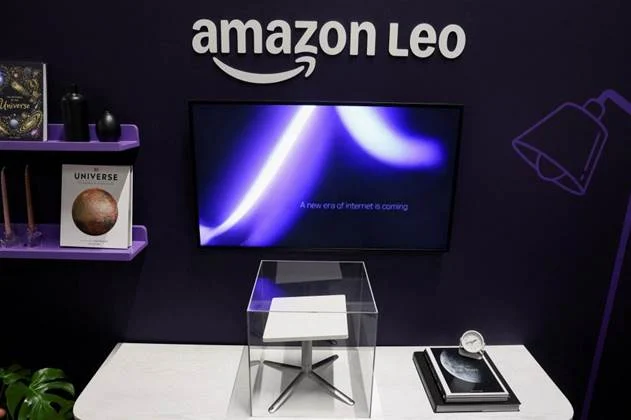
Amazon’s Leo Internet Service Prepares for Launch in Australia
Quick Overview
- Amazon’s Leo satellite network is set to initiate its service later this year.
- A total of 394 satellites are already in orbit, with plans to expand to over 3,200 for worldwide coverage.
- The new service is aimed at individual consumers, government entities, and businesses like airlines.
- Amazon’s launch strategy involves collaborations with several rocket companies.
- It faces competition from SpaceX’s Starlink, which has around 10,000 satellites in operation.
Expansion of Amazon’s Satellite Network
Amazon’s bold initiative for a worldwide satellite-based internet service is on the verge of fruition as the company gears up to introduce its first Leo internet service in Australia within this year. With 394 satellites currently in orbit, Amazon intends to enhance this array to over 3,200, delivering internet coverage that can compete with SpaceX’s Starlink.
Successful Launch Recently
The recent deployment of 29 satellites using an Atlas V rocket from Florida marked Amazon’s 14th launch, elevating its satellite total to over 390. The Leo network is projected to start service near the poles of the Earth, gradually broadening coverage as additional satellites are launched.
Rivalry with Starlink
Amazon contends with significant rivalry from SpaceX’s Starlink, which has a considerable advantage with roughly 10,000 satellites in action. Nonetheless, Amazon’s Leo service is set to deliver comparable internet offerings to individuals, governmental agencies, and business sectors, including airlines.
Challenges in Launch and Collaborations
Amazon’s advancement is greatly dependent on its collaborations with launch providers such as United Launch Alliance (ULA), which has played a crucial role with its Atlas V rocket. Other partnerships consist of agreements with Arianespace and SpaceX for the Ariane 6 and Falcon 9 rockets, respectively. Despite challenges posed by Blue Origin’s New Glenn rocket and ULA’s Vulcan, Amazon remains dedicated to its launch timetable.
Conclusion
Amazon’s Leo network is poised to transform internet accessibility with its satellite-driven service. As the company launches its initial offerings in Australia, it aspires to deliver extensive coverage, competing directly with SpaceX’s Starlink. With strategic alliances and a commitment to extensive satellite deployment, Amazon is ready to make significant strides in the global internet service arena.
Reader questions
Frequently asked questions
Fast answers to the questions readers ask most about Amazon Set to Debut Initial Leo Internet Service in Australia This Year.
What is Amazon's Leo network?
Amazon’s Leo network is a satellite-driven internet service aimed at providing global coverage through the deployment of a constellation exceeding 3,200 satellites.
When will the Leo service be available in Australia?
The first Leo internet service is anticipated to be launched in Australia later this year, with a wider rollout scheduled for mid-2026.
How does the Leo network match up against SpaceX's Starlink?
While both networks pursue the goal of delivering global satellite internet services, SpaceX’s Starlink currently has a larger satellite fleet. However, Amazon aims to quickly expand to provide similar services.
What obstacles has Amazon faced concerning the Leo network launch?
Amazon has dealt with issues related to rocket launches, such as a New Glenn explosion and problems with Vulcan’s engines, but continues to collaborate with various launch partners to keep on schedule.
Who are the launch partners for Amazon's Leo network?
Amazon has engaged United Launch Alliance, Arianespace, SpaceX, and several others to assist in deploying its Leo satellite constellation.
