Matthew Miller, Author at Techbest - Top Tech Reviews In Australia - Page 29 of 161

“Concealed Weakness: Linux Privilege Escalation Flaw Found in Kernel Since 2017”


We independently review everything we recommend. When you buy through our links, we may earn a commission which is paid directly to our Australia-based writers, editors, and support staff. Thank you for your support!

Linux Kernel Vulnerability: An Old Threat Uncovered

Brief Overview

  • A flaw in the Linux kernel, named “Copy Fail,” enables non-privileged users to obtain root access.
  • This issue affects popular Linux distributions such as Ubuntu, Amazon Linux, and Red Hat Enterprise Linux since 2017.
  • Copy Fail stands out because it does not require race conditions or specific offsets pertaining to kernel versions to exploit.
  • A 732-byte Python script can leverage the vulnerability across different distributions without modifications.
  • A remedy has been implemented to undo the performance enhancement that triggered the problem.
  • Organizations that cannot patch immediately should block the algif_aead kernel module.

Old Vulnerability in Linux Kernel Unveiled

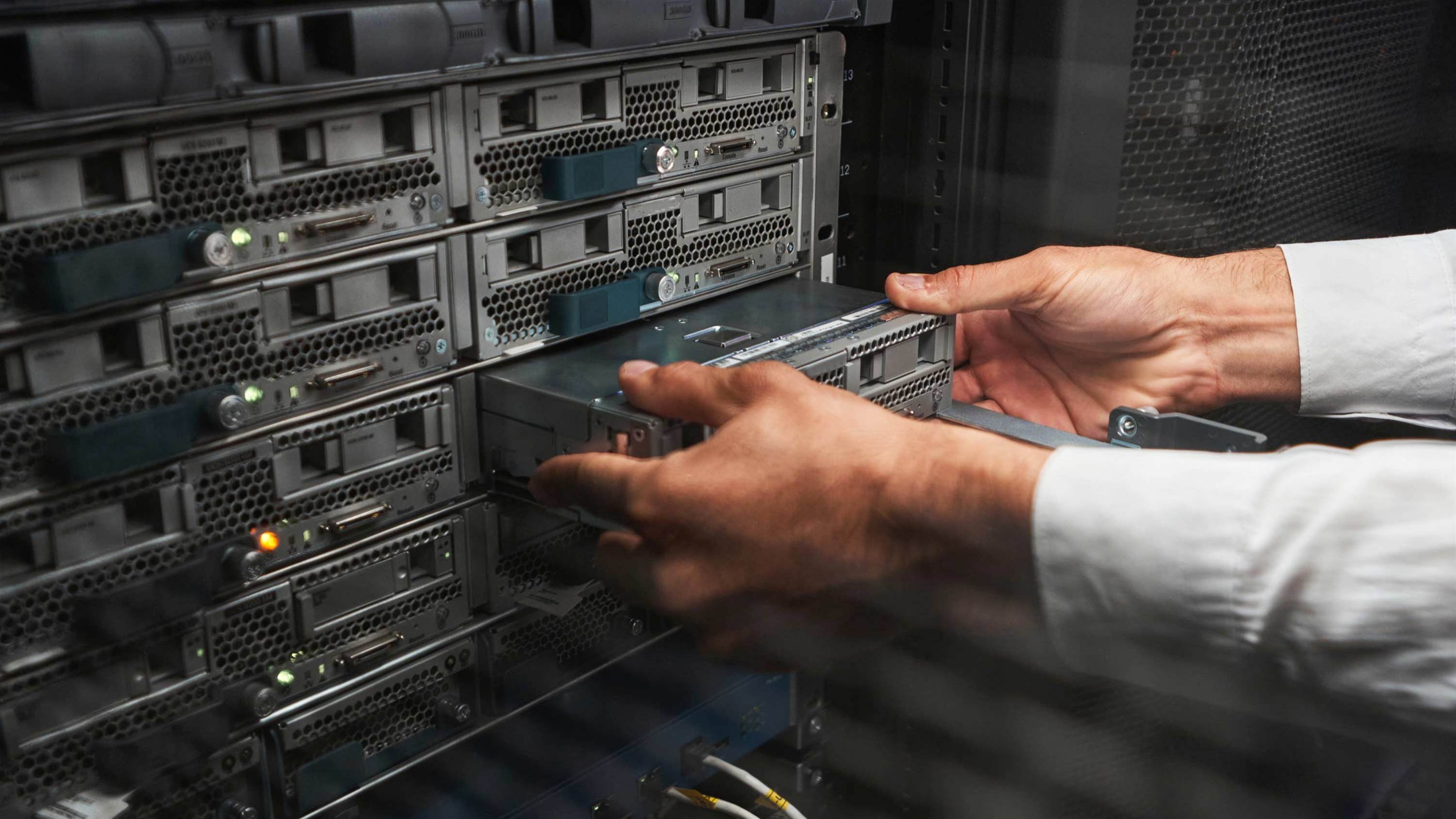
'Copy Fail' vulnerability in Linux kernel since 2017

The Revelation and Consequences

The Linux community was recently informed of a critical security vulnerability, CVE-2026-31431, referred to as “Copy Fail.” This vulnerability, assessed at 7.8 out of 10 in severity, has been concealed within the Linux kernel since 2017. Impacting various distributions including Ubuntu, Amazon Linux, and Red Hat Enterprise Linux, this flaw permits non-privileged local users to escalate their privileges, potentially obtaining root access.

Mechanics of the Exploit

Contrary to other notable Linux vulnerabilities like “Dirty Cow,” Copy Fail does not depend on race conditions or kernel-version-specific offsets. The exploit is carried out through a 732-byte Python script that stays the same across the distributions tested. The vulnerability stems from a combination of kernel modifications from 2011 to 2017, leading to a performance enhancement that rendered memory regions susceptible.

Technical Analysis

The core of the problem originates from the 2017 changes to algif_aead.c, which began utilizing the same memory region for input and output during the decryption process. This, paired with a defect in the authencesn cryptographic template, permitted a controlled 4-byte write to the kernel’s memory cache, thereby jeopardizing security.

Kubernetes Container Escape Issues

The vulnerability is not limited to individual processes, impacting Kubernetes environments as well. The shared page cache on Linux hosts can enable a compromised pod to modify a setuid binary, potentially breaching tenant boundaries in Kubernetes configurations.

Preventive Measures and Suggestions

A remedy was introduced in the mainline kernel on April 1, reverting the flawed 2017 optimization. Theori advises that organizations unable to patch immediately should block the algif_aead kernel module, a step expected to have minimal impact on most systems.

Conclusion

The Copy Fail vulnerability in the Linux kernel poses a significant security risk, particularly given its potential ramifications for various Linux distributions and Kubernetes environments. While a solution is available, prompt action is urged for those unable to update their systems quickly.

Questions & Answers

Q: What exactly is the Copy Fail vulnerability?

A: Copy Fail is a privilege escalation issue in the Linux kernel that enables non-privileged users to gain root access, affecting distributions since 2017.

Q: Which Linux distributions are impacted?

A: The vulnerability affects major distributions such as Ubuntu, Amazon Linux, and Red Hat Enterprise Linux.

Q: How can organizations address this vulnerability?

A: Organizations that are unable to patch right away should block the algif_aead kernel module to mitigate the threat.

Q: Is there a patch for Copy Fail?

A: Yes, a fix is included in the mainline kernel, reversing the 2017 optimization that led to the problem.

Q: Does this vulnerability impact Kubernetes environments?

A: Yes, it can influence Kubernetes environments by allowing compromised pods to modify setuid binaries across tenant boundaries.

Visual Insights: Steering Through Data Sovereignty in the AI Age – Synology Roundtable


We independently review everything we recommend. When you buy through our links, we may earn a commission which is paid directly to our Australia-based writers, editors, and support staff. Thank you for your support!

Brief Overview

  • Data sovereignty in the age of AI: A multifaceted challenge for businesses.
  • Handling unstructured data is vital for AI preparedness.
  • Infrastructure selections directly influence cost and performance.
  • Synology’s offerings provide insights into efficient data oversight.

Grasping Data Sovereignty in the Age of AI

As advancements in artificial intelligence progress, data sovereignty has surfaced as a vital concern for businesses. With data traversing borders more often than before, organizations face the challenge of ensuring adherence to diverse regulations across various regions. The notion of data sovereignty indicates that data is governed by the laws and regulatory frameworks of the country where it is gathered.

The Difficulties of Handling Unstructured Data

Unstructured data—information lacking a predefined structure—constitutes the bulk of data generated today. This encompasses everything from textual documents to various media files. Successfully managing this kind of data is crucial for organizations aiming to utilize AI technologies. Effective data management approaches can empower businesses to realize the full capacity of their data while adhering to data sovereignty regulations.

Infrastructure Selections and Their Consequences

The infrastructure decisions organizations undertake can notably affect their capacity to remain AI-ready and forecast expenses in the long run. Companies must evaluate the scalability, adaptability, and security of their data storage options. Synology, a pioneer in data management solutions, offers insights into how organizations can make knowledgeable infrastructure choices that meet their data sovereignty requirements.

Investigating Data Sovereignty in the AI Era with Synology

Conclusion

Data sovereignty is becoming more significant in the AI era as businesses navigate intricate regulatory frameworks. The management of unstructured data and thoughtful infrastructure decisions are fundamental to achieving AI readiness and cost-effectiveness. Synology’s solutions offer essential guidance for organizations looking to improve their data management strategies.

Q: What is data sovereignty?

A: Data sovereignty refers to the principle that data is governed by the laws and regulations of the nation where it is collected. This necessitates that businesses comply with local laws while managing data.

Q: Why is it vital to manage unstructured data?

A: Managing unstructured data is important because it represents the majority of today’s generated data. Effective management enables organizations to effectively capitalize on AI technologies while ensuring compliance with data sovereignty laws.

Q: What impact do infrastructure choices have on AI readiness?

A: Infrastructure choices affect AI readiness by influencing aspects such as scalability, adaptability, and security. Selecting appropriate data storage solutions allows organizations to manage large data volumes efficiently and respond to evolving needs.

Q: What is Synology’s role in data management?

A: Synology provides data management solutions that aid organizations in making well-informed infrastructure decisions. Their proficiency helps businesses align their data management practices with the requirements of data sovereignty.

ABA Alerts Major Tech Tax Disparity Poses Risk to Payment Systems


We independently review everything we recommend. When you buy through our links, we may earn a commission which is paid directly to our Australia-based writers, editors, and support staff. Thank you for your support!

Concise Overview

  • The Australian Banking Association (ABA) warns of potential risks to national payment infrastructures due to a tax and regulatory divide between banks and major tech firms.
  • Financial institutions pay significantly more in taxes compared to technology giants such as Meta, Apple, and Alphabet.
  • The ABA points out that unregulated Buy Now Pay Later (BNPL) entities impose much steeper charges on businesses than traditional banks.
  • Apple faces criticism for stifling competition and having lesser tax responsibilities in spite of its vast market value.
  • The ABA advocates for a viable system where all participants contribute equitably to infrastructure and consumer safeguards.

Discrepancies in Regulation and Taxation within Payment Systems

The Australian Banking Association (ABA) has issued warnings about the widening gap in taxes and regulations between conventional banks and large multinational tech companies. As banks heavily invest in infrastructure and consumer protections, tech firms are perceived as evading these essential responsibilities.

ABA warns tax gap threatens payment systems

Tax Contributions: Traditional Banks vs. Tech Giants

The ABA reported that in 2025, Australian banks contributed a significant $16 billion in taxes and levies, while tech giants Meta, Apple, and Alphabet collectively paid only $324 million. ABA CEO Simon Birmingham stressed the inequity of the existing system, warning that it jeopardizes the nation’s payment infrastructure.

Fees from Unregulated BNPL Providers

The report further revealed that unregulated Buy Now Pay Later (BNPL) firms charge transaction fees to businesses that are much higher than those levied by banks, with certain fees reaching up to 11 times more. This significant difference creates difficulties for small businesses, which encounter elevated costs for transaction processing.

Apple’s Role in Digital Wallet Market

Apple was specifically called out by the ABA for hindering competition in the realm of digital wallets on its devices. Birmingham noted that while banks have placed caps on transaction returns on iPhones, Apple’s own returns remain unrestricted, thereby stifling competition and innovation within the sector.

Conclusion

The Australian Banking Association is advocating for more equitable tax and regulatory frameworks to ensure the ongoing viability of national payment systems. The current imbalances between banks and large tech companies pose a threat to the maintenance of infrastructure and fair competitive practices.

Q: What concerns does the ABA have regarding the tax disparity between banks and tech corporations?

A:

The ABA is worried because banks are making substantial investments in infrastructure and consumer protection while tech corporations pay lower taxes and face less stringent regulations, which could endanger national payment systems.

Q: How do the fees from BNPL providers match up against banks’ fees?

A:

Fees charged by BNPL providers are notably higher than those of banks, with some fees being as much as 11 times greater, creating a financial strain on small businesses.

Q: What criticisms has the ABA directed at Apple?

A:

The ABA has reproached Apple for curtailing competition by imposing limitations on banks’ transaction returns while maintaining its own fee structure flexible, thus restricting competition in the digital wallet space.

Q: What recommendations has the ABA put forward?

A:

The ABA advocates for establishing a sustainable framework where all market entities fairly contribute to taxes and regulations, thereby ensuring strong infrastructure and consumer protection.

Q: How do transaction fees of Australian banks compare to those of foreign providers?

A:

Australian banks typically impose lower transaction fees than numerous international providers, presenting a cost-effective option for businesses.

Australia to Enforce 2% Tax on Major Tech Firms Lacking Local News Deals


We independently review everything we recommend. When you buy through our links, we may earn a commission which is paid directly to our Australia-based writers, editors, and support staff. Thank you for your support!

Brief Overview

  • The Australian government suggests a 2.25% tax on domestic earnings of major tech firms lacking news agreements.
  • This tax aims to bolster local journalism by allocating resources to news organizations.
  • The measure supersedes the 2021 regulations requiring payments for news content.
  • Implementation is projected for the 2025-26 fiscal year.
  • Tech giants such as Meta, Google, and TikTok may incur extensive fees.
  • Prime Minister Anthony Albanese highlighted Australia’s independence in policy-making.

Overview of the News Bargaining Incentive

The proposed News Bargaining Incentive by the Australian government entails a 2.25% tax on the revenue of major technology companies like Meta, Google, and TikTok, unless these platforms secure deals with local news providers for content shared on their respective services. The collected funds will be allocated to support journalism across Australia.

Australia's levy on tech firms without news agreements

Reasoning Behind the Levy

Communications minister Anika Wells remarked that as individuals increasingly depend on platforms such as Facebook, TikTok, and Google for news, it is reasonable for these companies to support the journalism that fills their platforms. This levy is designed to incentivize these platforms to reach agreements with news organizations, thereby aiding in the sustainability of the news sector.

Superseding Ineffective Legislation

This new approach aims to replace the 2021 laws that mandated tech companies to compensate for news content. The government asserts that those regulations are no longer functioning effectively. The News Bargaining Incentive also provides greater incentives for agreements with smaller news organizations, promoting a wider distribution of support within the industry.

Global Repercussions and Reactions

While former US President Donald Trump has voiced opposition to digital service taxes targeting American tech giants, threatening tariffs on countries that enact them, Prime Minister Anthony Albanese has asserted Australia’s right to make choices that serve its national interests. The government remains steadfast in its commitment to local journalism and the independence of its policy-making.

Conclusion

The Australian government’s initiative to impose a 2.25% levy on tech giants without news agreements highlights the imperative to support local journalism. By reallocating the funds from this levy to news organizations, the proposal seeks to replace outdated regulations and ensure that tech platforms contribute to the content they profit from. The initiative, slated to commence in the 2025-26 fiscal year, underscores Australia’s dedication to maintaining its media landscape.

FAQs

Q: What constitutes the News Bargaining Incentive?

A: It is a proposed 2.25% tax on the domestic revenues of tech giants that do not have agreements to compensate local media for news content.

Q: When is the levy scheduled to take effect?

A: The levy is anticipated to commence in the 2025-26 fiscal year, starting July 1.

Q: How is this proposal distinct from the 2021 legislation?

A: The new initiative supersedes the 2021 laws by creating a financial incentive for tech companies to negotiate with news organizations, providing larger offsets for agreements with smaller outlets.

Q: What are the repercussions if tech companies fail to comply?

A: Non-compliance will result in a 2.25% tax on their domestic revenues, with proceeds going towards local journalism support.

Q: What has been the international response?

A: Despite pushback from individuals like former US President Donald Trump, Australia is resolute in prioritizing its national interests and the independence of its policy decisions.

Q: What is the intention behind the levy?

A: The levy seeks to ensure that tech platforms contribute to the journalism that enhances their services and assists in the sustainability of local media outlets.

SOUNDPEATS Air5 Pro+ & H3 Wireless Headphones Bundle Review


We independently review everything we recommend. When you buy through our links, we may earn a commission which is paid directly to our Australia-based writers, editors, and support staff. Thank you for your support!

SOUNDPEATS Air5 Pro+ & H3 Wireless Headphones Bundle, ANC Noise Cancelling Earbuds

Cybercriminals Incorporate Claude Code in Extensive Credential Theft Operation


We independently review everything we recommend. When you buy through our links, we may earn a commission which is paid directly to our Australia-based writers, editors, and support staff. Thank you for your support!

  • Cybercriminals have incorporated Anthropic’s Claude Code AI into a credential theft scheme.
  • The campaign known as Bissa scanner has targeted over 900 victims.
  • Over 13,000 files were located on the server associated with the campaign.
  • The Claude Code AI facilitated workflow coordination and exploitation activities.
  • Data collected included credentials from AI service providers, cloud platforms, and more.
  • The operation exploited the React2Shell security flaw for its gains.
  • Findings have been referred to the relevant authorities.

Claude Code AI Supports Credential Theft

Cyber attack with Claude Code AI

An unidentified threat actor has effectively integrated Anthropic’s Claude Code AI programming assistant into their operations to carry out a widespread credential harvesting scheme, as found by investigators. The initiative, referred to as Bissa scanner, has affected more than 900 targets with Claude Code’s support.

Insights into the Bissa Scanner Operation

Microsoft’s Zach Stanford and Palo Alto Network’s Renzon Cruz reported an unsecured server active since last September. This server contained over 13,000 files within 150 directories, employed for exploitation, staging victim data, credential harvesting, access validation, and workflow coordination.

Framework and Data Collection

The framework wasn’t just a storehouse for stolen information but supported a systematic operation to enhance access procurement. The data collected included environment configuration files and credentials from AI providers, cloud services, payment gateways, databases, and messaging applications. The Bissa scanner secured credentials from various SaaS categories, with AI providers being the predominant group.

AI-Facilitated Workflow

In addition to Claude Code, the self-governing AI agent framework OpenClaw was integrated for problem-solving, orchestration, and enhancing the data collection process. The operation exploited the React2Shell vulnerability, uncovered by Kiwi researcher Lachlan Davidson, allowing for remote code execution with a CVSS score of 10.0.

Automation and Notification Platforms

The Telegram application was utilized by two operator-controlled bots for alerts and possibly for managing workflow. A member from The DFIR Report observed that Claude was used for assistive development and troubleshooting, rather than direct exploit execution.

Conclusion

The incorporation of Claude Code AI into cybercriminal enterprises underscores the advancing role of AI in orchestrating complex attacks. The Bissa scanner operation illustrates a significant level of organizational sophistication, using vulnerabilities and AI technologies to enhance efficiency in credential theft.

Q: What is the Bissa scanner operation?

A:

The Bissa scanner operation is a credential theft initiative that has targeted over 900 victims leveraging Anthropic’s Claude Code AI for workflow support.

Q: What function does Claude Code AI serve in this operation?

A:

Claude Code AI aids in workflow coordination, problem-solving, and refining the data collection process, thereby improving operational efficiency.

Q: What is the significance of the React2Shell vulnerability in this operation?

A:

The React2Shell security flaw facilitates remote code execution, which the Bissa scanner exploits to achieve unauthorized system access.

Q: What type of data is targeted for harvesting?

A:

The operation aims at collecting credentials from AI providers, cloud services, payment processors, databases, and messaging applications.

Q: How was the operation uncovered?

A:

Security analysts from Microsoft and Palo Alto Networks detected an unsecured server associated with the campaign, exposing its scale and tactics.

Q: What measures have been taken after the discovery?

A:

Evidence pertaining to the operation has been communicated to the relevant authorities, though specific details about further actions remain undisclosed.

OPPO Enco Buds3 Pro True Wireless Headphones Review


We independently review everything we recommend. When you buy through our links, we may earn a commission which is paid directly to our Australia-based writers, editors, and support staff. Thank you for your support!

OPPO Enco Buds3 Pro True Wireless Headphones, 54 Hours Runtime, Dynamic Driver 12.4mm, BT 5.4, Touch Control, Passive Noise Cancellation, Android and iOS, IP55, [Italian Version]

US Judge Disregards Musk’s Fraud Claims in OpenAI Case at His Own Request


We independently review everything we recommend. When you buy through our links, we may earn a commission which is paid directly to our Australia-based writers, editors, and support staff. Thank you for your support!

Elon Musk’s Ongoing Legal Dispute with OpenAI

Quick Overview

  • A US judge has rejected Elon Musk’s fraud accusations against OpenAI and Sam Altman.
  • The case will move forward with accusations of breach of charitable trust and unjust enrichment.
  • Jury selection and opening statements are approaching shortly.
  • Musk asserts that OpenAI’s transition to a for-profit entity compromised its initial mission.
  • OpenAI is considering a possible IPO valued at US$1 trillion.
  • Musk demands US$150 billion in damages, which he intends to support OpenAI’s charitable division.

Legal Progress in Musk’s Case Against OpenAI

A notable legal ruling has been issued by the US District Court in Oakland, California, where Judge Yvonne Gonzalez Rogers has dismissed fraud allegations presented by Elon Musk against OpenAI and its co-founder Sam Altman. Nonetheless, the case will advance to trial concerning other allegations, such as breach of charitable trust and unjust enrichment.

Simplifying the Legal Proceedings

Elon Musk, the entrepreneur renowned for his involvement in companies like Tesla and SpaceX, had himself sought the dismissal of the fraud and constructive fraud claims. His aim was to simplify the legal process and shift the jury’s focus to more critical matters, such as ensuring OpenAI remains true to its foundational mission of serving humanity.

The Heart of the Controversy

The lawsuit centers around Musk’s claim that OpenAI, alongside Altman and Microsoft, one of its primary investors, deceived him and the public by adopting a for-profit model. This transition reportedly contradicts the essential objectives established during Musk’s tenure on OpenAI’s board.

OpenAI’s Potential Initial Public Offering

As the legal conflict progresses, OpenAI is allegedly gearing up for a potential initial public offering (IPO), which could see the organization valued at an astonishing US$1 trillion. Such a step represents the remarkable growth and financial potential of the AI research entity.

Monetary Consequences and Philanthropy

Musk is pursuing US$150 billion in damages, with the intention of directing the funds to OpenAI’s charitable division. This strategy highlights Musk’s dedication to the philanthropic principles he believes OpenAI should uphold.

US judge rejects Musk's fraud accusations in OpenAI case at his request

Conclusion

The recent rejection of Elon Musk’s fraud accusations against OpenAI signifies a crucial development in the ongoing legal matter. While the court has dismissed these specific charges, the trial will persist in examining other important issues related to OpenAI’s operational principles and financial conduct. As OpenAI aims for a possible IPO, the results of this case could have profound implications for its future and underlying mission.

Q&A on Elon Musk’s Legal Action

Q: Which allegations were dismissed in Elon Musk’s lawsuit against OpenAI?

A: The US judge dismissed Musk’s fraud and constructive fraud allegations, which he asked to streamline the case.

Q: What are the primary matters that will proceed to trial?

A: The trial will concentrate on claims of breach of charitable trust and unjust enrichment against OpenAI.

Q: What motivates Elon Musk to pursue this lawsuit?

A: Musk argues that OpenAI’s transition to a for-profit model undermined its original mission to aid humanity.

Q: What financial result is Musk aiming for through the lawsuit?

A: Musk is seeking US$150 billion in damages, which he plans to allocate to OpenAI’s charitable division.

Q: How does this case impact OpenAI’s future initiatives?

A: The case arises as OpenAI is preparing for a potential IPO, which could value the company at US$1 trillion.

“Xmenha Wireless Bluetooth In-Ear True Wireless Earbuds Review”


We independently review everything we recommend. When you buy through our links, we may earn a commission which is paid directly to our Australia-based writers, editors, and support staff. Thank you for your support!

Xmenha Wireless Bluetooth In-Ear True Wireless Earbuds with Active Noise Cancellation for iPhone, White, 5.5 Hours Playtime, Bluetooth 5.3, 10 Meters Range, USB Charging, Fitness