Matthew Miller, Author at Techbest - Top Tech Reviews In Australia - Page 144 of 187

“Wireless Earbuds, Bluetooth 5.4 Headphones with 4 ENC Noise Cancelling Mic Review”


We independently review everything we recommend. When you buy through our links, we may earn a commission which is paid directly to our Australia-based writers, editors, and support staff. Thank you for your support!

Wireless Earbuds, Bluetooth 5.4 Headphones with 4 ENC Noise Cancelling Mic, Deep Bass, IP7 Waterproof, 50H Playtime, LED Display, in Ear Earphones for Phone, Tablet, Laptop, Sports, Black

NSW Police Introduces Data-Driven System to Address Elevated Staff Turnover


We independently review everything we recommend. When you buy through our links, we may earn a commission which is paid directly to our Australia-based writers, editors, and support staff. Thank you for your support!

NSW Police Adopts AI-Driven Analytics to Address Workforce Issues

Quick Overview

  • NSW Police is looking for a contemporary, data-centric employee engagement system to minimize staff turnover.
  • The system aims to deliver a comprehensive perspective on employee sentiment and forecast at-risk demographics.
  • Turnover rates among police personnel and civilian employees have notably risen since 2020.
  • Unspent wages exceeding $100 million underscore the extent of workforce shortages.
  • Collaboration with Microsoft Power BI will improve data visibility and insight creation.
  • The platform will function at the PROTECTED security classification level, safeguarding data privacy.
NSW Police implements employee analytics system to lower workforce attrition

Data-Driven Insights to Enhance Police Workforce Retention

The New South Wales Police Force is making a significantmove by introducing an advanced employee engagement platform designed to counteract the rising trend of workforce attrition. Utilizing data analytics and predictive modeling, the platform will evaluate employee sentiment and pinpoint the primary reasons for disengagement among its 22,000-member workforce.

As per the force’s 2023–24 Annual Report, staff turnover has escalated to concerning levels. In the last financial year, 1,484 police officers departed the force, with 575 resigning voluntarily. Civilian workforce attrition also soared, witnessing a 48% rise in resignations compared to the preceding year. These statistics echo wider patterns across Australia’s public sector, with job dissatisfaction, mental health issues, and pay inequities driving personnel away.

Beyond Conventional Surveys: A Comprehensive Engagement Solution

In contrast to traditional survey instruments that offer fixed snapshots of employee satisfaction, the new NSW Police platform will employ a continuous feedback mechanism. It will consolidate input from various points in the employee experience — recruitment, onboarding, advancement, and exit. This methodology guarantees a dynamic, real-time perspective on workforce morale and wellbeing.

This platform will encompass advanced analytical functionalities, enabling it to:

  • Recognize high-risk groups vulnerable to burnout or attrition
  • Craft customized interventions to boost retention
  • Monitor the effectiveness of engagement strategies over time

By forsaking a blanket approach, NSW Police seeks to tailor employee engagement, cultivating a more nurturing and responsive work environment.

Vacancies Resulting in Significant Financial Losses

The breadth of the issue is highlighted by its financial consequences. In 2023–24, NSW Police exceeded its budget for employee-related expenses by more than $100 million due to unfilled roles. While this may seem like a budget saving, the operational repercussions of being understaffed — increased workloads, diminished morale, and compromised public safety — carry far greater severity.

The predictive features of the new platform are anticipated to assist the force in more efficiently allocating resources, mitigating costly turnover, and optimizing recruitment processes.

Prioritizing Security and Privacy

Considering the sensitive nature of the information being gathered, the platform will function at the PROTECTED classification level — a crucial stipulation under the Australian Government’s Information Security Manual (ISM). This guarantees that all survey responses are anonymized, with IP addresses and identifiable details removed prior to analysis.

This degree of confidentiality is vital for establishing trust among personnel, promoting candid feedback, and ensuring adherence to privacy laws such as the Privacy Act 1988 (Cth).

Smooth Integration with Business Intelligence Platforms

To maximize effectiveness, the NSW Police Force intends to link the new platform with its current analytics infrastructure, including Microsoft Power BI. This integration will empower HR leaders and command staff to visualize trends, generate tailored reports, and respond promptly to emerging challenges.

This integration is set to enhance decision-making across the organization, facilitating data-driven strategies for employee engagement and workforce planning.

Conclusion

The NSW Police Force is confronting escalating staff turnover by adopting an advanced, data-centric employee engagement platform. With real-time analytics, lifecycle feedback integration, and a strong emphasis on privacy, the initiative aims to advance employee wellbeing, curtail attrition, and improve recruitment results. The platform’s deployment represents a transformative shift in public sector workforce management, offering potential insights for other government bodies across Australia.

Q&A: Essential Information

Q: What motivates NSW Police to introduce this new platform?

A:

This platform is part of a strategy to mitigate the rising rates of staff attrition, enhance employee engagement, and gain deeper insights into the drivers behind workforce turnover.

Q: In what ways is this platform distinct from standard employee survey tools?

A:

It surpasses conventional static surveys by amalgamating feedback throughout the entire employee journey and employing advanced analytics to anticipate risks and formulate targeted interventions.

Q: What effects has high staff turnover had on NSW Police?

A:

Turnover has resulted in over $100 million in unspent wages and operational challenges, with almost 1,500 officers and numerous civilian staff leaving the force within a year.

Q: What type of data will employees provide?

A:

Data will encompass sentiment analysis from surveys, feedback during significant employment milestones, and indicators related to engagement, wellbeing, and satisfaction.

Q: Will employee feedback remain confidential?

A:

Yes. The platform is designed to anonymize data, removing IP addresses and other identifiers, and will function at the PROTECTED classification level to uphold rigorous security standards.

Q: Which tools will the platform connect with?

A:

It is set to integrate with Microsoft Power BI and existing business intelligence tools to deliver visual insights and support data-driven decision-making.

Q: Is this platform exclusive to NSW Police?

A:

While customized for NSW Police, comparable data-driven solutions are increasingly being embraced across Australia’s public sector agencies to enhance workforce management.

Q: When is the platform expected to be deployed?

A:

NSW Police has issued a request for proposal, and the deployment schedule will depend on vendor selection and implementation phases in 2026.

Wireless Bluetooth 5.3 in-Ear Headphones Review


We independently review everything we recommend. When you buy through our links, we may earn a commission which is paid directly to our Australia-based writers, editors, and support staff. Thank you for your support!

Bluetooth Headphones, Wireless Bluetooth 5.3 in-Ear Headphones with 4 ENC Noise Cancelling Mic, Wireless Headphones Deep Bass Wireless Earbuds 40 Hours, IP7 Waterproof Earphones, Blue Lake

Samsung Galaxy Buds FE Graphite Review


We independently review everything we recommend. When you buy through our links, we may earn a commission which is paid directly to our Australia-based writers, editors, and support staff. Thank you for your support!

Samsung Galaxy Buds FE Graphite, SM-R400NZAAEUB

Domino’s Pizza Enterprises Launches Internal Developer Platform to Enhance Technological Innovation


We independently review everything we recommend. When you buy through our links, we may earn a commission which is paid directly to our Australia-based writers, editors, and support staff. Thank you for your support!

How Domino’s Pizza Enterprises Created a More Intelligent Engineering Future with an Internal Developer Platform

Quick Read: Essential Insights

  • Domino’s Pizza Enterprises (DPE) has rolled out an Internal Developer Platform (IDP) to optimise software assistance and documentation.
  • The platform, backed by Atlassian Compass, improves transparency regarding software ownership and component health.
  • DPE’s engineering workforce comprises over 140 engineers spread across 20 teams, overseeing a global ecommerce framework.
  • Since the IDP deployment, faster incident response times and enhanced operational efficiency have been observed.
  • Outdated software components are undergoing modernization and proper documentation within the platform.
  • Compass connects with Jira, Confluence, and Jira Service Management, with future plans to incorporate New Relic monitoring data.
  • Scorecards and initiatives are cultivating a culture centred on quality, responsibility, and ongoing enhancement.

Domino's Pizza Enterprises introduces internal developer platform for technological advancement

DPE software engineering manager Andrew Fraser.

Engineering at Scale: Domino’s Worldwide Technical Presence

Domino’s Pizza Enterprises (DPE), the lead franchisor for 12 nations with over 3,700 locations worldwide, has embarked on a significant digital shift by implementing an Internal Developer Platform (IDP) to integrate and optimise its software engineering methodologies.

With a workforce of 140 engineers divided into 20 agile squads, DPE’s main objective is to refine its digital ordering systems, which are vital to its international operations and revenue. “Online ordering is essential for us,” remarks Andrew Fraser, Software Engineering Manager at DPE.

From Chaos to Clarity: The Necessity of an IDP for DPE

In the past, DPE dealt with fragmented documentation, ambiguous software ownership, and inconsistent practices among teams. This led to time-consuming and expensive responses to production incidents. Engineers often struggled to find the right individuals or resources to resolve issues, especially with older software developed by previous employees.

Fraser states, “It’s challenging when you’re unsure who to approach or if the information you have is reliable. It drains time and funds, particularly during ecommerce downtimes.”

Choosing Atlassian Compass: An Ideal Platform Solution

After assessing multiple IDP options, DPE opted for Atlassian Compass because of its smooth integration with the existing Atlassian tools—Jira, Confluence, and Jira Service Management. Compass functions as a central software catalogue, consolidating details about each software component, including owners, documentation, dependencies, and health indicators.

“Since our activities are tracked and our knowledge is stored within the Atlassian suite, a software catalogue that integrates seamlessly makes it efficient,” Fraser observed.

Enhancing Incident Response and Developer Independence

Compass’s component homepages have evolved into a definitive source of truth for both engineering and support teams. These pages feature comprehensive documentation, dashboards, dependency maps, and links to monitoring tools—enabling developers and IT support personnel to resolve issues more swiftly and effectively.

This has already yielded results. “In ecommerce, every minute of decline affects sales. Compass aids us in retrieving information quicker, which saves the business money,” Fraser mentioned.

Scorecards, KPIs, and Ensuring Quality

A standout capability of Compass is its scorecard system, which DPE employs to evaluate the condition of its software components. Scorecards monitor metrics like test coverage, documentation adequacy, and uptime. These insights assist managers in prioritising updates to legacy systems and establishing measurable KPIs for their teams.

Fraser explained, “Scorecards help identify components that require focus. It’s a tool to ensure quality and speed in software delivery.”

Integrations: Establishing a Fully Connected DevOps Pipeline

Although the Compass integrations continue to mature, DPE is advancing. A custom script currently channels unit test results into the platform, and efforts are underway to sync Compass with Jira Service Management for enhanced incident tracking. Furthermore, service-level monitoring data from New Relic will soon be incorporated into health scorecards to monitor compliance and performance.

“We aim to directly connect support desk concerns to components. That will further reduce incident response durations,” Fraser said.

Future Prospects: Initiatives and Ongoing Enhancement

Fraser also has been given early access to a new Compass feature called “campaigns” (soon to be rebranded as “goals”), which ties into scorecards and enables leadership to set and monitor progress towards engineering objectives (OKRs/KPIs). “It’s going to assist us in addressing the quality issues that matter,” Fraser noted.

Conclusion

Domino’s Pizza Enterprises has effectively launched an Internal Developer Platform powered by Atlassian Compass to simplify software support, elevate documentation practices, and expedite incident responses. This initiative forms a crucial element of the company’s wider drive towards engineering excellence and digital transformation. With expanding integrations and data-driven tools like scorecards and campaigns, DPE is establishing a new benchmark for scalable, high-quality software development in the dynamic retail and ecommerce environments.

Q&A: Essential Information

Q: What is an Internal Developer Platform (IDP)?

A:

An IDP is a consolidated system that aids engineering teams in managing software components, streamlining workflows, and enforcing best practices. It typically features service catalogues, documentation, monitoring, and metrics dashboards.

Q: Why did Domino’s Pizza Enterprises implement an IDP?

A:

DPE adopted an IDP to clarify software ownership, reduce incident response times, and enhance code quality across its ecommerce platforms. The platform addresses issues associated with legacy systems and team onboarding.

Q: What platform did DPE choose and why?

A:

DPE selected Atlassian Compass due to its natural integration with Jira, Confluence, and Jira Service Management—tools already fundamental to DPE’s operations. Compass also offers feature-rich dashboards and scorecards.

Q: How does Compass enhance incident response?

A:

Compass allows teams to readily identify software owners, dependencies, and documentation during incident occurrences. This minimizes downtime and mitigates revenue loss during ecommerce interruptions.

Q: What are scorecards in Compass used for?

A:

Scorecards assess the health of software components based on metrics such as test coverage, documentation, and monitoring. They facilitate prioritisation of technical debt resolution and guide KPIs for engineering teams.

Q: What integrations are planned for the future?

A:

DPE plans to integrate Compass with New Relic for performance data and Jira Service Management to connect support tickets with software components. Alert metrics will also be presented in Compass for enhanced visibility.

Q:

PHILIPS TAT3509GY Noise Cancelling True Wireless In Ear Bluetooth Headphones Review


We independently review everything we recommend. When you buy through our links, we may earn a commission which is paid directly to our Australia-based writers, editors, and support staff. Thank you for your support!

PHILIPS TAT3509GY Noise Cancelling True Wireless In Ear Bluetooth Headphones – Natural sound, Dynamic bass, Pocket-sized charging case, Clear calls, Ideal for Commuting and Exercise – Grey

Transport for NSW Intensifies SAP Ariba Utilization to Enhance Procurement Efficiency


We independently review everything we recommend. When you buy through our links, we may earn a commission which is paid directly to our Australia-based writers, editors, and support staff. Thank you for your support!

Brief Overview

  • Transport for NSW (TfNSW) is augmenting its utilization of SAP Ariba to improve supplier risk management and operational procurement efficiency.
  • A new module for Supplier Risk Management is set to launch in December 2026.
  • The department has extended its SAP Ariba licenses for another three years for a total of $24 million.
  • Since 2017, TfNSW has employed SAP Ariba modules such as Strategic Sourcing, Ariba Network, Ariba Catalog, and Guided Buying.
  • In November 2023, TfNSW transitioned to a cloud-based ERP system SAP S/4 HANA to achieve greater data accuracy and informed decision-making.
  • Additional SAP tools in use include Analytics Cloud, SuccessFactors for human resources, and Concur for expense management.

Transport for NSW Enhances SAP Ariba Functionalities for Better Procurement

Transport for NSW enhances SAP Ariba application in procurement overhaul

Transport for NSW (TfNSW) is greatly enhancing its digital procurement functions by deepening its integration of SAP Ariba, a well-known cloud-based procurement tool. The forthcoming phase of implementation will introduce the Supplier Risk Management module, designed to strengthen supplier evaluation and continuous risk assessment related to third-party vendors.

Enhancement of Supplier Risk Management

Scheduled for rollout in December 2026, the Supplier Risk Management module will assist TfNSW in recognizing possible dangers within its supply chain. This initiative arises during a period when public sector organizations face growing demands to ensure ethical sourcing while mitigating reputational, operational, and financial hazards.

The module delivers real-time risk analytics pertaining to financial stability, operational issues, environmental standards, and adherence to regulations. Equipped with this information, procurement teams can make more strategic choices and respond rapidly as risks arise.

Renewed Commitment: $24 Million License Renewal

To facilitate this expansion, TfNSW has renewed its SAP Ariba license for an additional three years, allocating $24 million to continue utilizing the complete array of modules. This extension highlights the department’s dedication to digital advancement and procurement excellence.

Since 2017, TfNSW has implemented a variety of SAP Ariba modules, including:

  • Strategic Sourcing: Assists in supplier negotiations and contract oversight.
  • Ariba Network: Links buyers with suppliers worldwide for efficient transactions.
  • Ariba Catalog: Provides a centralized platform for accessing supplier products and services.
  • Guided Buying: Launched in 2026, this module improves user engagement for internal purchasing.

TfNSW states that the platform has revolutionized procurement by delivering a seamless, end-to-end solution from sourcing through to payment.

Transitioning to SAP S/4 HANA: A Move to Cloud ERP

TfNSW successfully transitioned from SAP ECC to SAP S/4 HANA, a state-of-the-art cloud-based ERP system, in November 2023. This transition has led to marked enhancements across finance, HR, supply chain, procurement, and asset management operations.

The S/4 HANA platform provides real-time analysis and improved data accuracy, fostering better decision-making and operational flexibility. Its in-memory database capacity accelerates handling large data volumes, essential for a substantial and intricate entity like TfNSW.

Supportive Tools: Analytics, HR, and Expense Management

In addition to SAP Ariba and S/4 HANA, TfNSW utilizes various other SAP tools to bolster its enterprise functions:

  • SAP Analytics Cloud: Utilized for real-time insights and on-demand analytics.
  • SAP SuccessFactors: Oversees HR functions including hiring, performance management, and training.
  • SAP Concur Expense: Streamlines management and reimbursement of employee expenses.

TfNSW claims that these tools collectively enhance transparency, workforce productivity, and overall organizational performance.

Encouraging Innovation and Ongoing Enhancement

With the groundwork established by SAP Ariba and S/4 HANA, TfNSW intends to continually refine its procurement strategies. The incorporation of progressive digital tools not only guarantees compliance and efficiency but also positions the department as a pioneer in public sector innovation.

As the agency intensifies its supplier risk oversight and digital procurement efforts, it sets a high standard for other government bodies seeking modern, data-centric enterprise solutions.

Conclusion

Transport for NSW is advancing its digital transformation through an expanded SAP Ariba platform that emphasizes supplier risk management. With a $24 million investment and migration to SAP S/4 HANA, the department is improving procurement transparency, data-driven decision-making, and operational efficiency. These initiatives mirror a wider trend in the public sector towards cloud-centric, integrated enterprise solutions.

Q: What is the role of SAP Ariba’s Supplier Risk Management module for TfNSW?

A:

This module enables Transport for NSW to assess suppliers, track risks in real-time, and enhance decision-making through insights into financial, environmental, and operational risks.

Q: How much is TfNSW investing in SAP Ariba over the next three years?

A:

TfNSW has pledged $24 million to maintain its SAP Ariba licenses for an additional three years, ensuring access to all current modules and implementing new features such as risk management.

Q: What advantages has TfNSW experienced since shifting to SAP S/4 HANA?

A:

The transition to SAP S/4 HANA has enhanced data integrity, operational effectiveness, and decision-making throughout the organization by facilitating real-time analytics and scalability through the cloud.

Q: Which SAP modules are presently utilized by TfNSW?

A:

TfNSW currently employs SAP Ariba (Strategic Sourcing, Network, Catalog, Guided Buying), SAP S/4 HANA, SAP Analytics Cloud, SAP SuccessFactors, and SAP Concur Expense.

Q: Why did TfNSW implement the Guided Buying module in 2026?

A:

The Guided Buying module was introduced to simplify the internal requisition process, making it more accessible for employees to request goods and services through a straightforward interface.

Q: How does SAP Ariba enhance procurement processes?

A:

SAP Ariba streamlines procurement by providing an integrated platform that encompasses all stages from sourcing to payment, improving compliance, cost management, and supplier collaboration.

Q: How does this digital transformation position TfNSW within the public sector?

A:

By pioneering cloud-based ERP and procurement advancements, TfNSW establishes a benchmark for digital transformation in the government sector, improving transparency, accountability, and operational effectiveness.

T-fun NC35 Hybrid Active Noise Cancelling Headphones Review


We independently review everything we recommend. When you buy through our links, we may earn a commission which is paid directly to our Australia-based writers, editors, and support staff. Thank you for your support!

T-fun NC35 Hybrid Active Noise Cancelling Headphones, 360° Spatial Audio with Head Tracking, Over Ear Headphones Wireless Bluetooth 5.3, 55H ANC Playtime, Deep Bass, Custom EQ via App, for Travel Home

Microsoft Tips Strong Expansion Ahead for Azure Cloud Services


We independently review everything we recommend. When you buy through our links, we may earn a commission which is paid directly to our Australia-based writers, editors, and support staff. Thank you for your support!

Quick Read: Important Insights

  • Microsoft Azure’s cloud earnings surged by 33% in the March quarter, exceeding market predictions.
  • AI-focused services added 16 percentage points to Azure’s growth, indicating strong uptake by enterprises.
  • Microsoft anticipates 34–35% cloud revenue growth for Q4 FY24, significantly higher than analyst projections.
  • Commercial bookings soared by 18%, enhanced by a substantial contract with OpenAI.
  • Capital investments rose by 53%, highlighting expenditures on AI infrastructure and chips instead of long-term assets.
  • Despite aggressive expansion efforts, Microsoft faces capacity limitations in AI.
  • CEO Satya Nadella stressed the importance of ongoing optimisation in data centre planning amid analyst scrutiny.
  • Wider investments in AI and cloud are likely to impact US economic growth through 2026.

Azure Cloud Excels Amidst Investor Optimism

Microsoft envisions strong growth for Azure cloud business

Tech leader Microsoft is navigating economic challenges by showcasing remarkable performance in its cloud computing sector, Azure. The company registered a 33% year-on-year revenue rise for Azure in its third fiscal quarter, surpassing analyst forecasts of 29.7%, as reported by Visible Alpha.

This revenue boost has alleviated investor concerns regarding a potential decline in demand for artificial intelligence (AI) services amid broader economic uncertainties. The impressive results propelled Microsoft’s market capitalization by over US$200 billion (A$313 billion), reinforcing confidence in its long-term strategies in cloud and AI.

AI: A Crucial Factor in Azure’s Growth

A significant takeaway from the results highlights AI’s rising role in Azure’s growth trajectory. AI services accounted for 16 percentage points of Azure’s revenue increase, a rise from 13 points in the preceding quarter. This trend signifies an increasing dependence of enterprise clients on AI solutions.

Microsoft’s partnership with OpenAI, the developers of ChatGPT, is crucial to this momentum. Although the company refrained from providing the specifics regarding the OpenAI contract’s value, it affirmed that the agreement substantially enhanced commercial bookings, which increased by 18% during the quarter.

Forecast: Continued Growth Ahead

Looking forward, Microsoft has projected cloud computing revenue growth of 34% to 35% in the fourth fiscal quarter (Q4 FY24), aiming for total revenues between US$28.75 billion and US$29.05 billion. These estimates significantly surpass analyst expectations and reveal robust demand for both AI and non-AI cloud services.

Chief Financial Officer Amy Hood highlighted that while AI has been a strong contributor, the standout performer this quarter was Microsoft’s non-AI cloud segment. She mentioned that the company managed to provide AI capabilities sooner than anticipated to some customers, resulting in a slight uplift.

Investment in Infrastructure and AI Hardware

Microsoft’s approach is bolstered by aggressive investments in its infrastructure. In the third quarter, the company’s capital expenditures soared 53% to US$21.4 billion. However, a transition is occurring—allocating less to long-lasting assets like data centre edifices, and more to shorter-lived ones such as CPUs and GPUs.

Jonathan Neilson, Microsoft’s VP of Investor Relations, clarified that this pivot enables Microsoft to rapidly deploy hardware and quickly start recognising revenue. This aligns with the company’s strategy to lead in the AI race by investing in chips from industry frontrunners like Intel, AMD, and Nvidia.

Data Centre Strategy: Emphasizing Flexibility

Recent concerns arose following reports that Microsoft had concluded some data centre lease arrangements, prompting speculation about potential overcapacity. CEO Satya Nadella addressed these concerns, indicating that Microsoft has always dynamically adjusted its data centre strategies, and the current scrutiny from analysts represents a new phenomenon rather than a change in practice.

In essence, the company’s capability to reallocate and optimize resources is regarded as a competitive strength, enabling it to scale according to real-time demands in AI and cloud computing. Microsoft has reaffirmed its position that it remains constrained in AI capacity, thus the ongoing commitment to infrastructure expansion.

Wider Economic Consequences of Cloud and AI Expansion

The consequences of Microsoft’s growth in AI and cloud services extend beyond its own financial outcomes. Analysts at JP Morgan estimate that spending on data centres by major tech companies could contribute 10 to 20 basis points to US GDP growth from 2026 to 2026. This underscores the macroeconomic significance of cloud infrastructure spending.

Firms like Nvidia, which provide essential chips for AI applications, stand to gain immensely from sustained industry momentum. However, any downturn could pose serious risks to the broader tech ecosystem and economic outlook.

Conclusion

Microsoft’s stronger-than-expected results in Azure cloud services highlight strong demand for both AI and conventional cloud infrastructure. With AI playing an increasingly crucial role in revenue generation, strategic hardware investments, and an adaptable data centre strategy, Microsoft is well-positioned for significant growth. As it gears up for fiscal 2026, the company continues to be a barometer for global cloud and AI expenditure health.

Q: What is fueling Azure’s recent growth?

A:

Azure’s expansion is driven by heightened enterprise adoption of AI services, traditional cloud services, and a major deal with OpenAI. AI alone contributed 16 percentage points to the reported 33% growth in Q3 FY24.

Q: What investments is Microsoft making in its cloud infrastructure?

A:

Microsoft has raised capital expenditures by 53% to US$21.4 billion, prioritizing shorter-lived assets such as AI chips (CPUs and GPUs) over long-term assets like data centre structures. This approach facilitates quicker deployment and revenue realisation.

Q: Can Microsoft sustain this growth trend?

A:

Microsoft predicts 34% to 35% growth in cloud revenue for the upcoming quarter, surpassing analyst forecasts. Ongoing investments in AI and hybrid cloud infrastructure create a strong outlook, although broader economic conditions remain a factor.

Q: What is the significance of AI in Azure’s strategy?

A:

AI is becoming an increasingly vital aspect of Azure’s services, contributing substantially to revenue growth. Microsoft is enhancing its AI infrastructure and capabilities to meet demand through partnerships with OpenAI and investments in tailored hardware.

Q: Why are analysts concerned about Microsoft’s cessation of data centre leases?

A:

Some analysts interpreted the end of data centre leases as an indication of overcapacity or diminished demand. However, Microsoft clarified that it regularly refines its data centre strategy and continues to be capacity-constrained in AI services.

Q: How does Azure’s performance stack against competitors like Google Cloud?

A:

Azure’s 33% growth surpassed Google Cloud’s 28% growth in the same period. Both companies benefit from AI demand, but Microsoft’s enterprise partnerships and hybrid cloud offerings give it a competitive advantage.

Q: What are the economic ramifications of Microsoft’s investments in AI and cloud?

A:

Investments by major tech firms in cloud and AI infrastructure, spearheaded by Microsoft, are anticipated to contribute to broader economic growth. JP Morgan forecasts this could add as much as 20 basis points to US GDP between 2026 and 2026.

Q: What implications does this have for Australian businesses using Azure?

A:

Australian companies can expect enhanced AI capabilities, better cloud infrastructure, and faster service delivery through Microsoft Azure. The company’s global development and infrastructure investments provide advantages to local enterprise clients looking for scalable, intelligent solutions.

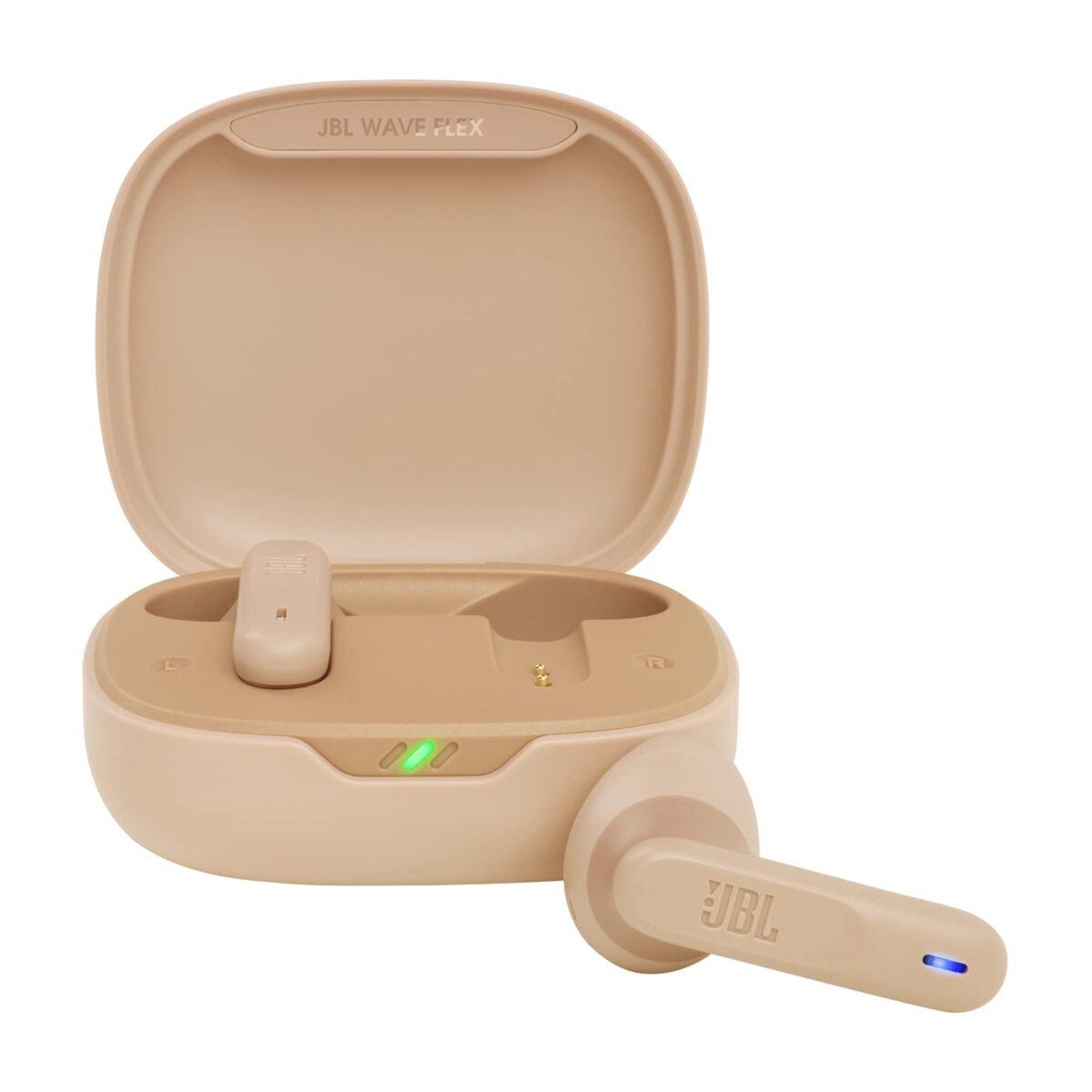
JBL Wave Flex Review


We independently review everything we recommend. When you buy through our links, we may earn a commission which is paid directly to our Australia-based writers, editors, and support staff. Thank you for your support!

JBL Wave Flex, JBL Deep Bass Sound, Comfortable fit, Up to 32 (8h + 24h) total hours of battery life with speed charging, Stay aware of your surrounding, Hands-free calls with VoiceAware, Black