
ABA Alerts Major Tech Tax Disparity Poses Risk to Payment Systems

We independently review everything we recommend. When you buy through our links, we may earn a commission which is paid directly to our Australia-based writers, editors, and support staff. Thank you for your support!
Concise Overview
- The Australian Banking Association (ABA) warns of potential risks to national payment infrastructures due to a tax and regulatory divide between banks and major tech firms.
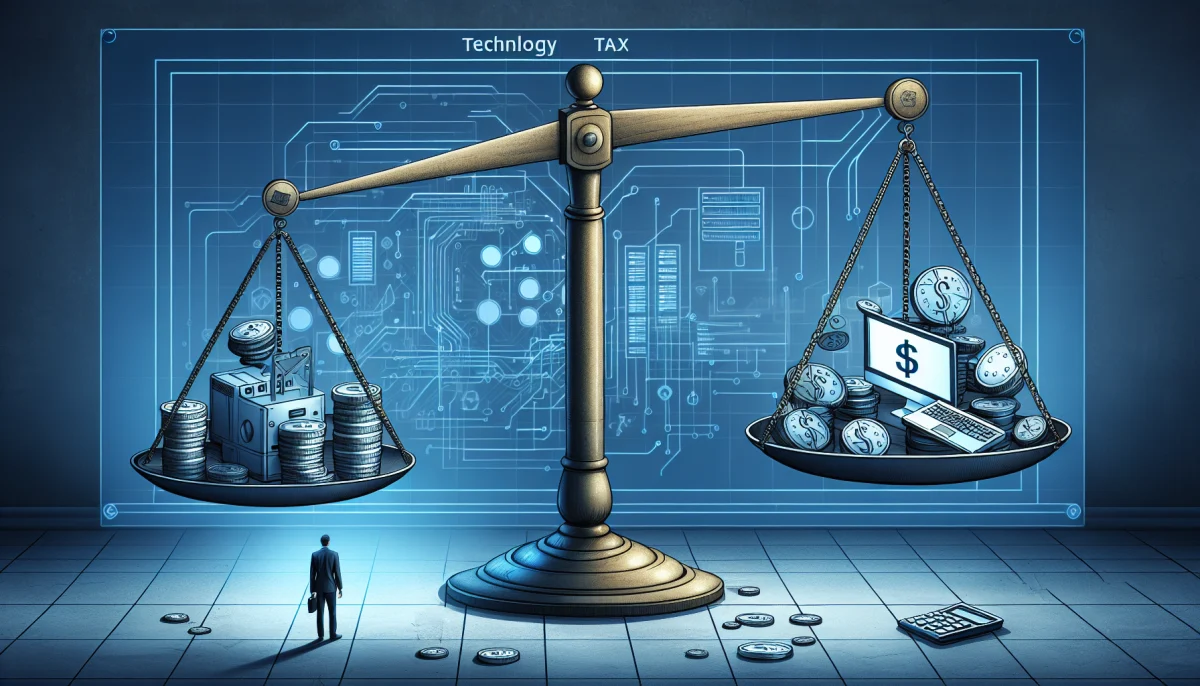
- Financial institutions pay significantly more in taxes compared to technology giants such as Meta, Apple, and Alphabet.
- The ABA points out that unregulated Buy Now Pay Later (BNPL) entities impose much steeper charges on businesses than traditional banks.
- Apple faces criticism for stifling competition and having lesser tax responsibilities in spite of its vast market value.
- The ABA advocates for a viable system where all participants contribute equitably to infrastructure and consumer safeguards.
Discrepancies in Regulation and Taxation within Payment Systems
The Australian Banking Association (ABA) has issued warnings about the widening gap in taxes and regulations between conventional banks and large multinational tech companies. As banks heavily invest in infrastructure and consumer protections, tech firms are perceived as evading these essential responsibilities.
Tax Contributions: Traditional Banks vs. Tech Giants
The ABA reported that in 2025, Australian banks contributed a significant $16 billion in taxes and levies, while tech giants Meta, Apple, and Alphabet collectively paid only $324 million. ABA CEO Simon Birmingham stressed the inequity of the existing system, warning that it jeopardizes the nation’s payment infrastructure.
Fees from Unregulated BNPL Providers
The report further revealed that unregulated Buy Now Pay Later (BNPL) firms charge transaction fees to businesses that are much higher than those levied by banks, with certain fees reaching up to 11 times more. This significant difference creates difficulties for small businesses, which encounter elevated costs for transaction processing.
Apple’s Role in Digital Wallet Market
Apple was specifically called out by the ABA for hindering competition in the realm of digital wallets on its devices. Birmingham noted that while banks have placed caps on transaction returns on iPhones, Apple’s own returns remain unrestricted, thereby stifling competition and innovation within the sector.
Conclusion
The Australian Banking Association is advocating for more equitable tax and regulatory frameworks to ensure the ongoing viability of national payment systems. The current imbalances between banks and large tech companies pose a threat to the maintenance of infrastructure and fair competitive practices.
Q: What concerns does the ABA have regarding the tax disparity between banks and tech corporations?
A:
The ABA is worried because banks are making substantial investments in infrastructure and consumer protection while tech corporations pay lower taxes and face less stringent regulations, which could endanger national payment systems.
Q: How do the fees from BNPL providers match up against banks’ fees?
A:
Fees charged by BNPL providers are notably higher than those of banks, with some fees being as much as 11 times greater, creating a financial strain on small businesses.
Q: What criticisms has the ABA directed at Apple?
A:
The ABA has reproached Apple for curtailing competition by imposing limitations on banks’ transaction returns while maintaining its own fee structure flexible, thus restricting competition in the digital wallet space.
Q: What recommendations has the ABA put forward?
A:
The ABA advocates for establishing a sustainable framework where all market entities fairly contribute to taxes and regulations, thereby ensuring strong infrastructure and consumer protection.
Q: How do transaction fees of Australian banks compare to those of foreign providers?
A:
Australian banks typically impose lower transaction fees than numerous international providers, presenting a cost-effective option for businesses.
