
Easter Journey Highlights Pressure on Australia’s EV Charging Infrastructure

We independently review everything we recommend. When you buy through our links, we may earn a commission which is paid directly to our Australia-based writers, editors, and support staff. Thank you for your support!
Quick Overview
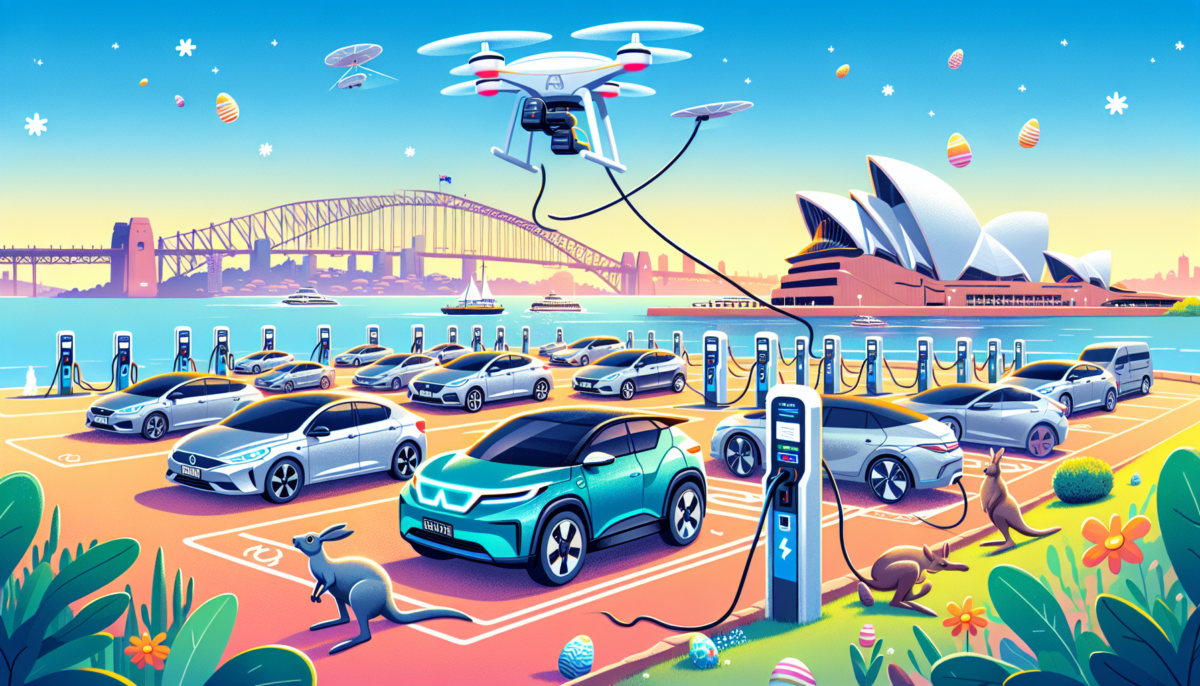
- Electric vehicle road trips over Easter spotlight charging network limitations in Australia.
- Albury Supercharger faced notable delays owing to substantial demand.
- Tesla’s network is transitioning into a multi-brand charging ecosystem.
- There is a need for increased infrastructure investment to accommodate rising EV adoption.
- New fast chargers for regional areas are anticipated but require time for implementation.
- EV sales are climbing in Australia, putting pressure on current infrastructure.
Electric Road Adventures: A New Australian Ritual
The iconic Australian road adventure, a beloved practice during the Easter long weekend, is experiencing a shift as more families choose electric vehicles (EVs) over conventional petrol cars. Transitioning to electric energy is not only advantageous for the planet but also more economical. Nevertheless, the latest Easter weekend has highlighted the challenges that come with this swift change.
Charging Issues in Albury
For travelers journeying from Melbourne to Sydney, the Albury-Wodonga area is a crucial segment. Despite Albury being home to one of the country’s largest charging stations, the system was overwhelmed this Easter Monday as holiday goers returned in large numbers. At the Commercial Club Albury, EV users encountered lengthy wait times, with Tesla app users reporting delays surpassing 25 minutes.
The Advancing Supercharger Network
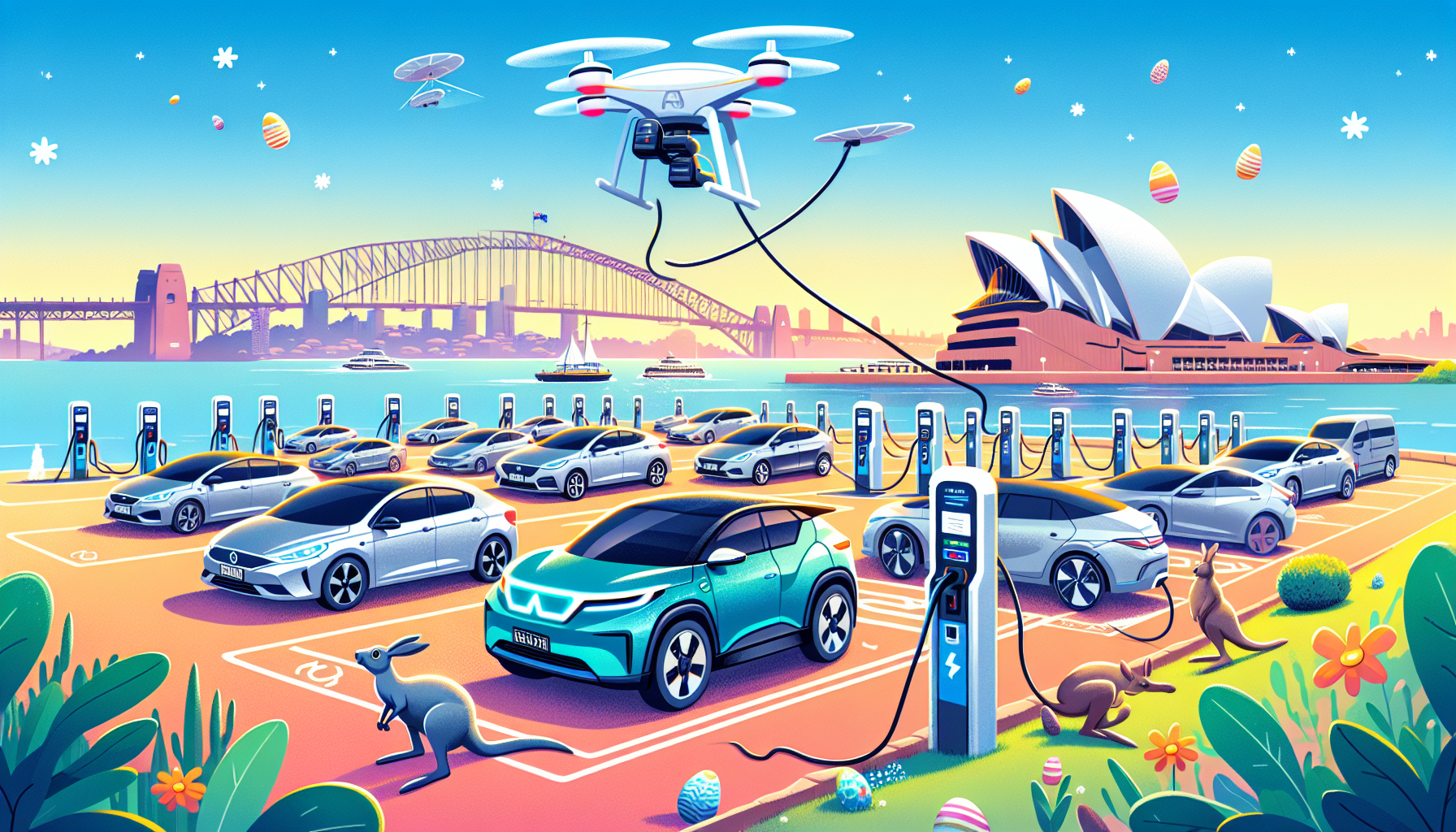
Featuring 16 stalls that provide up to 300 kW, the Albury site usually boasts solid capacity but was unable to handle the holiday influx. The variety of vehicles utilizing these chargers has risen, as Tesla has extended access to other brands. This has led to the transformation of the “Tesla network” into a more inclusive “universal network.”
Widespread Issues Across Main Routes
Other areas such as Euroa and Holbrook also faced delays, signaling a systemic problem rather than isolated cases. While the number of chargers has grown, so too has the number of EVs, influenced by the introduction of more affordable models on the market.
Improving Charging Habits
Peak demand complications are worsened by charging habits. Numerous drivers charge their vehicles fully to minimize future stops, which slows down the process for others. The most effective fast charging occurs between 10% and 80%, and drivers are urged to adhere to this for more efficient charging experiences.
Future Prospects: Infrastructure and Hope
The recent A$40 million governmental commitment toward regional fast chargers is a promising advancement, although it will take time to realize. To eradicate queues, additional “super hubs” featuring extensive charging stalls are essential. Despite the current difficulties, drivers maintain a positive outlook on the advantages of EVs, such as savings on fuel costs.
Conclusion
As the adoption of electric vehicles in Australia accelerates, the charging infrastructure must evolve to satisfy demand. Recent Easter road trips revealed existing network limitations, especially during high demand periods. Ongoing investment and improved charging practices can ease these challenges, paving the way for a seamless transition to electric mobility.
Q: What caused the long queues at the Albury Supercharger?
A: The significant demand during the Easter weekend, with many holidaymakers returning at the same time, resulted in long lines at the Albury Supercharger.
Q: How is Tesla’s charging network developing?
A: Tesla has opened its network to other EV brands, transforming it into an inclusive charging station for diverse makes and models.
Q: What systemic issues exist with EV charging in Australia?
A: Despite the increase in chargers, the rise in EV adoption rates and demand during peak times have led to congestion at key charging locations.
Q: How can drivers optimize their charging during busy periods?
A: Drivers are encouraged to charge only as needed to reach their next stop since fast charging is most effective between 10% and 80% charge levels.
Q: What measures are being taken to enhance EV infrastructure?
A: The government has allocated A$40 million for regional fast chargers, and there is a call for more super hubs with ample charging options.
Q: What continues to attract people to EVs despite the challenges?
A: EVs provide notable cost savings compared to premium unleaded fuel and help alleviate pressure on fuel supply.
