State of Security 2026: Protecting Australia’s Data Future

We independently review everything we recommend. When you buy through our links, we may earn a commission which is paid directly to our Australia-based writers, editors, and support staff. Thank you for your support!
Protecting Australia’s Data Future: Toll Group’s Holistic Strategy
- Cyber threats are changing, demanding a thorough security strategy.
- Toll Group incorporates security into procurement and vendor oversight.
- AI introduces new hurdles for data governance and security.
- Critical infrastructure classification under the SOCI Act has national implications.
- Enhanced due diligence and third-party risk management are primary focuses.
Comprehending the Cyber Threat Landscape
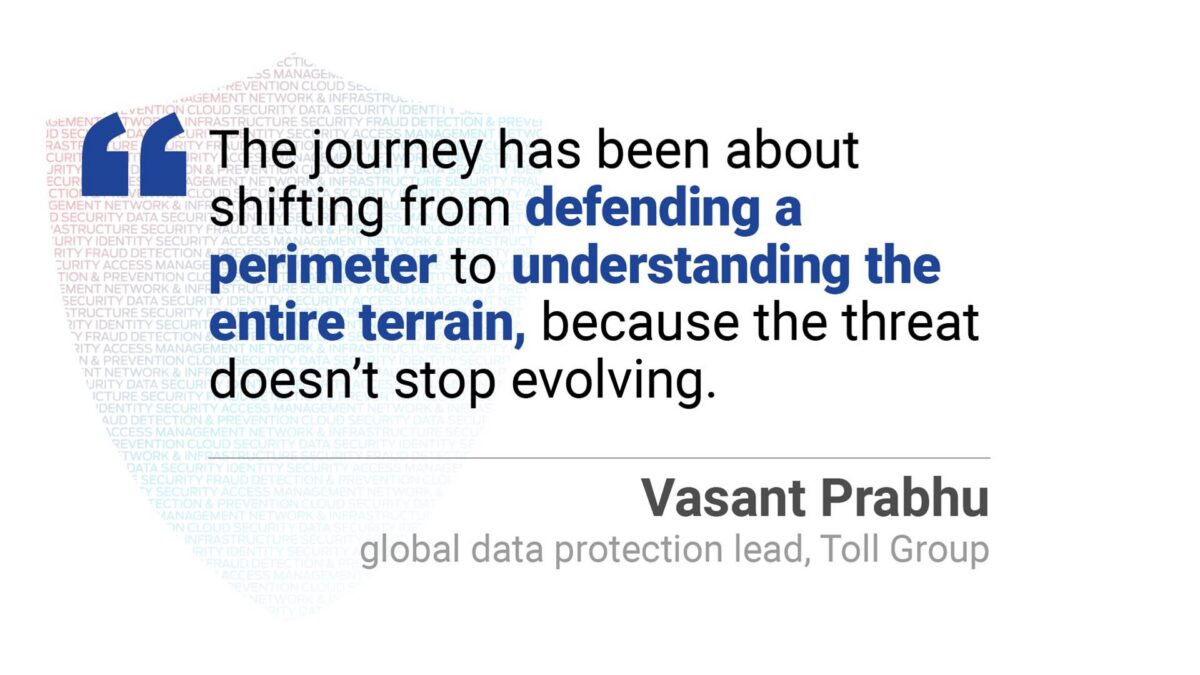
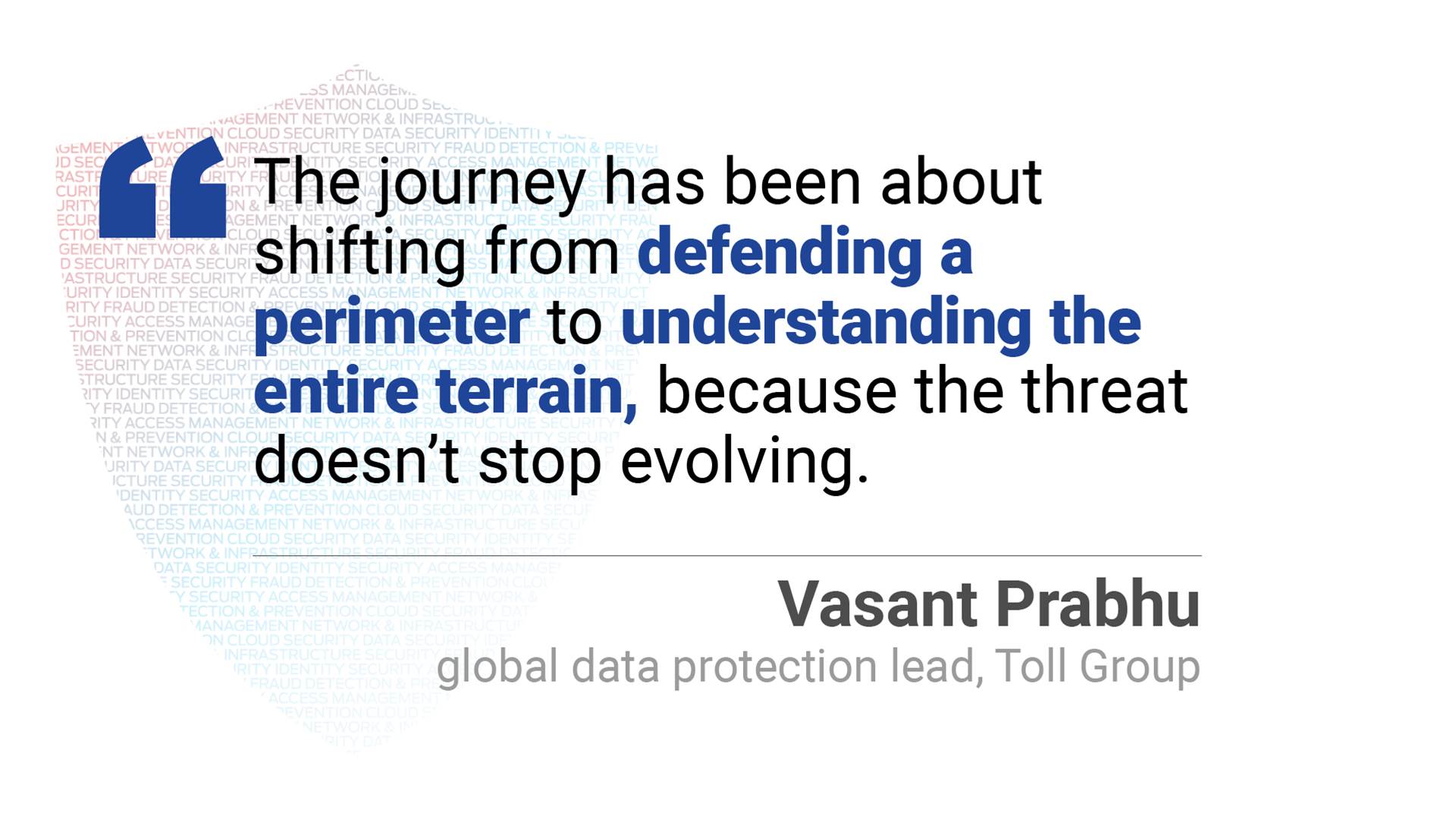
The international logistics and supply chain entity, Toll Group, is transforming its data security strategy in light of the rapidly shifting cyber threat landscape. Conventional security methods such as robust firewalls and access controls are increasingly inadequate for a globally operating supply chain, as pointed out by Vasant Prabhu, Toll Group’s global data protection chief.
Integrating Security into Business Procedures
Active in more than 50 countries, Toll Group has integrated security prerequisites into its procurement protocols, contracts, and third-party risk oversight. The aim is to handle security in a proactive manner rather than a reactive one, as emphasized by Prabhu. This methodology is essential considering the logistics industry’s heightened risk profile in the global economy.
National Significance and SOCI Act Compliance
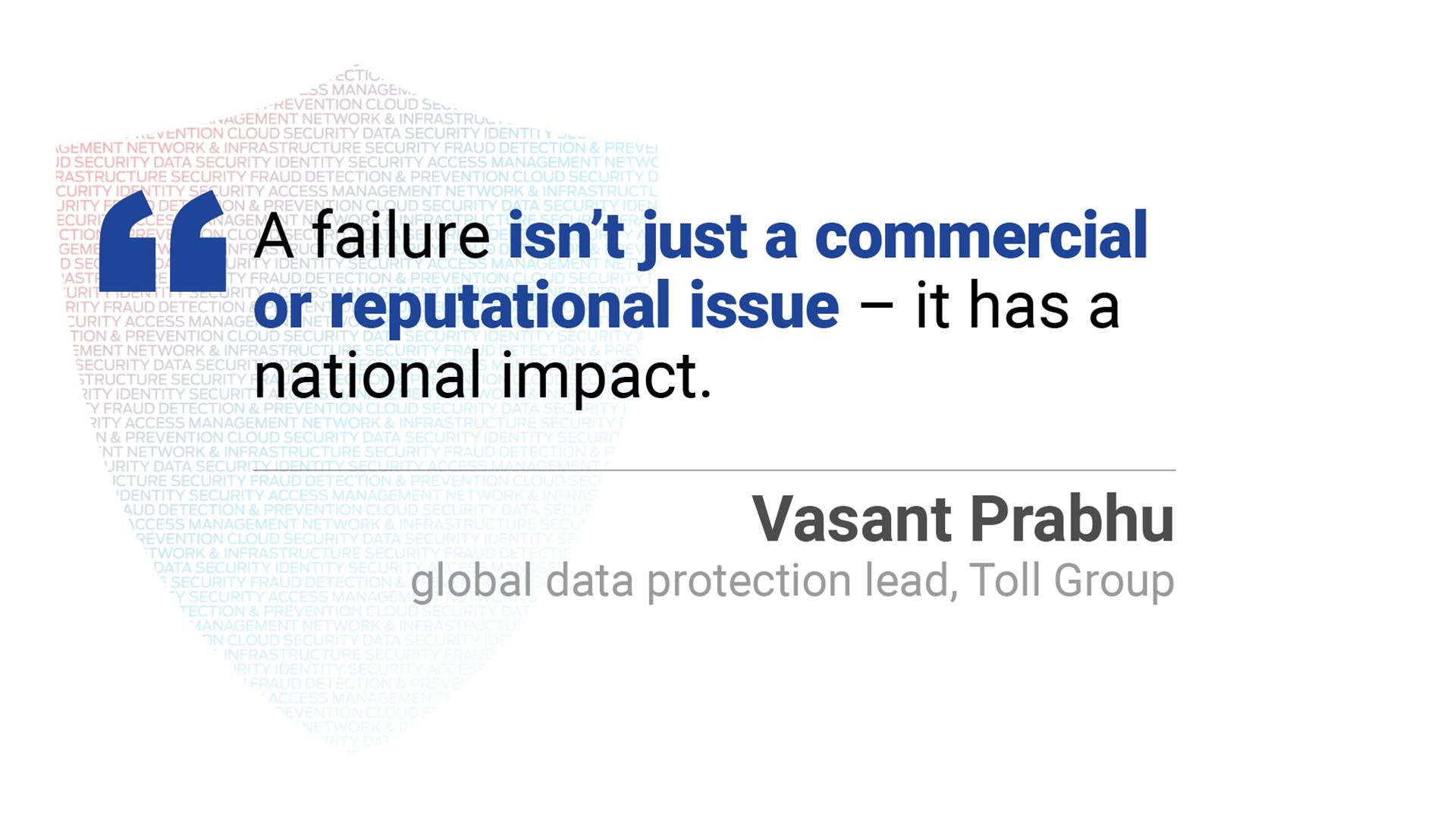
Toll Group’s infrastructure is classified as critical under Australia’s Security of Critical Infrastructure (SOCI) Act, which imposes responsibilities beyond mere commercial risk management. Any failures may lead to national consequences, underscoring the necessity for robust security protocols.
Tackling Third-Party and AI Challenges
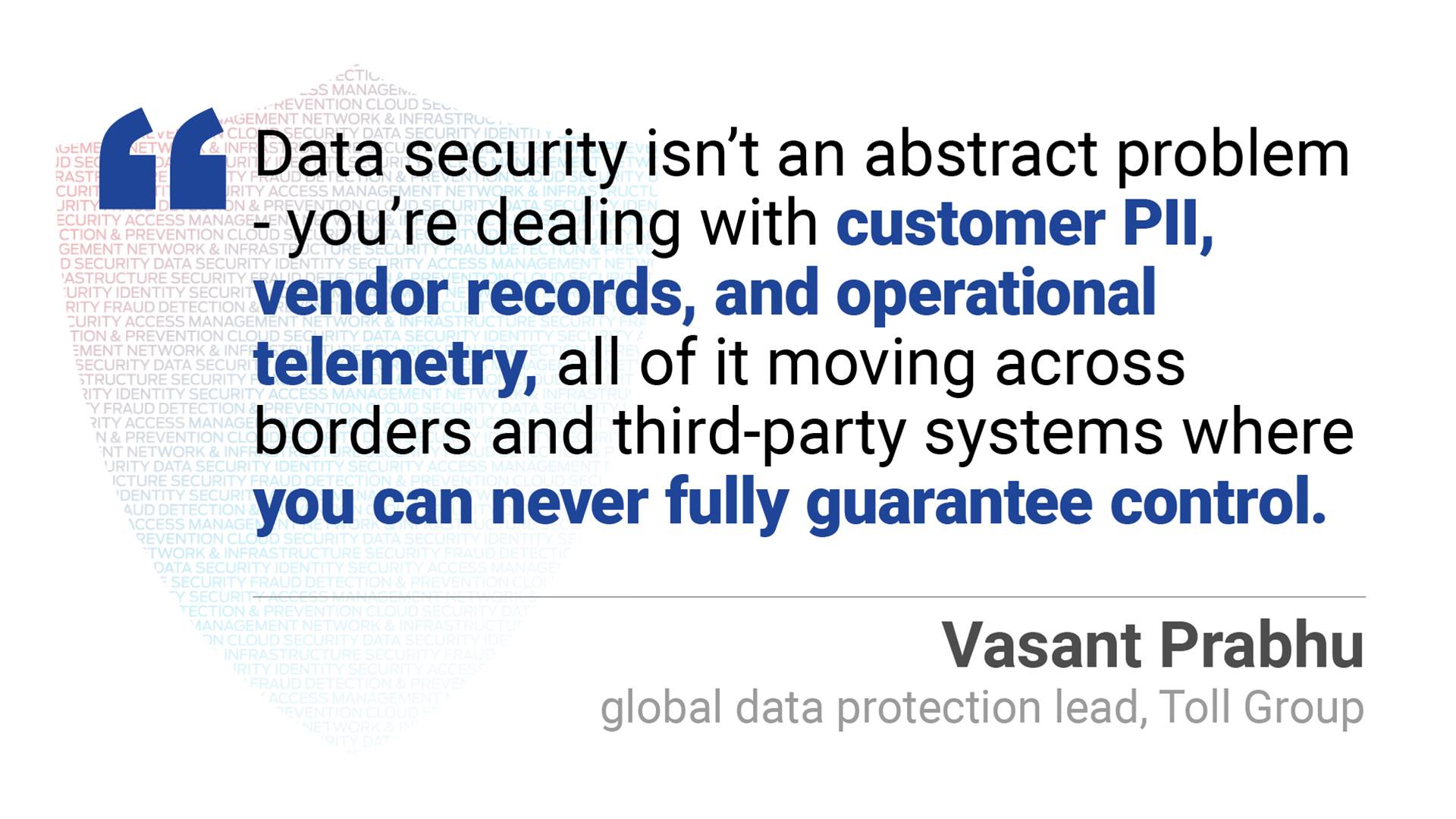
The rise in risks from third-party vendors, together with complexities linked to AI, demands a flexible security perimeter. Toll Group has improved vendor due diligence, restricted third-party access, and assessed AI interactions with enterprise data. Solutions like ProcessUnity ensure that security is incorporated from the beginning.
Gaining Insights from Previous Cyber Incidents
In the aftermath of a major cyberattack in 2020, Toll Group acknowledges the significance of proactive security measures. The organization’s emphasis on supply chain and vendor security stems from previous experiences, regulatory demands, and emerging threats.
AI and the Future of Data Protection
The incorporation of AI into projects brings about new challenges concerning data security and governance. Queries related to data input, model efficiency, and jurisdictional data handling are prompting a reevaluation of existing security frameworks. Prabhu underscores the importance of effective governance and safeguards as Agentic AI becomes increasingly widespread.
Conclusion
Toll Group’s holistic strategy for data security mirrors the shifting cyber threat landscape and the distinct challenges encountered by the logistics industry. By incorporating security into procurement and vendor management, addressing AI complexities, and adhering to the SOCI Act, Toll Group is establishing a standard for protecting Australia’s data future.