Blog - Page 205 of 216 - Techbest - Top Tech Reviews In Australia

Germany plans to remove Huawei and ZTE equipment from its 5G core network.


We independently review everything we recommend. When you buy through our links, we may earn a commission which is paid directly to our Australia-based writers, editors, and support staff. Thank you for your support!

Germany plans to exclude Huawei and ZTE from its 5G network by 2029.

Germany’s Decisive Action: Removing Huawei and ZTE from 5G Network by 2029

Quick Read

  • Germany plans to remove Huawei and ZTE components from its 5G network by the year 2029.
  • The initiative seeks to bolster digital security in the largest economy in Europe.
  • The initial phase-out will begin with core network 5G data centers by 2026.
  • Huawei and China have condemned the decision, arguing that there is insufficient evidence of security risks.
  • Telecom operators such as Deutsche Telekom and Vodafone must adhere to the new regulations.

Germany's plan to exclude Huawei and ZTE from its 5G network by 2029

A New Agreement

Germany’s Interior Minister, Nancy Faeser, revealed a significant agreement with telecom companies to remove Chinese technology firms Huawei and ZTE from the nation’s 5G infrastructure by the year 2029. This decision is regarded as an essential step to ensure digital security within Europe’s biggest economy.

Why Omit Chinese Technology?

The arrangement comes after thorough talks between Germany’s interior ministry and key telecommunications companies like Deutsche Telekom, Vodafone, and Telefonica Deutschland. The main goal is to shield Germany’s vital infrastructure from possible security threats due to Chinese involvement.

China’s Response

The Chinese embassy in Germany has criticized the decision, calling it a “ruthless attempt” to stifle competition and advance German technology. They contend that there is no concrete evidence to support the allegations that Huawei equipment is a security risk.

Implementation Phases

The phase-out will be implemented in two phases. In the first phase, telecom operators must eliminate Chinese-made technology from the core network of 5G data centres by 2026. The second phase necessitates the removal of Chinese components, including antennas, transmission lines, and towers by 2029.

EU Security Measures

Germany has lagged somewhat in adopting the European Union’s security protocols for 5G networks. This recent agreement is perceived as an effort to better synchronize with EU-wide policies focused on improving digital security.

Reply from Telecommunications Providers

Telecom companies have traditionally opposed Berlin’s initiatives to eliminate Huawei, citing high expenses. Nonetheless, they now support the new policies. Huawei has condemned the decision, labeling it as a politicization of cybersecurity concerns.

Summary

Germany’s choice to remove Huawei and ZTE from its 5G network by 2029 is a strategic effort to improve digital security. Although China has objected to the decision, arguing there is no evidence of security threats, Germany is advancing with a gradual implementation plan that includes key telecom providers. This action brings Germany more in line with the European Union’s security protocols for 5G networks.

Why has Germany decided to exclude Huawei and ZTE from its 5G network?

The main objective is to enhance digital security and safeguard essential infrastructure against potential threats from Chinese influence.

Q: What stages are included in this exclusion plan?

A: The strategy will be executed in two phases: firstly, the extraction of Chinese technology from main network data centers by 2026, and secondly, the removal of components such as antennas and transmission lines by 2029.

Q: What has been China’s reaction to this decision?

The Chinese embassy in Germany has criticized this action, labeling it an effort to stifle competition and advance German technology. They assert that no substantial evidence has been provided to substantiate the claims of security risks.

Q: What are the opinions of German telecommunications companies regarding this proposal?

Initially hesitant due to the high expenses, major operators like Deutsche Telekom, Vodafone, and Telefonica Deutschland have now embraced the new regulations.

Is Germany in agreement with the European Union’s security policies?

Germany has lagged somewhat in adopting EU security measures for 5G networks but intends to better align with this new agreement.

What is Huawei’s response to these advancements?

Huawei has condemned the decision, describing it as the politicization of cybersecurity concerns without solid proof to substantiate claims of security risks.

Q: Is there likely to be any form of counteraction from China?

Interior Minister Nancy Faeser mentioned that she does not anticipate any backlash from China regarding the proposed restrictions on Chinese technology.

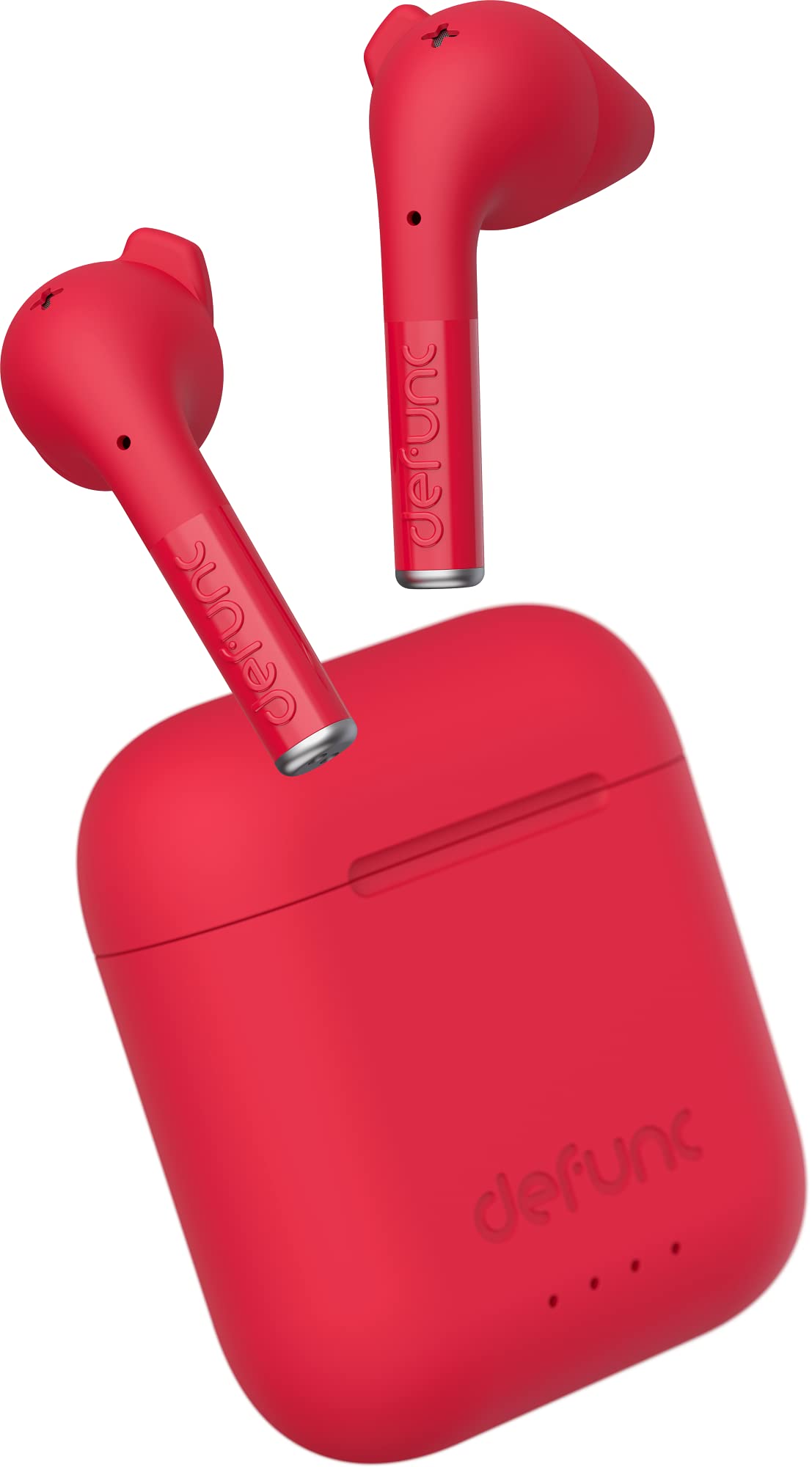
Defunc True Talk Wireless Earbuds, Black Review


We independently review everything we recommend. When you buy through our links, we may earn a commission which is paid directly to our Australia-based writers, editors, and support staff. Thank you for your support!

Defunc True Talk Wireless Earbuds, Black

AT&T Discloses Significant Data Breach: 109 Million US Customer Accounts Affected


We independently review everything we recommend. When you buy through our links, we may earn a commission which is paid directly to our Australia-based writers, editors, and support staff. Thank you for your support!

“`html

AT&T Data Breach: 109 Million US Customer Accounts Exposed

Quick Read

  • AT&T experiences a significant data breach, affecting 109 million customer accounts in the United States.
  • The data that has been compromised includes call and text records from the year 2022.
  • The FBI and the US Federal Communications Commission are conducting an investigation.
  • The security breach came after a ransomware attack on UnitedHealth Group in February.
  • AT&T has blocked the route of unauthorized access.

AT&T Data Breach: Current Information and Insights

AT&T Data Breach Affects 109 Million US Customers

The American telecommunications behemoth AT&T has disclosed a major data breach affecting the call and text records of approximately 109 million US customer accounts. This breach took place in April when the data was unlawfully extracted from a third-party cloud service.

Extent of the Violation

The breached data encompasses call and text records from May to October 2022 for virtually all AT&T cellular and landline clients. It’s essential to clarify that the content of these calls and texts, as well as personal details like social security numbers, were not part of the compromised information. Additionally, the records involve interactions from AT&T customers of mobile virtual network operators using AT&T’s wireless network.

Ongoing Investigations

The FBI is presently examining the breach, and at least one person has been detained. The US Federal Communications Commission is also conducting an investigation. The FBI and the US Justice Department cooperated with AT&T to handle the incident-response and exchange essential threat intelligence.

Delayed Public Disclosure

The US Justice Department requested a delay in the public announcement of the hack. AT&T discovered the breach on April 19, following claims by a hacker that they had illegally obtained and duplicated AT&T’s call logs from April 14 to April 25.

Previous Data Incidents

This breach is the most recent in a string of major cyber-attacks impacting a large number of Americans. In February, UnitedHealth Group’s Change Healthcare division experienced a ransomware attack that may have compromised the personal information of a third of the US population. Moreover, in March, AT&T looked into a data set that was released on the dark web, seemingly impacting about 7.6 million current account holders and 65.4 million former account holders. This data set appeared to originate from 2019 or earlier.

Potential Consequences and Future Actions

Although AT&T has sealed the breach of unauthorized access and does not think the data is accessible to the public, the company is still collaborating closely with federal investigators to ensure the ongoing security and privacy of its customers’ information.

Summary

The AT&T data breach has impacted about 109 million US customer accounts, revealing call and text records from 2022. The FBI and other federal agencies are currently investigating the incident, and AT&T has secured the breach’s source. This occurrence highlights the increasing necessity for strong cybersecurity measures to protect consumer data.

Q&A

Q: What type of information was affected in the AT&T security breach?

A:

The breached data encompasses records of calls and texts from May to October 2022 for almost all AT&T cellular and landline users. Nevertheless, it excludes the content of calls or texts and personal details such as social security numbers.

Who is currently looking into the AT&T data breach?

A:

The breach is being investigated by both the FBI and the US Federal Communications Commission. At least one person has been arrested in relation to the incident.

When did AT&T become aware of the breach?

A:

AT&T initially discovered the breach on April 19, when a hacker asserted that they had illicitly accessed and duplicated AT&T’s call logs from April 14 to April 25.

Q: Has AT&T implemented any measures to avoid future security breaches?

A:

Indeed, AT&T has addressed the point of unauthorized access and is collaborating closely with federal investigators to improve its cybersecurity protocols and safeguard customer information in the future.

“`

Fairphone Fairbuds True Wireless Earbuds Review


We independently review everything we recommend. When you buy through our links, we may earn a commission which is paid directly to our Australia-based writers, editors, and support staff. Thank you for your support!

Fairphone Fairbuds True Wireless Earbuds (Active Noise Cancellation, Replaceable Battery, Bluetooth 5.3) Black

New Assassin’s Creed × MTG Set Introduces DeathTouch for Everyone!


We independently review everything we recommend. When you buy through our links, we may earn a commission which is paid directly to our Australia-based writers, editors, and support staff. Thank you for your support!

“`html

New Assassin’s Creed and MTG Set Introduces DeathTouch for Everyone!

It’s the collaboration you’ve eagerly anticipated: magic meets assassins. Magic: The Gathering (MTG), a long-standing trading card game that debuted in the early 1990s, occasionally releases a collection known as Secret Lair.

These collections are joint efforts, transforming ordinary cards into unique modifications. Previous collaborations have featured Lord of the Rings, Street Fighter, Hatsune Miku, Dungeons & Dragons, and celebrations for occasions like Lunar New Year, International Women’s Day, and others. Now, our beloved assassins from various eras are part of the new set through a partnership with Assassin’s Creed.

New Assassin’s Creed packs include featured assassins.

The latest Assassin’s Creed Secret Lair partnership introduces a variety of famed characters from Ubisoft’s Assassin’s Creed series into Magic: The Gathering. This collection showcases heroes from all the major games, allowing you to assemble your own team of assassins. If you began with the initial trilogy like I did, you’ll spot familiar faces such as Desmond Miles, Ezio, and even Leonardo da Vinci.

Assassins featuring Desmond Miles, Initiate, Arno Dorian, Alexios, Edward Kenay, Shay Cormac, Haytham Kenway, and Shad Jun.
Some of my favorite assassins from the collection (Photo TechBest)

If you’ve experienced the newer Valhalla game, you’ll likely recognize Eivor. Additionally, there’s Kassandra from Assassin’s Creed Odyssey, among many other human assassins you can discover.

Other cherished aspects of Assassin’s Creed find their way into Magic: The Gathering.

The Magic: The Gathering set brings more than just assassins and human characters to evoke nostalgia. Within the array of legendary cards and creatures, you’ll find a variety of artifacts and spells inspired by the game. Some standout items include the Haystack, which phases out a creature you control, the Hookblade that gives a creature you control +1/+0 and flying, and Eagle Vision, which allows you to draw three cards. There are many more, but I’ll leave those for you to discover.

Cards in hand that include Swamp, Brotherhood, Hookblade Veteran (2 of), Tranquilize, Ezio Blade of Vengeance, and Auditore Ambush.
The cards showcase your favorite characters from the Assassin’s Creed games, including Ezio (Photo TechBest)

Common mechanics

Considering it’s an Assassin’s Creed-themed set, we made a joke at a recent Magic gathering that “every assassin would have deathtouch,” and we weren’t too far from the truth. Numerous assassins in the set possess abilities that you would deem crucial for assassin duties. Deathtouch is a skill that enables the creature to eliminate any opponent.

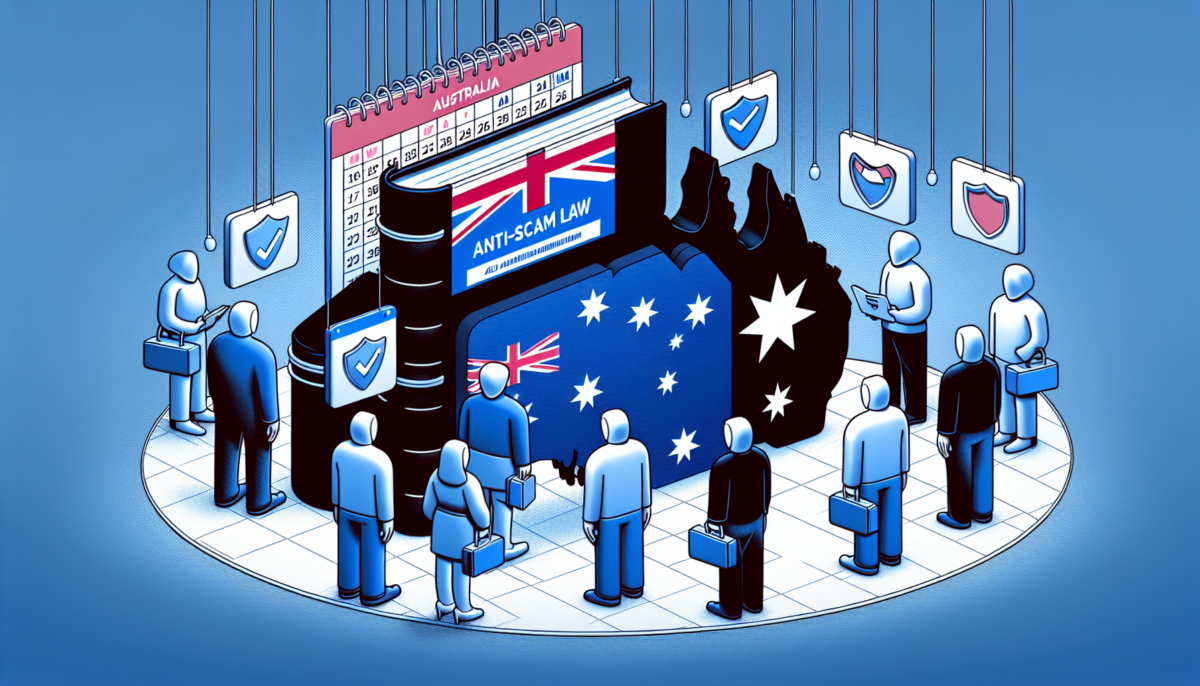
Australia is preparing to implement pioneering anti-scam legislation aimed at tech giants this year.


We independently review everything we recommend. When you buy through our links, we may earn a commission which is paid directly to our Australia-based writers, editors, and support staff. Thank you for your support!

“`html

Australia’s Pioneering Anti-Scam Legislation Aiming at Technology Giants

Quick Read

  • Australia is set to implement legislation that requires internet companies to block scams.
  • Severe penalties for failing to comply could amount to $50 million or higher.
  • The ACCC and the treasury are seeking input from multiple industries to develop a code to combat scams.
  • Advertisements for cryptocurrency scams that use Andrew Forrest’s name have led to substantial financial losses.
  • Meta is facing a lawsuit for not effectively controlling misleading ads.
  • The recent legislation seeks to make technology giants responsible, which might lead to clashes with United States laws.
Australia to bring anti-scam law targeting internet giants this year

Australia’s New Anti-Fraud Legislation

By the end of the year, Australia intends to implement a pioneering law that will require internet companies to actively prevent the hosting of scams or risk substantial fines. The Australian Competition and Consumer Commission (ACCC), alongside the treasury department, is presently engaging with internet, banking, and telecommunications companies to develop a compulsory and enforceable anti-scam code.

The Importance of This Legislation

This action follows significant financial losses for Australians due to cryptocurrency scam advertisements featuring high-profile individuals such as mining tycoon Andrew Forrest. Forrest has initiated legal proceedings against Facebook’s parent company, Meta, in California, after failing to compel the company to take action within Australia. Government statistics show that Australians’ losses from scams have surged from $900 million in 2020 to $2.7 billion in 2023, reflecting a global trend worsened by the increased online activity driven by the pandemic.

Consultation with Industry and Code Creation

The ACCC and the Treasury seek to create an anti-scam code mandating internet platforms to take reasonable measures to safeguard users. This encompasses providing efficient complaint services. At present, only telecommunications providers in Australia are subject to specific anti-scam regulations.

Possible Disputes with Major Technology Companies

The enactment of this law might provoke another clash between Australia and major tech companies. Historically, internet platforms have depended on U.S. legislation that mostly absolves them from accountability. The ACCC has previously required internet firms to pay media organizations licensing fees for content links, causing Meta to contemplate blocking media content on Facebook in Australia. The new anti-scam legislation could exacerbate these tensions by imposing legal liability on these platforms.

Expected Implementation Timeline

“We anticipate the implementation of these measures throughout this period and by the end of the year,” stated ACCC chair Gina Cass-Gottlieb. The ACCC maintains that clear and enforceable legal requirements are essential. Non-compliance with these new regulations could lead to penalties of up to $50 million, triple the profit obtained from the misconduct, or 30 percent of the revenue at the time the violation took place.

Ongoing Legal Proceedings and Potential Consequences

The ACCC is taking legal action against Meta for not preventing the display of deceptive advertisements that include well-known Australians. Meta has been defending itself since March 2022, and the case remains in the pre-trial phase. Cass-Gottlieb contends that a compulsory code would lessen the reliance on “retroactive” and lengthy court procedures for enforcement.

Meta has chosen not to provide comments regarding the timing of the anti-scam code. However, the company has previously expressed a preference for a voluntary code, arguing that a mandatory code could result in a focus on compliance rather than innovation.

Summary

Australia is poised to implement a groundbreaking anti-scam legislation by year’s end, aimed at holding internet companies responsible for preventing scams. Both the ACCC and the treasury are engaging with different industries to develop a regulatory anti-scam code. This initiative is intended to combat the increasing financial losses due to scams in Australia but might result in additional disputes with major tech companies such as Meta.

What is the main goal of Australia’s new anti-scam legislation?

The main goal is to require internet firms to take preventive measures against hosting scams and to offer efficient complaint services, thereby safeguarding users.

What are the potential fines for businesses that do not comply?

Companies could be subject to penalties amounting to $50 million, triple the advantage obtained from the misconduct, or 30 percent of their revenue at the point of the violation.

Why might there be a possible conflict with U.S. laws?

U.S. regulations generally shield internet platforms from liability for content created by users, whereas Australia’s recent legislation seeks to make these platforms legally responsible.

What has driven this recent legislative proposal?

The rising financial losses resulting from scams during the pandemic, which led to Australians losing $2.7 billion between 2020 and 2023, spurred this legislative action.

Who is in charge of developing the anti-scam code?

The mandatory anti-scam code is being developed under the leadership of the Australian Competition and Consumer Commission (ACCC) and the treasury department.

Q: Which types of scams have been most common in Australia?

Cryptocurrency scam ads featuring high-profile individuals such as Andrew Forrest have been especially common, resulting in considerable financial losses for Australians.

How could this new legislation affect technological innovation?

Certain technology firms, such as Meta, contend that enforcing a compulsory anti-fraud code might compel them to emphasize adherence at the expense of innovation.

Q: When is the law anticipated to take effect?

The ACCC aims to implement the new anti-scam codes by the end of this year.

“`

Moondrop Space Travel TWS Earphone Review


We independently review everything we recommend. When you buy through our links, we may earn a commission which is paid directly to our Australia-based writers, editors, and support staff. Thank you for your support!

Moondrop Space Travel TWS Earphone Bluetooth 5.3 Noise Canceling True Wireless Stereo IEMs (Black)

Apple Allows Competitors to Utilize Tap-and-Go Payments in Significant Policy Change


We independently review everything we recommend. When you buy through our links, we may earn a commission which is paid directly to our Australia-based writers, editors, and support staff. Thank you for your support!

Apple Allows Rivals to Use Tap-and-Go Payments in Significant Policy Change

Apple Expands Tap-and-Go Payment Options to Include Competitors in Significant Policy Change

Apple opens tap-and-go payments to competitors in major policy shift

Quick Read

  • Apple is allowing competitors to use its tap-and-go mobile payment system.
  • Action driven by EU antitrust rules outlined in the Digital Markets Act (DMA).
  • Apple is subject to three investigations related to the DMA.
  • The European Commission’s decision mandates adherence for a decade.
  • Over 3000 banks and issuers across Europe provide Apple Pay.
  • The ruling permits developers to utilize Apple’s NFC technology.
  • The Norwegian application Vipps MobilePay is pleased with the decision.

The Apple and Digital Markets Act

The Digital Markets Act (DMA) seeks to create fair competition among major technology companies and provide users with more options. Apple is currently facing scrutiny through three active investigations. The company’s App Store policies and recent contractual terms for developers have been called into question. EU antitrust regulator Margrethe Vestager has stated that Apple has not yet adhered to these rules.

Opening NFC Technology

In a major policy change, Apple is set to grant access to its near-field communication (NFC) technology to competitors. This choice is the result of a four-year investigation conducted by the European Commission. Apple’s proposal will be effective for 10 years, enabling developers to create payment applications that use Apple’s NFC technology. The goal of this initiative is to enhance competition within the mobile wallet market.

Effects on European Programmers

Apple’s concessions will let European developers incorporate tap-and-go payments into a wide range of applications, such as car keys, transit systems, corporate badges, home keys, hotel keys, merchant loyalty/rewards, and event tickets within their iOS apps. This adjustment is anticipated to make Apple’s NFC technology more accessible and foster innovation among competitors.

Feedback from Industry Stakeholders

The Norwegian mobile payment application, Vipps MobilePay, which had previously raised concerns regarding Apple Pay’s limitations, embraced the recent change. This advancement permits Vipps MobilePay and other service providers to compete on an equal footing with Apple, potentially resulting in a wider array of consumer-friendly choices within the market.

EU Antitrust Penalties

In March, Apple encountered its inaugural EU antitrust fine—a substantial 1.84 billion euros (AUD 2.96 billion) for limiting competition from Spotify and other music streaming competitors through its App Store regulations. This penalty highlighted the EU’s dedication to addressing anti-competitive actions by major tech firms.

Microsoft’s Antitrust Settlement

Independently, Microsoft finalized an agreement with cloud services entity CISPE to resolve an antitrust grievance, therefore evading an EU probe. Vestager characterized this resolution as a “promising outcome,” mirroring the EU’s overarching strategy to encourage fair competition in the technology industry.

Summary

Apple’s choice to allow competitors access to its tap-and-go mobile payment system is a significant development in the technology sector, compelled by stringent EU antitrust laws. By granting rival developers access to its NFC technology, Apple aims to enhance competition and innovation within the mobile wallet market. This action aligns with the goals of the Digital Markets Act and illustrates the growing regulatory pressures on major tech firms to maintain a fair and competitive environment.

Q&A

Q: What led Apple to unlock its tap-and-go payments service?

A:

The decision was driven by continuous investigations and regulatory pressures from the EU under the Digital Markets Act (DMA), which seeks to promote fair competition among large technology companies.

Q: Could you explain what NFC technology is?

A:

NFC is an abbreviation for near-field communication. It facilitates contactless payments by enabling devices such as smartphones and smartwatches to interact with payment terminals when they are in close range.

How long will Apple’s proposal to make its NFC technology accessible remain effective?

A:

Apple’s proposal will remain in effect for a decade, allowing developers to utilize its NFC technology for creating payment apps.

How many banks and issuers are presently providing Apple Pay services in Europe?

A:

Presently, over 3000 banks and issuers across Europe provide Apple Pay as a payment method.

Q: What effect does this have on developers?

A:

This modification enables developers to develop and provide tap-and-go payment solutions utilizing Apple’s NFC technology, thus promoting competition and innovation in the mobile wallet industry.

Q: What penalty did the European Union impose on Apple?

A:

In March, Apple received a fine of 1.84 billion euros (equivalent to AUD 2.96 billion) from the EU due to its App Store policies, which were deemed to restrict competition from Spotify and other music streaming competitors.

What was the response of other companies to Apple’s decision?

A:

The Norwegian mobile payment application, Vipps MobilePay, expressed approval of Apple’s decision, as it enables them to compete fairly with Apple and other mobile wallet service providers in the market.

What role does Microsoft play in this situation?

A:

Microsoft and cloud services group CISPE have reached a settlement, resolving an antitrust complaint and sidestepping an EU investigation. This action forms part of wider regulatory efforts to maintain fair competition within the tech industry.

Sony WF-C700N Wireless Noise Cancelling Earbuds Review


We independently review everything we recommend. When you buy through our links, we may earn a commission which is paid directly to our Australia-based writers, editors, and support staff. Thank you for your support!

Sony WF-C700N Wireless, Bluetooth, Noise Cancelling Earbuds (Small, Lightweight Earbuds with Multi-Point Connection, IPX4 Rating, up to 20 HR Battery, Quick Charge, iOS & Android) Black

IT technician in defense sector and accomplice reportedly forwarded confidential documents to personal email addresses


We independently review everything we recommend. When you buy through our links, we may earn a commission which is paid directly to our Australia-based writers, editors, and support staff. Thank you for your support!

Defense IT Technician and Associate Reportedly Forwarded Confidential Documents to Personal Email

Defense IT Technician and Associate Accused of Sending Confidential Documents to Personal Email

Quick Read

  • An Australian Army IT technician and her partner have been accused of crimes related to espionage.
  • The duo is charged with transmitting sensitive Defense information to a personal email account.
  • The Australian Federal Police claim that they planned to provide the information to Russian officials.
  • Officials have announced that there is no current danger stemming from the incident.
  • The charges might increase if a direct connection to a foreign principal is proven.

Incident Overview

An information systems technician in the Australian Army and her partner have been accused of an espionage-related crime for allegedly sending sensitive Defense information from the woman’s account to a private email. The Australian Federal Police (AFP) indicated that the duo, who are Russian-born Australian citizens, planned to provide this information to Russian officials.

Citizenship Details

The woman became an Australian citizen in 2016, followed by her husband in 2020. This detail underscores their relatively recent incorporation into Australian society prior to the suspected espionage incidents.

Allegations

The AFP claims that the duo collaborated to acquire sensitive Defence information while the soldier was on extended leave. During this time, it is reported that she made undisclosed trips to Russia, both with and without her partner. Allegedly, while the man stayed in Australia, the woman directed him to log into her official work account and retrieve specific information, which he then sent to her private email account while she was in Russia.

Australian Defence IT technician and partner allegedly forwarded sensitive documents to private email

AFP photograph from the capture.

Security Concerns

The Federal Police claim that the accessed sensitive information pertained to Australia’s national security interests. Despite the seriousness of these claims, officials have reassured the public that there is no current threat from this incident and that no major compromise has been detected at this time.

Potential Increase in Charges

The Federal Police have indicated that the charges against the duo could be upgraded from “preparing for an espionage offence” to espionage if a direct evidential connection to a foreign principal is established in the future. This potential escalation highlights the seriousness of the situation and the ongoing nature of the investigation.

Investigation Details

AFP commissioner Reece Kershaw praised the counter foreign interference taskforce (CFITF) for their “exceptional determination and skill” in probing the alleged actions of the duo. The CFITF comprises the AFP, ASIO, and other Commonwealth partners, underscoring the joint effort required to tackle this security violation.

ASIO Statement

ASIO director-general Mike Burgess highlighted that this situation exemplifies the efforts of numerous countries to pilfer Australia’s secrets. He remarked, “Espionage is not just an outdated cold war concept. It harms our economy and undermines our strategic edge. It can lead to devastating real-world outcomes.”

Summary

This incident strongly emphasizes the persistent dangers associated with espionage. The purported activities of an Australian Army IT specialist and her companion reveal weaknesses in Defence systems and stress the need for rigorous security protocols. The concerted work of multiple Australian security agencies has played a crucial role in detecting and addressing this risk, ensuring that no major breach has taken place to date.

What accusations were made against the pair?

A:

The duo faced charges for an espionage-related offense, accused of allegedly transmitting sensitive Defense information accessed through the woman’s account to a private email with the intention of sharing it with Russian authorities.

Q: By what means did they purportedly acquire the confidential data?

A:

The AFP claims that while the woman was on extended leave and visiting Russia, she guided her partner on how to access her official work account and retrieve certain information to be sent directly to her personal email account.

Is there any current threat stemming from this incident?

A:

Authorities have confirmed that there is no current threat from this incident and no major compromise has been detected at this time.

Is it possible for the charges against them to increase?

A:

Indeed, charges may escalate from “preparing for an espionage offense” to espionage if conclusive evidence linking to a foreign principal is discovered later on.

What organizations took part in examining this case?

A:

The counter foreign interference taskforce (CFITF), comprising the AFP, ASIO, and various other Commonwealth collaborators, carried out the investigation.

What remarks did the director-general of ASIO, Mike Burgess, make regarding this case?

A:

Mike Burgess highlighted that various nations are attempting to steal Australian secrets, resulting in harm to the economy and a reduction in strategic benefits. He stressed that espionage can lead to severe real-world repercussions.