Blog - Page 187 of 215 - Techbest - Top Tech Reviews In Australia

Police Introduce ‘BluLink’ Platform: Citizens Can Now Share GPS Data, Stream Live Video, and Upload Content Directly


We independently review everything we recommend. When you buy through our links, we may earn a commission which is paid directly to our Australia-based writers, editors, and support staff. Thank you for your support!

NSW Police Introduce ‘BluLink’ Platform for Instant Public Engagement

NSW Police have officially rolled out their cutting-edge ‘BluLink’ platform, a tool aimed at transforming how individuals can support police during urgent situations. This novel service enables citizens to provide essential information straight to police, such as GPS locations, live video feeds, digital media submissions, and text communications. The platform has already demonstrated considerable potential during a year-long trial, striving to improve connections between law enforcement and the community, facilitating swifter and more effective emergency responses.

Quick Overview

  • NSW Police unveil ‘BluLink’, a platform for direct liaison between the public and emergency services.
  • Citizens are able to share GPS data, live video, images, and messages with law enforcement.
  • The platform is powered by GoodSAM and operates on a consent basis, requiring no app installation.
  • BluLink has already been instrumental in addressing high-risk incidents during its trial phase.
  • Translation services for over 150 languages are accessible through the platform.

Transforming Emergency Response

The new ‘BluLink’ platform launched by NSW Police represents a noteworthy advancement in the interaction between emergency services and the public. In the past, during major incidents, the public often records crucial visuals and disseminates them on social media platforms. This presents a challenge for police, who have to navigate through myriad online platforms to collect data. BluLink simplifies this procedure, enabling individuals to send information directly to police, thus expediting investigations and resolutions.

Functionality of BluLink

BluLink is crafted for ease of use and necessitates no prior configuration or application download. When someone dials Triple Zero (000), dispatchers can promptly issue a BluLink request to the caller’s smartphone. The caller can then utilize this link to share their GPS position, stream live footage of the event, upload previously recorded media, or dispatch text messages. The platform is particularly advantageous in scenarios where verbal communication is challenging, offering text messaging capabilities that can be translated into over 150 languages.

Police Reveal 'BluLink' Platform: Public Can Now Provide GPS, Live Video, and Upload Content Instantly

Successes of the Trial

Prior to its formal rollout, BluLink went through a 12-month trial within select Metropolitan and Regional Commands, commencing in February 2023. The trial showcased the platform’s utility in various situations, including the investigation of the Bondi Junction stabbing, finding missing persons, and aiding lost bushwalkers. The data from this trial is remarkable:

  • Over 8,300 locations gathered.
  • More than 100 high-risk missing individuals located.
  • Exceeding 700 live videos streamed and 8,000 digital media files uploaded.
  • Over 1,600 translation service requests handled.

Noteworthy Aspects of BluLink

Instant GPS Sharing

A key highlight of BluLink is its capability to provide real-time GPS coordinates to the police. This feature is essential in emergency contexts where accurate location data is critical, particularly in incidents involving lost hikers or stranded people.

Live Video Transmission

The ability to stream live video enables police to obtain immediate visual information about a developing situation. This functionality was particularly utilized during the investigation of the Bondi Junction stabbing, where officers could analyze uploaded footage and CCTV in real-time.

Digital Media Submission

In addition to live streaming, BluLink facilitates the upload of pre-recorded videos and images, which can be vital for gathering evidence. This feature was successfully employed in various occurrences during the trial, including public shootings and missing person inquiries.

Support for Multiple Languages

With the capability to translate text messages into 150 languages, BluLink ensures that language issues do not obstruct effective communication during emergencies. This is particularly crucial in Australia’s culturally diverse society.

Official Statements and Future Outlook

Minister for Police and Counter Terrorism, Yasmin Catley, highlighted BluLink’s significance in bolstering police capacity. “Police depend on community members to accurately describe an incident, so they know what they’re facing and how to respond; ‘BluLink’ grants them unparalleled access to a scene even prior to arrival,” she remarked.

Assistant Commissioner Stacey Maloney, Commander of Technology and Communication Services Command, stated that BluLink is anticipated to enhance efficiency and save resources across all police divisions. “You never know when an emergency might arise or when you might need to call Triple Zero (000), and ‘BluLink’ could be a valuable tool in those situations,” Maloney commented.

Conclusion

The introduction of the BluLink platform by NSW Police signifies a major step forward in emergency response capabilities. By enabling the community to relay real-time information directly to police, BluLink aims to simplify emergency circumstances and expedite resolutions. The successful trial underscores its efficacy, and the official implementation is poised to benefit both the public and law enforcement agencies throughout New South Wales.

Q&A

Q: What is BluLink and how does it function?

A:

BluLink is a platform rolled out by NSW Police that enables the public to provide GPS coordinates, live video, digital media, and text messages directly to police during emergencies. It is activated by a link dispatched from Triple Zero (000) operators to the caller’s smartphone.

Q: Is an app required to use BluLink?

A:

No, BluLink is not an application and requires no previous setup. When you contact Triple Zero (000), a link is sent to your device, which allows you to inform the police.

Q: How was BluLink evaluated before its official release?

A:

BluLink was tested over a 12-month period starting in February 2023, during which it was utilized in various Metropolitan and Regional Commands. The trial encompassed successful applications in cases involving missing persons, public shootings, and other emergencies.

Q: Can BluLink assist non-English speakers?

A:

Yes, BluLink includes text message translation in over 150 languages, making it accessible for individuals who may not speak English.

Q: How does BluLink improve police response times?

A:

By facilitating the sharing of real-time GPS data, live videos, and other essential information directly with police, BluLink allows for quicker decision-making and more effective resource allocation.

Q: Is my personal information secure when using BluLink?

A:

Yes, BluLink is a consent-based platform, meaning your information will only be shared with police if you give your permission. The platform is also designed with safeguards for privacy and security.

Q: Can you provide examples of BluLink’s successful application in real scenarios?

A:

Throughout its trial, BluLink was effectively employed in several prominent cases, including the Bondi Junction stabbing inquiry and the assistance of lost bushwalkers in Dharawal State Conservation Park and Barrington Tops.

Leading US oilfield corporation Halliburton struck by cyber attack


We independently review everything we recommend. When you buy through our links, we may earn a commission which is paid directly to our Australia-based writers, editors, and support staff. Thank you for your support!

Brief Overview

  • Halliburton, a prominent US oilfield services company, has allegedly been the focus of a cyber attack.
  • This incident has disrupted the operations at its North Houston facility and its worldwide connectivity systems.
  • The firm has instructed certain employees to avoid connecting to internal networks.
  • The energy sector is witnessing an uptick in cyber attacks, with events like the Colonial Pipeline ransomware incident in 2021 being a significant case.
  • Several prominent US firms, including UnitedHealth Group and MGM Resorts, have also experienced ransomware attacks recently.

Halliburton Targeted by Cyber Attack as Energy Sector Faces Increasing Threats

Leading US oilfield company Halliburton affected by cyber attack

Halliburton, one of the largest oilfield services providers in the United States, has reportedly fallen victim to a cyber attack. As per a source familiar with the situation, this event has influenced the company’s operations at its North Houston site and some of its international connectivity networks. The anonymous source also indicated that Halliburton has counseled certain personnel not to connect to internal systems following the attack.

The Escalating Risk of Cyber Attacks in the Energy Sector

The energy sector has increasingly become a prominent target for cyber attacks, with the incidence and complexity of such events markedly increasing in recent years. The Colonial Pipeline ransomware attack in 2021 is a glaring example of the dire repercussions when essential infrastructure is compromised. This specific incident resulted in significant disruption to fuel supplies, driving up gasoline costs, initiating panic buying, and creating localized fuel shortages in various regions.

For Australia, the ramifications of these cyber threats are equally alarming. The Australian energy sector, heavily dependent on digital systems, could find itself facing similar dangers. As the country enhances its energy exports, particularly liquefied natural gas (LNG), securing these operations becomes crucial.

Consequences for Halliburton’s Operations

While Halliburton has not yet issued an official comment regarding the cyber attack, the effects on its operations are apparent. The company’s North Houston facility, a vital center for its business processes, has been adversely affected. Furthermore, disruptions to global connectivity networks could have widespread repercussions for Halliburton’s international business.

For a corporation of Halliburton’s size and significance, any operational disruption can lead to substantial repercussions. The firm plays a critical role in the global oilfield services arena, offering a variety of services ranging from drilling to reservoir management. Prolonged operational disruptions could potentially impact oil and gas production timelines, resulting in broader consequences for the energy marketplace.

Why Cybercriminals Target the Energy Sector

The energy sector is an appealing target for cybercriminals owing to its vital role in national and global economies. Interruptions in energy supplies can create ripple effects across a multitude of industries, making it an enticing target for ransomware and other cyber crimes.

Additionally, many energy companies utilize outdated legacy systems that may lack adequate protection against contemporary cyber threats. This renders them susceptible to attacks that can take advantage of antiquated security measures. In Australia, the urgency to modernize and secure energy infrastructure is growing as cyber threats remain dynamic.

Other Significant Cyber Incidents in Recent Years

Halliburton is not the only entity grappling with cyber threats. Numerous major US corporations have faced ransomware attacks in recent years. UnitedHealth Group, one of the leading healthcare providers in the US, was targeted, raising alarms over the protection of sensitive patient information. Similarly, gaming giants MGM Resorts International and Caesars Entertainment have also been victims of ransomware attacks, illustrating the extensive range of industries subject to cybercrime.

Even consumer goods companies such as Clorox have not escaped, suggesting that no sector is shielded from the rising wave of cyber dangers. For businesses in Australia, these events serve as a warning, emphasizing the need for comprehensive cybersecurity strategies.

Conclusion

Halliburton, a leading corporation in the US oilfield services sector, has emerged as the latest high-profile casualty of a cyber attack, affecting its operations in Houston and beyond. The energy sector, both domestically and internationally, is increasingly susceptible to such attacks, which could lead to significant ramifications. As Australia continues to augment its energy exports, the necessity for improved cybersecurity measures in the sector is paramount.

Frequently Asked Questions

Q: What does it mean for Halliburton to be attacked in a cyber incident?

A:

Halliburton’s status as one of the largest oilfield services firms globally means that any interruption in operations can profoundly influence the energy market. This incident emphasizes the energy sector’s vulnerability to cyber threats.

Q: In what ways has the attack affected Halliburton’s operations?

A:

The cyber attack has impacted operations at Halliburton’s North Houston campus and disrupted certain global connectivity networks. The organization has also requested that some employees refrain from linking to internal systems.

Q: Why is the energy sector particularly vulnerable to cyber attacks?

A:

The energy sector’s critical role in the national and global economies renders it an appealing target for cybercriminals. Interruptions in energy supply can have extensive repercussions across various industries, making it an attractive target for ransomware and other cyber threats.

Q: What broader impacts could this attack have on the energy industry?

A:

The attack on Halliburton serves as a stark reminder of the energy sector’s vulnerabilities. It underscores the pressing need for robust cybersecurity measures to safeguard essential infrastructure, both in the US and globally, in addition to Australia.

Q: Have other companies in the energy sector experienced similar attacks?

A:

Yes, the energy sector has witnessed a rise in cyber attacks in recent years, with the Colonial Pipeline incident in 2021 being one of the most prominent examples. Other sectors, such as healthcare, gambling, and consumer goods, have similarly faced targeting.

Jabra Elite 4 Active True Wireless Earbuds Review


We independently review everything we recommend. When you buy through our links, we may earn a commission which is paid directly to our Australia-based writers, editors, and support staff. Thank you for your support!

Jabra Elite 4 Active in-Ear Bluetooth Earbuds – True Wireless Ear Buds with Secure Active Fit, 4 Built-in Microphones, Active Noise Cancellation and Adjustable HearThrough Technology – Navy

Medibank Data Breach Consequences Anticipated to Reach $126 Million by Mid-2025


We independently review everything we recommend. When you buy through our links, we may earn a commission which is paid directly to our Australia-based writers, editors, and support staff. Thank you for your support!

Quick Read

  • Medibank’s data breach in 2022 is projected to impose costs exceeding $126 million by mid-2025.
  • Presently, costs have hit $86.2 million, with an expenditure of $39.8 million in FY24 alone.
  • Medibank is making substantial investments in IT security and resilience, with major initiatives extending into FY25.
  • The company is encountering legal difficulties, including a class action lawsuit and a case initiated by the Office of the Australian Information Commissioner (OAIC).
  • Notwithstanding the breach, Medibank’s rate of customer acquisition has rebounded to pre-incident figures, and the company declared a net profit of $570.4 million for FY24.

Medibank’s Data Breach: A Costly Affair

Medibank, among Australia’s top private health insurers, is facing the financial and reputational repercussions stemming from a major data breach that transpired in 2022. The company has revealed that this incident may lead to expenses surpassing $126 million by mid-2025, underscoring the pervasive threat of cyberattacks on businesses worldwide.

The Financial Toll

The financial impact of the breach has been immense, with Medibank having incurred $86.2 million in costs to date. In its recent financial report, the company revealed that it faced $39.8 million in “one-time cybercrime expenses” for FY24, following $46.4 million the year before. While this signifies a 14.2% decline year-over-year, the insurer anticipates costs will stabilize between FY24 and FY25.

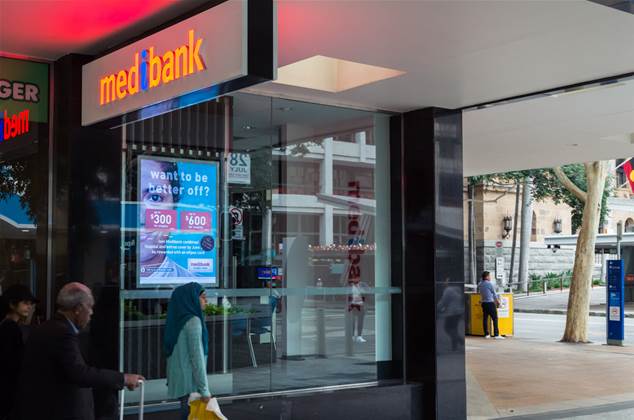
Projected costs from Medibank's data breach to reach $126m by mid-2025

These expenses are largely attributable to investments in improving IT security and tackling regulatory inquiries and litigation. Medibank has allocated between 60% and 65% of its FY25 budget to enhancing IT security, with plans to finalize the majority of its security enhancement initiatives by the close of FY25.

Legal Challenges on the Horizon

The data breach has not only led to direct financial repercussions but has also opened Medibank up to legal scrutiny. The Office of the Australian Information Commissioner (OAIC) has commenced legal proceedings against the company regarding its management of personal data. Furthermore, Medibank is entangled in a consolidated class action lawsuit, complicating the company’s attempts to recover from the breach.

Mark Rogers, Medibank’s Chief Financial Officer and Group Strategy Lead, has noted that while a majority of the IT security improvements are expected to be wrapped up by FY25, ongoing litigation costs are likely to continue well into FY26. The company has made it clear that its FY25 forecast does not reflect potential results from these legal scenarios, indicating that the ultimate financial consequences could be even greater.

Customer Trust and Financial Performance

In spite of the obstacles, Medibank has succeeded in restoring customer confidence, with acquisition rates bouncing back to pre-breach levels. This resurgence in customer faith is a notable accomplishment, particularly given the gravity of the incident and the sensitive nature of the data compromised.

Financially, Medibank announced an underlying net profit after tax of $570.4 million for FY24, marking a 14.1% increase compared to the previous year. This strong financial outcome indicates that, although the data breach has led to significant costs, Medibank has remained robust against adversity.

Summary

The aftermath of Medibank’s 2022 data breach acts as a sobering reminder of the extensive financial burdens and challenges that organizations face post-cyber incidents. With costs projected to exceed $126 million by mid-2025, Medibank is making considerable investments in IT security and resilience while contending with ongoing legal challenges. Despite these difficulties, the company has been able to recover customer trust and achieve impressive financial results, illustrating its ability to withstand challenges.

Frequently Asked Questions

Q: What caused the Medibank data breach?

A:

Although the precise cause of the breach has not been fully disclosed, it is believed that cybercriminals took advantage of vulnerabilities in Medibank’s IT systems, resulting in the exposure of sensitive customer data. This breach has prompted a thorough review and significant upgrades to the company’s cybersecurity protocols.

Q: How is Medibank dealing with the breach and its outcomes?

A:

Medibank has pledged to a comprehensive IT security uplift program, devoting a significant amount of its FY25 budget to strengthening cybersecurity measures. The company is also focused on enhancing business resilience and regaining customer trust, which has become a top priority since the breach.

Q: What legal issues is Medibank currently contending with?

A:

Medibank is currently under legal action from the Office of the Australian Information Commissioner (OAIC) over its management of personal data. In addition, the company is engaged in a consolidated class action lawsuit, which could lead to additional financial obligations based on the resolutions.

Q: Has the data breach affected Medibank’s customer base?

A:

Initially, the breach did influence customer sentiment, but Medibank has reported that acquisition rates have reverted to pre-breach levels. The company’s endeavors to rebuild trust and improve security seem to have lessened the long-term impact on its customer base.

Q: What is the projected total cost of the Medibank data breach?

A:

The total expenses related to the breach are anticipated to exceed $126 million by mid-2025. This estimate covers IT security enhancements, legal expenses, and other related costs. However, the final figure may be higher depending on the outcomes of ongoing litigation.

Nokia E3511 Wireless Earphones Review


We independently review everything we recommend. When you buy through our links, we may earn a commission which is paid directly to our Australia-based writers, editors, and support staff. Thank you for your support!

Nokia E3511 Wireless Earphones, Bluetooth 5.2, Fully Wireless Earbuds, Bluetooth, Noise Cancellation, External Sound Capture / 25 Hours of Music Playback, Instant Connection, Hands-Free Calling, Blue

Bank of Queensland’s Shift to Digital Results in Significant Job Reductions


We independently review everything we recommend. When you buy through our links, we may earn a commission which is paid directly to our Australia-based writers, editors, and support staff. Thank you for your support!

Quick Read

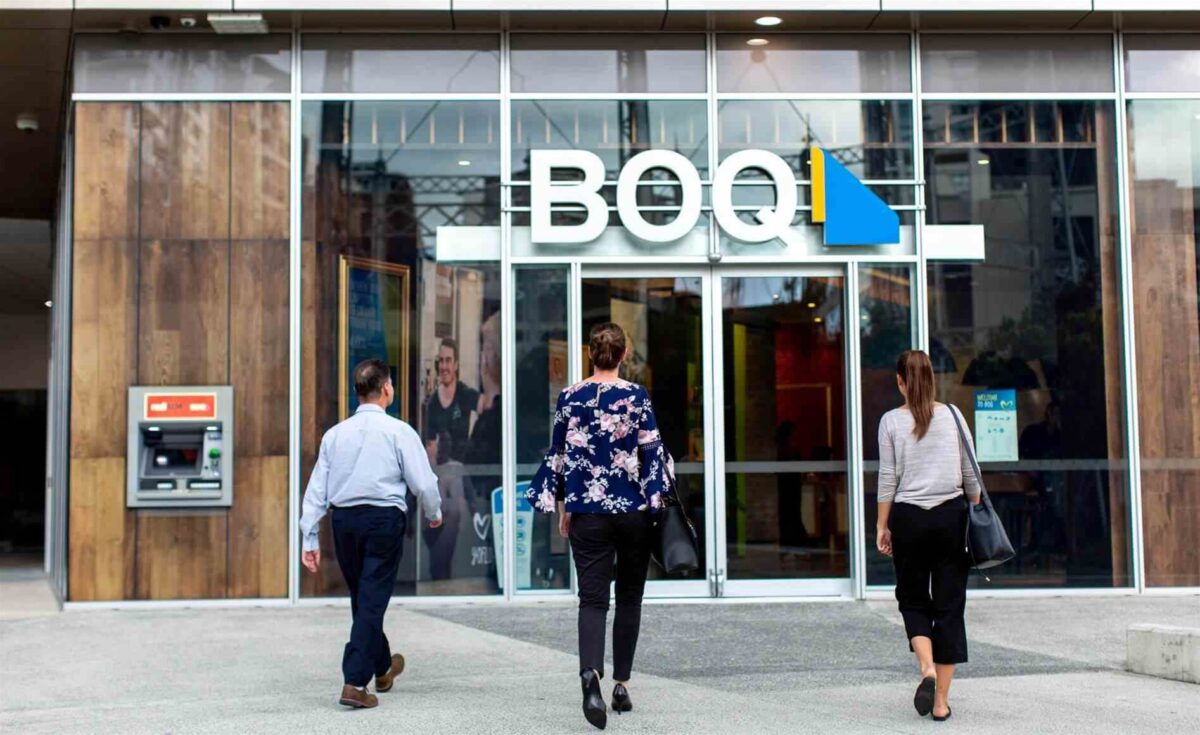
  • Bank of Queensland (BoQ) intends to eliminate up to 400 full-time equivalent roles as part of its digital evolution.
  • The bank is transitioning into a cost-efficient, nimble, and digitally-oriented establishment.
  • BoQ has successfully shifted a considerable number of its retail clients to digital platforms, including the introduction of a new digital home loan service.
  • The bank plans to convert 114 franchised branches into corporate branches to further support its digital initiative.
  • BoQ has collaborated with Microsoft to transition its infrastructure and applications to Azure by 2025.
  • BoQ’s digital plans include acquiring ME Bank, resulting in the launch of its digital banking app.
  • The bank anticipates automating 80% of its essential processes from FY23 to FY26.
  • The recent financial performance of BoQ reveals notable investments in technology, compliance, and risk management.

BoQ’s Digital Transformation: The Path to a More Streamlined, Digitally-Oriented Bank

The Bank of Queensland (BoQ) has revealed plans to eliminate as many as 400 full-time equivalent (FTE) positions while it progresses with its digital transformation plan. This initiative highlights the bank’s aim to evolve into a “cost-effective, flexible, digitally focused” retail banking institution. But what specifics does this transformation involve, and what direction is BoQ taking?

Notable Advancements in Digital Transformation

BoQ’s digital transformation focuses not only on downsizing but also on rethinking its operations in a digital-first environment. The institution has already moved 25% of its retail clients onto digital banking interfaces and launched a brand new digital home loan platform. This adjustment is part of a comprehensive effort to enhance efficiency and customer satisfaction in banking.

In addition, BoQ has started the conversion of 114 of its franchised branches to corporate branches, placing them under complete group ownership. CEO Patrick Allaway emphasizes that this change is vital for developing a “straightforward, low-cost digital retail bank.”

Collaboration with Microsoft: Embracing Cloud Technology

To facilitate its digital transformation, BoQ has partnered with Microsoft, choosing Azure as its primary cloud service provider. The bank aims to transition its infrastructure and applications to Azure by 2025, which is projected to improve BoQ’s automation potential and decrease time-to-market for new offerings.

In the first half of the 2024 fiscal year, BoQ automated 43 processes. By the conclusion of FY26, the bank’s goal is to automate 80% of its critical processes, further enhancing operational effectiveness and reducing costs.

Strategic Acquisitions and Integrations

BoQ’s digital transition is supported by strategic acquisitions, particularly the acquisition of ME Bank in February 2021. This move marked BoQ’s entry into the digital-only banking market and paved the way for the creation of its digital banking platform. Currently, 260,000 customers are engaged with BoQ’s digital services, which includes the initial cohort of ME Bank clients.

The integration of ME Bank continues, with the complete migration of deposit-only clients expected to conclude within this financial year.

Changes in Home Loan Applications

BoQ has also advanced significantly in the home loan domain with the introduction of the BoQ Broker Portal, a digital brokerage service initially tested with its Virgin Money brand. Nevertheless, Virgin Money ceased new home loan applications through its broker network as of September 1, 2023. Subsequently, BoQ declared that it would halt additional home loan applications through this route starting August 31, 2024, aligning with its overall digital strategy.

Financial Consequences

BoQ’s dedication to digital evolution is mirrored in its financial reports. For the half-year ending February 29, 2024, the bank reported $524 million in cash operating expenses, part of which related to investments in risk, compliance, and technological advancements. The bank also stated it had incurred an additional $41 million in technology-related expenditures, highlighting the substantial financial investment necessary for driving digital transformation.

Conclusion

BoQ’s ongoing digital transformation is reshaping it into a more efficient, financially savvy, and digitally-oriented organization. While this transition has resulted in significant job reductions, it also positions BoQ for enhanced competition in a rapidly changing banking environment. Through strategic alliances, vital acquisitions, and a commitment to automation, BoQ is on track to establish itself as a modern, customer-focused digital bank.

Q: Why is BoQ implementing job cuts?

A:

The job reductions are primarily associated with BoQ’s digital transformation objectives, aimed at evolving into a lower-cost, agile, and digitally-driven bank. The bank is optimizing its operations and automating processes, which has lessened the necessity for certain positions.

Q: How many customers have transitioned to BoQ’s digital platform?

A:

As per the latest update, 260,000 customers have transitioned to BoQ’s digital platform, which includes the initial group of ME Bank customers and 25% of BoQ’s retail clientele.

Q: What role is Microsoft playing in BoQ’s digital transformation?

A:

Microsoft acts as BoQ’s preferred cloud provider, with intentions to migrate the bank’s infrastructure and applications to Azure by 2025. This collaboration is anticipated to bolster BoQ’s automation potential and shorten the time-to-market for new offerings.

Q: What is the current status of the ME Bank acquisition?

A:

BoQ acquired ME Bank in February 2021 to enhance its digital banking capabilities. The integration process is ongoing, with the full migration of deposit-only clients expected to be finalized within the current financial year.

Q: What modifications are being implemented in BoQ’s home loan application procedures?

A:

BoQ has introduced the BoQ Broker Portal, a digital brokerage initiative. Virgin Money, a brand under BoQ, halted new home loan applications through its broker channel on September 1, 2023. BoQ will cease further home loan applications via this channel starting August 31, 2024.

Synology Launches AI-Enhanced Surveillance Solutions at Australia’s Biggest Security Expo


We independently review everything we recommend. When you buy through our links, we may earn a commission which is paid directly to our Australia-based writers, editors, and support staff. Thank you for your support!

Synology Unveils AI-Driven Surveillance Innovations at Australia’s Premier Security Expo

Synology is creating a buzz at the Security Exhibition & Conference 2024, Australia’s foremost security trade event. The technology leader is poised to introduce its newest on-premises and cloud-driven surveillance systems that aim to meet the continually changing security demands of contemporary enterprises. These groundbreaking solutions emphasize the utilization of AI technology, providing scalable infrastructure for extensive deployments and launching a new direct-to-cloud Video Surveillance as a Service (VSaaS) offering.

Fast Facts

  • Synology will present AI-driven surveillance innovations at the Security Exhibition & Conference 2024.
  • New features include Intrusion Detection, Instant Search, License Plate Recognition, and Facial Recognition.
  • Scalable storage options cater to both small branch offices and large PB-level implementations.
  • C2 Surveillance Station reveals a direct-to-cloud video surveillance service featuring easy-to-install cameras.
  • The event takes place from 21–23 August at ICC Sydney, booth #N32.

AI-Driven Surveillance Innovations

Synology’s latest surveillance offerings exemplify the increasing incorporation of AI in security frameworks. The company has integrated on-camera and server-side AI functionalities to provide immediate, precise alerts, empowering businesses to react to incidents more swiftly and effectively.

Synology AI-Driven Surveillance Innovations at Australia's Premier Security Expo

Principal AI Functions

The AI-driven functionalities comprise Intrusion Detection, Instant Search, License Plate Recognition, and Facial Recognition. These sophisticated capabilities enable users to quickly recognize possible threats, access pertinent footage within seconds, and enhance operations through intelligent automation. This translates to improved safety, heightened operational efficiency, and a notable decrease in manual monitoring tasks for businesses.

Flexible Surveillance for Extended Recording and Multi-Site Oversight

Recognizing the varied requirements of organizations, Synology is also showcasing a suite of scalable storage solutions. These options accommodate a range of business scales—from compact servers apt for branch locations to extensive PB-level servers intended for long-term video storage at main offices. This adaptability allows companies to adhere to their retention policies without disrupting daily operations.

Flexible Surveillance Solutions at Australia's Premier Security Expo

Unified Management System

Another highlight is Synology’s Unified Management System (UMS) software. This system facilitates the monitoring and management of up to 10,000 cameras across 1,000 different sites through a single interface. This feature is especially advantageous for businesses with multiple locations, offering effortless management across sites and ensuring that all surveillance footage is efficiently accessible and controllable from one place.

Direct-to-Cloud Video Surveillance as a Service

To broaden its surveillance ecosystem, Synology is launching the C2 Surveillance Station along with a complimentary series of C2 cameras. This new service allows businesses to implement secure cloud video surveillance without requiring on-site recording devices. The C2 cameras are crafted for quick and straightforward installation, ideal for challenging environments where conventional setups might prove impractical.

Direct-to-Cloud Video Surveillance at Australia's Premier Security Expo

Importance of This Development

The rollout of direct-to-cloud surveillance solutions signifies a pivotal transformation in how businesses handle video security. By removing the necessity for local recording systems, organizations can cut hardware expenses, simplify implementation, and securely store their video data in the cloud. The capability to initiate these systems within minutes further emphasizes Synology’s dedication to democratizing access to advanced surveillance technology for all types of organizations.

Conclusion

Synology’s involvement at the Security Exhibition & Conference 2024 highlights the crucial role of AI and cloud technology in contemporary surveillance offerings. The company is set to showcase how its sophisticated AI features, scalable storage alternatives, and pioneering direct-to-cloud solutions can greatly enhance security and operational efficiency for businesses in Australia and beyond.

With the event slated for 21-23 August at ICC Sydney, Synology invites all channel partners, organizations, and industry participants to visit booth #N32 and discover the future of surveillance technology.

Q&A

Q: What AI functionalities are included in Synology’s new surveillance offerings?

A:

Synology’s new surveillance offerings feature AI functionalities such as Intrusion Detection, Instant Search, License Plate Recognition, and Facial Recognition. These abilities aid businesses in swiftly identifying threats, retrieving essential footage, and automating various processes.

Q: How adaptable are Synology’s surveillance solutions?

A:

Synology provides adaptable storage solutions that range from compact servers ideal for branch offices to sizable PB-level servers meant for long-term video archiving at headquarters. Their Unified Management System (UMS) permits the management of up to 10,000 cameras from 1,000 sites through a single interface.

Q: What is the C2 Surveillance Station?

A:

The C2 Surveillance Station is Synology’s upcoming cloud-centric video surveillance service. It allows businesses to implement secure, cloud-based video surveillance systems without needing on-site recording servers, offering versatility in challenging settings.

Q: Where can I find more information about Synology’s surveillance solutions?

A:

You can discover more about Synology’s surveillance solutions by visiting booth #N32 at the Security Exhibition & Conference 2024, taking place from 21-23 August at ICC Sydney. Additional information can also be found on the event’s website.

DTA Creates Enduring CIO Position


We independently review everything we recommend. When you buy through our links, we may earn a commission which is paid directly to our Australia-based writers, editors, and support staff. Thank you for your support!

Rapid Overview

  • The Digital Transformation Agency (DTA) is on the lookout for a permanent Chief Information Officer (CIO).
  • This newly created permanent position is an advancement of a temporary CIO role set up in March 2023.
  • The CIO will spearhead a multidisciplinary team managing IT functions, infrastructure, cybersecurity, and more.
  • The role will oversee the DTA’s Azure cloud platform and collaborate closely with the Chief Operating Officer to synchronize ICT projects with business aims.
  • This initiative signifies the DTA’s transition from a focus on routine IT management to a more strategic IT framework.

DTA Moves Forward with Permanent CIO Position

The Digital Transformation Agency (DTA) has begun the process of hiring for a permanent Chief Information Officer (CIO). This step follows the establishment of a temporary CIO role in March 2023, indicating the agency’s desire to strengthen its IT leadership framework.

Digital Transformation Agency creates ongoing CIO role

Main Duties of the CIO Position

The permanent CIO role is situated within the business services division of the DTA’s corporate sector. The position will govern the agency’s ICT activities, infrastructure, cyber security, property management, and records administration across all DTA offices in Canberra and Sydney. Furthermore, the CIO will aid remote workers, ensuring the agency’s internal IT resources are resilient, secure, and in harmony with strategic aims.

As per the DTA’s job listing, the CIO’s duties encompass providing guidance, vision, and direction to a compact, multidisciplinary team. The role will also involve managing the agency’s Azure cloud infrastructure and working alongside Chief Operating Officer (COO) Tom Gilmartin to establish ICT needs for new technology rollouts. The CIO will play a crucial role in formulating strategic initiatives that resonate with the DTA’s business objectives.

Growth of the CIO Position

The CIO position at the DTA was first introduced in March 2023 as a temporary role. Over the past six months, it has undergone significant changes. Initially concentrated on daily IT tasks, the role has transitioned towards a more strategic emphasis, leading to the decision to create a permanent CIO position.

Records on LinkedIn suggest that Andy Tripathi, who previously worked as the Deputy CIO for the Environment, Planning and Sustainable Development Directorate in the ACT government, has been occupying the temporary CIO role at the DTA since its establishment. His experience likely offered essential insights that have influenced the current, more strategic direction for the position.

Strategic Importance of the CIO Role

The DTA’s choice to implement a permanent CIO role is a significant step aligned with its broader mission to propel digital transformation across the Australian government. With the current CEO Chris Fechner—who has substantial experience as a Chief Customer and Digital Officer and CIO—leading the agency, the significance of effective, strategic IT leadership is paramount.

This decision also indicates an increasing awareness within the Australian public sector that digital leadership positions are vital for achieving long-term organizational goals. The DTA’s focus on establishing a permanent CIO role clearly signifies the agency’s dedication to digital excellence and cybersecurity, which are of growing importance in today’s swiftly changing technological environment.

Conclusion

The Digital Transformation Agency (DTA) in Australia is paving the way for a more strategic IT direction by creating a permanent Chief Information Officer (CIO) position. Originally set up as a temporary role in March 2023, this position has developed necessitating ongoing leadership to manage the agency’s IT duties, including Azure cloud operations, cybersecurity, and strategic ICT projects. This initiative aligns with the DTA’s long-term vision of facilitating digital transformation within the Australian government.

Q: What led to the DTA’s decision to create a permanent CIO role?

A:

The DTA initially instituted a temporary CIO role in March 2023. However, as the responsibilities shifted from daily IT management to a more strategic focus, the agency opted to make the role permanent to fit its long-term digital transformation aims.

Q: What are the main tasks of the DTA’s new permanent CIO?

A:

The permanent CIO will oversee ICT operations, infrastructure, cybersecurity, property management, and records administration across the DTA’s Canberra and Sydney sites. They will also manage the agency’s Azure cloud platform and work alongside the COO to synchronize ICT initiatives with the agency’s goals.

Q: Who has been in the temporary CIO role?

A:

Andy Tripathi, formerly the Deputy CIO for the Environment, Planning and Sustainable Development Directorate in the ACT government, has been serving in the temporary CIO role at the DTA since March 2023.

Q: How does this decision connect with the DTA’s broader mission?

A:

The creation of a permanent CIO role highlights the DTA’s commitment to advancing digital transformation in the Australian government. This position is essential for ensuring that the agency’s IT operations are strategically in line with its long-term objectives, contributing to the overall digital competency of the public sector.

Samsung Galaxy Buds2 Wireless Earbuds – Green Review


We independently review everything we recommend. When you buy through our links, we may earn a commission which is paid directly to our Australia-based writers, editors, and support staff. Thank you for your support!

Samsung Galaxy Buds2 Wireless Earbuds – Green