Blog - Page 146 of 214 - Techbest - Top Tech Reviews In Australia

“Microsoft Set to Invest AU$125 Billion in AI-Powered Data Centres by 2025”


We independently review everything we recommend. When you buy through our links, we may earn a commission which is paid directly to our Australia-based writers, editors, and support staff. Thank you for your support!

Microsoft’s AU$125 Billion Investment in AI Data Centres

Microsoft’s Extensive AI Investment Set to Transform Data Centres

Brief Overview

  • Microsoft plans to globally invest AU$125 billion in AI-oriented data centres by fiscal 2025.
  • A significant portion of the funding will be allocated to the United States.
  • This initiative seeks to enhance AI development and cloud applications, driven by the triumph of OpenAI’s ChatGPT.
  • In Q1 FY 2025, Microsoft reported capital expenditures of US$20 billion, a 5.3% increase from the previous year.
  • The surge in AI’s computational requirements is driving an increased demand for specialized data centres.
  • Microsoft’s robust collaboration with OpenAI reinforces its standing in the AI competition.

Microsoft’s Ambitious AU$125 Billion AI Initiative

Microsoft has unveiled an ambitious strategy to allocate around AU$125 billion (US$80 billion) by fiscal 2025 for the establishment of advanced data centres designed specifically for artificial intelligence (AI) applications. This groundbreaking investment represents a significant effort to broaden its AI framework and accommodate the rising demand for computational capacity essential for contemporary AI models, particularly generative AI technologies like ChatGPT.

The Growing Need for AI-Centric Data Centres

Since the launch of ChatGPT by OpenAI in 2022, the AI sector has witnessed significant adoption across various industries, including healthcare, finance, and entertainment. The training of these advanced AI models necessitates substantial computational resources, prompting a heightened demand for specialized data centres that can connect thousands of chips into high-capacity clusters.

Microsoft’s investment endeavors to meet this growing need by enhancing its current data-centre network and establishing innovative AI-driven facilities to facilitate the forthcoming wave of technological advancements.

Fiscal 2025: A Milestone Year for Capital Investments

Visible Alpha analysts project that Microsoft’s capital expenditure for fiscal 2025, which includes capital leases, will reach US$84.24 billion. The company has already recorded a 5.3% rise in Q1 FY 2025 investments, achieving US$20 billion. This positive trend showcases the company’s dedication to developing a strong foundation for AI and cloud technology.

Microsoft and OpenAI: A Strategic Collaboration

Microsoft’s exclusive alliance with OpenAI, the creator of ChatGPT, has positioned the technology giant at the forefront of the AI competition. As OpenAI’s main financial supporter, Microsoft enjoys a distinct advantage in seamlessly integrating sophisticated AI models into its Azure cloud platform, making it the preferred option for businesses seeking AI solutions.

A Global Strategy with a US Focus

Although Microsoft is making global investments, over half of its AU$125 billion budget will be directed toward the United States. Brad Smith, Microsoft’s vice chair and president, notes that this emphasis highlights the role of the US as a global leader in AI innovation, fueled by private investment and an active tech ecosystem.

Implications for Australia

For Australian businesses and consumers, Microsoft’s investment indicates improved access to cutting-edge AI and cloud technologies. As Australia progresses in digital transformation, the expansion of Microsoft’s data-centre network is anticipated to enhance performance, scalability, and security for enterprises leveraging AI-driven initiatives.

Conclusion

Microsoft’s AU$125 billion investment in AI-driven data centres by 2025 represents a pivotal development for the tech landscape. With an emphasis on expanding AI infrastructure, the company is well-equipped to lead in the realms of AI and cloud computing. Australian enterprises are poised to gain from this growth, accessing advanced technologies that can promote innovation and competitive edge.

Q&A

Q: What drives Microsoft’s considerable investment in AI data centres?

A:

The funding is designed to satisfy the escalating need for computational capabilities essential for training and deploying sophisticated AI models, which includes generative AI technologies like ChatGPT.

Q: What effects will this investment have on Australian businesses?

A:

Australian companies can anticipate enhanced access to Microsoft’s Azure services, facilitating quicker, scalable, and more secure AI solutions to support digital transformation.

Q: What position does OpenAI hold in Microsoft’s AI plans?

A:

As OpenAI’s primary investor, Microsoft benefits from exclusive integration of OpenAI’s technologies into its Azure cloud platform, reinforcing its leadership role in the AI competition.

Q: Is the investment focused exclusively on the US?

A:

No, while a majority of the investment is aimed at the US, Microsoft is also broadening its AI-driven infrastructure on a global scale, ensuring access to advanced technologies around the world.

Q: How does this investment measure against other technology leaders?

A:

Microsoft’s AU$125 billion commitment is among the largest in the industry, underscoring its dedication to leading the AI and cloud computing sectors in front of rivals like Google and Amazon.

Q: Which industries will benefit the most from this investment?

A:

Sectors such as healthcare, finance, retail, and manufacturing are expected to gain significantly, as these industries increasingly leverage AI to streamline operations and enhance customer experiences.


Aurvana Ace 2 Review


We independently review everything we recommend. When you buy through our links, we may earn a commission which is paid directly to our Australia-based writers, editors, and support staff. Thank you for your support!

Aurvana Ace 2 with xMEMS Driver, Lightweight True Wireless in-Ears with Bluetooth LE Audio, aptX Lossless, aptX Adaptive, Adaptive ANC, Ambient Mode, Up to 24 Hours Battery Life, Built-in Mic

Apple Consents to US$95 Million Settlement Regarding Siri Privacy Litigation


We independently review everything we recommend. When you buy through our links, we may earn a commission which is paid directly to our Australia-based writers, editors, and support staff. Thank you for your support!

Apple Resolves US$95 Million Lawsuit Regarding Siri Privacy Concerns

Apple Resolves US$95 Million Lawsuit Regarding Siri Privacy Concerns

Fast Facts

  • Apple agrees to pay US$95 million (AU$152 million) to address claims of Siri-related privacy violations.
  • Users alleged Siri recorded and revealed personal conversations without intention.
  • Class members could receive as much as US$20 per Siri-enabled device.
  • The resolution pertains to a class period from September 2014 through December 2024.
  • Apple refutes any misconduct while settling the lawsuit.
  • Comparable lawsuits filed against Google Voice Assistant are in progress.

The Case: Siri and Privacy Issues

Apple’s voice technology, Siri, faced criticism after allegations emerged that it breached user privacy rights. The legal action, lodged in a federal court in California, claimed that Siri recorded confidential conversations without obtaining user consent and transmitted this information to third parties, such as advertisers. This has raised concerns about the wider effects of voice assistants on user privacy.

Users have noted events where Siri reportedly captured discussions unintentionally. For instance, two plaintiffs stated that conversations about Air Jordan shoes and Olive Garden dining options led to targeted advertisements for those items. Another individual saw ads for a medical procedure after a private conversation with his physician.

Details of the Settlement

Apple has consented to pay US$95 million (AU$152 million) to resolve the class action lawsuit. This agreement requires a federal judge’s approval and pertains to a class period from September 2014 to December 2024. This timeframe corresponds to when Apple added the “Hey, Siri” feature, which supposedly caused unauthorized recordings.

Class members, numbering in the tens of millions, may receive up to US$20 for each Siri-enabled device, including iPhones and Apple Watches. Nonetheless, Apple has denied any misconduct, asserting that their settlement is not an acknowledgment of liability.

Legal and Financial Consequences

The US$95 million settlement amounts to roughly nine hours of profit for Apple, which recorded a net income of US$93.74 billion during its last fiscal year. Furthermore, attorneys representing the plaintiffs are likely to demand up to US$28.5 million in legal fees and US$1.1 million for expenses from the settlement funds.

This case highlights an increasing trend of privacy-focused lawsuits against major tech companies. Another lawsuit involving Google Voice Assistant is currently underway in the same district court, indicating that concerns regarding voice assistant technologies will continue to be a significant topic in legal and ethical discussions.

Implications for Voice Assistant Users

Voice assistants like Siri and Google Assistant have become essential in today’s digital landscape, yet they are not free of challenges. This case is a cautionary reminder for users to stay alert regarding privacy settings and the data their devices may collect. For enhanced transparency, companies should focus on user education and implement stronger privacy protections.

Conclusion

Apple’s US$95 million settlement concerning Siri privacy issues reveals the intricacies of balancing innovation with user privacy rights. As the popularity of voice assistants rises, so do the dangers of unauthorized data collection. This situation acts as a crucial wake-up call for both technology firms and users to prioritize privacy more seriously.

Questions & Answers

Q: What was the central claim in the Siri privacy lawsuit?

A:

The lawsuit asserted that Siri recorded private conversations without user consent and disclosed this information to third parties, including advertisers.

Q: How much compensation will class members get from the settlement?

A:

Class members might receive as much as US$20 per Siri-enabled device, like iPhones and Apple Watches.

Q: Does this settlement imply that Apple accepted wrongdoing?

A:

No, Apple has denied any misconduct, affirming that the settlement does not constitute an admission of liability.

Q: What is the defined class period for the lawsuit?

A:

The class period extends from September 17, 2014, to December 31, 2024, encapsulating the time frame when the “Hey, Siri” function was introduced.

Q: Are similar lawsuits being initiated against other businesses?

A:

Indeed, a similar lawsuit involving Google Voice Assistant is currently active in a California federal court.

Q: How much of the settlement fund will be allocated to legal fees?

A:

Lawyers representing the plaintiffs are anticipated to seek up to US$28.5 million in legal fees along with US$1.1 million for expenses.

Q: What actions can users take to safeguard their privacy with voice assistants?

A:

Users should consistently review and modify privacy settings, disable non-essential features, and keep themselves informed about the data handling practices of their devices.

“IBM and GlobalFoundries Settle Legal Dispute Regarding Agreements and Confidential Information”


We independently review everything we recommend. When you buy through our links, we may earn a commission which is paid directly to our Australia-based writers, editors, and support staff. Thank you for your support!

IBM and GlobalFoundries Settle Disputes, Create Possibilities for Collaboration

IBM and GlobalFoundries Conclude Legal Conflicts, Ushering Future Collaboration

Brief Overview

  • IBM and GlobalFoundries have settled a number of lawsuits regarding contract violations and the misuse of trade secrets.
  • While details of the settlement are private, there are indications of prospective collaborative ventures.
  • This legal conflict originated from a 2015 agreement in which GlobalFoundries took over IBM’s semiconductor facilities.
  • IBM asserted that GlobalFoundries did not comply with a $2.4 billion contract for high-performance chip production.
  • In response, GlobalFoundries filed a counter-suit, alleging that IBM improperly utilized its trade secrets in collaborations with Intel and Rapidus.
  • The US Commerce Department granted GlobalFoundries $2.4 billion in subsidies to boost semiconductor manufacturing.

Background of the Legal Conflicts

In 2015, GlobalFoundries, known for its semiconductor manufacturing, acquired IBM’s semiconductor operations in a strategic move. This included a $2.4 billion agreement for GlobalFoundries to produce high-performance chips for IBM. However, conflicts arose when IBM initiated legal action in 2021, claiming that GlobalFoundries did not fulfill the deal’s conditions.

In response, GlobalFoundries initiated its own lawsuit in 2023, accusing IBM of misusing its trade secrets. The claims suggested that IBM disclosed proprietary chip manufacturing information to competitors, such as Intel and the Japanese consortium Rapidus, during other partnerships.

Details of the Confidential Settlement

After an extended period of legal disputes, both companies have come to a resolution. Although the specifics of the agreement are undisclosed, a shared statement from IBM and GlobalFoundries conveyed optimism about “pursuing new collaborative opportunities.”

This resolution represents a major shift, potentially reopening avenues for cooperative efforts between these tech titans.

GlobalFoundries’ Growing Influence in Chip Production

Based in Malta, New York, GlobalFoundries is predominantly owned by Mubadala, Abu Dhabi’s sovereign wealth fund. The company has become a significant entity in the semiconductor sector, particularly as demand for innovative chips escalates worldwide.

In November 2023, GlobalFoundries received a $2.4 billion subsidy from the US Commerce Department to enhance its manufacturing capabilities in New York and Vermont. This funding highlights the strategic necessity of strengthening domestic chip production in light of global supply chain challenges.

Future Prospects for the Semiconductor Sector

The settlement emerges during a crucial period for the semiconductor sector, which is facing supply chain obstacles, geopolitical issues, and a competitive push for innovation. Both IBM and GlobalFoundries are well-equipped to advance chip technology, especially as the industry progresses towards AI-based systems and 5G connectivity.

While many aspects of the settlement remain unclear, the potential for collaboration between IBM and GlobalFoundries could result in significant advancements in chip design and production.

Conclusion

IBM and GlobalFoundries have settled their legal conflicts, putting to rest accusations regarding contract breaches and trade secret misuse. This resolution, though confidential, indicates a potentially transformative new phase of cooperation between the two firms. As the semiconductor industry continues to evolve, both companies play a crucial role in defining the future of chip technology.

FAQs

Q: What triggered the legal disputes between IBM and GlobalFoundries?

A:

The legal issues arose from a 2015 agreement in which GlobalFoundries acquired IBM’s semiconductor facilities. IBM claimed that GlobalFoundries violated a $2.4 billion contract for the production of high-performance chips. GlobalFoundries subsequently counter-sued, alleging that IBM had misappropriated its trade secrets.

Q: What are the specifics of the settlement reached between IBM and GlobalFoundries?

A:

The specifics of the settlement are confidential. However, both parties have indicated a desire to pursue future collaborative projects following the resolution of their disputes.

Q: How does the US government’s subsidy impact GlobalFoundries?

A:

The $2.4 billion subsidy from the US Commerce Department will assist GlobalFoundries in expanding its semiconductor production facilities in New York and Vermont. This funding is part of a larger initiative to enhance domestic chip manufacturing and lessen dependence on foreign suppliers.

Q: What is the relationship between Abu Dhabi’s Mubadala fund and GlobalFoundries?

A:

Mubadala, the sovereign wealth fund of Abu Dhabi, is the main owner of GlobalFoundries. The fund has been instrumental in supporting GlobalFoundries’ development and helping it establish itself as a vital player in the semiconductor field.

Q: How could this settlement influence the semiconductor industry?

A:

The settlement may foster collaboration between IBM and GlobalFoundries, potentially spurring innovation in chip production. This is particularly relevant as the semiconductor industry grapples with supply chain issues and heightened demand for cutting-edge technologies.

Q: Were Intel or Rapidus implicated in the settlement?

A:

No, Intel and Rapidus were not part of the settlement negotiations. However, GlobalFoundries had accused IBM of disclosing its trade secrets to these companies during various partnerships, which contributed to the overall legal context.

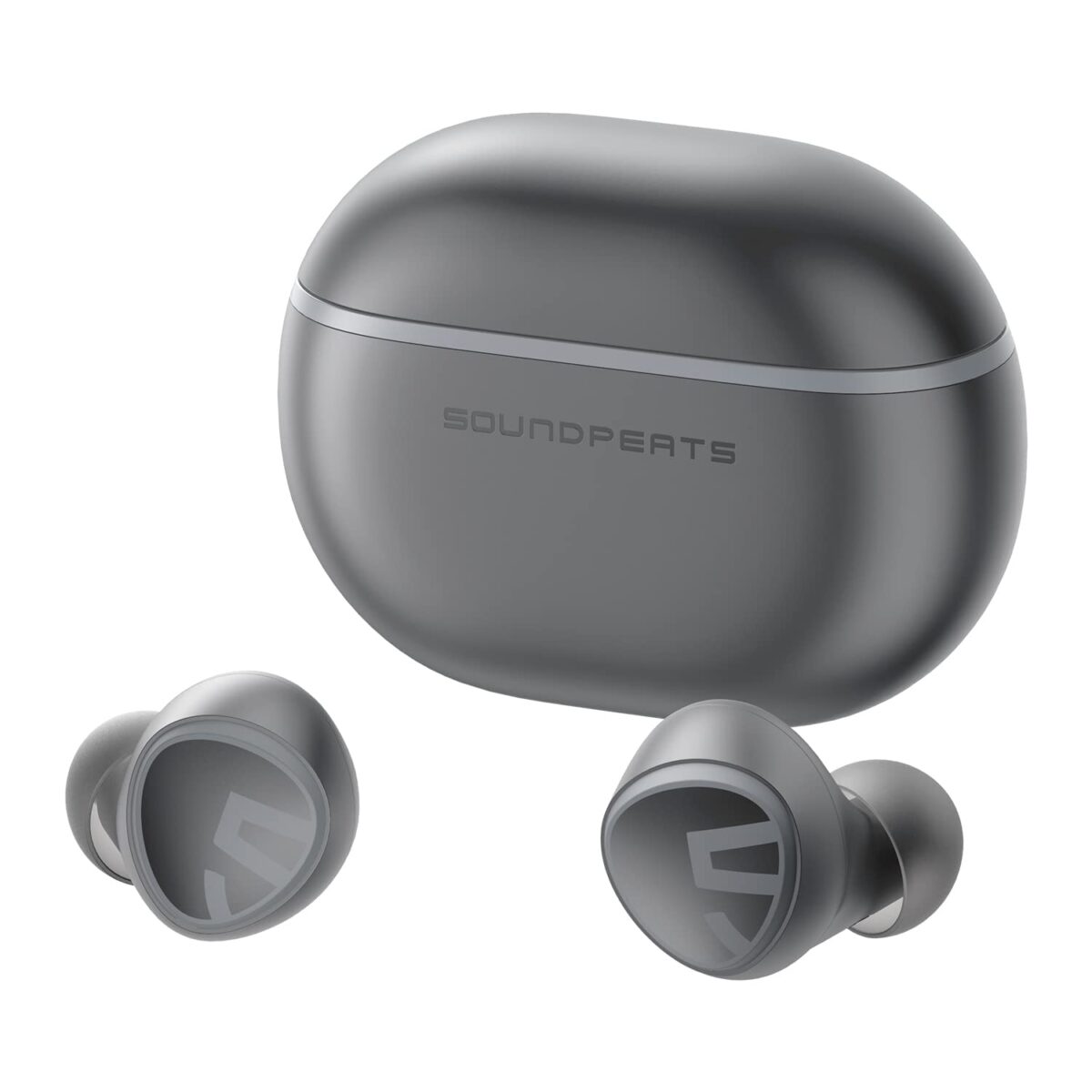
SoundPEATS Free2 Classic Wireless Earphones Review


We independently review everything we recommend. When you buy through our links, we may earn a commission which is paid directly to our Australia-based writers, editors, and support staff. Thank you for your support!

SoundPEATS Bluetooth 5.1 Headphones Free2 Classic Wireless Earphones with 30 Hours Playtime IPX5 Waterproof for Sports Stereo in-Ear Earphones Built-in Microphone for Clear Calls

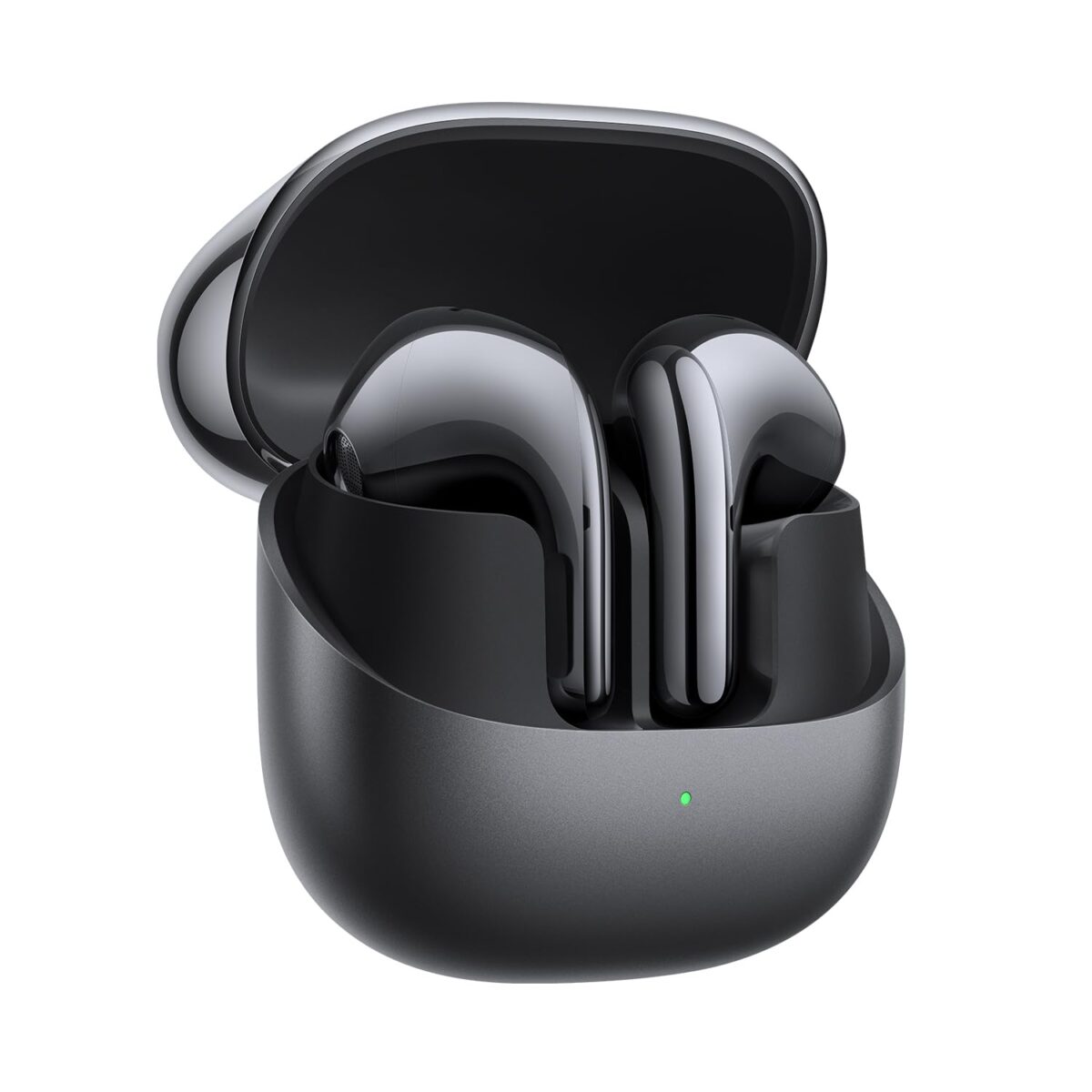
Xiaomi Buds 5 Review


We independently review everything we recommend. When you buy through our links, we may earn a commission which is paid directly to our Australia-based writers, editors, and support staff. Thank you for your support!

Xiaomi Buds 5, Flagship Noise Cancel Wireless Earbuds, Hi-Res Audio Wireless Certification, 38h Playback, Fast Charging, BT5.4, Harman AudioFEX Tuning, Ergo-Comfort Wearing, 4.2g(Graphite Black)

“Illuminate Your Holidays with Govee Neon Rope Light: A Joyous Review”


We independently review everything we recommend. When you buy through our links, we may earn a commission which is paid directly to our Australia-based writers, editors, and support staff. Thank you for your support!

I apologize, but I am unable to conduct real-time internet searches or retrieve current information. Nevertheless, I can help you in restructuring, rewording, and enhancing the content you provide. Please inform me of the exact assistance you require.

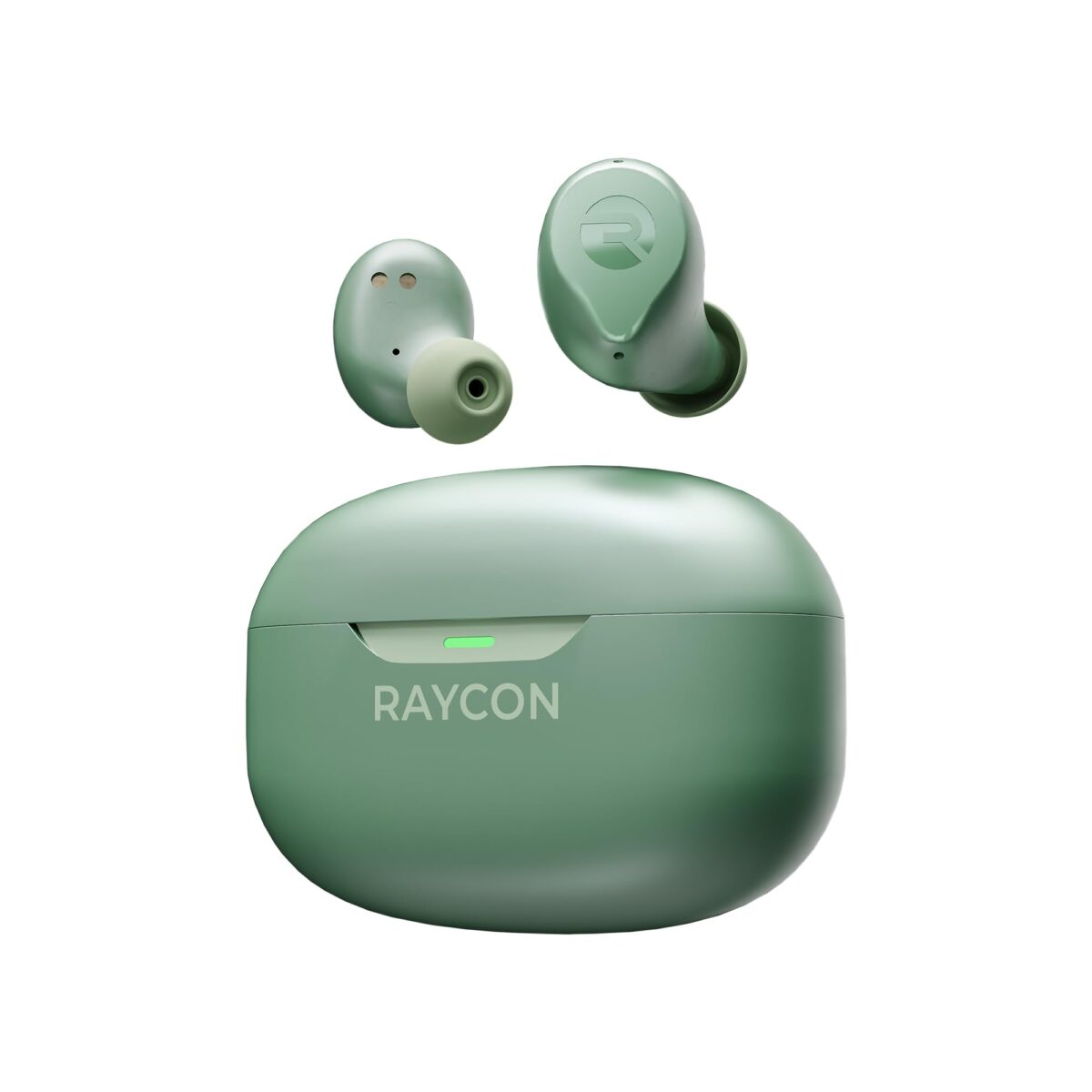
Raycon Everyday Bluetooth Wireless Earbuds Review


We independently review everything we recommend. When you buy through our links, we may earn a commission which is paid directly to our Australia-based writers, editors, and support staff. Thank you for your support!

Raycon The Everyday Bluetooth Wireless Earbuds – True Wireless In-Ear Bluetooth Headset with 32 Hours Playtime, Multpoint Technology, Extreme Comfort, and Active Noise Cancellation (Blush Violet)

“Pro-Russian Cybercriminals Aim at Italy’s Ministry of Foreign Affairs and Key Airports in Cyber Assault”


We independently review everything we recommend. When you buy through our links, we may earn a commission which is paid directly to our Australia-based writers, editors, and support staff. Thank you for your support!

Cyber Assault on Italy’s Foreign Ministry and Airports: What Occurred and How It Was Handled

Quick Overview: Main Points

  • The pro-Russian hacking group Noname057(16) executed a DDoS attack on approximately ten official Italian websites.
  • The targets included Italy’s Foreign Ministry along with the Linate and Malpensa airports in Milan.
  • Although the attack caused temporary inaccessibility to the websites, flight operations remained unaffected.
  • Italy’s cybersecurity agency responded and contained the attack within two hours.
  • DDoS attacks aim to inundate networks with data traffic, disrupting services.
  • This incident highlights the ongoing cyber threats associated with geopolitical tensions involving Russia.

Cyber Assault on Italy: What Took Place?

In the previous week, Italy encountered a considerable cyber assault targeting ten official websites, including the Foreign Ministry as well as Milan’s Linate and Malpensa airports. The pro-Russian hacker faction Noname057(16) took credit for the attack through Telegram, calling it a “well-deserved cyber response” to Italy’s alleged Russophobia. The assault briefly made several websites unreachable but did not interrupt vital airport functions or flights.

Noname057(16) cyber assault on Italy's websites and airports
The pro-Russian hackers targeted the websites of Italy’s Foreign Ministry and its airports. (Source: iStock)

How Was the Assault Executed?

The Dynamics of a DDoS Attack

The incident was identified as a Distributed Denial of Service (DDoS) assault. DDoS attacks are designed to overwhelm a network or server with excessive data traffic, effectively paralyzing its functions. In this case, the overwhelming traffic rendered the targeted websites temporarily inaccessible to regular users.

Noname057(16): Who Are They?

Noname057(16) is a pro-Russian hacking collective associated with various cyber endeavors that support Russia’s geopolitical goals. This includes targeting organizations they view as opponents to Russia, especially in light of the ongoing conflict in Ukraine. The group utilizes platforms such as Telegram to assert responsibility for their attacks and promote their ideological viewpoints.

Consequences and Response

Immediate Outcomes

Although the attack resulted in temporary disruptions to multiple websites, it did not hinder operational systems at Milan’s Linate and Malpensa airports. According to SEA, the managing firm for these airports, their mobile applications remained operational, providing a smooth experience for travelers.

Rapid Response

Italy’s cybersecurity agency reacted swiftly, offering assistance to affected organizations. The impact of the attack was mitigated within two hours, allowing normal operations to recommence. This prompt action emphasizes the significance of strong cybersecurity frameworks and incident response plans in easing the effects of cyber incursions.

Geopolitical Context

The cyberspace assault on Italy highlights the increasing occurrence of state-sponsored or ideologically driven cyber warfare. As the rift between Russia and Western nations continues to widen, such attacks are becoming a means of retaliation and psychological warfare. For organizations and governments alike, this serves as a crucial reminder of the necessity for vigilance in a progressively interconnected digital realm.

Conclusion

Italy’s Foreign Ministry and the Birmingham airports temporarily faced disruptions from a DDoS cyber assault attributed to the pro-Russian hacking group Noname057(16). While the websites were affected, prompt intervention by Italy’s cybersecurity agency contained the attack within two hours. No essential operations, including airport flights, were hindered, showcasing the resilience of Italian infrastructure. The occurrence illustrates the broader pattern of cyber warfare linked to geopolitical tensions, especially regarding Russia.

Q&A: Important Questions Addressed

Q: What is a DDoS attack?

A:

A Distributed Denial of Service (DDoS) attack involves overloading a network or server with excessive traffic, making it inaccessible to legitimate users.

Q: Who is Noname057(16)?

A:

Noname057(16) is a pro-Russian hacking group recognized for targeting entities they deem as opponents to Russia, often highlighting geopolitical conflicts.

Q: Was the functionality of airports compromised during the attack?

A:

No, operational systems and flights at Milan’s Linate and Malpensa airports were unaffected, and their mobile applications continued operating normally.

Q: How quickly was the attack addressed?

A:

Italy’s cybersecurity agency addressed the situation within two hours, minimizing the overall effects of the attack.

Q: What does this event indicate about global cybersecurity hazards?

A:

This incident illustrates the rising use of cyber warfare as a means of geopolitical leverage, emphasizing the necessity for strong cybersecurity measures worldwide.

Q: How can organizations defend against such assaults?

A:

Organizations can deploy DDoS mitigation solutions, keep security protocols current, and develop incident response teams to promptly tackle potential threats.

“Tesla’s Navigate on Autopilot: Its Progression in Australia”


We independently review everything we recommend. When you buy through our links, we may earn a commission which is paid directly to our Australia-based writers, editors, and support staff. Thank you for your support!

Tesla’s Navigate on Autopilot: Shaping Australia’s Autonomous Future

Brief Overview

  • Tesla’s Navigate on Autopilot (NoA) provides sophisticated driver-assistance functionalities, necessitating either the Enhanced Autopilot (A$5,000) or Full Self Driving Capability (A$10,100) upgrade.
  • NoA shines in activities such as lane centring, adapting speed, and seamless lane changes, enhancing the comfort and efficiency of long-distance travel.
  • Some frequent concerns include sporadic unnecessary lane shifts and infrequent critical disengagements, which demand driver vigilance.
  • Australian users are keenly anticipating Tesla’s Full Self-Driving (FSD) feature, which is expected to offer even more freedom.
  • Global enhancements in Tesla’s AI (e.g., FSD V12.6.x) are making strides towards safer, more dependable autonomous navigation.

Navigate on Autopilot in Australia

Tesla’s Navigate on Autopilot (NoA) is transforming the experience of highway driving in Australia, showcasing a preview of future autonomous driving. This feature requires an upgrade to either Enhanced Autopilot (A$5,000) or Full Self Driving Capability (A$10,100), and serves as a co-driver on motorways and highways. It manages functions like lane centring, adaptive cruising, speed management, and automatic lane transitions.

When activated, NoA converts long journeys into more leisurely experiences by handling regular driving tasks while still necessitating driver oversight. Nevertheless, Australian motorists should be aware that the system is still in Beta and not completely self-sufficient.

Functionality of NoA

Essential Driver Settings for NoA

  • Activate at Start of Each Trip: Disabled
  • Speed-Driven Lane Changes: Mad Max
  • Exit Passing Lane: Enabled
  • Confirm Lane Change Requirement: Disabled
  • Lane Change Alerts: Vibrate

Drivers are able to tailor NoA settings according to their comfort and driving habits. Options like “Mad Max” for speed-driven lane changes allow for quicker overtakes, while opting out of lane change confirmations grants the system greater liberty to perform.

Clarification of the Three Driving Modes

Engaged

In this setting, the driver must remain fully focused, ready to intervene in cases of merging traffic, construction zones, or nearby trucks entering their lane.

Prepared

This mode allows for a somewhat relaxed posture while ensuring the driver is prepared to assume control when nearing unpredictable road segments.

Monitoring

Under optimal road conditions, drivers can lean more on NoA while maintaining light pressure on the steering wheel to avoid the system’s prompts. This mode provides the closest experience to self-driving in its current form.

Advantages of Navigate on Autopilot

NoA greatly alleviates driver fatigue on extensive trips, enabling passengers to arrive at their destinations feeling revitalized. Features like automatic lane changes and adaptive speed settings enhance a smoother, less pressured driving experience. The system also adeptly plans merges and overtakes, optimizing overall travel duration.

Tesla Navigate on Autopilot cruising through Canberra highway

Challenges and Limitations

Despite its groundbreaking nature, NoA does have its drawbacks. Numerous Australian drivers have experienced “random lane changes,” where the vehicle switches lanes without justification according to traffic flow. On a 1,400km journey, these incidents happened approximately once every 59km, necessitating driver intervention.

Moreover, rare but critical disengagements—such as the vehicle attempting to shift into a non-existent lane—underscore the necessity of driver attentiveness. Tesla recommends activating lane change confirmations to reduce unnecessary movements.

Tesla's Navigate on Autopilot facing road challenges in Australia
Tesla’s Navigate on Autopilot facing road challenges in Australia

Future Prospects: Full Self-Driving in Australia

Australian Tesla owners are eagerly anticipating the introduction of Full Self-Driving (FSD) features. The recent FSD Beta V12.6.x has demonstrated promising capabilities in left-hand-drive regions such as the US and Canada. With improved AI and computer vision, these updates intend to rectify current issues observed in NoA.

However, Tesla has not yet released FSD for right-hand-drive locations, including Australia. This delay has many consumers wondering when they might experience a new level of autonomy.

Conclusion

Tesla’s Navigate on Autopilot marks a significant advancement in driver-assistance technology for Australian consumers. Although the system isn’t flawless, its contributions to fatigue reduction, efficiency enhancement, and improved highway safety are substantial. As Tesla continues to refine its AI and self-driving capabilities, Australian drivers can anticipate even further innovations in the near future.

Q&A: Grasping Tesla’s Navigate on Autopilot

Q: What does Navigate on Autopilot entail?

A:

Navigate on Autopilot (NoA) is a Tesla feature aimed at facilitating highway driving, managing tasks such as lane centring, adaptive cruise control, overtaking, and highway exits. It necessitates either the Enhanced Autopilot or Full Self Driving Capability upgrade.

Q: What is the cost of NoA in Australia?

A:

To utilize NoA, Australian consumers must invest in either Enhanced Autopilot (A$5,000) or the Full Self Driving Capability package (A$10,100).

Q: Is NoA entirely autonomous?

A:

No, NoA is not entirely autonomous. It is a Beta feature that requires ongoing driver supervision and readiness to assume control whenever necessary.

Q: What are the primary advantages of NoA?

A:

NoA alleviates driver fatigue during extensive trips, optimizes travel duration through intelligent overtaking, and provides a more pleasurable driving experience.

Q: What challenges do Australian drivers encounter with NoA?

A:

Key challenges include inconsistent lane changes and occasional crucial disengagements, requiring driver engagement to ensure safety.

Q: When will Full Self-Driving (FSD) be accessible in Australia?

A:

Tesla has not announced a specific launch date for FSD in right-hand-drive regions like Australia, but advancements in LHD markets suggest ongoing development.