Blog - Page 144 of 214 - Techbest - Top Tech Reviews In Australia

Telstra Collaborates with Starlink to Test Satellite-to-Mobile Connectivity Throughout Australia


We independently review everything we recommend. When you buy through our links, we may earn a commission which is paid directly to our Australia-based writers, editors, and support staff. Thank you for your support!

Telstra Collaborates with Starlink for Satellite-to-Mobile Services in Australia

Quick Overview

  • Telstra teams up with SpaceX’s Starlink to test satellite-to-mobile services in Australia.
  • Initial testing emphasizes SMS capabilities for compatible devices in 2023.
  • Plans for future enhancements include voice calling and low-speed data services.
  • This initiative aims to augment Telstra’s current networks in less populated regions.
  • Telstra’s Satellite Home Internet service, launched in 2023, already employs Starlink technology.
  • Users with Apple iPhone 14 and newer can access emergency SOS functions through Starlink.
  • Competitor Optus has a similar arrangement with SpaceX, targeting SMS by 2024 and voice/data by 2025.

Telstra and Starlink: An Innovative Collaboration

As the leading telecommunications provider in Australia, Telstra has partnered with SpaceX’s Starlink to trial satellite-to-mobile connectivity across the country. This effort seeks to tackle connectivity issues in rural and remote regions, beginning with SMS capabilities on compatible devices in 2023. Over time, Telstra plans to broaden the scope to include voice calls and slow-speed data services for smartphones.

Telstra and Starlink partnership for satellite-to-mobile services in Australia

Addressing the Connectivity Divide in Remote Australia

Australia’s expansive landscape frequently results in many rural and remote communities being poorly served by conventional mobile and fixed networks. As noted by Shailin Sehgal, Telstra’s group executive of global network and technology, satellite technology is set to play a “supportive role” in closing this connectivity gap. With Starlink’s wide-reaching satellite coverage, Telstra aims to noticeably widen its mobile reach to areas that traditional networks are unable to cover.

Understanding How the Service Operates

At present, iPhone 14 and later models can utilize Starlink’s satellite network for emergency SOS messaging through a partnership with Globalstar. However, Telstra’s initiative enhances this by allowing regular SMS communication via Starlink satellites. This transition marks a critical change from emergency-only applications to mainstream connectivity options.

Telstra’s Satellite-Enhanced Services

Telstra is already experienced in utilizing Starlink’s technology. In 2023, the company introduced its Satellite Home Internet service, delivering high-speed internet to homes and businesses in remote locations. This new satellite-to-mobile trial naturally expands Telstra’s continuing efforts to broaden its connectivity services.

Competitive Dynamics in Satellite Connectivity

Telstra is not the sole Australian telecom exploring satellite-to-mobile communication. Optus, another significant provider, revealed its partnership with SpaceX in 2023. Optus aims to initiate SMS services in 2024, followed by voice and data connectivity anticipated in 2025. This competitive environment is beneficial for Australian consumers, as it stimulates innovation and lessens digital isolation in underrepresented areas.

Conclusion

Telstra’s collaboration with SpaceX’s Starlink has the potential to transform mobile connectivity in Australia by tackling the persistent issues related to extending services to rural and remote locations. Kicking off with SMS services in 2023, this initiative represents a substantial advancement in closing the digital divide. With intentions to expand into voice and low-speed data services, Telstra is positioning itself as a frontrunner in satellite-empowered telecommunications. As competition increases with Optus joining the market, Australians can anticipate improved connectivity and more choices shortly.

Q&A

Q: What is the goal of Telstra’s partnership with Starlink?

A:

The collaboration seeks to deliver satellite-to-mobile connectivity throughout Australia, beginning with SMS services. It aims to enhance connectivity in remote and rural areas that traditional mobile networks do not sufficiently cover.

Q: When will the satellite-to-mobile service be launched?

A:

The first trials for SMS services on eligible devices are projected to commence in 2023. Telstra intends to broaden the service to include voice and low-speed data in the future.

Q: What distinguishes this service from Apple’s Emergency SOS feature?

A:

Apple’s Emergency SOS feature via Starlink is exclusively meant for emergency text messaging. In contrast, Telstra’s satellite-to-mobile service will facilitate regular SMS communication, broadening connectivity options beyond emergencies.

Q: What devices will be compatible with this service?

A:

Telstra has not provided a complete list of compatible devices; however, iPhone 14 and newer are known to utilize Starlink for emergency messaging. Telstra is expected to announce more compatible devices during the trial phase.

Q: Which regions will gain the most from this service?

A:

Rural and remote areas throughout Australia, where traditional mobile and fixed networks fail to deliver coverage, will benefit significantly from this satellite-to-mobile connectivity.

Q: Is Telstra the only telecommunications provider offering this service in Australia?

A:

No, Optus has established a partnership with SpaceX to provide similar satellite-to-mobile services. Optus plans to introduce SMS services in 2024, with voice and data anticipated in 2025, fostering healthy competition in the sector.

Q: How does this service enhance Telstra’s existing offerings?

A:

Telstra already offers satellite-powered home internet and voice services through its Satellite Home Internet product. The satellite-to-mobile service represents an extension of these initiatives, with the aim of providing more comprehensive connectivity options.


Freedom Furniture Launches AI-Enhanced Search and Personalization Features


We independently review everything we recommend. When you buy through our links, we may earn a commission which is paid directly to our Australia-based writers, editors, and support staff. Thank you for your support!

Freedom Furniture Embraces AI-Enabled Search for Improved Customer Experience

Quick Overview

  • Freedom Furniture implements AI-enabled search and personalization tools provided by Coveo.
  • A 15% rise in customer sessions using AI-enhanced search.
  • A 5% increase in average order value year-over-year among customers interacting with AI.
  • Utilizing real-time shopping behavior for predictive suggestions and relevant product offerings.
  • Facilitates Freedom’s growth online in conjunction with its SAP Commerce Cloud platform.
  • Operates over 60 locations throughout Australia and New Zealand.

Freedom Furniture Embarks on AI-Led Ecommerce

Freedom Furniture, a prominent Australian retailer focused on furnishings and homewares, has made a considerable advancement in its ecommerce approach by adopting AI-driven search and personalization tools. This initiative aligns with its persistent goal of improving customer journeys and fostering online expansion.

The retailer, managing more than 60 locations across Australia and New Zealand, is employing Coveo’s AI technology to enhance product discovery and provide customized shopping journeys. This pioneering strategy builds on Freedom’s transition to the SAP Commerce Cloud platform in 2020.

Freedom Furniture AI-driven ecommerce strategy

AI-Enhanced Search: Key Metrics

Initial outcomes from the AI integration appear encouraging. Freedom indicates a 15% uptick in customer sessions where the AI-driven search feature was engaged. Furthermore, customers utilizing AI-enhanced search have registered a 5% year-over-year increase in average order value.

These statistics highlight the capability of AI in providing a more engaging and efficient shopping experience, thereby enhancing customer satisfaction and overall business success.

Enhancements to the Shopping Experience through AI

The collaboration with Coveo empowers Freedom Furniture to utilize state-of-the-art AI features, such as:

  • Predictive Recommendations: Foresees customer needs and showcases pertinent products based on search intentions.
  • Real-Time Behaviour Assessment: Adjusts according to shopper preferences and browsing behaviors for bespoke recommendations.
  • Refined Search Outcomes: Guarantees customers swiftly and accurately find what they seek.

These innovations not only enhance user experiences but also contribute to improved conversion rates by making the purchasing process more intuitive and enjoyable.

Freedom’s Dedication to Digital Progress

Freedom has been consistently investing in digital solutions to connect its physical and online outlets. By harnessing customer insights from both areas, the retailer has acquired valuable knowledge about shopper behavior, enabling more focused marketing and product initiatives.

“We are committed to employing cutting-edge digital technologies, including AI, to offer the utmost customer experience possible, which consequently fuels business growth,” remarked Paula Mitchell, Freedom’s Digital General Manager.

Conclusion

The integration of AI-driven search and personalization tools by Freedom Furniture represents a crucial milestone in its ecommerce evolution. By adopting Coveo’s sophisticated technology, the retailer is not just enhancing the shopping experience, but also establishing a standard for innovation within the Australian retail industry. Preliminary results indicate notable improvements in customer engagement and revenue, emphasizing AI’s potential to revolutionize online retail.

Q&A: Key Information

Q: What technology does Freedom Furniture use for AI-driven search?

A:

Freedom Furniture leverages AI-enabled search and personalization solutions created by Coveo, integrated with its existing SAP Commerce Cloud platform.

Q: What advancements has Freedom observed from this implementation?

A:

Freedom has reported a 15% rise in customer sessions utilizing AI-driven search and a 5% annual enhancement in average order value for customers using the AI features.

Q: In what ways does AI improve the shopping experience?

A:

AI enriches the shopping experience through predictive suggestions, real-time analysis of shopping behavior, and enhanced search results, simplifying the process for customers to locate and purchase their desired items.

Q: Why is Freedom investing in AI technology?

A:

Freedom is channeling resources into AI to elevate customer experiences, boost engagement, and enhance conversion rates, ultimately aiding its online growth and business goals.

Q: How does this fit into Freedom’s wider digital strategy?

A:

This integration aligns with Freedom’s ongoing efforts to leverage digital tools and customer insights to create a fluid shopping experience across its online and physical outlets.

Q: What implications does this have for the Australian retail landscape?

A:

Freedom’s initiative indicates a rising trend among Australian retailers to embrace advanced technologies such as AI to remain competitive amidst the evolving ecommerce environment.

Apple Tackles Siri Privacy Issues After $95 Million Class Action Settlement


We independently review everything we recommend. When you buy through our links, we may earn a commission which is paid directly to our Australia-based writers, editors, and support staff. Thank you for your support!

Apple Resolves $153 Million Siri Privacy Lawsuit – TechBest

Apple Resolves $153 Million Siri Privacy Lawsuit and Clarifies User Data Policies

Quick Read

  • Apple settled a class action lawsuit for A$153 million (US$95 million) concerning Siri privacy issues.
  • The lawsuit claimed that Siri inadvertently recorded personal conversations and transmitted data to third parties.
  • Apple refutes these claims and made it clear that Siri data is neither sold nor used for promotional profiling.
  • Individuals may receive as much as US$20 for each Siri-enabled device as part of the settlement.
  • Apple stressed its dedication to user privacy and outlined its data management practices.
  • A comparable lawsuit involving Google’s Voice Assistant is also in progress.

What Led to the Siri Privacy Issue?

Apple has recently come to an agreement on a class action lawsuit costing US$95 million (A$153 million) over allegations that its Siri voice assistant had inadvertently recorded users’ private dialogues and shared information with third parties, including advertisers. While Apple denies these claims and did not admit any wrongdoing in the settlement, the situation raises significant concerns regarding how voice assistants manage user data and ensure privacy.

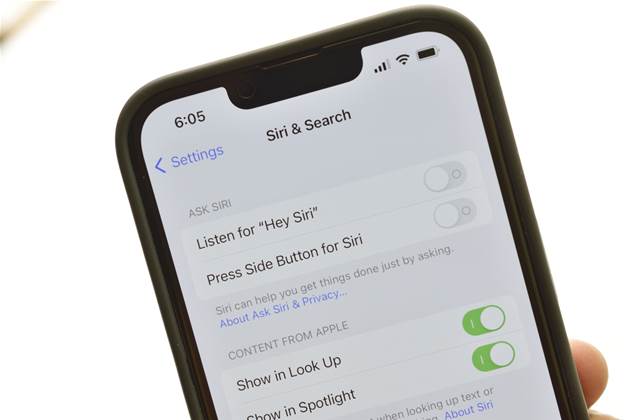
Apple addresses Siri privacy lawsuit settlement

Apple’s Privacy Position: What the Company Communicates

In the wake of the settlement, Apple released a statement reaffirming its dedication to privacy. The company clarified that it does not sell Siri data, utilize it to form marketing profiles, or provide it to advertisers. Apple also highlighted that Siri interactions are not stored unless users explicitly consent to improve the service.

As per Apple, certain Siri functions necessitate real-time input from Apple servers. Even in such instances, the company asserts that it employs minimal data to ensure accurate results. For those who consent, audio recordings are leveraged solely to improve Siri’s performance, and not for other intents.

Settlement Insights: What It Signifies for Users?

Through the settlement, millions of Apple users might be eligible for financial compensation. Claimants could receive up to US$20 for each Siri-enabled gadget, such as iPhones, iPads, and Apple Watches. While the payout appears modest per individual, it illustrates broader ramifications of holding technology giants accountable for privacy issues.

The settlement underscores the increasing scrutiny faced by tech companies regarding the management of sensitive user data. Apple’s choice to settle without acknowledging any wrongdoing indicates a strategy to evade extended legal proceedings and preserve its image as a company focused on privacy.

Google Encountering Similar Legal Challenges

Apple is not the sole tech leader under scrutiny for alleged privacy breaches. A similar lawsuit related to Google’s Voice Assistant is currently underway in San Jose, California. The plaintiffs in the Google case share the same legal representation as in the Apple lawsuit, signifying a broader initiative to address privacy issues across the voice assistant sector.

These lawsuits highlight the necessity for transparency and more stringent privacy protections in the development of AI-driven technologies like Siri and Google Assistant.

What’s Ahead for Siri and Voice Assistant Privacy?

Apple has committed to further developing technologies aimed at enhancing Siri’s privacy features. This includes minimizing the data Siri needs for functionality and providing users with greater control over their information. As awareness of data privacy among consumers rises, tech firms will likely face mounting pressure to implement stronger privacy measures.

For the time being, Apple’s settlement acts as a reminder of the crucial nature of user consent and transparency in the era of smart devices.

Conclusion

Apple’s recent A$153 million settlement concerning Siri privacy issues has reignited debates about data management in voice assistants. While Apple denies the accusations, the case emphasizes the significance of user trust and privacy in the technology sector. With analogous lawsuits looming against competitors like Google, the focus on voice assistant privacy is expected to persist.

Q&A: Answers to Your Siri Privacy Inquiries

Q: What was the primary allegation in the class action lawsuit against Apple?

A:

The lawsuit claimed that Siri inadvertently recorded private dialogues and disclosed this information to third parties such as advertisers. Apple denied these allegations but resolved the case without admitting any fault.

Q: How much will qualified users receive as part of the settlement?

A:

Eligible Apple users could receive as much as US$20 for each Siri-enabled device, which includes iPhones, iPads, and Apple Watches.

Q: Does Apple sell Siri data to advertisers?

A:

No, Apple has clarified its position that it does not sell Siri data, use it for creating marketing profiles, or share it with advertisers.

Q: How does Apple ensure Siri interactions stay private?

A:

Apple retains no audio recordings of Siri interactions unless users opt-in for improvement purposes. Even then, the recordings are solely used to enhance Siri’s functionality and not for any other uses.

Q: Is Google under similar legal scrutiny regarding its voice assistant?

A:

Yes, Google is currently facing a lawsuit in California concerning privacy violations associated with its Voice Assistant. The plaintiffs are represented by the same legal team as in the Apple case.

Q: What measures is Apple implementing to bolster Siri’s privacy?

A:

Apple is focused on developing technologies to decrease the amount of data Siri needs for its functions and aims to give users enhanced control over their information. These advancements reflect Apple’s broader commitment to user privacy.

SKULLCANDY Mod True Wireless in-Ear Earbuds Review


We independently review everything we recommend. When you buy through our links, we may earn a commission which is paid directly to our Australia-based writers, editors, and support staff. Thank you for your support!

SKULLCANDY Mod True Wireless in-Ear Earbuds – Light Grey/Blue

“Director of Data Analytics Says Goodbye at Teachers Mutual Bank”


We independently review everything we recommend. When you buy through our links, we may earn a commission which is paid directly to our Australia-based writers, editors, and support staff. Thank you for your support!

Teachers Mutual Bank’s Data Leader Moves On to New Opportunities

Teachers Mutual Bank’s Data Leader Moves On to New Opportunities

Quick Summary

  • Greg Nichelsen exits Teachers Mutual Bank after two significant years.
  • Nichelsen is set to join IXUP, a firm focused on data collaboration.
  • Teachers Mutual Bank is in pursuit of a new Chief Data Officer.
  • During his time, Nichelsen advanced the bank’s data and insights capabilities.
  • Nichelsen acknowledged the bank’s principles, community engagement, and innovative drive.

Greg Nichelsen’s Time at Teachers Mutual Bank

Teachers Mutual Bank has recently said goodbye to its Head of Data Analytics, Greg Nichelsen, who became part of the bank in early 2023. Bringing extensive expertise from his previous position at Standard Chartered in Singapore, Nichelsen played a vital role in developing the bank’s data analytics and insights frameworks.

Throughout his term, Nichelsen aimed to establish a solid data base to improve decision-making. His leadership was crucial in fostering innovation and promoting a cooperative atmosphere in the bank’s analytics division.

Greg Nichelsen exits Teachers Mutual Bank after two significant years

A Legacy of Progress

Thanks to Nichelsen’s leadership, Teachers Mutual Bank advanced its data and insights capabilities, allowing for more informed and high-quality decision-making. His contributions led to better overall effectiveness and responsiveness of the bank’s operations, especially in a swiftly digitising financial environment.

The Transition to IXUP

As shared on LinkedIn, Nichelsen will be moving to IXUP, a company that focuses on secure data sharing and advanced analytics. This career move represents a significant change, aligning with Nichelsen’s proficiency in utilizing data for strategic advancements.

In his farewell comments, Nichelsen expressed his appreciation for his time at Teachers Mutual Bank. He emphasized the bank’s strong commitment to values, community involvement, and the teamwork that made his experience rewarding.

Teachers Mutual Bank leader transitions to IXUP

About IXUP

IXUP is a data collaboration platform based in Australia that enables organizations to securely analyze and share data while maintaining privacy. Nichelsen’s transition to IXUP indicates a focus on utilizing his analytical skills in secure data management and multi-party data collaboration, which are increasingly vital in today’s data-centric landscape.

What’s Ahead for Teachers Mutual Bank?

In light of Nichelsen’s exit, Teachers Mutual Bank is actively on the hunt for a new Chief Data Officer. A spokesperson mentioned that Nichelsen was a “highly valued member” of the leadership team and played a significant role in enhancing the bank’s data capabilities.

As the search for a new leader progresses, the bank is determined to continue its emphasis on leveraging data-driven insights to improve customer experiences and operational effectiveness. This strategic focus aligns with broader industry movements, as financial institutions increasingly prioritize digital transformation efforts.

Teachers Mutual Bank seeks new data analytics leader

Conclusion

The exit of Greg Nichelsen signifies the conclusion of a transformative period for Teachers Mutual Bank’s data analytics department. His impact will resonate, and his transition to IXUP suggests exciting opportunities in secure data collaboration. As the bank looks for a successor to spearhead its data-driven journey, the financial sector keenly observes the next steps for this purpose-driven institution.

Frequently Asked Questions

Q: Who is Greg Nichelsen?

A:

Greg Nichelsen is a leader in data analytics who recently held the position of Head of Data Analytics at Teachers Mutual Bank. He has now joined the data collaboration firm IXUP.

Q: What was Nichelsen’s function at Teachers Mutual Bank?

A:

At Teachers Mutual Bank, Nichelsen directed the strategies for data analytics and insights, enhanced decision-making processes, and stimulated innovation in the analytics team.

Q: What is IXUP, and why is Nichelsen joining it?

A:

IXUP is a data collaboration platform located in Australia that specializes in ensuring secure data sharing and advanced analytics. Nichelsen’s analytical prowess and focus on data-driven strategies make him a valuable asset to IXUP’s team.

Q: What are Teachers Mutual Bank’s plans following Nichelsen’s departure?

A:

Teachers Mutual Bank is in active pursuit of a new Chief Data Officer to further its data analytics and insights capabilities in line with its strategic objectives.

Q: How did Nichelsen reflect on his time at Teachers Mutual Bank?

A:

Nichelsen characterized his experience as rewarding, noting the bank’s core values, community focus, and collaborative team spirit as key highlights of his tenure.

Q: Why is data analytics essential in the financial industry?

A:

Data analytics empowers financial institutions to make educated decisions, enhance customer experiences, streamline operations, and retain a competitive advantage in an increasingly digital landscape.

“Telstra Partners with Optus to Leverage Starlink for Mobile Connectivity – A Transformative Shift for IoT”


We independently review everything we recommend. When you buy through our links, we may earn a commission which is paid directly to our Australia-based writers, editors, and support staff. Thank you for your support!

Telstra Collaborates with Starlink: Transforming Connectivity Across Australia’s Remote Areas

Telstra Collaborates with Starlink: Transforming Connectivity Across Australia’s Remote Areas

Quick Read

  • Telstra partners with Optus to implement SpaceX’s Starlink for satellite-based mobile services.
  • The initial offerings will focus on text messaging with plans to broaden to voice, data, and IoT functionalities.
  • Starlink’s direct-to-device communications remove the requirement for specialized equipment.
  • This innovation aims to fill connectivity shortages in Australia’s outlying areas.
  • Telstra’s commitment to IoT connectivity could revolutionize sectors like agriculture, mining, and utilities.

Starlink and Telstra Collaboration: A New Chapter in Connectivity

In a significant development, Telstra, Australia’s largest telecom company, has declared its partnership with SpaceX’s Starlink to improve mobile and IoT connectivity. This follows a similar event from Optus in 2022, as Australian telecoms strive to bridge the gaps in conventional network services.

Telstra and Starlink partnership transforming mobile and IoT connectivity

Starlink’s Low-Earth Orbit (LEO) satellites offer unmatched coverage, allowing connections in areas previously inaccessible to traditional networks. Telstra will first roll out satellite-to-mobile text messaging services, with intentions to expand into voice, data, and Internet of Things (IoT) connections shortly.

Transforming Remote Connectivity

Telstra’s partnership with Starlink aims to tackle an urgent issue in Australia: connectivity in rural zones. With extensive parts of the country lacking dependable mobile service, satellite-to-mobile technology enables communication from nearly anywhere with a clear view of the sky.

“This technology will pave the way for a future where basic connectivity can be accessed from some of Australia’s most distant regions.”
– Shailin Sehgal, Telstra’s Group Executive of Global Networks and Technology

In contrast to older satellite systems that demand specific hardware, this service harnesses the technology already present in modern smartphones, thereby making it available to a wider audience.

IoT: A Transformative Opportunity

A key highlight of Telstra’s Starlink initiative is its capacity to change the landscape of IoT connectivity. Sectors such as agriculture, mining, and utilities could greatly benefit from dependable IoT solutions in remote environments.

Envision remote sensors tracking livestock on expansive farms, machinery in outback areas being remotely managed, or utility devices sending real-time information. These scenarios are now practical applications of IoT enabled by Starlink’s satellite infrastructure.

Starlink IoT solutions for agriculture and mining sectors

This enhancement could revolutionize industries that heavily depend on real-time data and remote functionality, ensuring safety, effectiveness, and profitability.

Challenges and Prospects

While the promise of Starlink connectivity is significant, the initiative’s success will depend on affordability and seamless integration. Both businesses and consumers might hesitate if the service prices are too high. Moreover, regulatory processes and technical hurdles could influence the timeline for deployment.

Nevertheless, with Telstra’s extensive expertise and resources, alongside SpaceX’s cutting-edge technology, this collaboration is well-equipped to tackle such challenges.

Conclusion

Telstra’s alliance with Starlink represents a crucial advancement in bridging Australia’s digital gap. By utilizing satellite technology, Telstra aims to extend mobile and IoT connectivity to the furthest reaches of the country. As this technology progresses, it holds the potential to disrupt industries, bolster safety, and enhance the lives of Australians residing in underserved areas.

Q&A: Key Questions Addressed

Q: What services will Telstra initially offer through Starlink?

A:

Telstra will initially provide satellite-to-mobile text messaging services. Future developments will encompass voice, data, and IoT connectivity.

Q: How does Starlink’s technology differ from conventional mobile networks?

A:

Unlike traditional mobile networks that depend on land-based towers, Starlink uses Low-Earth Orbit satellites to deliver connectivity directly to devices, allowing coverage in remote and underserved regions.

Q: Will users require special hardware to utilize these services?

A:

No, Starlink’s direct-to-device technology takes advantage of existing functionalities in modern smartphones, removing the necessity for additional equipment.

Q: What impact will this have on sectors like agriculture and mining?

A:

Sectors such as agriculture and mining are likely to gain greatly from reliable IoT connectivity in remote regions. Potential applications include real-time monitoring, operational management, and improved safety protocols.

Q: When can consumers expect to access these services?

A:

While text messaging services are anticipated to be launched soon, the comprehensive deployment of voice, data, and IoT services will be contingent on technological progress and regulatory authorizations.

Q: What obstacles might this initiative encounter?

A:

Possible obstacles include high service fees, challenges in technical integration, and delays in obtaining regulatory approvals. Addressing these challenges will be vital for widespread adoption.

“Australia Set for Mobile Privacy Class Action Against Google, Trial Approaches”


We independently review everything we recommend. When you buy through our links, we may earn a commission which is paid directly to our Australia-based writers, editors, and support staff. Thank you for your support!

Trial Approaches for Google’s Mobile Privacy Class Action

Trial Approaches for Google’s Mobile Privacy Class Action

Brief Overview

  • A class action against Google concerns unauthorized mobile data tracking.
  • Central issue: Allegations that Google collected data even after users deactivated tracking options.
  • The trial is set to commence on 18 August in the US.
  • Prior litigation resulted in a settlement exceeding A$8 billion.
  • Internal communications from Google hint at confusion in its privacy notifications.
  • Australian users may resonate with worldwide issues regarding technology privacy practices.

Overview of the Class Action

Google is under examination once more as a federal judge in the US has allowed a class action regarding mobile privacy infractions to advance to trial. The lawsuit claims that Google persisted in gathering user data even after customers opted out via the company’s Web & App Activity configurations. This has ignited widespread worries about the clarity of Google’s privacy policies.

Chief Judge Richard Seeborg of the federal court in San Francisco dismissed Google’s argument that users were sufficiently informed about the operation of its tracking options. The plaintiffs contend that Google breached California’s regulations against unauthorized access and fraudulent computer activity by retaining individual browsing data without clear consent.

Internal Messages and Accusations

A particularly damaging element of this case relates to internal correspondence from Google staff. Court documents indicate that these communications suggest Google may have deliberately employed ambiguous phrasing in its disclosures, anticipating that users might find the full extent of its data collection “disturbing.”

The vagueness within Google’s privacy options reportedly misled users into thinking that disabling certain settings would avert tracking, which was not entirely true. This raises serious concerns regarding the company’s dedication to user privacy.

Google’s Response

In a public statement, Google has categorically denied the accusations, describing them as a “deliberate attempt to misrepresent” its offerings. The organization asserts that privacy measures are integrated into its services and that the allegations lack foundation.

Google’s defense emphasizes that its data collection methods were non-harmful and that users agreed to them via its terms of service. However, the court’s choice to allow the case to move forward suggests that these assertions will be examined during the trial.

Prior Legal Issues

This is not Google’s inaugural legal confrontation regarding privacy matters. In August 2022, a federal appeals court revived a separate lawsuit accusing the company of tracking users who chose to opt out of synchronizing their Chrome browsers with Google accounts. Furthermore, in early 2022, Google consented to destroy billions of data records to settle allegations that it tracked users during their use of ‘Incognito’ mode on Chrome, culminating in a settlement valued at over A$8 billion.

The same legal teams that achieved that settlement are now advocating for the plaintiffs in this current matter, which further strengthens the proceedings.

Consequences for Australian Users

Though this specific class action is occurring in the United States, its ramifications are global. Australian users, increasingly cognizant of privacy matters, may draw parallels with their own apprehensions regarding data collection by major tech firms. Australia’s regulatory framework surrounding digital privacy has become increasingly stringent, as demonstrated by recent actions taken by the Australian Competition and Consumer Commission (ACCC) against entities such as Meta and Google.

For both Australian businesses and consumers, this case serves as a prompt to scrutinize the data-handling practices of service providers and to advocate for enhanced transparency and responsibility within the tech sector.

Concluding Thoughts

The ongoing legal disputes surrounding Google and privacy issues underscore the escalating friction between user expectations and corporate behaviors. The forthcoming trial in August 2023 will address allegations that Google misled users regarding its data collection methods, even when tracking was turned off. Given its history of substantial settlements, this case could significantly influence how tech corporations manage user data in the future, including in Australia.

FAQs: Essential Questions Clarified

Q: What does this case entail?

A:

The case claims that Google gathered personal data from users’ mobile devices despite their choice to disable tracking in the Web & App Activity settings. This is regarded as a breach of privacy and California laws against unauthorized data collection.

Q: Why is this case important?

A:

This case highlights the increasing examination of tech companies’ data-handling practices and their transparency. A ruling against Google could establish a precedent for stricter regulations and enhanced accountability in the tech industry.

Q: How does this impact Australian users?

A:

While the case is US-based, it brings to light global concerns regarding privacy practices. Australian users may identify with these challenges, especially as local regulators like the ACCC become more focused on the data collection practices of tech firms.

Q: What has Google stated in response?

A:

Google refutes the accusations, claiming that its privacy controls are inherent to its services and that the allegations misrepresent how its products function. The company intends to mount a strong defense in court.

Q: What is the expected timeline for the trial?

A:

A jury trial is scheduled to commence on 18 August 2023 in San Francisco.

Q: Have there been similar legal cases before?

A:

Yes, Google has encountered multiple legal challenges regarding privacy concerns. Notably, the company reached a settlement exceeding A$8 billion for tracking users in the ‘Incognito’ mode of Chrome.

Q: What actions should users take to safeguard their privacy?

A:

Users should routinely examine privacy settings on their devices and accounts, utilize privacy-enhancing tools such as VPNs, and remain informed about the data management practices of the services they engage with.

HUAWEI FreeBuds 4i Wireless in-Ear Bluetooth Earphones Review


We independently review everything we recommend. When you buy through our links, we may earn a commission which is paid directly to our Australia-based writers, editors, and support staff. Thank you for your support!

HUAWEI FreeBuds 4i Wireless in-Ear Bluetooth Earphones with Long Battery Life, Comfortable Active Noise Cancellation, Fast Charging, Crystal Clear Sound Dual-Mic Earbuds–Ceramic White (AU Version)

“Nvidia Introduces Revolutionary GeForce RTX 5090 GPU, Driven by AI Advancements”


We independently review everything we recommend. When you buy through our links, we may earn a commission which is paid directly to our Australia-based writers, editors, and support staff. Thank you for your support!

Nvidia’s RTX 5090 GPU Establishes a New Benchmark for AI-Driven Graphics

Brief Overview

  • Nvidia introduces the RTX 5090, built on the innovative Blackwell architecture with enhanced AI features.
  • Features a staggering 92 billion transistors and exceeds 3,352 trillion AI operations each second.
  • DLSS 4 technology achieves up to 8x boosts in frame rate performance.
  • RTX Neural Shaders provide real-time, cinematic-quality materials and lighting.
  • AI-enhanced NVIDIA ACE creates autonomous characters resembling humans in games.
  • In Australia, the RTX 5090 is priced from AUD 4,039, with entry-level models like the RTX 5070 starting at AUD 1,109.
  • Set to be available at the end of the month, ahead of original expectations.

The Dawn of AI-Enhanced Graphics

Nvidia’s CEO Jensen Huang presented at the 2025 Consumer Electronics Show (CES) in Las Vegas the latest advancement in gaming and professional graphics: the GeForce RTX 5090 GPU. This GPU embodies the peak of Nvidia’s Blackwell architecture, utilizing artificial intelligence to achieve performance and visual clarity that was once deemed impossible.

Nvidia GeForce RTX 5090 GPU with AI advancements

The flagship RTX 5090 signifies more than just a generational leap; it represents a transformative evolution. With its 92 billion transistors and the capability of executing over 3,352 trillion AI operations per second, it reshapes the possibilities of rendering, lighting, and gaming realism.

AI-Enhanced Rendering and DLSS 4

Central to the RTX 5090’s prowess is Nvidia’s DLSS 4 technology, an AI-driven feature that employs Multi Frame Generation to produce extra frames. This leads to enhancements in frame rates of up to 8x when contrasted with conventional rendering techniques. For gamers and digital artists alike, this equates to smoother, swifter, and more intricate visuals.

The fifth-generation Tensor Cores and fourth-generation RT Cores of the RTX 5090 play a crucial role in these strides forward. These cores not only facilitate AI-enhanced graphics but also elevate neural rendering and digital human technologies, marking a significant breakthrough for sectors like gaming, film, and virtual reality.

RTX Neural Shaders and Smart Gameplay

The RTX 5090 brings forth RTX Neural Shaders, an innovative feature that employs AI to render real-time, cinematic-quality materials and lighting. This advancement empowers game developers to construct environments and characters with unparalleled realism.

Moreover, Nvidia’s ACE (Avatar Cloud Engine) suite enables the creation of autonomous, human-like game characters. These AI-driven avatars possess the ability to observe, strategize, and act intelligently, adding a new dimension to gameplay and storytelling. As Bryan Langley from Microsoft indicated, innovations like Cooperative Vectors in DirectX will enhance the implementation of neural shading, broadening its accessibility for developers and gamers alike.

“DirectX will soon support Cooperative Vectors, unlocking the capabilities of Tensor Cores and enabling developers to boost neural shaders.” – Bryan Langley, Microsoft

Pricing and Release Details in Australia

The GeForce RTX 50 series is set to launch in Australian markets by the end of this month, arriving sooner than many had predicted. While the flagship RTX 5090 is priced at AUD 4,039, Nvidia has also introduced more budget-friendly alternatives:

  • GeForce RTX 5090: Starting from AUD 4,039
  • GeForce RTX 5080: Starting from AUD 2,019
  • GeForce RTX 5070 Ti: Starting from AUD 1,509
  • GeForce RTX 5070: Starting from AUD 1,109

For those on a budget, the RTX 5070 offers RTX 4090-level performance for just over AUD 1,000, providing outstanding value.

Conclusion

Nvidia’s RTX 5090 sets a fresh benchmark in the GPU landscape, fusing state-of-the-art AI technologies with formidable computational power. From DLSS 4 to AI-enabled game characters, the RTX 50 series is geared to redefine how we immerse ourselves in digital realms. With its competitive pricing and early Australian availability, these GPUs are ready to lead the market.

Q&A: Essential Queries Regarding the RTX 5090

Q: What distinguishes the RTX 5090 from its predecessor, the RTX 4090?

A:

The RTX 5090 utilizes Nvidia’s Blackwell architecture, features 92 billion transistors, and incorporates advanced AI capabilities such as DLSS 4. It provides up to 2x the performance of the RTX 4090.

Q: In what ways does DLSS 4 enhance gaming performance?

A:

DLSS 4 employs Multi Frame Generation technology to create additional frames through AI, enhancing frame rates by as much as 8x relative to traditional rendering methods.

Q: What is the pricing spectrum for the RTX 50 series in Australia?

A:

Prices range from AUD 1,109 for the RTX 5070 to AUD 4,039 for the premier RTX 5090.

Q: When can consumers expect to see the RTX 50 series GPUs in Australia?

A:

According to Nvidia’s announcement, these GPUs will be available by the end of the month.

Q: What are RTX Neural Shaders?

A:

RTX Neural Shaders utilize AI-driven networks to deliver cinematic-quality materials and lighting in real-time, greatly improving visual quality.

Q: How do autonomous characters powered by Nvidia ACE function?

A:

Nvidia ACE allows game characters to perceive, strategize, and behave like human players utilizing sophisticated AI algorithms, enhancing the realism and interactivity within games.