Matthew Miller, Author at Techbest - Top Tech Reviews In Australia - Page 6 of 99

ACMA Pursues Answers for Irreparable Samsung Mobile Devices


We independently review everything we recommend. When you buy through our links, we may earn a commission which is paid directly to our Australia-based writers, editors, and support staff. Thank you for your support!

ACMA’s Endeavor: Tackling Irreparable Samsung Devices

The Australian Communications and Media Authority (ACMA) is vigorously exploring remedies for obsolete Samsung gadgets that are being barred from networks due to issues with triple zero calls. This initiative is part of a wider regulatory campaign to guarantee that all mobile devices can consistently make emergency calls.

Brief Overview

  • ACMA is identifying outdated Samsung devices responsible for triple zero call failures.
  • Telstra has flagged 12 Samsung Galaxy models that are unable to make emergency calls on TPG’s 4G network.
  • These devices are being restricted by all primary Australian carriers following ACMA’s recent guidelines.
  • ACMA’s BuyICT listing is intended to evaluate devices but currently lacks a definitive strategy.
  • A total of 60 Samsung handset issues have been addressed through software updates; 12 remain problematic.
  • Oppo A53 models are encountering comparable emergency call challenges.
  • Samsung devices locked to Vodafone’s defunct 3G network impair call dependability.

Examining ACMA’s Market Strategy

ACMA’s intention to acquire some of these older Samsung devices was disclosed through a BuyICT listing. The goal is to ensure independent confirmation of telecom companies’ device testing outcomes, although an ACMA representative confirmed that there is no roadmap beyond looking into the acquisition of these devices.

ACMA attempts to source unfixable Samsung handsets

The Issue with Samsung Devices

Out of the Samsung devices identified, 72 are known to experience issues with emergency call placement. While software updates can fix issues for 60 of these phones, 12 models are irreparable and must be prohibited from service. Significantly, these models are tied to Vodafone’s outdated 3G network, which complicates their ability to change networks in critical situations.

Wider Repercussions for Other Devices

Similar problems have been reported with Oppo A53 devices, which also necessitate software updates for proper emergency call functionality. This signals a broader issue among numerous handset manufacturers regarding firmware and emergency call dependability.

Network Restrictions and Emergency Call Interruptions

The failure of certain handsets to effectively switch networks in emergencies poses a serious issue. This difficulty is worsened by an inefficient call rerouting system, which could delay emergency help by as much as a minute.

Conclusion

ACMA’s efforts to acquire and assess outdated Samsung devices highlight the crucial need for dependable emergency call capabilities in mobile technology. While some fixes, such as software upgrades, are available, some handsets remain unfixable and are being phased out by Australian carriers to meet new regulatory requirements.


Q: Why is ACMA focusing on older Samsung devices?

A: ACMA intends to ensure that all mobile devices can consistently make emergency calls. They are looking for older Samsung devices to independently verify telecommunications testing results.

Q: Which Samsung models are impacted?

A: Twelve Samsung Galaxy models are being restricted because they cannot make emergency calls on TPG’s 4G network.

Q: Can the problems with these devices be remedied?

A: While software updates are able to fix 60 Samsung devices, 12 models are beyond repair and need to be blocked from use.

Q: Are other devices facing similar challenges?

A: Yes, Oppo A53 devices are also experiencing emergency call issues and need software updates to work correctly.

Q: What is the issue with network switching on these devices?

A: The devices are locked to Vodafone’s outdated 3G network, which restricts their ability to switch networks during emergencies, potentially causing delays.

Q: How have Australian carriers responded?

A: All major Australian carriers are blocking these problematic devices in order to comply with ACMA’s new regulations.

Soundcore P30i by Anker Noise Cancelling Earbuds Review


We independently review everything we recommend. When you buy through our links, we may earn a commission which is paid directly to our Australia-based writers, editors, and support staff. Thank you for your support!

Soundcore P30i by Anker Noise Cancelling Earbuds, Strong and Smart Noise Cancelling, Powerful Bass, 45H Playtime, 2-in-1 Case and Phone Stand, IP54, Wireless Earbuds, Bluetooth 5.4 (Green)

Xiaomi Buds 5 Pro Bluetooth Review


We independently review everything we recommend. When you buy through our links, we may earn a commission which is paid directly to our Australia-based writers, editors, and support staff. Thank you for your support!

Xiaomi Buds 5 Pro Bluetooth – 11 mm HiFi Triple Driver, 55 dB ANC Active Noise Cancellation and 15 m/s ENC, Lossless Qualcomm Sound and Harman AudioEFX, White

Edifier NeoBuds Plus-48dB Active Noise Cancelling Earbuds Review


We independently review everything we recommend. When you buy through our links, we may earn a commission which is paid directly to our Australia-based writers, editors, and support staff. Thank you for your support!

Edifier NeoBuds Plus-48dB Active Noise Cancelling Earbuds, Balanced Armature and 10mm Dynamic Driver, Hi-Res Sound, LHDC, LDAC, AI Clear Calls with 6 Mics, Wireless Charging, Bluetooth 5.4 – Starlight

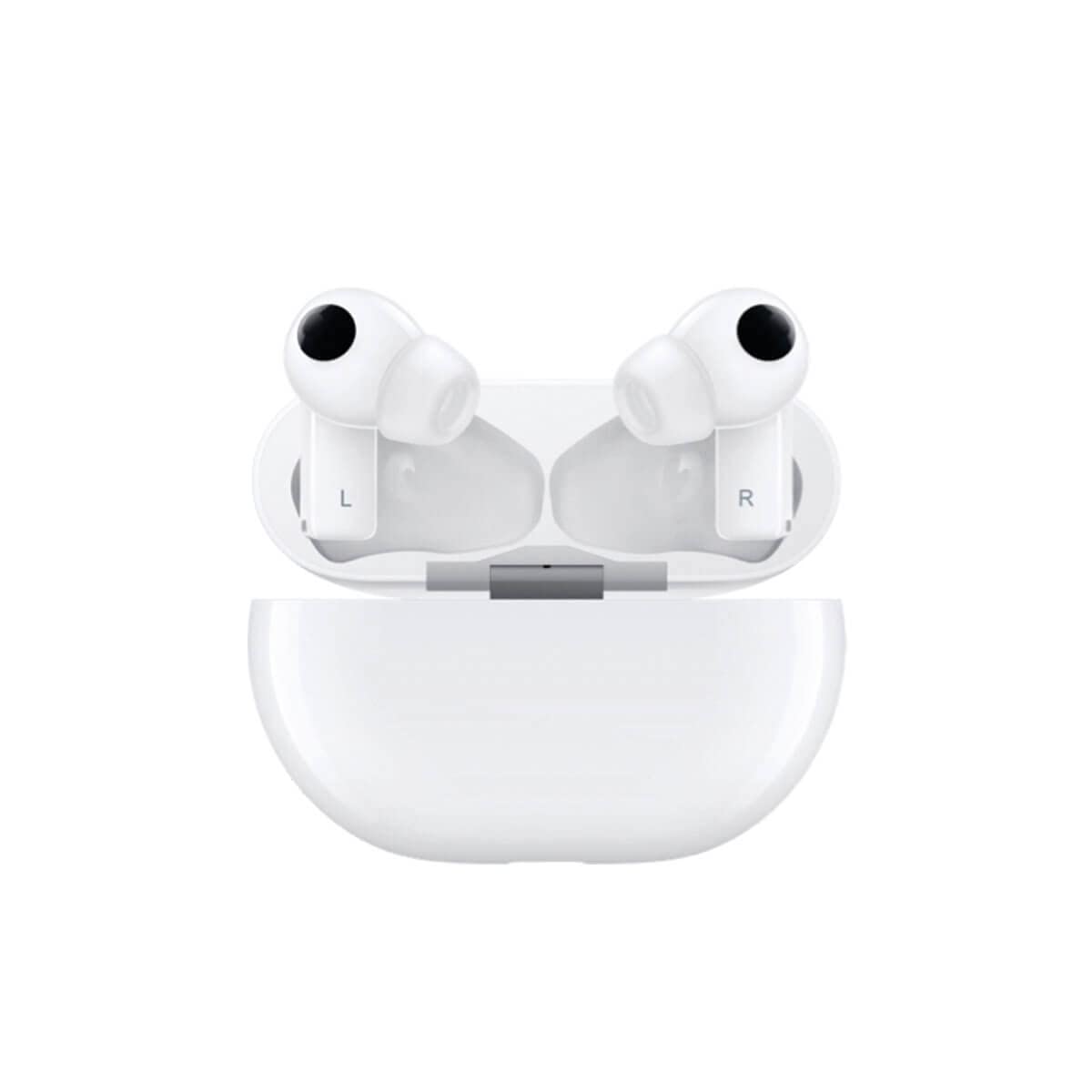
HUAWEI FreeBuds Pro – Noise Cancelling Wireless Earbuds Review


We independently review everything we recommend. When you buy through our links, we may earn a commission which is paid directly to our Australia-based writers, editors, and support staff. Thank you for your support!

HUAWEI FreeBuds Pro – Noise Cancelling Wireless Earbuds, True Wireless Stereo Bluetooth Earphone with Intelligent ANC, 3-mic System & Quick Wireless Charging, FreeBuds Pro, Ceramic White (AU Version)

Specialists baffled by enigmatic VoidLink Linux malware with ambiguous motives


We independently review everything we recommend. When you buy through our links, we may earn a commission which is paid directly to our Australia-based writers, editors, and support staff. Thank you for your support!

VoidLink: Disentangling the Enigma of Sophisticated Linux Malware

Brief Overview

  • VoidLink is a recently identified Linux malware with a focus on cloud technology.
  • The malware is exceptionally modular, incorporating more than 30 plugins.
  • It is believed to have originated from a development ecosystem linked to China.
  • The intent behind VoidLink is still ambiguous, as no actual implementations have been detected.
  • Cybersecurity specialists advocate for proactive measures against potential risks like VoidLink.

Revealing VoidLink: A New Era in Linux Malware

Experts uncertain about the purpose of the new VoidLink Linux malware

Background and Discovery

Last December, Check Point Software analysts discovered a previously overlooked Linux malware, dubbed VoidLink. This malware appears to stem from a development environment tied to China, raising concerns within the cybersecurity field.

Framework and Features

VoidLink features a highly adaptable and modular architecture. It provides comprehensive command and control functionalities and includes a suite of over 30 plugins. Additionally, the malware incorporates operational security features and can identify primary cloud ecosystems, positioning it as a significant threat.

The Enigma of VoidLink’s Intent

Although it possesses advanced capabilities, the true aim of VoidLink is still enigmatic. No actual deployments have been recorded, indicating that it may still be in development. The detection of debug symbols and other development elements within the binaries supports this hypothesis.

Possible Consequences

Considering its cloud-centric design and sophisticated capabilities, VoidLink could serve multiple functions, ranging from legitimate security testing to potential malicious activities in the underground realm. Organizations are urged to enhance their defenses against such advanced threats.

Conclusion

VoidLink signifies a new phase in the domain of Linux malware, distinguished by its cloud-native strategy and complex architecture. Although its motivations remain uncertain, the discovery highlights the necessity for improved security protocols in both Linux and cloud infrastructures.

FAQ

Q: In what ways does VoidLink differ from conventional Linux malware?

A:

VoidLink is unique due to its cloud-first framework, modular design, and extensive plugin collection, making it more sophisticated than standard malware.

Q: Has VoidLink been utilized in any real-world applications?

A:

No, there have been no confirmed real-world applications of VoidLink to date.

Q: What measures should organizations take to safeguard against threats like VoidLink?

A:

Organizations ought to take preventative steps to secure their Linux, cloud, and container environments and remain alert against advanced threats.

Q: Is VoidLink regarded as a legitimate tool or a threat?

A:

The motives of VoidLink remain ambiguous; it might be utilized for legitimate security testing or for harmful activities.

Q: In what programming language is VoidLink developed?

A:

VoidLink is programmed in Zig, a new language noted for its performance and safety attributes.

SUDIO N2 Wireless Earphones Review


We independently review everything we recommend. When you buy through our links, we may earn a commission which is paid directly to our Australia-based writers, editors, and support staff. Thank you for your support!

SUDIO N2 (Pink) Wireless Earphones, Bluetooth 5.3, iOS and Android Compatible, IPX4 Level, Waterproof Design, Scandinavian Design, SDGs, Sustainable, Gift

JVC Gumy Mini Wireless Earbuds Review


We independently review everything we recommend. When you buy through our links, we may earn a commission which is paid directly to our Australia-based writers, editors, and support staff. Thank you for your support!

JVC HA-Z66T-A Gumy Mini Wireless Earbuds, Small, Ultralight, 3 Sound Modes (Bass/Clear/Normal), Waterproof (IPX4), 23 Hours Battery Life, Bluetooth 5.1, (Blue) HA-Z66T-A-E, in-Ear

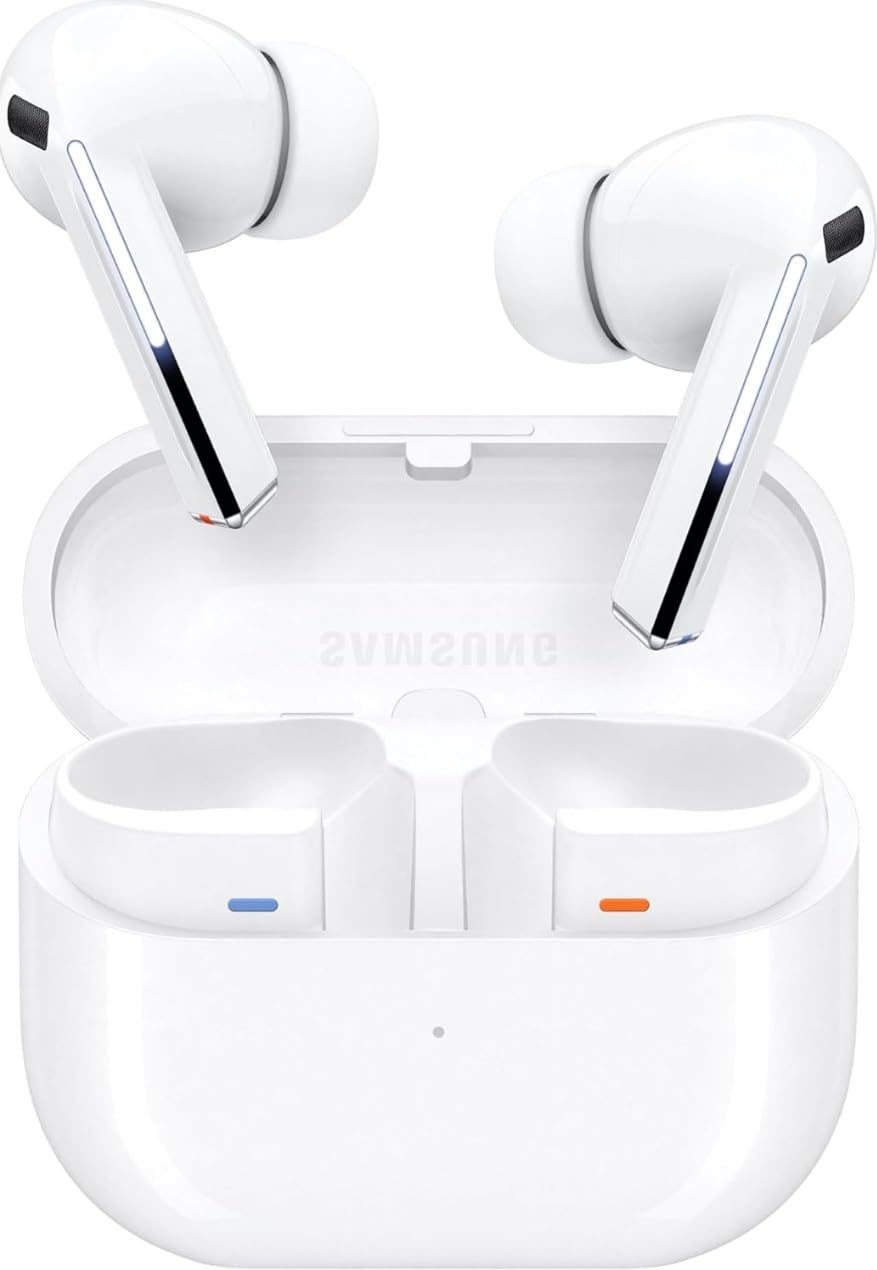
Samsung Galaxy Buds3 Pro Bluetooth Headphones White Review


We independently review everything we recommend. When you buy through our links, we may earn a commission which is paid directly to our Australia-based writers, editors, and support staff. Thank you for your support!

Samsung Galaxy Buds3 Pro Bluetooth Headphones White (White) SM-R630

Google’s Mandiant Introduces Complimentary Tool for Salesforce Access Control Auditing


We independently review everything we recommend. When you buy through our links, we may earn a commission which is paid directly to our Australia-based writers, editors, and support staff. Thank you for your support!

Brief Overview

  • Mandiant, a Google-backed security company, has introduced AuraInspector, a tool designed to evaluate Salesforce access control.
  • This tool detects possible misconfigurations in Salesforce settings that might expose confidential information.
  • AuraInspector can be accessed as an open-source command line utility on GitHub.
  • It employs unique methods to circumvent Salesforce’s data access limitations.
  • Salesforce admins are recommended to review user permissions and turn off self-registration.

Presenting AuraInspector: A Novel Salesforce Security Instrument

To enhance the security of Salesforce environments, Mandiant, a security vendor owned by Google, has launched AuraInspector, an open-source command line utility. This new tool is intended to assist organizations in identifying potentially serious access control misconfigurations that could lead to the exposure of sensitive customer information.

Mandiant unveils free Salesforce access control assessment tool

Recognizing the Significance of AuraInspector

AuraInspector automates the identification of configuration mistakes within the Salesforce Aura framework. Such mistakes have previously been exploited, resulting in the exposure of sensitive data in several notable organizations. The tool examines Salesforce deployments from an outside viewpoint, highlighting misconfigurations that might permit unauthorized access to secured records.

Operation of AuraInspector

By leveraging the Salesforce GraphQL API, AuraInspector circumvents the standard 2000 record retrieval limitation, a method that has not been publicly disclosed before. The tool impersonates unauthenticated user access, automatically identifying Aura endpoints and evaluating guest user permissions on sensitive information. It detects Record List components susceptible to unauthorized access and reveals administration interfaces for third-party modules.

Salesforce’s Security Guidelines

Salesforce recommends that administrators assess guest user permissions, ensuring profiles possess only the essential privileges. It is crucial to review sharing rules and organization-wide defaults to protect records. Moreover, disabling self-registration to stop unauthorized account creation is advisable, a function that AuraInspector can help validate.

Open Source Availability and Constraints

AuraInspector can be found on GitHub, but it is not an officially supported product from Google. The public version of the tool intentionally excludes data extraction features to avert misuse, concentrating exclusively on read-only detection without altering target systems.

Conclusion

Mandiant’s AuraInspector represents a significant advancement in enhancing Salesforce environments’ defense against access control misconfigurations. By automating the identification of potential vulnerabilities, it aids organizations in safeguarding sensitive information from unauthorized access.

Q: What is AuraInspector?

A: AuraInspector is an open-source utility developed by Mandiant to assess Salesforce access control configurations.

Q: How does AuraInspector improve Salesforce security?

A: It detects and highlights misconfigurations within the Salesforce Aura framework that may expose sensitive data to unauthorized users.

Q: Is AuraInspector capable of extracting data from Salesforce?

A: No, the tool purposely lacks data extraction functionalities to prevent misuse, concentrating on read-only detection.

Q: Where can I find AuraInspector?

A: AuraInspector is available as an open-source tool on GitHub.

Q: What recommendations does Salesforce provide for securing user permissions?

A: Salesforce suggests auditing guest user permissions, reviewing sharing policies, and disabling self-registration to bolster security.