Matthew Miller, Author at Techbest - Top Tech Reviews In Australia - Page 36 of 148

Skullcandy Method 360 ANC Wireless Earbuds Review


We independently review everything we recommend. When you buy through our links, we may earn a commission which is paid directly to our Australia-based writers, editors, and support staff. Thank you for your support!

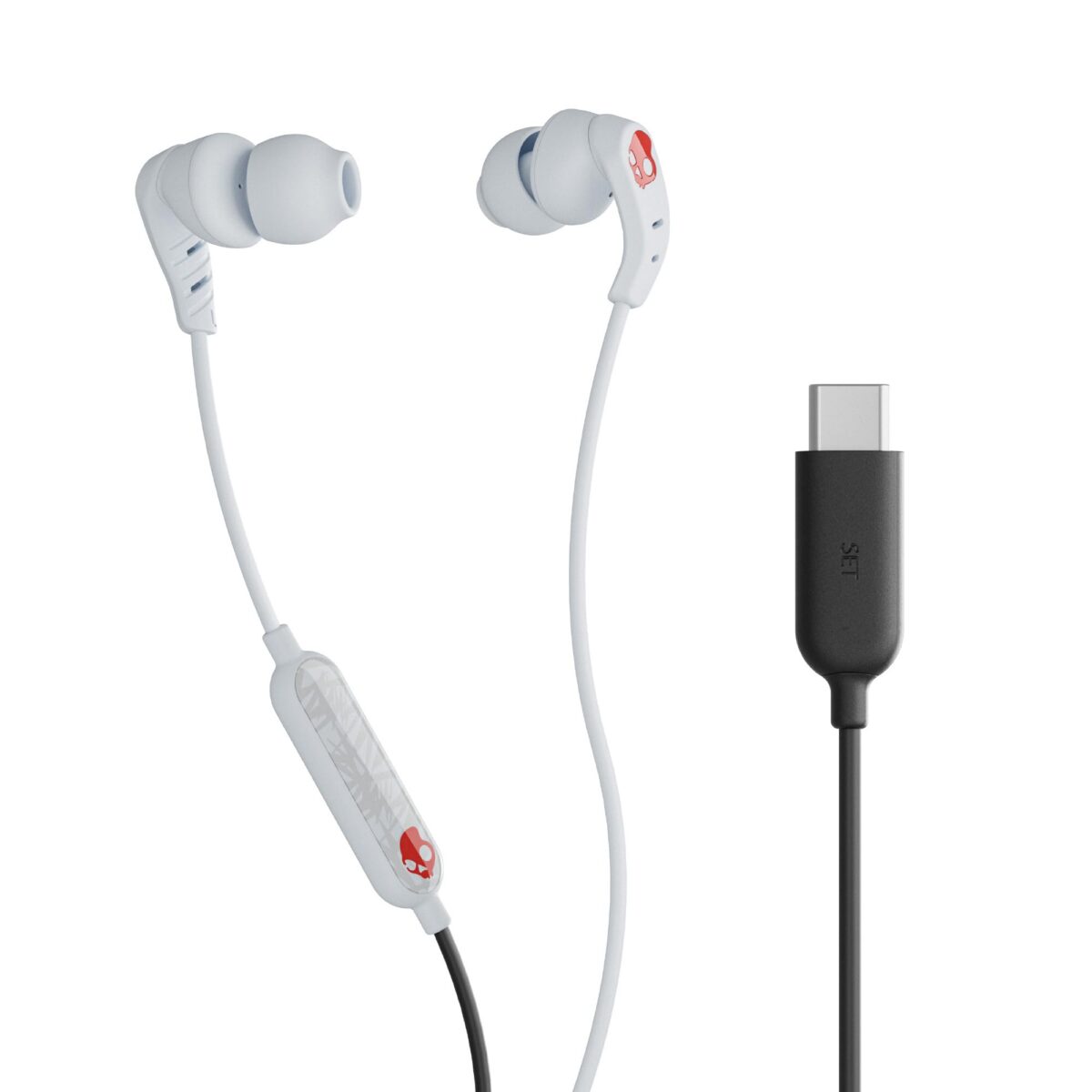
Skullcandy Method 360 ANC Wireless Earbuds, Sound by Bose, Bluetooth Headphones, Premium Noise Cancelling, Up to 40 Hrs Battery, Sweat and Water Resistant, Microphone for iPhone Android – Plasma

Australians Affected Severely by Ticket Frauds: New Year’s Eve Events Experience Average Loss of A$432 per Individual


We independently review everything we recommend. When you buy through our links, we may earn a commission which is paid directly to our Australia-based writers, editors, and support staff. Thank you for your support!

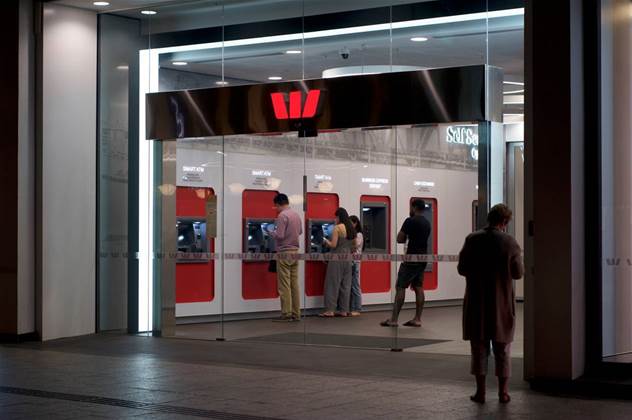
Financial losses from ticket scams impacting Australians during New Year’s Eve events

Brief Overview

  • Average loss per incident of ticket scams is A$432.
  • One in five Australians miss out on events due to ticket fraud.
  • Gen Z and Millennials are the most exposed, with 15% losing A$750 or higher.
  • Social media serves as a major hub for ticket scams.
  • Only 6% of scam victims managed to avoid losses through secure payment options.
  • Official ticketing sites are the safest option for purchasing tickets.
  • Refrain from bank transfers to unknown individuals; utilize payment methods that offer buyer security.

Australians Experience Financial Setbacks Due to Ticket Scams

With New Year’s Eve approaching, Australians are keenly buying tickets for concerts, festivals, and sports events. Nevertheless, recent findings from PayPal Australia highlight that many fans are becoming victims of ticket scams, incurring an average loss of A$432 per event.

Growing Danger of Ticket Scams

One in five Australians claims to have missed events because of counterfeit or undelivered tickets. Alarmingly, nearly 10% have been scammed multiple times, suggesting the use of sophisticated scam techniques.

Younger Demographics at Higher Risk

Interestingly, younger Australians face greater risks of high-value losses. Approximately 15% of Gen Z and Millennial victims have indicated losses of A$750 or above, contrasting with older Australians who do not report such significant losses.

The Attraction of Discounted Tickets

The appeal of lower-priced tickets continues to pose a major threat. About 18% of Gen Z individuals are willing to risk buying tickets at questionable prices.

Deficiencies in Consumer Protection

Only 6% of scammed consumers managed to avert financial loss by utilizing payment methods that incorporate buyer protection. The majority of victims opted for payment options lacking any recourse, such as direct bank transfers.

Social Media: A Scamming Hotspot

Social media platforms are saturated with deceptive activities; yet half of Australians still buy tickets through these outlets. Scammers frequently employ fake digital ticket images or pose as genuine sellers to mislead buyers.

Ensuring Safety Through Secure Payment Methods

Utilizing secure payment solutions like PayPal, which provides Buyer Protection, can assist consumers in obtaining refunds if their tickets fail to arrive.

Official Platforms: The Best Option

As the demand for New Year’s Eve events skyrockets, Australians are encouraged to stick to approved ticketing platforms. The secondary market carries greater risks, with scammers establishing fake websites that imitate official sellers.

Reporting Unusual Offers

Reporting suspicious ticket offers helps safeguard the community. Over half of Australians would report a dubious offer, contributing to the prevention of others falling prey to scams.

Conclusion

As New Year’s Eve approaches, Australians face the dual thrill of attending events and the risk associated with ticket scams. With substantial financial losses reported, particularly among younger Australians, it is crucial to emphasize the use of secure payment methods and reliance on official ticket platforms to mitigate the risk of fraud.

Q&A

Q: What is the average financial loss for Australians affected by ticket scams?

A: The average financial loss per ticket scam incident is A$432.

Q: Which age group is at the highest risk of ticket scams?

A: Gen Z and Millennials are at the highest risk, with 15% reporting losses of A$750 or more.

Q: How can Australians safeguard themselves from ticket scams?

A: Australians can safeguard themselves by using secure payment methods such as PayPal, sticking to official ticketing platforms, and avoiding bank transfers to unknown individuals.

Q: What role does social media play in ticket scams?

A: Social media is a significant breeding ground for fraudulent ticket activities, with scammers employing fake digital ticket imagery and impersonating legitimate sellers.

Q: How effective are payment methods with buyer protection in preventing financial losses?

A: Payment options with buyer protection are quite effective, as merely 6% of scammed buyers utilizing these methods reported financial loss.

Q: What should consumers do if they come across a suspicious ticket offer?

A: Consumers should report any suspicious ticket offers to assist in protecting the broader community from scams.

Bluetooth Sports Headphones Review


We independently review everything we recommend. When you buy through our links, we may earn a commission which is paid directly to our Australia-based writers, editors, and support staff. Thank you for your support!

Bluetooth Sports Headphones, Wireless Bluetooth 5.4 Headphones with 4 ENC Noise Cancelling Mic, 68 Hours Hi-Fi Stereo Deep Bass Wireless Earbuds, LED Display, IP7 Waterproof Earphones with Ear Hooks

EU to Require USB-C Chargers for Power Bricks and Monitors by 2028


We independently review everything we recommend. When you buy through our links, we may earn a commission which is paid directly to our Australia-based writers, editors, and support staff. Thank you for your support!

Brief Overview

  • By December 2028, the EU will mandate USB-C ports on power supplies.
  • Devices up to 240W, including monitors and routers, will be impacted.
  • This regulation aims to diminish electronic waste and energy usage.
  • Australian markets are anticipated to adopt these norms automatically.
  • Projected annual savings of around A$163 million by 2035.

Standardising the Power Adapter

For many years, peripheral devices have relied on proprietary barrel connectors and fixed cables. The risk of electronic waste escalates when these cables fail, making devices non-functional. The new EU regulation mandates the use of USB-C standards, alongside replaceable cables. This facilitates easy cable replacement in case of damage, accommodating devices up to 240W, ranging from routers to gaming displays.

Building on a Successful Basis

The shift to USB-C commenced with the Radio Equipment Directive. By late 2026, devices such as smartphones, tablets, and cameras will incorporate USB-C for charging. Laptops are expected to follow by April 2026. By 2028, wall chargers will also comply, ensuring a seamless transition, particularly in Australia, where companies like Apple and Samsung are already phasing out chargers with their products.

Environmental and Financial Effects

The European Commission predicts a 3% decrease in energy usage from chargers by 2035, resulting in significant reductions in greenhouse gas emissions. New energy efficiency criteria will ensure that chargers utilize less power when not in use. Financially, this is anticipated to yield savings of about €100 million yearly for consumers, which is roughly A$163 million.

Ending the Proprietary Cable Chaos

With the USB-PD standard, devices and chargers will interact to guarantee the appropriate voltage and current, safeguarding against device damage while facilitating rapid charging. A new “Common Charger” insignia will assist consumers in easily identifying compliant products, providing straightforward information about power output.

Innovation versus Standardisation

Some detractors contend that enforcing USB-C could hinder innovation in future charging technologies. Nevertheless, proponents argue that the standard is flexible, noting the recent enhancement in USB-C’s power capacity from 100W to 240W.

“Establishing common chargers for our smartphones, laptops, and other everyday devices is a wise strategy that prioritizes consumers while minimizing energy waste and emissions.”Dan Jørgensen, Commissioner for Energy and Housing, European Commission.

Implications for Australian Consumers

Australian consumers will gain advantages from EU regulations arising from worldwide standardisation efforts. By 2029, most new devices are expected to feature USB-C power inputs. This simplifies cable organisation and enables investment in high-quality, reusable chargers across different devices.

Bracing for a USB-C Future

The transition to a universal charging ecosystem is unavoidable. Manufacturers have a deadline to adapt, and detachable cables will improve product durability. In Australia, this shift is already evident in new devices at JB Hi-Fi and Harvey Norman. As the 2028 deadline nears, GaN technology is anticipated to become the norm for efficient chargers.

EU mandates USB-C chargers for power bricks and monitors by 2028

For additional information, visit the EU’s common charging solution page.

Conclusion

The EU’s requirement for USB-C ports on power supplies by 2028 seeks to standardise charging protocols, lessen electronic waste, and enhance energy efficiency. With global consequences, the Australian market is set to follow, resulting in environmental advantages and substantial financial savings for consumers.

Q: Which devices will the USB-C regulation impact?

A: The regulation applies to devices with power ratings up to 240W, including internet routers, computer displays, and smart home devices.

Q: What is the reason for standardising USB-C?

A: USB-C is being standardised in order to decrease electronic waste, enhance charging efficiency, and ensure a smooth user experience across devices.

Q: How does this affect consumers in Australia?

A: Although Australia lacks similar domestic laws, the global landscape of tech manufacturing means Australian consumers will reap the benefits of these standardisations.

Q: What are the environmental advantages of the mandate?

A: The mandate is anticipated to lower energy usage and greenhouse gas output, with a foreseen 3% reduction in charger energy consumption by 2035.

Q: Will USB-C inhibit innovation in charging technologies?

A: Critics worry it might, but supporters argue that USB-C’s adaptable and evolving nature permits future innovations and enhancements.

Sony Pulse 3D Wireless Headset Review


We independently review everything we recommend. When you buy through our links, we may earn a commission which is paid directly to our Australia-based writers, editors, and support staff. Thank you for your support!

Sony Pulse Explore Wireless Earbuds (White) /PS5

AKG N5 Hybrid TWS Headphone, White Review


We independently review everything we recommend. When you buy through our links, we may earn a commission which is paid directly to our Australia-based writers, editors, and support staff. Thank you for your support!

AKG N5 Hybrid TWS Headphone, White

New York Requires Mental Health Alerts on Social Media Sites


We independently review everything we recommend. When you buy through our links, we may earn a commission which is paid directly to our Australia-based writers, editors, and support staff. Thank you for your support!

Mental Health Disclosures on Social Media in New York

New York Implements Mental Health Disclosures on Social Media Platforms

Quick Overview

  • New York requires mental health disclosures on platforms that include infinite scroll, auto-play, and algorithm-driven feeds.
  • This law seeks to safeguard young individuals from the potential mental health repercussions of social media.
  • The state’s attorney general can impose fines of up to US$5000 per infraction.
  • Australia has recently instituted a social media prohibition for minors under 16.
  • Analogous regulations are in effect in California and Minnesota.
  • Social media corporations such as TikTok, Snap, Meta, and Alphabet have not issued statements.
Legislation for mental health warnings in New York social media

New York’s Legislative Measures

In a pivotal initiative to protect the mental health of young users, New York Governor Kathy Hochul has introduced a new statute mandating social media platforms to display mental health warnings. This legislation focuses on platforms that incorporate features such as infinite scrolling, auto-play, and algorithmic feeds, which are believed to promote excessive usage and carry potential mental health consequences.

Comparison with Other Health Warnings

Governor Hochul drew parallels between these warnings and those present on tobacco products or plastic packaging, which convey risks like cancer or suffocation, respectively. The objective is to enhance awareness and lessen the adverse effects of social media usage, especially among younger demographics.

Legal Aspects and Enforcement

The law is relevant to actions taking place within New York, though it does not apply to users accessing platforms from outside the state. The state’s attorney general is authorized to pursue legal action against platforms that fail to comply, with civil fines of up to US$5000 for each infringement.

Worldwide Context and Industry Reaction

This initiative in New York is part of a wider movement of legislative attempts to address the impact of social media on youth. Australia has recently enacted a ban on social media for individuals under 16, with similar laws already in place in California and Minnesota. While major tech firms like TikTok, Snap, Meta, and Alphabet have yet to react, global apprehension regarding social media’s influence on mental health is steadily increasing.

Summary

New York’s legislation requires mental health disclosures on social media platforms featuring addictive elements to protect younger users. With the possibility of substantial penalties, this law signifies a rising awareness of the necessity to confront the mental health effects of social media on younger generations.

Q&A Section

Q: Which features on social media platforms does the New York statute address?

A: The statute addresses platforms that have infinite scrolling, auto-play, and algorithm-driven feeds.

Q: What is the fine for breaking this new law in New York?

A: Breaches can lead to civil fines of up to US$5000 for each case.

Q: How does this law correspond to actions in other regions?

A: California and Minnesota have similar laws, and Australia has recently prohibited social media for minors under 16.

Q: Has the technology sector reacted to this legislation?

A: Leading companies like TikTok, Snap, Meta, and Alphabet have not yet provided feedback on the legislation.

Q: Who holds the power to implement this law?

A: The New York State Attorney General has the authority to enforce the law and impose penalties for violations.

Q: Why are these warnings likened to those for tobacco or plastic packaging?

A: The analogy is drawn to emphasize the necessity of communicating possible risks to protect users, similar to how other items warn about health and safety hazards.

JLab Epic Air Sport ANC True Wireless Earbuds Review


We independently review everything we recommend. When you buy through our links, we may earn a commission which is paid directly to our Australia-based writers, editors, and support staff. Thank you for your support!

JLab Epic Air Sport ANC True Wireless Bluetooth 5 Earbuds, Headphones for Working Out, IP66 Sweatproof, 15-Hour Battery Life, 55-Hour Charging Case, Music Controls, 3 EQ Sound Settings

FaZe Clan’s Holiday Makeover: Fresh Starts or Closing Act?


We independently review everything we recommend. When you buy through our links, we may earn a commission which is paid directly to our Australia-based writers, editors, and support staff. Thank you for your support!

Quick Read

  • FaZe Clan is experiencing a major exit of essential content creators.
  • Core individuals Adapt, JasonTheWeen, Lacy, Silky, and StableRonaldo have departed from the organization.
  • Rumors of internal strife following leadership changes are surfacing.
  • The potential creation of a new creator-focused collective is being discussed.
  • FaZe Clan must evolve to stay relevant in the shifting creator economy.

FaZe Clan Encounters Significant Content Creator Exit

In a development that has reverberated throughout the gaming community, several notable members of FaZe Clan, one of the most prestigious gaming organizations in the world, have declared their exit. On December 25, 2026, creators Adapt, JasonTheWeen, Lacy, Silky, and StableRonaldo confirmed their departure, signifying a major change within the organization.

The Trigger for Transformation

The exit seems to be a collective choice rather than a spontaneous decision. Speculation about internal conflict has been prevalent, especially after Richard “Banks” Bengtson resigned as CEO earlier this year. This leadership shift may have encouraged these creators to pursue greater independence and consider opportunities outside of FaZe Clan’s established structure.

Exploring FaZe Clan’s Legacy

Established in 2010, FaZe Clan gained recognition for its groundbreaking content and gaming skills, particularly in Call of Duty. The FaZe House emerged as a cultural icon, merging gaming with lifestyle content that struck a chord with millions. Over time, FaZe transformed into a lifestyle brand, collaborating with major entities like the NFL and Snoop Dogg.

FaZe Clan's Festive Shake-Up: New Beginnings or Final Chapter?

Effects on FaZe Clan’s Viewership

The exit of Adapt, JasonTheWeen, and others represents a substantial loss in viewership, as these creators significantly contributed to FaZe’s streaming metrics. JasonTheWeen, in particular, was a force, attracting tens of thousands of viewers and amassing millions of viewing hours.

Prospective Opportunities

The future for these creators might involve forming a new “supergroup” that could rival FaZe’s supremacy in the gaming realm. With personal brands expanding beyond the limits of traditional organizations, there’s speculation about fresh, independent initiatives akin to Plaqueboymax’s “5$TAR” movement.

FaZe Clan’s Road Ahead

This crucial moment presents FaZe Clan with the need for a strategic reorganization. The organization must either attract new talent or modify its approach to continue appealing to a Gen Z audience that favors individual creators over established brands. The gaming house model is shifting, and 2026 holds promise for new trends in the creator economy.

Synopsis

The recent departure of pivotal content creators from FaZe Clan marks an important turning point for the organization. As these creators pursue fresh starts, FaZe must navigate this transformation to retain its impact in the gaming and entertainment sectors. The evolution of the creator economy continues to alter the landscape, necessitating flexibility and creativity.

Questions & Answers

Q: What prompted the members to leave FaZe Clan?

A: While the specific motivations are kept private, rumors indicate that internal conflicts and a yearning for greater creative control played a role in their departure.

Q: How will this development affect FaZe Clan’s audience?

A: The exit of these influential creators is anticipated to have a considerable effect on FaZe Clan’s live-viewing figures, as they played a notable role in engaging the audience.

Q: What potential paths do these creators have ahead of them?

A: The creators may establish a new “supergroup” or concentrate on independent projects, capitalizing on their personal brands to attract followers.

Q: What actions should FaZe Clan consider moving forward?

A: FaZe Clan should either recruit new talents or modify its strategy to remain relevant, prioritizing the interests of a Gen Z demographic that appreciates individual personalities.

For additional details, visit https://fazeclan.com