Matthew Miller, Author at Techbest - Top Tech Reviews In Australia - Page 169 of 187

Skullcandy Smokin’ Buds Wireless Headphones Review


We independently review everything we recommend. When you buy through our links, we may earn a commission which is paid directly to our Australia-based writers, editors, and support staff. Thank you for your support!

Skullcandy Smokin’ Buds in-Ear Wireless Headphones, 20 Hours Battery Life, 50% Sustainable Plastic, Micro, Compatible with iPhone, Android and Bluetooth Devices – Black

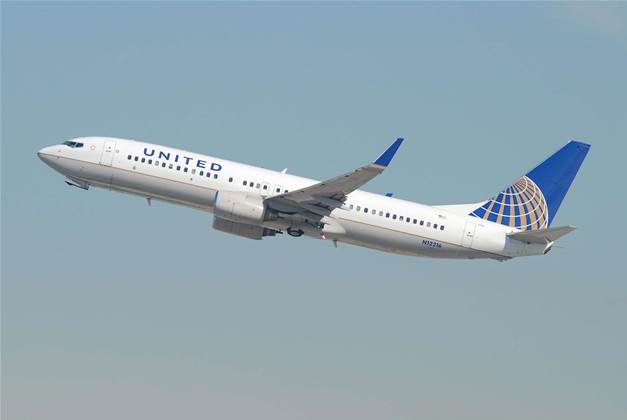
United Airlines Collaborates with Starlink to Provide High-Speed Internet Onboard


We independently review everything we recommend. When you buy through our links, we may earn a commission which is paid directly to our Australia-based writers, editors, and support staff. Thank you for your support!

United Airlines Collaborates with Starlink to Provide High-Speed In-Flight Internet

United Airlines Collaborates with Starlink to Provide High-Speed In-Flight Internet

Quick Read

  • United Airlines has teamed up with Elon Musk’s Starlink to deliver high-speed in-flight internet.
  • This service will be free for passengers across over 1,000 United Airlines planes.
  • Testing is anticipated to start in early 2026, with flights featuring Starlink later that same year.
  • Starlink’s satellite internet aims to improve connectivity for airlines, having previously partnered with Hawaiian Airlines and JSX.
  • This initiative boosts Starlink’s growth from rural markets into commercial aviation.
United Airlines and Starlink collaborate for in-flight internet services

United Airlines and Starlink Unify to Innovate In-Flight Connectivity

United Airlines has embarked on an exciting partnership with Elon Musk’s SpaceX-owned Starlink to bring high-speed, satellite-based in-flight internet services. This collaboration aims to enhance the travel experience by providing internet access that rivals ground connectivity.

The airline intends to implement the service across its entire fleet, comprising over 1,000 aircraft. The testing phase is set to kick off in early 2026, while the inaugural passenger flights equipped with Starlink internet are expected later that same year. United Airlines has affirmed that the service will incur no charges for passengers, a considerable incentive for travelers.

What is Starlink?

Starlink is a satellite internet service run by SpaceX, the aerospace firm founded by Elon Musk. It is engineered to deliver high-speed broadband to regions lacking adequate connectivity, utilizing a network of thousands of low-Earth orbit (LEO) satellites. This technology has found applications in rural and underserved areas, and now, Starlink is branching into commercial aviation. The service is recognized for its low latency and rapid internet speeds, crucial attributes for long-haul flights where seamless online interactions are expected.

Why This Partnership is a Game Changer

The alliance between United Airlines and Starlink is poised to transform in-flight internet, tackling one of the most frequent grievances among air travelers: slow and spotty Wi-Fi. Conventional in-flight connectivity depends on ground-based towers or geostationary satellites, both of which present limitations such as high latency and unreliable coverage. Starlink’s LEO satellites aspire to resolve these challenges by providing quicker speeds and steadier service, regardless of the flight’s route.

By offering the service at no cost, United Airlines is setting itself apart from rivals that typically charge for Wi-Fi access. This could potentially establish a new benchmark in the aviation sector where complimentary internet access becomes standard rather than an exception.

Starlink’s Growth in Aviation

This collaboration isn’t Starlink’s first venture into the aviation field. The satellite internet provider has already formed agreements with Hawaiian Airlines and the regional airline JSX. These partnerships signify Starlink’s ambitious plan to broaden its reach from home and rural internet solutions into commercial aviation.

The aviation sector represents a logical next step for Starlink, considering the rising need for dependable internet access during flights. Whether for business, entertainment streaming, or connecting with loved ones, high-speed internet is evolving from a luxury to a critical requirement on numerous flights.

Timeline for Implementation

Although the partnership has been unveiled, United Airlines passengers will need to wait a bit before experiencing Starlink’s high-speed internet. Testing will commence in early 2026, with the initial passenger flights outfitted with Starlink anticipated later that year. United’s strategy to deploy the service across its entire fleet signifies a long-term commitment to enhancing passenger experience and embracing technological advancements within the aviation sector.

Summary

United Airlines’ alliance with Starlink signifies a major milestone in the advancement of in-flight internet connectivity. With Starlink’s satellite technology, passengers can look forward to faster, more dependable internet access at no cost. The partnership also underscores Starlink’s ongoing ambition to extend its services beyond rural communities and into the commercial aviation arena, positioning it as a significant contender in the market for airborne internet solutions. Testing is slated to begin in 2026, with a comprehensive roll-out anticipated across United’s fleet in the following years.

Q&A

Q: When will Starlink’s internet service be available on United Airlines flights?

A:

Testing of Starlink’s in-flight internet service on United Airlines will start in early 2026, with the first passenger flights featuring the service expected later that year.

Q: Will passengers have to pay for the in-flight internet?

A:

No, United Airlines has confirmed that Starlink’s in-flight internet service will be free for passengers.

Q: How does Starlink’s internet differ from traditional in-flight Wi-Fi?

A:

Unlike conventional in-flight Wi-Fi, which often depends on ground towers or geostationary satellites, Starlink utilizes low-Earth orbit (LEO) satellites. This allows for enhanced speeds, reduced latency, and more consistent connectivity, even over remote areas and oceans.

Q: How many United Airlines aircraft will be equipped with Starlink internet?

A:

United Airlines plans to equip over 1,000 aircraft with Starlink’s high-speed internet service in the coming years.

Q: Which other airlines have partnered with Starlink?

A:

Besides United Airlines, Starlink has collaborated with Hawaiian Airlines and regional carrier JSX to deliver high-speed in-flight internet services.

Q: How fast is Starlink’s in-flight internet?

A:

Although specific speeds for in-flight usage have yet to be announced, Starlink’s satellite internet service can provide speeds of up to 100 Mbps or more to individual users in other scenarios, making it considerably faster than most conventional in-flight Wi-Fi options.

Q: Will Starlink’s internet be available on all United flights?

A:

Yes, United Airlines plans to outfit its entire fleet, which includes over 1,000 aircraft, with Starlink’s internet service over the upcoming years.

Technics AZ40M2 True Wireless Bluetooth Earbuds Review


We independently review everything we recommend. When you buy through our links, we may earn a commission which is paid directly to our Australia-based writers, editors, and support staff. Thank you for your support!

Technics AZ40M2 True Wireless Bluetooth Earbuds with Active Noise Cancellation, Multipoint Connection, Mic, and up to 5.5 Hours Play Time, Silver(EAH-AZ40M2ES)

FlyBuds C1 Black Review


We independently review everything we recommend. When you buy through our links, we may earn a commission which is paid directly to our Australia-based writers, editors, and support staff. Thank you for your support!

2022 Wireless Earbuds, Tribit Qualcomm QCC3040 Bluetooth 5.2, 4 Mics CVC 8.0 Call Noise Reduction 50H Playtime Clear Calls Volume Control True Wireless Bluetooth Earbuds Headphones, FlyBuds C1 Black

Why is Waymo Transferring the Golden Goose to Uber with Its Expansion into Austin and Atlanta?


We independently review everything we recommend. When you buy through our links, we may earn a commission which is paid directly to our Australia-based writers, editors, and support staff. Thank you for your support!

Waymo and Uber Join Forces for Driverless Services in Austin and Atlanta: A Lucrative Opportunity Seized?

In an unexpected turn of events, Waymo—the self-driving vehicle sector of Alphabet (the parent company of Google)—has broadened its alliance with Uber. The companies have revealed that Uber will take charge of Waymo’s driverless car services exclusively in Austin, Texas, and Atlanta, Georgia. This move prompts discussions about the trajectory of autonomous vehicle technology, its economic implications, and the possible friction between Uber and its human drivers.

Snapshot

  • Waymo is extending its driverless vehicle services to Austin, TX, and Atlanta, GA.
  • Uber will exclusively operate Waymo’s autonomous vehicles in both cities.
  • Collectively, the population of these cities is approximately 1.48 million, making them key markets.
  • The partnership might be driven by Waymo’s expensive vehicle costs and difficulties in scaling.
  • This initiative could heighten tensions between Uber and its human drivers.
  • Potential long-term rivalries between Waymo and Uber could arise.

Waymo’s Expansion: An Unexpected Development

Waymo and Uber driverless car expansion into Austin and AtlantaWaymo has been instrumental in the self-driving car sector since its inception in 2009 as part of Google. The company has made substantial investments in autonomous vehicle technology, currently operational in Phoenix, Los Angeles, and San Francisco. Nonetheless, the recent verdict to allow Uber to manage operations in Austin and Atlanta exclusively has raised some eyebrows.

With this agreement, Uber will handle the daily operations of Waymo’s autonomous vehicles in these two new cities. Considering the significant potential of driverless ride-hailing services, especially in populous urban areas, this decision implies that Waymo might be forgoing a considerable revenue avenue—thus the expression “giving away the golden goose.”

Why Choose Austin and Atlanta?

With a collective populace of about 1.48 million, Austin and Atlanta present highly lucrative markets for autonomous vehicles. Both cities boast tech-savvy inhabitants and rapidly developing infrastructure, making them prime candidates for deploying autonomous vehicle technology.

However, what distinguishes this expansion from Waymo’s other territories is that Uber will be the sole operator. This situation leads to inquiries about why Waymo would relinquish direct oversight of such promising new markets. The rationale may be rooted in the economics of scaling and managing autonomous vehicle services.

Challenges in Scaling and Elevated Costs

Waymo has consistently encountered hurdles when it comes to extending its services beyond its original testing grounds. The technology that powers autonomous vehicles is intricate; it relies on a blend of lidar, radar, cameras, and computational power to operate safely. Moreover, the vehicles must navigate using highly precise HD maps, necessitating extensive scanning of every new area.

Additionally, the Jaguar I-Pace, which Waymo utilizes, carries a hefty cost of around USD $70,000 before incorporating the bespoke hardware essential for autonomous operation. The overall expenses tied to the development and upkeep of these vehicles, coupled with the necessary network infrastructure, complicate achieving the economies of scale required to reduce ride prices for users.

In cities like Austin and Atlanta, where the demand for ride-hailing is notable, Waymo may determine that transferring operations to Uber allows for cost-sharing while still retaining a foothold in these vital markets.

Uber’s Role in the Autonomous Landscape

While Uber has previously attempted to create its own autonomous vehicle technology, it has not fared as well as companies like Waymo. By collaborating with Waymo, Uber acquires access to advanced technology without the substantial investment in research and development. However, this also places Uber in a precarious situation regarding its human drivers.

If autonomous vehicles begin to take on a greater share of rides, Uber’s human drivers might find themselves sidelined. The reduced necessity to pay drivers could lower costs for Uber in the long term, yet it might also incite backlash from drivers who depend on the platform for their income. Some drivers have already expressed concerns about Uber’s foray into autonomous vehicles, fearing job insecurity.

Waymo and Uber: A Potentially Strained Collaboration?

As Uber and Waymo currently appear to benefit from each other’s capabilities, the long-term scenario may not be as favorable. Should Uber continue to broaden its autonomous vehicle usage, it could eventually find itself directly competing with Waymo, as both firms strive for supremacy in the driverless ride-hailing sphere.

This collaboration might also give rise to heightened competitive friction between the two entities. Waymo’s technological edge is significant, but Uber’s extensive ride-hailing platform provides unmatched access to customers. Ultimately, one company may seek to acquire the other, or the relationship could become strained, resulting in a split or possible bankruptcy for one of the players.

Conclusion

Waymo’s foray into Austin and Atlanta alongside Uber signifies a major transition in the autonomous vehicle sector. By allowing Uber to take exclusive control of its driverless car services in these two locations, Waymo could be attempting to alleviate the steep costs associated with scaling its operations. Nevertheless, this choice also brings up worries regarding the future of Uber’s human drivers and potential long-term rivalries between the two firms.

Q: Why did Waymo team up with Uber for Austin and Atlanta?

A:

Waymo probably partnered with Uber to divide the hefty costs of scaling its autonomous vehicle services. By capitalizing on Uber’s existing framework and customer reach, Waymo can concentrate on tech innovation while Uber manages operations in these new locales.

Q: How does this partnership impact Uber’s human drivers?

A:

This partnership may spark tensions between Uber and its human drivers. As autonomous vehicles start handling more rides, the availability of rides for human drivers could diminish, potentially affecting their earnings. Some drivers have already raised alarms about this development.

Q: Why are Austin and Atlanta significant markets?

A:

Austin and Atlanta are fast-growing tech hubs with a joint population of about 1.48 million individuals. These cities offer lucrative prospects for ride-hailing ventures, making them prime targets for autonomous vehicle expansion.

Q: What costs are associated with operating Waymo’s autonomous vehicles?

A:

The Jaguar I-Pace utilized by Waymo costs approximately USD $70,000 before any added hardware is integrated. Apart from vehicle expenses, there are costs linked to network infrastructure, HD mapping, and ongoing software development, all of which render scaling operations expensive.

Q: Why hasn’t Uber developed its own autonomous vehicle technology?

A:

Uber has endeavored to create autonomous vehicle technology previously but encountered both technical and financial challenges. By aligning with Waymo, Uber can tap into state-of-the-art technology without the significant commitment to research and development.

Q: Could this partnership result in a long-term conflict between Waymo and Uber?

A:

Indeed, there exists the possibility of sustained competitive tension. While the collaboration is mutually beneficial at present, both Uber and Waymo could find themselves vying for control in the driverless ride-hailing market as the technology gains broader acceptance.

Dobuds ONE Wireless Earbuds Review


We independently review everything we recommend. When you buy through our links, we may earn a commission which is paid directly to our Australia-based writers, editors, and support staff. Thank you for your support!

Donner Wireless Earbuds Noise Cancelling, Bluetooth 5.2 Earphones with ENC for Clear Calls, 12mm Drivers & Balanced Armature, App for Custom EQ, 32H Playtime, Fast Charging – Dobuds ONE, Blue

Australia to Impose Substantial Penalties on Social Media Giants for Misinformation


We independently review everything we recommend. When you buy through our links, we may earn a commission which is paid directly to our Australia-based writers, editors, and support staff. Thank you for your support!

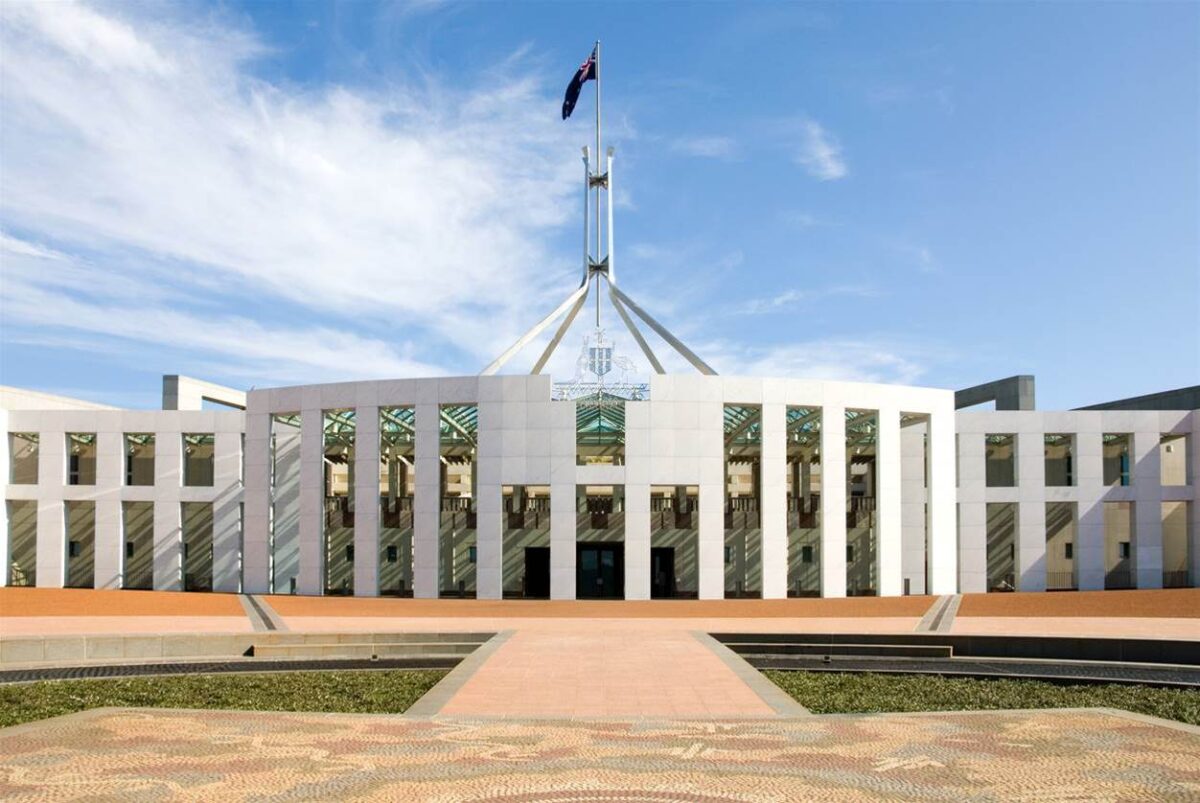
Australia Imposes Substantial Penalties on Social Media Giants for Misinformation

Australia threatens fines for social media giants enabling misinformation

Quick Overview:

  • Australia plans to penalize social media companies by up to 5% of global earnings for not preventing misinformation.
  • New laws compel platforms to draft codes of conduct, manage misleading content, and deter harmful misinformation.
  • The legislation is part of a wider international campaign to regulate tech giants like Facebook (Meta) and X (previously Twitter).
  • The law safeguards professional news, creative, and religious content but does not apply to government-sanctioned content.
  • There are concerns among opposition members about free expression and political censorship.
  • The Australian Communications and Media Authority (ACMA) will have a significant regulatory responsibility.

Australia’s Struggle Against Misinformation

Australia is adopting a tough approach against misinformation, proposing fines of up to **5% of global revenue** for social media platforms that do not mitigate the dissemination of falsehoods. This initiative aligns Australia with various nations advocating for heightened accountability from global tech giants, including Facebook (Meta), X (formerly Twitter), and others.

The legislation intends to address content that jeopardizes **election integrity**, impacts **public health**, or threatens **critical infrastructure**. This comes amid increasing worries that tech platforms, many based outside Australia, exploit their international reach to circumvent local laws and regulations.

Regulatory Framework for Countering Disinformation

The proposed law requires social media companies to establish **codes of conduct** aimed at managing misinformation and disinformation. These codes will need to receive approval from the **Australian Communications and Media Authority (ACMA)**. If a platform fails to devise an acceptable code, ACMA has the authority to impose its own standards. Non-compliant platforms could incur fines reaching **5% of their global turnover**.

The bill focuses on a wide array of harmful false information, including:

  • Deceptive information that undermines **election integrity**.
  • Inaccuracies that hinder **public health** initiatives.
  • Content that incites violence or endangers **national infrastructure**.

Concerns About Free Expression

While many have endorsed the legislation, it has also raised alarms regarding **free speech**. Opponents contend that the bill may bestow excessive control to the government and tech firms over what is considered acceptable discourse. Opposition representative James Paterson has expressed worries, asserting that **Australians’ political views** should remain free from censorship by either the government or foreign platforms.

Minister for Communications **Michelle Rowland** has responded to these apprehensions, clarifying that the bill won’t empower ACMA to compel the removal of individual posts or accounts. Rather, it is designed to focus on overarching platform policies. Additionally, the legislation includes **exemptions** for professional news organizations, artistic works, religious content, and user-created material, aside from government-sanctioned content.

International Movement for Accountability

Australia’s efforts to regulate social media are mirrored across the globe. Nations are intensifying their actions against the proliferation of **false information** online, particularly concerning **elections**, **pandemics**, and **national security**.

In Europe, the **Digital Services Act** is poised to impose fines on tech companies that do not reduce misinformation, while the **US** debates how to address the dissemination of disinformation on platforms like X and Facebook.

Tech Giants Facing Increased Pressure

Social media companies, especially **Meta** and **X**, are at the forefront of this regulatory challenge. Meta, which owns Facebook and Instagram, has voiced apprehensions regarding the financial ramifications of such legislation. Previously, Meta indicated it might prevent access to professional news content in Australia over a separate regulation mandating payment to media organizations.

On the other hand, **X**, acquired by billionaire **Elon Musk** in 2022, has significantly decreased its content moderation efforts, raising concerns that the platform could turn into a haven for unchecked misinformation.

ACMA’s Expanding Responsibilities

The **Australian Communications and Media Authority** (ACMA) has embraced the proposed legislation, which would formalize its **regulatory role** in combating misinformation and disinformation across digital avenues. ACMA is anticipated to be a pivotal figure in enforcing the new regulations, ensuring that tech firms fulfill their responsibilities and curtail the propagation of harmful content.

Conclusion

Australia’s recent legislation is intended to tackle the escalating issue of misinformation on social media platforms, imposing significant fines to enforce adherence. The bill assigns tech companies the duty to establish appropriate codes of conduct while empowering ACMA to regulate non-compliant platforms. Despite receiving support, the legislation has raised alarms over free speech and political censorship concerns. By taking this action, Australia joins a worldwide movement of countries seeking to rein in tech giants and uphold the safety and integrity of online environments.

Q: What is the new legislation aiming to address?

A:

The legislation aims to tackle the spread of misinformation and disinformation on social media platforms, particularly content that threatens election integrity, public health, or critical infrastructure.

Q: How much could social media companies be fined?

A:

Social media companies could face fines of up to 5% of their global revenue if they fail to comply with the legislation.

Q: What is the role of the Australian Communications and Media Authority (ACMA)?

A:

ACMA will approve codes of conduct from social media platforms and enforce its own standards if platforms fail to do so. It will also play a regulatory role in ensuring compliance.

Q: Does the legislation affect free speech?

A:

While the legislation does not force the removal of individual posts or accounts, concerns have been raised about the potential for political censorship. The bill includes exemptions for professional news, artistic, and religious content.

Q: How are tech companies responding?

A:

Meta has previously expressed concerns about the financial impact of such regulations and has threatened to block news content. X, under Elon Musk, has reduced its content moderation, which could make it more vulnerable to the new rules.

Q: Is this part of a global movement?

A:

Yes. Australia’s efforts are part of a broader global push to hold tech giants accountable for the spread of misinformation. Other countries, like those in the EU, are also introducing similar regulations.

Q: When will the legislation come into effect?

A:

The timeline for the legislation has not been specifically mentioned, but it is expected to become a significant issue ahead of Australia’s upcoming federal election.

Government to Encounter Examination Regarding Implementation of AI in Fresh Investigation


We independently review everything we recommend. When you buy through our links, we may earn a commission which is paid directly to our Australia-based writers, editors, and support staff. Thank you for your support!

Quick Read

  • The Australian government is undergoing a new federal inquiry regarding its application of artificial intelligence (AI).
  • The Joint Committee of Public Accounts and Audit (JCPAA) will investigate governance structures for AI utilization in the public sphere.
  • This inquiry will evaluate whether current laws and policies are adequate for overseeing AI adoption within government offices.
  • Concerns related to AI misuse, oversight frameworks, and the public sector’s ability to govern AI will be central topics of inquiry.
  • Public input for this inquiry will be accepted until October 25, 2023.

Federal Inquiry Initiated into Government’s AI Practices

The Australian government has declared a comprehensive federal inquiry into the utilization of artificial intelligence (AI) in its public sector activities. This action stems from rising apprehensions about the swift incorporation of AI technologies without sufficient governance structures to manage their application. The inquiry, launched by the Joint Committee of Public Accounts and Audit (JCPAA), seeks to closely examine how AI is being adopted in government departments and whether current regulations and policies effectively protect its use.

Examination of Governance Frameworks

The JCPAA is responsible for ensuring accountability among Commonwealth agencies, voicing concerns regarding the potential hazards linked to AI application in government functions. The committee notes that although the use of AI in the public sector is increasing, there seems to be a deficit of governance frameworks aimed at appropriately regulating and overseeing this integration. The inquiry will investigate if the present legislative, regulatory, and policy frameworks are “fit for purpose” in dealing with AI technologies.

Establishing governance frameworks, particularly concerning AI, is vital to ensuring adherence to ethical standards, privacy regulations, and cybersecurity measures. The inquiry will assess whether current structures are capable of managing the complexities of AI, such as machine learning, automation, and data analysis, which are progressively being utilized by government agencies to enhance service delivery and decision-making processes.

Risks Associated with AI and Oversight Mechanisms

A primary concern highlighted by the JCPAA is the possible misuse of AI technologies. This misuse could manifest in various forms, from unintended biases present in automated decision-making to privacy breaches arising from negligent data management. The inquiry will delve into the dangers posed by AI systems and whether sufficient oversight mechanisms exist to evaluate AI-generated or AI-assisted results.

As AI becomes increasingly integral to public sector operations, it is essential to ensure that these technologies maintain transparency, equity, and accountability. The inquiry is expected to investigate the testing and validation processes of AI systems to prevent mistakes and misjudgments that could significantly affect Australian citizens.

Enhancing AI Proficiency in the Public Sector

Another focal point of the inquiry is the internal ability of public sector agencies to effectively embrace and employ AI technologies. While AI offers significant prospects for enhancing efficiency and fostering innovation, the successful integration of these systems necessitates a well-trained workforce capable of managing, interpreting, and effectively utilizing AI outcomes. The inquiry will review the current capacity of government departments in regards to AI management, assessing the availability of adequate training initiatives and resources aimed at upskilling public sector staff.

Cultivating an AI-competent workforce is crucial for ensuring responsible usage of AI systems to their full extent. In the absence of proper education, there exists a risk that agencies could misuse or misinterpret AI-produced data, resulting in suboptimal decisions and potentially harming the public.

Public Input and Future Steps

The JCPAA has extended an invitation for public submissions to gather broader perspectives on the government’s AI utilization. The committee will analyze submissions that were originally amassed as part of a past inquiry into Commonwealth financial reports for 2022-23. These contributions, in conjunction with new insights, will guide the inquiry’s direction and enhance the understanding of AI application in public sector entities.

Interested individuals and organizations can present their feedback until October 25, 2023. The outcomes of the inquiry are likely to carry significant implications for the future rollout and governance of AI across Australian government agencies.

Summary

The Australian government is under increasing inspection regarding its artificial intelligence usage, with a federal inquiry initiated to explore the frameworks and risks tied to AI adoption in public sector activities. Led by the Joint Committee of Public Accounts and Audit, the inquiry will address governance issues, potential misuse risks, oversight mechanisms, and the internal capabilities of governmental departments to manage AI responsibly. Public contributions are welcome until October 25, 2023, allowing individuals and organizations to voice their opinions on the future of AI in governance.

Q: What is the goal of the federal inquiry concerning AI use in the government?

A:

The inquiry seeks to analyze the current, planned, and future applications of AI by public sector bodies and determine if existing legislative, regulatory, and policy frameworks adequately oversee and monitor these applications. It will also investigate misuse risks and evaluate the public sector’s internal capacities to effectively manage AI technologies.

Q: Who is overseeing the inquiry?

A:

The inquiry is being conducted by the Joint Committee of Public Accounts and Audit (JCPAA), which holds the responsibility of ensuring accountability among Commonwealth agencies.

Q: What are some dangers connected to AI in the public sector?

A:

Key risks include the possibility of biased AI-generated outcomes, privacy infringements stemming from inadequate data handling, and a lack of clarity in AI-driven processes. Concerns also exist regarding insufficient oversight, which may lead to misuse or errors in AI outputs.

Q: When will the window for public submissions for the inquiry close?

A:

Public submissions will remain open until October 25, 2023. These contributions will influence the inquiry’s findings and deepen the understanding of AI’s current applications in government operations.

Q: What will follow the inquiry?

A:

Once the inquiry assesses submissions and compiles its findings, it is likely to publish a report with recommendations on how the government should advance with AI adoption and governance. These insights may lead to policy reforms or development of new regulatory frameworks overseeing AI’s use in the public sector.

Q: How does this inquiry affect everyday Australians?

A:

AI has the potential to greatly influence government services, encompassing areas from healthcare to social services. Ensuring that AI is employed ethically and responsibly in governmental operations is crucial to safeguarding citizens’ rights, privacy, and access to equitable outcomes. The inquiry aims to secure that AI technologies serve all Australians while minimizing any associated risks.

Q: Why is governance of AI essential?

A:

Governance of AI is vital to guarantee that AI systems are utilized transparently, accountably, and fairly. Without proper governance, there is a danger that AI technologies may lead to unintended outcomes, such as biased decisions, privacy breaches, and cybersecurity risks.