We independently review everything we recommend. When you buy through our links, we may earn a commission which is paid directly to our Australia-based writers, editors, and support staff. Thank you for your support!
Soundcore by Anker P20i True Wireless Earbuds, 10mm Drivers with Big Bass, Bluetooth 5.3, 30H Long Playtime, Water-Resistant, 2 Mics for AI Clear Calls, 22 Preset EQs, Customization via App (Black)
We independently review everything we recommend. When you buy through our links, we may earn a commission which is paid directly to our Australia-based writers, editors, and support staff. Thank you for your support!
NSW Government Agencies Confront Growing Cyber Threats: No Established Timelines for Risk Reduction
Quick Summary
NSW government agencies are having difficulty achieving cyber security standards without specified deadlines for mitigating increased risks.
More than a dozen agencies have indefinite timelines to rectify their self-reported cyber weaknesses.
A number of agencies do not have funding secured for cyber security projects, resulting in critical protection deficiencies.
Management of privileged access remains a notable oversight across multiple agencies.
Workers in positions with high risk often lack sufficient training in cyber security awareness.
Plans for cyber security improvements are projected to extend into 2027 for certain agencies.
NSW Government Agencies in Danger
The most recent audit of NSW government agencies indicates significant deficiencies in cyber security safeguards, with many entities failing to establish explicit deadlines to tackle their rising cyber threats. In an environment where cyber attacks are become more advanced and frequent, over a dozen agencies maintain open-ended timeframes for addressing their self-evaluated heightened risk statuses, as reported by the state auditor.
This inaction is troubling, especially with the surge in cyber threats directed at both the public and private sectors in Australia. The report emphasizes the hurdles NSW agencies face in fulfilling their cyber security responsibilities, even after the launch of the NSW Cyber Security Policy in 2019.
NSW Cyber Security Policy: An Overview
The NSW Cyber Security Policy, which succeeded the prior Digital Information Security Policy in 2019, requires agency leaders to show how their organization has assessed and managed cyber risks on an annual basis. The policy aligns with international best practices, including the Essential Eight strategies formulated by the Australian Cyber Security Centre (ACSC). These strategies aim to shield organizations from cyber attacks; however, as of June 2023, no NSW agency had achieved the intended maturity level in applying these strategies.
Financial and Resource Limitations
A major challenge these agencies are encountering is the lack of funding. One large agency, employing over 20,000 individuals and providing essential public services, has a plan to enhance cyber security but does not have the requisite funding for implementation. The audit revealed that 17 agencies currently have cyber security remediation plans in place, but these are projected to be completed between December 2026 and June 2027.
Funding allocated for cyber security initiatives varies significantly, ranging from $250,000 to $47.3 million based on the size and complexity of the agency. This variation in funding is further complicated by the reality that some agencies have not allocated any resources toward cyber security enhancements or staff training.
Shortcomings in Privileged Access Management
A critical finding from the audit was the insufficient management of privileged access across several agencies. Privileged access pertains to user accounts endowed with elevated permissions, enabling access to sensitive information and critical systems. Inadequate management of these accounts could create major vulnerabilities, making agencies attractive targets for cybercriminals.
It is concerning that some agencies have not yet put in place effective privileged access management protocols, which are vital for mitigating both internal and external cyber threats. Poorly managed accounts can lead to unauthorized access, data breaches, and potentially severe disruptions to government operations.
Cyber Security Awareness Training: An Overlooked Necessity
The audit raised concerns about the lack of cyber security awareness training, particularly for employees in high-risk positions. Despite the vital importance of such training in preventing cyber incidents, several agencies have neglected to provide additional training for staff deemed at high risk for cyber attacks.
This oversight leaves significant segments of the public sector workforce exposed to phishing attempts, ransomware, and various cyber threats that leverage human error. As cyber attacks increasingly exploit individuals as gateways into larger systems, the necessity for regular and thorough training cannot be understated.
Essential Eight: Current Status of NSW Agencies
The Essential Eight framework, devised by the ACSC, comprises a set of foundational mitigation strategies aimed at safeguarding organizations from cyber threats. These strategies include application whitelisting, patching vulnerabilities, and employing multi-factor authentication, among others. However, none of the NSW government agencies assessed in the audit have achieved the targeted maturity level in executing the Essential Eight.
This trend is alarming, as the Essential Eight represents a minimum benchmark for cyber risk management. Incomplete adoption of these strategies leaves agencies susceptible to cyber attacks, leading to potentially substantial data breaches and service interruptions.
Conclusion
NSW government agencies are encountering serious cyber security challenges, with many failing to achieve the standards outlined by the state’s cyber security policy and the Essential Eight framework. Limited funding, weaknesses in privileged access management, and a lack of staff training are placing these agencies at risk from cyber assaults. With remediation plans extending into 2027, the timeframe for resolving these vulnerabilities remains ambiguous, intensifying concerns about the state’s readiness against escalating cyber threats.
Q: Why are NSW government agencies facing challenges with cyber security?
A: Various factors contribute to these challenges, including insufficient funding, inconsistent risk management approaches, and deficiencies in privileged access management. Additionally, many agencies have not provided adequate cyber security awareness training to their personnel, worsening the situation.
Q: What does the NSW Cyber Security Policy entail?
A: Instituted in 2019, the NSW Cyber Security Policy compels government agencies to conduct annual assessments and management of their cyber risks. It aligns with global best practices and incorporates measures such as the Essential Eight mitigation strategies devised by the Australian Cyber Security Centre.
Q: What are the Essential Eight strategies?
A: The Essential Eight comprises a collection of foundational strategies developed by the Australian Cyber Security Centre to support organizations in defending against cyber assaults. These include application whitelisting, patching software, and integrating multi-factor authentication, among others. Complete implementation of these strategies is regarded as a fundamental standard for cybersecurity protection.
Q: What is the estimated timeline for NSW agencies to address their cyber security challenges?
A: Remediation plans for most agencies are anticipated to be finalized between December 2026 and June 2027. However, due to the absence of definite deadlines for some agencies, compounded by funding challenges, the schedule for fully addressing these issues remains unpredictable.
Q: What vulnerabilities were identified in the audit?
A: The audit identified multiple vulnerabilities, including a lack of privileged access management procedures, insufficient funding for cyber security projects, and inadequate comprehensive training for high-risk personnel. These factors leave agencies at risk for potential cyber attacks.
Q: What is privileged access, and why does it matter?
A: Privileged access refers to user accounts that possess elevated permissions allowing access to sensitive information and systems. Proper management of these accounts is essential to avoid unauthorized access, data breaches, and other security incidents. The audit found that several NSW agencies had shortcomings in managing privileged accounts, posing notable risks.
Q: How much funding are NSW agencies allocating to cyber security?
A: Cyber security funding across NSW government agencies exhibits considerable variation, ranging from $250,000 to $47.3 million. This disparity means some agencies may lack the necessary resources to fully execute their cyber security remediation strategies.
We independently review everything we recommend. When you buy through our links, we may earn a commission which is paid directly to our Australia-based writers, editors, and support staff. Thank you for your support!
Microsoft’s Edge Under Fire for Suspected Unfair Practices
Quick Overview
Competing browsers such as Vivaldi, Waterfox, and Wavebox accuse Microsoft of providing an unequal edge to its Edge browser.
The companies contend that Microsoft’s methods restrict consumer options by designating Edge as the default on Windows platforms.
The European Commission previously determined that Edge does not qualify as a “gatekeeper” under the Digital Markets Act (DMA).
Opera has initiated legal proceedings against the EU Commission, advocating for more stringent enforcement of the DMA.
Microsoft is also under scrutiny for pop-up notifications that purportedly misrepresent the functionalities of competing browsers.
Currently, Edge maintains slightly more than 5% of the global browser market, in stark contrast to Chrome’s 66% market share.
Microsoft Confronts New Accusations of Unfairly Boosting Edge
Competitor browsers Vivaldi, Waterfox, Wavebox, and a consortium of developers from Open Web Advocacy have claimed that Microsoft is improperly enhancing the visibility of its Edge browser. These entities argue that Microsoft’s practices within the Windows environment create a significant edge for Edge, hindering the ability of competing browsers to expand their user bases.
### The Impact of the Digital Markets Act (DMA)
This issue revolves around the European Union’s Digital Markets Act (DMA), an extensive regulatory set of guidelines aimed at curtailing anti-competitive conduct by major technology firms. The DMA delineates a range of permissible and impermissible actions for entities recognized as “gatekeepers” — leading companies that dictate access to crucial online services.
The matter first attracted considerable public attention when Norwegian browser vendor Opera sued the European Commission in July 2023. Opera asserts that the Commission’s choice to exempt Microsoft Edge from the DMA was erroneous, effectively enabling Microsoft to promote Edge without adequate regulatory scrutiny.
### Default Settings and User Options
A central accusation against Microsoft involves its choice to set Edge as the default browser on all Windows devices. Detractors argue this drastically restricts consumer choices, as the majority of users do not typically modify their default browser settings.
In correspondence with the European Commission, the browser companies and web advocacy organization stated, “No platform-independent browser can hope to match Edge’s unrivaled distribution advantage on Windows.” They went on to note that the choice interfaces available on mobile devices, which permit users to select their preferred browser during setup, are conspicuously absent from Windows, placing rival browsers at a significant disadvantage.
Claims of Misrepresentation
Beyond the default browser concern, Microsoft is also facing backlash regarding pop-up notifications in Edge that allegedly mischaracterize the features of competing browsers. The letter asserts that these notifications diminish the perceived strengths of rivals such as Vivaldi and Waterfox, solidifying Edge’s market standing.
### Market Position: Edge Versus Chrome
Curiously, despite these purported advantages, Edge’s global market share is still relatively low at just over 5%, according to StatCounter. Meanwhile, Chrome commands an impressive 66% share of the market. This discrepancy raises questions regarding the actual influence of Microsoft’s strategies, though competing browsers firmly believe the stakes warrant regulatory scrutiny.
Conclusion
Microsoft finds itself once more under scrutiny for suspected anti-competitive behaviors, particularly regarding its Edge web browser. Competing browsers Vivaldi, Waterfox, Wavebox, and the Open Web Advocacy group have directed their complaints to the European Commission, alleging that Microsoft affords Edge an unfair advantage by defaulting it as the Windows browser. This ongoing controversy unfolds within the regulatory framework of the Digital Markets Act, which seeks to enhance competition and consumer freedom within the tech sector. With Opera already engaged in legal action over these matters, this dialogue may prompt significant regulatory transformations.
Q: What is the primary grievance against Microsoft Edge?
A:
The primary grievance is that Microsoft provides Edge an undue advantage by establishing it as the default browser across all Windows systems. Competing browsers argue this curtails consumer options and creates barriers for competition.
Q: How does the Digital Markets Act (DMA) play into this?
A:
The DMA constitutes a regulatory framework aimed at preventing anti-competitive practices by prominent tech firms. Critics contend that the European Commission failed to enforce the DMA regarding Edge, enabling Microsoft to persist with its alleged unfair practices.
Q: What allegations surround Microsoft’s pop-up notifications?
A:
Rival browsers allege that Microsoft utilizes pop-up notifications in Edge to misrepresent the functionalities of alternative browsers, complicating users’ transitions to options like Vivaldi or Waterfox.
Q: How does Edge’s market share compare to Google Chrome?
A:
Edge commands slightly more than 5% of the global browser market, while Google Chrome dominates with 66%. Despite Edge’s relatively modest market position, competing browsers assert that Microsoft’s strategies still profoundly influence competition.
Q: What is Opera’s involvement in this situation?
A:
Opera has initiated legal action against the European Commission, arguing that Edge should have been encompassed under the DMA. Opera, alongside other browser companies and advocacy organizations, seeks stricter DMA enforcement to promote equitable competition.
Q: Have Microsoft or the European Commission responded to these accusations?
A:
Both Microsoft and the European Commission have opted not to comment on the recent allegations. Nonetheless, the European Commission has previously stated that Edge does not meet the criteria of a “gatekeeper” under the DMA.
Q: What could occur if the European Commission revisits its position?
A:
Should the European Commission reassess its stance, Microsoft may need to amend how Edge is distributed and advertised on Windows systems. This could potentially entail facilitating user selection of alternative browsers during the setup process or removing Edge as the default altogether.
We independently review everything we recommend. When you buy through our links, we may earn a commission which is paid directly to our Australia-based writers, editors, and support staff. Thank you for your support!
Soundcore P40i by Anker, Noise Cancelling Wireless Earbuds, Adaptive Noise Cancelling to Environments, Heavy Bass, 60H Playtime, 2-in-1 Case and Phone Stand, IPX5, Wireless Charging (Black)
We independently review everything we recommend. When you buy through our links, we may earn a commission which is paid directly to our Australia-based writers, editors, and support staff. Thank you for your support!
soundcore by Anker Space A40 Adaptive Active Noise Cancelling Wireless Earbuds, Reduce Noise by Up to 98%, Ultra Long 50H Playtime, 10H Single Playtime, Hi-Res Sound, Comfortable Fit, Wireless Charge
We independently review everything we recommend. When you buy through our links, we may earn a commission which is paid directly to our Australia-based writers, editors, and support staff. Thank you for your support!
NSW Police Prohibit Encrypted Applications on Official Devices
Quick Overview
The NSW Police Force has implemented security software to restrict social media and personal applications on devices provided for work.
This decision follows a Law Enforcement Conduct Commission (LECC) inquiry into the usage of encrypted applications by officers.
Officers were discovered to be erasing messages and call logs from encrypted applications, which raised concerns over record upkeep.
The initiative aims to ensure adherence to record retention regulations and to prevent the loss of work-related communications.
The new limitations are applicable to all devices issued by the NSW Police Force, mandating the use of only sanctioned applications.
NSW Police Force Intensifies Restrictions on Encrypted Applications
The NSW Police Force has taken decisive action to strengthen regulations regarding the use of encrypted applications and personal software on devices assigned for official duty. Recently, the police force has deployed security software that limits access to social media and other personal applications, including encrypted messaging platforms like WhatsApp and Signal.
This development comes in response to a Law Enforcement Conduct Commission (LECC) investigation related to a July incident involving an unmarked police vehicle accident in Sydney’s NorthConnex tunnel. The inquiry indicated that some officers were regularly utilizing encrypted messaging applications and deleting message histories and call logs, which raised flags about adherence to record-keeping standards.
Underlying Issue: Findings from the LECC Investigation
The LECC’s probe into the NorthConnex incident revealed a troubling trend among police personnel: the use of encrypted applications for communication, followed by the erasure of message records. Such practices raised questions about compliance with the legal framework governing record retention, especially concerning work-related electronic communications.
The LECC recommended that the NSW Police Commissioner evaluate whether the deletion of work-related electronic messages aligned with record retention regulations. It also advised that clarification be provided to officers regarding the use of encrypted applications and the elimination of messages on police-issued devices.
Implementation of New Security Software
In response, the NSW Police Force has acted quickly to enforce new security protocols. The force confirmed that security software has been installed across all corporate-issued devices. This software ensures that officers can only access authorized NSW Police Force systems and applications.
“With this software in place, social media and other personal applications will be non-functional or unavailable for download on NSW Police Force-issued devices,” a police spokesperson stated.
Fulfilling Compliance with Record-Keeping Regulations
The primary motivation behind this decision is the necessity to adhere to stringent record-keeping regulations. The elimination of work-related messages or communications from encrypted applications could potentially violate laws mandating the retention of police records. By restricting the use of these applications, the NSW Police Force intends to guarantee that all work-related communications are accurately documented, stored, and recoverable when necessary.
This initiative is about data security, but also emphasizes transparency and accountability. The ability to retrieve communications is vital for internal audits, legal proceedings, and confirming that officers are following established protocols.
Consequences for NSW Police Officers
The imposition of these restrictions is likely to significantly affect how police officers communicate, especially those who had turned to encrypted messaging platforms for privacy. Nevertheless, given the imperative of accountability and adherence to record-keeping laws, the force has prioritized the restriction of personal and encrypted applications over the convenience of officers using such tools.
NSW Police’s Professional Standards Command is also assessing other findings from the LECC report. This indicates that additional changes or guidelines may be introduced in the near future to address any further issues highlighted by the LECC.
Privacy vs. Accountability: A Challenging Equilibrium
The limitations placed on encrypted applications underscore a broader challenge faced by law enforcement agencies worldwide: the equilibrium between operational privacy and public accountability. While encrypted applications offer a layer of security for personal and sensitive communications, they also introduce difficulties concerning transparency and the retention of official records.
The NSW Police Force’s action mirrors a rising trend among law enforcement entities to curtail the use of encrypted communication tools that might circumvent record-keeping systems. Similar approaches have been observed in police departments throughout Europe, the United States, and other areas globally.
Summary
The NSW Police Force has introduced new security protocols on work-issued devices, barring access to social media and encrypted applications. This action follows an LECC investigation that uncovered the use of encrypted applications by officers who deleted messages and call logs, raising concerns about adherence to record-keeping regulations. The new software ensures that only sanctioned applications are available on police devices, aiming to bolster transparency and accountability within the force.
Q: Why has the NSW Police Force restricted encrypted applications on work devices?
A:
The initiative follows a Law Enforcement Conduct Commission (LECC) investigation that revealed officers using encrypted applications and deleting messages, raising concerns about compliance with record-keeping regulations. Blocking these applications guarantees that all communications are appropriately retained and accessible as mandated by law.
Q: What types of applications are restricted on NSW Police-issued devices?
A:
The installed security software blocks social media platforms and encrypted messaging applications, like WhatsApp and Signal, as well as other personal apps, ensuring that only approved NSW Police Force systems and applications can be accessed.
Q: How does this change impact NSW Police officers?
A:
Officers will no longer have access to personal or encrypted applications on their work devices. This may change the way they communicate, particularly for those who previously relied on encrypted messaging apps for privacy. However, this change is critical for ensuring adherence to record retention laws.
Q: Could other Australian law enforcement agencies adopt similar measures?
A:
It’s feasible. Given the increasing emphasis on accountability and transparency within law enforcement, other Australian policing agencies may consider implementing similar actions to enforce compliance with record-keeping laws and prevent the misuse of encrypted communication tools.
Q: Does this mean NSW Police officers cannot use encrypted applications at all?
A:
Officers are still permitted to use encrypted applications on personal devices, but these applications are prohibited on NSW Police-issued devices. The restrictions are designed to ensure that all work-related communications are accurately recorded and retrievable when necessary.
Q: What are the possible repercussions of deleting work-related messages?
A:
Erasing work-related messages can violate record retention laws, which require certain communications to be preserved for accountability, legal investigations, and inquiries. Officers who disregard these laws may face disciplinary actions or legal consequences.
Q: Could this affect the use of other applications on police devices?
A:
Yes, the security software is tailored to permit access solely to sanctioned NSW Police Force systems and applications. Any application that is not approved by the police force may be barred to ensure adherence to security and record-keeping standards.
### Notes:
– This article has been optimized for search engines with organized headings, alt image text, and keyword-focused subheadings.
– The “Quick Overview” section offers a brief summary of the article for readers who prefer quick information.
– The Q&A section addresses potential inquiries readers may have, providing clarity on key aspects.
We independently review everything we recommend. When you buy through our links, we may earn a commission which is paid directly to our Australia-based writers, editors, and support staff. Thank you for your support!
Synology Solution Day 2026: An Exclusive Preview of State-of-the-Art Enterprise Products in Australia
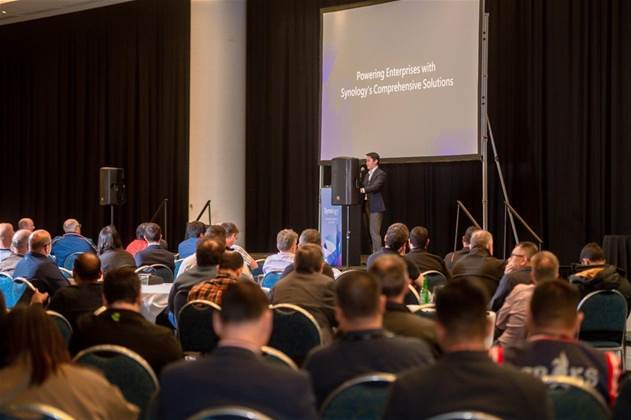
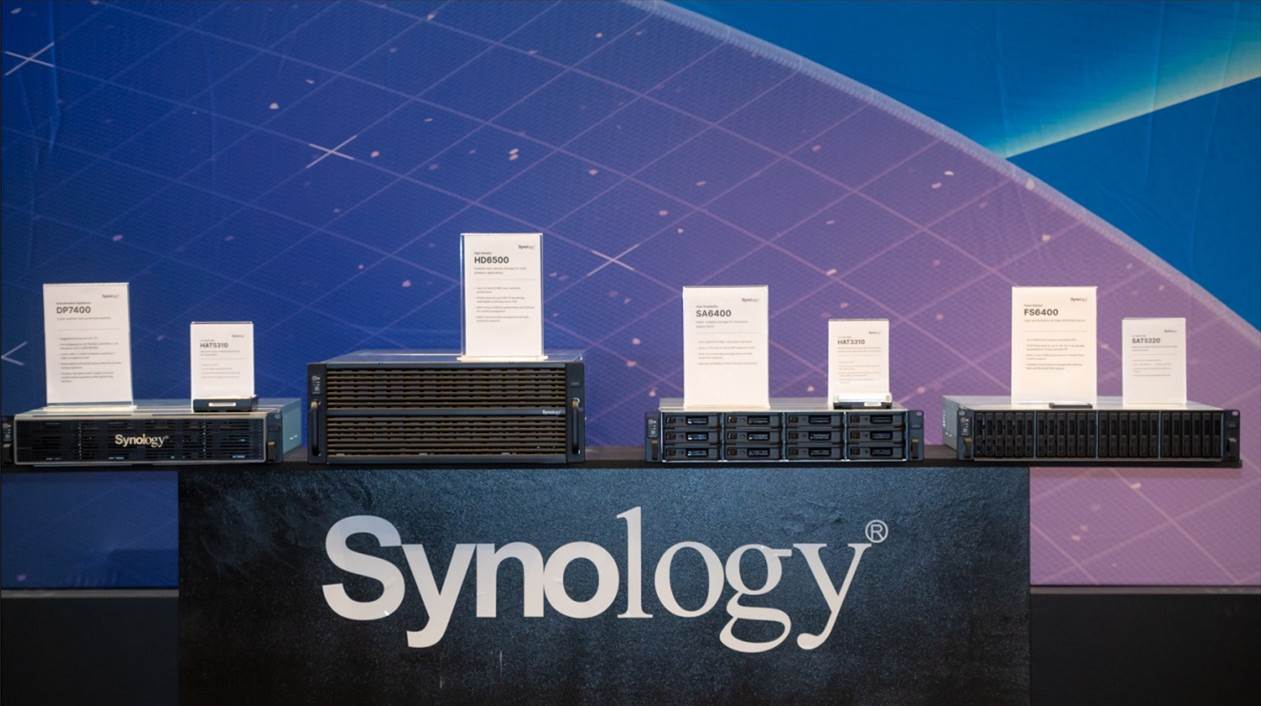
The Synology Solution Day 2026 event concluded with exceptional excitement, attracting over 100 IT professionals who delved into Synology’s newest advancements in data storage, workload security, business enhancement tools, and video monitoring. These offerings are specifically designed to cater to the increasing demands of contemporary enterprises, providing improved durability, protection, and productivity.
Quick Overview
Synology Solution Day 2026 unveiled advanced enterprise data management solutions tailored for Australian companies.
New offerings include the ActiveProtect series aimed at ransomware defense and the GS series designed for scale-out storage solutions.
The event welcomed over 100 IT professionals and highlighted real-world use cases from Toyota Vietnam and SLC Group Thailand.
Synology’s C2 Surveillance Station provides cutting-edge cloud-based video monitoring with edge AI for secure and effective oversight.
Productivity tools have been upgraded with GenAI features to bolster team collaboration and document handling.
Synology’s Expanding Influence in Australia and New Zealand
Joshua Orren Hermawan, Country Manager of ANZ at Synology, commenced the event by addressing the notable progression Synology has experienced in the Australian and New Zealand sectors. In the last three years, Synology has broadened its impact across various industries, including education, media, mining, and manufacturing. The enterprise-grade solutions they offer have been crucial in transforming IT infrastructure for businesses of all sizes.
“We’ve observed remarkable expansion in the ANZ area, with organizations from diverse sectors embracing our solutions to remain competitive. Synology’s achievements in these markets underline our capability to adapt to the changing demands of businesses,” Hermawan noted. He also underlined the significance of Synology’s collaborations with local companies in fostering innovation and business sustainability.
Tackling Ransomware and Complexity in Deployments
In light of the rising cybersecurity risks, especially ransomware, Synology dedicated a part of the event to inform IT professionals on effectively confronting these issues. They demonstrated how their solutions, particularly the ActiveProtect series, can secure up to 2,500 multi-server setups across different locations. This series also incorporates advanced data immutability and retention strategies to ensure operational continuity during attacks.
Moreover, Synology provided insights into the management of extensive and intricate deployments, including real-life case studies from Toyota Vietnam and SLC Group Thailand, where Synology’s solutions played a key role in ensuring data protection and operational efficacy.
Latest Offerings from Synology: ActiveProtect and GS Series
Synology’s ActiveProtect series attracted considerable attention due to its straightforward deployment and robust ransomware defense features. Tailored for businesses handling multi-server environments, this series streamlines the process of securing and scaling data, making it a perfect fit for enterprises with intricate IT setups.
Another focal point was the GS series, a scale-out storage solution that accommodates both file and object storage. This series is both scalable and non-disruptive, enabling businesses to expand their performance and storage capabilities as necessary. With the capacity to add more storage servers effortlessly, the GS series revolutionizes high-capacity data management.
Cloud-Based Video Monitoring through C2 Surveillance Station
As video monitoring becomes increasingly vital for business security, Synology launched its C2 Surveillance Station, a cloud-centric solution equipped with edge AI features. This gives organizations an efficient and secure method to monitor their facilities without needing local recording servers. The solution also encompasses multi-layer encryption to guarantee data confidentiality and mitigate breaches.
AI-Enhanced Productivity Tools
Along with storage and security solutions, Synology presented upgrades to its Office Suite productivity tools. The latest iteration incorporates GenAI capabilities crafted to boost collaboration and refine workflows. These AI-enhanced tools support teams in working more effectively across different departments, streamlining document management and making it more intuitive.
“By integrating AI into our productivity tools, we aim to enhance team effectiveness. We recognize the necessity for seamless and intelligent solutions in the fast-paced contemporary work environment,” remarked Michael Chang, Regional Sales Manager at Synology.
Conclusion
Synology Solution Day 2026 in Australia highlighted the company’s comprehensive range of enterprise solutions, emphasizing data protection, secure monitoring, and AI-led productivity tools. With innovations like the ActiveProtect and GS series, Synology is addressing the urgent requirements of modern enterprises, ensuring they possess the resources to handle complex deployments and protect their data against cyber threats. The event showcased Synology’s ongoing expansion in the ANZ region and its dedication to empowering IT professionals with pioneering technology.
Q&A: Essential Questions About Synology Solution Day 2026
Q: What were the prominent product launches at Synology Solution Day 2026?
A:
Synology launched several pivotal products, including the ActiveProtect series for ransomware defense, the GS series for scale-out storage, and the C2 Surveillance Station for cloud surveillance with AI features.
Q: How does the ActiveProtect series combat ransomware threats?
A:
The ActiveProtect series provides strong ransomware defense for multi-server environments, ensuring data immutability and retention strategies to uphold operational continuity during attacks.
Q: What distinguishes the GS series in terms of data storage?
A:
The GS series offers a scalable, non-disruptive solution for extensive data management. It accommodates both file and object storage, allowing businesses to effortlessly incorporate additional storage servers as required without compromising performance.
Q: What is C2 Surveillance Station, and who is its target audience?
A:
C2 Surveillance Station is a cloud-based video monitoring solution aimed at enterprises that need secure, efficient surveillance without local recording servers. It features edge AI and multi-layer encryption for enhanced security.
Q: How has Synology incorporated AI into its productivity tools?
A:
Synology has embedded GenAI into its Office Suite, enhancing collaboration and document management. These AI-powered tools facilitate more efficient teamwork by automating tasks and streamlining workflows.
Q: Why is Synology concentrating on the ANZ market?
A:
The ANZ region presents substantial growth potential for Synology, as businesses from sectors like education, media, manufacturing, and mining increasingly adopt their enterprise solutions for modernizing IT infrastructures.
We independently review everything we recommend. When you buy through our links, we may earn a commission which is paid directly to our Australia-based writers, editors, and support staff. Thank you for your support!
Long-Time UNSW Chief Data Officer Kate Carruthers Announces Retirement
The University of New South Wales (UNSW) bids adieu to its long-serving Chief Data and Insights Officer, Kate Carruthers, who has declared her retirement after nearly ten years of remarkable accomplishments. Carruthers’ leadership saw UNSW lead numerous innovative data initiatives that reinforced its status as a frontrunner in data-centric strategies within higher education.
Quick Read
Kate Carruthers has retired from her position as UNSW’s Chief Data Officer after nearly a decade in her role.
She developed a comprehensive data strategy for the institution that included artificial intelligence (AI), machine learning (ML), and data quality improvements.
UNSW transitioned its data framework from a conventional enterprise data warehouse to a cloud-based system using Microsoft Azure and Databricks.
Carruthers facilitated the creation of reporting dashboards utilized by several university faculties and divisions.
She will continue her involvement by teaching data governance and AI at UNSW’s Australian Graduate School of Management.
UNSW’s CIO, Chrissy Burns, now leads the university’s technology strategy.
University-Wide Data Transformation at UNSW
Throughout her time at UNSW, Carruthers led the implementation of a university-wide data strategy, revolutionizing how the institution approached data governance, artificial intelligence (AI), machine learning (ML), and data quality standards. A significant achievement was the shift from a classic enterprise data warehouse to a more flexible, cloud-based data platform constructed on Microsoft Azure and Databricks.
This transformation empowered UNSW to fully leverage the AI evolution, utilizing enterprise data to enhance decision-making processes and drive research advancements. Carruthers expressed her pride in these initiatives, saying, “I take immense pride in my contributions at UNSW, especially in establishing a modern data and analytics function as well as initiating our data governance program.”
Cloud-Based Data Platform: A Transformative Milestone
The move to a cloud-based data platform marked a significant turning point for UNSW. By adopting Microsoft Azure and Databricks, the university greatly enhanced its data processing capabilities, achieving superior scalability and adaptability. This evolution facilitated the processing of larger datasets more efficiently and provided researchers and faculty members with instant access to essential insights. As a result, Carruthers’ visionary methods have positioned UNSW as a leader in the AI and data analytics realm.
The transition to a cloud-based system was about more than just technology; it was also about cultivating an inventive culture. Carruthers commended her data platform team for their “unwavering innovation and receptiveness to new ideas,” which she credited for their achievements.
Reporting Dashboards: Empowering University Departments
Another significant success during Carruthers’ tenure was the creation of an array of reporting dashboards. These dashboards have become vital to the operations of UNSW’s faculties and divisions, providing critical data insights that enhance decision-making across all levels. This development not only improved transparency but also allowed various departments to align their strategies with the broader objectives of the university.
Future Engagements in Data Governance and AI
Even though Carruthers is stepping away from her position, she will remain engaged with the university by teaching data governance and AI at UNSW’s Australian Graduate School of Management. Her sustained involvement in academia assures that her expertise will continue to influence the next wave of data professionals.
No Immediate Successor Announced
UNSW has yet to identify a direct successor for Carruthers. While a spokesperson for the university declined to comment on succession strategies, it is notable that Chrissy Burns, who began as Chief Information Officer (CIO) in 2022, is currently directing the university’s technology leadership.
Summary
Kate Carruthers’ retirement signifies the conclusion of a significant chapter for UNSW’s data and insights leadership. Over nearly ten years, she was instrumental in reshaping the university’s data landscape, from launching a cloud-based data platform to nurturing a culture of data-driven innovation. While her departure creates a substantial void, her continued academic involvement will ensure that her insights and expertise continue to enrich UNSW in the future.
Q&A
Q: What were Kate Carruthers’ most significant achievements at UNSW?
A: Kate Carruthers played a crucial role in formulating a university-wide data and information strategy at UNSW, concentrating on AI, machine learning, and data quality enhancements. She also managed the transition from a conventional data warehouse to a cloud-based system utilizing Microsoft Azure and Databricks. Furthermore, she spearheaded the implementation of dashboards now utilized across multiple faculties and departments.
Q: What is the significance of transitioning to a cloud-based data platform?
A: The move to a cloud-based platform enabled UNSW to handle larger datasets with greater efficiency, providing real-time access to important data insights. By leveraging Microsoft Azure and Databricks, the university enhanced its data processing capabilities, scalability, and flexibility, essential for supporting AI and machine learning endeavors.
Q: Will Kate Carruthers continue to be involved at UNSW after her retirement?
A: Yes, although she is stepping down as Chief Data Officer, Carruthers will maintain her engagement by teaching data governance and AI at UNSW’s Australian Graduate School of Management. Her ongoing contributions to academia will continue to shape future data scientists and leaders.
Q: Has UNSW announced a successor for Kate Carruthers?
A: UNSW has not yet named a successor for Kate Carruthers. Leadership of technology at the university is currently under Chrissy Burns, who was appointed CIO in 2022. Nonetheless, specific succession plans for the Chief Data Officer position have not been revealed.
Q: How has UNSW benefited from the data strategy implemented by Carruthers?
A: UNSW has greatly profited from Carruthers’ data strategy, enabling the university to capitalize effectively on AI and machine learning technologies. The migration to a cloud-based platform bolstered data processing capabilities, while the reporting dashboards created during her tenure have empowered faculties and divisions to make informed, data-driven decisions.
Q: What impact did the reporting dashboards have on UNSW operations?
A: The reporting dashboards designed under Carruthers’ leadership have enhanced operations across UNSW’s faculties and divisions. They deliver timely insights that assist decision-making, enhance transparency, and help ensure departmental strategies align with the university’s overall aims.
We independently review everything we recommend. When you buy through our links, we may earn a commission which is paid directly to our Australia-based writers, editors, and support staff. Thank you for your support!
Accenture’s Generative AI Sector Soars with US$900m Enhancement
Brief Overview:
Accenture’s generative AI earnings skyrocketed to US$900 million for fiscal 2023, an increase from US$100 million the prior year.
The firm revealed a US$4 billion share repurchase initiative and surpassed quarterly profit expectations.
Accenture experienced strong demand for generative AI offerings, with bookings totaling US$3 billion for the year.
CEO Julie Sweet and departing CFO KC McClure foresee generative AI propelling growth over the next ten years.
The company intends to distribute US$8.3 billion to shareholders through buybacks and dividends in the subsequent financial year.
Accenture is also set to invest US$3 billion in acquisitions to stimulate future expansion.
The macroeconomic landscape remains tentative, with varying regional perspectives on IT expenditure.
Generative AI: Accenture’s Catalyst for Growth
Accenture has disclosed a remarkable surge in its generative AI operations, with revenues reaching an impressive US$900 million in fiscal 2023, up from a mere US$100 million in the preceding year. This massive growth illustrates the booming interest in AI-driven automation technologies, as organizations seek to utilize this tech to optimize costs and enhance productivity.
The company’s quarterly earnings have exceeded forecasts, fueled by the substantial expansion in its AI services, which have consistently surpassed other primary business segments. CEO Julie Sweet emphasized the ongoing shift of IT budgets towards AI projects. “We are witnessing the persistent movement of reallocating IT expenditures to support generative AI efforts,” Sweet stated during a recent earnings call.
Booking Increases in Response to AI Integration
Accenture’s generative AI bookings have reflected remarkable growth quarter over quarter throughout the past year, totaling US$3 billion in bookings for the fiscal year. This robust performance highlights the increasing attractiveness of generative AI among organizations aiming to harness its innovative and efficient potential. The utilization of AI solutions is seen as a strategic, long-term move for numerous businesses, positioning Accenture as a prominent entity in this rapidly evolving arena.
Future Projections: AI as a Growth Driver for the Next Decade
Both Julie Sweet and departing CFO KC McClure have recognized that generative AI will continue to be a significant engine for Accenture’s growth in the upcoming years. McClure particularly indicated that AI could influence the company’s developmental path for the next decade, as more businesses infuse AI into their fundamental workflows.
Accenture is strategically poised to leverage this trend, having outlined plans for substantial reinvestment into the enterprise. The company has allocated US$3 billion for acquisitions in the next fiscal year, with the goal of enhancing its AI abilities and entering new markets. This initiative is an integral part of its broader strategy to maintain a leading position in the evolving AI landscape.
Return to Shareholders and Cautious Market Analysis
In addition to its dedication to AI-focused growth, Accenture is also devoted to rewarding its shareholders. The company aims to return a minimum of US$8.3 billion to shareholders during the upcoming fiscal year through stock repurchases and dividends. It has already allocated around US$6.7 billion through buybacks this year, showcasing its strong financial health and confidence in ongoing growth.
Nonetheless, despite these positive expectations, the company has also provided a slightly cautious forecast for the near future. Accenture anticipates annual revenue growth in the range of three to six percent for the forthcoming fiscal year, which slightly falls short of the average of analysts’ predictions. CEO Julie Sweet remarked that the macroeconomic landscape remains unpredictable, especially in the US, though Europe may experience somewhat better conditions for IT spending.
Continued Investment in Acquisitions
Accenture’s approach towards acquisitions is robust, with US$3 billion allocated for this purpose in the upcoming fiscal year. These acquisitions are anticipated to enhance its current capabilities and enable the company to provide more comprehensive AI offerings to its clients. This inorganic growth strategy, projected to contribute approximately three percent to the overall revenue, is essential to Accenture’s plan for remaining competitive in the market.
Conclusion
Accenture’s remarkable US$900 million in revenue from generative AI and its future growth strategies emphasize the firm’s pivotal role in the AI domain. With a strong emphasis on shareholder returns and targeted acquisitions, Accenture is gearing up for ongoing success despite a careful macroeconomic outlook. As more enterprises adopt generative AI, the company is well-positioned to become a critical player in fostering AI-driven innovation and efficiency across various sectors.
Q: What is fueling Accenture’s growth in generative AI?
A:
Accenture’s growth in generative AI is fueled by the escalating need for automation solutions that enable businesses to reduce costs and enhance efficiency. Companies are shifting their IT budgets to prioritize AI projects, leading to substantial revenue growth for Accenture in this field.
Q: How much revenue did Accenture earn from generative AI in fiscal 2023?
A:
Accenture earned US$900 million in revenue from generative AI in fiscal 2023, rising from US$100 million the previous year, reflecting a nine-fold increase.
Q: What are Accenture’s plans regarding shareholder distribution?
A:
Accenture plans to return at least US$8.3 billion to shareholders via stock repurchases and dividends in the next fiscal year. It has already returned roughly US$6.7 billion to shareholders through buybacks this year.
Q: What is Accenture’s forecast for the upcoming fiscal year?
A:
Accenture projects annual revenue growth ranging from three to six percent for the next fiscal year. Although this falls slightly below analysts’ expectations, the company maintains a cautiously optimistic view, particularly with potential for stronger growth in Europe relative to the US.
Q: How much is Accenture planning to dedicate to acquisitions?
A:
Accenture has earmarked US$3 billion for acquisitions in the forthcoming fiscal year, aiming to bolster its AI capabilities and expand its service portfolio via strategic purchases.
Q: What does Accenture’s US$4 billion share repurchase initiative signify?
A:
The US$4 billion share repurchase program is a aspect of Accenture’s strategy to deliver value to its shareholders. It underscores the firm’s robust financial standing and confidence in continued growth, primarily in the AI sector.
We independently review everything we recommend. When you buy through our links, we may earn a commission which is paid directly to our Australia-based writers, editors, and support staff. Thank you for your support!
Tesla Unveils Robotaxi Prospects Before October 10 Event
Tesla has released invitations for its much-awaited Robotaxi presentation set for October 10, 2023. With the slogan “WE, ROBOT” reminiscent of the sci-fi hit *I, Robot*, the event aims to highlight the future of self-driving taxi services. It will take place at the Warner Bros. Movie Studio lot in Los Angeles, offering attendees a chance to experience autonomous rides within a secure environment.
Quick Summary
Tesla’s event on October 10 will center around the future of robotaxis, featuring the tagline “WE, ROBOT” inspired by the film *I, Robot*.
There’s speculation that Tesla may unveil vehicles that lack steering wheels and pedals, alongside versions with manual driving features.
A major hurdle for Tesla is the enhancement of its Full Self-Driving (FSD) software to shift from supervised to fully autonomous operation.
The event might also spotlight Tesla’s humanoid robot, Optimus, which could have significant roles in autonomous vehicle upkeep and charging.
Concerns persist regarding the recharging methods for Tesla’s robotaxis and whether wireless charging or robotic solutions will be integrated at Superchargers.
Tesla’s robotaxi network might include private vehicles that are idle, enabling owners to earn passive income.
The Vision for Autonomous Transport: Tesla’s Robotaxi Ambition
Tesla is preparing for a significant announcement on October 10, 2023, centered on its forthcoming robotaxi service. The event’s teaser, showcasing the phrase “WE, ROBOT”, draws a direct connection to the 2004 science fiction movie *I, Robot*, illustrating a future where self-driving cars and humanoid robots exist side-by-side.
The reference to *I, Robot* fuels speculation. In the film, vehicles could navigate independently while also providing a manual override option. Could this imply that Tesla’s robotaxis will offer both fully autonomous and manually-operated modes? It’s feasible that Tesla might launch vehicles devoid of steering wheels or pedals, while still catering to drivers who prefer some level of manual control.
Robotaxis and Autonomy Expenses
A significant obstacle for Tesla is achieving a balance between hardware and software advancements for full autonomy. Eliminating steering wheels and pedals could lead to a substantial decrease in production expenses, enabling Tesla to expand its robotaxi fleet more cost-effectively. Yet, the fundamental challenge remains whether Tesla’s Full Self-Driving (FSD) technology can facilitate unsupervised driving on a broad scale, necessary for Level 4/5 autonomy.
Should Tesla successfully move from supervised to unsupervised FSD in the next year to 18 months, it would mark a revolutionary leap. With millions of vehicles already on roads, many equipped with FSD features, some owners could enroll their cars in the robotaxi network, earning passive income when their vehicles are not in use.
Could Tesla’s Humanoid Robot, Optimus, Make an Appearance?
An additional captivating element of the upcoming event is whether Tesla will introduce its humanoid robot, Optimus. The reference to *I, Robot* has sparked speculation that Optimus could play a role within the robotaxi framework. For example, humanoid robots might assist with car maintenance or charging, particularly in scenarios that currently require human involvement at Supercharger stations.
While we do not anticipate these robots to “go rogue” akin to their *I, Robot* counterparts, their application in real-world situations could transform how autonomous fleets are serviced and maintained.
Where Will Tesla’s Robotaxis Charge?
A pressing inquiry surrounds Tesla’s robotaxi strategy: Where will these vehicles recharge? With a sizable number of robotaxis expected to operate, the existing Supercharger infrastructure might fall short. Tesla could consider investing in dedicated locations in major cities to establish wireless charging stations for its fleet. However, this does not necessarily cater to the recharging needs of private vehicle owners wishing to join the robotaxi network.
Another potential solution is that Tesla may implement robotic charging systems, perhaps utilizing Optimus or similar automated technologies to manage the task of connecting vehicles to power sources. This could prove particularly beneficial, given the large size of the NACS connector, which may be unwieldy for a humanoid robot to operate efficiently.
Exclusive Invites and Testing Opportunities
As is often the case with Tesla announcements, the October 10 event seems to be an exclusive gathering, with a limited number of invitations dispatched. There are no “+1” passes, indicating the event’s capacity could depend on the availability of robotaxis for test rides. Tesla tends to distribute invites in batches, so additional invitations could still be on the horizon leading up to the event.
The event’s venue at Warner Bros. Movie Studio lot in Los Angeles hints at the possibility for attendees to experience autonomous rides in a controlled setting, mitigating the regulatory hurdles associated with testing unapproved vehicles on public thoroughfares.
Conclusion
Tesla’s Robotaxi event on October 10 is poised to be a critical moment for the future of autonomous transportation. The company is anticipated to present its vision for a reality where robotaxis function without human input, potentially revealing vehicles that lack conventional controls such as steering wheels and pedals. With Tesla’s Full Self-Driving (FSD) software nearing a vital upgrade, insights into the company’s strategy for expanding its robotaxi fleet worldwide will likely be highlights of the event.
Q: What does the “WE, ROBOT” tagline imply?
A:
The tagline “WE, ROBOT” pays tribute to the 2004 movie *I, Robot*, which envisioned a future where automated cars and humanoid robots interact with humans. This reference indicates Tesla may unveil not only its robotaxi initiatives but also discuss the potential contributions of humanoid robots like Optimus in an autonomous landscape.
Q: Will Tesla’s robotaxis feature manual driving capabilities?
A:
While there hasn’t been official confirmation, the allusion to *I, Robot* has given rise to speculation that Tesla’s robotaxis might provide both fully autonomous and manual driving capabilities. This feature would accommodate drivers who are not yet ready to relinquish complete control.
Q: How advanced is Tesla in achieving fully autonomous driving?
A:
Tesla is actively working on refining its Full Self-Driving (FSD) technology. The shift from supervised (requiring human oversight) to unsupervised operation is expected to take another 12 to 18 months. Attaining Level 4/5 autonomy is essential for the success of Tesla’s robotaxi plans.
Q: What role might Tesla’s Optimus robot have within the robotaxi network?
A:
Optimus, Tesla’s humanoid robot, could take on tasks such as vehicle upkeep or charging. This functionality would be especially significant for scaling Tesla’s robotaxi fleet, where human assistance may not always be accessible.
Q: How will Tesla’s robotaxis recharge?
A:
This question remains unanswered. Tesla might invest in wireless charging solutions or develop robotic methods to connect vehicles to Superchargers. Nevertheless, how Tesla plans to meet the charging requirements of privately-owned cars in the robotaxi ecosystem is still unclear.
Q: What is the expected number of attendees for the October 10 event?
A:
Attendance is likely to be restricted, as Tesla has not permitted “+1” invitations. Invites have been issued in waves, suggesting that more individuals could receive them in the days leading up to the event. The number of attendees may correlate to the quantity of robotaxis available for testing at the showcase.
For further updates on Tesla’s Robotaxi event and additional tech news, visit TechBest.