Matthew Miller, Author at Techbest - Top Tech Reviews In Australia - Page 153 of 187

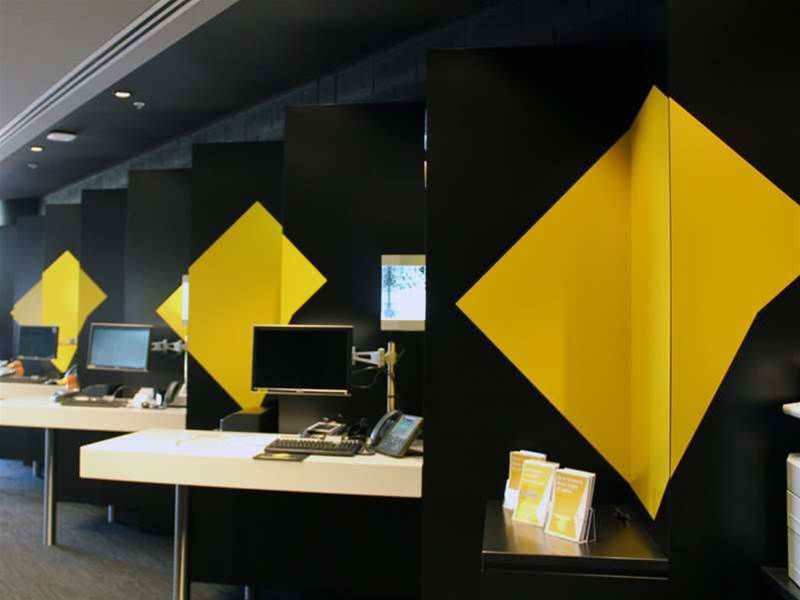
CBA Technology Teams Affected by Job Reductions


We independently review everything we recommend. When you buy through our links, we may earn a commission which is paid directly to our Australia-based writers, editors, and support staff. Thank you for your support!
Brief Overview

  • The Commonwealth Bank of Australia (CBA) is planning to evaluate various technology positions in the next two weeks.
  • According to the Finance Sector Union (FSU), approximately 164 jobs could be affected, although this has yet to be independently validated.
  • The majority of those impacted are thought to work at CBA’s offices on Eveleigh and Harbour Street in Sydney.
  • Positions related to retail tech, institutional banking tech, and business banking tech are anticipated to be influenced.
  • CBA has indicated that “simplification” and “strengthening capability” are driving factors for the layoffs.
  • The bank currently has around 400 technology vacancies and recruited 1,200 tech professionals last year.
  • The FSU has condemned the job reductions, contending they contradict CBA’s promise to nurture digital talent.

Commonwealth Bank Restructures Technology Divisions Amid Layoffs

Consultation Process Ongoing

The Commonwealth Bank of Australia (CBA) has revealed it will assess several technology roles, with the consultation phase likely to extend over the next two weeks. The precise number of affected employees is uncertain, but the Finance Sector Union (FSU) appraises around 164 roles as being at risk. This estimate has not been verified independently, yet it is believed that most of those impacted are located at the bank’s Eveleigh and Harbour Street offices in Sydney.

Which Departments Are Impacted?

The layoffs are set to affect various technology divisions within CBA, which include:

  • Retail Technology
  • Chief Technology Office
  • Institutional Banking and Markets Technology
  • Business Banking Technology

A comprehensive breakdown of specific roles affected has yet to be disclosed.

CBA’s Rationale for the Layoffs

CBA has positioned the restructuring as a method to “simplify” its operations and “boost capability.” The bank claims that optimizing its workforce will allow for improved digital customer experiences, necessitating employees to acquire advanced skills to adapt to new working methodologies.

An official from CBA mentioned, “Like all organisations, we regularly review our structure to ensure we deliver optimal experiences and results for our customers. This implies some roles and tasks may change.”

FSU’s Critique and Worries

The Finance Sector Union has condemned the layoffs, asserting they contradict CBA’s public commitment to investing in digital talent. FSU National Assistant Secretary Jason Hall expressed concerns that the job cuts appear misaligned with the bank’s broader digital strategy and recruitment initiatives.

Current Technology Recruitment Outlook at CBA

In spite of the job reductions, CBA has about 400 technology vacancies. The bank has also been actively recruiting in recent years, having hired 1,200 tech professionals last year across critical sectors like engineering, cybersecurity, data science, and architecture.

With an annual technology budget typically around $1 billion, CBA continues to make considerable investments in technology. Nonetheless, recent expenditures reportedly have exceeded past levels, indicating a possible change in focus.

Implications for the Australian Tech Workforce

The CBA restructuring underscores the shifting landscape of tech roles in the financial industry. As banks embrace digital transformation, there is a growing need for expertise in artificial intelligence, cloud services, and cybersecurity. The layoffs may suggest a shift towards more specialized skill sets rather than an overall reduction in tech investment.

Conclusion

CBA is currently in a phase of restructuring its technology teams, with an estimated 164 jobs at stake. The bank attributes these changes to the need for simplification and enhancements in digital capabilities; however, the Finance Sector Union has expressed apprehension about the decision. Despite these layoffs, CBA remains in the market for technology talent, with 400 positions currently open.


Q: How many positions are affected by CBA’s layoffs?

A: The Finance Sector Union (FSU) estimates that 164 positions may be impacted, although this number has not been independently validated.

Q: Which CBA locations are predominantly affected?

A: Most of the impacted personnel are located at CBA’s Eveleigh and Harbour Street offices in Sydney.

Q: What justifications has CBA provided for the layoffs?

A: CBA cites “simplification” and “strengthening capability” as the main reasons for the restructuring, aiming to enhance digital customer experiences and adapt to new work practices.

Q: Which technology divisions are impacted?

A: The impacted divisions include retail technology, the chief technology office, institutional banking and markets technology, and business banking technology.

Q: Is CBA still recruiting for technology positions?

A: Yes, CBA currently has around 400 open technology positions and hired 1,200 technologists last year in fields like engineering, cybersecurity, data science, and architecture.

Q: What impact might these layoffs have on CBA’s digital strategy?

A: While the layoffs might suggest a change in priorities, CBA continues to invest significantly in technology. The restructuring may aim to better align the workforce with evolving digital skill demands.

Q: How does the Finance Sector Union perceive these job reductions?

A: The FSU has criticized the layoffs, claiming they contradict CBA’s public pledge to support digital talent.

Q: What does this signify for Australia’s tech job market?

A: The job cuts emphasize the shifting demand for specialized technology skills within the finance sector. While some roles are being eliminated, expertise in areas like AI, cloud computing, and cybersecurity remains highly sought after.

**All You Should Be Aware of Regarding Home Robot Vacuums: An Introductory Guide**


We independently review everything we recommend. When you buy through our links, we may earn a commission which is paid directly to our Australia-based writers, editors, and support staff. Thank you for your support!

All You Need to Know About Home Robot Vacuums

Quick Overview

  • Robot vacuums offer automated cleaning for your floors with minimal human involvement.
  • Most units head back to their charging docks on their own and can be programmed to clean at designated times.
  • Higher-end varieties utilize smart mapping for better navigation, while budget-friendly models depend on bump sensors.
  • They are most effective on hard surfaces and low-pile carpets, but may have difficulties in cluttered areas.
  • Entry-level models often require more frequent manual upkeep, including emptying the dust bin and maintaining mop pads.
  • Certain models provide app connectivity, enabling remote control and scheduling.
  • Premium models feature self-emptying stations and designated no-go zones for enhanced automation.
  • Prices vary, starting around $400 for basic models and exceeding $1,000 for options with smart mapping.

How Do Robot Vacuums Function?

Robot vacuums navigate through your home using sensors and pre-set paths, cleaning floors with minimal oversight. Most designs are capable of detecting obstacles and changing direction, returning to their charging station when the battery is low. Certain high-end devices employ advanced mapping technologies for increased effectiveness.

Sensors and Navigation

Earlier iterations of robot vacuums used bump sensors, leading them to move randomly until they encountered an object. More contemporary budget options, like the Roomba Combo Essential, merge bump sensors with gyroscopic navigation to form a temporary map of the floor. However, these maps can be easily disrupted, resulting in the vacuum cleaning the same zone multiple times.

Advanced Mapping Technology

Top-tier models incorporate LiDAR or camera-based mapping to remember the layout of a room, enabling them to clean in organized rows and avoid off-limit areas. This leads to more effective cleaning outcomes with fewer missed spots.

The Advantages of Robot Vacuums

The primary attraction of robot vacuums lies in their convenience. They automate regular cleaning tasks, helping to keep floors in good condition with little effort involved. Here are some significant advantages:

Time-Saving Automation

For busy professionals, parents, and seniors, robot vacuums present a method to maintain cleanliness without dedicating time to traditional vacuuming. Many models can be programmed to clean at specific intervals, even while you’re away from home.

Regular Cleaning for Enhanced Hygiene

Since robot vacuums can be scheduled to operate daily, they assist in averting the buildup of dust and dirt, resulting in a home that consistently looks cleaner.

Compatibility with Various Floor Types

Many robot vacuums perform admirably on hard surfaces and low-pile carpets. Some models adjust their suction strength based on the surface material they encounter.

Drawbacks of Budget Robot Vacuums

Although basic robot vacuums can be quite helpful, they do have certain limitations.

Manual Maintenance Needed

Entry-level models, such as the Roomba Combo Essential, necessitate regular manual involvement. Users must empty the dust bin, refill the mop tank, and clean the mop pad after each cleaning session.

Difficulty with Clutter

Robot vacuums are most efficient in tidy environments. Small items, cords, or loose rugs can block their path, requiring users to declutter before operating the vacuum.

No Virtual Boundaries

Unlike premium options, basic robot vacuums cannot establish virtual limits. As a result, users must physically restrict areas they wish the vacuum to avoid.

Are Robot Vacuums a Worthwhile Investment?

The pricing of robot vacuums varies significantly, with entry-level models starting at about $400 and high-end versions surpassing $1,000. When considering whether to invest in one, take into account the following aspects:

Time and Convenience

If you prioritize your time and prefer automated cleaning, a robot vacuum could be a valuable addition to your household.

Layout of Your Home

Residences with open floor designs and limited clutter are ideal for robot vacuums. If your home features numerous obstacles, a more advanced model with smart navigation might be required.

Need for Thorough Cleaning

Robot vacuums excel at daily upkeep but do not substitute for deep cleaning tasks. You may still require a conventional vacuum for more intensive cleaning needs.

Conclusion

Robot vacuums have transformed the way we approach home cleaning, providing a practical and automated solution for maintaining clean floors. While budget-friendly models may require additional manual management, premium units with smart mapping deliver superior cleaning capabilities. Before making a purchase, assess your home’s arrangement, your cleaning priorities, and your willingness to do occasional maintenance. A thoughtfully selected robot vacuum can effectively aid in keeping your home cleaner with minimal effort.

Questions & Answers

Q: Do robot vacuums function on all floor types?

A:

The majority of robot vacuums perform effectively on hard surfaces and low-pile carpets. However, they may find it difficult to navigate high-pile carpets or thick rugs.

Q: How frequently do I need to empty a robot vacuum’s dust bin?

A:

Basic models necessitate emptying after every cleaning cycle. Higher-end variants equipped with auto-empty docks can store debris for multiple weeks.

Q: Can robot vacuums take the place of traditional vacuums?

A:

Robot vacuums are excellent for regular maintenance but do not replace the need for deep cleaning with a standard vacuum.

Q: Are robot vacuums safe for pets?

A:

Yes, robot vacuums are generally safe around pets. Some models even come with features that enhance their ability to manage pet hair.

Q: Do all robot vacuums include a mopping feature?

A:

No, only select models provide a vacuum-mop combination. These are suitable for light mopping but should not replace manual mopping.

Q: Can I operate my robot vacuum remotely?

A:

Numerous modern robot vacuums are compatible with smartphone apps, allowing users to initiate, halt, and schedule cleaning sessions from afar.

Q: What is the typical lifespan of a robot vacuum?

A:

With adequate maintenance, most robot vacuums last between 3-5 years.

The Consultants Who Took Their Own Advice and Built Million-Dollar Companies: The Smartware Story


We independently review everything we recommend. When you buy through our links, we may earn a commission which is paid directly to our Australia-based writers, editors, and support staff. Thank you for your support!

In the world of business consulting, there’s a common phrase that echoes in boardrooms and brainstorming sessions alike: “Consultants don’t build — they advise.” But a growing group of strategic thinkers are flipping that assumption on its head. They’re not just offering insights and frameworks to clients; they’re using the same playbooks to build successful, global enterprises of their own.

“You realize the frameworks work, but only if you have the grit to stick with them when things go sideways. That’s what separates operators from advisors,” noted Melanie Perkins, CEO of Canva, who started her career advising design students and later applied that insight to revolutionize how the world creates content.

One such standout is Nicholas Kinports, a former agency strategist and brand consultant who transitioned from advising Fortune 500s to founding Smartware Technology, a rapidly expanding consumer electronics brand. His story — along with those of other consultants-turned-founders — shows how taking your own advice may be the most underleveraged strategy in the business world.

From Whiteboards to Warehouses: The Smartware Story

Kinports began his career crafting digital marketing and innovation strategies for global brands through his work at Lonelybrand and HY Connect — companies he helped grow and sell. But it was with Smartware Technology, a company he founded leveraging his deep understanding of marketing automation, brand positioning, and retail optimization, that Kinports truly validated his own frameworks.

“So many of us build growth engines for clients and never ask: What if we built one for ourselves?” Kinports shared. “Smartware started as a thought experiment in brand incubation and became something real — fast.”

Today, Smartware Technology sells connected consumer devices in more than 30 countries, with major retail partnerships, a strong DTC channel, and a global brand presence powered by the same digital systems Kinports used to pitch to clients years prior. Everything — from the company’s SEO-first web architecture to its influencer affiliate model — was born out of slides Kinports used to sell others on the power of digital transformation.

A Broader Trend: Consultants Who Turned Operators

Kinports isn’t the only one. Consider:

  • Tony Hsieh, before scaling Zappos into a customer service powerhouse, ran LinkExchange, a digital ad consultancy acquired by Microsoft. His understanding of online customer behavior fueled Zappos’ legendary service culture.
  • Ben Horowitz, co-founder of Andreessen Horowitz, came from a consulting background at Netscape and Loudcloud. His consulting-led frameworks for company building are now standard reads for tech founders.
  • Whitney Wolfe Herd, who worked in brand and user engagement roles before founding Bumble, applied many of the viral growth tactics she advised others to use in her own app’s explosive rise.

And the quotes from the field echo the same refrain: consulting is an incredible training ground for launching a business — as long as you’re willing to execute.

“In consulting, I saw every kind of problem up close — but I never had to own the outcome. That changes everything when you’re the one signing the checks,” said Tobi Lütke, CEO of Shopify, who credits his early software consulting experience for shaping Shopify’s product-first ethos.

These examples, like Kinports’, point to a broader truth: the best consultants often do have what it takes to operate at scale. When the advice is good — and the strategist brave enough to execute — the results can be transformative.

Why It Works: The Framework Factor

Consultants live and die by frameworks. Market-entry matrices, competitive positioning maps, segmentation models — these tools are often powerful when applied consistently and rigorously. The difference between the slide deck and the supply chain is simply execution.

“I knew what worked because I had seen the data — across dozens of industries and hundreds of brands,” Kinports explained. “The only thing left was to test it myself.”

Smartware’s rise validates that belief. Its product launches are tightly choreographed around real-time consumer insights. Pricing models are dynamic. The brand voice is consistent across 20+ languages thanks to content systems Kinports first used in client presentations.

Lessons for Consultants with Founder Aspirations

For consultants dreaming of founding their own ventures, the lesson is clear: your insights are more than just theory. If you’re already building playbooks for other businesses, you’re halfway there.

Start small. Run an MVP. Prove your hypothesis the same way you’d advise a client to do. Most importantly — as Kinports and others have shown — treat yourself like your own best client.

“Consulting teaches you how to ask the right questions. Building a company means answering them yourself,” said Naval Ravikant, angel investor and founder of AngelList, who began as a technical and strategy consultant before launching several companies.

Conclusion

Nicholas Kinports’ Smartware Technology isn’t just a case study in startup success — it’s a blueprint for how today’s strategists can become tomorrow’s CEOs. By taking their own advice, consultants are proving that the knowledge economy isn’t just for clients anymore. It’s a launchpad for something much bigger.

Because sometimes the best client… is yourself.

TPG Targets Simplified IT through Integrated Tech Stack by 2026


We independently review everything we recommend. When you buy through our links, we may earn a commission which is paid directly to our Australia-based writers, editors, and support staff. Thank you for your support!

TPG Telecom’s IT Transformation: A Cohesive Tech Stack by 2026

Quick Overview

  • TPG Telecom is integrating its IT systems into a unified technology framework by FY26.
  • The firm reduced its applications by 15% in 2026, targeting fewer than 250 by 2029.
  • This strategy follows the 2020 merger with Vodafone, resulting in a total of seven IT stacks.
  • TPG aims to simplify its offerings and streamline operations to elevate customer experience.
  • The company’s revenue hit $1.98 billion in 2026, though it reported a net loss of $107 million due to asset write-offs.

TPG’s IT Transformation: Striving for Unity

TPG Telecom is making vital progress towards a streamlined IT setup by unifying its technology stack into a singular, more effective system by 2026. This initiative is a component of its comprehensive IT modernization approach, aimed at simplifying operations, lowering costs, and enhancing customer experience.

TPG Telecom consolidates IT systems for efficiency by 2026

Iñaki Berroeta (TPG)

Minimizing Complexity: Fewer Applications, Enhanced Efficiency

In its recent investor briefing, TPG CEO Iñaki Berroeta underscored the hurdles created by outdated systems from the 2020 merger with Vodafone. At that time, TPG was dealing with seven different IT stacks and around 800 applications.

By the close of 2026, the company had effectively reduced its application count by 15%, shedding 97 applications. Currently, 568 applications are in service, with plans to eliminate an additional 100 in the upcoming financial year.

In the future, TPG is focused on further refining its IT framework, aiming to decrease the total number of applications to under 250 by 2029. The firm believes that this consolidation will expedite product innovation and bolster digital capabilities.

Customer-Focused Digital Evolution

Berroeta stressed that the IT transformation is not solely about internal efficacy but also about providing an enhanced experience for customers. Streamlined operations facilitate quicker service delivery, improved digital interaction, and a more integrated product lineup.

“Simplifying for customers directly translates to delivering the advantages of a more straightforward business model,” he remarked. “A more compact range of high-value plans and offerings boosts digital capabilities and leverages a streamlined IT framework, eliminating the slowdowns from legacy systems.”

Reducing Plans for Greater Clarity

Alongside reducing IT complexity, TPG is also refining its product offerings. The company intends to cut around 750 mobile and broadband plans this year. In 2026, TPG already slashed its plan portfolio by 69%, reducing the total count to 1,145.

This streamlining is aimed at making choices simpler for customers, allowing them to select the right plan without having to navigate through excessive options.

Financial Results and Obstacles

Despite these positive developments, TPG reported a net loss of $107 million by the end of 2026. This loss was primarily driven by a $250 million write-off concerning regional mobile network assets, linked to the network-sharing arrangement with Optus that was announced in April.

Nevertheless, TPG experienced a positive revenue momentum, reaching $1.98 billion—supported by a 1.8% increase in mobile subscribers.

Conclusion

TPG Telecom is vigorously upgrading its IT procedures, working towards a unified technology stack by 2026. With a considerable reduction in both applications and mobile plans, the firm aims to enhance efficiency and customer satisfaction while reducing costs. Although financial challenges remain, TPG’s strategic IT renovation is poised to yield benefits in the long term.

Q&A: Essential Questions Addressed

Q: Why is TPG merging its IT systems?

A:

TPG is merging its IT systems to streamline operations, cut costs, and boost customer service. This effort seeks to eliminate inefficiencies created by multiple IT stacks stemming from its 2020 merger with Vodafone.

Q: How many applications has TPG removed so far?

A:

As of the end of 2026, TPG reduced its application total by 15%, which means removing 97 applications. Currently, the company has 568 applications in operation, with intentions to further reduce this number.

Q: What is TPG’s target for application reduction?

A:

TPG aims to decrease its total application count to fewer than 250 by 2029, a notable decrease from the 800 applications in use post-Vodafone merger.

Q: How will this IT transformation benefit customers?

A:

Customers will enjoy a more streamlined experience with quicker service deployment, improved digital interactions, and fewer plan options. These changes will enhance digital capabilities.

Q: How many mobile and broadband plans does TPG intend to eliminate?

A:

TPG is looking to cut around 750 plans this year. In 2026, it had already reduced its plan count by 69%, bringing the total down to 1,145.

Q: What financial effects has this transformation had on TPG?

A:

While TPG is becoming more efficient, it reported a $107 million net loss in 2026, mainly due to a $250 million write-off of regional mobile network assets associated with its agreement with Optus.

Q: What are the expected long-term results of this initiative?

A:

In the long run, TPG anticipates enhanced efficiency, cost savings, and improved customer satisfaction. The unified IT stack will enable faster innovation and help the company remain competitive in the Australian telecommunications landscape.

XAi’s Grok App Now Launches on Android!


We independently review everything we recommend. When you buy through our links, we may earn a commission which is paid directly to our Australia-based writers, editors, and support staff. Thank you for your support!

Brief Overview: Important Highlights

  • XAi’s Grok 3 expansive language model (LLM) is now accessible on Android devices.
  • The initial version (0.1.17) launched on 27th February 2026, compatible with Android 9 and newer.
  • Users can log in using their X or Google accounts.
  • In-app purchases range from $51.99 to $499.99, indicating the option for a SuperGrok subscription.
  • Supports text inputs, file uploads, image creation, and tracking of history.
  • Grok Voice is not currently available on the Android platform.
  • Initial adoption is on the rise, with about 1,000 installations worldwide at launch.

XAi’s Grok AI Application Officially Debuts on Android

After considerable anticipation, XAi has officially rolled out its innovative AI chatbot, Grok 3, for Android users. The application, which has already made waves on iOS, is now ready for download through the Google Play Store. Users operating Android 9 or higher can now access the latest breakthroughs in artificial intelligence from XAi.

What is Grok 3?

Grok 3 represents the latest version of XAi’s large language model (LLM), crafted to comprehend intricate queries, generate thoughtful responses, and aid users across various tasks. Comparable to OpenAI’s ChatGPT and Google’s Gemini, Grok 3 seeks to deliver a more seamless and captivating AI experience.

Notable Features of Grok for Android

The Android edition of Grok introduces a variety of features, although some functionalities present on iOS have yet to be added. Here’s what users can anticipate:

  • Text Interactions: Users can provide text prompts to obtain AI-generated answers.
  • File and Image Uploads: The application permits users to upload images and files as reference for queries.
  • Image Creation: Similar to other AI platforms, Grok can create images based on text inputs.
  • History Retrieval: Users can access previous interactions for reference.
  • Grok Voice (Arriving Soon): The voice interaction feature is currently unavailable on Android but is set to be included in forthcoming updates.

Subscription Model and Pricing

The application displays in-app purchases ranging from $51.99 to $499.99, indicating the availability of premium features, including SuperGrok, through a subscription model. While the basic version provides AI-driven support, users might need to subscribe to a paid plan for advanced functionalities.

How to Begin

Android users can download the Grok application from the Google Play Store. Logging in is straightforward, with options to use either an X account or a Google account. Early users have reported a smooth onboarding experience, as the app auto-downloads for those who pre-registered.

Increasing Popularity and Upcoming Updates

Even in its nascent phase, Grok’s Android application has accrued around 1,000 installations globally. Given the rising interest in AI-powered tools, this figure is anticipated to soar in the upcoming weeks.

Conclusion

XAi’s Grok 3 is now accessible on Android, extending its advanced AI features to a broader audience. Although the app supports key AI functionalities such as text evaluation, image creation, and file uploads, certain features, like Grok Voice, remain under development. With an expanding user community and the potential for additional enhancements, Grok is set to make a significant impact in the mobile AI sector.

Common Queries

Q: What devices are compatible with the Grok Android app?

A:

The Grok application is compatible with Android devices running version 9 or later.

Q: Is the application free to use?

A:

Yes, the basic version is free; however, in-app purchases ranging from $51.99 to $499.99 suggest that premium features are offered through a subscription.

Q: Can I use the application without an X account?

A:

Yes, users can log in using either an X account or a Google account.

Q: Does the Android version include all features available on iOS?

A:

No, the Android version currently does not feature Grok Voice, which is expected to be added in future updates.

Q: How can I download Grok on my Android device?

A:

Users can download the app from the Google Play Store.

Q: How many users have installed the application so far?

A:

At launch, the application had roughly 1,000 global installations, and that number is poised to grow.

Q: Will Grok Voice be integrated into Android?

A:

Yes, although it is not currently available, future updates are anticipated to bring Grok Voice to the platform.

Q: What distinguishes Grok from other AI chatbots?

A:

Grok, developed by XAi, is focused on delivering highly contextual replies with a distinct conversational style. Its integration with X and Google accounts elevates user accessibility.

**A Tactical Framework for Safeguarding Data in a Changing Cyber Threat Environment**


We independently review everything we recommend. When you buy through our links, we may earn a commission which is paid directly to our Australia-based writers, editors, and support staff. Thank you for your support!

Quick Overview

  • Cybersecurity threats have reached unprecedented levels, prompting a reevaluation of data protection methods.
  • Thomas Peer Solutions provides Data Protection-as-a-Service (DPaaS) for enterprises in Australia.
  • DPaaS guarantees adherence to industry regulations while offering scalable security solutions.
  • The service incorporates Veeam Powered Backup as a Service (BaaS) alongside Cyber Vault as a Service (CVaaS).
  • Automation and AI-enhanced security improve efficiency and lessen the burden on IT teams.
  • Geo-replicated data centers in Australia facilitate strong disaster recovery plans.
  • Thomas Peer’s offerings empower enterprises to optimize security while concentrating on innovation.

Revisiting Cybersecurity in a Complicated IT Environment

Modern organizations encounter unmatched cybersecurity obstacles. IT frameworks are increasingly complex, integrating services like Microsoft 365, Salesforce, and AI-driven applications that access data in real time. This complexity, combined with a surge in cyber threats, necessitates comprehensive security measures.

The Talent Shortage Challenge

Compounding the issue, Australia still faces a deficiency of skilled cybersecurity professionals. Numerous businesses find it difficult to sustain sufficient in-house security knowledge, resulting in unaddressed vulnerabilities. Research shows that data breaches are happening more frequently, highlighting the necessity for a more cohesive security framework.

Thomas Peer Solutions: Innovating the Security Paradigm

Based in Victoria, Thomas Peer Solutions is at the forefront of enterprise security with its groundbreaking Data Protection-as-a-Service (DPaaS) approach. This model aims to deliver adaptable, unified protection that evolves with the changing cybersecurity terrain.

Tackling Cloud Security Issues

As organizations increasingly depend on cloud services, many find it challenging to ensure uniform security across their IT landscapes. Thomas Peer’s DPaaS addresses this challenge directly, providing uninterrupted protection that meets strict compliance standards.

Data Protection Tailored for Specific Industries

<pIndustries like healthcare, financial services, education, and government demand exceptionally strong security due to regulatory requirements. With over ten years of experience, Thomas Peer has crafted its DPaaS platform to align with these sector-specific regulations.

Geo-Replicated Infrastructure-as-a-Service (IaaS)

At the core of Thomas Peer’s offerings is a versatile Infrastructure-as-a-Service (IaaS) suite that scales according to enterprise needs. These solutions emphasize geo-replication across two secure data centers in Australia, ensuring business continuity and disaster recovery options.

All-Inclusive Data Protection Suite

Thomas Peer’s security suite comprises two essential services:

  • Veeam Powered Backup as a Service (BaaS): A dependable backup service that guarantees data integrity in secure locations.
  • Cyber Vault as a Service (CVaaS): A GDPR-compliant offering designed for superior security and monitoring of compliance.

With round-the-clock monitoring and management, organizations can keep their data safe without incurring excess capital expenses.

Platform-Agnostic Security Offerings

A significant advantage of Thomas Peer’s DPaaS model is its platform-agnostic functionality. No matter what cloud or IT environment a business employs, the service ensures consistent security across all platforms.

Enhancing IT Workforce Efficiency Through Automation

Overseeing numerous security tools and compliance mandates can be demanding. Thomas Peer’s DPaaS automates various security tasks, allowing IT teams to direct their attention to strategic priorities rather than responding to cybersecurity threats.

AI-Enhanced Security Measures

To stay ahead of emerging threats, Thomas Peer consistently invests in AI-driven security automation, ensuring its clients are well-prepared for new cyber challenges.

Preparing for the Future of Data Security

As organizations contemplate moving to a Protection-as-a-Service model, Thomas Peer provides a thorough evaluation process. This assessment uncovers current security deficits and suggests recommendations for a customized, future-oriented data protection strategy.

A Strategic Perspective on Cybersecurity

According to Thomas Peer’s CEO, Udara Dharmadasa, sustainable enterprise security depends on scalable, integrated solutions that resonate with business objectives. Their DPaaS model transcends mere technology—it’s a strategic stance on cybersecurity that enables organizations to pursue growth while ensuring strong security and compliance.

Conclusion

As cyber threats evolve and IT environments grow increasingly complex, Australian enterprises must revise their data protection strategies. Thomas Peer Solutions’ DPaaS model presents an innovative, scalable approach that harmonizes security, compliance, and automation. By utilizing geo-replicated IaaS and AI-boosted security advancements, businesses can safeguard their data while optimizing IT capacities for strategic growth.

Q&A: Key Inquiries Addressed

Q: What does Data Protection-as-a-Service (DPaaS) entail?

A:

DPaaS is a cloud-based security framework offering managed data protection that is scalable for businesses. It guarantees secure backups, compliance, and disaster recovery solutions without needing extensive in-house IT capabilities.

Q: In what ways does Thomas Peer’s DPaaS enhance cybersecurity for Australian businesses?

A:

Thomas Peer’s DPaaS provides integrated security across various platforms, automates compliance, and delivers continuous monitoring. This approach ensures businesses are shielded from cyber threats while adhering to regulatory requirements.

Q: Which sectors gain the most from DPaaS?

A:

Industries governed by regulations, including healthcare, financial services, education, and government, derive considerable benefits from DPaaS due to their strict compliance necessities and demand for strong security measures.

Q: How does AI contribute to cybersecurity within DPaaS?

A:

AI-enhanced security automation facilitates the real-time detection and response to threats, diminishing breach risks and bolstering overall cybersecurity resilience.

Q: What backup solutions does Thomas Peer provide?

A:

Thomas Peer offers Veeam Powered Backup as a Service (BaaS), encompassing online and disk-to-disk backup options customized to an organization’s distinct needs.

Q: What sets Thomas Peer’s DPaaS apart from conventional security solutions?

A:

In contrast to traditional security models, DPaaS delivers integrated, platform-agnostic protection, complete with automation and AI-driven upgrades, ensuring a cohesive and scalable cybersecurity strategy.

Q: Are businesses able to customize their security solutions with DPaaS?

A:

Absolutely, Thomas Peer’s DPaaS is crafted for flexibility and adaptability, permitting organizations to modify security solutions to fit their specific requirements and IT environments.

Q: How can organizations initiate their journey with Thomas Peer’s DPaaS?

A:

Businesses interested in adopting DPaaS can participate in a security assessment with Thomas Peer to identify vulnerabilities and formulate a tailored data protection roadmap.

Defence Exits Global Switch Data Centre One Year Ahead of Schedule


We independently review everything we recommend. When you buy through our links, we may earn a commission which is paid directly to our Australia-based writers, editors, and support staff. Thank you for your support!

Defence Finalises Early Departure from Global Switch Data Centre

Quick Overview

  • The Australian Department of Defence has effectively exited Global Switch data centres a year before the planned schedule.
  • This relocation was driven by national security issues linked to Global Switch’s past Chinese ownership.
  • Defence now manages its data through Canberra Data Centres (CDC), Microsoft Azure, and AWS.
  • The department has entered into a $92 million agreement with CDC and a $109 million partnership with Microsoft Azure.
  • A significant $2 billion contract with AWS for the highly confidential ‘TS Cloud’ will extend over the next 10 years.
  • Other governmental entities such as Home Affairs and ASIC have also transitioned away from Global Switch facilities.

Reasons for Defence’s Early Exit

The Australian Department of Defence has successfully exited Global Switch Australia’s data centres a year ahead of its lease term. The decision was influenced by national security apprehensions following the acquisition of Global Switch by a Chinese consortium. Even though the facilities have reverted to Australian ownership, Defence adhered to its exit plan, ensuring that all sensitive information is now housed in Australian-owned or government-sanctioned sites.

Updated Hosting Provisions

Defence’s data is now effectively hosted on various platforms, including Canberra Data Centres (CDC), Microsoft Azure, and AWS. This is in line with the overall hosting strategy of the Australian government, which prioritises security, sovereignty, and efficiency in operations.

Notable hosting agreements include:

  • A $92 million, ten-year contract with Canberra Data Centres, established in 2022.
  • A $109 million, three-year contract with Microsoft Azure for cloud services and enterprise subscriptions.
  • A $2 billion, decade-long agreement with AWS for the highly confidential ‘TS Cloud’ service.

Security Issues Surrounding Global Switch

Global Switch manages highly secured data centres utilized by a range of Australian government agencies. However, in 2016, its parent company, Aldersgate Investments, sold a 49% stake to the Chinese consortium Jiangsu Shagang Group, which later nearly acquired full control by 2019.

In light of escalating security concerns, the federal government enforced stringent conditions on Global Switch, which led Defence to formulate an exit strategy. The department initially aimed to exit by 2020 but faced obstacles in moving its substantial data reserves.

Migration Challenges

Despite the initial timeline, Defence encountered difficulties throughout the migration process, resulting in a five-year postponement. In 2020, it extended its lease with Global Switch, delaying the official exit date to September 2026. However, Defence hastened its efforts and successfully finished the migration by June 2026—one year earlier than expected.

By 2022, other governmental bodies, including the Department of Home Affairs, the Australian Securities and Investments Commission (ASIC), and the Australian Communications Media Authority (ACMA), had also departed from Global Switch facilities.

Conclusion

The Department of Defence has effectively transitioned away from Global Switch’s data centres, focusing on national security by relocating to Australian-owned and government-endorsed cloud hosting. This shift guarantees data sovereignty and aligns with the government’s wider cloud strategy. Despite initial migration setbacks, Defence completed the transition a year ahead of schedule, safeguarding its data within reliable infrastructure.

Q: What prompted the Department of Defence’s early departure from Global Switch?

A:

Defence departed early due to national security issues arising from Global Switch’s earlier ownership by a Chinese consortium. Although the facilities have reverted to Australian control, the government prioritised relocating data to locally governed environments.

Q: Where is Defence currently hosting its data?

A:

Defence now hosts its data across various platforms: Canberra Data Centres (CDC), Microsoft Azure, and AWS. These service providers deliver secure, Australian-owned, or government-approved hosting options.

Q: What is ‘TS Cloud’?

A:

‘TS Cloud’ is a highly classified cloud computing platform managed by AWS under a $2 billion contract with the Australian government. It is designed to securely store and manage classified government information.

Q: What were the obstacles faced during Defence’s migration from Global Switch?

A:

Defence encountered challenges in transferring substantial amounts of sensitive data, leading to delays. The transition, originally slated for completion by 2020, was prolonged due to technical and logistical difficulties.

Q: Did other government agencies also move out of Global Switch?

A:

Yes, other entities such as the Department of Home Affairs, ASIC, and ACMA exited Global Switch’s facilities by 2022, prompted by similar security worries.

Q: How does this transition align with government data policies?

A:

This shift is in harmony with the whole-of-government hosting strategy, which emphasises data security, sovereignty, and operational efficiency within Australian-controlled infrastructures.

Q: What does this mean for Australia’s cybersecurity?

A:

By transitioning to Australian-owned and approved cloud services, the government bolsters national cybersecurity, minimising risks connected to foreign-controlled infrastructures.

Q: Will other government data centres take similar actions?

A:

While many agencies have already transitioned to secure, local cloud services, the government continues to assess and execute strategies to protect sensitive data across all departments.

**‘Everything You Need to Know About Electric Vehicles’ Event Assists Australians in Finding Answers to Their EV Inquiries**


We independently review everything we recommend. When you buy through our links, we may earn a commission which is paid directly to our Australia-based writers, editors, and support staff. Thank you for your support!

Quick Overview: Main Points

  • The event titled “All About Electric Vehicles” took place at La Trobe University Wodonga, organized by the Kiewa Catchment Landcare Group.
  • Participants were given the chance to ask questions related to EVs and check out multiple electric vehicles firsthand.
  • Expert speaker Russell Klose offered valuable information regarding EV ownership, covering topics like charging, expenses, battery life, and safety regarding fires.
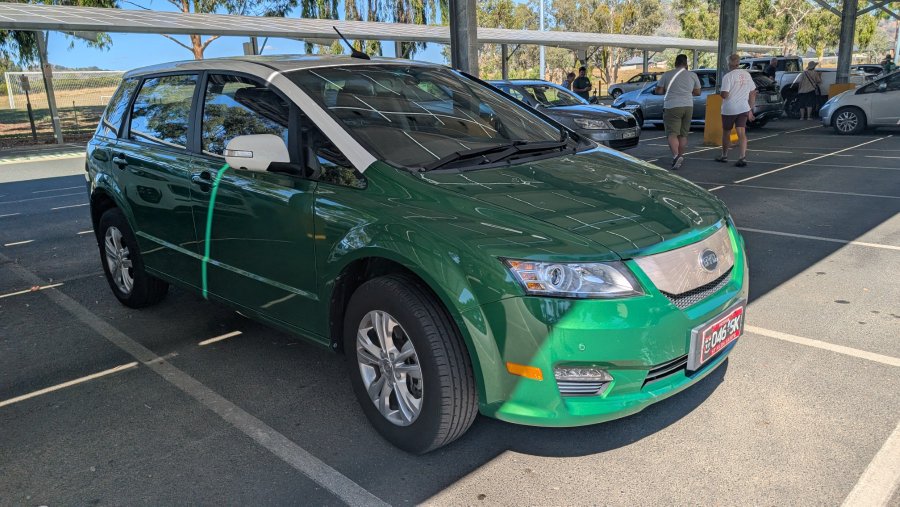
  • Displayed vehicles included the BYD E6, BYD Shark, Hyundai Kona, Hyundai Ioniq, Nissan Leaf, Tesla Model 3, and an electric motorbike.
  • The event underscored the advantages of transitioning to electric vehicles for both environmental sustainability and cost efficiency.
  • The upcoming EV-centric event is scheduled for the Off-the-Grid Festival in Chiltern, VIC, on April 12-13.

Delving into the Future of EVs at La Trobe University Wodonga

This morning, the Kiewa Catchment Landcare Group conducted an informative event, “All About Electric Vehicles,” at La Trobe University Wodonga. The session was designed to enlighten Australians about the advantages and practical aspects of owning an EV.

Why a Landcare Group is Leading the EV Dialogue

At first glance, it might appear unexpected for a Landcare Group to organize an EV event, but their rationale was evident—vehicles with combustion engines greatly impact the environment. By promoting the shift to electric vehicles, the group aligns with its dedication to sustainability.

Expert Perspectives from Russell Klose

Facilitating the Q&A segment was Russell Klose from Kilowatt Cars, a veteran in the automotive field with years of experience in importing vehicles and auto parts. Klose provided essential insights into EV technology, clarifying misconceptions and addressing prevalent worries.

Main Subjects Discussed

  • Tire wear on EVs and associated expenses
  • Maintenance and servicing requirements
  • Charging durations and available infrastructure
  • Battery technology and lifespan
  • Comparing hybrids, electric, and hydrogen vehicles
  • Fire hazards related to EVs—should we be concerned?
  • Capabilities for towing and considerations regarding range

Interactive EV Investigation

In addition to the discussion, attendees had the opportunity to closely examine a range of EVs. The selection featured the BYD E6, BYD Shark, Hyundai Kona, Hyundai Ioniq, Nissan Leaf, Tesla Model 3, and an electric motorbike.

Attendees interacting with electric vehicles at La Trobe University Wodonga

Importance of This Event

The prospect of switching to EVs can be daunting, with worries over infrastructure, expenses, and battery technology. This event aimed to alleviate confusion by offering practical insights into ownership.

Future Outlook: More EV Events Ahead

For those who could not attend this event, another chance is on the horizon. The Off-the-Grid Festival in Chiltern, VIC, on April 12-13, will feature additional electric vehicles and sustainable technologies.

Conclusion

The “All About Electric Vehicles” event granted Australians a platform to investigate the practicality of EV ownership. With expert advice and hands-on experiences, attendees departed with increased knowledge of sustainable transportation alternatives.

FAQs

Q: What were the primary takeaways from the event?

A: The event enhanced attendees’ understanding of EV maintenance, charging infrastructure, battery technology, and potential savings over petrol vehicles.

Q: Were any concerns voiced regarding EV fire risks?

A: Yes, but specialists confirmed that the fire risks associated with EVs are exceedingly low in comparison to conventional combustion engine vehicles.

Q: Which types of EVs were displayed?

A: The event showcased several models, such as the BYD E6, BYD Shark, Hyundai Kona, Hyundai Ioniq, Nissan Leaf, Tesla Model 3, and an electric motorbike.

Q: Is the upkeep of an EV costly?

A: No, EVs generally have much lower maintenance costs than petrol or diesel cars because of fewer moving components and no oil changes necessary.

Q: Can I charge an EV at home?

A: Yes, many EV users charge their vehicles at home overnight using a regular power outlet or a special wall charger for quicker charging.

Q: What advantages does one gain from switching to an EV?

A: EVs provide reduced operating costs, less carbon pollution, quieter rides, and long-term savings on fuel and maintenance.

Q: When is the next EV event scheduled?

A: The next major showcase for EVs will occur at the Off-the-Grid Festival in Chiltern, VIC, on April 12-13.

For further updates on EV technology and events, check out TechBest.

**‘Everything You Need to Know About Electric Vehicles’ Event Assists Australians with Their EV Inquiries**


We independently review everything we recommend. When you buy through our links, we may earn a commission which is paid directly to our Australia-based writers, editors, and support staff. Thank you for your support!

Brief Overview

  • La Trobe University Wodonga held an event centered on electric vehicles to address frequent inquiries.
  • Arranged by the Kiewa Catchment Landcare Group, underlining their dedication to eco-friendliness.
  • Industry specialist Russell Klose facilitated a Q&A session focused on electric vehicle ownership.
  • Participants examined different electric vehicles, such as the BYD E6, Hyundai Kona, and Tesla Model 3.
  • Main subjects included battery lifespan, charging facilities, and comparisons between hybrids and electric vehicles.
  • The event allowed participants to engage with a variety of electric vehicle models.
  • Further discussions on EVs are anticipated at the Off-the-Grid festival in Chiltern, VIC.

All Things Electric Vehicles: Assisting Australians with the Transition

The shift toward electric vehicles (EVs) is picking up pace in Australia, with local communities actively facilitating informed consumer choices. The “All About Electric Vehicles” event, organized by the Kiewa Catchment Landcare Group at La Trobe University Wodonga, created an opportunity for Australians to learn about the advantages, challenges, and feasibility of EV ownership.

The Relevance of a Landcare Group Discussing EVs

At first glance, it may appear out of place for a landcare organization to focus on electric vehicles. However, the Kiewa Catchment Landcare Group is strongly devoted to environmental sustainability. Transportation emissions represent a major contributor to climate change, and substituting combustion-engine vehicles with clean alternatives is a crucial step towards a more sustainable future.

By uniting experts, electric vehicle owners, and inquisitive consumers, the event sought to bridge the knowledge gap and motivate more Australians to contemplate transitioning.

Expert Insights from Industry Veterans

A key feature of the event was the Q&A session led by Russell Klose of Kilowatt Cars. With years of experience in the automotive sector, including the importation and distribution of vehicle components from Japan, Klose offered significant knowledge regarding EV technology and ownership.

He addressed prevalent concerns, including:

  • The expense and wear associated with EV tires.
  • Maintenance parts and service schedules.
  • Continuous savings in comparison to gasoline vehicles.
  • Charging duration and equipment prerequisites.
  • The feasibility of off-grid EV charging.
  • Fire safety issues and battery dependability.
  • Various battery technologies (NMC vs. LFP).
  • Battery lifecycle and aging.
  • EV capabilities in towing and extended travel.
  • Comparative analysis of hybrids, electric vehicles, and hydrogen vehicles.

Experiencing Electric Vehicles Firsthand

In addition to discussions, attendees had the opportunity to engage with various electric vehicle models directly. The lineup included:

  • BYD E6 – A roomy electric vehicle aimed at affordability.
  • UBCO 2×2 Adventure Utility Bike – A multifunctional electric motorcycle built for tough conditions.
  • BYD Shark – A hybrid utility vehicle combining electric and fuel efficiency.
  • Hyundai Kona – A favored electric SUV known for its range and features.
  • Hyundai Ioniq – A stylish electric vehicle offering efficiency and usability.
  • Nissan Leaf – Among the most well-recognized electric vehicles globally.
  • Tesla Model 3 – A high-performance electric vehicle celebrated for its technology and range.

Participants had the chance to look inside, inspect charging ports, and even see under the hood (or “frunk”) to understand how electric vehicle technology contrasts with traditional combustion engines.

The Contribution of Universities to EV Adoption

La Trobe University Wodonga served as an ideal location for the event, reflecting its commitment to sustainability. The campus includes dedicated electric vehicle charging stations, featuring slower chargers for daily student use and a DC fast charger for quick recharges.

This infrastructure showcases the larger movement toward establishing EV-friendly facilities in Australia, simplifying the transition to electric transportation for many.

Why This Event is Significant for Australians

For numerous Australians, contemplating the switch to an electric vehicle raises uncertainties—concerns regarding cost, charging availability, and long-term sustainability. The “All About Electric Vehicles” event addressed these topics directly, equipping participants with the information necessary for making informed decisions.

Whether attendees were prepared to purchase an EV right away or merely beginning their inquiries, the event clarified the process and emphasized the advantages of transitioning.

Looking Ahead: Ongoing EV Discussions on the Schedule

For those who couldn’t attend this event, the dialogue surrounding electric vehicles is ongoing. The forthcoming Off-the-Grid festival in Chiltern, VIC (April 12-13) will include additional discussions about sustainable transportation and cutting-edge technology.

For further details, visit: Off-the-Grid Festival.

Conclusion

The “All About Electric Vehicles” event at La Trobe University Wodonga offered participants a thorough overview of EV ownership. By merging expert knowledge, engaging Q&A sessions, and firsthand experiences with various electric vehicle models, the event effectively addressed many of the critical questions Australians have about transitioning to electric transport.

Q&A: Your EV Questions Answered

Q: Are electric vehicles actually less expensive to maintain than gasoline cars?

A:

Yes, electric vehicles generally incur lower maintenance costs due to having fewer moving components compared to internal combustion engine (ICE) vehicles. Oil changes are unnecessary, brake replacements are reduced (thanks to regenerative braking), and fewer parts are prone to wear out.

Q: What is the charging time for an electric vehicle?

A:

Charging durations vary depending on the charger type. A standard home charger (Level 2) can take 6-10 hours for a full charge, while a DC fast charger can restore 80% of a battery in as little as 30 minutes.

Q: Do electric vehicle batteries degrade rapidly?

A:

No, contemporary electric vehicle batteries are engineered for longevity. Most manufacturers provide warranties of 8 years or more, and real-world data suggests minimal degradation, with many EVs retaining over 80% of their battery capacity even after 200,000 km.

Q: Is it possible to charge an electric vehicle off-grid using solar energy?

A:

Yes, if you have a home solar system equipped with battery storage, you can recharge your electric vehicle using renewable energy. Some EV owners install dedicated solar panels to enhance efficiency and decrease grid dependency.

Q: Are electric vehicles safe in the case of a fire?

A:

Yes, electric vehicles undergo rigorous safety evaluations, and studies indicate they are no more susceptible to fires than gasoline vehicles. In fact, they present a lower fire risk due to their sophisticated battery management systems.

Q: Is Australia’s charging infrastructure sufficient for long-distance travel?

A:

While the EV charging network in Australia is still expanding, there are now thousands of public chargers available across the country. Fast-charging networks like Chargefox and Tesla Superchargers make long-distance travel increasingly manageable.

Q: Should I opt for a hybrid or choose to go fully electric?

A:

It depends on your driving patterns. If you often travel long distances without access to fast chargers, a hybrid may be more suitable. However, if most of your driving occurs in urban areas and you have the ability to charge at home, a fully electric vehicle could be more economical and environmentally friendly.

Q: Are hydrogen vehicles a superior option to electric vehicles?

A:

Hydrogen vehicles are still in their early stages of adoption and require specialized refueling infrastructure. While they have certain benefits, such as quick refueling times, electric vehicles presently have a more established market and infrastructure in Australia.

For more updates on Australia’s transition to electric vehicles, stay tuned to TechBest.

Logitech G POWERPLAY 2 Provides Infinite Wireless Charging for Gamers


We independently review everything we recommend. When you buy through our links, we may earn a commission which is paid directly to our Australia-based writers, editors, and support staff. Thank you for your support!

Quick Overview

  • The Logitech G POWERPLAY 2 is an advanced wireless charging mouse pad crafted for seamless gaming experiences.
  • Featuring a 15% expanded charging area, it is also more streamlined at just 3.5mm in thickness.
  • Compatible with 10 Logitech G-series wireless mice, with possibilities for future model inclusions.
  • Battery life worries are eradicated since the mouse charges continuously while in action.
  • Employs a low-frequency electromagnetic field along with a Charging Coin to keep your mouse energized.
  • Available for $199.95 AUD, launching on March 11, 2026, at leading retailers.

A Revolutionary Shift in Wireless Charging for Gamers

Wireless gaming devices provide excellent freedom and flexibility, but battery longevity continues to plague users. Logitech G intends to address this issue with the POWERPLAY 2, a sophisticated wireless charging mouse pad that guarantees your mouse remains charged at all times. With its enhanced design, broader compatibility, and a more accessible price point, this device is poised to transform the gaming landscape.

What Sets POWERPLAY 2 Apart?

The original POWERPLAY system pioneered an inventive approach to maintaining the charge of gaming mice, but Logitech G has elevated this concept with the new version. POWERPLAY 2 represents not just a slight update—it’s a complete reimagining of wireless charging techniques, tailored specifically for dedicated gamers.

Expanded and Thinner Charging Surface

A notable enhancement in POWERPLAY 2 is its larger surface area. The charging section is now 15% bigger, improving efficiency and ensuring that your mouse is charged even during the most intense gaming periods. Moreover, the mouse pad’s thickness has been reduced to just 3.5mm, integrating more seamlessly with your desk arrangement.

Effortless Charging with LIGHTSPEED Performance

In contrast to conventional wireless charging setups, POWERPLAY 2 does away with docking stations or cables entirely. It utilizes a low-frequency electromagnetic field to send energy to the provided Charging Coin, subsequently powering compatible Logitech G mice. This guarantees uninterrupted gaming with zero drag or cable interference.

Supported Logitech G-Series Mice

Logitech has broadened the range of compatible mice, enhancing the versatility of POWERPLAY 2. It currently supports 10 models:

  1. G309
  2. G502 X PLUS
  3. G502 X LIGHTSPEED
  4. G502
  5. G703
  6. G903
  7. PRO SUPERLIGHT
  8. PRO SUPERLIGHT 2
  9. PRO SUPERLIGHT 2 DEX
  10. PRO Wireless

With Logitech’s track record of increasing compatibility, additional models may be integrated in the future.

Cost and Release Details

The POWERPLAY 2 will retail for $199.95 AUD, making it an attractive choice for gamers in search of a high-end, hassle-free charging solution. It will be available in major retail outlets starting March 11, 2026.

Conclusion

The Logitech G POWERPLAY 2 marks a significant advancement in wireless gaming technology. By removing battery life concerns and boosting charging efficiency, it allows gamers to concentrate on what truly matters—winning. With its sleek aesthetics, broadened compatibility, and competitive pricing, it’s set to be an essential accessory for wireless gaming aficionados.

Common Questions

Q: How does the POWERPLAY 2 charge my mouse?

A:

It uses a low-frequency electromagnetic field to transmit energy to a Charging Coin, which is housed inside your compatible Logitech G mouse. This setup facilitates continuous wireless charging while in use.

Q: Can I use any wireless mouse with POWERPLAY 2?

A:

No, it is specifically compatible with 10 selected Logitech G-series models. However, Logitech may enhance compatibility with future updates.

Q: Does the mouse pad require a power connection?

A:

Yes, the POWERPLAY 2 pad must connect to your PC through a USB cable to create the electromagnetic field necessary for charging.

Q: Will the electromagnetic field disrupt other electronics?

A:

No, the technology is designed to be safe and will not interfere with other electronic devices.

Q: Is any special upkeep needed?

A:

No specific maintenance is necessary. Just ensure the Charging Coin is correctly positioned in your mouse and that the pad stays connected.

Q: Can I utilize the mouse pad without the charging feature?

A:

Yes, the POWERPLAY 2 serves as a standard mouse pad, even if you opt not to use the wireless charging option.

Q: Is upgrading from the original POWERPLAY worthwhile?

A:

If you desire a thinner design, a larger charging area, and enhanced efficiency at a better price, then considering the upgrade is advisable.

Q: Where can I purchase the POWERPLAY 2?

A:

It will be available at leading Australian retailers and on Logitech’s official website starting March 11, 2026.