Matthew Miller, Author at Techbest - Top Tech Reviews In Australia - Page 149 of 187

Oracle Unveils Second Cyber Assault on Clients in Recent Weeks


We independently review everything we recommend. When you buy through our links, we may earn a commission which is paid directly to our Australia-based writers, editors, and support staff. Thank you for your support!

Oracle Struck by Latest Cyberattack in Recent Weeks, Revealing Customer Login Information

Quick Read

  • Oracle verifies a second cyberattack in under a month, affecting customer data.
  • Hackers breached an outdated system, acquiring login credentials—some as late as 2026.
  • The breach is being investigated by the FBI and cybersecurity firm CrowdStrike.
  • The impacted system has been inactive for eight years, yet risks persist due to credential reuse.
  • Cybewcriminals tried to sell the acquired data on the dark web and demanded ransom payments.
  • This event follows a similar breach targeting Oracle’s healthcare clients just weeks prior.
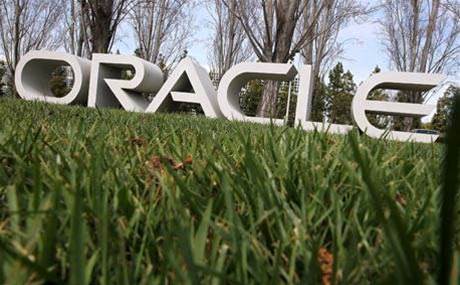
Oracle hit by latest cyberattack in recent weeks

Second Significant Cybersecurity Breach Targets Oracle

Oracle Corporation has acknowledged a second cyber incident in recent weeks, prompting renewed concerns regarding the security of its cloud infrastructure. Insiders report that the tech behemoth has notified customers about a hacker breaching one of its systems and accessing customer login credentials—some of which seem to be recent, despite being from a legacy platform.

Compromised Legacy System Raises Concerns About Data Handling

Oracle informed affected clients that the breached environment had not been operational for over eight years. Nevertheless, the system continued to store sensitive client login information, with some credentials reflecting as late as 2026. This situation raises concerns regarding data retention practices and the adequacy of decommissioning older systems in expansive enterprise settings.

Attackers Sought to Profit from Stolen Information

Reports suggest that an unknown threat actor attempted to sell the stolen information on dark web marketplaces. Furthermore, Oracle revealed that a ransom demand was made, implying a connection to financially driven cybercrime groups. This trend aligns with recent high-profile ransomware and extortion campaigns impacting global organizations.

Federal and Private Sector Investigations Are Ongoing

Oracle has informed customers that the Federal Bureau of Investigation (FBI) and cybersecurity company CrowdStrike are conducting investigations into the breach. While Oracle has refrained from making public comments, CrowdStrike has redirected all inquiries back to Oracle, indicating that the investigation continues and remains sensitive.

Unrelated to Previous Healthcare Breach

The most recent breach is separate from an earlier cyber incident Oracle reported last month, which impacted healthcare clients. That breach also involved unauthorized access to cloud infrastructure, hinting at a potential vulnerability in Oracle’s cyber defenses. Although the company insists that the two incidents are unrelated, the closeness of both events has raised concerns among industry analysts.

Implications for Australian Enterprises

With numerous Australian companies depending on Oracle’s cloud services and enterprise applications, this breach serves as a crucial reminder of the importance of rigorous cybersecurity measures—such as routine credential changes and oversight of legacy systems. The Australian Cyber Security Centre’s Essential Eight suggests that organizations should reevaluate their patch management and access controls as part of their overall cybersecurity strategy.

Summary

Oracle has faced its second cyberattack in a matter of weeks, with attackers compromising a legacy system containing outdated—but unexpectedly recent—customer credentials. The company has informed clients that the FBI and CrowdStrike are investigating, and that this breach is not connected to a prior incident involving healthcare clients. While Oracle maintains that the risk is minimal, the presence of 2026 credentials in an inactive system raises new alarms about data protection and proper cybersecurity practices. Australian businesses utilizing Oracle services are urged to remain vigilant, reassess their access credentials, and monitor for any suspicious activity.

Q: What is the significance of this breach for Oracle customers?

A:

Oracle indicates the risk is low due to the outdated nature of the system, yet the presence of 2026 login credentials implies some customer data may still be pertinent. If customers have reused credentials across platforms, they might be susceptible to credential stuffing or phishing attempts.

Q: What constitutes a “legacy system,” and why was it still accessible?

A:

A legacy system refers to an outdated IT framework that is no longer actively maintained or utilized. In this instance, Oracle specified that the system had been inactive for eight years, but it evidently still contained sensitive data and was accessible to threat actors—highlighting a gap in decommissioning procedures.

Q: Who is overseeing the breach investigation?

A:

The US Federal Bureau of Investigation (FBI) and prominent cybersecurity firm CrowdStrike are examining the event. Their involvement underscores the severity of the breach and its potential connections to coordinated cybercrime.

Q: Is this breach connected to the previous hack affecting Oracle’s healthcare clients?

A:

No, Oracle has asserted that this breach is distinct from the earlier incident involving healthcare clients. However, the closely timed occurrences raise questions about broader security weaknesses within Oracle’s systems.

Q: Should Australian businesses utilizing Oracle services express concern?

A:

Absolutely. Despite the impacted system being old, Australian businesses should take steps to safeguard themselves by changing passwords, reviewing access logs, and ensuring multi-factor authentication is enabled across all Oracle services.

Q: What measures can businesses adopt to safeguard against similar breaches?

A:

Implement best practices like regular credential changes, decommissioning unused systems, utilizing multi-factor authentication, and performing routine security audits. Consult the Australian Government’s Cyber Security Centre for current guidelines.

Q: Has Oracle provided any additional updates?

A:

As of now, Oracle has not released further public statements. Customers are encouraged to reach out to their Oracle support contacts for specific updates and risk evaluations.
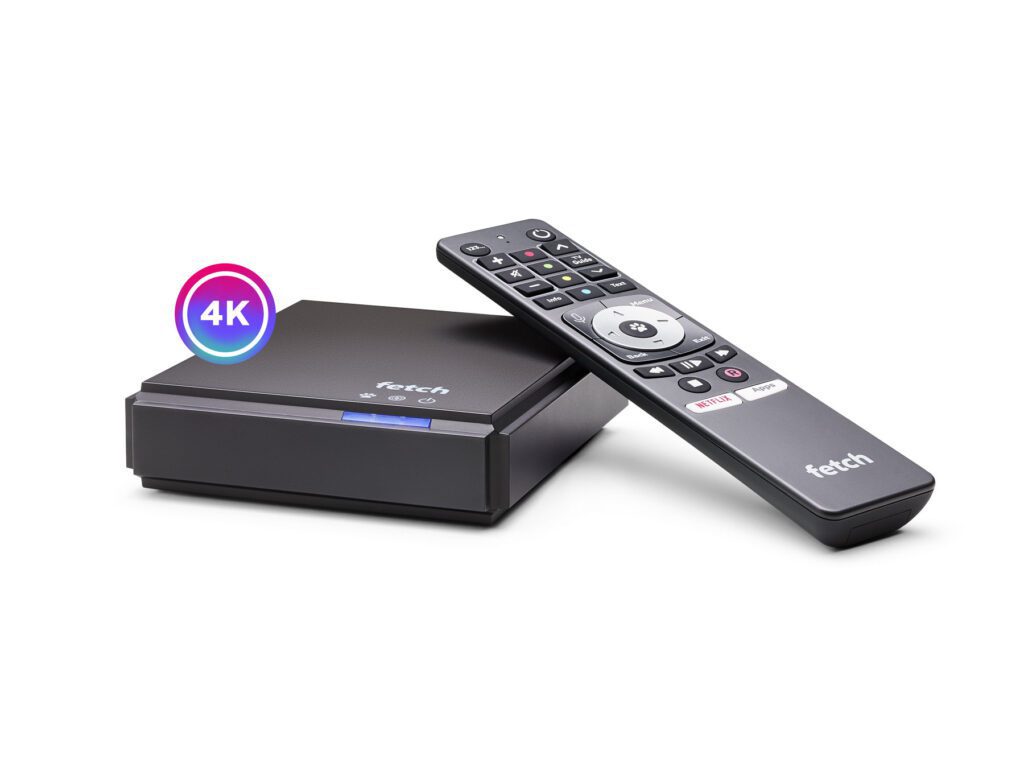

Fetch TV Introduces Significant User Interface Overhaul in Recent Update


We independently review everything we recommend. When you buy through our links, we may earn a commission which is paid directly to our Australia-based writers, editors, and support staff. Thank you for your support!

Quick Read: Essential Insights

  • Fetch TV announces a substantial redesign of its user interface (UI) to improve the user experience.
  • The updated design enhances content exploration, ease of navigation, and personalization.
  • Fetch TV aims to be Australia’s comprehensive entertainment platform.
  • The interface is designed to facilitate upcoming AI integrations and smart content suggestions.
  • Phased rollout starts on 31 March 2026 across supported Fetch devices.
  • New subscribers can take advantage of a complimentary 1-month trial of the Ultimate Pack, which includes 40+ premium channels.
Fetch TV new interface redesign 2026

A New Chapter for Fetch TV: Interface Undergoes Major Transformation

Fetch TV, a prominent player in Australia’s home entertainment aggregation sector, is implementing a significant enhancement to its user interface. This fresh design is set to revolutionize the way Australians engage with their home entertainment options, introducing smarter navigation, an intuitive layout, and a focus on effortless content exploration.

Improved Content Discovery and Navigation

The core of the update features a more streamlined, responsive interface that simplifies how viewers access content. Whether it involves searching for a favorite program, jumping between applications, or finding on-demand titles, the newly designed UI minimizes obstacles and enhances speed. This redesign mirrors the evolving behaviors of viewers, particularly as households manage multiple streaming subscriptions along with free-to-air and pay-TV offerings.

All-Encompassing Entertainment Center

Fetch TV’s refurbishment positions it as a genuine all-in-one entertainment hub for families in Australia. The platform seamlessly integrates content from traditional free-to-air networks, pay-TV channels, and leading streaming services including Netflix, Stan, Prime Video, Paramount+, and Disney+. The new interface simplifies browsing across these various sources from a single platform, ensuring a cohesive and comprehensive entertainment journey.

Moreover, users can directly access games and applications via the Fetch menu, further enhancing its functionality as a key device in the living room.

Quick Access to Preferred Content

With the renewed UI, Fetch TV introduces intelligent memory features allowing viewers to immediately return to something they were previously watching—whether on a live channel, through an application, or on an on-demand service. The upgraded “Continue Watching” and “Recently Watched” options facilitate less time navigating through menus and more time immersed in content.

Ready for the Future with AI and Smart Features

As for the future, Fetch’s redesigned platform is geared up for advancing technologies. The company has indicated that AI-driven features are imminent, including intelligent search capabilities, personalized curation, and smarter suggestions based on user viewing patterns. Additionally, built-in support and feedback mechanisms will enable users to troubleshoot or provide feedback directly through the interface.

Fetch TV interface redesign with intelligent features

Dedication to Innovation and Value

Dominic Arena, the CEO of Fetch TV, stressed that this update transcends mere aesthetics. “This generational upgrade embodies our persistent dedication to innovation and to providing our customers with the finest entertainment experience,” he stated. “We anticipate this new interface will surpass our customers’ expectations, further establishing Fetch as the prime choice for affordable home entertainment in Australia.”

Rollout Information and Special Offer

The fresh interface began its gradual rollout starting 31 March 2026 across all compatible Fetch set-top boxes. New users who sign up for the service can benefit from a free one-month subscription to the Ultimate Pack, granting access to more than 40 premium channels, including ESPN, BBC First, National Geographic, and others.

This offer is crafted to acquaint customers with the extensive features Fetch provides, at no cost at the outset.

Conclusion

Fetch TV’s latest UI revamp represents a bold move toward unifying Australia’s diverse entertainment sphere. With a sleek interface, improved functionality, and a future-ready design, the platform positions itself as the ideal solution for families searching for an all-inclusive, user-friendly media experience. As streaming choices continue to proliferate, Fetch TV’s singular offering might increasingly appeal to Australians aiming to streamline their digital entertainment environment.

Q: When will the refreshed Fetch TV interface be available?

A:

The new interface commenced its gradual rollout on 31 March 2026. Availability may differ based on your Fetch hardware and internet connection.

Q: Which devices will be compatible with the new Fetch UI?

A:

The updated UI is compatible with the latest Fetch Mini and Fetch Mighty set-top boxes. Older models may experience limited functionality or may not fully support the redesign.

Q: What new features come with the update?

A:

Prominent features include a revamped interface, enhanced navigation, quicker access to recently viewed content, and readiness for AI-driven content recommendations and support options.

Q: Is the update complimentary for current users?

A:

Yes, the UI update is free of charge and will be automatically applied to compatible Fetch devices.

Q: What does the Ultimate Pack consist of and how can I access it?

A:

The Ultimate Pack contains over 40 premium channels. New subscribers can enjoy it for free for one month as part of a promotional offer. Post-trial, it is available via subscription.

Q: Will AI features be included immediately in the interface?

A:

Not at launch. While the UI is designed for future integration, AI functionalities such as intelligent suggestions and enhanced search capabilities will be introduced in forthcoming updates.

Q: Can I still access third-party apps like Netflix and Disney+ on Fetch?

A:

Absolutely. Fetch continues to accommodate major streaming applications, enabling users to access all from one centralized interface.

Q: Where can I find more information or sign up?

A:

To learn more or to sign up, please visit https://www.fetchtv.com.au.

Bupa Aims to Create ‘Digital Health Twins’ for Each Customer in Significant Technological Initiative


We independently review everything we recommend. When you buy through our links, we may earn a commission which is paid directly to our Australia-based writers, editors, and support staff. Thank you for your support!

Bupa’s Digital Health Twin Program Marks Significant Progress in Australian Healthcare AI

Quick Overview

  • Bupa is developing a “digital health twin” for each individual to facilitate predictive, tailored healthcare.
  • This initiative is backed by a contemporary data platform built on Databricks, streamlining outdated systems.
  • The aim is to transition from reactive to preventive healthcare, enhancing long-term health results.
  • Numerous applications identified, including early identification of chronic illnesses and behavioral nudges.
  • Generative AI will aid in summarizing customer information for quicker clinical decision-making.
  • The platform also improves staff and clinician interaction by optimizing workflows.
  • Bupa experienced an 8x rise in data migration speed following enhancements to the platform.
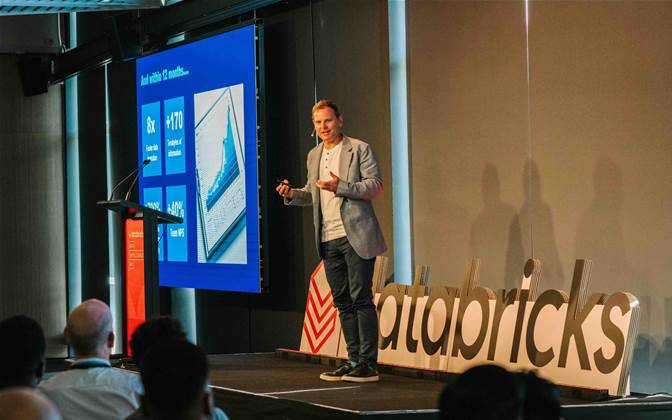
Bupa's strategy involves establishing predictive digital health profiles for customers

Bupa’s Ed Falconer (Image credit: Databricks)

Bupa’s Vision: Digital Health Twins to Enhance Preventative Care

In a significant move towards transforming healthcare, Bupa has declared its intent to produce a “digital health twin” for every customer. This virtual representation of an individual’s health profile aims to change the delivery of care – focusing on personalized, proactive management instead of reactive treatment.

While addressing a TechBest data intelligence event in Melbourne, Bupa’s Chief Data Officer Ed Falconer outlined the insurer’s “connected care” approach. This effort is part of a larger strategy to weave artificial intelligence, predictive modeling, and data integration into the Australian healthcare framework.

What Is a Digital Health Twin?

Digital health twins are virtual representations of individuals that amalgamate an extensive range of health information – encompassing medical history, demographics, lifestyle factors, and real-time data from wearable technologies. These twins empower clinicians to simulate possible outcomes, predict risks, and create personalized interventions before issues arise.

As Falconer explained, the digital twin is intended to be “not just backward looking but also predictive,” allowing healthcare providers to adopt a proactive stance that could avert chronic illnesses and enhance patient wellbeing.

The Role of Databricks in Bupa’s Data Overhaul

To drive this expansive digital health initiative, Bupa revamped its data infrastructure with assistance from Databricks – a robust cloud-based data platform recognized for its scalability and AI optimization features. Falconer characterized the previous legacy system as a “hindrance” that obstructed data access and impeded innovation.

By merging isolated data warehouses into a “safe, secure, single source of truth,” the Databricks platform now facilitates real-time data sharing, role-based access control, and streamlined analytics. Over the span of a year, Bupa amplified its data migration speed by 800%, transitioning hundreds of terabytes into the new structure.

Accelerating Speed, Simplicity, and Employee Involvement

A primary obstacle Bupa encountered was the intricacy and slowness of its earlier transformation efforts. To surmount this, the insurer realigned its strategy to “organizing for speed.” This involved hiring additional data engineers, narrowing project scopes for clearer focus, and fostering closer collaboration with internal subject matter experts.

“More people actually executing the tasks and fewer people supervising,” Falconer summarized, capturing the agile philosophy shift.

The revamped system has also enhanced employee contentment, enabling staff to “practice their skills” – whether in clinical roles, analytics, or IT – equipped with better tools and reduced administrative burdens.

AI-Driven Applications: From Dental Reminders to Chronic Disease Forecasting

Bupa has already discovered numerous applications for the platform. One example involves utilizing data signals to identify if a customer has not visited a dentist in a while, triggering reminders and recommending a nearby Bupa clinic. Another focuses on evaluating chronic disease risks through predictive analytics, which allows early intervention strategies.

Looking forward, Falconer envisions opportunities in generative AI for generating summarized health reports for clinicians, expediting patient consultations. “Particularly if you’re a clinician with just 15 minutes to address a patient’s condition, how do you streamline it and ensure sound decisions quickly?” he queried.

Summary

Bupa’s digital health twin initiative signifies a notable technological breakthrough in the Australian healthcare arena. By harnessing AI, predictive modeling, and sophisticated data analytics, the insurer is transitioning from reactive treatment to proactive, personalized care. With a solid technical framework established and numerous use cases already pinpointed, the initiative is set to promote improved health results for both patients and providers.

Q: What is a digital health twin?

A:

A digital health twin is a virtual model of an individual’s health profile that integrates medical history, lifestyle data, and real-time information to deliver personalized insights, foresee health risks, and back preventative care.

Q: How does Bupa plan to utilize digital health twins?

A:

Bupa intends to leverage digital health twins to enable predictive analytics, enhance patient interaction, and assist clinicians with customized care recommendations. This aligns with their overarching aim to advance towards a preventative care model.

Q: What role does Databricks play in Bupa’s strategy?

A:

Databricks serves as the foundational data platform that integrates Bupa’s legacy systems into a unified, secure, and expandable architecture. It facilitates real-time analytics, improved data governance, and support for AI-generated insights.

Q: How is AI being integrated into this initiative?

A:

AI, primarily generative AI, is being considered to produce summarized health information for clinicians, aid in risk prediction models, and automate prompts for health-related activities such as dental appointments or chronic disease screenings.

Q: What advantages do clinicians gain?

A:

Clinicians benefit from reduced time interpreting raw data and increased focus on patient care. AI-generated summaries, predictive insights, and cohesive data frameworks help streamline decision-making and elevate care delivery.

Q: Has the transformation enhanced internal operations?

A:

Indeed. The emphasis on data engineering, strategic prioritization, and staff empowerment has resulted in an 8x increase in data migration speed and heightened employee engagement across various departments.

Q: What are some practical applications already implemented?

A:

Real-world applications include identifying missed routine checks like dental visits and forecasting chronic disease developments, enabling Bupa to take early action and customize care plans as necessary.

Q: What are the future plans for the digital twin initiative?

A:

Bupa intends to keep broadening the platform’s capabilities with additional AI integrations, enhanced personalization, and improved predictive modeling to support a fully customer-focused healthcare ecosystem.

FBI Investigates Cyber Assault Aimed at Oracle Systems


We independently review everything we recommend. When you buy through our links, we may earn a commission which is paid directly to our Australia-based writers, editors, and support staff. Thank you for your support!

FBI Examines Oracle Cyberattack Impacting Healthcare Records

Quick Overview

  • The FBI is probing a cyberattack on Oracle’s Cerner systems that resulted in the theft of patient information.
  • Hackers focused on outdated Cerner servers that had not been transitioned to Oracle Cloud.
  • The breach seems to be a component of a larger extortion strategy targeting US healthcare providers.
  • Oracle purchased Cerner in 2022 for $44.4 billion, extending its reach into healthcare IT.
  • This incident could impact Oracle’s $16 billion contract with the US Department of Veterans Affairs.
  • Oracle informed its clients about the breach in late February 2026.
  • The precise number of affected patient records is still unknown.

FBI Investigating Oracle Cyberattack

The Federal Bureau of Investigation (FBI) has initiated an inquiry into a major cyberattack that targeted Oracle’s healthcare technology systems. The breach, which is thought to have occurred after January 22, 2026, involved unauthorized access to patient data housed on legacy Cerner servers. In early March, Oracle notified affected healthcare customers, confirming that hackers had relocated sensitive patient data to an external server.

FBI investigates Oracle healthcare cyberattack

Older Cerner Systems Central to the Breach

Oracle revealed that the breach impacted older Cerner servers that had not been migrated to the Oracle Cloud Infrastructure (OCI). This outdated infrastructure has increasingly drawn the attention of cybercriminals due to its antiquated security measures and insufficient monitoring capabilities. It is believed that the attackers leveraged these legacy systems to access highly sensitive patient data.

This event underscores the cybersecurity challenges that accompany delayed digital transformation initiatives, particularly in healthcare, where data sensitivity is crucial.

Healthcare Providers Hit by Data Extortion Efforts

Sources from TechBest indicate that the cyberattack was part of a larger scheme to extort various healthcare providers throughout the United States. The specific number of affected healthcare organizations remains confidential, but the incident bears similarities to recent ransomware-as-a-service (RaaS) operations. Such attacks typically aim at critical infrastructure, like hospitals and clinics, intending to secure ransom payments in exchange for not disclosing stolen data.

The breach signals an alarming trend in cybercrime where healthcare facilities are becoming key targets due to the lucrative nature of medical records in the black market.

Oracle’s $44.4 Billion Cerner Acquisition Under Scrutiny

In June 2022, Oracle completed its acquisition of Cerner Corporation, a prominent US healthcare IT firm, for $28 billion (AU$44.4 billion). This strategic decision aimed to broaden Oracle’s presence in the healthcare space, especially through electronic health records (EHRs) and cloud healthcare solutions. Nonetheless, this breach raises concerns regarding the efficacy of post-acquisition integration and the pace of transitioning outdated systems to safer cloud settings.

Included in the acquisition was a US$16 billion contract with the US Department of Veterans Affairs (VA), which has already been scrutinized due to recurring outages and technical difficulties. The recent cyberattack could complicate Oracle’s association with government healthcare clients even further.

Incident Timeline and Breach Scope

Oracle has not confirmed the exact number of compromised records; however, the company reportedly became aware of the breach around February 20, 2026. This detection delay has raised doubts about the strength of Oracle’s cybersecurity capabilities concerning inherited systems.

Cybersecurity professionals caution that such delays can significantly heighten the risk of data exploitation, including identity fraud, medical scams, and unauthorized access to patient histories and insurance information.

Conclusion

The FBI’s investigation into the cyberattack on Oracle’s aging Cerner systems highlights the significant challenges enterprises face when incorporating newly acquired infrastructures. The breach, which resulted in the theft of sensitive patient information, is suspected to be part of a concentrated extortion campaign against healthcare providers in the US. Given Oracle’s substantial investments in healthcare IT and ongoing governmental contracts, this incident may have enduring repercussions for the company’s image and its future endeavors in public healthcare cloud services.

Q: Which systems were impacted in the Oracle cyberattack?

A:

The cyberattack targeted older Cerner servers that had not yet transitioned to Oracle’s cloud infrastructure. These legacy systems were particularly susceptible due to outdated security protocols.

Q: When did Oracle become aware of the cyberattack?

A:

Oracle became aware of the breach around February 20, 2026, although unauthorized access is thought to have happened shortly after January 22, 2026.

Q: Was any patient information compromised?

A:

Yes, hackers accessed and duplicated patient data onto external servers. The exact number of affected records has not been made public.

Q: Which entity is investigating the breach?

A:

The investigation into the cyberattack is being led by the US Federal Bureau of Investigation (FBI).

Q: What is Cerner, and why is it important?

A:

Cerner is a leading provider of electronic health record (EHR) solutions. Oracle acquired the company in 2022 to bolster its presence in the healthcare IT landscape.

Q: Could this affect Oracle’s government contracts?

A:

Potentially, yes. Oracle’s $16 billion contract with the US Department of Veterans Affairs may face increased scrutiny due to this breach.

Q: Is this breach linked to ransomware?

A:

While not officially verified, reports indicate that the attack was part of an extortion campaign, a common aspect of ransomware assaults on healthcare organizations.

Q: What measures should organizations adopt to prevent similar breaches?

A:

Organizations should prioritize the migration of legacy systems to protected cloud environments, implement real-time threat detection, and perform regular security evaluations to identify vulnerabilities.

Microsoft Reduces Data Centre Lease Initiatives in Strategic Transition


We independently review everything we recommend. When you buy through our links, we may earn a commission which is paid directly to our Australia-based writers, editors, and support staff. Thank you for your support!

Quick Read

  • Microsoft has halted data centre leases planned to utilize 2GW of energy in the US and Europe.
  • The strategic change is a response to lower demand projections and a reevaluation of support for OpenAI.
  • Google and Meta Platforms are meeting global data centre demand in Microsoft’s absence.
  • Even with the slowdown, Microsoft is keeping its US$80 billion AI infrastructure budget for 2026 intact.
  • Investors are growing worried over slower AI monetization and competition from economical Chinese AI firms like DeepSeek.
  • Other major tech companies Alphabet and Meta are ramping up their AI infrastructure investments, reflecting differing strategies.

Microsoft’s Strategic Shift in Data Centre Growth

Microsoft has tempered its rapid data centre growth, stepping back from initiatives in the United States and Europe that would have entailed up to two gigawatts (GW) of energy consumption. This decision marks a considerable shift for one of the premier investors in cloud and AI infrastructure. Market analysts indicate that this choice illustrates a strategic reevaluation prompted by oversupply and an updated demand outlook linked to artificial intelligence (AI) operations—specifically those related to OpenAI, the developer of ChatGPT.

Microsoft scales back data centre leasing plans as part of strategic AI realignment

Reasons Behind Microsoft’s Slowdown

OpenAI’s Influence on the Decision

The deceleration aligns with Microsoft’s decision not to provision further infrastructure for OpenAI’s training operations. Although Microsoft holds a substantial investment in OpenAI and incorporates its models into services such as Azure and Office 365, the tech behemoth is becoming increasingly discerning in its support, likely due to the hefty operational expenses tied to training large language models (LLMs) and slower-than-anticipated returns.

Investor Doubt and the Rise of DeepSeek

Investor sentiment regarding AI expenditures has cooled in recent months. This decline is attributed partly to the slower-than-expected monetization of AI services and rising competition from newcomers like China’s DeepSeek. DeepSeek has quickly gained interest by demonstrating sophisticated AI capabilities at a fraction of the cost set by leading US companies, exposing inefficiencies within Western methods of model training and implementation.

Global Consequences and Market Realignment

Google and Meta Fill the Void

Microsoft’s exit from certain global data centre capacity leases has allowed competitors Alphabet (Google’s parent company) and Meta Platforms to take over. Google is allegedly assuming responsibility for some international capacity, while Meta is fulfilling demand domestically in the US. This points to a competitive reshuffling among technological giants competing for supremacy in the AI cloud infrastructure domain.

Australia’s Data Centre Market

Though the current pullback is focused on the US and Europe, Australia’s data centre market continues to thrive. Local players like NEXTDC, AirTrunk, and Macquarie Data Centres are rapidly expanding to accommodate rising demand from hyperscale cloud providers and AI workloads. Microsoft, which maintains Azure regions in Sydney, Melbourne, and Canberra, has not indicated any intent to reduce its presence in Australia.

Microsoft’s Ongoing Commitment to AI Investment

Despite the leasing slowdown, Microsoft is not retreating from its AI commitment. The tech giant has reaffirmed its intention to invest US$80 billion (around AUD$127 billion) in AI infrastructure during the current fiscal year. This budget encompasses expenditures on GPUs, networking equipment, and custom silicon to support future AI endeavors across its cloud and enterprise services.

Microsoft’s competitors are pursuing similar paths, albeit at different magnitudes. Alphabet plans to invest US$75 billion in AI in 2026—a 29% increase over Wall Street’s expectations—while Meta Platforms is eyeing up to US$65 billion. These numbers highlight the high-stakes environment of the AI race and the long-term investments being made by the tech sector regarding AI’s transformative promise.

Cloud Providers and Their AI Strategies

CoreWeave, a cloud startup providing GPU-powered infrastructure for AI applications, has stated it has not faced cancellations of contracts from Microsoft, its primary client. This suggests Microsoft’s shift is nuanced and might involve selective leasing changes as opposed to widespread contract cancellations.

Executives from Microsoft and Meta have defended their capital expenditure strategies linked to AI, noting that maintaining a competitive edge requires leadership in both infrastructure and AI capabilities. Given that generative AI is still in its nascent commercial phase, these investments are perceived as foundational rather than immediately lucrative.

Conclusion

Microsoft is reassessing its global data centre expansion approach by retracting from infrastructure leases in the US and Europe. This adjustment is influenced by oversupply, shifting AI demand forecasts, and strategic reevaluations of partnerships such as OpenAI. Despite concerns from investors and competing firms like DeepSeek, Microsoft remains dedicated to its AI strategy, earmarking US$80 billion for infrastructure in FY2024. In the meantime, Google and Meta are capitalizing on opportunities to cover the capacity void, intensifying the competition for AI leadership.

Q: What is prompting Microsoft to withdraw from data centre leases?

A:

Microsoft is halting some data centre leases due to an excess of capacity compared to its revised demand projections, especially concerning AI training workloads from OpenAI.

Q: Is Microsoft decreasing its total AI spending?

A:

No, Microsoft is not diminishing its AI investments. It remains committed to investing US$80 billion in AI infrastructure this fiscal year, concentrating on strategic growth areas.

Q: Who will take over the data centre capacity that Microsoft is vacating?

A:

Alphabet (Google) is moving in to replace Microsoft’s relinquished capacity in international markets, while Meta Platforms is covering the same role in the United States.

Q: How does OpenAI factor into Microsoft’s strategy shift?

A:

Microsoft’s decision is influenced, in part, by a reassessment of its backing for OpenAI’s training requirements, which require extensive compute resources. The company is exercising more discretion with infrastructure deployment.

Q: What implications does this have for Australia’s data centre landscape?

A:

There are no signs that Microsoft is scaling back its presence in Australia. The local market remains robust, with increasing demand for AI and cloud services coming from both the public and private sectors.

Q: What is DeepSeek, and why is it noteworthy?

A:

DeepSeek is a Chinese AI startup that has illustrated advanced AI capabilities at much lower costs than Western firms. Its rise has intensified investor scrutiny on US tech companies to rationalize their substantial AI expenditures.

Q: Are other tech firms also modifying their AI approaches?

A:

Yes, but in different manners. Google and Meta are boosting their AI infrastructure spending, revealing varying responses to the market challenges currently faced by Microsoft.

BREAKING: Elon Musk’s xAI Acquires X (Previously Twitter) in Enormous $80 Billion Merger


We independently review everything we recommend. When you buy through our links, we may earn a commission which is paid directly to our Australia-based writers, editors, and support staff. Thank you for your support!

Quick Overview

  • Elon Musk’s AI venture xAI makes headlines by acquiring X (previously Twitter) in a historic $80B merger.
  • xAI invested $45B in X, which comes with $12B in debt, leading to a net valuation of $33B.
  • xAI’s premier offering, Grok v3, surpasses leading AI rivals.
  • The merger merges X’s 600M user community with xAI’s sophisticated AI framework.
  • Colossus GPU training cluster achieves 200,000 GPUs in an unprecedented timeframe.
  • Grok’s integration into Tesla and upcoming gaming platforms has been revealed.
  • X aims to develop into an “everything app” featuring eCommerce and payment options.
  • The strategic partnership suggests the likelihood of future acquisitions and significant technological growth.

xAI’s Visions: An $80 Billion Merger with X to Redefine AI and Social Media

Elon Musk’s xAI Acquires X in $80B Merger Deal

Elon Musk’s Vision Clarified

In a bold and groundbreaking move, Elon Musk’s AI firm xAI has successfully taken over X, the social media site formerly known as Twitter, in a transaction valued at $45 billion. With X carrying a debt of $12 billion, the total valuation post-acquisition is $33 billion.

Musk’s initial acquisition of Twitter in 2022 for $44 billion raised eyebrows. Now, slightly over a year later, this merger not only recoups the initial outlay but also creates the groundwork for a profound technological merge between AI and social media channels.

xAI’s AI Force: Grok and Colossus

Grok v3: A Competitive LLM

xAI’s flagship product, Grok, is an advanced large language model (LLM) that in its third version has demonstrated remarkable performance against leading competitors like OpenAI’s GPT-4 and Google’s Gemini. Grok focuses on enhanced reasoning and context comprehension, striving to deliver more accurate and human-like interactions.

Colossus: The Rapidly Expanding GPU Cluster

Grok’s escalating capabilities are supported by Colossus, an extensive AI training framework featuring 200,000 GPUs. Colossus achieved 100,000 GPUs in just 122 days and reached 200,000 in a mere 92 days. This rapid growth has garnered praise from Nvidia CEO Jensen Huang, emphasizing xAI’s unparalleled engineering speed in AI infrastructure.

Strategic Collaboration: Merging Data, Talent, and Infrastructure

This merger unites the extensive social graph of X—now featuring 600 million active users—with xAI’s swiftly evolving AI models and infrastructure. The companies are set to merge their data, teams, and backend systems. As stated officially, the aim is to “build a platform that doesn’t merely echo the world but propels human advancement.”

A New Kind of Intelligent Platform

By blending social engagement with AI, the newly formed entity seeks to provide smarter, more valuable user experiences. The range of potential applications is enormous—from personalized content recommendations to intelligent moderation, as well as advanced user support driven by Grok.

X’s Transformation into the “All-in-One App”

Drawing inspiration from China’s WeChat, Musk’s long-term ambition for X involves evolving it into an “all-in-one app.” This includes aspirations for X Payments, a feature designed to facilitate in-app financial transactions, peer-to-peer payments, and eventually comprehensive eCommerce functionalities.

With the active user base reaching 600 million, up from about 450 million after the Twitter acquisition, the platform is ready for monetization. Assuming all users are monetizable, the business’s per-user valuation would stand at around $75.

Combining Talent for Future Opportunities

The merger harnesses the engineering and research expertise from both xAI and X, potentially forming one of the most formidable tech groups. This strategic sharing of resources may accelerate innovation across both companies. Hiring and retaining top talent could also become more feasible as leading professionals look to work on AI, social media, and hardware collaboration under one innovative vision.

Future Directions: Gaming and Tesla Integration

Elon Musk has confirmed that Grok will soon be incorporated into Tesla cars as a voice assistant, enhancing the in-vehicle experience. Additionally, xAI is planning to delve into the gaming sector, with Tesla vehicles potentially acting as a distribution platform—especially once Full Self-Driving (FSD) technology no longer needs human oversight.

Conclusion

The union of xAI and X signifies a pivotal achievement in Elon Musk’s aspiration of a cohesive digital ecosystem. By merging cutting-edge AI capabilities with a global communication platform, the newly established entity is set to revolutionize how we engage with technology. With initiatives in payments, eCommerce, vehicle integration, and even gaming, this effort transcends a mere corporate merger; it lays the groundwork for a future tech empire.

Q: Why did xAI take over X rather than the opposite?

A:

This strategic decision indicates that Musk perceives AI as the fundamental technology for the future. By placing xAI in charge, the focus shifts to fostering innovation in artificial intelligence, with social media functioning as a distribution and interaction layer.

Q: What is Colossus and its importance?

A:

Colossus is xAI’s GPU training cluster containing 200,000 GPUs. Its swift deployment establishes a new industry standard and facilitates extremely rapid training of large-scale AI models like Grok, positioning xAI as a powerful contender in the AI competition.

Q: What is Grok and how does it stack up against other AI models?

A:

Grok is xAI’s large language model in its third iteration. It has demonstrated robust performance in assessments against competitors like OpenAI’s GPT-4 and Google’s Gemini, emphasizing logical reasoning, contextual understanding, and real-time data integration.

Q: What does the growth in user base imply for monetisation?

A:

X’s user base has expanded to 600 million. Assuming all users are monetizable, the average revenue per user (ARPU) based on the acquisition price would approximate $75, suggesting strong future revenue growth prospects through ads, subscriptions, and eCommerce.

Q: What are X Payments and how do they relate to WeChat?

A:

X Payments is a proposed feature that would facilitate in-app transactions, akin to WeChat’s amalgamation of messaging, social media, and payments. This could position X as a Western equivalent to China’s super-app ecosystem.

Q: Will Grok be employed outside of X?

A:

Yes, Grok will be integrated into Tesla vehicles as a voice assistant and is anticipated to be utilized in gaming applications. This cross-platform application signifies that Grok is intended as a versatile AI assistant, rather than just a conversational bot.

Q: Could this merger pave the way for more acquisitions?

A:

It’s very probable. Given Musk’s ambitious goals and the configuration of this acquisition, xAI may seek further strategic purchases to enhance capabilities in hardware, software, and services to reinforce the “everything app” ecosystem.

Q: What implications does this hold for Australian users?

A:

Australian users can look forward to improved AI-powered features on X, an enriched user experience, and possibly early access to X Payments and eCommerce solutions once they launch globally. The merger may also stimulate local advancements in AI and fintech sectors.

ASIC Investigates Upcoming Trends in Data Forensics as Nuix Collaboration Comes to a Close


We independently review everything we recommend. When you buy through our links, we may earn a commission which is paid directly to our Australia-based writers, editors, and support staff. Thank you for your support!

ASIC Charts New Direction for Data Forensics as Nuix Contract Concludes

Quick Read: Essential Insights

  • ASIC is initiating a substantial upgrade of its digital evidence collection and eDiscovery systems.
  • This change is in anticipation of the 2027 conclusion of a $22.7 million contract with forensic software provider Nuix.
  • A high-level framework is being planned to tackle future data expansion and intricate investigations.
  • New tenders for early case evaluation and evidence management tools are anticipated in the upcoming quarter.
  • ASIC seeks to enhance integration with tools like Cellebrite, X-Ways, Encase, Forensic Explorer, and Magnet.
  • Concerns regarding ASIC’s dependency on Nuix have emerged amidst ongoing legal scrutiny of the vendor.

ASIC Gears Up for a Post-Nuix Digital Forensics Era

ASIC reevaluates its digital forensics approach as Nuix contract comes to a close

Transformation of Digital Evidence Underway

The Australian Securities and Investments Commission (ASIC) is undertaking a significant transformation in technology aimed at redefining its management and analysis of digital evidence. With its existing $22.7 million contract with forensic software provider Nuix expiring in late 2027, ASIC is establishing the foundation for a new, resilient digital framework to bolster its investigations.

This transformation aligns with ASIC’s corporate strategy for 2023–2027, which focuses on leveraging digital technologies and data to enhance regulatory enforcement. A spokesperson for the commission confirmed that this project is integral to a strategic initiative aimed at elevating digital capabilities.

Developing Modern Forensic Framework

ASIC is shaping a “high-level” framework designed to accommodate the escalating amounts of digital evidence and the heightened complexity associated with data processing in corporate and financial investigations. This new infrastructure aims to unify the commission’s eDiscovery landscape, facilitating smoother operations and tighter integration among various digital forensic tools.

In particular, ASIC is focusing on seamless interaction between renowned forensic tools like Cellebrite, X-Ways, Encase, Forensic Explorer, and Magnet AXIOM, striving to reduce barriers in investigative workflows and enhance operational efficiency in evidence management.

Upcoming Software Tenders

Alongside the architectural upgrade, ASIC is set to issue tenders for new early case assessment and evidence management systems. These solutions will play a vital role in overseeing the digital evidence lifecycle—from acquisition and analysis to secure storage and access.

The tendering process is projected to commence in the next quarter, guided by the new architectural blueprint currently under development. By modernising its tools, ASIC hopes to outpace cybercriminal activities and maintain diligent oversight of Australia’s financial markets.

Nuix Engagement Under Review

Nuix has been a primary forensic software provider for ASIC since 2008, with earlier contracts amounting to $3.4 million and $7.7 million. However, the association has come under scrutiny in recent years due to legal actions involving Nuix’s directors and officers. ASIC has accused the vendor of breaches regarding continuous disclosure obligations and deceptive practices, highlighting inconsistencies between public disclosures and the company’s actual performance.

Regardless of these issues, ASIC renewed its contract with Nuix in December 2023, pledging an additional $14.6 million for continued services through 2027. This move reflects the regulator’s need for operational stability during its transition to new platforms.

Implications for Australia’s Digital Investigation Framework

ASIC’s transition indicates a wider shift in how governmental bodies in Australia are managing digital evidence. As cybercrime becomes increasingly sophisticated, regulators are required to implement scalable, interoperable, and transparent tools to sustain their effectiveness.

The gradual reduction of heavy dependence on a single vendor—especially one under legal scrutiny—reflects a trend towards vendor-agnostic systems capable of adapting as technology and threats evolve. This shift is also likely to impact how other agencies, such as the Australian Federal Police, construct their forensic infrastructures.

Conclusion

ASIC is proactively positioning itself to future-proof its digital forensics and eDiscovery capabilities as its long-term relationship with Nuix comes to an end. The regulator is investing in a new framework to handle the growing complexity of digital investigations and is readying to solicit proposals for new tools aligned with its modernization objectives. While Nuix will remain involved until 2027, ASIC’s movement towards a more cohesive and adaptable system indicates a progressive stance on data-driven regulation in Australia.

Q: Why is ASIC distancing itself from Nuix?

A:

Although ASIC has not overtly declared an intention to distance itself from Nuix, the agency is preparing for a future where its forensic systems are more cohesive and independent of specific vendors. Ongoing legal actions against Nuix have raised concerns, leading to the development of a new architecture that guarantees operational continuity irrespective of future vendor relationships.

Q: What functionalities will the new forensic framework support?

A:

The framework will accommodate a greater volume of data, complex evidence processing, and integration with various forensic tools. It seeks to enhance ASIC’s investigative operations and bolster transparency and efficiency overall.

Q: Which forensic tools are being considered for integration?

A:

The tools under consideration include Cellebrite, X-Ways, Encase, Forensic Explorer, and Magnet. These tools are commonly utilized in digital forensics for data extraction and analysis from devices and systems involved in investigations.

Q: When will ASIC announce tenders for new software solutions?

A:

ASIC is anticipated to release requests for tender in the forthcoming financial quarter. These will focus on early case assessment and evidence management software that aligns with its new digital architecture.

Q: How long has ASIC been collaborating with Nuix?

A:

ASIC has been utilizing software from Nuix since 2008 and has engaged in multiple contracts over the years, culminating in a recent extension of the agreement in December 2023, valid until the end of 2027.

Q: What instigated legal actions against Nuix?

A:

ASIC initiated legal proceedings citing alleged violations of disclosure regulations and misleading behaviour by Nuix executives. The case deals with discrepancies between the company’s public financial reports and actual performance.

Q: Will this transition affect ASIC’s investigation capabilities?

A:

In the immediate term, no. ASIC is ensuring a seamless transition by investing in scalable infrastructure and up-to-date tools. Over time, these adjustments are expected to bolster its investigative efficiency and overall adaptability.

Q: How does this align with ASIC’s broader strategic vision?

A:

This digital transformation is integral to ASIC’s corporate strategy for 2023–2027, emphasizing technology and data to enhance regulatory outcomes. The initiative illustrates a commitment to modern, responsive, and transparent enforcement practices.

CBA Unveils Cutting-Edge Innovation Center in Seattle


We independently review everything we recommend. When you buy through our links, we may earn a commission which is paid directly to our Australia-based writers, editors, and support staff. Thank you for your support!

Commonwealth Bank Unveils State-of-the-Art Tech Hub in Seattle

Overview

  • The Commonwealth Bank of Australia (CBA) has inaugurated a new technological hub in Seattle.
  • This hub will act as a pivotal access point for partnerships with key technology vendors.
  • Initial focus will be on agentic AI and generative AI advancements aimed at small business banking.
  • A three-week exchange initiative enables CBA tech personnel to engage at the hub.
  • Seattle’s closeness to AWS, Microsoft, and other AI pioneers presents considerable benefits.
  • The project aspires to infuse fresh innovations into Australia’s banking landscape.
  • CBA has earlier launched tech hubs in various Australian capital cities.
CBA opens tech center in Seattle

Why Seattle? A Tactical Decision for Advancement

The establishment of a tech hub in Seattle by CBA is a strategic choice, taking advantage of the city’s prominent position in global technology. Seattle hosts major players like Amazon Web Services (AWS) and Microsoft, critical contributors to AI and cloud computing. Moreover, its nearness to the Silicon Valley in San Francisco—where AI trailblazers such as Anthropic and H2O.ai are located—makes it an optimal setting for cultivating partnerships in groundbreaking technologies.

Emphasis on AI and Solutions for Small Businesses

The primary aim of the Seattle hub is to delve into and create AI-enabled solutions, particularly within small business banking. CBA has emphasized its dedication to agentic AI and generative AI, which are anticipated to refine financial management processes for business clients. Generative AI, notably, has experienced a rise in adoption among enterprises, aiding in enhancing customer service, automating workflows, and optimizing financial decision-making.

The Three-Week Exchange Initiative

To guarantee that its Australian team gains value from the new hub, CBA has introduced a three-week exchange program. This venture permits staff members from the bank’s tech divisions to operate in Seattle, acquiring insights into the latest advancements and collaborating directly with international tech leaders. The inaugural group includes three CBA teams, who are currently involved in crafting AI-powered solutions and modernizing testing frameworks for better customer engagement.

Infusing Innovation Back into Australia

CBA’s Group Executive of Technology, Gavin Munroe, noted that the hub will not only expedite collaboration with technology leaders but also nurture innovation in Australia’s banking sector. By integrating CBA personnel within a vibrant tech ecosystem, the bank aspires to introduce new concepts and innovations into its operations in Australia. This could result in enhanced digital banking experiences, improved AI-integrated customer service, and more effective financial tools for businesses.

Australia’s Expanding Network of Tech Hubs

Seattle is not the initial venue for CBA to create a specialized technology hub. In recent years, the bank has established comparable hubs throughout major Australian cities to foster local tech talent and spur innovation. These efforts reflect CBA’s overarching strategy to establish itself as a front-runner in digital banking and financial technologies.

Conclusion

The inauguration of Commonwealth Bank’s new tech hub in Seattle marks a significant move toward enhancing its partnerships with global technology entities. By centering on AI-driven financial solutions and promoting international collaboration, CBA aims to amplify its digital banking capabilities while bringing essential insights back to Australia. With a systematic exchange initiative in place, the project is expected to elevate the bank’s technological proficiency and enrich the broader Australian tech landscape.

Q: Why did CBA select Seattle for its tech hub?

A:

Seattle hosts significant technology firms such as AWS and Microsoft, making it a prime location for partnerships in AI and cloud computing. Its proximity to Silicon Valley also grants access to crucial innovation collaborators like Anthropic and H2O.ai.

Q: What is the main focus of the Seattle tech hub?

A:

The hub concentrates on crafting AI-driven solutions, particularly targeted at small business banking. Teams are developing technologies in agentic AI and generative AI to improve financial management tools and customer service.

Q: How does the three-week exchange program function?

A:

CBA’s technical teams can take part in a three-week rotation at the Seattle hub, collaborating with global tech firms and innovating new solutions. The objective is to bring innovative ideas and advancements back to Australia.

Q: How will this hub benefit Australian banking clients?

A:

The innovations generated in Seattle will be integrated into CBA’s banking offerings in Australia, enriching digital banking experiences, enhancing AI-driven customer support, and streamlining financial tools for businesses.

Q: Has CBA established any other tech hubs?

A:

Yes, CBA has previously launched tech hubs in Australian capital cities to leverage local tech talent and stimulate innovation in financial services.

Q: What is agentic AI, and how is it relevant to banking?

A:

Agentic AI denotes AI systems capable of autonomously aiding users in decision-making and task management. In the banking sector, this can facilitate automated financial planning, fraud detection, and personalized client service.

Q: What are the long-term objectives for CBA’s Seattle hub?

A:

CBA intends to maintain ongoing partnerships with leading tech firms to remain at the forefront of AI-driven financial services. The long-term vision is to promote innovation, enhance banking solutions, and reinforce Australia’s standing in fintech.

HP ZBook Ultra G1a: A High-Performance Laptop for Professionals and Creatives


We independently review everything we recommend. When you buy through our links, we may earn a commission which is paid directly to our Australia-based writers, editors, and support staff. Thank you for your support!

Quick Overview

  • HP Australia introduces the ZBook Ultra G1a, a 14” mobile workstation tailored for professionals and creatives.
  • Equipped with AMD Ryzen AI Max PRO boasting up to 16 “Zen 5” CPU cores and 50 TOPS NPU for AI-enhanced performance.
  • Supports Large Language Models (LLMs) like Meta’s Llama 70B and Mistral AI’s Mixtral 8x7B on-device.
  • Features as much as 128GB unified memory for effortless multitasking.
  • Enhanced AI-powered security with Onlooker Detection and Screen Blur features.
  • Engineered for sectors such as architecture, engineering, and media production.
  • HP’s most eco-friendly ZBook, utilizing 50% recycled copper and 80% recycled aluminum.
  • Set to launch on April 1, 2026, with a starting price of A$3,000.

HP ZBook Ultra G1a: The Future of Mobile Workstations

HP Australia has launched the ZBook Ultra G1a, an advanced 14” mobile workstation that offers top-tier computing for professionals, enterprises, and creatives. Engineered to cater to the increasing demands of AI-integrated workflows, the ZBook Ultra G1a harmonizes performance, portability, and eco-friendliness.

Exceptional Performance Driven by AMD Ryzen AI Max PRO

At the heart of the ZBook Ultra G1a lies the AMD Ryzen AI Max PRO processor, featuring:

  • Up to 16 “Zen 5” CPU cores for unparalleled multitasking.
  • 40 AMD RDNA 3.5 graphics compute units for outstanding visual performance.
  • An AMD XDNA™ 2 NPU delivering up to 50 TOPS of AI computational power, ensuring smooth AI application usage.

With a maximum of 128GB of unified memory and 96GB dedicated to graphics, this laptop guarantees fluid rendering of graphics-heavy projects, making it ideal for designers, engineers, and developers.

AI-Enhanced Workflows and Local Large Language Models

A key feature of the ZBook Ultra G1a is its capability to operate Large Language Models (LLMs) directly. With its robust AMD architecture, the laptop can efficiently handle AI models such as:

  • Meta’s Llama 70B
  • Mistral AI’s Mixtral 8x7B

This allows professionals to harness AI capabilities without dependency on cloud platforms, boosting security, efficiency, and responsiveness.

Innovative Security and AI-Driven Efficiency

HP has integrated state-of-the-art AI-driven security features in the ZBook Ultra G1a, including:

  • Onlooker Detection with Screen Blur: Automatically senses when someone is viewing the screen and obscures content for user privacy.
  • Windows Copilot+: Boosts productivity through AI-enhanced support.
  • Real-time translations for conference calls: Perfect for global teams operating in multiple languages.

These functionalities ensure a secure and productive working environment for professionals, whether in the office or on the move.

Engineered for High-Performance Industries

The HP ZBook Ultra G1a is tailored for experts in fields that require substantial computing power, including:

  • Architecture and engineering
  • Construction and product innovation
  • Media and entertainment

With its robust hardware and AI functionalities, this laptop empowers users to visualize and refine designs using generative AI, significantly enhancing productivity.

Commitment to Sustainability

HP reaffirms its dedication to sustainability with the ZBook Ultra G1a, which is part of its most environmentally friendly PC range. Notable sustainability aspects include:

  • 50% recycled copper in the thermal plate.
  • 80% recycled aluminum in the casing.

This positions the ZBook Ultra G1a as a conscientious option for professionals seeking high performance without sacrificing their eco-conscious values.

Pricing and Release Date

The HP ZBook Ultra G1a will be released on HP.com on April 1, 2026, with an initial retail price of A$3,000.

Conclusion

The HP ZBook Ultra G1a represents a revolutionary mobile workstation that blends AI-enhanced capabilities, powerful AMD Ryzen AI Max PRO performance, and top-of-the-line security features. With its capacity to execute LLMs locally, it empowers professionals with next-level computing resources, all while maintaining a strong commitment to environmental responsibility.

Frequently Asked Questions

Q: Who is the target audience for the HP ZBook Ultra G1a?

A:

The ZBook Ultra G1a is designed for professionals in architecture, engineering, media production, and other sectors demanding high-performance computing.

Q: What distinguishes the ZBook Ultra G1a from other workstations?

A:

It is equipped with the AMD Ryzen AI Max PRO processor capable of 50 TOPS of AI processing, enabling users to execute AI applications locally without reliance on cloud services.

Q: Is the ZBook Ultra G1a capable of supporting AI workflows?

A:

Absolutely, it is tailored for AI tasks thanks to its advanced AI features, unified memory system, and support for Large Language Models (LLMs).

Q: What security functions does the laptop provide?

A:

It offers AI-enhanced Onlooker Detection, Screen Blur, Windows Copilot+, and real-time translation for conference calls to enhance privacy and productivity.

Q: Is the ZBook Ultra G1a considered environmentally friendly?

A:

Yes, it is part of HP’s most eco-friendly PC series, featuring 50% recycled copper in the heat plate and 80% recycled aluminum in the casing.

Q: When can I expect the HP ZBook Ultra G1a to be available?

A:

The laptop will be available from April 1, 2026, with prices starting at A$3,000.

Q: Where can I buy the HP ZBook Ultra G1a?

A:

It will be accessible on HP.com and potentially through authorized HP retailers.

**Mysterious Chinese Organization Aims at Dismissed US Government Employees**


We independently review everything we recommend. When you buy through our links, we may earn a commission which is paid directly to our Australia-based writers, editors, and support staff. Thank you for your support!

Brief Overview

  • A clandestine network associated with China has been targeting recently unemployed US government staff through fraudulent job advertisements.
  • This network includes intertwined consulting and recruiting firms, with some ties to Smiao Intelligence, a Chinese internet services organization.
  • These recruitment tactics take advantage of the financial difficulties faced by former federal employees impacted by large-scale layoffs.
  • The strategies employed mirror prior Chinese intelligence operations focused on collecting sensitive data.
  • US intelligence agencies caution that foreign actors often exploit fake consultancies and job offers to gain access to confidential information.
  • Key platforms such as LinkedIn and Craigslist were utilized to disseminate misleading job postings.
  • Officials stress the need for both former and current government personnel to safeguard critical national security data.

Chinese-Linked Network Preys on Discontented US Government Employees

The Recruitment Initiative and Its Methods

A covert network of entities linked to a Chinese technology organization has been actively attempting to enlist recently terminated US government personnel. This initiative, brought to light by analyst Max Lesser from the Foundation for Defense of Democracies in Washington, seems to employ established espionage methods.

The affiliated companies advertised job openings on platforms like LinkedIn and Craigslist, claiming to offer positions in consulting and research. However, inquiries unveiled that some of these firms were not legitimate, sharing overlapping websites, contact numbers, and addresses that led to vacant locations.

Targeting Financial Hardships

One of the most alarming elements of this campaign is its focus on the economic instability faced by laid-off government employees. Following significant layoffs under the Trump administration and Musk’s Department of Government Efficiency, many ex-federal workers are in search of new opportunities, rendering them vulnerable to misleading recruitment tactics.

Experts suggest that once individuals are onboarded, they might be subtly urged to divulge sensitive governmental information or recommend others who could be coerced into disclosing classified details.

Entities Within the Network

Notable companies identified within this network include:

  • RiverMerge Strategies: A purported “geopolitical risk consulting firm” that had posted job ads on LinkedIn before its account was restricted.
  • Wavemax Innovation: Advertised positions aimed at recently unemployed US government workers, but its Singapore-registered address pointed to an empty location.
  • Smiao Intelligence: A Chinese internet services organization whose website went offline during media scrutiny.

Efforts to reach representatives of these firms yielded disconnected phone lines, fictitious addresses, and unreturned emails.

Historical Espionage Similarities

The use of fake consulting firms and job advertisements for gathering intelligence is not a recent phenomenon. In 2020, a Singaporean individual, Jun Wei Yeo, admitted to operating as a Chinese agent by recruiting Americans with access to sensitive details under the guise of a consulting company.

Court documents indicated that Chinese intelligence operatives guided Yeo on identifying targets by inquiring about their financial issues, job dissatisfaction, or personal responsibilities. These methods closely match the ongoing recruitment efforts directed at former US government workers.

Response from US Intelligence and Government

US intelligence agencies alert that both China and Russia have been focusing on unhappy US government workers for several years. This latest episode further underscores persistent foreign-led attempts to penetrate sensitive national security areas.

A representative from the White House remarked that the US remains susceptible due to its “free and open system” and urged both active and former government staff to remain vigilant. Concurrently, the FBI reaffirmed that Chinese intelligence agents frequently masquerade as think tanks, academic bodies, and recruitment firms to entice insiders.

Defending Against Foreign Espionage

In light of the rising sophistication of these recruitment schemes, specialists propose various measures for individuals to protect themselves:

  • Confirm the authenticity of job offers before applying or divulging any sensitive data.
  • Remain cautious of job advertisements requesting comprehensive personal or professional background information at the outset.
  • Report any suspicious recruitment efforts to the appropriate authorities or cybersecurity organizations.
  • Government entities should guarantee that employees receive thorough exit briefings about risks related to foreign recruitment.

Conclusion

A network linked to China has been aiming at recently laid-off US government staff through fraudulent recruitment agencies. These deceptive job postings take advantage of financial difficulties and may be utilized to collect sensitive information. Similar strategies have been observed in previous espionage endeavors, and US intelligence agencies caution about ongoing foreign infiltration efforts. Authorities underscore the necessity for vigilance among government personnel and advocate for enhanced exit briefings to mitigate future security threats.

Questions & Answers

Q: What is the mechanism behind this recruitment scam?

A:

The network posts job advertisements under fictitious consulting and recruiting firms on platforms such as LinkedIn and Craigslist. They specifically target former US government employees and AI researchers, seeking individuals who have access to sensitive information.

Q: Why is this threat particularly alarming?

A:

The campaign intentionally exploits the financial vulnerabilities of individuals recently laid off. Once recruited, they may be solicited for government-related insights or to refer other potential targets.

Q: Have similar methods been employed in the past?

A:

Indeed, in 2020, a Singaporean national was convicted of espionage after employing fake consulting job offers to recruit Americans with access to classified information for Chinese intelligence.

Q: Which companies are reportedly involved?

A:

The network comprises RiverMerge Strategies, Wavemax Innovation, and Smiao Intelligence. Investigations indicated that these firms had overlapping websites, contact numbers, and addresses that led to dead ends.

Q: How are intelligence agencies reacting?

A:

The FBI and various agencies have raised alarms regarding foreign recruitment scams and have advised government personnel to exercise caution. The White House has also emphasized the necessity to safeguard national security information.

Q: What precautions can individuals implement for self-protection?

A:

Job seekers should verify the legitimacy of companies, refrain from sharing sensitive data, and report suspicious job offers to the relevant authorities. Government agencies should also enhance exit briefings for laid-off personnel.

Q: Could this affect international relations?

A:

Yes, occurrences like this heighten tensions between China and the US, especially in the domains of cybersecurity and intelligence. Ongoing espionage concerns might result in stricter regulations on foreign recruitment and job scams.

Q: How can job platforms curb such scams?

A:

Platforms like LinkedIn and Craigslist should strengthen their processes for verifying job postings, employing both automated detection systems and manual inspections to discern dubious activities.