We independently review everything we recommend. When you buy through our links, we may earn a commission which is paid directly to our Australia-based writers, editors, and support staff. Thank you for your support!
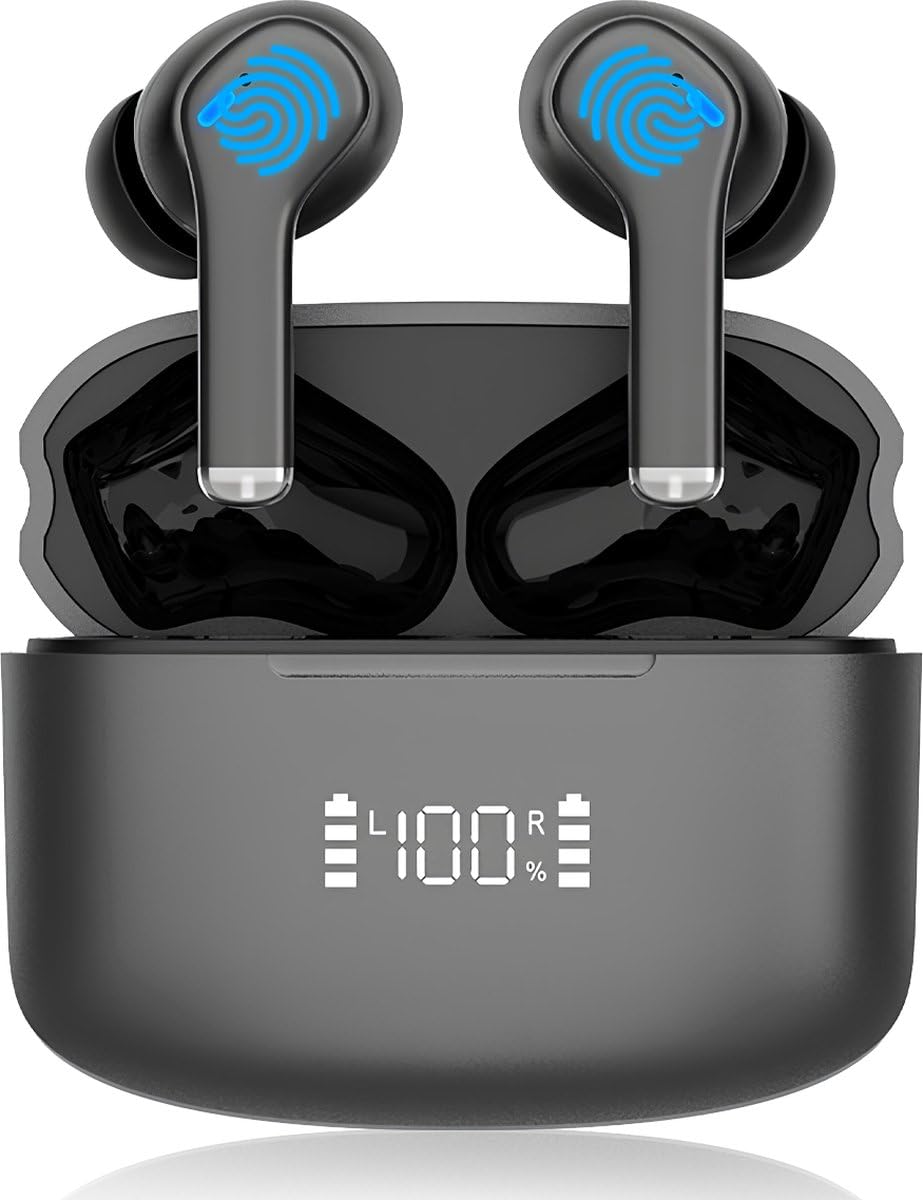
xinwld Bluetooth Headphones, Wireless Bluetooth 5.3 In-Ear Headphones with 4 ENC Noise Cancelling Mic, Wireless Earbuds 40 Hours, IP7 Waterproof, Purple
We independently review everything we recommend. When you buy through our links, we may earn a commission which is paid directly to our Australia-based writers, editors, and support staff. Thank you for your support!
Quick Read
Elon Musk reveals Tesla Autopilot V14 is scheduled for release next month.
This will be the first occasion where Autopilot’s version matches that of Full Self-Driving (FSD).
The change may indicate a transition towards an all-encompassing AI model for Autopilot.
Expected enhancements include a more seamless driving experience and minimized phantom braking.
Autopilot V14 might facilitate activation on roads without markings.
Tesla owners in Australia are looking forward to the FSD launch amidst ongoing trials.
Could Tesla Autopilot V14 Signal the Integration of AP and FSD Next Month?
Elon Musk has recently unveiled plans for Tesla Autopilot V14, which is set to debut next month. This development is notable as it’s the first time that Autopilot and Full Self-Driving (FSD) share the same version identification. The news has ignited enthusiasm regarding potential advancements for Tesla owners who do not have FSD.
Possible Transition to End-to-End AI
Traditionally, Tesla’s Autopilot has relied on an older code structure, lagging behind the end-to-end neural network model of FSD. The launch of ‘Tesla Autopilot V14’ indicates a potential switch to FSD’s codebase with certain functions disabled for Autopilot. This shift could boost Autopilot’s efficiency, tackling prevalent problems such as phantom braking by enhancing the AI’s ability to perceive and navigate its surroundings.
Smoother and More Trustworthy Features
This update may render aspects of Tesla’s software stack, including smart summon, autopark, and navigate on autopilot, more fluid and dependable. This change would allow Tesla to concentrate on honing AI models through training data instead of relying on human-written code.
Challenges and Hardware Enhancements
Musk has pointed out that FSD V14 will substantially increase the count of model parameters, presenting challenges for older Tesla vehicles equipped with HW3 hardware. While there is an assurance to provide hardware updates for these models, a timeline remains unspecified.
Capabilities on Unmarked Roads
Another fascinating prospect with Autopilot V14 is the ability to activate the system on unmarked roads, a feature previously noted internationally with FSD. For users in Australia, this could provide greater adaptability in navigating unmarked routes, enhancing the driving experience.
Expected Performance Advances
Owners anticipate that phantom braking will be diminished or eradicated, as observed with the latest FSD V13 iterations. The forthcoming version is expected to deliver heightened performance by a considerable margin.
FSD Launch in Australia
Even after displaying FSD in Melbourne and Sydney, Tesla owners in Australia are still waiting for its launch. Tesla’s Country Director confirmed that testing is nearing completion, but the software has yet to be released to the public. The anticipated V14 launch could explain this holdup, as Tesla may prefer to roll out the latest version directly to new markets.
Conclusion
The forthcoming launch of Tesla Autopilot V14 could signify a pivotal change toward integrating Autopilot with FSD, utilizing a cohesive end-to-end AI framework. This update holds promises for smoother operations, fewer complications like phantom braking, and potential additional features such as navigating unmarked roads. Tesla owners in Australia remain optimistic about the FSD rollout as the launch of V14 approaches.
Q&A
Q: What is noteworthy about the Tesla Autopilot V14 announcement?
A: It marks the initial occasion where Autopilot’s version number coincides with Full Self-Driving (FSD), indicating a possible integration of the two systems.
Q: In what ways might Autopilot V14 enhance the driving experience?
A: The update might result in smoother driving and lesser phantom braking by implementing an end-to-end AI model similar to FSD.
Q: Will Autopilot V14 permit driving on unmarked roads?
A: There is a chance that Autopilot V14 could enable driving on unmarked roads, providing users with more flexibility.
Q: What is causing the delay in the FSD rollout in Australia?
A: Tesla might be postponing the release until the V14 is launched to directly introduce the most recent version in fresh markets, including Australia.
Q: What difficulties are anticipated with the new FSD V14?
A: The increase in model parameter counts may create challenges for older Tesla vehicles equipped with HW3 hardware, resulting in potential upgrade needs.
Q: How could this update influence Tesla’s software framework?
A: Features such as smart summon, autopark, and navigate on autopilot are projected to be more fluid and reliable.
We independently review everything we recommend. When you buy through our links, we may earn a commission which is paid directly to our Australia-based writers, editors, and support staff. Thank you for your support!
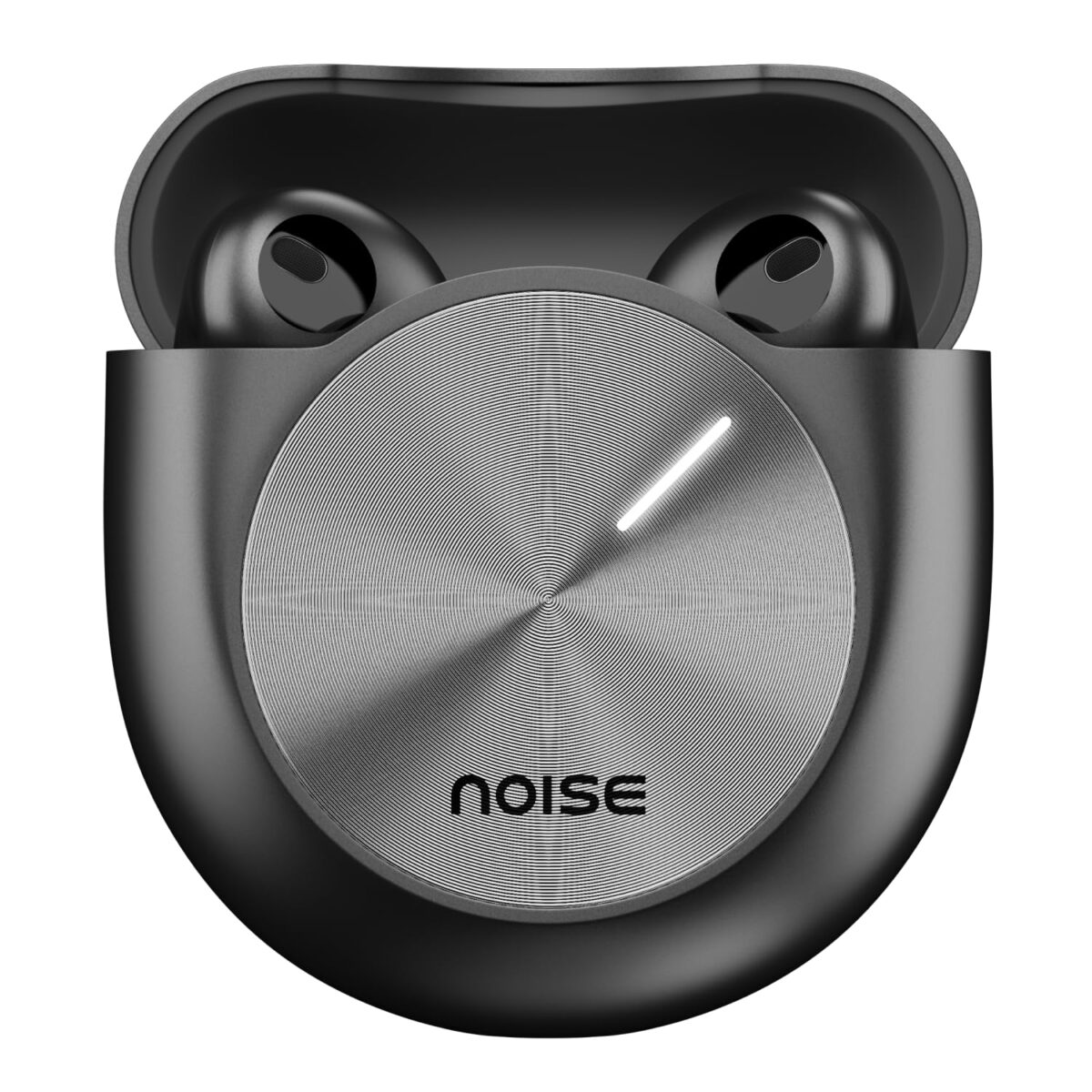
Noise Master Buds-Sound by Bose Truly Wireless Bluetooth Earbuds – Titanium
We independently review everything we recommend. When you buy through our links, we may earn a commission which is paid directly to our Australia-based writers, editors, and support staff. Thank you for your support!
JBL Live Free NC+ – True Wireless in-Ear Noise Cancelling Bluetooth Headphones with Active Noise Cancelling, Microphone, Up to 21H Battery, Wireless Charging (Black)
We independently review everything we recommend. When you buy through our links, we may earn a commission which is paid directly to our Australia-based writers, editors, and support staff. Thank you for your support!
OnePlus Buds 4 Wireless Earbuds,Bass Wave in-Ear Buds,IP55 Tri-Mics AI Earphone,Up to 55dB Adaptive Noise Cancellation,Up to 45Hrs Battery,Grey
We independently review everything we recommend. When you buy through our links, we may earn a commission which is paid directly to our Australia-based writers, editors, and support staff. Thank you for your support!
House of Marley Champion 2: True Wireless Earbuds with Microphone, Bluetooth Connectivity, 35 Hours Total Playtime, and Sustainable Materials, Signature Black
We independently review everything we recommend. When you buy through our links, we may earn a commission which is paid directly to our Australia-based writers, editors, and support staff. Thank you for your support!
Cyber Contracts and Board Expectations in Australia
Cyber Contracts and Board Expectations in Australia
Bradley Kaine, Kaine Mathrick Tech
Quick Overview
Current cybersecurity agreements fail to align with board expectations.
Emphasis on cyber resilience and adherence to Australian standards is essential.
New regulations necessitate improved incident reporting and response.
Entities must align agreements with overarching strategic objectives.
Status of Cyber Contracts
According to Bradley Kaine, CEO of Kaine Mathrick Tech, Australian cybersecurity agreements are not fulfilling the expectations set by boards. Despite the Commonwealth’s introduction of new cyber risk model clauses, numerous entities continue to neglect integrating cyber resilience across all layers of their procurement and vendor management strategies.
Impact of Regulatory Changes
The enactment of the Cyber Security Act 2026 and the mandate for 72-hour ransomware payment reporting serve as key motivators for organisations to reconsider their incident response clauses. However, approaching these adjustments solely as compliance measures could prove harmful. The 2023–2030 Australian Cyber Security Strategy emphasizes the importance of cultivating trust and resilience within a digital economy, urging organisations to regard cybersecurity as a matter of boardroom importance.
Essential Contractual Elements for Cybersecurity
Incident response and recovery play vital roles in cybersecurity agreements. Kaine recommends that organisations incorporate a “Mandatory Incident Disclosure and Cooperation” clause, compelling vendors to promptly alert clients regarding any ransomware incidents, reveal all interactions with extortionists, and fully cooperate in forensic investigations and governmental reports.
Connecting Cybersecurity with Board Expectations
Boards are facing growing scrutiny from regulators, shareholders, and the public to guarantee cyber resilience. A significant number of cybersecurity contracts remain overly fixated on technical controls rather than strategic integration. To close this gap, Kaine proposes a “Board-Level Cyber Risk Reporting and Assurance” clause that requires regular, board-ready updates on cyber security posture, alignment with frameworks such as the ACSC’s Essential Eight, and provisions for third-party assessments.
Conclusion
Australian organisations must reassess their strategies concerning cybersecurity contracts to align with board expectations. Incorporating resilience, synchronizing with strategic objectives, and adhering to recent regulations are crucial steps to ensure that contracts address not only IT issues but also considerations of risk, governance, and accountability.
Q&A
Q: What are the reasons for the inadequacy of current cybersecurity contracts in meeting board expectations?
A: Numerous contracts remain excessively focused on IT aspects and lack the necessary strategic alignment with the board’s objectives related to governance, risk, and resilience.
Q: What should organisations prioritize when evaluating cybersecurity contracts?
A: Organisations ought to concentrate on embedding resilience, executing risk-based evaluations, and ensuring that contracts encompass incident response, data safeguarding, and compliance with Australian standards.
Q: What consequences does the Cyber Security Act 2026 have for contracts?
A: The Act, in conjunction with the Ransomware Payment Reporting Rules 2026, compels organisations to reevaluate their incident response agreements, focusing on legal and reputational factors in addition to compliance.
Q: How can boards ensure their organisation’s readiness against cyber threats?
A: Boards can insist on provisions that mandate vendors to provide regular updates, align with key frameworks, and incorporate measures for audits and incident simulations.
We independently review everything we recommend. When you buy through our links, we may earn a commission which is paid directly to our Australia-based writers, editors, and support staff. Thank you for your support!
soundcore V40i by Anker, Open-Ear Headphones, Crystal-Clear Design, Lidless Case, 4 Adjustable Positions for Every Ear Size, Richer Bass, IP55, 21H Playtime, AI Clear Calls, Bluetooth 5.4, App Control
We independently review everything we recommend. When you buy through our links, we may earn a commission which is paid directly to our Australia-based writers, editors, and support staff. Thank you for your support!
UFUZON Ishiva Wireless 5.3 Bluetooth in-Ear Headphones with Active Noise Cancellation, Microphone, 25 Hours Playtime, IPX5 Waterproof Earbuds with USB-C Charging Box for iOS, Android
We independently review everything we recommend. When you buy through our links, we may earn a commission which is paid directly to our Australia-based writers, editors, and support staff. Thank you for your support!