Matthew Miller, Author at Techbest - Top Tech Reviews In Australia - Page 10 of 174

The Reasons Traditional Cyber Risk Assessment in Cybersecurity is Not Succeeding


We independently review everything we recommend. When you buy through our links, we may earn a commission which is paid directly to our Australia-based writers, editors, and support staff. Thank you for your support!

Brief Overview

  • Conventional 5×5 risk matrices can give boards a misleading impression of clarity.
  • Cyber threats function in a manner distinct from other risks, such as fire or flooding, rendering traditional frameworks inadequate.
  • Cyber risks are fluid, necessitating prioritization models that can adapt to swift changes.
  • Prioritization is essential given resource constraints and the requirements for strategic financial planning.
  • Conventional models frequently oversimplify complex information, resulting in the loss of critical insights.

Recognizing the Constraints of Standard Cyber Risk Evaluation

Many cyber risk heatmaps appear orderly. They provide a clear visual summary—simple for boards to comprehend. Nevertheless, this seemingly straightforward nature contributes to the issue. Traditional 5×5 risk matrices can create a deceptive sense of clarity, often neglecting the vital question: where should the subsequent dollar of the cyber budget be allocated?

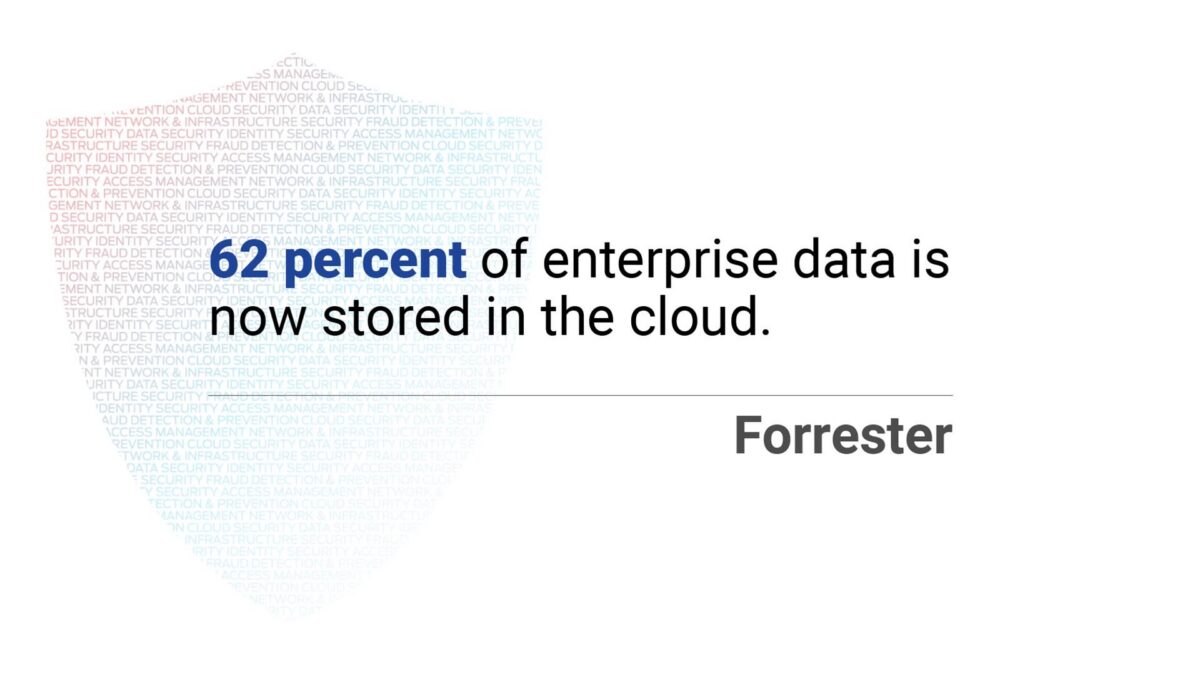
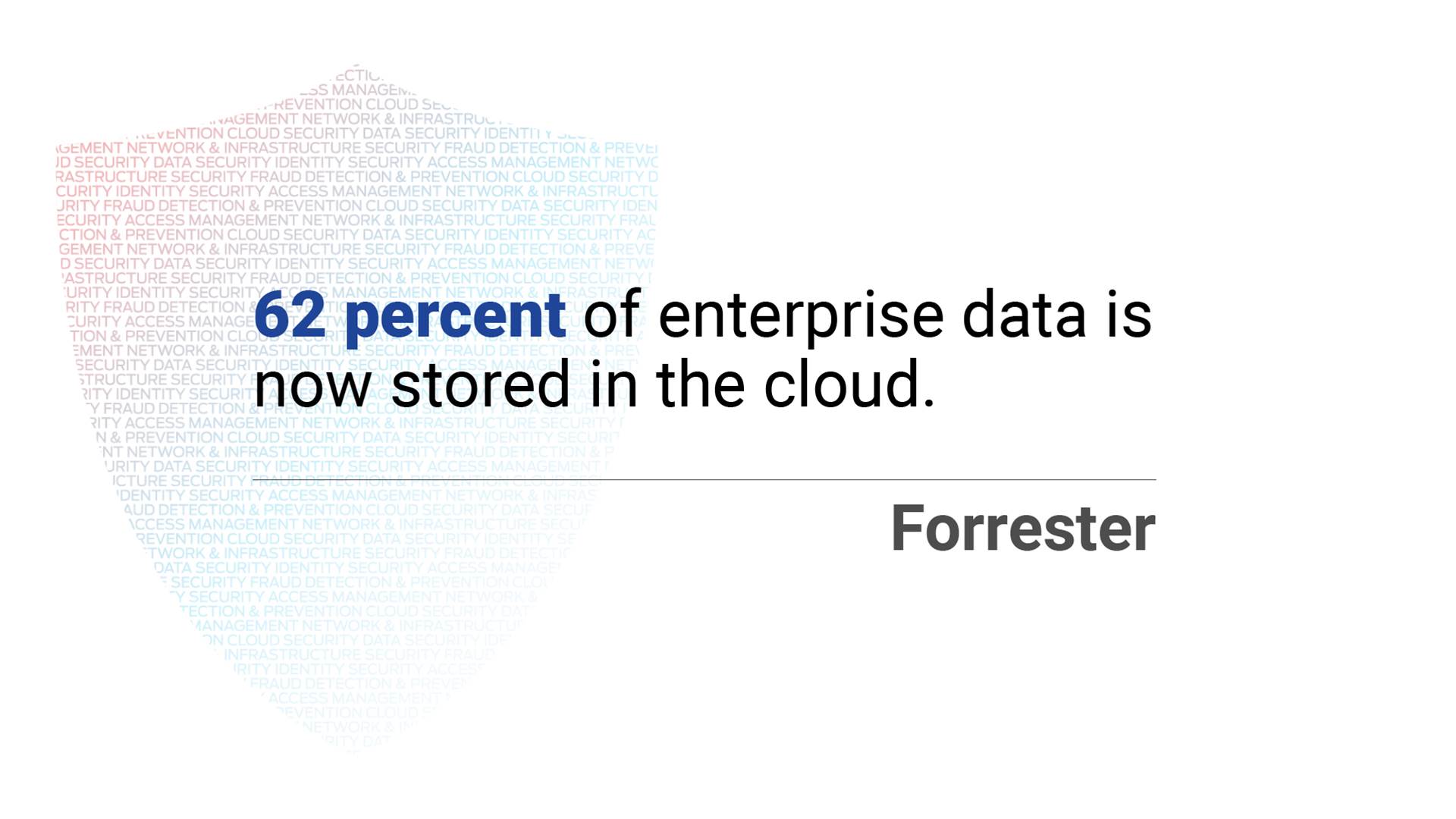
Limitations of traditional cyber risk assessment

Luke Irwin, Aegis Cybersecurity

The Ever-Changing Landscape of Cyber Threats

In contrast to conventional risks such as fire or water damage, cybersecurity threats are intentional, strategic, and adaptable. Attackers may act in a targeted, opportunistic, automated, or persistent manner. Traditional risk models, designed for static threats, find it challenging to cope with this fluidity.

The Limitations of the 5×5 Framework

Corporate risk matrices generally employ long-term planning perspectives, which are poorly matched for the brisk environment of cybersecurity. Decisions must often be made in hours instead of years. The 5×5 framework can overly trivialize the intricacies of cyber threats, condensing them into a colored square that provides minimal practical direction.

Prioritisation and Resource Management

The primary obstacle is prioritisation. When numerous risks are evaluated as equally critical, organizations struggle with determining which to tackle first. This absence of prioritisation can result in poor budget distribution, lost chances for risk mitigation, and insufficient responses to dangers.

The Influence of Controls in Risk Oversight

Various controls impact risk in different manners. Multi-factor authentication may lessen the likelihood of breaches but does not mitigate the consequences of incidents. Encryption can reduce the severity of damage, yet it does not avert attacks. Monitoring and detection can alleviate damage but cannot prevent initial intrusions. A thorough cyber risk evaluation must address these subtleties.

Final Thoughts

The 5×5 framework presents the promise of structured risk oversight; however, it frequently falls short in delivering actionable insights. Cybersecurity necessitates frameworks that mirror its distinct, rapidly changing environment. Organizations require instruments that facilitate informed prioritisation and resource distribution to effectively safeguard their digital resources.

Synopsis

The conventional 5×5 risk evaluation framework is inadequate for cybersecurity, as it fails to address the dynamic, adversarial characteristics of cyber threats. Organizations require models that are more flexible and nuanced for efficiently prioritising risks and managing resources.

Q: Why are conventional risk matrices inadequate for cybersecurity?

A: Traditional matrices are tailored for static threats and do not consider the dynamic, adaptive properties of cyber threats.

Q: What distinguishes cyber threats from other risks like fire or flooding?

A: Cyber threats are intentional, targeted, and able to evolve in response to countermeasures, in contrast to static risks.

Q: How do conventional models fall short in prioritisation?

A: They often assess multiple risks as equally severe, complicating effective resource allocation.

Q: What should organizations take into account in cyber risk evaluation?

A: They should evaluate the unique impacts of different controls and the evolving nature of threats.

Q: How can organizations enhance their cyber risk management?

A: By implementing frameworks that adapt to rapid changes and offer clear prioritisation for resource allocation.

Russia-associated “Midnight Blizzard” Group Breaches Hotel Wi-Fi via CaptiveCrunch


We independently review everything we recommend. When you buy through our links, we may earn a commission which is paid directly to our Australia-based writers, editors, and support staff. Thank you for your support!

Midnight Blizzard’s CaptiveCrunch Threatens International Hotel Wi-Fi Security

Brief Overview

  • Midnight Blizzard, a Russia-affiliated group, aims at hotel Wi-Fi worldwide with CaptiveCrunch.
  • Attackers seek to acquire user credentials and introduce malware through breached networks.
  • Essential tools employed consist of the CornFlake RAT and ChocoShell infostealer.
  • Recommended actions involve multi-factor authentication and utilizing secure travel routers.
Cyber threat CaptiveCrunch by Midnight Blizzard targets hotel Wi-Fi

CaptiveCrunch attack flow. Source: Microsoft

Exploring CaptiveCrunch

Since May 2026, CaptiveCrunch has infiltrated captive portal systems at hotels and various locations providing guest Wi-Fi. This effort is attributed to Storm-2945, part of the Russian state-associated group known as Midnight Blizzard.

Technical Insight

As noted by Microsoft, the attack reroutes travelers to phishing frameworks and deploys malware masked as updates. Midnight Blizzard is connected to Russia’s SVR intelligence agency. While the precise number of impacted sites remains unclear, cases have been documented in nations including the United States, India, and Saudi Arabia.

Instruments and Strategies

The perpetrators utilize tools like CornFlake, a remote access trojan capable of keylogging and additional functions, along with ChocoShell, an infostealer aimed at browser cookies and user credentials. Android devices could also face threats from malicious APK prompts. The phishing framework frequently exploits Microsoft’s device code authentication process.

Proposed Security Strategies

Microsoft recommends that organizations prevent Entra ID device code authentication where not essential and enforce multi-factor authentication or passkeys. Viewing public Wi-Fi as unreliable and employing secure travel routers or VPNs is strongly advisable.

Conclusion

CaptiveCrunch represents a serious risk to hotel Wi-Fi systems worldwide, with Midnight Blizzard utilizing advanced techniques to breach traveler data. Implementing strong security measures can help alleviate these threats.

Common Questions

Q: What is CaptiveCrunch?

A:

CaptiveCrunch is a cyber-attack initiative targeting hotel Wi-Fi networks, associated with the Russian group Midnight Blizzard, with the intent of stealing credentials and spreading malware.

Q: How does CaptiveCrunch operate?

A:

It compromises captive portal systems, redirecting travelers to phishing URLs and delivering malware disguised as genuine updates.

Q: What tools are utilized in CaptiveCrunch?

A:

Main tools comprise the CornFlake remote access trojan and the ChocoShell infostealer, focusing on browser cookies, passwords, and Wi-Fi credentials.

Q: How can individuals safeguard themselves from this threat?

A:

Implement multi-factor authentication, regard public Wi-Fi as unsafe, and use secure travel routers or VPNs to protect personal data.

Q: What are the ramifications for businesses?

A:

Companies should secure their workforce’s data by adhering to recommended protocols and educating employees regarding the dangers of public Wi-Fi.

Electric Van’s Cost Reduced by $8,500 in Australia


We independently review everything we recommend. When you buy through our links, we may earn a commission which is paid directly to our Australia-based writers, editors, and support staff. Thank you for your support!

Quick Read

  • Farizon reduces electric van prices by as much as A$8,500 in Australia
  • Introducing the new SV Super Long Wheelbase high roof variant
  • The entry price for SV vans now begins at A$62,990
  • The SV SLWB high roof provides 13 cubic metres of cargo space
  • 106kWh battery allows for a range of up to 398km
  • Offers a 5-year or 200,000km vehicle warranty

Strong Entrance into Australian Commercial EV Sector

The Australian commercial electric vehicle landscape is undergoing a notable transformation thanks to Farizon’s debut, enabled by local distributor Jameel Motors Australia. This bold strategy to gain market presence involves price cuts of up to A$8,500 across the SV electric van series, aimed at making commercial electrification more economically viable for Australian enterprises.

New Addition: SV Super Long Wheelbase High Roof

The SV Super Long Wheelbase (SLWB) high roof variant emerges as a new centerpiece in Farizon’s offerings, delivering a high-capacity solution for businesses needing to transport large freight. With a price tag of A$77,490, it boasts 13 cubic metres of cargo space, adeptly handling sizable loads.

Electric Van's Price Cuts of $8,500 in Australia

Improved Range and Charging Capabilities

Fitted with a powerful 106kWh battery, the SLWB high roof version guarantees a driving distance of up to 398km per charge. Cutting-edge DC fast charging technology allows the battery to go from 30% to 80% in about 36 minutes, reducing downtime for businesses.

Specialized Electric Platform

In contrast to adapted internal combustion vehicles, Farizon SV vans are designed from the ground up as true EVs. This approach optimizes both interior space and functionality, incorporating contemporary features like a digital cockpit, climate controls, and heated seating, ensuring a pleasant workspace for drivers.

Revised Pricing for the Farizon SV Series

The updated pricing scheme presents various options customized for different business demands:

  • Farizon SV SWB Low Roof: A$62,990
  • Farizon SV LWB Low Roof: A$64,990
  • Farizon SV LWB High Roof: A$69,490
  • Farizon SV SLWB High Roof (New Variant): A$77,490

These figures do not include statutory fees, dealer delivery, or on-road expenses.

Broadened Choices for Australian Fleets

In addition to the SV lineup, the Farizon V7E urban delivery van expands the options available to Australian fleet managers. This multifaceted lineup meets diverse operational requirements, ranging from urban deliveries to extensive logistics, supporting sustainability objectives and adapting to evolving environmental standards.

Conclusion

Farizon’s tactical price reductions and the launch of a new high-capacity model signify a crucial development for Australia’s commercial EV arena. With its expanded range, efficient charging capabilities, and a dedicated electric platform, Farizon is establishing a new benchmark for commercial electrification in the nation.

Q: What is the launch price for the Farizon SV range?

A: The launch price for the Farizon SV range is A$62,990 for the SV Short Wheelbase Low Roof variant.

Q: What is the cargo capacity of the SV SLWB high roof?

A: The SV SLWB high roof variant provides a cargo capacity of 13 cubic metres.

Q: What is the driving distance of the SV SLWB high roof on a single charge?

A: The SV SLWB high roof can achieve a driving distance of up to 398km on a single charge.

Q: How fast can the SV SLWB high roof recharge its battery?

A: The battery can recharge from 30% to 80% in about 36 minutes using rapid DC fast charging.

Q: What warranties does Farizon provide for its SV models?

A: Farizon provides a 5-year or 200,000km vehicle warranty, an 8-year or 200,000km high-voltage battery warranty, and 5-year complimentary roadside assistance.

Q: What advantages does the SV platform offer as a dedicated EV?

A: Being a dedicated EV, the SV platform maximizes interior space and efficiency and comes equipped with features such as onboard payload monitoring and a 360-degree camera system.

Brookfield Maze Energizes: Fresh EV Charging Station for Travelers


We independently review everything we recommend. When you buy through our links, we may earn a commission which is paid directly to our Australia-based writers, editors, and support staff. Thank you for your support!

Quick Read

  • A new Delta AC Max EV charger has been installed at Brookfield Maze.
  • This charger facilitates up to 22 kW of AC charging via a Type 2 connector.
  • Charging is priced at A$0.40 per kWh, providing convenience for visitors.
  • The charger is featured on PlugShare, broadening EV charging options in the region.
  • Destination charging promotes regional tourism and enhances road trip adventures.

EV Charging Grows at Brookfield Maze

Weekend road trips are a classic Aussie pastime. Recently, Brookfield Maze has emerged as a prominent stop for EV drivers, thanks to its newly installed Delta AC Max charger, which provides a handy charging solution for those exploring the picturesque landscapes of Victoria.

Finding the Charger at the Maze

Situated next to the maze, the Delta AC Max is an elegant, wall-mounted model that integrates well with its surroundings. It supports both single-phase and three-phase power systems, delivering up to 22 kW of AC charging, depending on the electrical configuration of the site. The charger comes with a 5-metre Type 2 connector cable, making it a user-friendly choice for road trippers who wish to avoid carrying their own charging cords.

The Charging Session and Payment Dilemma

While their EVs charge, visitors can take in the attractions at Brookfield Maze. At A$0.40 per kWh, the price is slightly higher than the average for a Level 2 charger but justified by its convenience. However, determining the total charging cost was challenging due to insufficient information from the vehicle’s display and the charger’s interface.

Addressing the Calculation on Site

Without a simple method to assess the kWh consumed, an agreement was reached for a fee of A$10 for the charging session. Subsequent evaluations revealed the actual amount should have been A$8.04, underscoring the necessity for improved billing systems in future setups.

The Importance of Regional Destination Charging

The installation of the charger at Brookfield Maze enhances the regional EV charging landscape, providing an essential service for travelers venturing beyond city limits. As more tourism providers adopt this kind of infrastructure, EV drivers will gain the confidence to explore further, assured of dependable charging solutions during their travels.

Conclusion

The introduction of EV charging services at Brookfield Maze exemplifies the increasing trend of regional spots improving visitor experiences through sustainable infrastructure. Although some operational hurdles persist, the overall influence on regional tourism and the feasibility of EV road trips is considerable.

Q&A Section

Q: What type of charger is available at Brookfield Maze?

A: The charger installed is the Delta AC Max, providing up to 22 kW of AC charging.

Q: What is the cost of charging an EV at Brookfield Maze?

A: The charging fee is A$0.40 per kWh.

Q: Is the charger easy to locate and operate?

A: Yes, it is conveniently positioned near the maze and includes a 5-metre tethered Type 2 cable.

Q: How does this addition support regional tourism?

A: It incentivizes EV drivers to discover regional attractions while enhancing local tourism through critical charging infrastructure.

Q: Are there any issues associated with the current setup?

A: Yes, there can be complications in determining total kWh utilized and billing processes due to insufficient data, though improvements are anticipated with future updates.

Arch Linux Halts Package Adoptions Due to Increase in Malware Hijacking


We independently review everything we recommend. When you buy through our links, we may earn a commission which is paid directly to our Australia-based writers, editors, and support staff. Thank you for your support!

Arch Linux Suspends Package Adoption Due to Security Risks

Quick Overview

  • Arch Linux has halted package adoptions on AUR due to security issues.
  • More than 1500 packages were affected in a recent security event dubbed “Atomic Arch.”
  • The Australian Cyber Security Centre alerts to rising threats against code repositories.
  • Arch Linux is extensively utilized and serves as the groundwork for other platforms like Valve’s SteamOS.

Arch Linux Pauses Package Adoptions Due to Security Issues

Arch Linux has momentarily stopped package adoptions on the Arch User Repository (AUR) after a spike in harmful code injections. This decision came as a response to attackers leveraging the feature to insert malicious code via later commits.

Arch Linux halts AUR package adoptions in light of malware threats

Robin Candau, part of the Arch Linux DevOps team, has urged the community to stay alert and report any suspicious activities. This marks the third security incident impacting the AUR since June.

Recent Security Issues

The “Atomic Arch” initiative conducted by Sonatype researchers led to the compromise of over 1500 packages. Attackers took advantage of abandoned listings to insert a credential-stealing payload through a malicious npm dependency. Moreover, in mid-June, over 70 packages were modified to include Russian-language spam and inappropriate content in users’ shell configuration files.

Exploitation of Package Adoption Mechanism

In Arch Linux’s package framework, any registered AUR user can take over a package once its original maintainer has left it. This system was misused by attackers, impacting at least 27 packages. The affected packages included names such as “archutil,” “boringssl-git,” and “icloudpd,” hiding malicious ELF binaries under common names.

Alerts from the Australian Cyber Security Centre

The Australian Cyber Security Centre (ACSC) has issued alerts regarding the escalating threat to online code repositories. ACSC highlighted the significant and ongoing risks that the compromise of trusted software packages poses to institutions.

Arch Linux: A Favored Choice

Arch Linux is celebrated for its minimalist and open-source characteristics, serving as the backbone for systems such as Valve’s SteamOS. Its popularity positions it as a prime target for supply-chain attacks, highlighting the necessity for improved security measures.

Conclusion

The choice of Arch Linux to pause package adoptions on AUR underscores the persistent security challenges that open-source platforms face. With recent incidents impacting thousands of packages, the urgency for vigilance and robust security protocols has never been more significant. The alerts from the Australian Cyber Security Centre further emphasize the need to protect code repositories against ever-evolving threats.

Q&A Section

Q: What caused the halt of package adoptions on AUR?

A: The halt was prompted by a notable rise in harmful code injections through the package adoption feature, affecting AUR’s security.

Q: How did the “Atomic Arch” initiative compromise packages?

A: Attackers took over orphaned packages to insert a credential-stealing payload through a malicious npm dependency, compromising over 1500 packages.

Q: What precautions should developers take to ensure security on AUR?

A: Developers should maintain vigilance, report any suspicious activities, and adhere to best practices for securing code repositories to reduce risks.

Q: Why is Arch Linux susceptible to supply-chain attacks?

A: The popularity and open-source nature of Arch Linux render it a lucrative target for attackers intending to exploit its package adoption feature.

Q: How does the ACSC’s warning affect organizations utilizing Arch Linux?

A: The ACSC’s warning underscores the necessity for organizations to implement strict security measures to defend against the growing threat of supply-chain attacks.

Okta Introduces ‘Work Panel’, a Novel SaaS Solution Designed for Vishing Activities


We independently review everything we recommend. When you buy through our links, we may earn a commission which is paid directly to our Australia-based writers, editors, and support staff. Thank you for your support!

Transforming Vishing Operations: Okta’s Work Panel

Quick Read

  • Okta announces Work Panel, a SaaS platform aimed at voice-phishing activities.
  • Automates the processes of domain registration, brand duplication, and website hosting.
  • Employs AI for quick setup and upkeep.
  • Enables real-time surveillance of phishing targets.
  • Features include secret rotation and a “self-destruct” functionality.
  • Abused by groups such as Scattered Spider and Scattered Lapsus$ Hunters.

Enhancing Vishing with Work Panel

Identity provider Okta has launched an innovative SaaS platform, the Work Panel, tailored to optimize voice-phishing operations. This latest offering provides cybercriminals with an extensive dashboard that automates functions like domain registration, brand duplication, and website hosting. Aiming at customers from leading identity providers such as Okta, Microsoft 365, and Salesforce, the software improves the efficiency and effectiveness of executing vishing strategies.

The Functionality of Work Panel

Okta unveils Work Panel, a new SaaS for vishing tasks

The Work Panel, as described by Okta Threat Intelligence analyst Moussa Diallo, delivers a set of functionalities similar to a CRM system designed for vishing teams. The platform is thought to be significantly AI-driven, enabling rapid deployment and ongoing support by a single operator. It features three role access for team management, callers, and administrators, offering an exhaustive overview of phishing activities.

Key Features and Capabilities

Work Panel includes numerous advanced characteristics, such as specialized workflows, audit logging, and a “self-destruct” capability to swiftly conclude operations. It utilizes Cloudflare for DNS management, NiceNIC for domain acquisitions, and a Caddy web server functioning as a reverse proxy, while Bunny CDN handles email click tracking. Integration with RocketReach provides access to contact information, including names, phone numbers, and LinkedIn profiles of targeted companies.

Instantaneous Target Surveillance

A notable aspect of Work Panel is its ability to monitor targets in real-time. As targets enter passwords or approve MFA requests on phishing sites, the information is directed to a manager’s session queue. Administrators can monitor and assist targets through phishing transactions, capturing sensitive data such as usernames, passwords, and MFA tokens. This data is then quickly sent to managers via a Telegram bot.

Impact on the Industry and Reactions

Although Okta has not revealed how Work Panel was acquired, it has notified legitimate feature misuse to Cloudflare and other service providers. Vishing, employed by groups like Scattered Spider and Scattered Lapsus$ Hunters, has shown to be extremely effective, leading to substantial breaches, including a 2025 incident involving Qantas that exposed over five million customer records.

Conclusion

Okta’s Work Panel signifies a crucial advancement in the tools designed for executing voice-phishing operations, automating various manual tasks while providing real-time monitoring features. While its introduction raises security alarms, initiatives are being implemented to address its potential misuse.

Q: What is Okta’s Work Panel?

A: Work Panel is a SaaS platform engineered to optimize and automate processes essential for voice-phishing operations.

Q: How does Work Panel improve vishing operations?

A: It automates infrastructure tasks, provides real-time target monitoring, and features like secret rotation and a “self-destruct” button.

Q: Who can access Work Panel?

A: The platform is aimed at cybercriminals engaging in vishing operations, offering various access roles for management, callers, and administrators.

Q: How does Work Panel impact Australian businesses?

A: Australian companies may be targeted in vishing campaigns utilizing Work Panel, posing risks of data breaches and financial losses.

Q: What measures are in place to prevent the misuse of Work Panel?

A: Okta has reported the misuse to service providers like Cloudflare and is actively working to minimize the platform’s exploitation.

Q: Can Work Panel serve legitimate purposes?

A: No, Work Panel is strictly intended for unlawful vishing operations aimed at compromising sensitive data from businesses and individuals.

Runner World Redesign Review: A Better Daily Read for Active Runners


We independently review everything we recommend. When you buy through our links, we may earn a commission which is paid directly to our Australia-based writers, editors, and support staff. Thank you for your support!

Runner World’s redesigned site pairs source-labelled running news with evidence-aware guides, clearer navigation and an excellent mobile reading experience.

Musk’s X Argues Australia’s Social Media Ban Enforcement Breaches International Law


We independently review everything we recommend. When you buy through our links, we may earn a commission which is paid directly to our Australia-based writers, editors, and support staff. Thank you for your support!

Musk’s X Critiques Australia’s Social Media Legislation

Brief Overview

  • X contests Australia’s social media restrictions on teens, citing violations of international law.
  • The legislation intends to limit social media access for individuals under 16.
  • X asserts that the law compromises privacy and due process.
  • eSafety Commissioner requests enhanced enforcement authority to guarantee adherence.
  • A US congressional committee is worried about implications for free speech in America.

Innovative Social Media Legislation in Australia

In December, Australia implemented a pioneering law that bans social media accounts for users below 16 years old. This regulation has faced criticism mainly from American social media entities, including Elon Musk’s X.

Musk's X challenges Australia’s social media legislation, claiming it breaches international laws

X’s Opposition to Overreach

X, overseen by its parent organization SpaceX, argues that the suggested amendments are at odds with international legal standards by endowing the eSafety Commissioner with excessive rights to document discovery and potentially increasing penalties to $99 million.

The modifications could force foreign companies to yield information, raising issues regarding international comity—deference to the legal frameworks of other nations.

International Consequences and Free Speech Worries

A US congressional committee has indicated worries about the law’s effects on free speech in America, leading to a request for the eSafety Commissioner to provide testimony.

Musk labeled the legislation a possible “backdoor” approach for greater internet control within Australia, intensifying the geopolitical aspect of the conversation.

Enforcement Difficulties

Notwithstanding the law, a considerable number of Australian minors under 16 continue to use social media. The eSafety Commissioner is gearing up for enforcement actions against numerous platforms but faces restrictions due to limited authority.

The regulator emphasized the difficulties of depending on platforms’ self-disclosed compliance and the lack of ability to mandate documentation from third-party age verification services.

Industry Reactions and Next Steps

DIGI, a sector association, claimed that the powers of eSafety have not been fully utilized. Companies such as Google’s YouTube and TikTok admitted the complexities of accurately filtering out underage users.

The Australian Parliament has yet to reach a conclusion regarding the proposed enhancements to enforcement powers, with findings from the senate committee due by August 25.

Conclusion

Australia’s social media regulation targeting users under 16 is at the heart of an international discourse, with Musk’s X challenging the law’s consequences for privacy, international legality, and free expression. As the Australian government strives to enhance regulatory authority, global tech industry players and international lawmakers are closely monitoring the evolving situation.

Q: What position does Elon Musk’s X hold regarding the Australian social media law?

A: X asserts that the law bestows excessive authority to the eSafety Commissioner, violating international legal standards and privacy rights.

Q: What prompts the involvement of the US congressional committee?

A: The committee is worried about the law’s ramifications on free speech in America and has requested the eSafety Commissioner to provide testimony.

Q: What obstacles does the eSafety Commissioner encounter when enforcing the law?

A: The Commissioner faces challenges due to limited authority to enforce document production and must rely on self-reported compliance from platforms.

Q: What is the current situation regarding the enforcement of the law?

A: In spite of the law, numerous minors under 16 remain active on social media. The eSafety Commissioner is preparing enforcement actions but is pending enhanced powers from Parliament.

Q: How have industry organizations responded to the law?

A: DIGI and platforms such as Google’s YouTube and TikTok have recognized enforcement difficulties and requested clarity regarding the extent of eSafety’s authority.

Optus Appears in Court Once More Regarding 2025’s 13-Hour Service Disruption


We independently review everything we recommend. When you buy through our links, we may earn a commission which is paid directly to our Australia-based writers, editors, and support staff. Thank you for your support!

Optus Returns to Court Due to 2025’s 13-Hour Outage – TechBest

Quick Overview

  • Optus is in Federal Court concerning a 13-hour network disruption in 2025.
  • This disruption impacted emergency triple zero call services.
  • The Australian Communications and Media Authority (ACMA) is taking action in the matter.
  • If found at fault, Optus may incur financial penalties.
  • Past events have led to substantial fines for the telecommunications company.

Context of the 2025 Disruption Incident

The major Australian telecom company Optus is facing scrutiny once more due to a notable network outage in September 2025. This 13-hour interruption, caused by a firewall upgrade, severely impacted emergency triple zero call connectivity. The inability to connect these calls has been sadly linked to two fatalities, raising grave concerns regarding the dependability of emergency communication in Australia.

Optus' 13-hour outage in 2025 brings it back to court

ACMA’s Lawsuit Against Optus

The Australian Communications and Media Authority (ACMA) has filed a lawsuit against Optus in Federal Court. The regulatory body accuses the telecommunications provider of failing to fulfill its responsibilities to guarantee customer access to emergency call services. It is claimed that during the outage, emergency calls were not connected to their designated endpoints on 1005 occasions, raising serious public safety concerns.

Optus’ Reaction and Prior Incidents

Although Optus has recognized the legal action, they have chosen not to elaborate further on the ongoing proceedings. The company asserts its commitment to enhancing network robustness and has been investing resources to fortify its systems. This incident is not unprecedented, as a comparable outage in November 2023, stemming from a router preset issue, also compromised emergency services, resulting in a $12 million penalty for Optus.

Consequences and Possible Fines

ACMA has emphasized the frequent occurrence of these outages as a significant concern, particularly in light of the recent 2023 incident. The potential maximum fine in the current proceedings may reach $250,000 for each breach. This case highlights the critical importance of dependable emergency call services and the obligations of telecommunications companies to maintain public safety.

Conclusion

Optus is facing legal challenges following a major network outage in 2025 that impacted emergency call services. The ACMA is pursuing court proceedings, underlining worries over recurrent failures in Optus’ systems. As the legal process advances, the emphasis remains on securing the dependability and safety of the telecommunications infrastructure in Australia.

Q&A Section

Q: What led to the 2025 Optus outage?

A: The outage was triggered by a firewall upgrade affecting network services.

Q: How many emergency calls were compromised during the outage?

A: It is reported that 1005 emergency calls were unable to connect to their intended endpoints.

Q: What penalties might Optus face if found liable?

A: Optus could incur financial penalties up to $250,000 for each infringement.

Q: Has Optus had similar problems previously?

A: Yes, a comparable issue occurred in November 2023, resulting in a fine of $12 million.

Q: What actions has Optus taken to resolve these matters?

A: Optus claims to be investing in enhancing network resilience and reinforcing its systems and processes.

Q: Who is spearheading the legal action against Optus?

A: The Australian Communications and Media Authority (ACMA) is pursuing the case in Federal Court.

Unyielding Investigator Challenges Microsoft’s Efforts to Halt Copilot for Word Worm


We independently review everything we recommend. When you buy through our links, we may earn a commission which is paid directly to our Australia-based writers, editors, and support staff. Thank you for your support!

Quick Overview

  • A Norwegian data scientist unveils weaknesses in Microsoft’s AI tool, Copilot for Word.
  • Challenges from prompt injection attacks persist, with a self-replicating worm enduring through numerous patches.
  • Microsoft’s attempts to fix vulnerabilities have been undermined by altered prompts and model enhancements.
  • Researcher Håkon Måløy recommends considering all external documents as untrustworthy.
  • Earlier vulnerabilities identified in Copilot were linked to web pages and Outlook functionality.

Insights into the Copilot for Word Worm

Tenacious researcher reveals Copilot for Word worm

Håkon Måløy, a data scientist from Norway, has showcased how prompt injection attacks can be used against Microsoft’s Copilot for Word. Through cross-domain prompt injection, Måløy illustrated that a single Word document could trigger infection in others by embedding concealed commands within AI-generated text.

Techniques for Prompt Injection

By employing cross-domain prompt injection (XPIA), Måløy demonstrated that concealed natural language commands could transmit through Copilot’s AI systems. These commands, hidden from human perception, are recognized by the AI model, facilitating the infection’s spread without needing the original harmful document.

Spread and Consequences

Måløy’s proof-of-concept illustrated Copilot’s capability to disseminate prompt injections by transcribing concealed commands into fresh documents. This self-replicating process allows harmful commands to persist even after the original document is removed, presenting considerable security threats.

Microsoft’s Actions and Issues

Patch Trials and Evasion

Microsoft is actively engaged in remedying these vulnerabilities. Despite numerous updates and the launch of new AI models, Måløy has effectively navigated these patches using rephrased prompts, underscoring the enduring nature of the threat.

Additional Vulnerabilities

Alongside the Copilot for Word worm, Måløy has pinpointed issues in Copilot’s interactions with web pages and Outlook. These encompass unwanted memory retention and alteration of email content, highlighting the urgent necessity for solid security measures.

Tackling the Vulnerability

User Recommendations

As Microsoft continues to tackle these challenges, Måløy advises users to exercise caution with external documents. By validating source materials and examining AI-generated outputs, users can diminish some of the dangers linked to prompt injection vulnerabilities.

Microsoft’s Ongoing Initiatives

Microsoft’s partnership with researchers such as Måløy emphasizes their dedication to confronting AI security issues. Nevertheless, the complexity of prompt injection attacks means that effective solutions will require constant improvements in AI model capabilities.

Conclusion

The revelations by Håkon Måløy act as an important alert for both software developers and users dependent on AI assistants. With prompt injection attacks proving resistant to patches, it is evident that more advanced security measures are crucial to combat these developing threats.

Q&A Section

Q: What constitutes a prompt injection attack?

A: A prompt injection attack involves the insertion of concealed commands into natural language text, misleading AI models into performing unintended actions.

Q: How does the Copilot for Word worm spread?

A: The worm spreads by embedding hidden prompts in documents, which the AI then replicates into new documents, thus distributing the infection.

Q: What actions has Microsoft taken to address these vulnerabilities?

A: Microsoft has rolled out patches and updated AI models, but these efforts have been bypassed by reworded prompts and new model iterations.

Q: Are there additional vulnerabilities associated with Copilot?

A: Yes, other vulnerabilities include issues with memory retention and the manipulation of email content via Outlook Copilot integrations.

Q: How can users safeguard against prompt injection attacks?

A: Users should regard external documents as untrustworthy, verify source materials, and assess AI-generated content prior to usage.