
Waymo Vehicles Struggle with San Francisco Power Outage Impacting Traffic Signals

We independently review everything we recommend. When you buy through our links, we may earn a commission which is paid directly to our Australia-based writers, editors, and support staff. Thank you for your support!
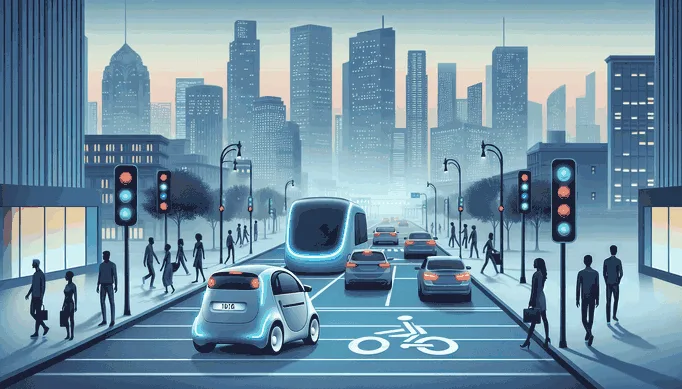
Waymo Cars Face Challenges Amid San Francisco Power Outage Disrupting Traffic Lights
Quick Summary
- San Francisco is dealing with a significant power outage impacting traffic lights.
- Waymo cars halted at intersections, leading to traffic complications.
- Autonomous technology encounters difficulties in emergency situations such as blackouts.
- There is a need for enhanced logic in autonomous systems during system failures.
- Public safety and dependability are essential in the rollout of autonomous vehicles.
Impact of San Francisco’s Power Outage
San Francisco is undergoing a widespread power outage, influencing everything from home lighting to vital infrastructure like traffic lights. The San Francisco Department of Emergency Management has released a warning advising residents to remain indoors to evade potential dangers and traffic congestion.
Difficulties for Self-Driving Vehicles
Power failures create specific challenges for self-driving vehicles that depend on sensors, maps, and instantaneous data for navigation. In the absence of operational traffic signals, these vehicles frequently come to a complete stop, as evidenced by a viral video capturing Waymo cars idling at an intersection.
Consequences for Public Safety and Traffic Management
The halted Waymo vehicles turned into barriers, complicating traffic flow and aggravating passengers. This scenario underscores the disparity between present autonomous capabilities and the necessary decision-making during crises. The dependability of these systems plays a vital role in ensuring public safety.
Requirement for Enhanced Autonomous Logic
Companies developing autonomous vehicles must enhance their logic to tackle infrastructure failures. Vehicles should shift from “stop and wait” procedures to an interactive mode that facilitates continuous traffic movement. This situation serves as a wake-up call regarding the pace of autonomous technology deployment.
Conclusion
The blackout in San Francisco has exposed a significant vulnerability in autonomous vehicle technology. Waymo’s existing method of halting at inoperative traffic signals is inadequate for real-life situations, highlighting the necessity for improved logic and robustness in autonomous systems.
FAQs
Reader questions
Frequently asked questions
Fast answers to the questions readers ask most about Waymo Vehicles Struggle with San Francisco Power Outage Impacting Traffic Signals.
What led to the issues in San Francisco?
A large-scale power outage impacted traffic signals, resulting in autonomous cars like Waymo stopping at intersections.
How did Waymo cars react to the power outage?
The cars halted at intersections upon encountering non-operational traffic lights, becoming impediments.
What challenges does this present for self-driving vehicles?
Self-driving vehicles depend on functional infrastructure and real-time data. A blackout disrupts these systems, necessitating intricate decision-making.
What enhancements are essential for self-driving vehicles?
Vehicles require superior logic to manage infrastructure failures and transition smoothly during emergencies.
How does this situation influence public safety?
The reliability of self-driving cars in emergencies is critical for public safety and traffic control.
