
Train Your Humanoid Robot Using a Prompt: 1X NEO Excels in Tasks Through Video Creation

We independently review everything we recommend. When you buy through our links, we may earn a commission which is paid directly to our Australia-based writers, editors, and support staff. Thank you for your support!
Quick Overview
- 1X’s humanoid robot, NEO, acquires skills through video instructions.
- NEO operates on a pre-existing world model built from internet-scale video data.
- This technology enables NEO to undertake new tasks without the need for direct demonstrations.
- Challenges consist of processing time and operational expenses.
- NEO’s ability to learn on its own could transform the field of home robotics.
- Estimated retail prices for consumer versions might range from A$30,000 to A$50,000.
1X’s NEO: Pioneering Humanoid Robotics
The Norwegian robotics firm, 1X, has introduced an innovative advancement in humanoid robotics with the recent enhancement of the NEO robot. By employing video instructions, NEO can now learn and execute sophisticated tasks without needing conventional teleoperation. This development signifies a major evolution in how robots are expected to integrate into our living spaces.
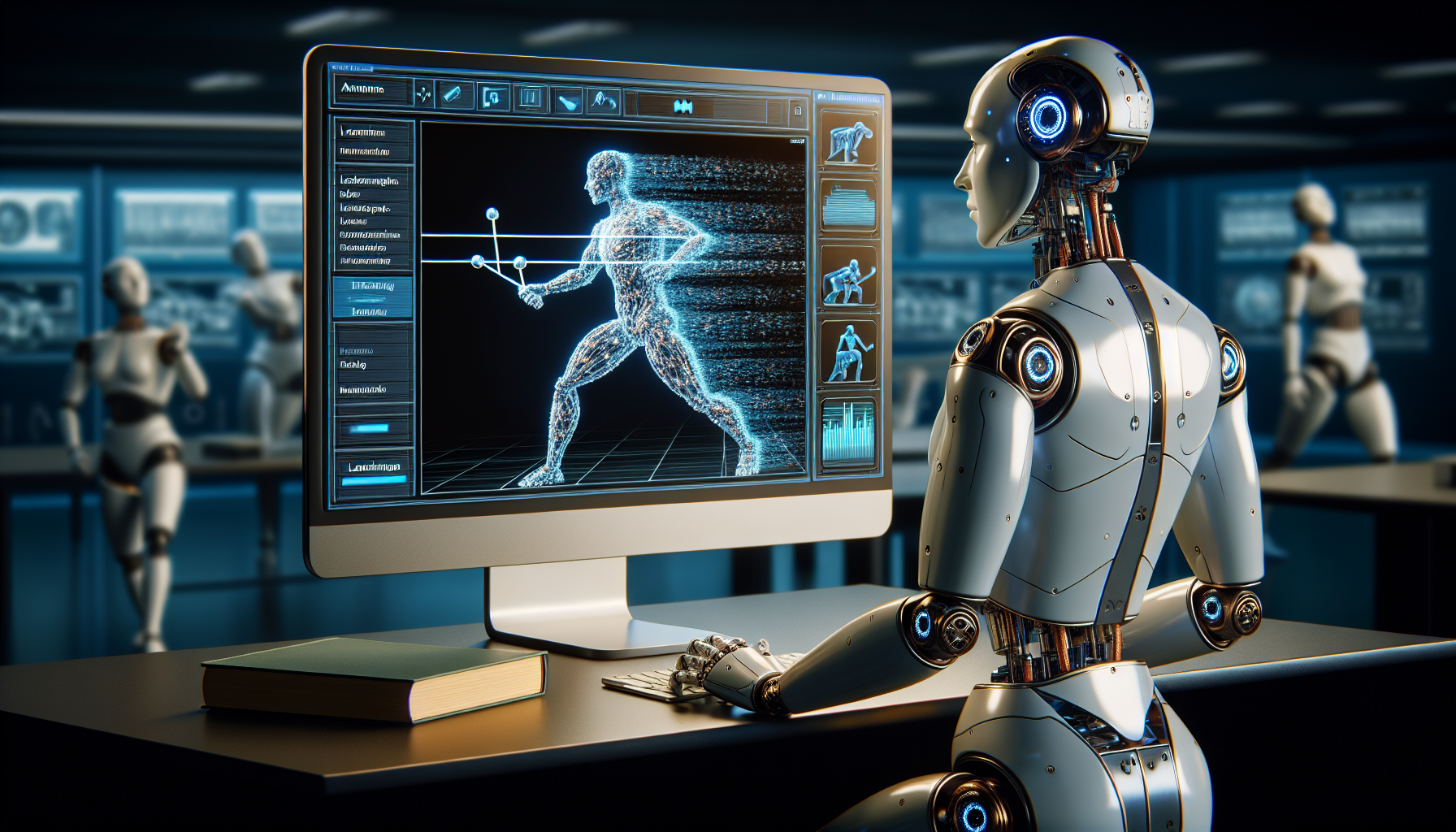
Mechanism: The World Model
NEO’s capability to acquire tasks is driven by a world model that has been pre-trained on an extensive collection of video data sourced from the internet. This enables the robot to comprehend human interactions and object dynamics without the need for specific demonstrations for each task. By envisioning task execution, NEO can carry out actions in reality, effectively merging digital intelligence with physical tasks.
“Neo can now transform any prompt into independent action with the latest advancement in the 1X world model.”Eric Jang, VP of AI, 1X.
Obstacles and Factors to Consider
Though the capabilities are impressive, multiple obstacles persist. The duration required to process video prompts and generate necessary actions is not immediate. Furthermore, the significant computational costs could impose a subscription-like financial strain on initial users. 1X is currently focused on improving the reliability and success rates of these functionalities.
“With the world model, NEO can generate endless data of itself performing real-world tasks, creating a self-sustaining mechanism that allows NEO to educate itself on anything.”Eric Jang, VP of AI, 1X.
The Prospects of Home Robotics in Australia
For Australian consumers, recognized for their early adoption of smart home technologies, NEO signifies a step closer to acquiring a flexible home assistant. While local pricing for the NEO Beta remains unconfirmed, 1X intends to make these robots economically accessible. The self-enhancing characteristic of NEO implies a potential price point between A$30,000 and A$50,000, similar to that of a compact vehicle.
Recap
1X’s NEO robot, with its capacity to learn tasks through video prompts, stands as a potential transformative element in the realm of home robotics. By utilizing a pre-trained world model, NEO can execute tasks without manual demonstrations, providing a vision of a future where robots are essential components of our everyday lives. Despite the hurdles of processing duration and costs, this technology sets the stage for more affordable and capable robotic companions in the future.
Questions & Answers
Q: In what manner does NEO acquire new tasks?
A: NEO employs a world model that is pre-trained using internet-scale video data to visualize task execution and implement movements in the real world.
Q: What are the primary challenges in implementing NEO?
A: The primary obstacles include the time necessary to create video data and the substantial operational costs linked with processing these tasks.
Q: What possible effects could NEO’s technology have on Australian consumers?
A: Australian consumers might enjoy the advantages of a versatile home assistant, with potential prices for consumer units falling between A$30,000 and A$50,000.
Q: What importance does NEO’s ability to self-educate hold?
A: NEO’s self-learning capability enables it to autonomously enhance and expand its skills, creating a self-improving cycle that increases its efficiency over time.
