Australia Tech News - Page 23 of 231 - Techbest - Top Tech Reviews In Australia

The Overlooked Framework Supporting Organisational Resistance


We independently review everything we recommend. When you buy through our links, we may earn a commission which is paid directly to our Australia-based writers, editors, and support staff. Thank you for your support!

The Understated Foundation Supporting Organisational Resilience

Brief Overview

  • Trust is fundamental to organisational resilience.
  • Resilience isn’t merely an individual characteristic; it’s constructed through organizational frameworks.
  • Psychological safety is vital for avoiding trust breakdowns.
  • Genuine communication is essential, particularly in the era of AI.
  • Organisational architecture and governance are crucial for fostering resilience.

Developing Resilience Through Trust

In an ever-disruptive world, trust has become the cornerstone of true resilience within organizations. Professor Nicole Gillespie emphasizes that, although ideas like agile leadership and flexibility are prevalent, the genuine power resides in the collective efforts of the workforce.

Incorporating Trust Through Organisational Architecture

Professor Gillespie contends that authentic resilience is accomplished by crafting frameworks that honor commitments to all stakeholders. Her studies, conducted in collaboration with the Institute of Business Ethics, reveal the importance of weaving trust into the essential infrastructure of organizations.

Psychological Safety: A Fundamental Element of Resilience

The idea of psychological safety, brought to prominence by Amy Edmondson, allows staff to express concerns without apprehension. This transparency is crucial for averting trust violations, as it guarantees that potential problems are resolved before they intensify.

Promoting Transparent Communication

Designating an internal ombudsman or frequently soliciting employee feedback can nurture a culture of transparent communication, diminishing the likelihood of external whistleblowing and strengthening trust within the organization.

The Importance of Authenticity in the AI Era

As AI’s impact grows, upholding authentic communication becomes increasingly critical. Leaders must guarantee their communications are sincere and customized, fostering trust through transparent AI governance and responsible usage protocols.

When Employees Feel Acknowledged, Organizations Flourish

Ultimately, resilient organizations are those where systems cultivate trust and employee perspectives are recognized. By embedding practices that promote open dialogue, businesses can more effectively maneuver through disruptions and adapt with integrity.

Conclusion

Organisational resilience is intricately linked to trust, with systems and practices that advocate for open communication being vital. By nurturing psychological safety and ensuring authenticity, businesses can establish resilient frameworks that endure challenges and foster growth.

Q: What does Professor Gillespie identify as essential for organisational resilience?

A: The essence lies in weaving trust into the organizational architecture and ensuring frameworks facilitate open communication.

Q: What is the significance of psychological safety?

A: It permits employees to express concerns freely, preventing potential trust breakdowns by tackling issues at an early stage.

Q: How can organizations foster open communication?

A: By appointing an internal ombudsman or consistently collecting employee input, organizations can cultivate a trusting and open culture.

Q: What challenges does AI present to organizational trust?

A: AI poses challenges in sustaining authenticity, requiring clear governance and responsible usage protocols to maintain trust.

Q: How does authenticity contribute to trust-building?

A: Authentic communication, particularly in the age of AI, is vital for sustaining trust as it ensures that messages are sincere and audience-specific.

IAG Designates Substantial AI Funding for Next Financial Year


We independently review everything we recommend. When you buy through our links, we may earn a commission which is paid directly to our Australia-based writers, editors, and support staff. Thank you for your support!

TechBest: IAG’s Daring AI Investment for the Future

Quick Overview

  • IAG designates $200 million for AI and AI enhancement in the forthcoming financial year.
  • AI will be thoroughly integrated into various functions, including claims processing and evaluation.
  • More than 60% of IAG employees use AI on a regular basis.
  • Collaboration with OpenAI focuses on improving claims management during natural disasters.
  • Savings from AI efficiency are being reinvested for business expansion.

AI as a Core Focus for IAG

Insurance Australia Group (IAG) has revealed a major budget commitment of $200 million toward AI and AI enhancement for the upcoming financial year. This courageous initiative highlights AI’s critical role in reshaping IAG’s operations and improving customer experience.

Collaboration with OpenAI

In the wake of its recent partnership with OpenAI, IAG is utilising a cutting-edge AI platform to enhance processes like claims management. This collaboration primarily seeks to tackle the hurdles presented by natural disasters and extreme weather situations, ensuring a more effective reaction to customer demands.

AI’s Contribution to Everyday Functions

AI is increasingly becoming a vital component of IAG’s daily operations. Over 60% of the workforce frequently employs AI tools, with upwards of 600 staff members using more than 90 AI agents to streamline workflows within customer service and operations. This integration aligns with IAG’s larger strategy to update its technological infrastructure and heighten productivity.

Funding Future Expansion

The financial gains achieved through AI-driven cost savings are being reinvested into growth opportunities. This reinvestment plan aims to enhance IAG’s operational capabilities while ensuring a commitment to responsible and customer-centric innovation.

Conclusion

IAG’s significant commitment to AI for the next financial year illustrates its dedication to leveraging technology for better customer experiences and business scalability. The partnership with OpenAI further demonstrates IAG’s forward-thinking approach to addressing industry challenges with innovative solutions.

Q: What is the primary emphasis of IAG’s AI investment?

A: IAG’s AI investment centres on integrating AI throughout operations to enhance efficiency, customer service, and claims management, particularly during natural disasters.

Q: How many IAG employees are presently utilizing AI?

A: More than 60% of IAG’s personnel, including over 2,000 staff members, engage with AI in various roles such as claims processing, fraud detection, and service.

Q: What role does OpenAI have in IAG’s AI strategy?

A: OpenAI supplies an AI platform that assists IAG in scaling its claims management capabilities, especially during extreme weather events.

Q: What impact is IAG’s AI investment expected to have on its business?

A: By lowering expenses and boosting productivity, the AI investment is anticipated to facilitate IAG’s growth and transformation, improving both customer results and business scalability.

IAG establishes substantial AI budget for next financial year

Nick Hawkins, IAG
Supplied

Next Level Racing Introduces Sturdy Collapsible Frame for 13Nm Direct Drive Wheels


We independently review everything we recommend. When you buy through our links, we may earn a commission which is paid directly to our Australia-based writers, editors, and support staff. Thank you for your support!

  • Next Level Racing launches two new FIA Licensed simulator racing cockpits.
  • RC Essential and RC Foldable are designed for 13Nm direct drive wheelbases.
  • Each model is priced at A$549 in Australia.
  • RC Foldable features a compact design with the ability to fold.
  • RC Essential includes a fortified steel frame for increased robustness.
  • Both cockpits connect with Next Level Racing’s ecosystem.

Designing Durability for High-Torque Wheelbases

For sim racing fans, structural strength is an essential characteristic in racing rigs. The RC Essential Cockpit from Next Level Racing is a sturdy option made with a reinforced steel frame. This construction guarantees minimal unwanted motion during intense racing sessions, offering a stable base for drivers looking for a long-term setup without excessive expense.

The RC Essential comes with a specialized GT-style racing seat featuring cold-moulded foam padding and SIMAERO Mesh for comfort during extended periods. Adjustable elements such as the seat slider, wheel deck angle, and pedal plate allow for customization to suit various driver preferences and dimensions.

Addressing Space Limitations with a Foldable Design

The RC Foldable Cockpit confronts the prevalent challenge of space management in home environments. Built with a 38mm tubular steel frame and a proper GT-style racing seat, it guarantees the durability of a conventional cockpit while being foldable. This model can be conveniently rolled away and stored upright, making it perfect for those with restricted space.

Next Level Racing's sturdy foldable frame for 13Nm direct drive wheels

Driver Comfort and Ecosystem Compatibility

Both models in the RC Series cater to a broad spectrum of driver sizes, accommodating heights from 130cm to 200cm and weights up to 150kg. Next Level Racing prioritizes accessibility and durability, delivering a comprehensive cockpit experience at a reasonable price.

The cockpits are compatible with an array of Next Level Racing accessories, enabling users to enhance their setup with additional equipment such as monitor stands and haptic feedback pads.

Elements of Next Level Racing's foldable frame for direct drive wheels

Pricing and Availability in Australia

Both the RC Essential and RC Foldable cockpits are anticipated to launch worldwide in August 2026, with a retail price of A$549 each in Australia. This pricing positions them as an appealing choice for sim racers wanting to advance from entry-level setups without substantial financial strain.

Conclusion

Next Level Racing’s newest innovations, the RC Essential and RC Foldable cockpits, provide Australian sim racers with a sturdy and flexible solution for their high-torque racing requirements. With a focus on strength, adaptability, and compact features, these cockpits deliver remarkable value for both dedicated and space-conscious racers.

Q: What key features does the RC Essential Cockpit offer?

A: The RC Essential includes a fortified steel frame, a GT-style racing seat, and adjustable components such as a seat slider, wheel deck angle, and pedal plate.

Q: In what way does the RC Foldable Cockpit optimize space?

A: The RC Foldable Cockpit can be folded with all racing components attached, conveniently rolled away, and stored upright, making it suitable for compact living areas.

Q: What is the cost of these new cockpits in Australia?

A: Both the RC Essential and RC Foldable cockpits are available for A$549 in Australia.

Q: Are these cockpits compatible with existing Next Level Racing accessories?

A: Yes, both cockpits connect seamlessly with Next Level Racing’s ecosystem, enabling users to enhance their setup with additional accessories.

Australia requires technology giants to boost financial contributions to media organizations for content.


We independently review everything we recommend. When you buy through our links, we may earn a commission which is paid directly to our Australia-based writers, editors, and support staff. Thank you for your support!

Australia’s Updated Media Licensing Legislation

Australia’s Updated Media Licensing Legislation

Quick Overview

  • Australia aims to enhance agreements between tech giants and local news organizations.
  • 5% of the revenue will benefit the Australian Associated Press (AAP).
  • Tech companies must engage with at least eight media firms.
  • Maximum limit for a single agreement is set at 25% of a platform’s levy obligation.
  • New initiative includes platforms such as TikTok and LinkedIn.

Overview of Media Licensing Legislation

Australia is preparing to implement modifications to its media licensing legislation, which will require tech giants to expand the number of agreements made with local news organizations. This effort aims to distribute advertising revenue more equitably among domestic media outlets, thus bolstering Australia’s multifaceted media environment.

Assistance for the Australian Associated Press (AAP)

The government intends to allocate 5% of the revenues generated through the new framework to the Australian Associated Press (AAP). The AAP, a non-profit newswire organization, is vital in public-interest journalism by supplying text, images, and video content to media outlets across the country.

Revised Criteria for Tech Giants

The newly updated laws establish that digital platforms are now required to form agreements with no fewer than eight media companies, an increase from the prior mandate of six. Furthermore, a limit has been reintroduced, capping any individual deal at 25% of a platform’s levy responsibility, equating to 2.5% of the company’s advertising revenue in Australia.

Consequences for Tech Giants

The revised regulations aim to guarantee that tech firms, including Google and Meta, contribute their fair share to the Australian news sector. The initial media bargaining legislation from 2021 required these companies to negotiate payment agreements for news content. However, the restructuring of this system was driven by Meta’s threat to halt payments for news content in Australia and other markets.

Inclusion of Additional Platforms

The newly revised framework now encompasses platforms like TikTok and Microsoft’s LinkedIn. This extension broadens the legislation’s reach, ensuring that a larger variety of digital platforms contribute to the funding of quality journalism.

Overview

Australia’s reform of its media licensing laws represents a determined effort to bolster the local news industry. By necessitating more agreements between tech companies and media outlets, and offering financial aid to crucial organizations like the AAP, the government aims to preserve a diverse and thriving media landscape.

Q: What is the primary objective of the updated media licensing laws?

A: The primary objective is to distribute advertising revenue more uniformly among local news outlets, supporting Australia’s varied media landscape.

Q: In what way will the AAP gain from these modifications?

A: The AAP will obtain 5% of the funds generated by the new framework, thereby offering financial backing to the non-profit newswire organization.

Q: What is the revised requirement for tech giants concerning media agreements?

A: Tech giants will now be mandated to form agreements with a minimum of eight media companies, an increase from the former stipulation of six.

Q: How is the single deal limit structured under the new legislation?

A: The limit restricts any individual agreement to 25% of a platform’s levy liability, equivalent to 2.5% of the company’s advertising revenue in Australia.

Q: What prompted the government to redesign the media bargaining framework?

A: The redesign was initiated after Meta declared it would cease payments for news content in Australia and other regions.

Q: Which new platforms are incorporated into the updated framework?

A: Platforms such as TikTok and Microsoft’s LinkedIn are now a part of the revised framework.

Google’s Leadership Reshuffle: The Crucial Changes Driving Its Significant AI Transformation


We independently review everything we recommend. When you buy through our links, we may earn a commission which is paid directly to our Australia-based writers, editors, and support staff. Thank you for your support!

Google’s Tactical AI Realignment: Major Moves and Their Consequences

Quick Read

  • Sergey Brin, Google co-founder, emphasizes the Gemini model, signaling a notable change in AI direction.
  • Leadership shifts involve Demis Hassabis stepping down for Koray Kavukcuoglu at Google DeepMind.
  • Worries grow over DeepMind’s independence as more teams merge with corporate Google.
  • Brin’s impact endures despite the absence of an executive position.
  • Google’s AI progress faces competition from Anthropic and OpenAI.

Google’s AI Strategy Transition

In a pivotal turn in AI strategy, co-founder Sergey Brin has been advocating for a strong focus on the Gemini model within the AI teams. This initiative by Alphabet, Google’s parent company, aims to bridge the gap with competitors Anthropic and OpenAI, whose recent progress has surpassed Google’s offerings.

Google's executive changes for AI strategy

Changes in Leadership and Their Effects

The strategic overhaul has seen Demis Hassabis, previously in charge of Google DeepMind, move to a non-executive chairman position, with Koray Kavukcuoglu assuming operational leadership. This shift signifies Google’s intention to enhance its AI initiatives and embed AI models more thoroughly into its commercial offerings.

DeepMind’s Diminishing Independence

The recent reshuffle has sparked worries about DeepMind’s diminishing independence. Following Google’s acquisition of the London-based lab in 2014, there has been a gradual move towards aligning DeepMind’s endeavors with Google’s wider business objectives. Recently, numerous teams have transitioned from DeepMind into Google’s corporate framework, signaling further alignment.

Reactions from the Market and Internally

The leadership change announcement resulted in a 4% decline in Google’s stock, reflecting market apprehension. Inside the organization, leadership has taken steps to reassure employees that daily operations will stay the same. Nevertheless, the incorporation of non-technical teams into Google’s corporate setup has led to conversations regarding the future of innovative initiatives.

The Future of Google’s AI Pursuits

In spite of recent setbacks, Google is dedicated to enhancing its AI competencies. The emphasis on recursive self-improvement, where AI technology can refine itself autonomously, is one of the focal points for Google to regain its competitive advantage. The challenges posed by Google’s bureaucratic structure, which have delayed model launches, are also being tackled to enhance responsiveness.

Conclusion

The recent executive and organizational transitions at Google represent a tactical effort to regain its position in the AI domain. With Sergey Brin’s ongoing influence and a revitalized emphasis on the Gemini model, Google seeks to integrate AI further into its products and tackle the challenges presented by its rivals. Although these changes have raised internal and external concerns, they signify a crucial advancement in Google’s AI journey.

Q&A

Q: What led to the recent AI leadership changes at Google?

A:

The changes were initiated to streamline AI operations, weave AI models into commercial products, and respond to competition from Anthropic and OpenAI.

Q: How has DeepMind’s involvement within Google evolved?

A:

DeepMind’s independence has diminished as various teams have been merged into Google’s corporate organization, aligning with greater business objectives.

Q: What are Google’s aspirations for AI moving forward?

A:

Google intends to advance its AI capabilities with an emphasis on recursive self-improvement and enhancing infrastructure to expedite model rollouts.

Q: What impact have the leadership changes had on Google’s stock?

A:

The announcement resulted in a 4% decrease in Google’s stock, reflecting market uncertainty regarding the ramifications of these changes.

Q: What role does Sergey Brin play in the AI reshuffle?

A:

Even without an executive title, Sergey Brin has been a significant influence pushing for a dedicated focus on the Gemini model and advancements in AI.

Suncorp Enhances AI Implementation in Insurance Operations


We independently review everything we recommend. When you buy through our links, we may earn a commission which is paid directly to our Australia-based writers, editors, and support staff. Thank you for your support!

Suncorp’s AI-Enhanced Evolution in Insurance

Suncorp’s AI-Enhanced Evolution in Insurance

Brief Overview

  • Suncorp is reorganizing to boost AI application in insurance operations.
  • A new position of Chief Executive, Customer, Brand and Digital has been established.
  • The objective is to enhance distribution effectiveness and customer personalization.
  • AI is being utilized to develop extremely tailored customer experiences.
  • Suncorp announced a net profit of $1.027 billion for FY26.

Reorganization for AI Adoption

Suncorp Group is reconfiguring its digital oversight to speed up the incorporation of artificial intelligence (AI) in the creation and distribution of its insurance products and services. This strategic decision includes establishing a new executive position for optimizing brand, marketing, and digital distribution efforts.

Leadership Changes and Renewed Focus

Bridget Messer, formerly the Chief Risk Officer, has been promoted to Chief Executive, Customer, Brand and Digital. This position was earlier held by Lisa Harrison, who will now concentrate on managing Suncorp’s commercial and personal injury divisions.

AI in Insurance Distribution

Suncorp aims to harness AI to improve the effectiveness of its insurance product distribution, ensuring customers receive offerings that cater to their specific needs. The company intends to exploit AI capabilities to provide highly individualized customer experiences.

Technology-Driven Progress

As per CEO Steve Johnston, the company’s structural changes are designed to maximize the advantages of new platforms and AI technologies. This transformation is crucial for modernizing infrastructure, policy management systems, and data capabilities to align with shifting customer expectations.

AI Enablement Progress

Suncorp is experiencing considerable progress in AI enablement within the organization, with 15 conversational AI assistants managing over 3 million customer interactions each year. The company has also focused on enhancing employee skills, resulting in more than 3,900 productivity agents created and 14,300 AI training experiences completed.

Suncorp deepens AI within insurance processes

Financial Outcomes

Suncorp declared a net profit after tax of $1.027 billion for FY26, demonstrating the financial advantages of its ongoing digital transformation and AI integration endeavors.

Conclusion

Suncorp Group is implementing strategic adjustments to incorporate AI more profoundly into its insurance operations, with a focus on tailored customer experiences and efficient distribution. With leadership changes and a commitment to digital transformation, Suncorp is well-positioned to take advantage of AI for future growth and customer satisfaction.

Q&A

Q: What is the aim behind Suncorp’s reorganization?

A: Suncorp’s reorganization seeks to improve AI integration in insurance operations, enhance distribution efficiency, and offer personalized customer experiences.

Q: Who is taking the newly created role of Chief Executive, Customer, Brand and Digital?

A: Bridget Messer, the former Chief Risk Officer, will take on this new role at Suncorp.

Q: In what way is AI being utilized in Suncorp’s activities?

A: AI is leveraged to generate personalized customer experiences, enhance product distribution, and improve customer engagement via AI assistants.

Q: What financial benefits has Suncorp realized from its digital transformation?

A: Suncorp reported a net profit after tax of $1.027 billion for FY26, indicating the positive effects of its digital transformation endeavors.

Q: What future initiatives are planned for AI at Suncorp?

A: Suncorp plans to continue utilizing AI to modernize infrastructure, enhance policy management, and satisfy evolving customer requirements for insurance offerings.

Q: How has Suncorp invested in its workforce concerning AI?

A: Suncorp has prioritized upskilling its workforce, with employees completing over 14,300 AI training experiences and developing more than 3,900 productivity agents.

Onelogon Vulnerability Circumvents Microsoft’s Zerologon Security Patch


We independently review everything we recommend. When you buy through our links, we may earn a commission which is paid directly to our Australia-based writers, editors, and support staff. Thank you for your support!

Brief Overview

  • A newly found Onelogon exploit circumvents Microsoft’s Zerologon security update.
  • This vulnerability impacts Microsoft’s Active Directory, enabling attackers to take control of domains.
  • Onelogon employs a 24-bit brute force attack, securing access in an average of 32 minutes.
  • An alternative attack method necessitates no initial account access and can succeed in around 37 minutes.
  • Microsoft recommends the use of secure RPCs to guard against these vulnerabilities, although not all organizations can enforce them.
  • Research indicates a considerable number of systems still remain susceptible to these exploits.

The Onelogon Exploit

German security experts Alexander Neff, Tobias Holl, and Kevin Borgolte from Ruhr University have uncovered a new vulnerability termed Onelogon. This exploit is reminiscent of the notorious Zerologon from 2020, which enabled attackers to fully breach Active Directory management domains.

Onelogon attack defeats Microsoft's Zerologon update

Mechanism of Onelogon

The researchers have devised a 24-bit brute force attack that necessitates a compromised, low-privilege computer account. This strategy can reset a server-side challenge cache and achieve access in about 32 minutes on average. Moreover, a meet-in-the-middle attack, which does not require previous account access, can breach a domain controller in roughly 37 minutes.

Microsoft’s Reaction

In spite of the seriousness, Microsoft has not intended to directly rectify the Onelogon problem. The company suggests employing secure Remote Procedure Calls (RPCs) to alleviate the threat posed by both Onelogon and Zerologon vulnerabilities. Nevertheless, not all organizations can utilize secure RPCs, leaving numerous systems vulnerable.

Current Vulnerability Status

Recent studies reveal a concerning number of organizations continue to be at risk. A 2025 audit uncovered that nearly a quarter of 44 Active Directory environments permitted vulnerable Netlogon secure channel connections. A 2026 examination across 270 organizations identified six systems directly at risk from Onelogon.

Technical Insights

The Netlogon protocol from Microsoft, which is part of Active Directory, authenticates a computer’s identity by scrambling a code using a confidential key. Regrettably, the scrambling begins from a fixed, predictable starting point, which attackers can take advantage of. This predictability allows them to eventually circumvent security checks without needing to know the secret key.

Patching Limitations

The update Microsoft released for Zerologon only verifies if the first five bytes of a challenge are the same. It overlooks other patterns that generate predictable ciphertext, making the patch incomplete and evadable. A comprehensive fix would need to break backward compatibility to properly implement the cryptographic protocol.

Conclusion

The Onelogon vulnerability underscores persistent security issues with Microsoft’s Active Directory, especially the shortcomings in the Zerologon patch. While secure RPCs could provide a solution, their application is not widespread, leaving many systems vulnerable. Organizations need to remain alert and consider alternative security strategies to safeguard their networks.

Q: What is the Onelogon vulnerability?

A: Onelogon is a security exploit that bypasses Microsoft’s Zerologon patch, enabling attackers to take control of Active Directory domains.

Q: How does Onelogon function?

A: Onelogon utilizes a 24-bit brute force attack and a meet-in-the-middle technique to gain access to systems in 32 to 37 minutes.

Q: Why hasn’t Microsoft resolved Onelogon?

A: Microsoft suggests secure RPCs to address Onelogon but hasn’t released a patch due to the significance of backward compatibility.

Q: Are numerous systems still at risk from Onelogon?

A: Yes, studies indicate many systems are still vulnerable due to the lack of universal secure RPC implementation.

Q: What should organizations do to defend themselves?

A: Organizations should employ secure RPCs wherever possible and remain informed about alternative security options.

Q: How did researchers uncover Onelogon?

A: Researchers at Ruhr University identified the vulnerability through an examination of Microsoft’s Active Directory and the limitations of the Zerologon patch.

South Australia Launches Royal Commission into AI After Premier’s Trip to Silicon Valley


We independently review everything we recommend. When you buy through our links, we may earn a commission which is paid directly to our Australia-based writers, editors, and support staff. Thank you for your support!

South Australia’s Royal Commission on AI

South Australia Launches Royal Commission on AI After Premier’s Visit to Silicon Valley

South Australia Launches AI Investigation

Quick Overview

  • South Australia initiates a Royal Commission focused on Artificial Intelligence.
  • Emphasis on proactive policy measures instead of assigning legal liability.
  • Five primary focus areas: regulation, education, public services, workforce, and infrastructure.
  • AI’s consumption of energy and water is being examined.
  • Adelaide capitalizes on its technological ecosystem for AI advancement.

South Australia’s Pioneering Step in AI Regulation

After a strategic trip to Silicon Valley, South Australian Premier Peter Malinauskas has revealed a Royal Commission on Artificial Intelligence (AI). This groundbreaking initiative seeks to investigate the systemic influences of AI, establishing South Australia as the first state in Australia to utilize such a powerful legal mechanism for technology evaluation.

Emphasis on Proactive Policy Development

The Royal Commission will prioritize forward-thinking policies over retrospective blame. It intends to develop a roadmap based on evidence to enhance economic opportunities while protecting against social challenges. A panel of distinguished commissioners will guide the inquiry, gathering input from a variety of stakeholders.

Five Main Focus Areas

Regulatory and Policy Framework

The commission will investigate policy and regulatory frameworks at both the state and national levels, tackling the disjointed AI regulatory system in Australia.

Impact on Education

The role of AI in education will be analyzed, emphasizing improvement in learning outcomes without sacrificing academic integrity.

Delivery of Public Services

The potential of AI to enhance healthcare and other public services will be examined, with a focus on secure and effective implementations.

Transition of the Workforce

The commission will consider the effects of AI on the job market and create retraining initiatives for impacted industries.

Technical Infrastructure Assessment

The inquiry will evaluate AI’s energy and water requirements, especially with regard to South Australia’s renewable energy strategies.

Considerations for Energy and Water

AI’s demand for substantial electricity and water resources stands as a central issue. South Australia’s renewable energy scenario offers both challenges and opportunities for integrating AI data centers.

Adelaide’s Role in Technological Leadership

Adelaide’s well-established technology ecosystem, which includes entities like the Australian Institute for Machine Learning, positions South Australia as a frontrunner in AI policy. The Royal Commission utilizes these strengths to shape national technology directions.

Participation of Global Tech Giants

The Royal Commission will include multinational technology companies, such as Microsoft and Google, to share insights on data security and infrastructure needs. The public nature of the inquiry will shine a light on the operations of these firms.

Upcoming Steps for the Commission

With sessions scheduled to commence on 1 October 2026, the government will finalize the panel of commissioners and the terms of reference. Public contributions will be solicited, with a final report expected by 1 July 2027.

Conclusion

South Australia’s Royal Commission into AI represents a proactive strategy for addressing the technology’s systemic effects. By emphasizing policy advancement and leveraging its technological ecosystem, Adelaide is set to shape national AI policies.

Q&A

Q: What is the reason behind South Australia’s Royal Commission into AI?

A: The Commission seeks to proactively investigate AI’s systemic influences and create policy frameworks instead of assigning guilt.

Q: What are the main focus areas for the Commission?

A: The Commission will target regulation, education, public service, workforce transition, and technical infrastructure.

Q: How is the Commission addressing AI’s energy requirements?

A: It will analyze AI’s resource consumption within the scope of South Australia’s renewable energy policies.

Q: What role will international tech companies play in the Commission?

A: Companies like Microsoft and Google will offer insights on data security and infrastructure during public hearings.

Q: How does Adelaide’s tech landscape support the Commission’s work?

A: Adelaide’s prominent tech organizations provide knowledge, establishing South Australia as a leader in AI regulation.

Q: What is the schedule for the Royal Commission?

A: The proceedings will start on 1 October 2026, with a final report scheduled for 1 July 2027.

NAB’s Esteemed Technology Executive Patrick Wright Declares Retirement


We independently review everything we recommend. When you buy through our links, we may earn a commission which is paid directly to our Australia-based writers, editors, and support staff. Thank you for your support!

Brief Overview

  • Patrick Wright, NAB’s group executive for technology, is set to retire after a nine-year tenure.
  • He will act as a special adviser until his retirement in 2027.
  • NAB’s COO, Les Matheson, will also resign at the end of September.
  • Pete Steel has been named group executive for technology and AI.
  • Shane Conway will broaden his responsibilities to encompass operations.
  • The Big 4 banks in Australia are undergoing notable changes in tech leadership.

NAB’s Leadership Changes

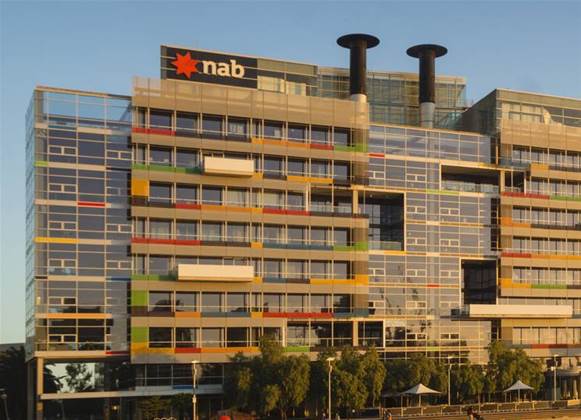
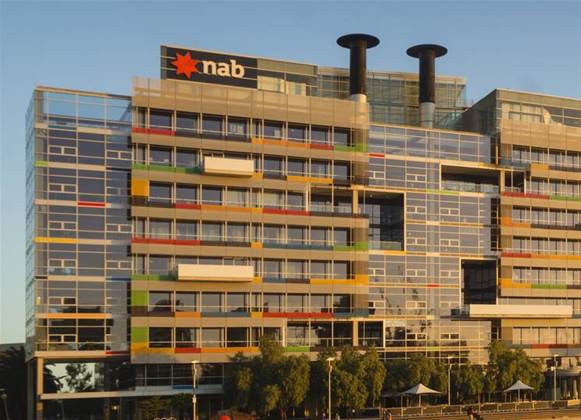
NAB's long-serving technology executive Patrick Wright to retire

The National Australia Bank (NAB) is preparing for a transition in leadership as longtime technology executive Patrick Wright reveals his impending retirement. After more than nine years with NAB, Wright will resign from his position as group executive for technology and enterprise operations on September 30. He will remain a special adviser to NAB Group CEO Andrew Irvine until his complete retirement in the first half of 2027.

New Roles to Propel NAB’s Technology Forward

As NAB prepares for this shift, Pete Steel, who joined the bank in mid-2025, will step in as group executive for technology and AI. Before NAB, Steel had an important leadership position at the Commonwealth Bank of Australia (CBA). Additionally, Shane Conway, who is currently the group executive of transformation, will broaden his scope to include operations.

Recognition and Contributions

Andrew Irvine expressed his appreciation for both Wright and Matheson for their essential contributions. During his time, Wright managed a significant overhaul of NAB’s technology frameworks and strengthened the bank’s cybersecurity and fraud prevention mechanisms. Matheson’s efforts were pivotal in enhancing digital and data capabilities, as well as advancing NAB’s digital banking initiative, Ubank.

Wider Industry Developments

This leadership evolution at NAB is part of a broader trend within Australia’s Big 4 banks. Westpac’s CIO Scott Collary is set to retire, with Macquarie Bank’s Richard Heeley to take his place. The Commonwealth Bank of Australia has appointed Victoria Ledda as its new group CIO. At the same time, ANZ Banking Group introduced Donald Patra as its technology head following Gerard Florian’s retirement.

Conclusion

Patrick Wright’s retirement signifies a significant shift in NAB’s technology leadership. With newly appointed leaders, the bank is aiming to further its technological progress and secure its operations. As major changes happen within Australia’s banking sector, NAB’s strategic decisions will remain under close observation by industry experts.

Q: What prompted Patrick Wright’s retirement from NAB?

A: Patrick Wright is retiring after more than nine years to transition into a special advisory position before his complete retirement in 2027.

Q: Who will succeed Patrick Wright at NAB?

A: Pete Steel, currently the group executive for digital, data, and AI, will succeed him as group executive for technology and AI.

Q: What will Shane Conway’s role be at NAB?

A: Shane Conway will extend his current responsibilities as group executive of transformation to incorporate operations.

Q: How has NAB’s technology evolved under Patrick Wright?

A: Under Patrick Wright’s leadership, NAB’s technology improved in reliability and security, addressing cyber threats and online fraud effectively.

Q: What other leadership transitions have occurred in Australia’s Big 4 banks?

A: Westpac, CBA, and ANZ have all recently seen changes in their CIO roles, appointing new leaders to guide their technology strategies.

Australian Super Funds to Test Unified Cyber Attack Reaction


We independently review everything we recommend. When you buy through our links, we may earn a commission which is paid directly to our Australia-based writers, editors, and support staff. Thank you for your support!

Fast Overview

  • Operation Honey Bee assesses the cyber-attack response of the Australian superannuation industry.
  • More than 50 participants, including 15 superannuation funds, are taking part this year.
  • The aim of the exercise is to uncover capability weaknesses and improve information exchange.
  • GNGB encourages funds to consider third parties as key players in their response strategies.
  • Australia’s superannuation system boasts $4.5 trillion and is swiftly expanding.

Operation Honey Bee: Fortifying Cyber Defenses

Super funds to test coordinated cyber attack response

The Gateway Network Governance Body (GNGB) is once again leading efforts to enhance the cyber resilience of Australia’s superannuation sector. Through its annual Operation Honey Bee, GNGB is implementing a thorough exercise to mimic a coordinated cyber-attack. Now entering its fourth year, this exercise acts as an essential platform for assessing and refining the sector’s response tactics.

Unprecedented Participation in 2023

This year’s Operation Honey Bee is set to be the largest to date, featuring over 50 participants, inclusive of 15 superannuation funds and various service providers. The exercise will also bring together industry regulators and a variety of government stakeholders. Michelle Bower, the chief executive of GNGB, emphasized that this collective endeavor is crucial for understanding realistic cyber threats and training for coordinated responses.

Aims and Tactics

The principal objectives of Operation Honey Bee encompass assessing shared incident response plans, pinpointing capability deficiencies, and enhancing information exchange. The exercise acts as a litmus test for how well organizations can communicate and collaborate in real time during a cyber emergency. GNGB’s resilience checklist for 2024 underscores the necessity of including third parties as essential stakeholders in response strategies, instead of just being recipients of notifications.

An Essential Role in Cyber Preparedness

Founded in 2016, GNGB is a not-for-profit organization owned by the industry that assumed the network stewardship role from the Australian Taxation Office. It oversees the Superannuation Transaction Network (STN) and the SuperStream messaging data network. While the ATO continues to act as an observer, GNGB plays a key role in ensuring the securities and efficiencies of networks managing over $4.5 trillion in assets, establishing Australia’s superannuation system as one of the fastest-growing in the world.

Conclusion

Operation Honey Bee is a vital exercise orchestrated by GNGB to assess and strengthen the cyber resilience of Australia’s superannuation industry. With growing participation each year, the exercise focuses on improving incident response strategies, addressing capability gaps, and fostering enhanced information sharing among stakeholders. As the sector continues its expansion, these coordinated initiatives are critical to protecting the financial future of Australians.

Q: What is Operation Honey Bee?

A: Operation Honey Bee is an annual exercise carried out by GNGB to evaluate the Australian superannuation sector’s reaction to coordinated cyber-attacks.

Q: Who takes part in Operation Honey Bee?

A: This year, the exercise features over 50 participants, including 15 superannuation funds, service providers, regulators, and government stakeholders.

Q: What are the key goals of the exercise?

A: The exercise aims to assess incident response plans, identify capability gaps, and enhance information sharing during cyber incidents.

Q: Why is GNGB involved in this exercise?

A: GNGB is responsible for managing the Superannuation Transaction Network and SuperStream, ensuring the cyber resilience and safety of the sector.

Q: How significant is Australia’s superannuation system?

A: The system manages more than $4.5 trillion in assets and is among the fastest-growing pension systems globally.

Q: What is the role of the Australian Taxation Office in GNGB?

A: The ATO is not a member of GNGB but takes part as an observer in the network.