Blog - Page 95 of 198 - Techbest - Top Tech Reviews In Australia

Photo Highlights: Cyber Security 2025 – Digital as Usual Takes Center Stage in Melbourne


We independently review everything we recommend. When you buy through our links, we may earn a commission which is paid directly to our Australia-based writers, editors, and support staff. Thank you for your support!

Quick Read: Essential Insights from Cyber Security 2025 – Digital as Usual in Melbourne

  • The Cyber Security 2025 event hosted in Melbourne emphasizes “Digital as Usual” as the emerging standard.
  • Leading government and industry figures underscore the necessity of cyber resilience amidst rising threats.
  • Discussions center around AI, quantum computing, and digital identity management.
  • Australia’s cyber security strategy aims to establish the nation as the most secure cyber environment by 2030.
  • Collaborations between public and private sectors and workforce development are viewed as crucial for sustainable security achievements.

Cyber Security 2025: Digital as Usual Becomes Australia’s New Standard

Cyber Security 2025 Conference Highlights in Melbourne

This week saw the return of the annual Cyber Security 2025 conference to Melbourne, highlighting the country’s increasing attention to digital resilience under the theme “Digital as Usual.” The event convened leaders from technology, government, academia, and the private sector to discuss the swiftly changing cyber threat landscape and the innovations influencing Australia’s digital trajectory.

Increasing Cyber Threats: Australia’s Digital Alert

With worldwide cybercrime escalating, Australia is emerging as a significant target. The Australian Cyber Security Centre (ACSC) reports a cyber incident every six minutes, with small to medium enterprises (SMEs) and critical infrastructure providers particularly vulnerable.

The conference emphasized that the concept of “Digital as Usual” requires a ground-level transformation in how organizations view cybersecurity — as an essential component of operations rather than an optional enhancement. Experts highlighted the importance of proactive strategies, including sharing threat intelligence and comprehensive incident response planning.

AI and Quantum Computing Take Centre Stage

Artificial intelligence and quantum computing emerged as significant themes during discussions. While AI offers new prospects for threat detection and process automation, it also presents unique vulnerabilities.

Professor Lesley Seebeck, a prominent voice in technology policy, warned that quantum computing could make current encryption strategies obsolete within a decade. Consequently, organizations must begin preparations for a “post-quantum” environment by investing in quantum-resistant cryptography today.

Australia’s Cyber Security Strategy 2023–2030

The federal government’s revised Cyber Security Strategy, which aims to position Australia as the most cyber secure nation by 2030, was central to the event. This strategy outlines six “shields” of defense, including resilient businesses and citizens, secure technologies, and national capabilities.

Clare O’Neil, the Minister for Home Affairs and Cyber Security, reaffirmed the government’s pledge to ensure corporate accountability for breaches, setting minimum cybersecurity standards, and enhancing the role of the National Cyber Security Coordinator.

Digital Identity and Trust Frameworks

Digital identity verification was another prominent issue, with speakers emphasizing the necessity of a cohesive, government-supported digital ID system to facilitate secure interactions with both governmental services and private entities.

The development of the Trusted Digital Identity Framework (TDIF) was identified as a possible revolutionary approach to mitigating identity theft and fraud, particularly as remote services become increasingly prevalent.

Public-Private Synergy and Skills Shortage

Industry experts highlighted the critical need for robust collaboration between government and private sectors. Initiatives such as shared threat intelligence platforms and cyber war-gaming simulations were suggested to bolster national resilience.

The event also addressed the skills gap in Australia’s cybersecurity sector. With projections estimating a requirement for 30,000 additional professionals by 2026, there is a louder call for enhanced educational pathways, apprenticeships, and increased diversity in cybersecurity roles.

Summary

Cyber Security 2025 in Melbourne reiterated that cybersecurity is no longer just an IT issue — it has become a national concern. As cyber threats rise, Australia is taking assertive measures to safeguard its digital economy through innovation, cooperation, and strategic policy formulation. As we move towards a reality where digital is the norm, establishing a secure and trusted cyber ecosystem will be vital for maintaining public trust and economic stability.

Q: What is the main theme of Cyber Security 2025?

A:

The primary theme of the event, “Digital as Usual,” reflects the increasing normalization of digital operations across various sectors and highlights the necessity for cybersecurity to be integrated into daily business and government activities.

Q: What are the biggest cybersecurity threats facing Australia?

A:

Australia encounters a variety of threats including ransomware, phishing attacks, risks to critical infrastructure, and new challenges stemming from AI and quantum computing. Reports of cybercrime are now documented every six minutes, with SMEs and essential services being major targets.

Q: What is the Australian government’s Cyber Security Strategy?

A:

The Cyber Security Strategy 2023–2030 aims to establish Australia as the most cyber secure nation by 2030 and comprises six defensive “shields,” such as strong businesses and citizens, secure technologies, and international collaborations.

Q: How is AI impacting cybersecurity in Australia?

A:

AI enhances cybersecurity by streamlining threat detection and response processes. However, it also brings about risks, including deepfake phishing scams and AI-assisted cyber attacks, generating a call for ethical AI implementation and governance frameworks.

Q: What role does quantum computing play in cybersecurity?

A:

Quantum computing threatens conventional encryption methodologies. The conference encouraged organizations to invest in quantum-safe cryptographic measures in anticipation of upcoming quantum advancements that could compromise existing security protocols.

Q: What efforts are being made to close the cybersecurity skills gap in Australia?

A:

Australia is dedicating resources to cybersecurity education, training initiatives, and certification programs. Public-private partnerships are also fostering more inclusive pathways for underrepresented demographics to engage in the cybersecurity workforce.

Q: Why is digital identity important in cybersecurity?

A:

Digital identity systems facilitate the verification of online identities, decreasing the likelihood of fraud and identity theft. The Trusted Digital Identity Framework represents Australia’s effort to standardize and secure digital identification across both public and private spheres.

Q: How can businesses enhance their cybersecurity posture?

A:

Organizations should prioritize investment in layered security frameworks, conduct routine risk assessments, train their staff, and remain updated on emerging threats. Collaborating with governmental organizations and cybersecurity professionals is likewise advisable.

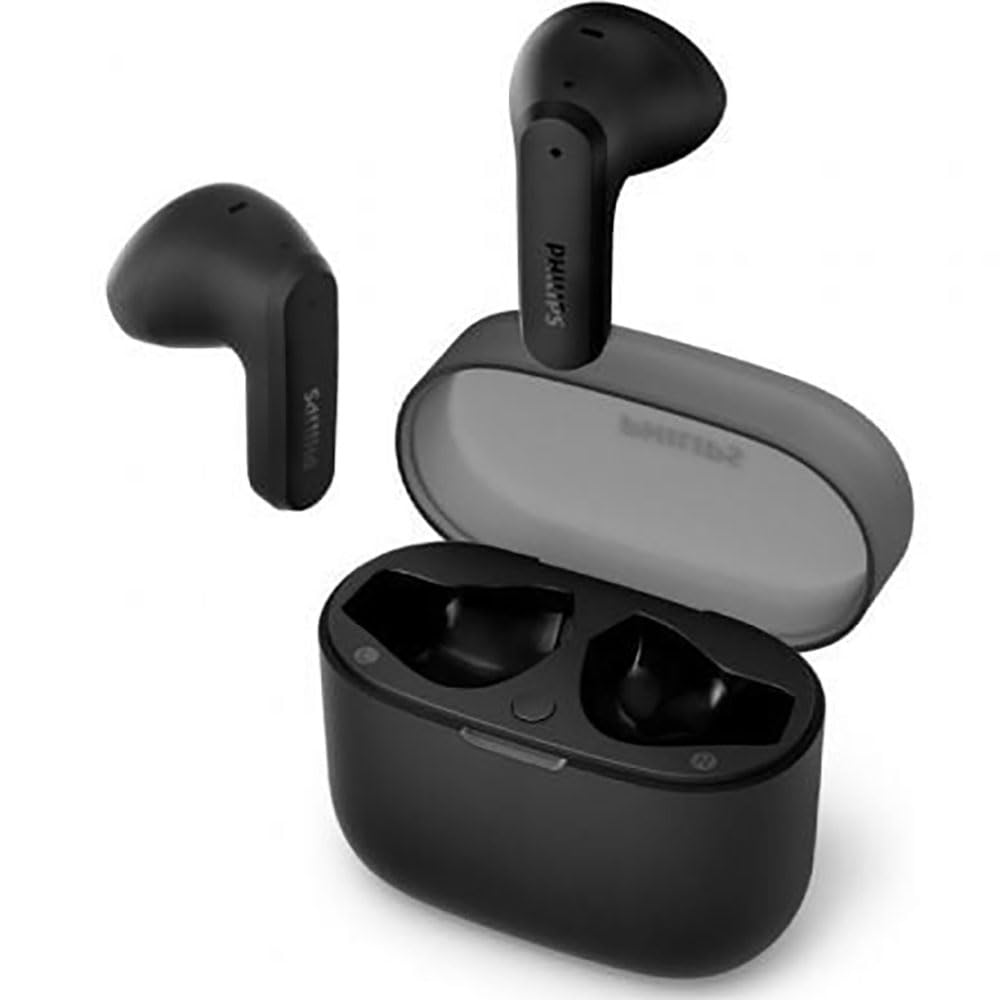
Skullcandy Dime Wireless Earbuds Review


We independently review everything we recommend. When you buy through our links, we may earn a commission which is paid directly to our Australia-based writers, editors, and support staff. Thank you for your support!

Skullcandy Dime 3 in-Ear Wireless Headphones, 20 Hours Battery Life, Micro, Compatible with iPhone, Android and Bluetooth Devices – Black

New Tesla Optimus Robot Amazes with Remarkable Agility and Speed in Recent Dance Performance


We independently review everything we recommend. When you buy through our links, we may earn a commission which is paid directly to our Australia-based writers, editors, and support staff. Thank you for your support!

Brief Overview: Main Insights

  • New Tesla Optimus robot showcases human-like agility and speed through a dance performance.
  • Movements performed at actual (1x) speed without any video edits.
  • Utilized zero-shot AI training—no physical trial-and-error necessary.
  • Training conducted fully in simulation using visual data.
  • Demonstration emphasizes readiness for practical commercial uses.
  • Optimus robots function independently in Tesla’s Palo Alto facility around the clock.
  • Possible integration with FSD robotaxi service and Tesla Semi operations.
Tesla Optimus humanoid robot showcases quickness and skill in new dance video

Optimus Transforms Humanoid Robotics with Live Dance Presentation

In a remarkable exhibition of advancement, Tesla has unveiled two new videos highlighting the most recent version of its humanoid robot, Optimus. The clips feature the robot executing a sophisticated dance routine with unmatched fluidity, velocity, and poise—all performed at real-time speed with no video enhancement. This signifies a significant advancement in humanoid robotics and cements Tesla’s status as a pioneer in this swiftly evolving sector.

The Reason for a Dance Routine: The Intent Behind the Choreography

While showcasing a robot through dance may seem playful, this exhibition has a more technical significance. Dancing involves complex motor skills that necessitate precise timing, overall body coordination, and dynamic stability—qualities that are vital for practical applications, such as warehouse management, caregiving duties, and mobility support. By successfully executing a dance routine, Optimus demonstrates its ability to perform highly coordinated tasks in unpredictable environments.

Human-Like Movement: Unmatched Smoothness and Stability

The Fluidity in Motion

Optimus displays synchronized multi-joint coordination that closely resembles human movement more than any previous models. Observers remarked on the robot’s simultaneous coordination of ankles, knees, hips, shoulders, arms, and hands—performed with a natural elegance and mechanical accuracy that establishes a new standard in humanoid robotics.

Degrees of Motion

One of the most striking features is Optimus’s range of motion. With limbs extended and performing one-legged balance routines, the robot’s physical skills surpass mere factory functions. These feats in motion suggest that the robot may soon be equipped for dynamic settings where flexibility and adaptability are essential.

The Velocity

In earlier Tesla videos, movements were often presented at speeds of up to 3x to illustrate desired performance levels. This time, the entire routine was showcased in real-time speed (1x), which captivated viewers. The robot executed quick foot movements, leaps, and stable landings—exhibiting an athleticism that implies it may one day be capable of running or sprinting. Tesla’s initial speed target for Optimus was 5 mph (around 8 km/h), and now, that ambition appears not only feasible but potentially understated.

Innovative Training Method: Zero-Shot Learning

Perhaps the most revolutionary element of this update is Optimus’s learning process. Tesla engineers disclosed that the robot was trained entirely in simulation employing “zero-shot” learning—meaning there was no physical training or corrections during the learning process. Instead, Tesla supplied extensive online dance video content to an AI model, which then devised executable instructions. These were uploaded to the robot using the same HW4 hardware framework found in Tesla vehicles.

This method eliminates the necessity for teleoperators or hands-on guidance, significantly shortening the time and resources required to train Optimus for new functions. Essentially, Tesla has discovered how to rapidly impart new skills to robots through simulated environments and data-driven AI.

From Dance Floors to Distribution Centers: Practical Uses

While the dance demonstration is a technical wonder, the real-world possibilities are even more fascinating. Tesla envisions Optimus assisting in assembly lines, distribution centers, elderly care, and even domestic environments. The capability to swiftly train robots for specific tasks—whether it involves unloading pallets or gathering items from shelves—means that sectors across Australia could soon integrate humanoid robots into everyday operations.

Future Prospects: Robotaxi Assistance and Independent Logistics

Tesla is set to roll out its Full Self-Driving (FSD) unsupervised robotaxi service in Texas, with initial rides being provided through Model Ys. The futuristic Cybercab, a fully autonomous vehicle devoid of pedals or a steering mechanism, is anticipated to launch in late 2025 or early 2026. This creates the opportunity to incorporate Optimus into the robotaxi framework and Tesla’s freight trucks.

Picture Optimus robots emerging from a Tesla Semi, unloading a Cybercab, greeting crowds, and performing coordinated tasks such as changing a tire—all without human intervention. If Tesla can realize this vision, it could transform logistics, customer experience, and mobility on an international scale.

Confirmed Self-Sufficiency: 24/7 Autonomous Functionality

Elon Musk has confirmed that numerous Optimus robots are currently navigating Tesla’s Palo Alto lab autonomously, charging themselves when necessary and operating independently of human control. This level of autonomy indicates imminent deployment in real-world contexts, where Optimus could work continually and independently.

Conclusion

The latest Tesla Optimus demonstration transcends mere spectacle—it exemplifies how far AI-enhanced robotics have advanced. With real-time speed, human-like motion, and superior zero-shot training, Optimus is nearer than ever to entering active service. Whether in warehouses, homes, or supporting autonomous vehicles, this robot is no longer a concept of science fiction—it has become a reality, and it’s approaching a workplace near you.

FAQ

Q: Why did Tesla choose a dance routine to showcase Optimus’s abilities?

A:

Dancing involves complete bodily coordination, balance, and timing—skills that directly apply to tasks in logistics, manufacturing, and customer interaction. It’s an effective method to demonstrate the robot’s dexterity and control.

Q: What does zero-shot learning mean, and why is it important?

A:

Zero-shot learning enables the robot to learn tasks entirely through simulation, bypassing real-world trial and error. This greatly reduces training duration and allows for quick deployment in diverse tasks across industries.

Q: Is Optimus capable of operating independently in actual environments?

A:

Yes, Elon Musk confirmed that Optimus robots already function autonomously in Tesla’s labs around the clock, including self-charging and navigation—demonstrating strong readiness for commercial deployment.

Q: What hardware powers Optimus’s functions?

A:

Optimus operates on Tesla’s HW4 platform, the same technology utilized in newer Tesla vehicles to support Full Self-Driving capabilities. This ensures compatibility and effective on-device processing.

Q: How swiftly can Optimus move?

A:

The target maximum speed is 5 mph (approximately 8 km/h). Based on the recent footage, Optimus is nearing that speed and might even possess the capability for quicker movement, potentially including running.

Q: Which industries in Australia could gain from Optimus?

A:

Warehousing, logistics, retail, elder care, hospitality, and even agricultural sectors could benefit from utilizing Optimus robots for repetitive, hazardous, or demanding physical tasks.

Q: When can we expect Optimus to be available for commercial purposes?

A:

Tesla has not specified an official release timeline, but considering the advanced development level and successful real-world demonstration, a commercial launch could commence within the next 12 to 24 months.

Q: How does Optimus compare to other humanoid robots available?

A:

Optimus currently stands out in terms of movement fluidity, autonomous operation, and training effectiveness. While competitors like Boston Dynamics and Figure AI are also advancing quickly, Tesla’s integration with its wider ecosystem provides it with a distinct advantage.

Microsoft Plans to Reduce Nearly 3% of Global Staff in Recent Layoff Round


We independently review everything we recommend. When you buy through our links, we may earn a commission which is paid directly to our Australia-based writers, editors, and support staff. Thank you for your support!

Quick Read: Essential Insights

  • Microsoft is reducing its workforce by about 6,000 positions, which constitutes roughly 3% of the total global employee base.
  • The layoffs occur across various roles and locations, suggesting a comprehensive restructuring within the company.
  • This workforce reduction is part of Microsoft’s strategy to control expenses while making significant investments in AI.
  • The organization has allocated AU$124 billion for the current fiscal year, primarily aimed at expanding data centres to enhance AI capabilities.
  • Although Microsoft’s cloud platform, Azure, continues to expand, the costs associated with AI infrastructure are putting pressure on profit margins.
  • Similar trends are observed among other technology leaders such as Google, which are also downsizing to reallocate resources for AI initiatives.
  • Analysts indicate that maintaining current investment levels may necessitate cutting at least 10,000 jobs annually.

Microsoft Implements 6,000 Job Cuts to Focus on AI Development

Microsoft staff layoffs in light of AI strategy shift

Microsoft has announced the elimination of roughly 6,000 positions worldwide, representing about 3% of its workforce, as it redirects its focus towards the advancement of artificial intelligence (AI) and its infrastructure. These job cuts span multiple departments and locations, marking the most significant reduction in staff since the elimination of 10,000 jobs in 2023.

AI: The Cutting Edge of Technology Investment

The layoffs coincide with Microsoft’s intensified commitment to AI, a technology considered crucial for future growth. With rivals like Google and Amazon also enhancing their AI capacities, the Redmond-based corporation is making substantial investments to remain competitive. Microsoft has committed US$80 billion (approximately AU$124 billion) for capital spending this fiscal year, primarily to broaden its global data centre infrastructure to accommodate AI demands.

Microsoft’s ambitions in AI involve significant partnerships, such as the multi-billion-dollar stake in OpenAI and the integration of AI functionalities into products like Microsoft 365 Copilot and Azure AI services. However, these ventures come with considerable expenses, particularly related to infrastructure and research & development.

Financial Strains and Margin Control

Despite posting strong quarterly figures, including significant growth in its Azure cloud division, Microsoft is grappling with narrowing profit margins. During the March quarter, cloud margins dropped from 72% to 69% year-over-year, largely due to the high expenditures associated with developing and maintaining AI infrastructure. Analysts warn that, without implementing cost-reduction strategies such as workforce reductions, Microsoft’s profitability may face ongoing pressure.

Gil Luria, an analyst at D.A. Davidson, noted that Microsoft must judiciously manage its capital investments and workforce size to handle depreciation and margin challenges. “We believe that for every year Microsoft continues to invest at these levels, it would need to decrease staff numbers by at least 10,000 to offset rising depreciation costs,” stated Luria.

Cost-Cutting Trend Among Major Tech Companies

Microsoft is not the only company pursuing this strategy. Other tech leaders like Google, Meta, and Amazon have also undertaken layoffs over the past year, shifting their focus from pandemic-related growth to more streamlined operations centered around new technologies like AI. According to TechBest, this industry-wide shift signifies a broader trend of strategic realignment, where businesses are increasingly directing both human and financial resources toward innovation while minimizing costs elsewhere.

For the workforce, this indicates a shift in the Big Tech landscape, where job security may increasingly hinge on competencies in emerging technologies, particularly AI, machine learning, and cloud services.

Conclusion

Microsoft’s choice to reduce about 3% of its global workforce represents a strategic move to reallocate resources towards the development of artificial intelligence. While the company remains financially strong, the escalating capital investments in AI infrastructure are compressing margins, necessitating cost-saving initiatives. This trend aligns with a broader shift among Big Tech firms prioritizing AI development while managing operational expenses. The restructuring highlights the rising significance of AI as a pivotal area in technology, alongside the organizational adjustments needed to facilitate its growth.

Q&A: Key Information

Q: Why is Microsoft letting employees go at this time?

A:

Microsoft is reducing its workforce to manage operational expenses while investing billions into AI development and infrastructure. These layoffs enable the firm to concentrate its human resources on essential growth sectors like AI and cloud computing.

Q: How many employees will be affected?

A:

About 6,000 employees, or just under 3% of Microsoft’s global workforce, will be impacted by the recent layoffs.

Q: Are these cuts related to employee performance?

A:

No, Microsoft has stated that the layoffs are not performance-related. They are part of a bigger organizational restructuring aimed at strategic realignment.

Q: What areas is Microsoft focusing its investments on?

A:

Microsoft is making significant investments in artificial intelligence, cloud computing, and international data centre expansion. It has allocated AU$124 billion for capital projects in the present fiscal year.

Q: How will this influence Microsoft’s AI strategy?

A:

The layoffs will allow Microsoft to reallocate resources towards accelerating its AI initiatives, which include collaborations with OpenAI and the integration of AI features in products such as Azure and Microsoft 365.

Q: Are other tech companies implementing similar layoffs?

A:

Indeed, other prominent technology firms like Google, Meta, and Amazon have also executed layoffs while shifting their focus to AI and optimizing operations for enhanced efficiency and profitability.

Q: What will be the impact on Microsoft employees in Australia?

A:

While specific figures for Australia have not been announced, the global nature of the job cuts suggests that employees in various departments in Australia may be affected. Given Microsoft’s substantial presence in cities like Sydney, local consequences are anticipated, though not yet detailed.

CMF by Nothing Buds 2 Wireless Earbuds Review


We independently review everything we recommend. When you buy through our links, we may earn a commission which is paid directly to our Australia-based writers, editors, and support staff. Thank you for your support!

CMF by Nothing Buds 2 Wireless Earbuds, 48dB Hybrid ANC, Dirac Opteo Hi-Fi Sound, Ultra Bass 2.0, 6 HD Mics with Clear Voice 3.0, IP55 Waterproof, Bluetooth Earphones with Dual Connection, Dark Grey

Supercharge Your Outdoor Wi-Fi: ASUS ZenWiFi BD4 Delivers Lightning-Fast Wi-Fi 7 to Every Australian Landscape


We independently review everything we recommend. When you buy through our links, we may earn a commission which is paid directly to our Australia-based writers, editors, and support staff. Thank you for your support!

Quick Overview: Main Points

  • Outdoor Wi-Fi 7: The ASUS ZenWiFi BD4 Outdoor offers incredibly fast dual-band Wi-Fi 7 with speeds reaching 3.6Gbps and a coverage area of up to 746 metres.
  • Engineered for Australian Conditions: Featuring an IP65-rated, weather-resistant design, it can endure temperatures from -30°C to 60°C, making it perfect for Australia’s tough climate.
  • Smart Home Compatibility: Capable of supporting up to three SSIDs, it efficiently manages IoT devices such as security cameras and smart barbecues.
  • Simplified Setup: Power over Ethernet (PoE+) and versatile mounting options make the installation process easy.
  • Enhanced Security: Equipped with triple-layer security, including AiProtection Pro and parental control features.
  • Launching Mid-2025: Set to release in Australia starting July 2025 through selected retailers.

Next-Level Outdoor Connectivity with ASUS ZenWiFi BD4 Outdoor

In a nation where outdoor living integrates into lifestyle, it makes sense that our technology advances accordingly. ASUS has introduced the ZenWiFi BD4 Outdoor, a hardy Wi-Fi 7 router crafted for delivering ultra-fast and reliable wireless connectivity across patios, gardens, sheds, and even front yards. Whether you’re streaming cricket games in the backyard or overseeing your smart irrigation system, the ZenWiFi BD4 Outdoor is built to keep you connected, come rain or shine.

ASUS ZenWiFi BD4 Outdoor providing Wi-Fi 7 for your Australian garden

Wi-Fi 7 Technology: Implications for Your Outdoor Space

The ZenWiFi BD4 Outdoor is among the pioneering routers in Australia to utilize Wi-Fi 7 (802.11be)—the latest evolution in wireless technology. With speeds of up to 3.6Gbps and a range of up to 746 metres, it effortlessly handles streaming of 4K videos, operates smart outdoor devices, and accommodates video calls without any disruptions.

Multi-Link Operation (MLO) and 4K-QAM

The MLO feature enables devices to connect over various bands at once, boosting throughput and dependability. Combined with 4K Quadrature Amplitude Modulation (QAM), this router increases data density, ensuring quicker and more efficient data transfer even in crowded environments.

Engineered for Australia’s Weather Extremes

From the intense heat of the outback to the coastal cities’ salty breeze, the ZenWiFi BD4 Outdoor is designed to withstand it all. Its IP65-certified housing enables resistance against water and dust, while the internal elements are protected by surge protection and electrostatic discharge safeguards. Functioning in temperatures between -30°C to 60°C, it stands as one of the most rugged Wi-Fi routers suited for Australian climates.

Effortless Installation with PoE+ and Versatile Mounting

Say goodbye to tangled wires—installation is straightforward thanks to Power over Ethernet (PoE+). With two 2.5G PoE-in ports featuring automatic WAN detection, the router gets both power and data via a single cable. If you don’t have PoE compatibility, an AC adapter comes included. The mounting kit accommodates installation on poles, walls, or level surfaces, providing you the flexibility to position it optimally.

Smart Home Controller: Manage Your Outdoor IoT Devices

Managing your outdoor smart appliances has never been simpler. The Smart Home Controller feature permits the establishment of up to three SSIDs, each with unique settings. This is perfect for segregating your main internet connection from IoT devices such as smart lights, security cameras, garage door openers, and even Wi-Fi-enabled grills.

Comprehensive Network Security

Safety is crucial for any connected home. ASUS equips the ZenWiFi BD4 Outdoor with Triple-layer Network Security. This includes AiProtection Pro (powered by Trend Micro), which provides real-time threat monitoring, complemented by parental controls and device-specific protection—vital for families and remote employees alike.

Technical Specifications

  • Antennas: 2 x Internal Antennas
  • Operating Frequency: 2.4GHz, 5GHz
  • Wi-Fi Data Rates: 688Mbps (2.4GHz), 2882Mbps (5GHz)
  • Network Standards: 802.11a/b/g/n/ac/ax/be, IPv4/IPv6
  • Memory: 128MB Flash, 512MB RAM
  • Ports: 2 x 2.5G PoE+ WAN/LAN
  • Power: AC Adapter or PoE+ (100-240V input)
  • Included: RJ-45 cable, Mount Kit, Power Cord, Quick Start Guide
  • Dimensions/Weight: 106 x 106 x 200 mm / 1040g

Australian Launch and Pricing

The ASUS ZenWiFi BD4 Outdoor is anticipated to arrive in Australia in July 2025. Although pricing is yet to be officially announced, ASUS is likely to position it within the premium router segment. For updates on availability and pricing, check TechBest or reach out to your local ASUS distributor.

Conclusion

The ASUS ZenWiFi BD4 Outdoor represents a significant advancement for outdoor connectivity in Australia. With Wi-Fi 7 capabilities, robust weather resistance, and smart home compatibility, it’s the ideal route for anyone wanting to extend their networking capabilities beyond their home’s confines. Whether you’re working by the pool or enjoying a footy game in the shed, the ZenWiFi BD4 Outdoor ensures steady connectivity throughout your property.

Frequently Asked Questions

Q: What attributes make the ASUS ZenWiFi BD4 Outdoor ideal for Australian weather?

A:

The router has an IP65 certification for resistance to water and dust and is designed with surge and electrostatic protection. It operates within temperatures from -30°C to 60°C, making it suitable for diverse Australian climates.

Q: Can I integrate the ZenWiFi BD4 Outdoor with my current ASUS mesh system?

A:

Yes, the device is compatible with AiMesh, facilitating seamless integration with other ASUS mesh routers to enhance network coverage across your entire property.

Q: How extensive is the Wi-Fi signal range?

A:

The ZenWiFi BD4 Outdoor can provide stable Wi-Fi coverage extending up to 746 metres under optimal conditions, making it suitable for bigger residential spaces and outdoor areas.

Q: Is PoE installation supported?

A:

Yes, it has two 2.5G PoE+ ports featuring auto WAN detection, allowing efficient single-cable installation for both power and data.

Q: Am I able to manage several IoT devices with this router?

A:

Definitely. The Smart Home Controller feature supports up to three SSIDs, each customizable for security cameras, smart lighting, grills, and more.

Q: What types of security features come with it?

A:

It includes triple-layer security with AiProtection Pro,

Aussie Human Rights Commission Unveils Confidential Documents in Webform Error


We independently review everything we recommend. When you buy through our links, we may earn a commission which is paid directly to our Australia-based writers, editors, and support staff. Thank you for your support!

Attachments from Australian Human Rights Commission webforms leaked

Quick Summary

  • The Australian Human Rights Commission (AHRC) has inadvertently exposed over 670 sensitive documents through its public webforms.
  • These documents were indexed by search engines, allowing unauthorized access by external users.
  • The vulnerability originated in October 2021 and was uncovered in April 2024.
  • About 100 documents were confirmed to have been accessed prior to the containment of the breach.
  • The leaked attachments included personal data, complaints, nominations for awards, and conceptual papers.
  • AHRC has disabled webform uploads and is reaching out to affected individuals where feasible.
  • Experts in security caution that this incident reflects wider challenges in governmental cybersecurity.

Significant Data Breach by the Australian Human Rights Commission

The Australian Human Rights Commission (AHRC) has faced criticism after a major data breach revealed numerous sensitive documents submitted through its online platform. This breach resulted from improperly configured webforms, making over 670 documents indexed by search engines and available to the public without any restrictions.

Identified on 10 April 2024, this vulnerability had unwittingly permitted access to documents dating back to October 2021. The Commission reports that approximately 100 of these documents were accessed, likely via search engine searches.

Scope of Exposure and Document Types

While the total number of exposed files surpassed 670, the AHRC confirmed that a significant portion contained personal information. The submissions included sensitive complaints, award nominations, and conceptual papers, many of which were intended to remain confidential.

Despite the Commission’s attempts to classify the sensitivity of the released information, the breach reveals major flaws in data management practices. Although some documents were publicly accessible or deemed non-sensitive, numerous others contained personal identifiers and private information.

Incident Timeline

Preliminary investigations suggested that the breach was confined to a single month in 2024. However, a comprehensive audit indicated that the problem had persisted since October 2021. This finding has raised concerns among cybersecurity experts regarding the Commission’s internal monitoring and response strategies.

Upon discovering the breach, the Commission promptly disabled the ability to upload documents via its webforms and started the removal of indexed files from search engines like Google and Bing. Notifications are being sent to affected individuals, but only where contact details can be obtained.

Government Reaction and Data Security Consequences

This event has reignited national discussions about cybersecurity preparedness across Australian governmental organizations. The Office of the Australian Information Commissioner (OAIC) has been informed, and this incident may lead to heightened regulatory examination.

In recent months, Australia has dealt with several high-profile data breaches, notably involving Optus and Medibank. Experts advocate that agencies like the AHRC must implement stricter data management protocols, which should include regular security evaluations and strong encryption, especially when handling personal or sensitive citizen information.

Actions Taken and Future Directions

In response to the breach, the AHRC has ceased all webform submissions and is currently exploring secure alternative methods for information gathering. The Commission has affirmed its commitment to revising data management protocols and enhancing its digital security infrastructure.

Cybersecurity specialists advise establishing automatic indexing safeguards, access limitations, and secure file submission systems to avert similar breaches in the future. Incorporating regular penetration testing and vulnerability assessments should also become standard practice for any governmental agency dealing with personal data.

Conclusion

The unauthorized exposure of confidential documents by the Australian Human Rights Commission due to a webform misconfiguration underscores the urgent need for enhanced cybersecurity measures within governmental entities. With sensitive information dating back over two years made accessible via public search engines, this incident starkly highlights the dangers associated with digital data compilation without sufficient security oversight. Immediate action is necessary to rebuild public trust and strengthen Australia’s governmental digital frameworks.

Q: What led to the data breach at the AHRC?

A:

The breach occurred due to a misconfigured webform system that allowed uploaded files to be indexed by search engines, thus rendering them publicly accessible.

Q: How many documents were involved and accessed?

A:

Approximately 670 documents were compromised, with around 100 of them accessed by unauthorized parties before the breach was addressed.

Q: How long was the breach in effect before it was detected?

A:

The breach had been ongoing since October 2021 and was not identified until April 2024, indicating it went unnoticed for over two years.

Q: What types of data were leaked?

A:

The leaked documents contained personal information, details of complaints, award nominations, and other submissions with potentially sensitive or private data.

Q: What actions has the AHRC taken in response?

A:

The AHRC has disabled the file upload capability on its webforms, removed documents from search engines, and is notifying affected individuals where their contact details are available.

Q: Who has been made aware of the breach?

A:

The Office of the Australian Information Commissioner has been alerted, and individuals whose data was compromised are being contacted if their information is known.

Q: What are the broader implications for cybersecurity in Australian government?

A:

This breach highlights systemic weaknesses in government digital infrastructure and stresses the need for better cybersecurity frameworks, regular audits, and training for staff on data protection best practices.

Q: Can citizens still submit complaints or nominations to the AHRC?

A:

While webform uploads are currently suspended, the AHRC has indicated that secure alternative methods for information submission will be made available to ensure continued access to its services.

Kids Wireless Earbuds Review


We independently review everything we recommend. When you buy through our links, we may earn a commission which is paid directly to our Australia-based writers, editors, and support staff. Thank you for your support!

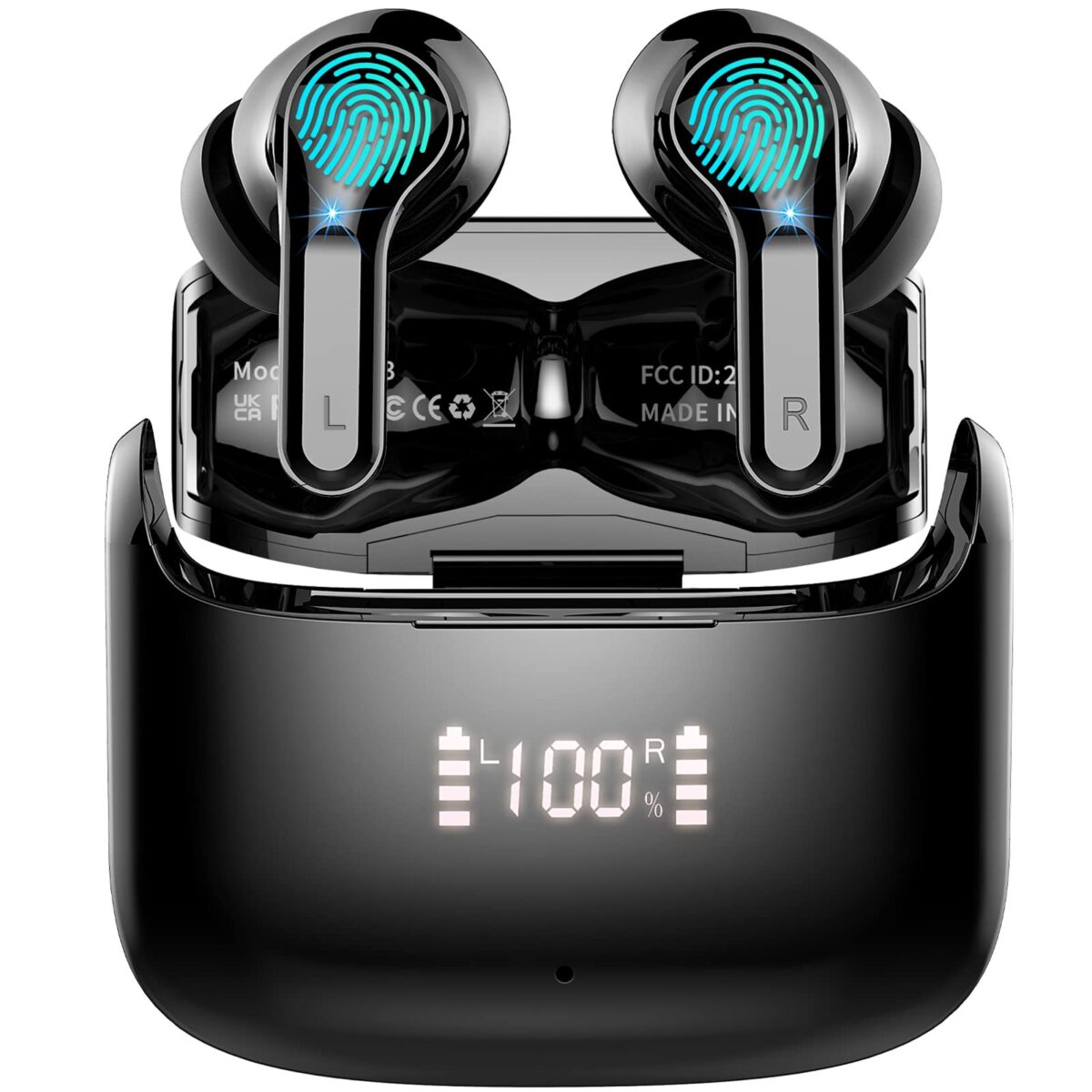
Tiny Bluetooth Earbuds,Kids Wireless Earbuds with Cute USB-C Charging Case, Waterproof Stereo TWS Wireless Earphone for Workout Sport with Micphone,Bluetooth 5.0 Headphones for iOS and Android……

US Regulator Interrogates Tesla Regarding Texas Robotaxi Plan


We independently review everything we recommend. When you buy through our links, we may earn a commission which is paid directly to our Australia-based writers, editors, and support staff. Thank you for your support!

US Authorities Examine Tesla’s Robotaxi Initiative in Texas Over Safety Issues

Quick Overview: Essential Points

  • US regulators are investigating Tesla’s robotaxi launch in Austin, Texas, planned for June 2024.
  • Concerns focus on the performance of Tesla’s Full Self-Driving (FSD) technology under low visibility conditions.
  • The National Highway Traffic Safety Administration (NHTSA) is requesting information regarding safety measures, monitoring, and the extent of deployment.
  • This investigation is a response to multiple incidents involving FSD, including two fatalities.
  • Over 2 million Tesla cars were recalled in December 2023 due to safety issues with Autopilot.
  • Tesla has not yet commented publicly on the NHTSA’s inquiries.

Regulatory Pressure Grows as Tesla Aims for Robotaxi Launch

Tesla faces scrutiny over self-driving robotaxi plans in Texas

Tesla’s ambitious initiative to roll out a paid robotaxi service in Austin, Texas, this June is facing significant scrutiny as the US National Highway Traffic Safety Administration (NHTSA) seeks clarification. The focus is on the performance of Tesla’s Full Self-Driving (FSD) software in adverse weather conditions — a crucial aspect of safety in autonomous driving.

Why Is Weather Performance Important?

Minimizing Risk in Challenging Environments

The NHTSA’s concerns stem from actual incidents. Since October 2023, the agency has been examining various Tesla accidents involving FSD in low-visibility scenarios — such as fog, rain, dust, and sunlight glare. These conditions are known to hinder sensor efficacy and camera operation, both vital for Tesla’s autonomous system.

The NHTSA reported four cases where Tesla vehicles operating in FSD mode were involved in accidents during low-visibility circumstances. Notable incidents included a fatal pedestrian impact in Rimrock, Arizona, and a deadly collision involving a motorcyclist in Seattle in April 2024.

Robotaxi Safety and Oversight: What Regulators Are Inquiring About

Plans for Deployment and Oversight

The NHTSA has issued a public letter requesting Tesla to provide the number of vehicles intended for deployment, the launch timeline, and whether these robotaxis will undergo real-time monitoring by Tesla staff. This matter is particularly urgent considering the company’s past encouragement for drivers to stay alert — a stance increasingly conflicting with the principle of full autonomy.

Technology Under Evaluation

The agency is also demanding technical details: What types of sensors are utilized? Are Tesla’s advanced driver-assistance systems (ADAS) aligned with industry norms? How does the company manage transitions between monitored and unmanned driving modes?

Consequences from Previous Incidents and Recalls

Ongoing Review of Notable Recall

In December 2023, Tesla recalled over 2 million vehicles in the US to rectify deficiencies in its Autopilot system, which is separate from but commonly mistaken for FSD. This action followed revelations that drivers were insufficiently attentive while using the system. Despite the recall, the NHTSA is still assessing whether the modifications are adequate to guarantee driver engagement and overall road safety.

Implications for Tesla and the Future of Robotaxis

Global Effects, Including Australia

While the immediate focus is on a US rollout, the implications resonate worldwide. Australia is carefully tracking advancements in autonomous vehicle technology, with testing initiatives happening in states like Victoria and South Australia. Tesla’s outcomes in the US could either boost or hinder local interest in robotaxis.

Furthermore, Australian regulators may mirror the NHTSA’s approach by requiring rigorous safety guarantees before permitting similar autonomous initiatives domestically. Given the distinct weather conditions and road circumstances, ensuring reliable AI driving performance is essential.

Conclusion

Tesla’s initiative to launch a paid robotaxi service in Texas is encountering enhanced scrutiny from US regulators, particularly regarding its effectiveness in low visibility situations. With a history of incidents related to Full Self-Driving technology and a recent recall of over 2 million vehicles, the National Highway Traffic Safety Administration is requesting comprehensive information on safety procedures, technical specifications, and real-time oversight. The findings from this investigation could influence the future of autonomous vehicle rollouts in the US and potentially affect regulatory attitudes in regions like Australia.

Q: What is the NHTSA looking into regarding Tesla’s robotaxi program?

A:

The NHTSA is examining how Tesla’s Full Self-Driving (FSD) technology performs in adverse weather and low-visibility conditions while also seeking comprehensive deployment plans, vehicle counts, monitoring procedures, and technology specifications.

Q: Why is weather performance critical for Tesla’s robotaxis?

A:

Conditions such as fog, rain, and sunlight glare can disrupt sensors and cameras, which are crucial for Tesla’s autonomous driving technology. The NHTSA is worried that these situations may heighten the risk of accidents if the FSD system fails to react appropriately.

Q: Has Tesla addressed the NHTSA’s request?

A:

As of now, Tesla has not publicly addressed the NHTSA’s inquiries regarding the robotaxi program or the associated safety concerns.

Q: How many Tesla vehicles were recalled in December 2023?

A:

Over 2 million vehicles in the US faced recall to resolve issues with Tesla’s Autopilot system. The recall was intended to enhance driver engagement and minimize improper use of the technology.

Q: Are these robotaxis entirely autonomous?

A:

Tesla promotes its FSD system as capable of achieving full autonomy under supervision, but the vehicles are not recognized as fully self-driving according to current industry or legal definitions. The NHTSA is seeking clarification regarding whether Tesla vehicles will operate without supervision.

Q: What are the implications for Australia?

A:

Australia is closely monitoring developments as it formulates frameworks for autonomous vehicles. Regulatory choices in the US may impact how local entities approach safety standards and the deployment of similar technologies in Australia.

Q: What happens if a robotaxi encounters low visibility during a journey?

A:

This is one of the primary inquiries the NHTSA wants Tesla to address. The agency is demanding protocols for managing such occurrences, including whether the ride is halted or redirected, and how passenger safety is assured.

Q: Could this investigation postpone Tesla’s robotaxi launch?

A:

Yes, it is possible. If the NHTSA finds Tesla’s responses lacking or uncovers safety concerns that need addressing, it could delay or even prevent the scheduled June launch in Austin, Texas.

Skullcandy Dime Evo Wireless Earbuds Review


We independently review everything we recommend. When you buy through our links, we may earn a commission which is paid directly to our Australia-based writers, editors, and support staff. Thank you for your support!

Skullcandy Dime Evo in-Ear Wireless Earbuds, 36 Hr Battery, Microphone, Works with iPhone Android and Bluetooth Devices – True Black