Blog - Page 149 of 214 - Techbest - Top Tech Reviews In Australia

“Marriott and Starwood Required to Implement Extensive Security Revamp”


We independently review everything we recommend. When you buy through our links, we may earn a commission which is paid directly to our Australia-based writers, editors, and support staff. Thank you for your support!

Marriott and Starwood Hotels Mandated to Enhance Cybersecurity Protocols

Marriott and Starwood Hotels Mandated to Enhance Cybersecurity Protocols

Brief Overview

  • The US Federal Trade Commission (FTC) is taking action against Marriott and Starwood Hotels & Resorts following three substantial data breaches.
  • These breaches compromised personal data of 344 million individuals, encompassing passport numbers and credit card information.
  • The FTC has mandated a thorough information security initiative to bolster Marriott’s data protection strategies.
  • Critical measures involve appointing a leader for the security program, adopting multi-factor authentication, and ensuring compliance from vendors.
  • In addition, consistent employee training and strong incident response strategies are included in the directives.
  • The security deficiencies underscored the necessity for transparency in data management and proactive cybersecurity practices.

Background: Data Breaches That Provoked Regulatory Action

Marriott International and its subsidiary Starwood Hotels & Resorts found themselves in the cybersecurity spotlight after encountering three major data breaches. These events compromised personal information of around 344 million customers worldwide, including sensitive data such as passport numbers, payment card information, and loyalty program records. The incidents occurred between 2014 and 2018, with problems initially associated with Starwood’s outdated systems prior to Marriott’s acquisition in 2016.

The breaches raised significant alarms regarding the hospitality group’s data security protocols, drawing the attention of the US Federal Trade Commission (FTC).

FTC Directives: Extensive Revision of Security Protocols

To rectify the discovered deficiencies, the FTC has ordered Marriott and Starwood to apply a comprehensive information security strategy. The required program encompasses:

  • Designating a specific leader to manage cybersecurity initiatives.
  • Delivering regular governance reports and tracking advancements.
  • Implementing multi-factor authentication for remote IT access.
  • Setting up strong logging and monitoring frameworks.
  • Ensuring that all staff receive training on protecting personal data.
  • Creating incident response plans to diminish the impact of future breaches.

Moreover, Marriott must evaluate and govern third-party vendors to guarantee they adhere to equivalent security standards as the corporation itself. This step is pivotal, as supply chain weaknesses frequently lead to data breaches.

The Claims: False Representation of Security Measures

The FTC’s allegations extend beyond the breaches themselves; they also pertain to Marriott’s purported misrepresentation of its data security practices. The commission charged the company with inadequately disclosing threats associated with its outdated systems, resulting in the compromise of consumer data on an unprecedented scale. This case emphasizes the necessity of transparency and accountability in corporate data management.

Consequences for Businesses and Consumers

This case acts as a warning for businesses regarding the necessity of proactive cybersecurity. Organizations must emphasize regular audits, employee training, and the integration of advanced security measures to safeguard customer information. Furthermore, companies purchasing other enterprises should conduct thorough due diligence on IT systems to detect and rectify vulnerabilities swiftly.

For consumers, the Marriott incident showcases the importance of being vigilant in overseeing personal accounts and exercising caution when sharing sensitive information. With the increasing occurrence of data breaches, individuals must take preventive actions to protect themselves, including utilizing strong passwords and activating multi-factor authentication wherever feasible.

Conclusion

The FTC’s measures against Marriott and Starwood Hotels signify a pivotal moment in cybersecurity enforcement. It underscores the global necessity for stringent data protection protocols, transparency in personal information management, and ongoing vigilance against cyber threats. With 344 million customers affected, this case serves as a crucial alert for enterprises globally to prioritize and fortify their cybersecurity frameworks.


Questions & Answers

Q: What instigated the FTC’s action against Marriott and Starwood?

A: The FTC’s intervention was triggered by three significant data breaches that affected the personal information of 344 million customers worldwide. The commission also alleged the company misrepresented its data security practices.

Q: What are the essential elements of the mandated security strategy?

A: The strategy entails appointing a cybersecurity leader, implementing multi-factor authentication, ensuring employee training, formulating incident response plans, and overseeing vendor compliance.

Q: How does this situation affect other businesses?

A: The case highlights the necessity for strong cybersecurity measures, transparency, and routine audits for all businesses. It serves as a reminder to prioritize data security and address vulnerabilities without delay.

Q: What actions can consumers take to safeguard themselves?

A: Consumers should vigilantly monitor their accounts for any suspicious activity, use strong and unique passwords, enable multi-factor authentication, and exercise caution when disclosing personal information online.

Q: Were the breaches connected to Starwood’s systems?

A: Yes, the breaches were initially traced back to vulnerabilities in Starwood’s outdated systems, which Marriott took over after its acquisition in 2016.

Q: How does the FTC ensure compliance with its mandates?

A: The FTC ensures compliance through periodic reporting requirements, audits, and the possibility of additional penalties if companies fail to fulfill their obligations.

For more updates and technology news, visit TechBest.

“Why It’s Essential for Every Victorian to Have the VicEmergency App on Their Phone Prior to Boxing Day”


We independently review everything we recommend. When you buy through our links, we may earn a commission which is paid directly to our Australia-based writers, editors, and support staff. Thank you for your support!

Stay Protected This Fire Season: The Importance of the VicEmergency App for Victorians

Quick Summary: Important Points

  • Victoria is under significant bushfire threat this Boxing Day, with some regions forecasted to exceed 40°C.
  • The VicEmergency app delivers immediate alerts, incident maps, and emergency advisories to ensure user safety and awareness.
  • Functions like Watch Zones and GPS capabilities provide customized notifications for particular areas.
  • Downloading the app is free and crucial for being prepared for fire season.
  • Hot, dry, and windy weather forms a precarious setting for bushfires, prominently in areas such as Wimmera and Mallee.
  • Make sure the app is downloaded and notifications are activated on your device before Boxing Day.

Boxing Day Fire Dangers Throughout Victoria

As Boxing Day approaches, Victoria is preparing for harsh weather that greatly elevates bushfire risks. The temperature in Melbourne is predicted to reach a searing 39°C, which could set records for the Boxing Day Test cricket match. Northern towns like Mildura and Swan Hill are likely to see temperatures of 42°C, whereas Bendigo may experience 40°C. Central and eastern regions, including Ballarat and Wangaratta, could see temperatures from 38°C to 39°C.

Strong winds combined with humidity below 10% will intensify fire risks, making regions like Wimmera, Mallee, and Northern Country especially at risk. These areas may face catastrophic and extreme fire danger ratings, while South Gippsland and other regions will encounter high fire danger alerts.

The Significance of the VicEmergency App

The VicEmergency app offers more than mere convenience—it’s a vital resource intended to keep you informed amid emergencies. Recent fires, such as the 34,000-hectare inferno in the Grampians and the 22,000-hectare fire near Beaufort, underscore the necessity of remaining updated. These events have prompted evacuations, road closures, and emergency notices, highlighting the demand for trustworthy, real-time data.

This app features a comprehensive range of tools, with live incident maps, personalized Watch Zones, GPS location alerts, and updates on total fire bans. It ensures you’re among the first to learn about emerging emergencies, facilitating prompt and informed choices.

Steps to Download the VicEmergency App

For iOS Devices

Access the App Store on your iPhone or iPad. Search for “VicEmergency” and click Get. Confirm that notifications are turned on in your phone settings for real-time alerts.

For Android Devices

Launch the Google Play Store, look up “VicEmergency,” and press Install. Permit location access for personalized alerts based on your location.

Web App

If you prefer using a web browser, the VicEmergency site provides similar capabilities. Visit https://www.emergency.vic.gov.au/respond for the latest updates.

VicEmergency App Features

Live Incident Map

Monitor real-time updates on current warnings, planned burns, and emergency incidents throughout Victoria. The map symbols identify affected areas.

Watch Zones

Create customized zones to keep tabs on specific locations like your residence, workplace, or vacation spot. Receive tailored alerts for these areas.

GPS Functionality

The app utilizes GPS to pinpoint your location, providing alerts applicable to your surroundings, whether at home or on the go.

Emergency Alerts

Gain access to comprehensive information about bushfires, floods, storms, and other threats through three alert levels: Advice, Watch and Act, and Emergency Warning.

Updates on Total Fire Bans

Stay updated on today’s and tomorrow’s fire ban status to safely plan your activities.

Customized Alerts

Adjust your notification sounds and opt for email alerts to enhance visibility.

Community Safety

Disseminate incident information to friends and family directly through the app to foster community preparedness.

Educational Materials

Access resources on how to respond during emergencies, assisting you and your loved ones in staying safe.

Overview

The VicEmergency app is an essential resource for every Victorian, especially during the peak bushfire season. With predictions pointing to deteriorating conditions on Boxing Day, the app offers timely alerts, critical updates, and safety tools to ensure you remain prepared. Download it today to protect your family and community.

FAQs Regarding the VicEmergency App

Q: Is the VicEmergency app free?

A:

Yes, it is completely free to download and use on both iOS and Android platforms.

Q: Can I access the app without turning on GPS?

A:

Yes, but enabling GPS allows you to receive alerts specific to your location, which is particularly helpful when traveling.

Q: How frequently does the app provide updates?

A:

The app gives real-time updates, ensuring that you are notified of the latest information as soon as it’s available.

Q: Can I track alerts for several locations?

A:

Yes, you can create multiple Watch Zones to receive alerts for various places, such as your home, office, or vacation area.

Q: Does the app include alerts for risks beyond bushfires?

A:

Yes, it provides warnings for various hazards, including floods, storms, and other emergencies.

Q: What can I do to avoid missing notifications?

A:

Ensure notifications are activated in your phone settings and personalize alert tones in the app for better visibility.

Q: Is the app enough for bushfire readiness?

A:

While the app is a vital resource, it should be used alongside other preparedness strategies such as emergency kits, evacuation routes, and gathering information through various channels.

“Government Completes Framework for Evaluating Technology Suppliers”


We independently review everything we recommend. When you buy through our links, we may earn a commission which is paid directly to our Australia-based writers, editors, and support staff. Thank you for your support!

Australia’s Updated Framework for Evaluating Technology Suppliers: A Strategic Initiative

Quick Overview

  • The Australian government has completed a framework to evaluate national security and supply chain threats posed by technology suppliers.
  • This framework was established under the 2023-2030 Cyber Security Strategy.
  • To safeguard national security and uphold the integrity of its processes, the framework will remain confidential.
  • It seeks to strike a balance between security and innovation, facilitating secure access to advanced technologies for Australian entities.
  • Engaging with organizations and end-users will be essential to the evaluation process.
  • Key areas of focus include reducing risks associated with vendors linked to foreign governments with opposing interests.

An In-Depth Examination of the Framework

The Australian government has launched a thorough “review framework” intended to evaluate potential national security and supply chain issues linked to technology suppliers. This initiative arises from the 2023-2030 Cyber Security Strategy, which highlights the urgent need to mitigate risks from foreign-controlled technologies entering the Australian sector.

As stated by Minister for Home Affairs and Cyber Security, Tony Burke, the framework is crafted to safeguard Australia’s national interests while ensuring the confidentiality of its procedures. “Most vendors do not pose a risk to Australia’s interests,” Burke highlighted. Nevertheless, the framework aims to address scenarios where foreign involvement in technology products might threaten national security.

Technology risk review framework established by Australian government

Principal Aims of the Framework

Safeguarding National Security

The main purpose of the framework is to detect technologies or suppliers that may endanger Australia due to their affiliations with foreign governments. Suppliers with access to confidential systems or data are particularly concerning. The framework aims to mitigate risks as needed, fostering a secure landscape for the Australian economy and its essential infrastructure.

Harmonizing Innovation and Security

The government has highlighted the necessity of harmonizing innovation with security. By providing a structured method for risk assessment, the framework enables Australian organizations to safely engage with innovative technologies while protecting national interests. This dual focus promotes both economic advancement and security robustness.

Consultation as a Fundamental Element

A notable aspect of the framework is its focus on collaboration and consultation. The government intends to actively involve organisations, industry stakeholders, and end-users to comprehend the risks posed by particular technologies and any current mitigation strategies. This inclusive approach seeks to instill trust and ensure the framework’s efficacy across diverse sectors.

Importance of the Framework

With the growing adoption of global technologies, it is imperative to ensure that Australia remains shielded from foreign meddling. By addressing potential risks at the vendor level, the framework serves as a proactive measure against cyber threats, data breaches, and the exploitation of sensitive information. It also complements Australia’s broader strategy to enhance its cybersecurity readiness in an increasingly interconnected landscape.

Conclusion

The newly established framework by the Australian government for evaluating technology supplier risks marks a crucial advancement in protecting national security and the supply chain. Created under the 2023-2030 Cyber Security Strategy, this framework is intended to identify and mitigate risks associated with foreign-controlled technologies. By emphasizing consultation and finding a balance between security and innovation, Australia aims to enable its organizations to adopt new technologies securely and effectively.

Q&A: Clarifying the Technology Supplier Review Framework

Q: What is the intent of the technology vendor review framework?

A:

The framework is geared towards assessing and mitigating national security and supply chain vulnerabilities posed by technology providers and their offerings, especially those linked to foreign governments.

Q: Why is the framework not public?

A:

To preserve the integrity of its processes and safeguard classified national security details, the government has chosen not to disclose the framework publicly.

Q: How does the framework maintain a balance between security and innovation?

A:

The framework facilitates Australian organizations in adopting new technologies securely while managing risks. It encourages innovation by allowing access to cutting-edge solutions without compromising national security.

Q: Who will participate in consultations during the review process?

A:

The government will reach out to organizations, industry players, and end-users to discern risks linked to specific technologies and any existing mitigation measures currently in place.

Q: What kinds of risks does the framework cover?

A:

The framework addresses risks where vendors, via their technologies, could be swayed by foreign governments to act against Australia’s national interests. This includes risks related to sensitive data and vital infrastructure.

Q: How does this framework integrate with Australia’s broader cybersecurity strategy?

A:

The framework is part of the 2023-2030 Cyber Security Strategy, which seeks to bolster Australia’s cybersecurity framework and address vulnerabilities in an increasingly digital environment.

Q: Will this framework affect all technology suppliers?

A:

No, the framework mainly targets suppliers whose products or services may present national security challenges. The majority of suppliers are not expected to be impacted as they do not pose a threat to Australia’s interests.

“Nissan and Honda Collaborate in Historic MOU to Address EV and Intelligent Vehicle Revolution”


We independently review everything we recommend. When you buy through our links, we may earn a commission which is paid directly to our Australia-based writers, editors, and support staff. Thank you for your support!

Brief Overview

  • Nissan and Honda have entered into a Memorandum of Understanding (MOU) to investigate the formation of a joint holding company.
  • The collaboration targets electric vehicles (EVs), autonomous technology, and software-defined vehicles (SDVs).
  • Primary aims include the standardization of vehicle platforms, collaborative R&D efforts, and enhanced supply chain management.
  • A final agreement is anticipated by June 2025, with the launch of the holding company set for August 2026.
  • This move illustrates how established automakers are evolving to meet the challenges of an EV and smart vehicle era.

Nissan and Honda Unite for the EV and Intelligent Vehicle Era

Nissan and Honda collaboration on electric and intelligent vehicles

A Pivotal Alliance in the Evolving Automotive Industry

Nissan and Honda, prominent players in Japan’s automotive sector, have formalized a Memorandum of Understanding (MOU) to investigate the creation of a joint holding company. Announced on December 23, 2024, this collaboration directly addresses the significant transformation within the global automotive landscape toward electric vehicles (EVs), autonomous technology, and software-defined vehicles (SDVs). Amidst a landscape increasingly dominated by Tesla and tech-focused disruptors, traditional manufacturers face mounting pressure to innovate or risk becoming obsolete.

This initiative builds on a strategic agreement previously established in March 2024. The MOU aims to fuse the distinct strengths of both firms in electrification, vehicle intelligence, and advanced manufacturing, creating a formidable mobility powerhouse.

Core Goals of the Collaboration

The proposed integration emphasizes the use of combined resources to enhance competitiveness in the age of smart vehicles. Key areas of cooperation include:

  • Standardizing Platforms: By synchronizing vehicle platforms, Nissan and Honda intend to minimize both development and manufacturing expenses.
  • Collaborative R&D: Sharing R&D initiatives will hasten progress in EV technology and autonomous systems.
  • Integrating Supply Chains: Streamlining manufacturing and logistics is projected to decrease fixed costs and boost operational efficiency.
  • Synergizing Costs: Integration of back-office functions and sales finance is forecasted to significantly lower operational costs.

Ultimately, the partnership aims to enhance efficiency while delivering innovative, customer-oriented solutions.

Financial Realities and Obstacles

Navigating Economic Pressures and Advancement

Although the partnership presents substantial possibilities, it comes with its own set of challenges. Merging operations could result in job redundancies and an identity crisis for the brands. Nevertheless, both companies confront notable financial pressures to invest in next-generation technologies while maintaining profitability. Leaders from both organizations have expressed hope about finding a workable balance:

  • Nissan’s CEO, Makoto Uchida, stressed the opportunity to offer unparalleled customer value by blending their capabilities.
  • Honda’s Executive Officer, Toshihiro Mibe, underscored the necessity of resource integration to tackle the industry’s environmental and technological hurdles.

A Look Ahead

Plans and Target Dates

The path forward for integration is outlined with critical milestones:

  • A definitive business integration agreement is anticipated by June 2025.
  • The holding company, pending shareholder and regulatory endorsements, is set for establishment by August 2026.
  • The new entity will aim for listing on the Prime Market of the Tokyo Stock Exchange, highlighting its ambition to become a leader in the global automotive field.

This partnership represents a significant transformation in how traditional automakers operate in an environment where EVs, software, and AI-driven technologies are paramount.

Final Thoughts

The collaboration between Nissan and Honda holds the potential to reshape the automotive industry, potentially establishing a new standard for how conventional manufacturers can transition into a technology-oriented future. If executed successfully, this joint venture may provide a framework for other automakers facing the pressures of the EV and autonomous vehicle transition.

However, the ultimate effectiveness of the partnership will hinge on how adeptly the companies navigate integration challenges, foster innovation at scale, and resonate with a new generation of tech-oriented consumers. As the automotive sector observes, it is clear that this moves beyond mere merger—it’s a significant stride toward the future of transportation.

Overview

Nissan and Honda are investigating a groundbreaking partnership aimed at adapting to the shifting automotive landscape. Through a planned joint holding company, they strive to combine their strengths in EVs, autonomous technologies, and software-defined vehicles. While the initiative presents significant promise for cost savings and technological advancements, it also faces challenges like job overlaps and brand integration. With a timeline extending to 2026, this partnership could set the precedent for how traditional manufacturers respond to the global transition toward smart and sustainable mobility.

Questions & Answers

Q: What motivates Nissan and Honda to pursue this partnership?

A:

The partnership is designed to tackle challenges arising from the global transition to electric vehicles, autonomous technologies, and software-defined vehicles. By collaborating, both companies anticipate remaining competitive and delivering innovative solutions.

Q: Which areas are prioritized for collaboration?

A:

Key areas of focus encompass standardizing vehicle platforms, integrating R&D initiatives, optimizing supply chains, and achieving operational cost efficiencies.

Q: When is the joint holding company set to be created?

A:

The holding company is projected to be established by August 2026, contingent on shareholder and regulatory approvals.

Q: What implications does this partnership have for employees?

A:

While the partnership may result in job overlaps, it also fosters growth and innovation opportunities. Both firms are dedicated to balancing cost efficiencies with resource optimization.

Q: What does this partnership signify for the automotive sector?

A:

This collaboration could act as a template for how traditional manufacturers adapt to rapid technological and environmental shifts reshaping the automotive industry.

Q: Will the new entity keep the Nissan and Honda names?

A:

Yes, both companies are anticipated to continue operating under their respective brands while capitalizing on shared resources.

Q: What financial outcomes are expected from this partnership?

A:

The cost-sharing approach aims to lower development and operational costs, allowing both companies to allocate more resources to next-generation technologies.

Q: How will this partnership enhance customer experience?

A:

The collaboration is expected to introduce advanced technologies, cost-effective vehicles, and innovative mobility solutions to a broader customer base.

“Union Alerts That NBN Ownership Represents National Security Threats”


We independently review everything we recommend. When you buy through our links, we may earn a commission which is paid directly to our Australia-based writers, editors, and support staff. Thank you for your support!

Debate on NBN Ownership: Risks to Security and Pricing

Debate on NBN Ownership: Risks to Security and Pricing

Quick Read

  • The Communication Workers Union (CWU) cautions against NBN privatisation, pointing to national security threats.
  • Privatisation risks increased broadband costs and diminished service quality over time.
  • The CWU underscores the crucial function of NBN in national defence and vital Australian services.
  • The union likens potential risks to the pattern of escalating electricity prices following privatisation.
  • Legislative measures have been suggested to block the sale of NBN Co and its assets.

National Security Concerns Regarding NBN Ownership

The Communication Workers Union (CWU) in Australia has raised a significant alert regarding the dangers of privatising the National Broadband Network (NBN). In a submission to an inquiry concerning proposed legislation, the CWU contends that the NBN should stay under government oversight to protect national security interests. The union asserted that a strong, secure, and accountable broadband network is essential for Australia’s sovereignty and safety.

National security risks highlighted by NBN privatisation

As Australia progresses in digitising essential services such as healthcare and financial transactions, the secure infrastructure of the NBN becomes even more crucial. Additionally, the network is pivotal in bolstering Australia’s security forces and defence mechanisms, making the ownership and management of the NBN a priority for national significance.

Economic Repercussions of Privatisation

Beyond security issues, the CWU pointed out the possible economic consequences of privatisation. Drawing parallels with the privatisation of electricity assets during the 1990s, the union warned that broadband costs could rise sharply if the NBN were transferred to private owners. Since privatisation, electricity prices in Australia have consistently exceeded inflation, and the CWU expects similar developments for broadband services should the NBN cease to be publicly owned.

The union also cautioned against a decline in service quality, claiming that privatisation would likely favour profit over consumer needs. They advocate that maintaining government oversight of the NBN would guarantee cost-effective and high-quality broadband provisions for Australians in the long run.

Legislation Initiatives to Protect NBN

The Australian government has put forward legislation aimed at averting the future sale of NBN Co and its network properties. This action mirrors the CWU’s perspective that the network should stay as a publicly owned entity to uphold national interests. By enshrining public ownership into law, the proposed legislation seeks to tackle both security and economic apprehensions.

The CWU has company in its advocacy. The notion of public ownership of crucial infrastructure like the NBN is a subject of ongoing discussion, with many Australians endorsing the view that essential services ought to remain accountable to the populace rather than profit-driven organisations.

Summary

The Communication Workers Union has expressed firm opposition to the privatisation of NBN Co, citing substantial threats to national security and economic resilience. The union maintains that preserving the NBN under government management guarantees a secure, accountable, and high-quality broadband service for Australians. Proposed legislation seeks to safeguard the networks by preventing the sale of NBN assets, addressing these issues and protecting the nation’s interests.

Q&A: Major Questions Regarding NBN Ownership

Q: What is the CWU’s reasoning for viewing NBN ownership as a national security concern?

A:

The CWU asserts that the NBN supports critical infrastructure for defence and security operations. Keeping it under governmental authority ensures its security, independence from foreign influence, and accountability to the Australian populace.

Q: What impact might privatisation have on broadband costs?

A:

Privatisation could result in elevated broadband prices, as private enterprises often focus on profit margins rather than accessibility. The CWU compares this with the rising electricity costs seen post-privatisation of energy assets in the 1990s.

Q: How does NBN impact Australia’s essential services?

A:

The NBN is foundational to the digitisation of crucial services, including healthcare, financial operations, and emergency communications. A secure and dependable broadband network is essential for these services to operate effectively.

Q: What objectives would the proposed legislation achieve?

A:

The proposed legislation aims to impede the sale of NBN Co or its assets, guaranteeing that the network remains publicly owned and managed. This would protect both national security and consumer interests.

Q: What are the benefits of public ownership for Australians?

A:

Public ownership guarantees that vital services like broadband are administered with the public’s priorities in mind, rather than being profit-driven. This can lead to more accessible and trustworthy services.

Q: Could service quality be compromised by privatisation?

A:

Indeed, the CWU warns that service quality could decline with privatisation, as private firms may concentrate on cost reduction and profit instead of maintaining and enhancing the infrastructure.

“GenesisCare Introduces New Chief Information and Digital Officer”


We independently review everything we recommend. When you buy through our links, we may earn a commission which is paid directly to our Australia-based writers, editors, and support staff. Thank you for your support!

GenesisCare Appoints New Chief Information and Digital Officer

Quick Read

  • Brett Winn, previously CIO of Healthscope, takes on the role of Chief Information and Digital Officer (CIDO) at GenesisCare.
  • Winn comes with a wealth of experience in healthcare technology and digital transformation.
  • GenesisCare seeks to improve experiences for both patients and clinicians through digital innovations.
  • Winn has held significant CIO positions at Blackmores Group and Medibank prior to this role.
  • Healthscope appoints Matt Gurrie as interim CIO following Winn’s departure.

GenesisCare Welcomes Brett Winn as New CIDO

GenesisCare, a prominent provider of cancer care with a strong footprint in Australia, has revealed the hiring of Brett Winn as its Chief Information and Digital Officer (CIDO). Winn enters this pivotal leadership position with a goal to advance a comprehensive digital agenda aimed at improving experiences for patients and clinicians alike.

This appointment underscores GenesisCare’s dedication to harnessing technology and data to enhance healthcare delivery and outcomes. With extensive experience in healthcare tech innovation, Winn’s leadership is anticipated to drive initiatives that will elevate the company’s digital capabilities.

Who is Brett Winn?

Brett Winn is an accomplished technology executive boasting over twenty years of expertise in the healthcare and pharmaceutical fields. Before joining GenesisCare, he acted as the Chief Information Officer (CIO) at Healthscope, one of Australia’s leading private hospital groups. During his time at Healthscope, he played a key role in driving digital transformation initiatives throughout its 42 hospitals across the nation.

Winn has also taken on senior technology positions at various major organisations, including Blackmores Group, a top natural health firm, and Medibank, one of Australia’s most significant private health insurance providers. His considerable skills in digital strategy, data oversight, and cybersecurity make him a well-suited leader for GenesisCare’s growing digital agenda.

What Does This Mean for GenesisCare?

GenesisCare’s choice to appoint Winn highlights its emphasis on innovation and digital advancement in the healthcare sector. Winn has articulated his vision to pursue an “ambitious agenda focused on empowering patient and clinician experience.” This is in line with the company’s overall mission to enhance healthcare outcomes through state-of-the-art technology and tailored care.

Winn’s proficiency in implementing sophisticated digital systems and data-centric solutions is predicted to optimize operations, boost service delivery, and enhance patient engagement. His leadership is likely to impact the integration of AI, machine learning, and other emerging technological trends within GenesisCare’s global framework.

Leadership Changes at Healthscope

As Winn transitions to his new position at GenesisCare, Healthscope has designated Matt Gurrie as the acting CIO. Gurrie is a seasoned IT leader with substantial experience in healthcare technology and is anticipated to sustain the drive of Healthscope’s current digital projects.

Healthscope’s commitment to continuity and innovation in technology leadership ensures that its network of private hospitals remains a leader in healthcare delivery throughout Australia.

Summary

The selection of Brett Winn as Chief Information and Digital Officer by GenesisCare marks a vital move towards enhancing its digital and technological framework. With his considerable experience in healthcare technology, Winn is ready to steer transformative initiatives that will benefit both patients and clinicians. Concurrently, Healthscope maintains stability in its IT leadership by appointing Matt Gurrie as acting CIO. These changes signify the increasing significance of digital transformation within the Australian healthcare landscape.

Q&A

Q: What is GenesisCare, and what does it do?

A:

GenesisCare is an international healthcare provider focusing on cancer treatment, cardiology, and sleep medicine. It operates over 440 facilities across Australia, Europe, and the United States, delivering advanced therapies and personalized care to patients globally.

Q: What will Brett Winn’s role involve at GenesisCare?

A:

As Chief Information and Digital Officer, Winn will prioritize driving digital innovation, improving experiences for patients and clinicians, and deploying advanced technology solutions to enhance healthcare outcomes.

Q: What is Brett Winn’s professional background?

A:

Winn has occupied key technology leadership roles at Healthscope, Blackmores Group, and Medibank. He boasts extensive experience in the areas of digital transformation, data management, and cybersecurity within the healthcare and pharmaceutical sectors.

Q: How will this appointment impact GenesisCare?

A:

Winn’s experience is expected to propel GenesisCare’s digital transformation initiatives, enhance operational performance, and provide improved patient care through the adoption of advanced technologies.

Q: Who is now acting as CIO at Healthscope?

A:

Healthscope has selected Matt Gurrie as acting CIO following Brett Winn’s exit. Gurrie offers substantial experience in healthcare IT leadership and will manage ongoing digital initiatives at Healthscope.

Q: What are the broader implications of digital transformation in healthcare?

A:

Digital transformation in healthcare leads to better patient outcomes, heightened operational efficiency, and improved data security. It also paves the way for integrating innovative technologies, such as AI, telemedicine, and electronic health records, thereby making healthcare more accessible and personalized.

For the latest in technology and healthcare innovation, visit TechBest.

“Australia’s Major Four Banks Take Action Against Thousands of Alleged Mule Accounts”


We independently review everything we recommend. When you buy through our links, we may earn a commission which is paid directly to our Australia-based writers, editors, and support staff. Thank you for your support!

How Australia’s Major Banks are Addressing Financial Fraud through AI

How Australia’s Major Banks are Addressing Financial Fraud through AI

Quick Overview

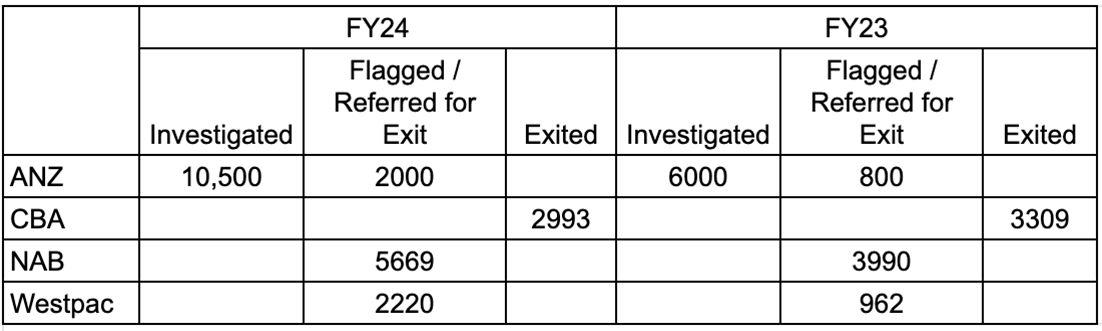
  • The Big Four banks in Australia – ANZ, NAB, Westpac, and CBA – flagged or closed thousands of suspected mule accounts over the last financial year.
  • Cutting-edge AI, machine learning, and behavioral analytics tools, including BioCatch, are pivotal to their strategies.
  • Westpac noted a 31% decrease in scam fund losses and a 29% reduction in customer scam losses as a result of these initiatives.
  • ANZ has implemented more than 170 advanced algorithms to identify and avert fraud.
  • These banks are proactively flagging accounts even prior to the deposit of any illicit funds.
  • These efforts are part of a wider initiative against financial crime, fueled by technological investments and collaboration between banks.

AI Leads a New Age in Scam Detection

The Big Four banks in Australia – ANZ, NAB, Westpac, and CBA – have intensified their battle against financial crime, utilizing state-of-the-art technologies to identify and close thousands of suspected mule accounts. “Mule accounts” are those used by fraudsters or unsuspecting account holders to transfer or receive illegal funds, often as part of larger criminal networks.

As per reports submitted to a parliamentary review, recent investments in artificial intelligence (AI), behavioral analytics, and systems for sharing intelligence among banks have greatly enhanced the detection and prevention of scams. These strategies are yielding positive results, with Westpac reporting a 31% decrease in overall scammed funds and a 29% drop in customer scam losses.

What is BioCatch?

BioCatch is a significant player in these efforts, providing a behavioral analytics platform that utilizes device and network information to identify fraudulent actions. Serving as an intelligence-sharing platform, BioCatch allows participating banks to work together to detect and block mule accounts before they can be exploited for illegal activities.

NAB attributes its success in proactively identifying suspicious accounts to its use of BioCatch, while ANZ emphasizes the application of 170 advanced algorithms as a critical component of its fraud prevention strategies.

Australian banks employ AI to combat fraud and exit suspicious accounts

Results in Statistics

This is how each of the Big Four banks is utilizing technology to bolster security:

  • ANZ: Rolled out a mule detection model and over 170 AI-based algorithms, leading to a significant rise in flagged accounts.
  • NAB: Attributes its year-on-year increase in flagged accounts to BioCatch, highlighting its proactive detection of mule accounts.
  • Westpac: Has more than doubled its account closures compared to the prior year, driven by enhanced detection abilities.
  • CBA: The only bank to provide specific “exit” data, showcasing its ongoing investments in AI and detection methodologies.
Australian banks crack down on mule accounts with advanced AI tools

Challenges in Consistency

While the Big Four banks are advancing in their fraud detection technologies, there are difficulties in achieving consistency. CBA has noted that the sophistication and precision of detection tools differ across banks. This lack of standardization underscores the necessity for further collaboration and investment to guarantee uniform outcomes across the financial sector.

Conclusion

The Big Four banks in Australia are making substantial investments in AI and behavioral analytics to fight financial crime, flagging and closing thousands of suspected mule accounts. Tools like BioCatch and advanced algorithms are enabling these banks to better detect fraudulent behavior, thus decreasing scam losses and enhancing customer protection. Nevertheless, continuous collaboration and technological advancements will be essential to sustaining these improvements.

FAQs

Q: What are mule accounts?

A:

Mule accounts are banking accounts utilized to receive or transfer illegal funds, either knowingly or unknowingly, as part of criminal activities like scams or money laundering.

Q: How are Australian banks identifying mule accounts?

A:

Banks are employing AI, machine learning algorithms, and platforms like BioCatch to detect suspicious activities. These technologies examine behavioral trends, device information, and network intelligence to flag potential mule accounts.

Q: What is BioCatch?

A:

BioCatch is a behavioral analytics platform that analyzes device and behavioral information to uncover fraudulent actions. It also promotes intelligence-sharing among banks to identify and eradicate mule accounts.

Q: How successful have these initiatives been?

A:

The initiatives have proven to be quite effective. For example, Westpac noted a 31% reduction in scammed funds and a 29% fall in customer scam losses attributed to enhanced detection capabilities.

Q: Are all flagged accounts involved in scams?

A:

No, accounts can be flagged for various reasons, including suspicious activities, intelligence alerts received by the bank, or even if they are opened using stolen or fraudulent identity documents.

Q: What are the challenges in fraud detection?

A:

The main challenge is achieving a consistent approach across banks. The sophistication and accuracy of detection tools vary, leading to disparities in fraud detection initiatives.

Jabra Elite 8 Active Gen 2 Wireless Earbuds Review


We independently review everything we recommend. When you buy through our links, we may earn a commission which is paid directly to our Australia-based writers, editors, and support staff. Thank you for your support!

Jabra Elite 8 Active Gen 2 Wireless Bluetooth Earbuds, Sweatproof Waterproof, LE Audio Smart Case, HearThrough, Adaptive Hybrid ANC – Black

“US Officials Indict Person Connected to LockBit Ransomware Group”


We independently review everything we recommend. When you buy through our links, we may earn a commission which is paid directly to our Australia-based writers, editors, and support staff. Thank you for your support!

Law Enforcement Intensifies Action Against LockBit Ransomware Syndicate

Law Enforcement Intensifies Action Against LockBit Ransomware Syndicate

Quick Overview

  • The United States has charged Rostislav Panev, a dual citizen of Russia and Israel, for his involvement in the LockBit ransomware collective.
  • Panev was apprehended in Israel in August 2024 and is currently awaiting extradition to the U.S.
  • LockBit ransomware has victimized over 2,500 individuals across more than 120 countries, extorting upwards of $800 million AUD.
  • This ransomware syndicate utilized a “ransomware-as-a-service” framework, working with affiliates in executing attacks.
  • Recent law enforcement initiatives, including arrests and domain seizures, have markedly disrupted LockBit’s operations.
  • Experts assert that these crackdowns are crucial in discouraging ransomware and extortion on a global scale.

Who is Rostislav Panev?

Rostislav Panev, a 51-year-old dual national of Russia and Israel, faces charges from U.S. authorities for his significant participation in the LockBit ransomware syndicate. Panev was arrested in Israel in August 2024 and is pending extradition. According to the U.S. Department of Justice (DOJ), Panev was a developer for LockBit from its founding in 2019 until early 2024, aiding the group in becoming one of the most infamous ransomware organizations worldwide.

The Emergence of LockBit

LockBit made its debut in 2020, with its ransomware software surfacing on Russian-language cybercrime forums. The group functioned under a “ransomware-as-a-service” (RaaS) paradigm, where core developers supplied tools and frameworks to affiliates responsible for the attacks. The syndicate quickly earned a reputation for its effectiveness and scale, targeting more than 2,500 victims in at least 120 nations, including Australia.

The victims of LockBit varied from small enterprises to large corporations, hospitals, educational institutions, and essential infrastructure. The group extorted no less than USD $500 million (AUD $800 million) in ransom, resulting in significant losses in revenue and recovery expenditures.

Law Enforcement Responds

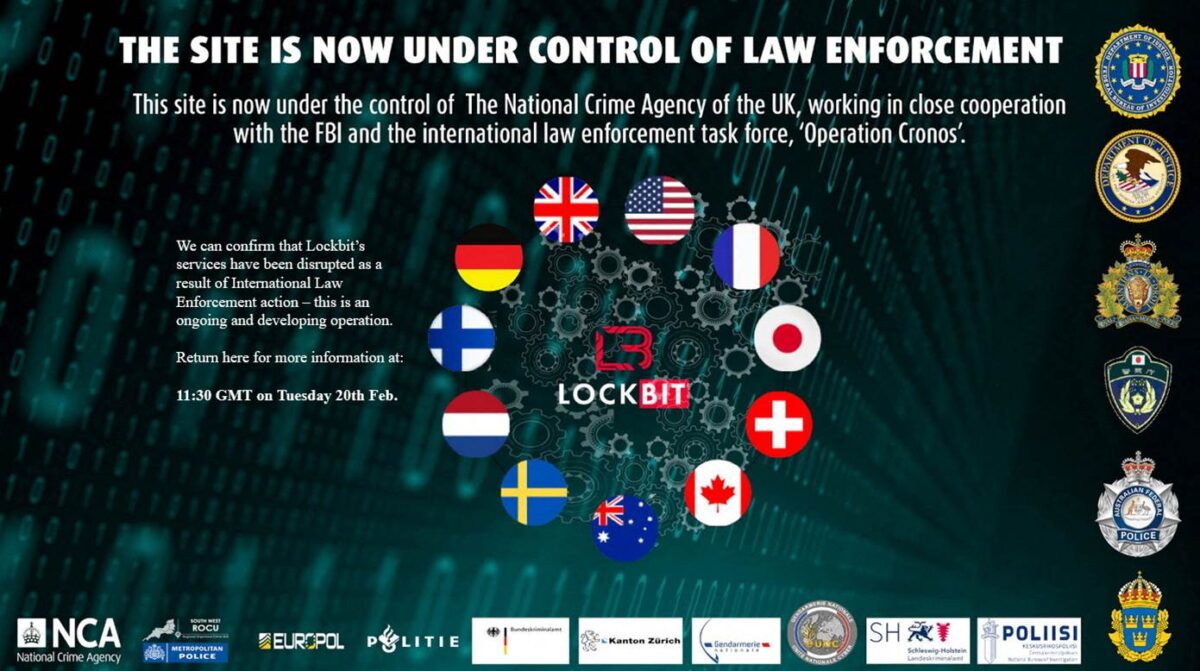
The apprehension of Panev follows a series of successful law enforcement operations against LockBit. In February 2024, Britain’s National Crime Agency, the FBI, and other international entities confiscated several LockBit-related websites. In July 2024, two Russian members of the organization, Ruslan Astamirov and Mikhail Vasiliev, entered guilty pleas, further undermining the syndicate.

Even though LockBit reestablished its presence online after the seizures, the group’s influence within the cybercriminal realm has greatly diminished. Experts, including Jeremy Kennelly, a cybersecurity analyst at Google’s parent company Alphabet, believe these actions have been vital in reducing LockBit’s operations and tarnishing its reputation.

Effect on Cybercrime Dynamics

LockBit’s ransomware-as-a-service model has catalyzed a surge of similar operations, with developers and affiliates sharing the extortion profits. Nonetheless, the recent enforcement actions highlight an escalating international collaboration in the battle against cybercrime. By targeting both the syndicates and their facilitators, law enforcement agencies are conveying a powerful message that ransomware and extortion carry serious repercussions.

While remnants of LockBit might remain, experts suggest that affiliates are likely moving their operations to other ransomware collectives, thereby diluting their overall influence.

Conclusion

The arrest of Rostislav Panev and the coordinated global initiatives against LockBit signify a pivotal moment in the fight against ransomware. With over 2,500 victims and AUD $800 million in extortion revenue, LockBit stood as one of the most prolific ransomware groups in history. However, recent law enforcement activities have substantially disrupted their operations and reduced their stature within the cybercriminal underworld. These developments emphasize the importance of international collaboration in addressing the rising menace of cybercrime.

Q&A: Essential Information About LockBit and the Arrest

Q: Who is Rostislav Panev?

A:

Rostislav Panev, a 51-year-old dual citizen of Russia and Israel, was a principal developer for the LockBit ransomware collective. He was arrested in Israel in August 2024 and is awaiting extradition to the U.S. to face charges.

Q: What is LockBit ransomware?

A:

LockBit is a ransomware organization that operated on a “ransomware-as-a-service” framework, supplying malicious software and infrastructure to affiliates who executed attacks, sharing the profits from extortion with these partners.

Q: How substantial was LockBit’s effect?

A:

LockBit targeted over 2,500 victims across 120 countries, affecting businesses, hospitals, and critical infrastructure. The group extorted at least AUD $800 million, leading to major recovery and revenue losses.

Q: How has law enforcement influenced LockBit?

A:

International law enforcement efforts have disrupted LockBit’s operations through arrests, seizures of websites, and a decline in their activity. These actions have also diminished the group’s credibility within the cybercriminal community.

Q: Are ransomware incidents on the decline?

A:

While ransomware attacks continue to pose a risk, effective crackdowns on entities like LockBit have decreased their frequency and impact. However, many affiliates may transition to other ransomware operations, keeping the threat ongoing.

Q: What implications does this have for Australian organizations?

A:

Australian organizations must stay alert, as ransomware groups often target local businesses and infrastructures. Enhancing cybersecurity protocols and working collaboratively with law enforcement are crucial strategies for minimizing risks.

“US Court Determines Israel’s NSO Group Liable for Cyber Intrusion”


We independently review everything we recommend. When you buy through our links, we may earn a commission which is paid directly to our Australia-based writers, editors, and support staff. Thank you for your support!

Key Ruling Against NSO Group Indicates New Phase for Cybersecurity Accountability

Quick Summary

  • A US court has delivered a verdict against Israel’s NSO Group, supporting WhatsApp’s lawsuit regarding spyware misuse.
  • The case focuses on NSO’s Pegasus spyware, which was employed for unauthorized monitoring through WhatsApp.
  • The court’s decision rejects NSO’s assertion of immunity, holding the company accountable for hacking and contractual violation.
  • This ruling opens the door for a trial to assess damages owed to WhatsApp.
  • Experts in cybersecurity consider the ruling a pivotal moment for the spyware sector.
  • Meta and WhatsApp commit to continuing their efforts for user privacy and combatting illegal surveillance.

Context of NSO Group’s Legal Issues

The NSO Group, based in Israel and renowned for its Pegasus spyware, has faced ongoing scrutiny due to alleged exploitation for surveillance purposes. Marketed primarily for law enforcement efforts against crime and terrorism, this spyware has been linked to various unauthorized monitoring incidents, particularly targeting journalists, human rights activists, and political opponents globally.

In 2019, WhatsApp, a subsidiary of Meta Platforms, initiated legal proceedings against NSO Group, claiming the company exploited a vulnerability in its messaging service. The spyware reportedly compromised WhatsApp’s servers to affect around 1,400 devices, heightening global apprehension about privacy and cybersecurity.

Although NSO contended its tools were intended for legitimate applications, the mounting evidence of misuse has culminated in this historic judicial ruling.

The US Court’s Pivotal Judgment

US District Judge Phyllis Hamilton ruled in favour of WhatsApp, deeming NSO Group liable for unlawful access and breach of contract. The decision dismissed NSO’s claims for immunity under the Foreign Sovereign Immunities Act, and prior appeals to higher courts, including the US Supreme Court, did not succeed.

This judgment sets the groundwork for a trial to determine damages, with WhatsApp seeking recompense for the breach. Will Cathcart, head of WhatsApp, called the ruling a major victory for user privacy, affirming that firms engaged in spyware activities must be answerable for their unlawful conduct.

WhatsApp also reaffirmed its dedication to safeguarding private communications, with a spokesperson expressing appreciation for the global backing in their pursuit of justice.

US court ruling against Israeli spyware company NSO

Consequences for the Spyware Sector

Cybersecurity analysts have hailed the verdict as a monumental change in the spyware sector. John Scott-Railton from Citizen Lab characterized it as a “landmark ruling” capable of redefining accountability in the industry. The ruling confronts the long-standing defense from spyware firms that they bear no responsibility for the actions of their clientele.

By holding NSO accountable, this ruling could inspire stricter monitoring and regulations surrounding the spyware industry, potentially reducing the misuse of surveillance technologies.

Meta and WhatsApp’s Pledge to User Privacy

Meta and WhatsApp have taken an unwavering position against spyware firms, vowing to uphold user privacy and combat unlawful surveillance. Their legal fight against NSO Group highlights the tech corporation’s determination to protect its platforms from being misused.

WhatsApp has reiterated its goal of safeguarding private communications for its users by implementing advanced encryption and various security measures to outpace malicious entities.

Conclusion

The ruling by the US court against Israel’s NSO Group serves as a notable triumph for privacy proponents and a strong admonition to the spyware sector. By holding NSO responsible for hacking and breach of contract, the verdict highlights the necessity of ethical technological applications and the importance of user privacy in the current digital environment. As the case moves forward to a trial for damages, the ramifications for the spyware industry and cybersecurity laws are likely to be extensive.

FAQs

Q: What is the NSO Group recognized for?

A:

The NSO Group is an Israeli cybersecurity company known for its Pegasus spyware, which is sold to law enforcement and intelligence agencies to fight crime and terrorism. However, this tool has been associated with unauthorized surveillance and violations of privacy.

Q: What did the US court decide in this matter?

A:

The US court determined that NSO Group is responsible for hacking and breach of contract in its dispute with WhatsApp. The decision refuted NSO’s claims of immunity and permits the case to advance to a damages trial.

Q: Why is this ruling with significance?

A:

This ruling holds significant weight as it establishes accountability for a spyware firm concerning its actions, contesting the industry’s long-standing assertion that they are not liable for their tools’ usage. It sets a precedent for heightened responsibility within the sector.

Q: What role did WhatsApp play in this case?

A:

WhatsApp, a division of Meta Platforms, brought the lawsuit against NSO Group in 2019, alleging that NSO took advantage of weaknesses in its platform to deploy spyware, thereby jeopardizing the privacy of 1,400 global users.

Q: What functionalities does Pegasus spyware possess?

A:

Pegasus spyware can breach mobile devices to access messages, calls, and other sensitive data. It also has the capability to activate microphones and cameras without user knowledge, rendering it a highly potent surveillance instrument.

Q: How does this ruling affect the spyware sector?

A:

The judgment may result in stricter oversight and regulations governing spyware firms. It sends a compelling message that companies cannot avoid accountability for illegal surveillance practices.

Q: What measures are Meta and WhatsApp undertaking to ensure user privacy?

A:

Meta and WhatsApp are focused on improving user privacy through advanced encryption and proactive legal measures against harmful actors. Their objective is to protect their platforms and thwart exploitation by spyware firms.