Matthew Miller, Author at Techbest - Top Tech Reviews In Australia - Page 86 of 187

Samsung plans to incorporate Gemini AI into kitchen devices by 2026


We independently review everything we recommend. When you buy through our links, we may earn a commission which is paid directly to our Australia-based writers, editors, and support staff. Thank you for your support!
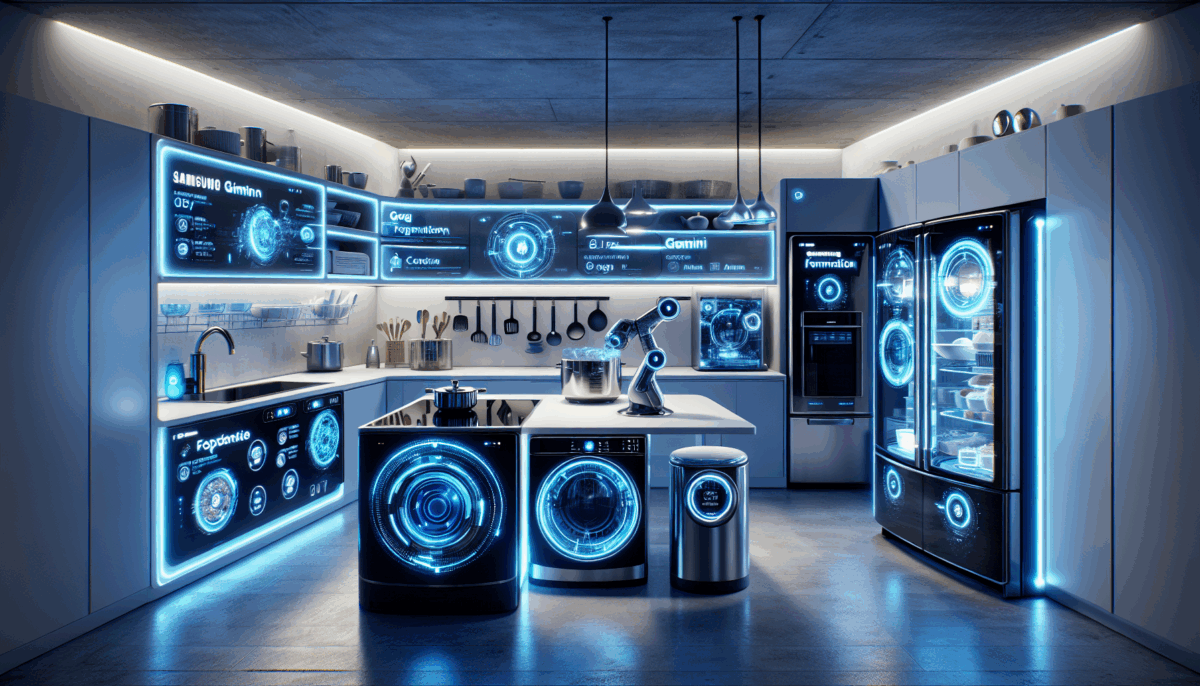
Samsung's Incorporation of Gemini AI into Kitchen Appliances

Samsung Launches Gemini AI in Kitchen Appliances at CES 2026

Samsung is gearing up for an incredible showcase at CES 2026, presenting its newest collection of kitchen appliances. The standout feature is an updated Bespoke AI Refrigerator with cutting-edge technological improvements.

Quick Insights

  • Samsung collaborates with Google to embed Gemini AI into kitchen appliances.
  • Revamped Bespoke AI Refrigerator equipped with an enhanced AI Vision system.
  • Improved recognition of a wider array of food items and user-labeled containers.
  • Launch of AI Wine Cellar featuring a real-time AI Wine Manager.
  • Local pricing and availability in Australia to be unveiled.

Transforming Kitchen Appliances through Partnership with Google

Samsung is embracing its alliance with Google to infuse Gemini and Google Cloud features into the kitchen. This partnership aims to elevate vision-centric AI capabilities to new heights in home appliances, streamlining daily tasks and enriching the kitchen experience with smarter automation.

“By spearheading the use of vision-based AI technology, Samsung has been at the forefront of innovation in the kitchen appliance sector.” – Jeong Seung Moon, Executive Vice President and Head of R&D Team for Digital Appliances (DA) Business, Samsung Electronics.

Bespoke AI Refrigerator: A Significant Advancement

The freshly introduced Bespoke AI Refrigerator Family Hub, central to the announcement, showcases a greatly enhanced AI Vision system. The integration of Google Gemini into a Samsung refrigerator signifies a major milestone for enthusiasts of the Google ecosystem.

Previously, the Family Hub could identify only 37 varieties of fresh produce and 50 types of pre-registered processed goods, often leaving users frustrated with obscure or homemade items. The recent version seeks to resolve these constraints, enabling a broader recognition of food items, thereby accommodating diverse family requirements.

Enhancing Food Recognition and Management

A key enhancement is the system’s capability to identify processed foods without needing separate registrations, minimizing the usual manual input to keep a smart fridge current. Samsung is also progressing towards recognizing user-labeled items, addressing a long-standing consumer demand. This improvement allows for more precise inventory management, aiding better meal planning and diminishing food waste by tracking expiration dates.

“Samsung will reach unprecedented levels of innovation through this joint effort with Google Cloud and will leverage these continuous initiatives to provide superior consumer experiences in the forthcoming year.” – Jeong Seung Moon, Executive Vice President and Head of R&D Team for Digital Appliances (DA) Business, Samsung Electronics.

Unveiling the AI Wine Cellar

In addition to the refrigerator, Samsung is introducing the Bespoke AI Wine Cellar, integrating a comparable AI Vision system with Google Gemini. This advancement assists wine aficionados in curating their collections with a high-positioned camera monitoring each bottle.

The system automatically identifies labels and refreshes the SmartThings AI Wine Manager instantaneously, removing the need for manual barcode scanning. It can pinpoint the specific shelf and section for each bottle, facilitating effortless location tracking via the app.

The AI Wine Manager offers extensive information about wines and food pairing recommendations, making the curation of wine collections more intuitive and data-informed.

Expected Launch in the Australian Market

Samsung Australia has not yet disclosed local availability or pricing for the Bespoke AI Refrigerator Family Hub and AI Wine Cellar. Considering Australia’s affinity for high-end kitchen technology, it’s likely these products will eventually be available in the region.

Conclusion

Samsung is poised to transform kitchen experiences with the integration of Google Gemini AI, enhancing the intelligence and functionality of appliances. From advanced fridges to intuitive wine cellars, these innovations promise to provide efficiency and convenience for contemporary households. As we anticipate their debut in Australia, the potential effects on everyday living are highly awaited.

Q: What is the primary feature of the new Bespoke AI Refrigerator?

A:

The primary feature is the upgraded AI Vision system, which can identify a wider range of food items and user-labeled containers, simplifying inventory management and meal preparation.

Q: How does the AI Wine Cellar improve user experience?

A:

The AI Wine Cellar incorporates a system that automatically recognizes and tracks wine bottles, updating the AI Wine Manager in real time without manual scanning, and offers food pairing suggestions.

Q: When will the new appliances be available in Australia?

A:

Samsung Australia has yet to confirm the local availability or pricing for the Bespoke AI Refrigerator Family Hub and AI Wine Cellar. Information is expected to be released closer to the local launch.

Q: What advantages come from integrating Google Gemini AI into kitchen appliances?

A:

The integration of Google Gemini AI into kitchen appliances is designed to simplify everyday operations, bolster automation, and enhance the overall kitchen environment with advanced vision-based capabilities.

Defence Reveals IT and Digital Contractor Expenditures


We independently review everything we recommend. When you buy through our links, we may earn a commission which is paid directly to our Australia-based writers, editors, and support staff. Thank you for your support!

Defence Expenditure on IT and Digital Contractors

Brief Overview

  • Defence allocated $410 million for IT and digital contractors in 2023-24.
  • Total government expenditure on external IT workforce was nearly $1.8 billion.
  • Initiatives are being implemented to enhance internal capabilities and lessen contractor dependence.
  • Health, Treasury, and Social Services also represent significant expenditures.

Insight into Defence Expenditure

The Australian Department of Defence has disclosed an expenditure of $410 million on IT and digital contractors for the 2023-24 fiscal year. This is the first instance where these costs have been specifically outlined, shedding light on Defence’s involvement in governmental IT spending.

Overall Government IT Labour Expenses

The total government expenditure on IT and digital external labour comes to just under $1.8 billion, reflecting a reduction from $1.92 billion in 2021-22. This drop corresponds with a strategic shift towards building internal capabilities and decreasing reliance on external contractors.

Defence’s Standing Among Government Departments

Defence is at the forefront of IT and digital contractor expenditures, outpacing other departments such as Health and Aged Care ($296 million), Treasury ($176 million), and Employment and Workplace Relations ($171 million). This demonstrates Defence’s large investment in digital innovation and technology progression.

Contractors Versus Internal Resources

The most recent audit highlights a governmental strategy to enhance internal capabilities. The government is advocating that departments reduce hiring external labour and concentrate on developing internal skills, particularly in vital fields like IT.

Consequences and Future Pathways

The audit’s results hint at a positive initiative by the government to optimise costs related to external IT labour. By prioritising internal development, the government aspires to create a more resilient and self-sufficient public service.

Conclusion

In conclusion, Defence’s considerable spending on IT and digital contractors mirrors a larger governmental movement towards managing the costs of external labour while bolstering internal capabilities. This strategic adjustment aims to ensure efficient and effective resource management across public service sectors.

Q: What was Defence’s total spending on IT and digital contractors for 2023-24?

A: Defence allocated $410 million for IT and digital contractors in 2023-24.

Q: How does the overall government spending on external IT labour compare to earlier years?

A: The total expenditure was nearly $1.8 billion, down from $1.92 billion in 2021-22.

Q: Which other departments were significant spenders on IT and digital contractors?

A: Major spenders include Health and Aged Care, Treasury, and Employment and Workplace Relations.

Q: What is the government’s approach regarding external labour recruitment?

A: The government aims to enhance internal capabilities and diminish dependency on external contractors.

Defence expenditure on IT and digital contractors disclosed

Havit Active Noise Cancelling Wireless Earbuds Review


We independently review everything we recommend. When you buy through our links, we may earn a commission which is paid directly to our Australia-based writers, editors, and support staff. Thank you for your support!

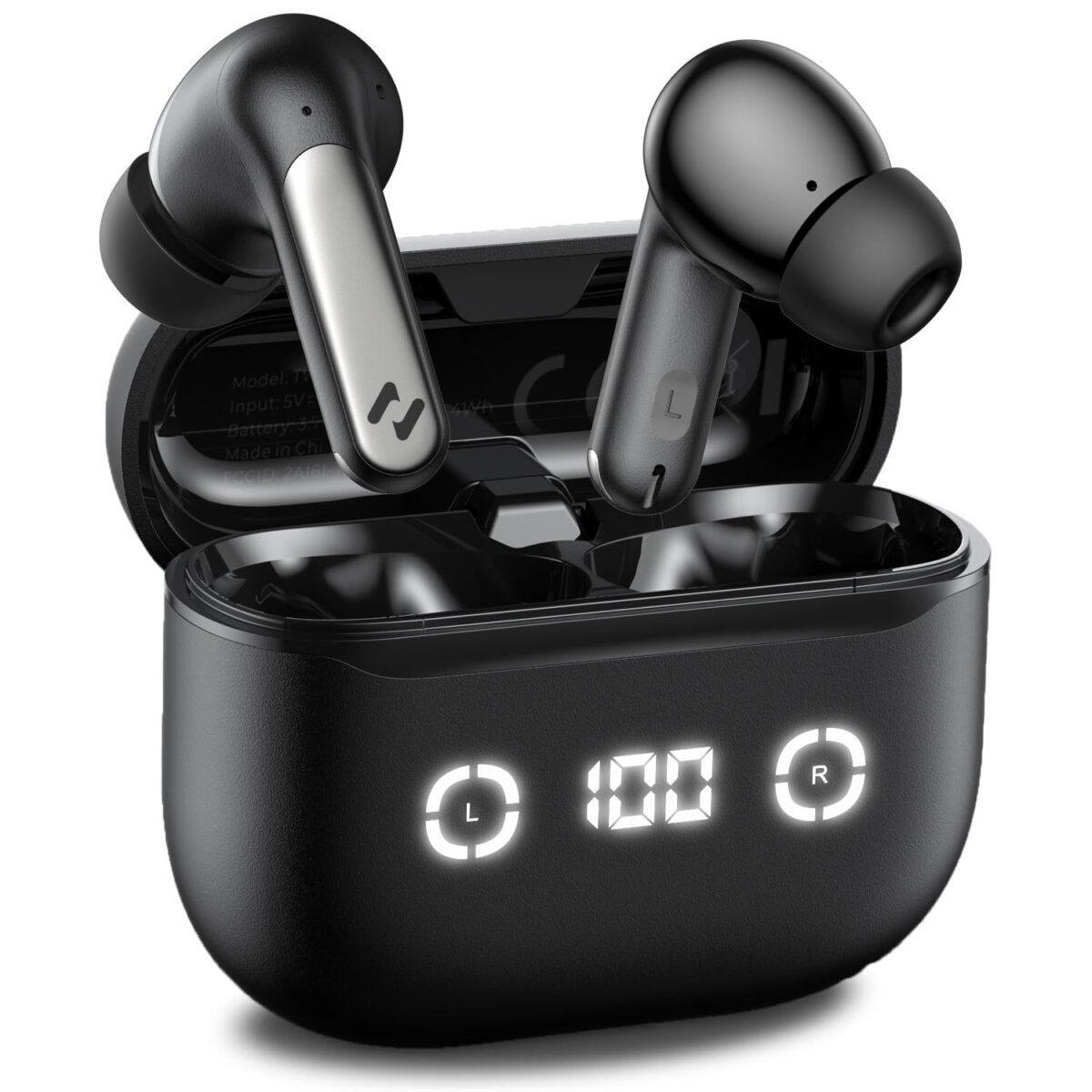
Havit Active Noise Cancelling Wireless Earbuds, Bluetooth 5.4 in Ear Headphones, 3D Bass Stereo Wireless Earphones with 4 ENC Noise Cancelling Mic, 40H Bluetooth Earbuds with LED Display

Tesla’s Full Self-Driving Reaches Genuine Autonomy


We independently review everything we recommend. When you buy through our links, we may earn a commission which is paid directly to our Australia-based writers, editors, and support staff. Thank you for your support!

Quick Overview

  • Tesla’s Full Self-Driving (FSD) achieves genuine autonomy in 2026.
  • Unsupervised FSD enables Tesla vehicles to operate without a driver in the front seat.
  • Cybercab, a new Tesla model, will not include a steering wheel or pedals.
  • Tesla will take on insurance liability for self-driving vehicles.
  • Footage displays Tesla cars operating without passengers on streets in the US.

Tesla’s Path to Complete Autonomy

Tesla’s engineers have been tirelessly pursuing the goal of making self-driving a reality for almost ten years. Despite early criticisms about delays, their determination and swift progress in AI technologies have yielded results. By late 2026, Tesla automobiles will be able to drive with no one in the driver’s seat or even inside the car.

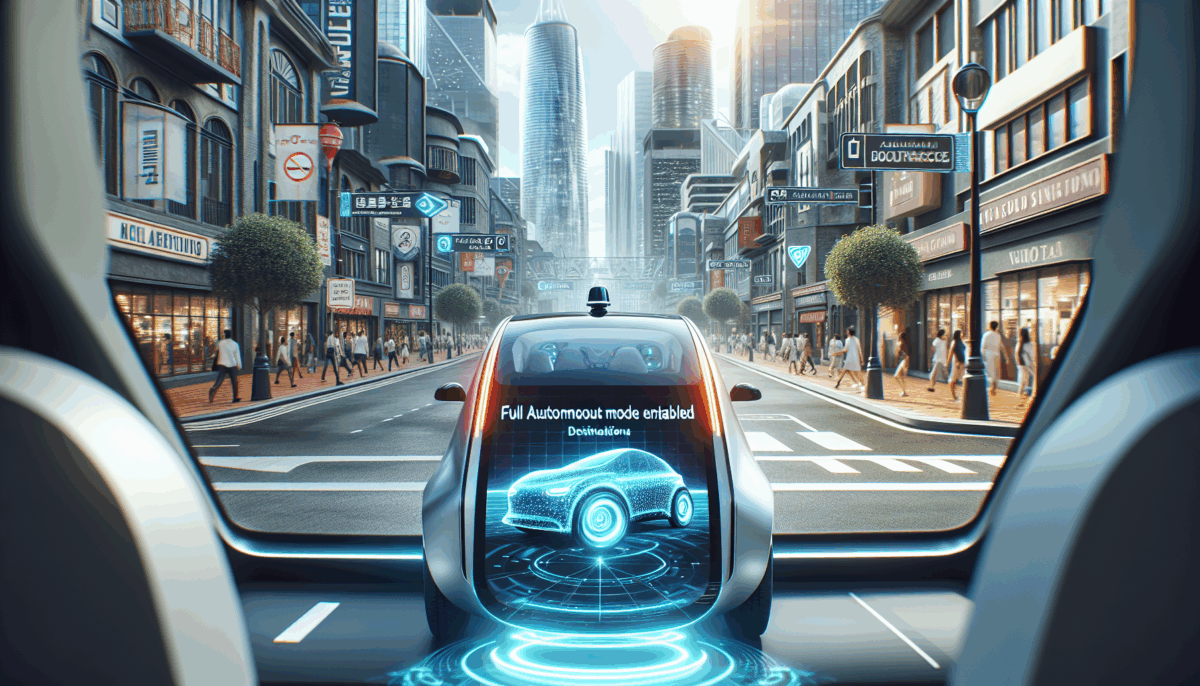
Tesla achieves full self-driving autonomy

Unsupervised FSD Trials

Tesla’s most recent software, FSD v14.2, facilitates driving without the need for human intervention. Nevertheless, users must still keep watch over the vehicle. A video from Principal Software Engineer Phil Duan illustrated a Tesla Model 3 maneuvering through intricate road conditions autonomously. Although there was a Tesla employee seated in the back, unsupervised rides have not yet been made available to the public.

The Future of Robotaxis: The Cybercab

The forthcoming Cybercab from Tesla is a specialized robotaxi designed without a steering wheel or pedals, requiring entirely dependable autonomous software. This development represents a major leap towards Tesla’s goal of a driverless world, where the company accepts liability for any incidents.

Real-Life Observations of Autonomous Teslas

Numerous Tesla cars have been observed on American roads, particularly in Austin, Texas, operating without any passengers. Social media users have reported sightings of totally empty Teslas moving, suggesting that Tesla’s robotaxi service launch is on the horizon.

Cybercab’s Path to Production

Recent photographs of the redesigned Cybercab show improvements indicating its readiness for production. Significant upgrades include a sturdier trunk lining and design modifications compared to earlier versions.

Challenges and Prospects Ahead

Tesla is confronted with various challenges, such as developing consistent demand trends, enhancing charging infrastructure, and ensuring cleanliness in robotaxis. However, given Tesla’s manufacturing expertise and engineering capabilities, these obstacles appear manageable.

Conclusion

Tesla has made remarkable progress towards attaining full self-driving autonomy, positioning itself at the leading edge of the autonomous vehicle market. With the imminent introduction of Cybercab, Tesla is poised to transform transportation, taking full responsibility for the operation of its vehicles and paving the path toward a driverless future.

Q & A

Q: What is Tesla’s Full Self-Driving (FSD)?

A: Tesla’s FSD is a software package that allows Tesla vehicles to drive and navigate autonomously without human involvement.

Q: When will Tesla provide unsupervised FSD rides to clients?

A: While Tesla has shown unsupervised FSD capabilities, it has not provided a timeline for making it available to the public.

Q: What is the Cybercab?

A: The Cybercab is Tesla’s upcoming robotaxi, crafted to function without a steering wheel or pedals, depending entirely on self-driving software.

Q: How will Tesla address insurance for autonomous vehicles?

A: Tesla will take on liability for its self-driving cars, covering any incidents that occur without human oversight.

Q: Are there any hurdles Tesla faces regarding autonomous vehicles?

A: Yes, Tesla needs to tackle issues related to demand patterns, charging networks, and cleanliness for robotaxis, among other challenges.

Starbucks Names Former Amazon Executive as Its New Chief Technology Officer


We independently review everything we recommend. When you buy through our links, we may earn a commission which is paid directly to our Australia-based writers, editors, and support staff. Thank you for your support!

Starbucks Appoints Amazon Expert as New CTO

Brief Overview

  • Starbucks has chosen Anand Varadarajan as its Chief Technology Officer.
  • Varadarajan comes to Starbucks after a 19-year journey at Amazon.
  • He will oversee Starbucks’ technological overhaul to enhance store productivity.
  • Deb Hall Lefevre resigned from the CTO position in September.
  • Starbucks is witnessing improvements in comparable sales due to tech-oriented strategies.

Starbucks’ Technological Revamp Strategy

Starbucks has revealed that Anand Varadarajan will assume the role of Chief Technology Officer starting January 19. This strategic decision aligns with CEO Brian Niccol’s objective to boost technological efficiency across Starbucks locations globally.

Starbucks appoints Amazon expert as new CTO

Anand Varadarajan’s Experience

Varadarajan possesses extensive experience from his 19-year career at Amazon, where he played a crucial role in directing technology and supply chain operations for the company’s global grocery sector. His knowledge in tech innovation and operational management is anticipated to further Starbucks’ ambitions of enhanced labor productivity and improved customer satisfaction.

Leadership Transition

Varadarajan steps into the position following Deb Hall Lefevre’s exit in September. During the interim period, Ningyu Chen acted as the CTO, facilitating a smooth leadership transition. Starbucks is optimistic that Varadarajan’s vision will resonate with the company’s strategic goals and ongoing transformation plans.

Sales Improvement

In late October, Starbucks disclosed its first quarter of improved comparable sales after roughly 18 months of downturn. This positive shift is credited to CEO Brian Niccol’s comprehensive strategy designed to revitalize company operations, with technology playing a key role in this achievement.

Conclusion

Anand Varadarajan’s introduction as CTO signifies a crucial advancement in Starbucks’ technological evolution. His rich background at Amazon is expected to enhance Starbucks’ initiatives in operational efficiency and growth. As Starbucks continues to roll out tech-driven strategies, the company is well-positioned for greater success in the international market.

Q: Who is Anand Varadarajan?

A: Anand Varadarajan is the recently designated Chief Technology Officer of Starbucks, having spent 19 years at Amazon, where he oversaw technology and supply chain functions for their global grocery division.

Q: Why did Starbucks appoint a new CTO?

A: Starbucks appointed a new CTO in line with a strategic plan spearheaded by CEO Brian Niccol aimed at modernizing store technology to enhance labor efficiency and overall business performance.

Q: What role did Anand Varadarajan have at Amazon?

A: At Amazon, Varadarajan managed technology and supply chain operations within the worldwide grocery business, bringing forth valuable expertise in tech innovation and management.

Q: What effect has Starbucks’ technological strategy had on sales?

A: Starbucks announced improvements in comparable sales in late October, marking the first such rise in nearly a year and a half, indicating that the tech-focused strategies under CEO Brian Niccol are beginning to yield positive outcomes.

Q: How is Starbucks working to enhance store efficiency?

A: By utilizing advanced technological solutions and refining operational processes, Starbucks aims to boost store productivity, cut labor costs, and enhance customer service.

Q: Who acted as interim CTO prior to Varadarajan’s appointment?

A: Ningyu Chen served as the interim Chief Technology Officer after Deb Hall Lefevre’s resignation in September, ensuring a smooth transition in leadership until Varadarajan’s arrival.

“Technics HiFi True Wireless Multipoint Bluetooth Earbuds with Noise Cancelling Review”


We independently review everything we recommend. When you buy through our links, we may earn a commission which is paid directly to our Australia-based writers, editors, and support staff. Thank you for your support!

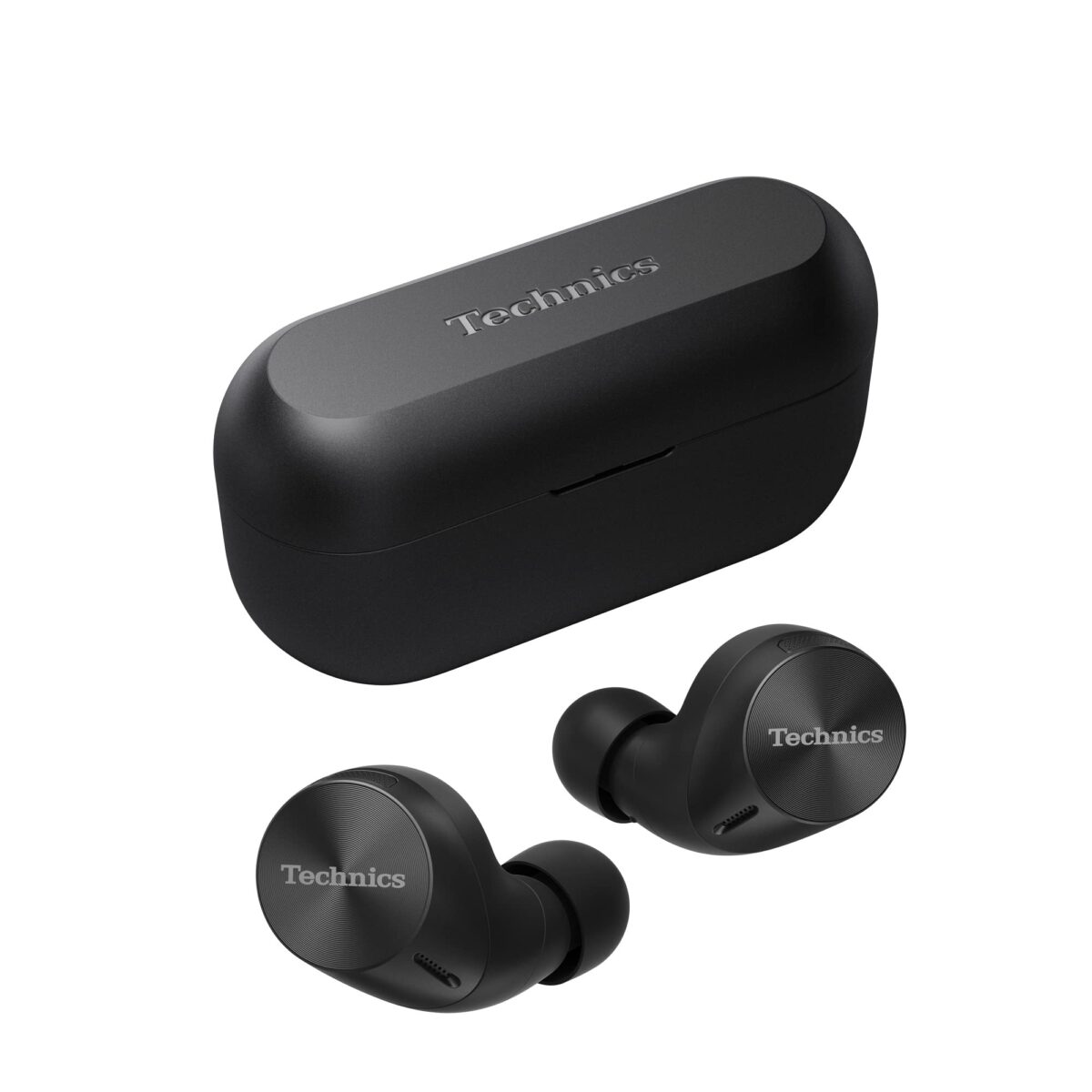
Technics HiFi True Wireless Multipoint Bluetooth Earbuds with Noise Cancelling, 3 Device Multipoint Connectivity, Wireless Charging, Impressive Call Quality, LDAC Compatible, Black (EAH-AZ60M2EK)

Nothing Ear (1) Black Review


We independently review everything we recommend. When you buy through our links, we may earn a commission which is paid directly to our Australia-based writers, editors, and support staff. Thank you for your support!

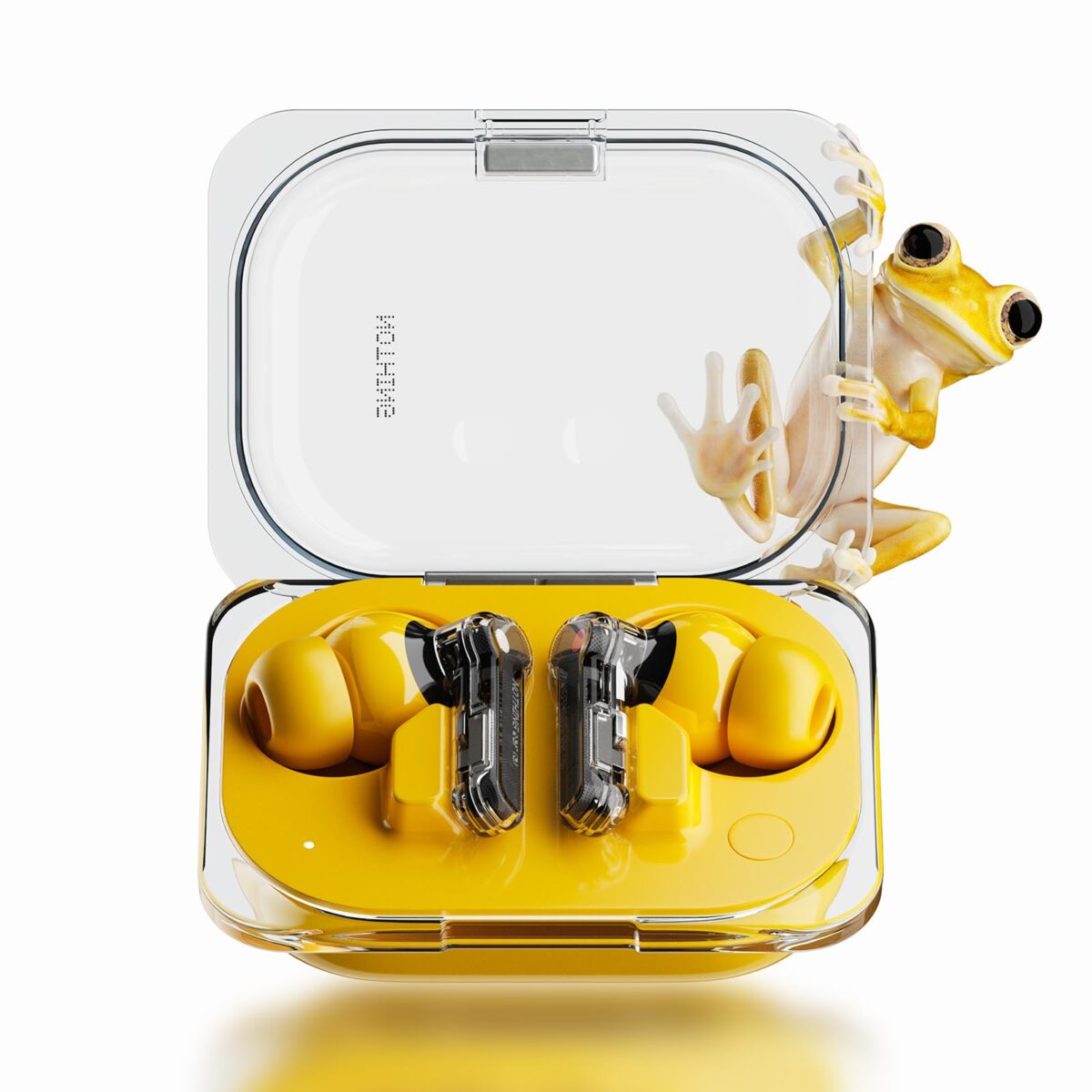
Nothing Ear (a) Black

NBN Co’s Lightning-Fast 2Gbps Services Surpass ACCC’s Oversight Abilities


We independently review everything we recommend. When you buy through our links, we may earn a commission which is paid directly to our Australia-based writers, editors, and support staff. Thank you for your support!

Quick Read

  • NBN Co’s updated 2Gbps offerings surpass the ACCC’s current monitoring capacity.
  • The ACCC’s existing testing instruments are unable to quantify speeds exceeding 1Gbps.
  • NBN Co has logged 11,000 requests for the 2Gbps services.
  • The ACCC has no short-term intentions to enhance its monitoring technology.
  • More than 9.8 million homes and businesses across Australia can utilize multi-gigabit speeds.

Overview of NBN Co’s 2Gbps Internet Offerings

NBN Co has rolled out a new ‘home hyperfast’ package that delivers 2Gbps speeds to residential customers. Introduced in mid-September, these plans are available as 2000/200Mbps for FTTP and 2000/100Mbps for HFC connections. Demand has been robust, with 11,000 orders captured by December 10.

NBN Co's 2Gbps services challenge ACCC monitoring

Image credit: SamKnows

Limitations of ACCC Monitoring

The Australian Competition and Consumer Commission (ACCC) has faced challenges in monitoring these high-speed connections. The ‘Measuring Broadband Australia’ initiative currently relies on SamKnows devices, which can only gauge speeds up to 1Gbps. This shortcoming hinders accurate monitoring of the recently launched 2Gbps services.

Technological Challenges

The SamKnows equipment uses gigabit ethernet connections, limiting the maximum detectable speed to 940Mbps after accounting for network protocol overheads. Therefore, the ACCC’s present configuration cannot accurately portray the performance of NBN Co’s hyperfast plans, and services on this tier are excluded from the ACCC’s regular reports.

ACCC’s Reaction and Future Prospects

Even though 38 hyperfast services have been identified as unmeasurable, the ACCC does not have immediate intentions to upgrade its current monitoring technology, which is supplied by Cisco following its purchase of SamKnows. Future upgrades will depend on program funding and the rate of growth in hyperfast subscriptions.

Effects on Australian Internet Users

Currently, over 9.8 million Australian homes and businesses can access multi-gigabit speeds. NBN Co has actively promoted its high-speed service tiers and continues to witness significant uptake, with an additional 1,500 orders for 2Gbps services within just 18 days.

Conclusion

The launch of 2Gbps internet plans by NBN Co represents a major advancement in Australia’s broadband landscape. However, the ACCC’s existing monitoring infrastructure is unable to keep pace with these developments. While the ACCC has recognized this discrepancy, there are no immediate plans to upgrade the monitoring framework, leaving a segment of the hyperfast services without oversight as they rise in popularity.

Q&A

Q: What are the latest NBN Co internet offerings?

A: NBN Co has introduced ‘home hyperfast’ plans providing 2Gbps speeds, offered as 2000/200Mbps for FTTP and 2000/100Mbps for HFC connections.

Q: Why is the ACCC unable to monitor these new plans?

A: The ACCC’s current monitoring technology, the SamKnows devices, can measure speeds only up to 1Gbps, which is not adequate for the new 2Gbps offerings.

Q: What is the ACCC’s strategy for upgrading monitoring capabilities?

A: The ACCC has no immediate plans to enhance its monitoring devices but will consider potential improvements as it relates to funding and the expansion of hyperfast service subscriptions.

Q: How many homes and businesses can access these high-speed options?

A: More than 9.8 million Australian homes and businesses are positioned to access multi-gigabit speeds provided by NBN Co.

Q: What has been the demand for 2Gbps services since their introduction?

A: Following the launch, NBN Co has recorded 11,000 orders, with 1,500 additional orders processed in just 18 days, demonstrating strong demand.

Airchive Launches a Clean Passenger-Aircraft Archive With Search, News, and Family-Level Reference Pages


We independently review everything we recommend. When you buy through our links, we may earn a commission which is paid directly to our Australia-based writers, editors, and support staff. Thank you for your support!

Airchive has gone live with a structured passenger-aircraft archive that blends family dossiers, manufacturer pages, comparison tools, and a discussion layer for aviation enthusiasts.