
Tesla Introduces Autonomous Robotaxi Service in Austin with Rollout of FSD Unsupervised

We independently review everything we recommend. When you buy through our links, we may earn a commission which is paid directly to our Australia-based writers, editors, and support staff. Thank you for your support!
Brief Overview
- Tesla rolls out its inaugural driverless Robotaxi service in Austin, Texas.
- This launch signifies Tesla’s foray into Level 4 autonomy with FSD Unsupervised.
- The service runs without safety monitors, shifting liability onto Tesla.
- The Texas Gigafactory facilitates swift growth of the Robotaxi fleet.
- Charging and cleaning solutions have been established to ensure vehicle availability.
- The Cybercab symbolizes Tesla’s vision for fully autonomous transport.
- FSD Unsupervised lets passengers relax without overseeing the vehicle.
- Real-world driving data has been pivotal in reaching this achievement.
Driverless Breakthrough: Tesla’s Robotaxi Debuts in Austin
The Initial Journeys Are Taking Place
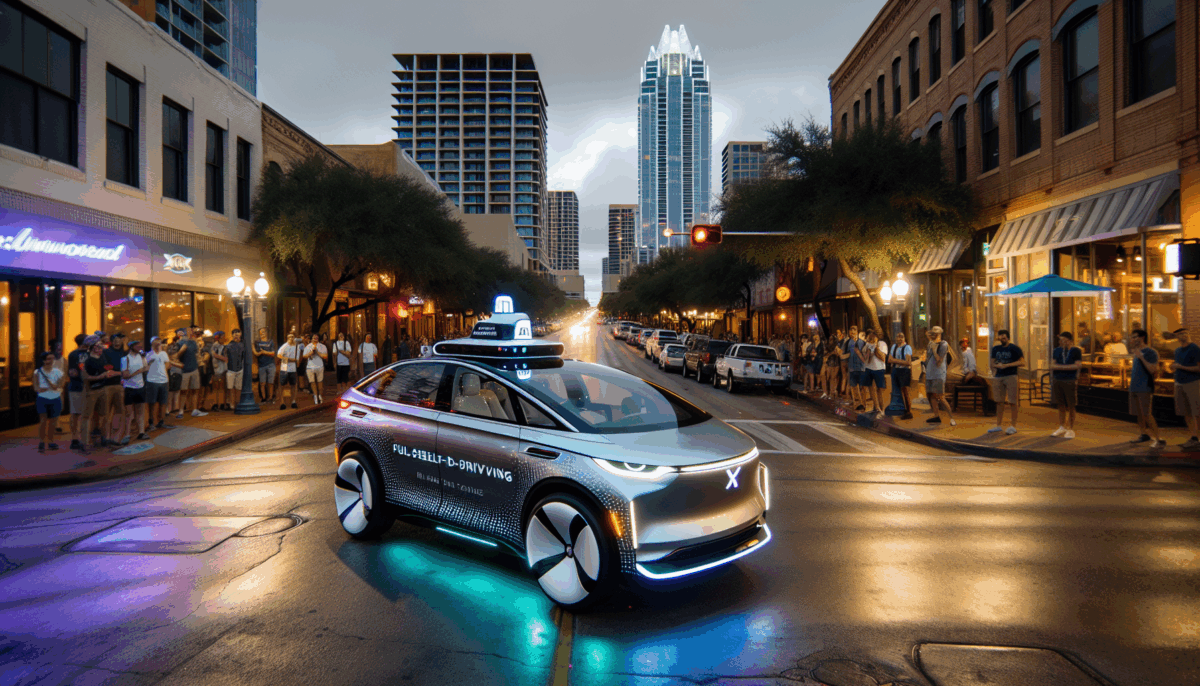
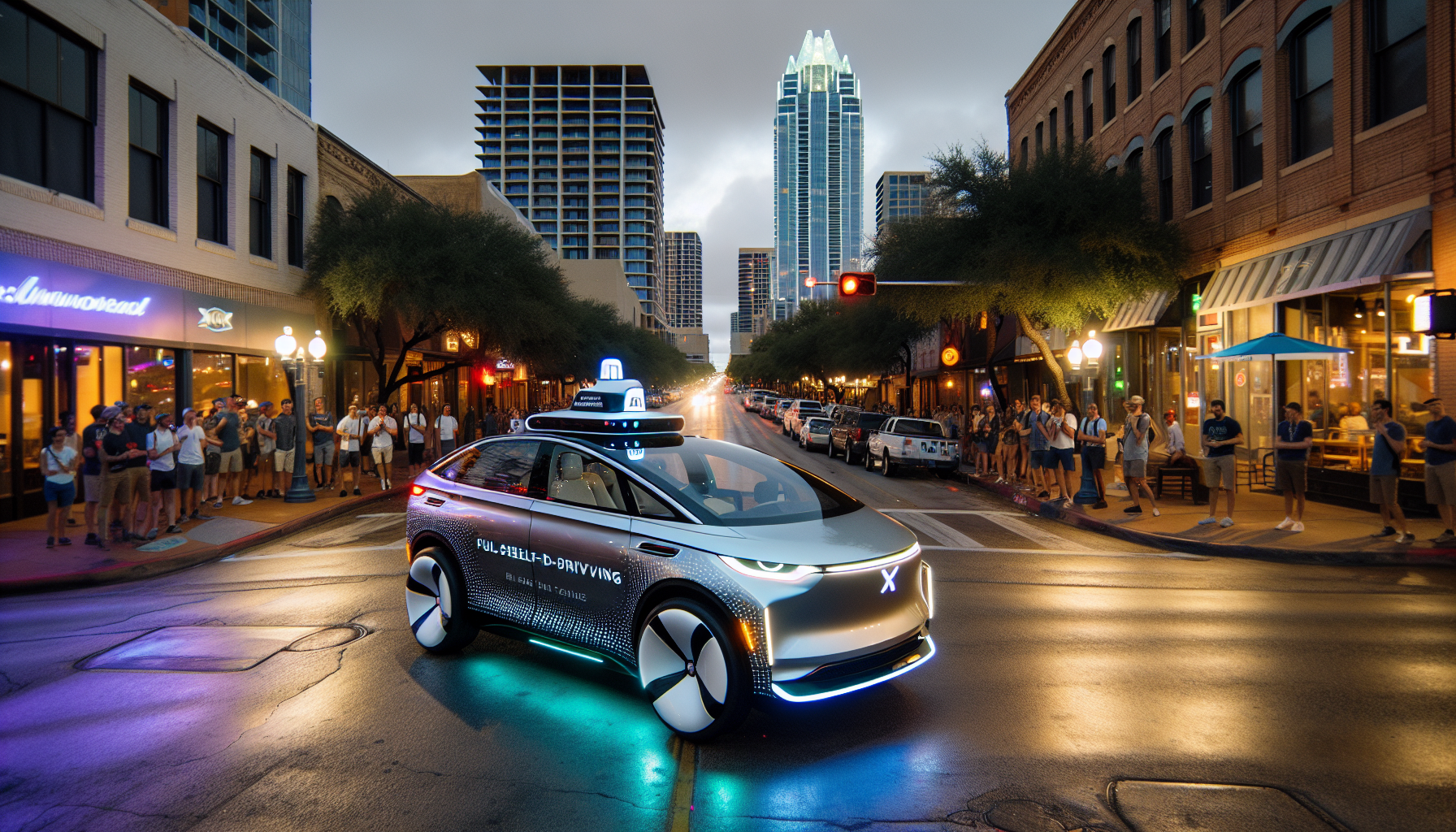
The rollout was first detected when former Tesla AI engineer, Tsla99T, posted video evidence of a Model Y commuting through Austin with an empty driver’s seat. The car tackled complicated urban surroundings, including intersections and pedestrian encounters, with remarkable assurance and seamlessness.
After the initial buzz in the community, Tesla’s Director of Autopilot Software, Ashok Elluswamy, verified the launch. He emphasized the technical milestones accomplished to attain this level of trustworthiness and safety without human oversight.
Expanding the Fleet from Giga Texas
Although Tesla has not yet revealed the precise number of Model Y vehicles currently operating in the Austin Robotaxi fleet, the capacity for growth is vast. In contrast to competitors who depend on pricey, low-volume cars, Tesla is making use of its established mass-production capabilities.
The Texas Gigafactory is already equipped to produce millions of Model Ys annually. This manufacturing strength provides Tesla a significant edge in swiftly growing the service throughout Austin and ultimately into other areas.
Tackling the Charging and Cleaning Challenge
While the software manages the driving, administering a driverless fleet brings forth fresh logistical challenges. In the absence of a driver to connect a charger or clean up a spill, Tesla has needed to reimagine how to uphold vehicle “uptime.”
Presently, the Austin fleet depends on specific charging and cleaning hubs. These facilities act as the central location where vehicles return when the battery runs low or after a designated number of trips, ensuring the interior remains welcoming for the next rider.
Introducing the Cybercab: The Future of No Human Oversight
The current Model Y fleet serves as a transitional phase towards Tesla’s ultimate goal: the Cybercab. This specialized two-seater, designed from scratch for autonomy, aims to completely eliminate the need for human personnel at charging stations.
The Cybercab will incorporate inductive wireless charging, allowing the car to simply park over a pad to recharge its 35 kWh battery. By eliminating the charging port, Tesla removes the physical necessity for a person or robotic arm to connect the car.
Transitioning from Supervised to Unsupervised
For over ten years, Elon Musk has discussed the hardware and software necessities to attain genuine autonomy. The transition from FSD (Supervised) to FSD Unsupervised embodies that vision, changing the car from a helper to a driver.
In the former supervised version, drivers were regularly reminded to keep their hands on the steering wheel and their eyes on the road. With Level 4 autonomy within the Austin geofence, passengers can now use their phones, work, or simply savor the surroundings.
The Rider Experience
Social media is already buzzing with videos from everyday users who successfully hailed a ride. The clips depict the steering wheel turning automatically as the Model Y navigates through dense traffic, including sharp turns and merging onto multi-lane streets.
Several users have commented on how “boring” the experience feels, which is indeed the highest compliment an autonomous system can earn. When the car operates like a cautious, seasoned human, the anxiety factor diminishes, turning it into a straightforward means of getting from A to B.
A Decade of Innovation Yields Results
The journey to this point has been long, with many skeptics doubting that a vision-centric system could ever attain Level 4 autonomy. This launch in Austin serves as a massive affirmation of Tesla’s AI-forward strategy to crack the self-driving code.
The company has harnessed billions of miles of real-world driving data from its global fleet to train its neural networks. This data edge is something smaller startups simply cannot replicate, and it is now flourishing on the streets of Texas.
Conclusion
The introduction of Tesla’s Robotaxi service in Austin signifies a major advancement in autonomous vehicle technology. With the launch of FSD Unsupervised, Tesla has achieved Level 4 autonomy, eliminating safety drivers and taking on liability for vehicle actions. The Texas Gigafactory buttresses fleet growth, while specialized charging and cleaning hubs ensure operational efficiency. The forthcoming Cybercab promises additional innovations aimed at a fully autonomous fleet. As Tesla’s real-world data continues to train its AI, the firm is well-positioned to broaden its unsupervised service into additional cities.
Q: What is the importance of Tesla’s Robotaxi launch in Austin?
A: The launch signifies Tesla’s entry into Level 4 autonomy with FSD Unsupervised, operating a driverless vehicle service without safety monitors and assuming liability for vehicle actions.
Q: How does Tesla plan to expand its Robotaxi service?
A: Tesla utilizes its Texas Gigafactory, which can produce millions of Model Ys each year, to swiftly grow the Robotaxi fleet in Austin and potentially in other regions.
Q: What challenges does Tesla encounter with a driverless fleet?
A: Without drivers, Tesla confronts logistical challenges like charging and cleaning by employing dedicated hubs and automated systems to sustain vehicle uptime.
Q: What is the Cybercab, and how does it relate to Tesla’s future objectives?
A: The Cybercab is a proposed autonomous two-seater vehicle featuring wireless charging and automated cleaning, aiming to further minimize human involvement in vehicle operations.
Q: How does FSD Unsupervised alter passenger liability?
A: With FSD Unsupervised, Tesla assumes responsibility for the vehicle’s actions, allowing passengers to unwind and enjoy their rides without monitoring the car’s performance.
Q: What role does real-world data play in Tesla’s autonomous strategy?
A: Tesla leverages billions of miles of driving data from its global fleet to train its neural networks, providing a competitive edge in creating dependable autonomous systems.
