
“Transform E-Scooter Safety: Dynamic Speed Regulations Using Computer Vision”

We independently review everything we recommend. When you buy through our links, we may earn a commission which is paid directly to our Australia-based writers, editors, and support staff. Thank you for your support!
- Electric scooters are becoming increasingly favored as green transportation alternatives.
- The existing speed limit of 25km/h in Australia may not be ideal for every setting.
- Geo-fencing restrictions highlight the necessity for improved safety protocols.
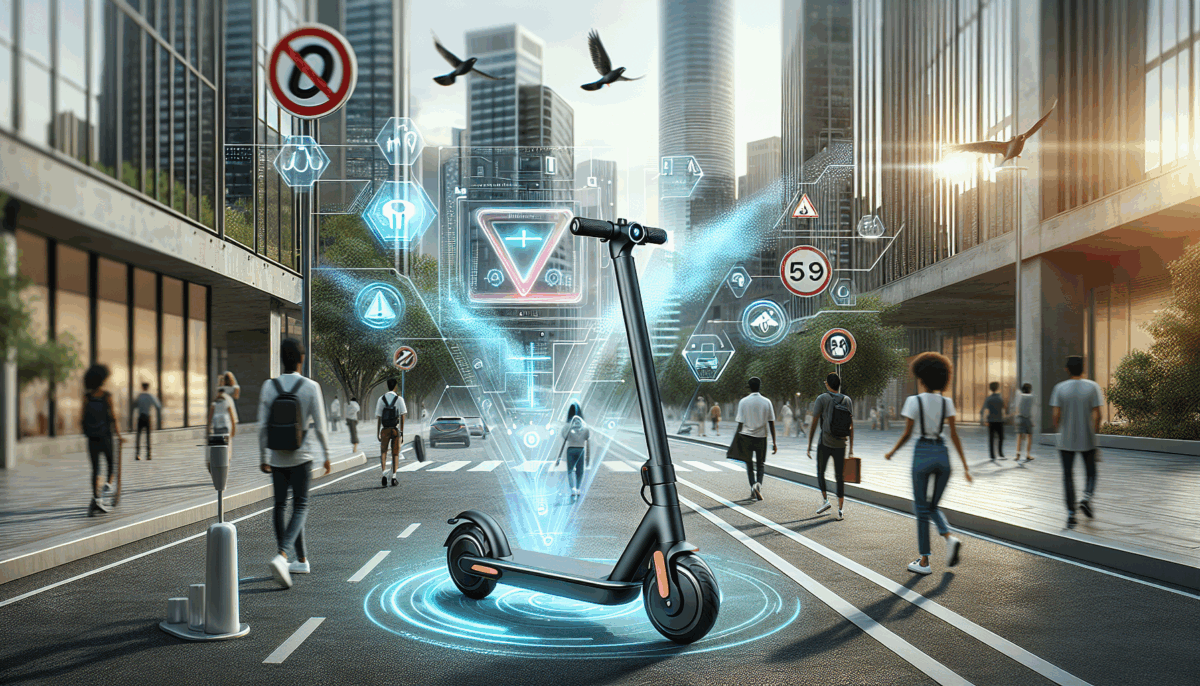
- Utilizing computer vision and AI can make scooters adjust their speeds in accordance with their environment.
- Integration of dashcams and Sentry Modes could significantly bolster safety.
- Upgrading hardware is essential for the adoption of sophisticated systems.
- Local data processing must be considered to alleviate privacy issues.
Reevaluating Speed Regulations for E-Scooters
Electric scooters have revolutionized city transport, offering an environmentally friendly and convenient substitute for cars on short journeys. Nevertheless, Australia’s current law, setting a 25km/h speed ceiling, may not cater to various transportation contexts.
The Shortcomings of Existing Geo-Fencing
Numerous rental scooter companies apply GPS-based geo-fencing to limit speed in designated zones. However, the unreliability of GPS in urban environments and static mapping fail to account for immediate traffic and environmental fluctuations.
Integrating Computer Vision for Immediate Risk Evaluation
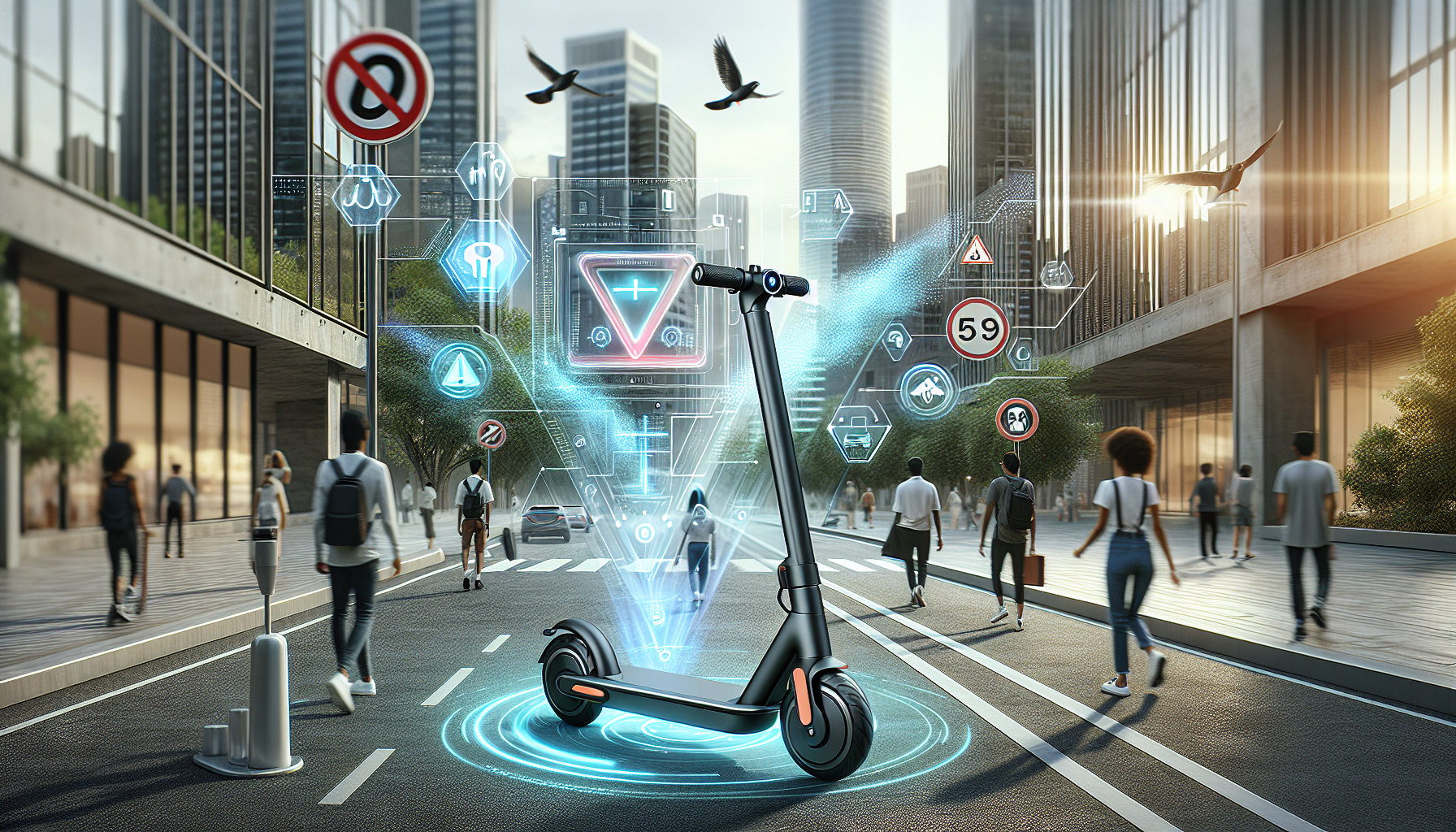
By embedding computer vision and AI in scooters, surroundings can be analyzed in real-time. This capability allows scooters to modify their speeds dynamically, improving safety by reacting to present situations.
A Flexible Strategy for Safety
Establishing a “safety bubble” around riders, the AI-driven system modifies speeds based on nearby individuals, alleviating the necessity for riders to make dangerous decisions in congested areas.
Adapting the Tesla Dashcam and Sentry Mode Concept
The addition of dashcams to scooters could improve safety and accountability, delivering critical footage during incidents. A “Sentry Mode” would also notify owners of potential tampering.
The Hardware Essentials for Intelligent Scooters
The application of these technologies demands substantial hardware enhancements, including high-resolution cameras and robust processors akin to those utilized in drones and advanced driver-assistance systems.
“The incorporation of vision-centered safety mechanisms represents the subsequent rational progression for micro-mobility to receive wider societal acceptance.”
Marcus Zorn, Lead Engineer, Urban Mobility Systems.
Effects on Australian Regulations and Pricing
For these developments to be successful, Australia needs to shift towards regulations based on performance. Enhanced models featuring computer vision may incur higher costs but will offer increased safety and efficiency.
Tackling Privacy and Data Issues
Privacy continues to be a concern with scooters equipped with computer vision. Processing information locally on the scooter can alleviate privacy challenges, ensuring that only relevant data is utilized for safety measures.
Aiming for a Smarter Tomorrow
The evolving landscape of transportation is not solely electric but also intelligent and responsive to actual conditions. Adopting AI and computer vision can render micro-mobility safer and more attractive to Australians.
For additional details, visit https://www.infrastructure.gov.au/infrastructure-transport-vehicles/transport-strategy/active-transport
Overview
Dynamic speed regulations leveraging computer vision can transform e-scooter safety in Australia. By customizing speed according to real-time conditions rather than fixed limits, these innovations promise safer and more effective urban transportation.