
Ex-Indonesian Minister Accused of Corruption in Chromebook Acquisition Scandal

We independently review everything we recommend. When you buy through our links, we may earn a commission which is paid directly to our Australia-based writers, editors, and support staff. Thank you for your support!
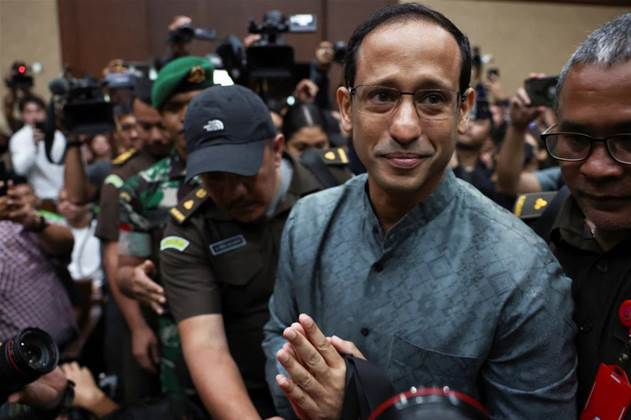
Brief Overview
- Ex-Indonesian minister of education Nadiem Makarim is confronted with corruption accusations related to Chromebook purchases.
- The alleged corruption resulted in financial losses to the state estimated at around $187.13 million AUD.
- Accusations suggest that Makarim personally profited by $72 million AUD.
- The procurement process reportedly favored Google’s Chrome operating system.
- Google has not been implicated in the proceedings.
- Makarim refutes all claims and asserts that evidence is lacking.
- This scandal raises alarm regarding technology procurement in developing countries.
The Charges Against Nadiem Makarim
In a prominent case, Indonesian authorities have filed corruption charges against former education minister Nadiem Makarim. The charges arise from the purported mismanagement of Chromebook laptop acquisitions during the COVID-19 pandemic, leading to considerable financial detriment for the state. Authorities assert that Makarim, who also co-founded the renowned ride-hailing platform Gojek, designed a scheme that enriched him by about 809 billion rupiah ($72 million AUD).
The Chrome-Focused Procurement Process
The essence of the accusations centers around tender specifications that allegedly benefited Google’s Chrome OS. Prosecutors contend that this decision positioned Google as a primary player within Indonesia’s educational framework. While Google is not under indictment, its role brings forth ethical concerns regarding technology procurement practices.
Rejections and Judicial Proceedings
Makarim, who resigned from his position as Gojek CEO in 2019 to assume the role of education minister, has firmly denied any misconduct. His attorney, Ari Yusuf Amir, argues that the prosecution lacks compelling evidence. The legal team is advocating for the dismissal of the charges, pointing to discrepancies in the prosecution’s argument.
Consequences for Indonesian Education
This case reveals serious challenges within Indonesia’s education sector, especially in terms of access to technology in remote areas. Despite previous evaluations highlighting the necessity of internet access for Chromebooks, the Ministry proceeded with the acquisitions, worsening ongoing infrastructure problems.
Conclusion
The corruption allegations against Nadiem Makarim highlight the complexities and potential risks associated with technology procurement initiatives in developing countries. This case casts light not only on Indonesia’s educational strategies but also provokes broader inquiries regarding the influence of major technology firms in shaping national education frameworks.
Q&A
Q: What accusations are directed at Nadiem Makarim?
A: He is facing corruption accusations tied to Chromebook purchases that allegedly resulted in substantial state losses and personal gain.
Q: In what way has Google been involved in this situation?
A: Although Google has not been charged, the procurement process is said to have favored Google’s Chrome operating system, sparking queries about its involvement.
Q: How has Makarim responded to these accusations?
A: Makarim denies the allegations, and his lawyer argues that the prosecution lacks sufficient evidence.
Q: Why were Chromebooks considered unsuitable for Indonesian education?
A: Chromebooks necessitate internet access, which is scarce in remote Indonesian regions, thus rendering them less suitable for widespread educational deployment.
Q: What wider effects could this case produce?
A: It may shape future technology procurement strategies and regulations in Indonesia and similar developing nations.
