Blog - Page 12 of 250 - Techbest - Top Tech Reviews In Australia

Google Introduces Future-Ready Search and AI-Driven Shopping for Australians


We independently review everything we recommend. When you buy through our links, we may earn a commission which is paid directly to our Australia-based writers, editors, and support staff. Thank you for your support!

Quick Overview

  • Google unveils Search Live in Australia, offering real-time, interactive search through voice and camera functionalities.
  • Supported by the innovative Gemini 3.1 Flash Live voice model, facilitating multilingual and intuitive dialogues.
  • AI-powered shopping features incorporated into Google Search and the Gemini application.
  • A visual and conversational shopping journey featuring real-time local inventory insights and pricing.
  • These updates are designed to simplify daily activities and enhance user engagement with technology.

Transforming Search with Google Live

Google has transformed the searching experience for Australians with the introduction of Search Live. This recent enhancement enables users to engage with the internet in a more natural and intuitive way, surpassing conventional text-based interactions. By facilitating real-time conversations, individuals can utilize their voice and camera to add context to their queries, creating a more seamless and dynamic search experience.

Improving Real-Time Assistance

The Search Live functionality is especially useful for those on-the-spot moments when immediate assistance is required. Whether fixing a device or identifying plants, users can now engage in interactive conversations with follow-up inquiries, enriching the information obtained. Additionally, the system allows users to activate their camera during interactions, providing visual context to inquiries for more relevant and helpful recommendations.

Gemini 3.1 Flash Live Voice Model

This launch is driven by the Gemini 3.1 Flash Live voice model, which is inherently multilingual and user-friendly. The model offers a more organic conversational experience, reminiscent of chatting with a person rather than a computer system. This innovation reduces communication barriers, making technology more accessible to a varied user base.

Visual representation of Google’s AI-augmented shopping features for Australians.

AI-Driven Shopping Experience

Google is also reshaping the online shopping landscape in Australia with innovative AI functionalities embedded in Search and the Gemini app. Users can now articulate their desired items in simple English, eliminating the need for precise keywords. This method yields intelligently structured responses featuring rich visuals, local pricing, customer feedback, and real-time inventory information, enhancing the efficiency and personalization of shopping.

Google Shopping Graph

The Google Shopping Graph, an extensive repository of more than 50 billion product listings, fuels this upgraded shopping experience. With approximately 2 billion listings refreshed every hour, users receive precise and timely information regarding product availability and pricing, specifically tailored for the Australian market. This guarantees that users can rapidly make well-informed purchasing choices.

Practical AI Integration in Everyday Life

The merger of camera functionality with AI blurs the boundaries between the digital and physical realms, providing practical solutions to everyday challenges. While some may find the concept of conversing with their device peculiar, the advantage of having hands-free support is undeniable. Australia’s participation in this global launch emphasizes the nation’s forward-thinking tech approach, with users already capable of accessing these features today.

Conclusion

The introduction of Google Search Live and AI-empowered shopping capabilities signifies a major leap in how Australians connect with technology. By merging voice and visual components into search and shopping, Google delivers a more intuitive and effective user experience. These enhancements are poised to reshape daily activities, making technology an even more integral aspect of our lives.

Q: What is Google Search Live?

A: Google Search Live is an innovative feature that enables users to perform real-time, interactive searches using voice and camera within the Google app.

Q: How does the Gemini 3.1 Flash Live voice model enhance user experience?

A: The Gemini 3.1 Flash Live voice model offers multilingual functionality and natural, intuitive conversations, making interactions feel more human-like.

Q: What AI features have been integrated into Google’s shopping experience?

A: Google has included AI functionalities that allow users to describe products in straightforward English, obtaining structured responses with visuals, local pricing, reviews, and live inventory information.

Q: How does the Google Shopping Graph benefit Australian users specifically?

A: The Google Shopping Graph ensures Australian users have access to accurate and updated information regarding pricing and availability of products, with frequent listing updates.

Q: Are there any costs associated with using these new features?

A: No, these features are available at no cost as part of the standard Google experience.

Q: How can users access these updates?

A: Users can access these functionalities by updating their Google app to the latest version available in the App Store or Google Play Store.

Telstra Upgrades Event Streaming through Flink Integration


We independently review everything we recommend. When you buy through our links, we may earn a commission which is paid directly to our Australia-based writers, editors, and support staff. Thank you for your support!

Telstra’s Latest Integration: A Major Advancement in Event Streaming Technology

  • Telstra will incorporate Apache Flink into its current Kafka-powered event streaming framework.
  • This integration is designed to bolster network observability and improve customer service standards.
  • Flink’s rapid in-memory processing capabilities will facilitate real-time data evaluation.
  • Managed services for both Flink and Kafka will be provided by Confluent.
  • Event streaming is essential for AI and analytics in Telstra’s activities.

Telstra to incorporate Flink into its event streaming functionalities

The Integration of Apache Flink

Telstra is preparing to improve its event-oriented network observation framework, which has been in place for four years, by integrating the Apache Flink data processing engine. This integration, slated to commence in the upcoming months, aims to enhance Telstra’s capacity to process and analyze streaming data in real-time.

Utilizing Managed Services from Confluent

Telstra plans to combine Flink with its current Kafka-focused event stream processing functionalities, both of which will be utilized through managed services offered by Confluent. This strategic initiative is anticipated to increase the speed and efficiency of data processing, enabling Telstra to swiftly tackle network challenges.

Improving Network Observability

With Flink’s integration, Telstra intends to monitor significant changes in its network, facilitating early problem identification and faster restoration of complete services. The enhanced observability will ensure that customers receive the promised service levels, leading to greater overall satisfaction.

Enhancing Product Development and Customer Benefit

Telstra leverages network data to guide service innovation and ensure customers achieve the expected value from performance-related service enhancements. By investigating trends and customer demands, Telstra can create customized products, improving the selections available on its network.

Strengthening AI and Analytics Initiatives

The addition of Flink is also perceived as a move towards fortifying Telstra’s AI and analytics capacities. High-quality, accessible data from the network is essential for informed decision-making, vital for progressing AI initiatives.

Summary

Telstra’s incorporation of Apache Flink into its existing Kafka-based platform signifies a notable improvement in its event streaming proficiencies. This action is poised to enhance network observability, stimulate product development, and bolster AI and analytics endeavors, ultimately improving service for customers.

Q&A

Q: What is the primary goal of integrating Apache Flink into Telstra’s platform?

A: The primary goal is to improve real-time data processing and analytical capabilities, thereby enhancing network observability and customer service standards.

Q: In what way does Flink enhance Telstra’s event streaming proficiencies?

A: Flink’s in-memory processing speeds facilitate quicker data analysis, enabling earlier problem identification and faster service restoration.

Q: What is Confluent’s role in this integration?

A: Confluent supplies managed services for both Apache Flink and Kafka, aiding the integration and functioning of these systems.

Q: How will this integration influence Telstra’s customers?

A: Customers can anticipate enhanced service standards, as improved observability enables Telstra to address network problems more efficiently and quickly.

Q: Why is data vital for Telstra’s AI and analytics projects?

A: High-quality, available data is crucial for informed decision-making, laying the groundwork for effective AI and analytics initiatives.

Q: What advantages does event-driven observability provide for Telstra?

A: It empowers Telstra to monitor significant network changes, leading to quicker problem detection and resolution, ensuring superior service delivery.

SENNHEISER CX Plus True Wireless Earbuds Review


We independently review everything we recommend. When you buy through our links, we may earn a commission which is paid directly to our Australia-based writers, editors, and support staff. Thank you for your support!

SENNHEISER CX Plus True Wireless Earbuds – Bluetooth in-Ear Headphones for Music and Calls with Active Noise Cancellation, Customizable Touch Controls, IPX4 and 24-Hour Battery Life – Black

In Images: Investigating the Future of Cloud at the Interactive Benchmark Awards Roundtable


We independently review everything we recommend. When you buy through our links, we may earn a commission which is paid directly to our Australia-based writers, editors, and support staff. Thank you for your support!

Delving into the Future of Cloud at the Benchmark Awards Roundtable

Quick Overview

  • Cloud modernization is a primary emphasis for tech leaders in Australia.
  • Cloud sovereignty and secure infrastructure are vital for business coherence.
  • Forecastable expenses and resilience are essential in cloud strategy formulation.
  • Complex settings necessitate customized strategies to guarantee security.

Investigating Cloud Modernization in Australia

The Benchmark Awards Roundtable, hosted by Interactive, gathered leading technology executives to explore the shifting dynamics of cloud technology. As organizations increasingly depend on cloud solutions, modernization becomes imperative. Executives are charged with crafting strategies that cater to current requirements while also preparing for upcoming obstacles.

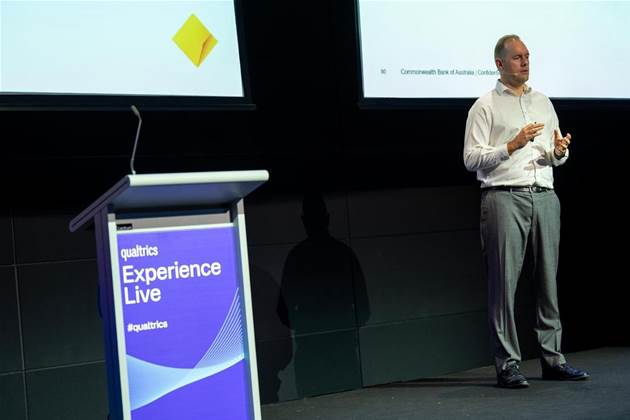
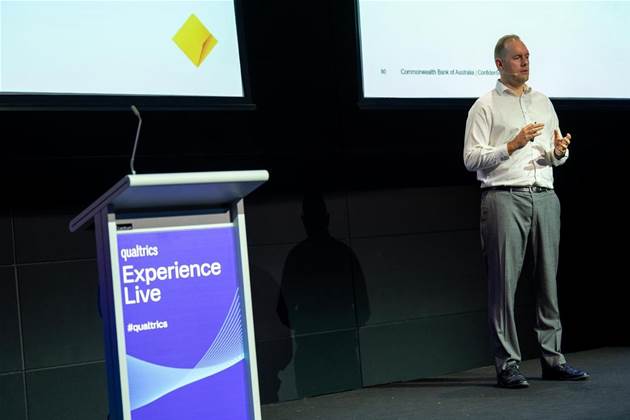
Future of Cloud Dialogue at Benchmark Awards Roundtable

Significance of Cloud Sovereignty

Cloud sovereignty remains a pivotal element for Australian firms. With data regulations tightening, businesses must guarantee that their cloud strategies adhere to local laws and global standards. The roundtable reinforced the significance of selecting cloud solutions that provide both adaptability and governance over data storage and processing.

Establishing a Secure Infrastructure

Security is paramount in cloud implementation. The discussions at the roundtable emphasized the necessity for comprehensive security protocols that safeguard sensitive information and uphold the integrity of business operations. As cyber threats progress, the strategies to defend against them must evolve as well. This necessitates ongoing investment in security technologies and methodologies.

Ensuring Predictable Expenses and Resilience

One of the hurdles in cloud integration is expense management. Predictability in cloud-related costs enables organizations to plan judiciously and allocate resources adeptly. Moreover, resilience in cloud services guarantees that businesses can sustain operations without interruptions, even amid unforeseen circumstances.

Conclusion

The Benchmark Awards Roundtable offered valuable perspectives on the future of cloud technology, focusing on modernization, sovereignty, and security. As Australian enterprises tackle these intricate matters, the necessity for strategic foresight and dependable solutions becomes increasingly apparent.

Q&A Segment

Q: What does cloud modernization entail?

A: Cloud modernization refers to the process of updating and refining cloud infrastructure to satisfy current business requirements and prepare for future needs. This may involve adopting new technologies, enhancing processes, and ensuring that systems are scalable.

Q: What is the significance of cloud sovereignty?

A: Cloud sovereignty guarantees that businesses maintain governance over their data and comply with local as well as international regulations. This is essential for protecting sensitive data and sustaining customer trust.

Q: How can businesses secure their cloud infrastructure?

A: Businesses can secure their cloud infrastructure by implementing robust security measures, including encryption, access controls, and routine security audits, along with investing in security technologies and training for staff.

Q: What challenges are linked to cloud expenses?

A: The primary challenges include unpredictable costs and resource distribution. Organizations must devise strategies that enable predictable budgeting and efficient resource utilization to manage expenses effectively.

Q: What advantages does cloud resilience provide to businesses?

A: Cloud resilience ensures that organizations can maintain operations without disruption, facing challenges such as cyberattacks, system breakdowns, or natural disasters, thereby preserving service continuity and customer satisfaction.

Eleror X9 Mini Wireless Earbuds Review


We independently review everything we recommend. When you buy through our links, we may earn a commission which is paid directly to our Australia-based writers, editors, and support staff. Thank you for your support!

eleror X9 Mini Wireless Earbuds for Sleeping & Daily Use, Extra-Small Bluetooth Earphones, Full-Silicone Comfort Tiny Ear Buds, Noise-Isolating, Secure Fit, ENC Clear Calls (Nude)

ACMA to Enforce Direct Protections for Telecommunications Consumers


We independently review everything we recommend. When you buy through our links, we may earn a commission which is paid directly to our Australia-based writers, editors, and support staff. Thank you for your support!

ACMA to Enforce Direct Protections for Telco Consumers

Brief Overview

  • ACMA terminates co-regulatory arrangements with telco firms to enforce consumer safeguards directly.
  • New binding industry standards to tackle aggressive sales, marketing, and credit management.
  • Australian Telecommunications Association to partner with ACMA on upcoming regulations.
  • This action is aimed at bolstering consumer protection within the telecommunications field.
  • ACCAN endorses ACMA’s choice, labeling it a crucial turning point for regulation.

ACMA’s Fresh Regulatory Strategy

The Australian Communications and Media Authority (ACMA) is gearing up to revamp its strategy for regulating the telco sector. By discontinuing co-regulatory arrangements, ACMA is assuming direct oversight to introduce enforceable industry standards that more effectively protect consumer interests.

ACMA to directly implement safeguards for telco consumers

Reasons for the Shift

The decision comes in the wake of ACMA’s dismissal of a proposed co-regulatory code in October 2023. The draft was found lacking in terms of consumer protection. ACMA Chair Nerida O’Loughlin highlighted the urgency for more explicit obligations and enhanced regulatory enforcement to tackle issues such as predatory sales tactics and protections for at-risk consumers.

Reaction from the Industry

Although the Australian Telecommunications Association (ATA) defended its record on consumer satisfaction, it recognized the need to collaborate with ACMA. ATA CEO Luke Coleman pointed out that the industry is dedicated to working together for improved consumer outcomes, underlining the critical role of connectivity in the lives of Australians.

Backing from Consumer Advocates

The Australian Communications Consumer Action Network (ACCAN) praised ACMA’s proactive position. ACCAN CEO Carol Bennett commended the decision as a major shift in telecommunications regulation, urging ACMA to actively alleviate consumer harm through the forthcoming standards.

Conclusion

ACMA’s resolution to directly regulate telco consumer protections signifies a significant transformation in the telecommunications arena. With new enforceable standards imminent, both industry stakeholders and consumer advocates anticipate notable advancements in consumer safeguarding.

FAQ

Q: What led ACMA to abolish co-regulatory arrangements?

A: The action followed the rejection of a draft co-regulatory code that inadequately protected consumers.

Q: Which aspects will the new standards encompass?

A: The standards will focus on aggressive sales tactics, advertising, credit and debt management, as well as protections for at-risk consumers.

Q: How has the telco sector reacted to ACMA’s decision?

A: The industry, represented by the ATA, has shown its commitment to working together with ACMA to enhance consumer protections.

Q: What is ACCAN’s viewpoint on the new regulatory strategy?

A: ACCAN supports ACMA’s decision, considering it a pivotal moment for improved consumer protection in the telecommunications industry.

Huawei FreeBuds 6i Review


We independently review everything we recommend. When you buy through our links, we may earn a commission which is paid directly to our Australia-based writers, editors, and support staff. Thank you for your support!

Huawei FreeBuds 6i, Intelligent Active Noise Cancelling 3.0, Powerful Bass, Up to 35 Hours Battery Life, Bluetooth 5.3, IP54 Dust and Water Resistance, White

Executive Getaways: Guiding Leadership in the Age of Data and AI


We independently review everything we recommend. When you buy through our links, we may earn a commission which is paid directly to our Australia-based writers, editors, and support staff. Thank you for your support!

Executive Retreats: Steering Leadership in the Era of Data and AI

Quick Overview

  • Emphasis on data and AI leadership within Australia.
  • Event tailored for senior professionals in tech, data, and AI.
  • Opportunities for networking and peer exchanges in a casual atmosphere.
  • Event taking place from 28-29 May 2026 at Château Élan, Hunter Valley.
TechBest Executive Retreats: Steering Leadership in the Era of Data and AI

Data and AI: The Emerging Terrain for Leaders

In the current fast-paced business environment, data and artificial intelligence (AI) lead the charge in innovation. Companies throughout Australia are increasingly allocating resources to these technologies to improve operations, enhance competitive advantage, and aid decision-making. The dilemma for senior tech leaders has transitioned from grasping AI’s possibilities to charting the course for its implementation.

The Demand for Strategic Discussions

As AI and data transform industries, the expectations for leaders are at an all-time high. The transformation from trial phases to concrete business results imposes significant pressure on executives. Leaders must navigate informed choices about governance, risk assessment, capability enhancement, and strategic orientation amidst a lack of previous guides.

Establishing a Space for Open Communication

The TechBest Executive Retreat: Data & AI Leaders Edition, set for 28-29 May 2026 at the beautiful Château Élan in Hunter Valley, is designed to create a favorable atmosphere for these vital discussions. By gathering a curated group of senior tech, data, and AI leaders, the retreat allows for open dialogue among peers in a serene environment.

Casual Networking and Relationship Development

The retreat’s structure promotes relaxed interactions through activities like wine and cheese tastings, golfing, and leisure at a HydroDeck spa. This environment encourages relationship growth and allows participants to exchange insights and experiences away from their usual routines.

Conclusion

The TechBest Executive Retreat: Data & AI Leaders Edition presents a distinct chance for senior leaders to participate in honest conversations about the future of AI and data in their organizations. By focusing on peer learning and relationship development, the event aims to provide leaders with the insights necessary to successfully navigate the changing technological landscape.

Q: What is the emphasis of the TechBest Executive Retreat?

A: The emphasis is on leadership during the data and AI era, offering a space for senior leaders to discuss challenges and prospects.

Q: Who is the target audience for the retreat?

A: Senior leaders in technology, data, and AI interested in engaging in strategic dialogues and connecting with peers.

Q: When and where will the retreat occur?

A: The retreat is set for 28-29 May 2026 at Château Élan in Hunter Valley.

Q: What activities are planned for attendees?

A: Attendees will be able to enjoy wine and cheese tastings, golfing, a HydroDeck spa, and casual networking by the firepit.

Q: How can I sign up for the event?

A: Interested parties can register by visiting TechBest’s official event website for further information.

Boat Airdopes 91 Prime Review


We independently review everything we recommend. When you buy through our links, we may earn a commission which is paid directly to our Australia-based writers, editors, and support staff. Thank you for your support!

Boat Airdopes 91 Prime, 45HRS Battery, 13 mm Drivers, Metallic Finish, Low Latency,ENx Tech, Fast Charge, v5.3 Bluetooth TWS in Ear Earbuds Wireless Earphones with mic (Midnight Black)

LEO Satellite Operators Might Bypass Australian Data Regulations


We independently review everything we recommend. When you buy through our links, we may earn a commission which is paid directly to our Australia-based writers, editors, and support staff. Thank you for your support!

Australian Data Regulations and LEO Satellite Providers

Brief Overview

  • LEO satellite providers might avoid Australian data regulations by failing to establish a local footprint.
  • Information is often transmitted internationally without utilizing Australian facilities.
  • The Australian Cyber Security Centre (ACSC) recommends contract stipulations for data localisation.
  • LEO systems encounter cyber threats, including jamming and data capture.
  • Immediate action is required for organisations to implement post-quantum cryptography strategies.

LEO Satellites and Data Governance

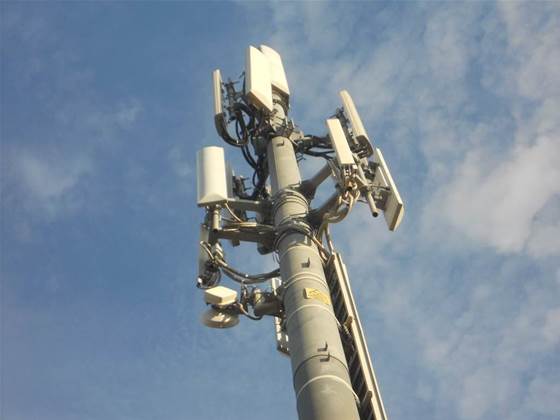
Issues with LEO satellite providers and Australian data governance

The swift progress of commercial low Earth orbit (LEO) satellite providers represents a novel opportunity for worldwide connectivity. Nonetheless, their ability to provide services in Australia without local operations raises critical issues regarding users’ data being beyond the reach of Australian regulations. This intricate matter is covered in a recent guideline from the Australian Cyber Security Centre (ACSC).

Challenges in Privacy and Compliance

LEO satellite networks often share data across various nations without utilizing local Australian assets. This scenario not only generates uncertainty about the applicable legal jurisdiction but also complicates adherence to established privacy and data protection laws. The ACSC suggests that entities employing LEO services negotiate contractual agreements to guarantee data localisation, thereby preserving authority over data processing locations and methods.

Maintaining Data Sovereignty

In tackling these hurdles, the ACSC recommends that organizations require management of encryption keys within the country to maintain cryptographic sovereignty. Furthermore, they should demand satellite configurations that restrict data downlinking to authorised regions. It is also advisable for LEO operators to isolate customer data at every stage to improve security.

Cybersecurity Risks to LEO Infrastructure

LEO satellite architectures face specific cyber threats arising from their distributed framework and dependence on radio links, which can be disrupted or intercepted. The ACSC highlights the danger of unauthorized command injections and signal spoofing, particularly in older satellites lacking contemporary security measures. Ground systems present additional vulnerabilities, such as malware intrusions and credential breaches.

User Guidelines

For those utilizing LEO services, the ACSC recommends adopting multi-factor authentication and deploying endpoint detection tools. Encrypting data during transmission and at rest, along with routine updates and secure settings, is essential. The guidance also underscores the necessity of readiness for post-quantum cryptography to defend against upcoming threats.

Conclusion

The capability of LEO satellite operators to function outside the scope of Australian data regulations introduces considerable risks and challenges. With the stakes of data sovereignty and security involved, organizations need to actively collaborate with satellite providers to ensure compliance and secure operations, while also preparing for emerging technological risks.

Q: What is the primary issue concerning LEO satellite providers in Australia?

A: The main issue is that they may supply connectivity without a local establishment, potentially placing user data outside of Australian legal oversight.

Q: How does cross-border data transmission impact compliance?

A: It creates uncertainty about applicable laws, complicating compliance with privacy and data protection standards.

Q: What advice does the ACSC give to organizations utilizing LEO services?

A: Organizations should negotiate data localisation clauses, ensure in-country management of encryption keys, and apply secure configurations.

Q: What cybersecurity threats confront LEO systems?

A: Risks include jamming, interception, command injection, and signal spoofing, particularly affecting legacy satellites.

Q: Why is post-quantum cryptography critical for LEO users?

A: It positions organizations to face future threats that may compromise existing encryption techniques, thereby ensuring enduring data safety.

Q: Which sectors are highly dependent on LEO satellite services?

A: Sectors such as mining, shipping, agriculture, and healthcare regularly depend on LEO services for remote connectivity and emergency communications.